Artwork
Sibylle
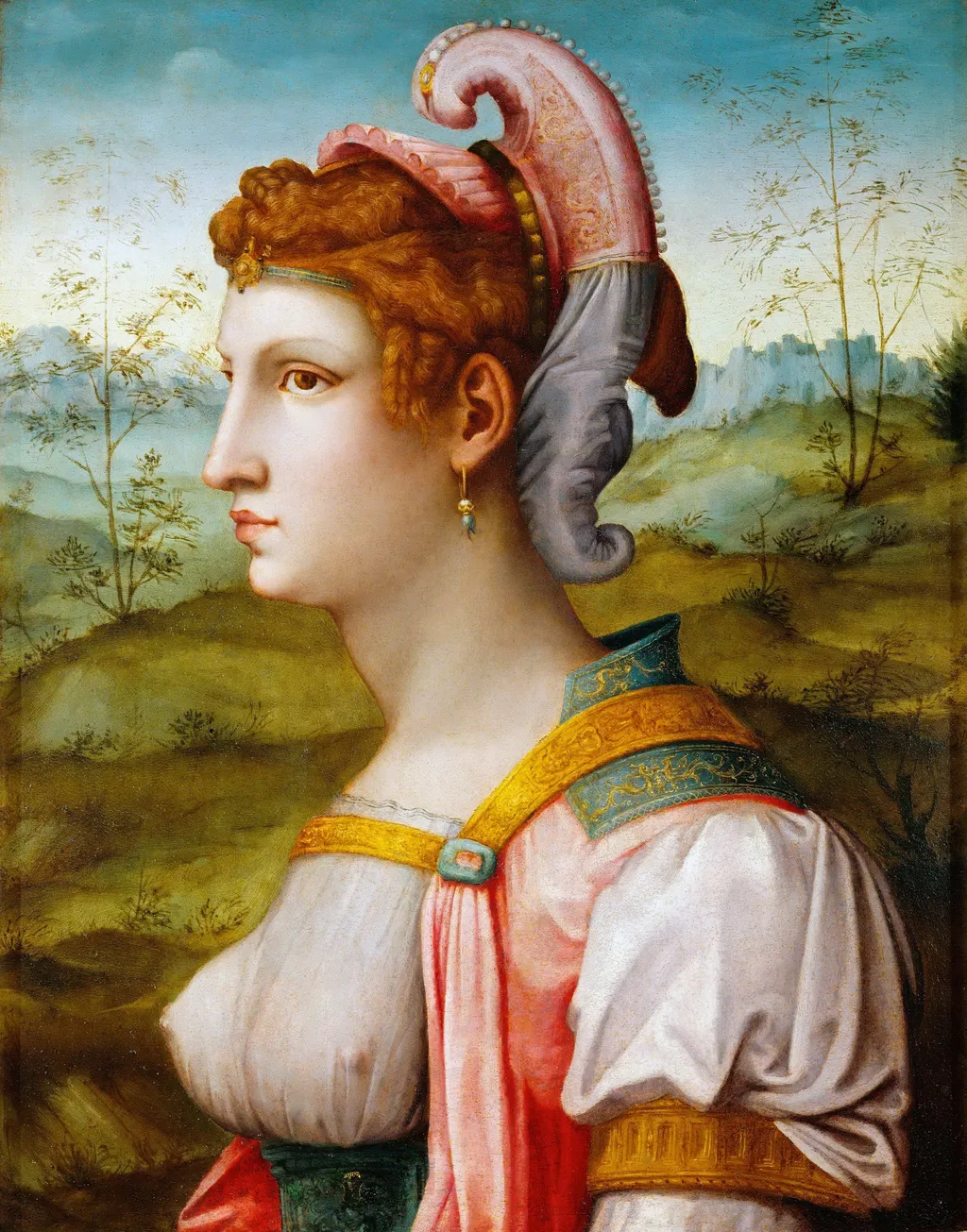
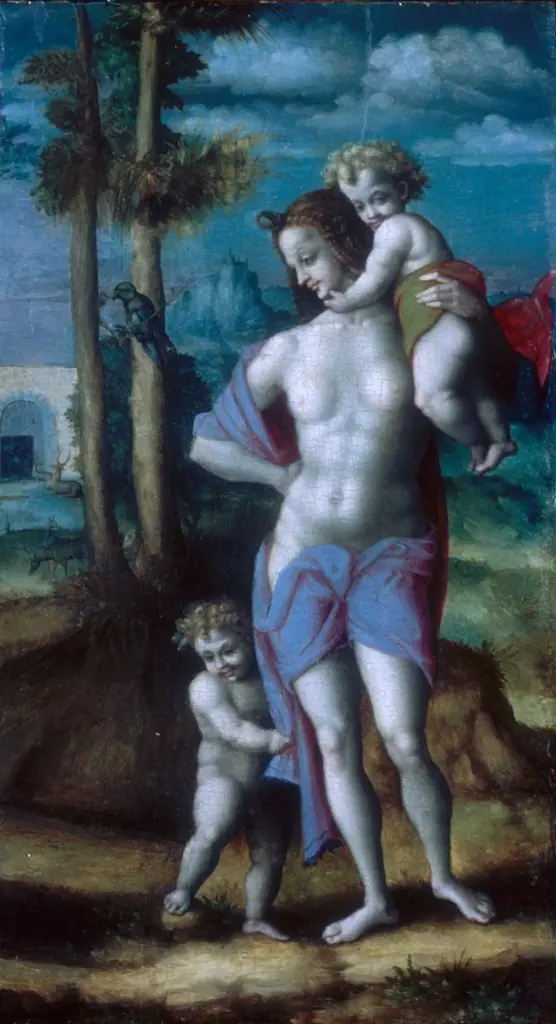
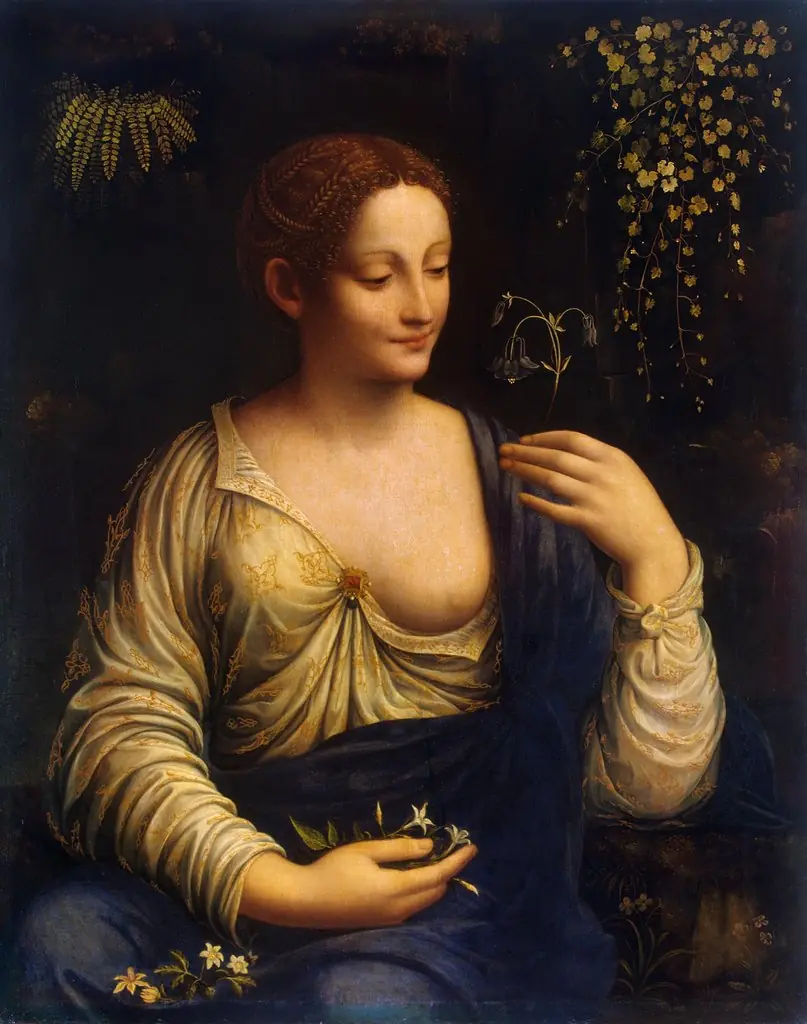
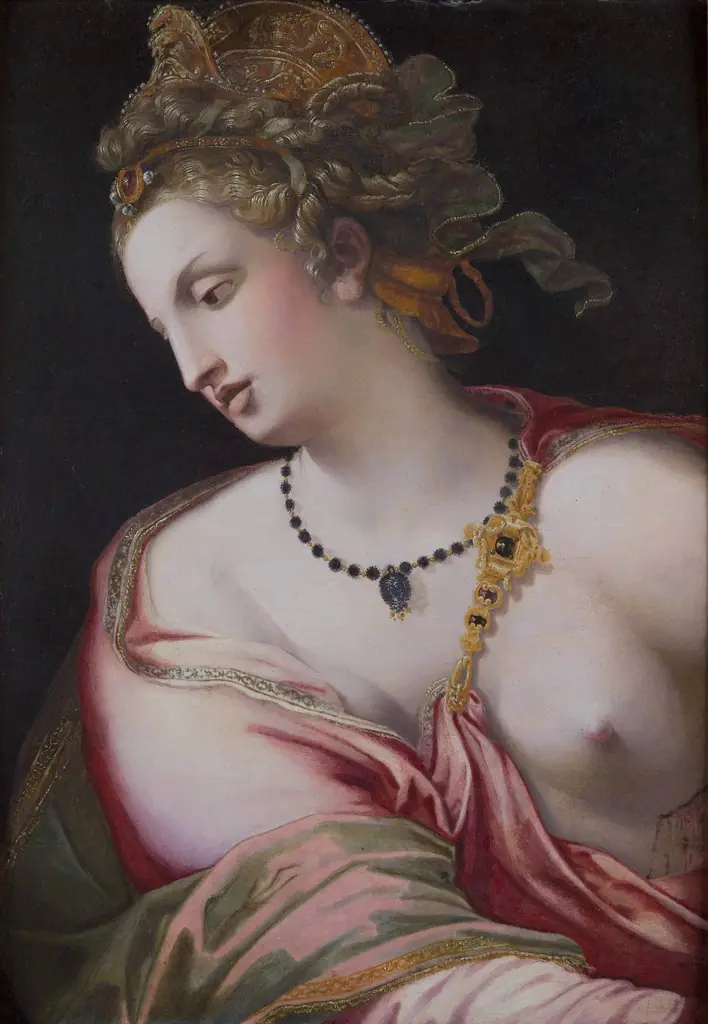
Sibylle is an oil painting by the Mannerist artist Francesco Bacchiacca. It dates from 1530 and is held in the collection of the Kunsthistorisches Museum.
About this work
Subject & Meaning
As a work classified within the mythological genre, the subject represents the classical tradition of prophetic women from antiquity.
Francesco Bacchiacca's 1530 oil painting presents a single female figure identified explicitly as a sibyl. As a work classified within the mythological genre, the subject represents the classical tradition of prophetic women from antiquity. The composition focuses entirely on this main subject, utilizing the figure to embody the archetype of the sibyl without additional narrative elements or complex iconographic programs described in the available records.
Technique & Style
Sibylle is executed in oil paint on panel, a support typical of mid-sixteenth-century Italian cabinet pictures. The work is classified as a mythological painting and depicts a sibyl as its main subject.
Its physical dimensions are modest, measuring 70 cm in height by 54 cm in width, consistent with an intimate devotional or collector's-scale format. The panel support and oil medium would have allowed Bacchiacca to build up finely detailed modeling and saturated color in the figure's features and drapery.
History & Provenance
The work now in the Kunsthistorisches Museum was painted by Francesco Bacchiacca around 1530, as indicated by the museum’s records and the painting’s documented inception date.
It entered the Habsburg collections in the sixteenth century and has remained in Vienna since that time, passing into the holdings of the Kunsthistorisches Museum where it is currently located.
Francesco Bacchiacca's painting Sibylle, created in 1530, is held in the collection of the Kunsthistorisches Museum. The work is an oil-on-panel piece measuring 70 cm in height and 54 cm in width. The provided sources do not contain specific inventory or accession numbers for this entry, nor do they record any exhibition history for the artwork.
Legacy
The painting Sibylle by Francesco Bacchiacca, created in 1530, has been recognized for its role in the development of mythological imagery during the Renaissance. Its representation of a sibyl contributed to the visual vocabulary of prophetic figures in later artworks, influencing depictions of oracles in subsequent centuries. The work's presence in the collection of the Kunsthistorisches Museum has ensured continued scholarly attention to Bacchiacca's artistic legacy.
Overview
Created circa 1530, Sibylle is an oil painting on panel by the Florentine artist Francesco d’Ubertino Verdi, who worked under the name Bachiacca. The work is part of the Kunsthistorisches Museum’s holdings in Vienna and presents a classical sibyl rendered in the characteristic elegance of early Mannerist painting.
Context
The painting reflects the Renaissance fascination with classical mythology and the integration of prophetic figures into visual culture. Its compositional balance, graceful pose, and ornamental details align with contemporary Florentine trends that favored refined elegance over strict naturalism.
Own this work as a print
Artist & collection
Artist
Francesco d'Ubertino Verdi, called Bachiacca (say "bah ki ah cka"). He is also known as Francesco Ubertini, il Bacchiacca (1494–1557). He was an Italian painter of the Renaissance whose work is characteristic of the…