Artwork
flagellazione di cristo
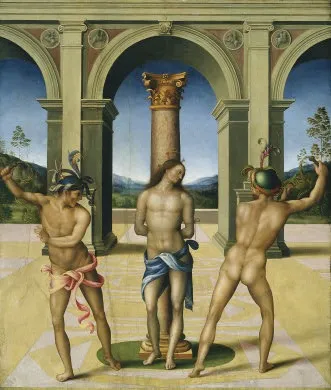
flagellazione di cristo is an oil painting by the Early Renaissance artist Francesco Bacchiacca. It dates from 1512 and is held in the collection of the National Gallery of Art.
About this work
Subject & Meaning
As a work of religious art created by Francesco Bacchiacca in 1512, the piece adheres to traditional Christian iconography centered on the Passion of Christ.
The painting depicts the Flagellation of Christ, a religious narrative illustrating the scourging of Jesus prior to his crucifixion. As a work of religious art created by Francesco Bacchiacca in 1512, the piece adheres to traditional Christian iconography centered on the Passion of Christ. The subject matter represents the physical suffering and endurance of Jesus, serving as a focal point for devotional reflection on sacrifice and redemption within the Christian tradition.
Technique & Style
Executed in 1512, this religious painting by Francesco Bacchiacca uses oil paint applied to a wooden panel support. The work is a formal example of early sixteenth-century Italian devotional art, characterized by the handling of oil media on a rigid surface typical of the period. While the precise condition of the surface and detailed stylistic nuances of brushwork or palette are not detailed in the available records, the material construction is consistent with the artist's known production methods for small-scale sacred subjects during this era.
History & Provenance
Flagellazione di Cristo is an oil painting on panel created in 1512 by Francesco Bacchiacca, depicting the biblical Flagellation of Christ within the religious genre. The work was produced in Florence, though specific commission details are not recorded in the sources. It is held in the collection of the National Gallery of Art in Washington, D.C., where it is part of the museum’s permanent collection. Its documented provenance is limited to its presence in the National Gallery’s holdings.
Context
Flagellazione di Cristo is a 1512 oil painting on panel by Francesco Bacchiacca, classified as a religious work.
The piece exemplifies the early sixteenth-century Florentine tradition of devotional imagery, reflecting Bacchiacca’s focus on Passion narratives within the broader context of Italian Renaissance art.
Executed in oil on panel, the painting demonstrates the material practices characteristic of Italian artists of the period, and its inclusion in the National Gallery of Art’s collection in Washington, D.C., underscores its significance as a representative example of pre-Mannerist religious painting.
Overview
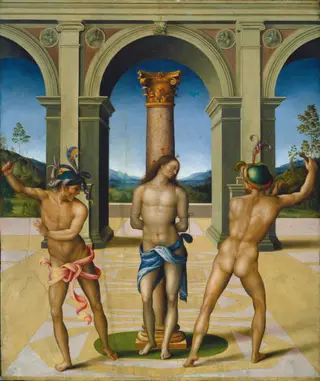
Bacchiacca's Flagellazione di Cristo, an oil painting from 1512, exemplifies the early Renaissance period. This work by the Florentine artist, active throughout the first half of the 16th century, is currently part of the collection at the National Gallery of Art in Washington. While titled Flagellazione di Cristo, the painting presents a scene with classical undertones and figures, reflecting Bacchiacca's distinctive style.
Artist & collection
Artist
Francesco d'Ubertino Verdi, called Bachiacca (say "bah ki ah cka"). He is also known as Francesco Ubertini, il Bacchiacca (1494–1557). He was an Italian painter of the Renaissance whose work is characteristic of the…

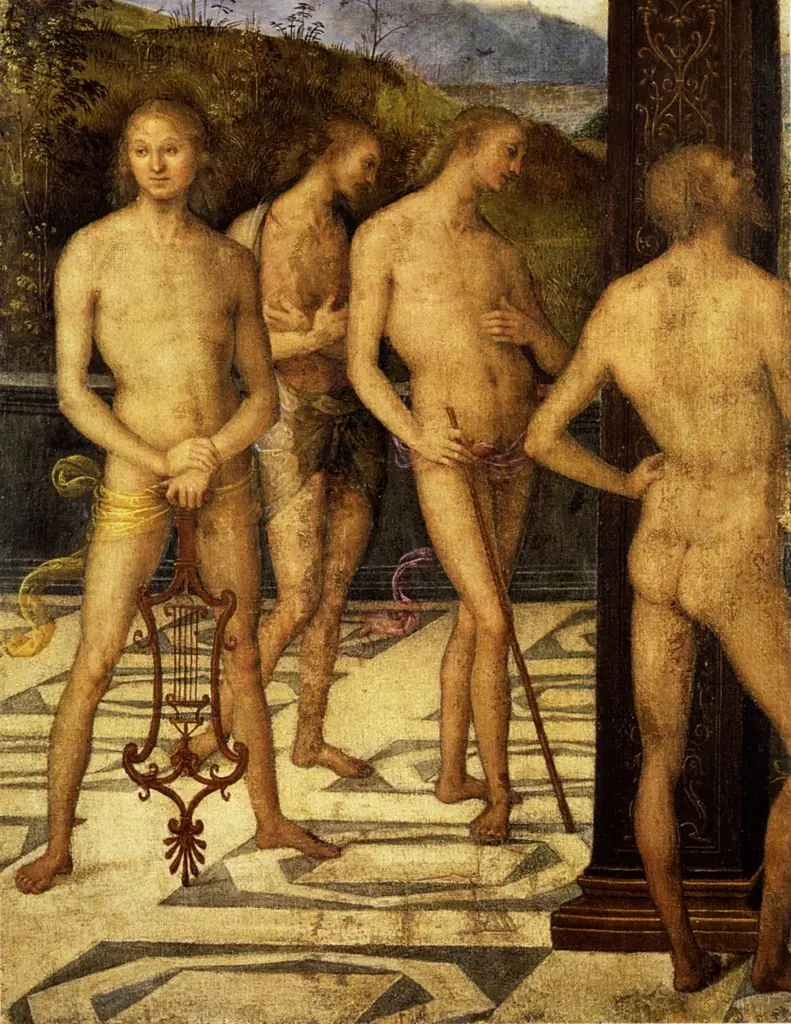 Four Male Figures
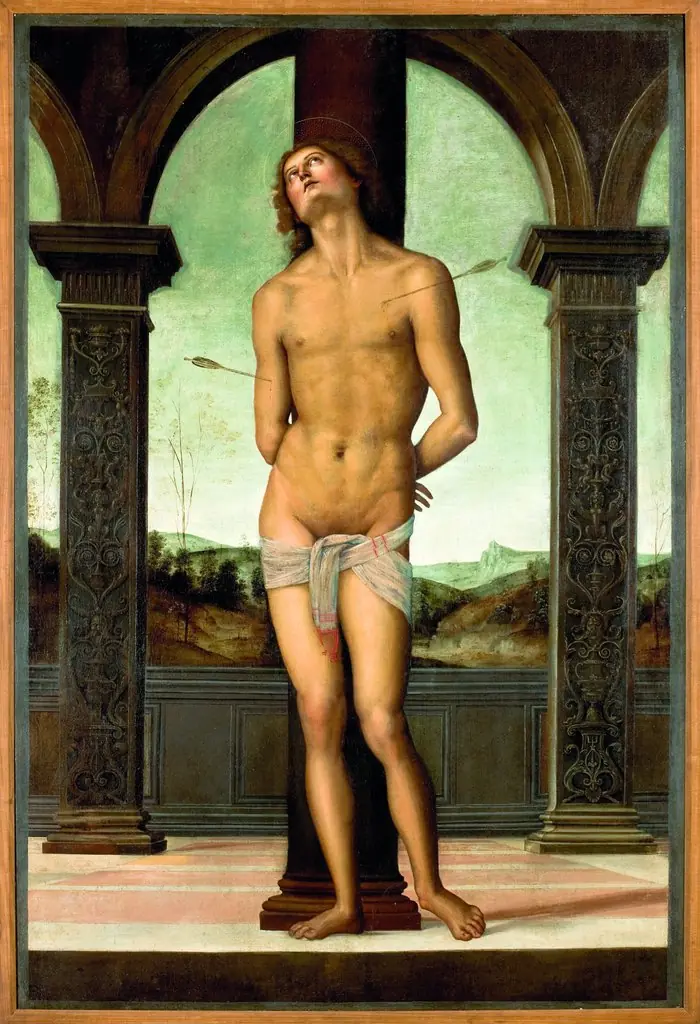 Saint Sebastian
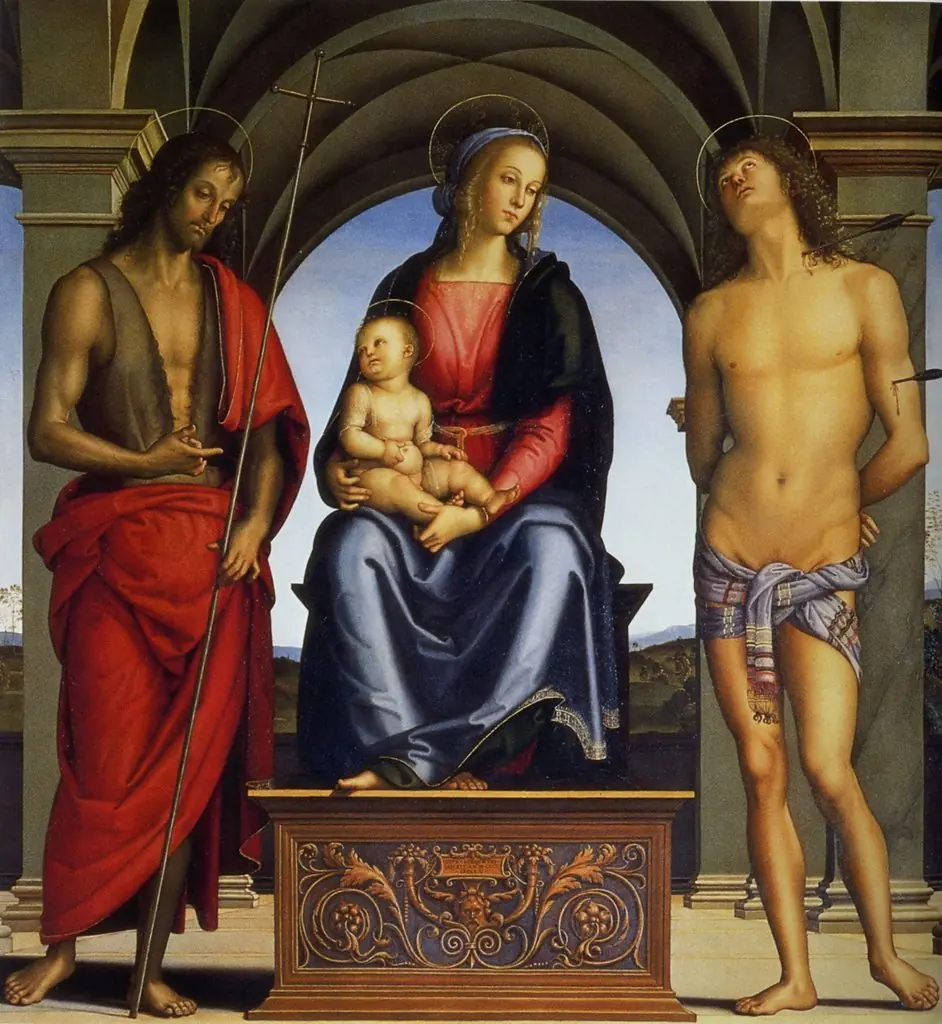 Madonna and Child Enthroned with Saints John the Baptist and Sebastian
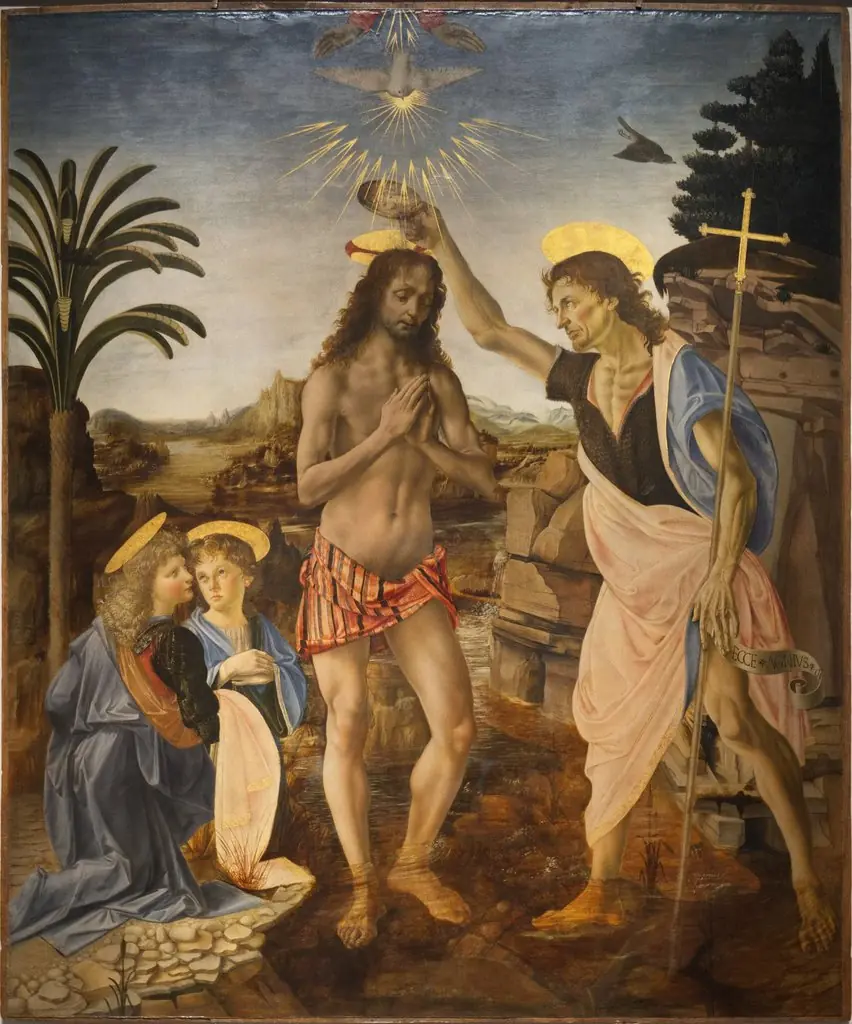 The Baptism of Christ
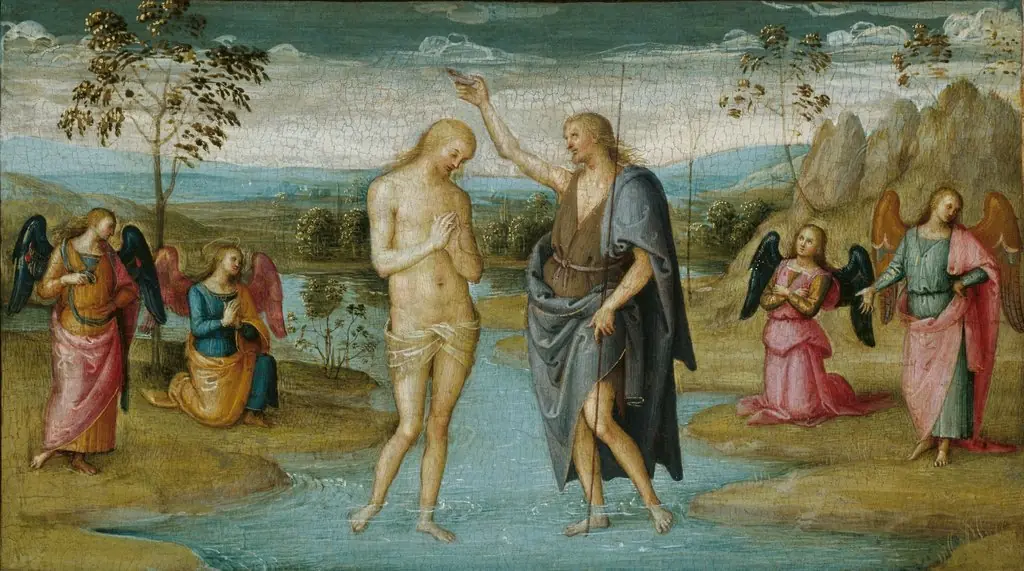 The Baptism of Christ
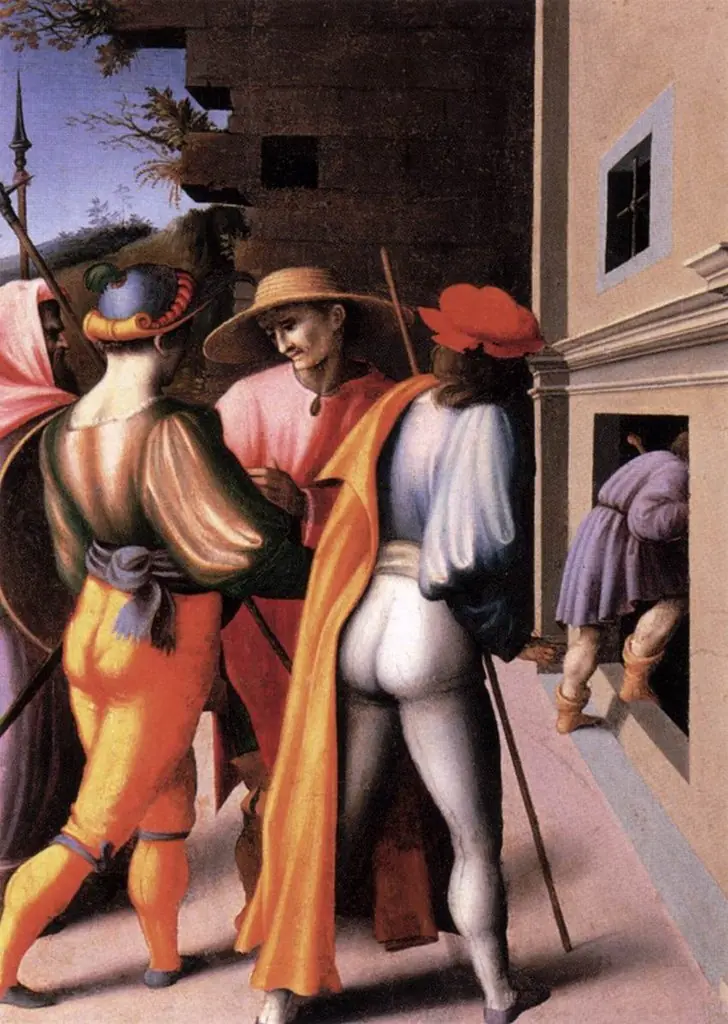 The Arrest of His Brethren
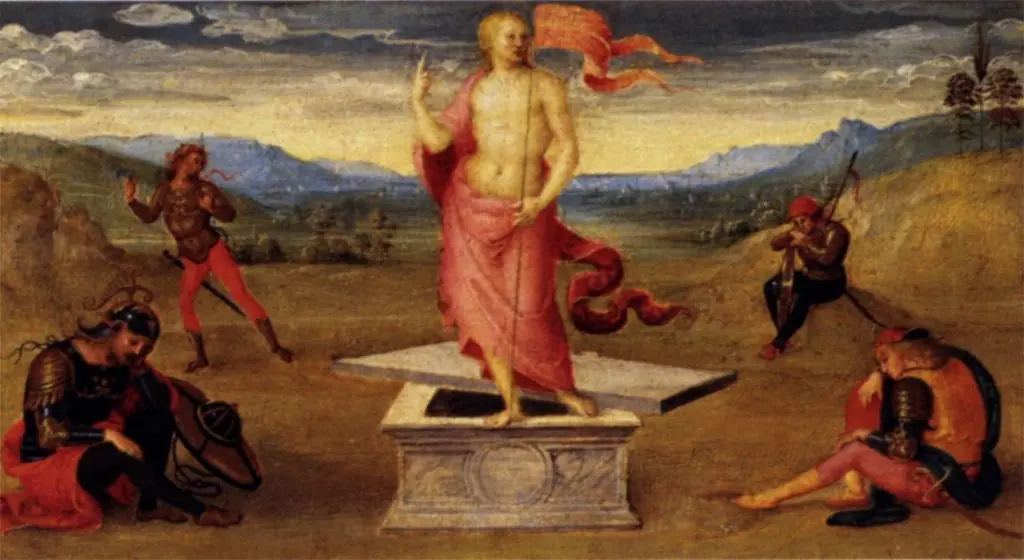 Resurrection of Christ
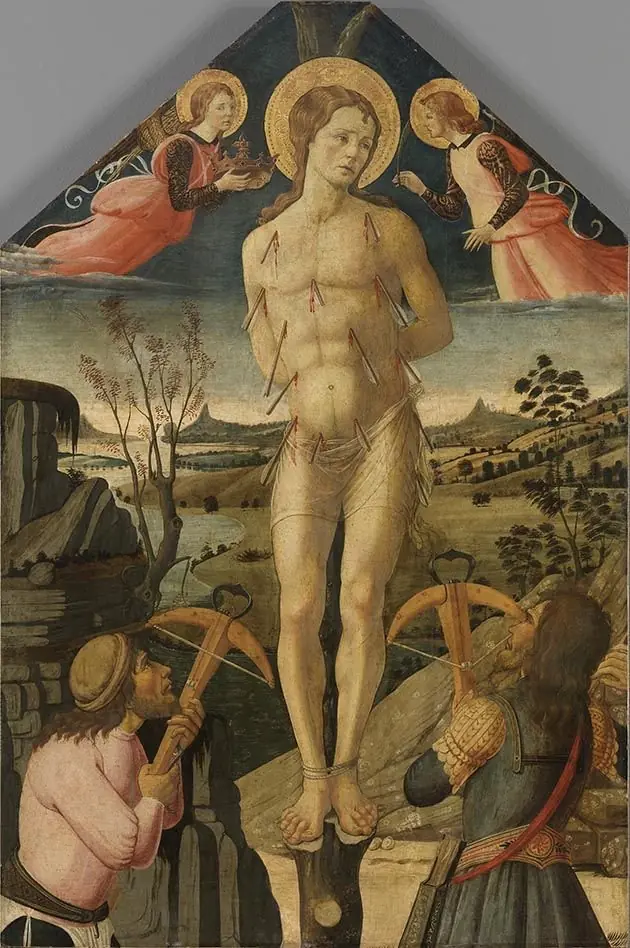 The martyrdom of Saint Sebastian
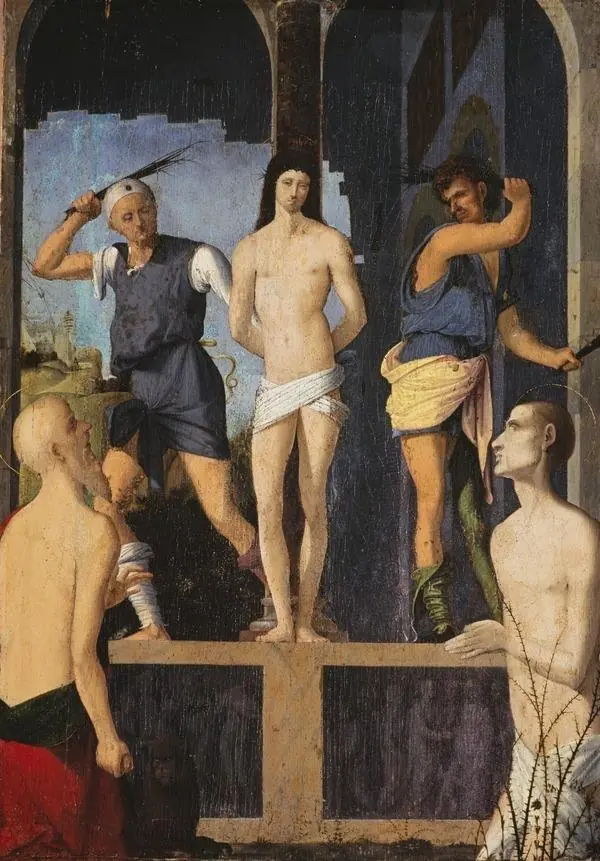 The Scourging of Christ with Saints Jerome and Benedict
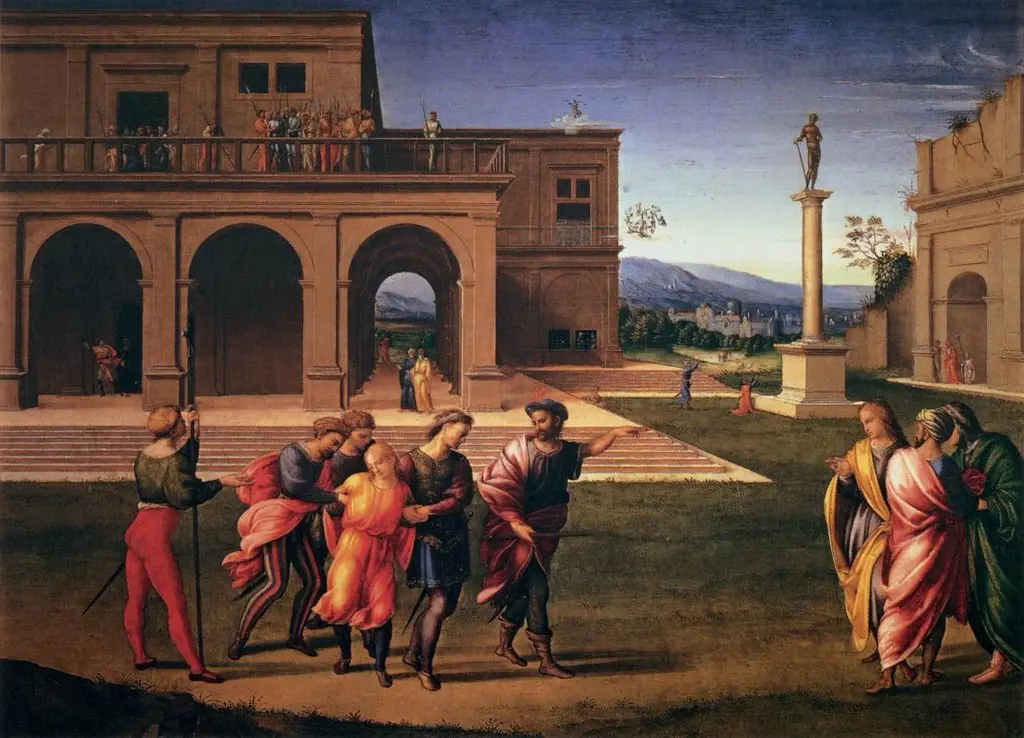 Joseph going to prison
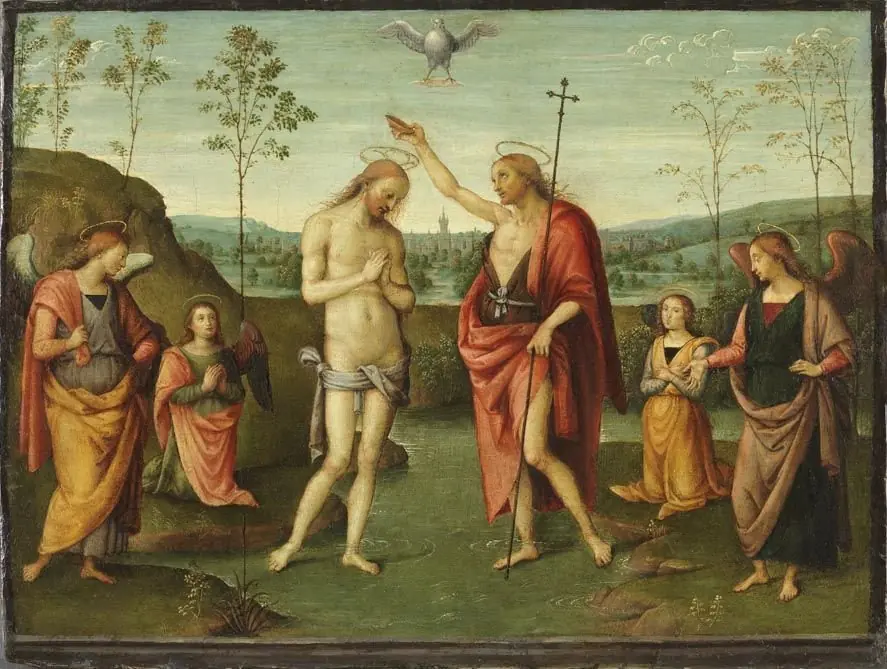 Baptism of Christ