Artwork
Saint Sebastian
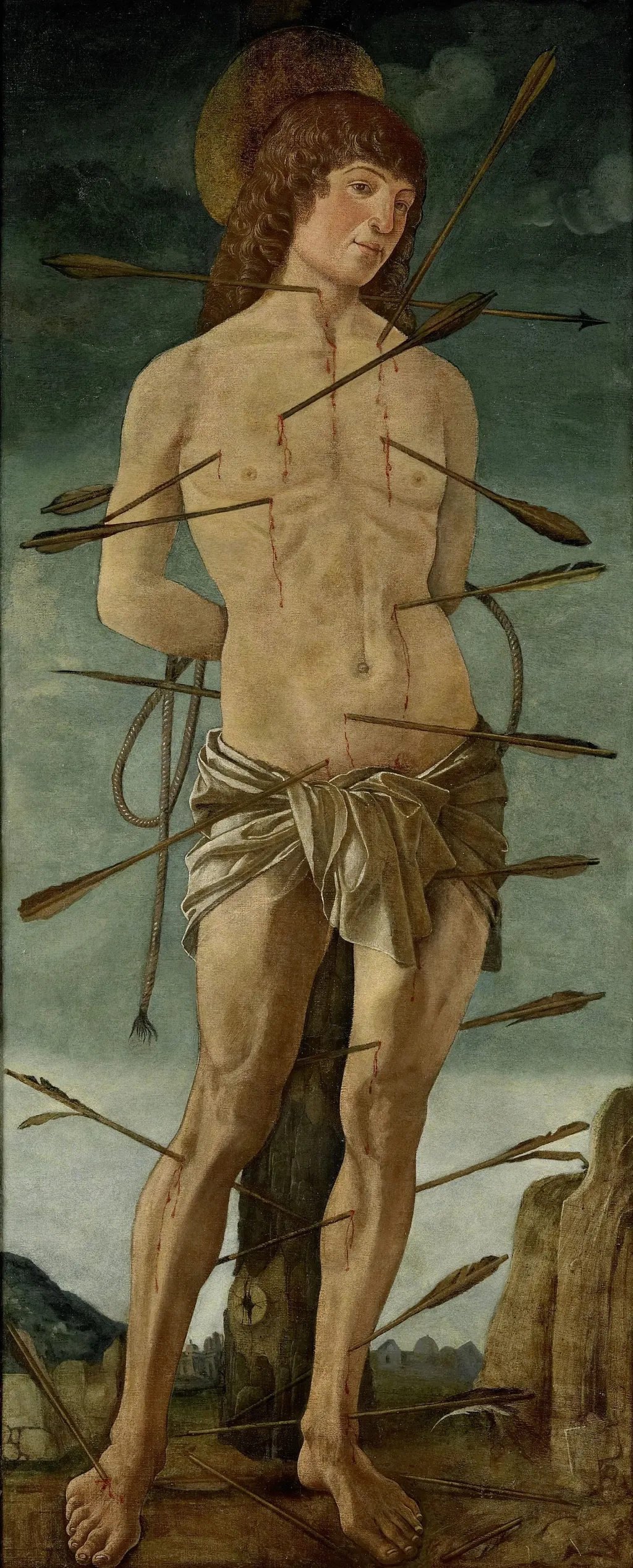
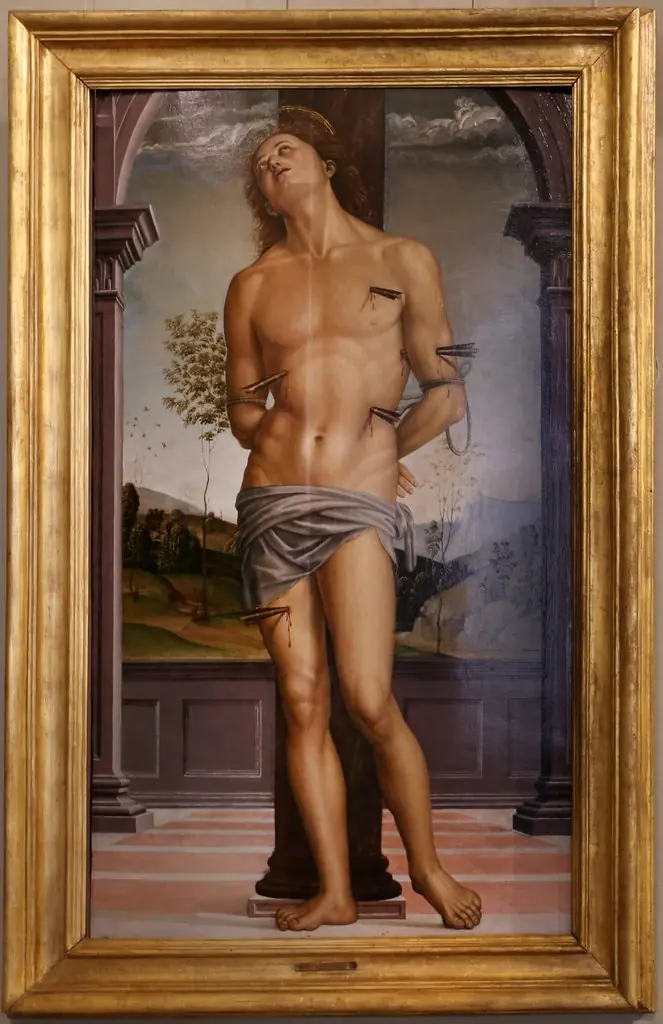
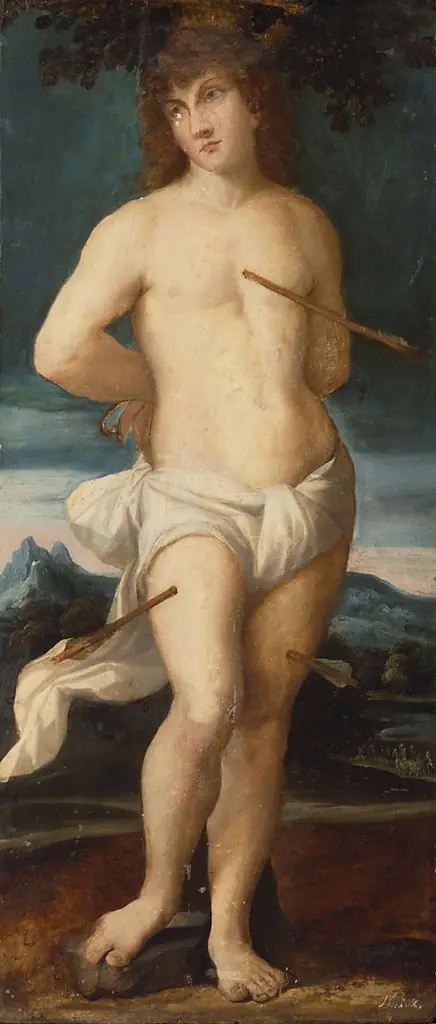
Saint Sebastian is an oil painting by the Early Renaissance artist Francesco Bonsignori. It dates from 1500 and is held in the collection of the Führermuseum.
About this work
History & Provenance
The work had previously been earmarked for the Führermuseum in Linz, indicating wartime displacement and relocation through Allied restitution channels.
The painting Saint Sebastian is dated to 1500 by internal records and is attributed to Francesco Bonsignori.
It entered the Netherlands state collection under Stichting Nederlands Kunstbezit after World War II, following recovery by the Central Collecting Point in Munich. The work had previously been earmarked for the Führermuseum in Linz, indicating wartime displacement and relocation through Allied restitution channels.
The painting Saint Sebastian by Francesco Bonsignori is currently held by the Rijksmuseum in Amsterdam. Its institutional journey includes transfers through the Stichting Nederlands Kunstbezit and the Dienst Verspreide Rijkscollecties. During the mid-20th century, the work was located at the Führermuseum and the Munich Central Collecting Point before reaching its present repository.
The artwork was created in 1500 and is executed in oil paint on canvas. It measures 143 cm in height and 59 cm in width. No specific exhibition history or accession numbers are provided in the available records.
Overview
Created circa 1500 by Francesco Bonsignori, an Italian painter from Verona, this oil painting portrays the Christian martyr Saint Sebastian. The work is part of the early Renaissance repertoire and is presently owned by the Rijksmuseum.
Subject & Meaning
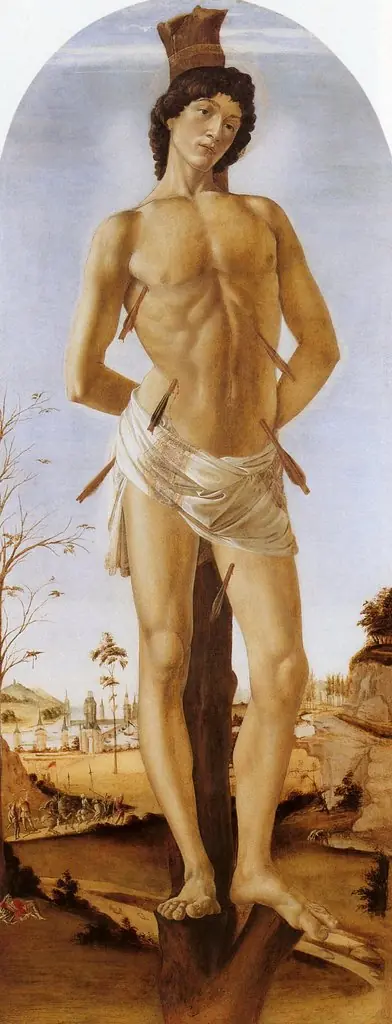
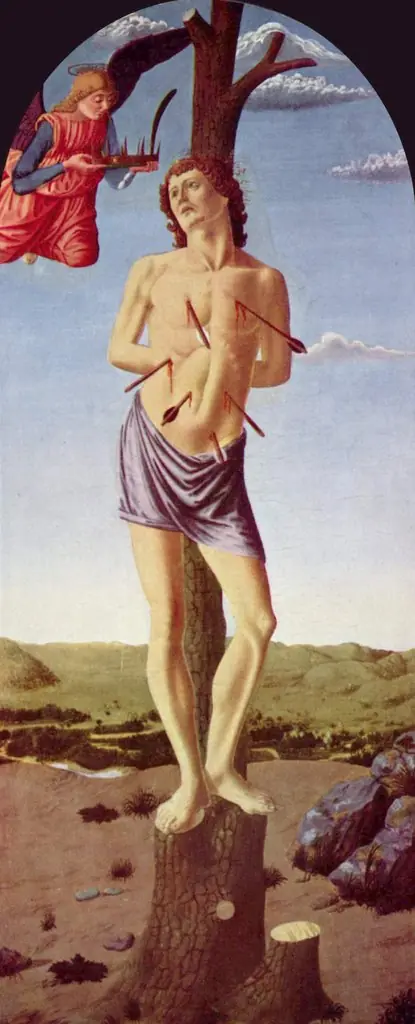
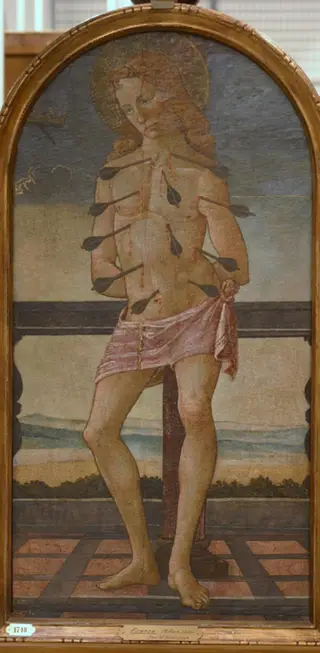
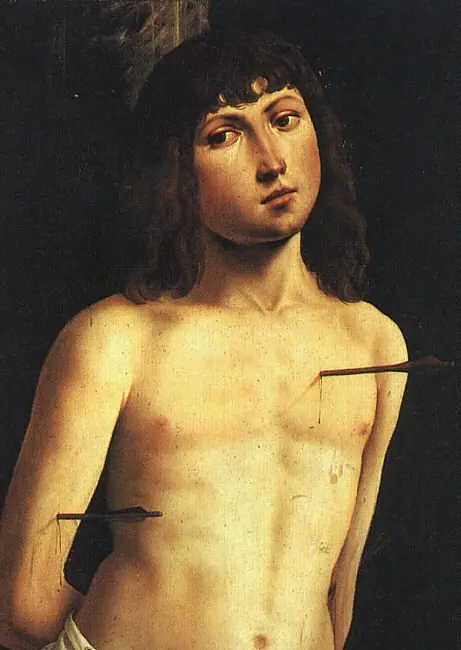
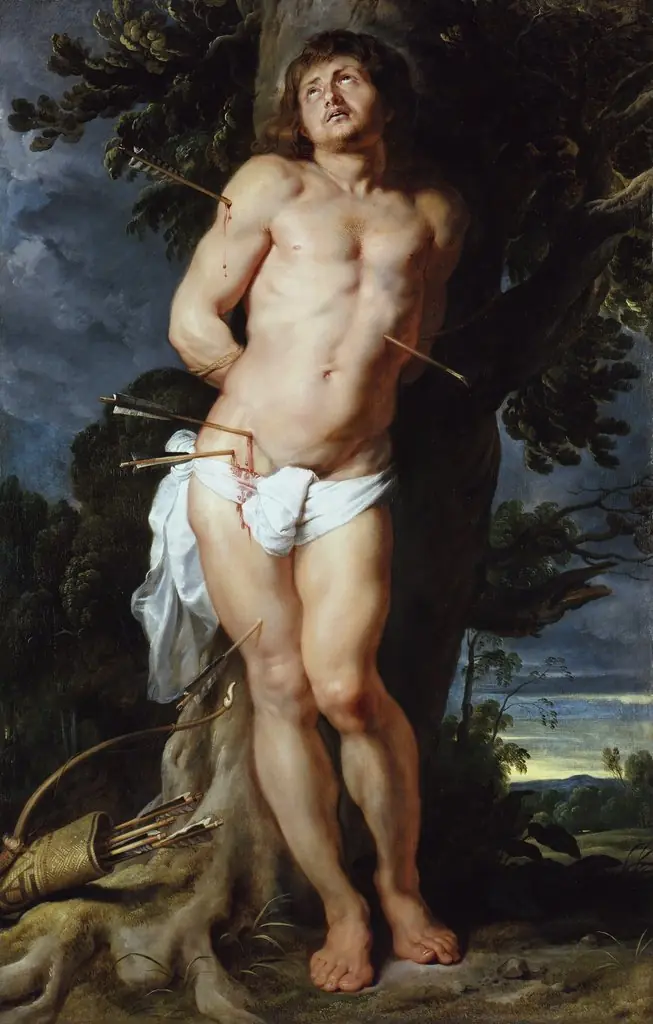
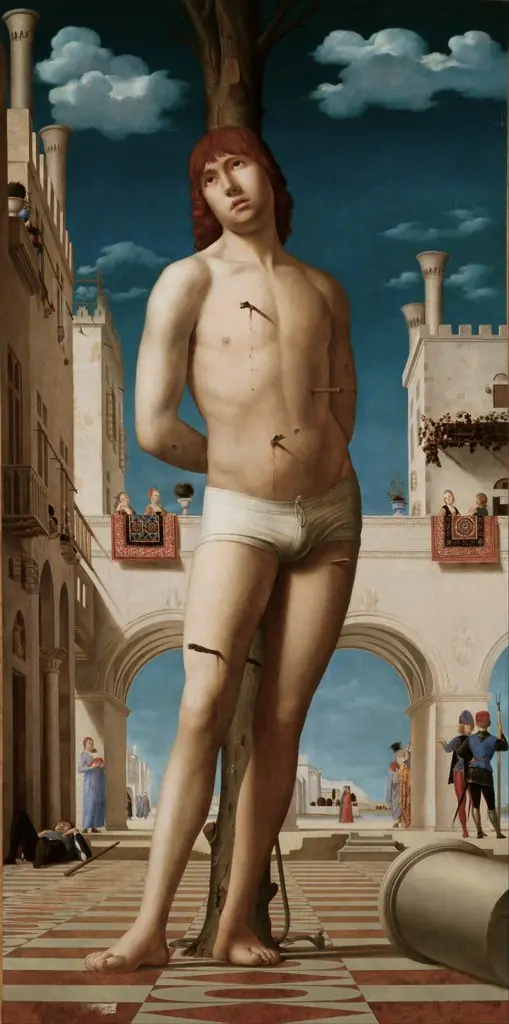
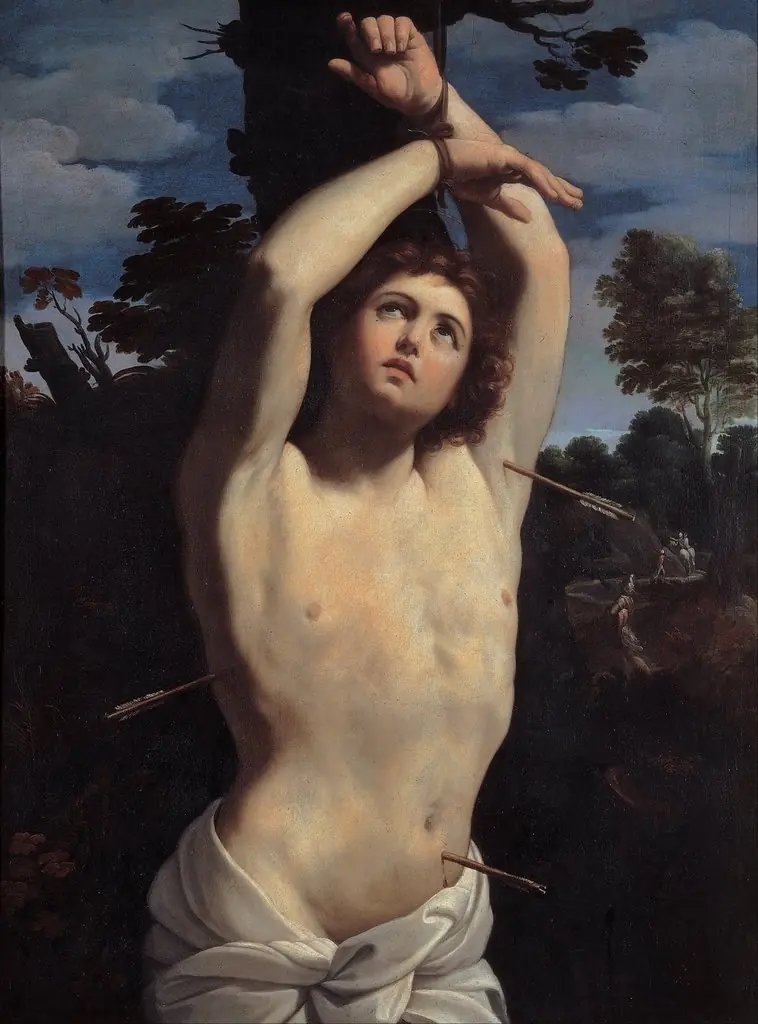
The composition shows a semi‑nude figure bound to a post, his torso and legs pierced by arrows. The saint’s pallid skin, highlighted by red wound marks, conveys both physical suffering and spiritual steadfastness, reflecting the traditional iconography of Sebastian as a symbol of endurance and faith.
Technique & Style
Bonsignori employs chiaroscuro, using strong contrasts of light and shadow to model the body’s musculature and emphasize the arrows’ sharpness. The soft, cloudy sky and distant hills provide a muted backdrop, while the painter’s handling of oil allows subtle gradations of tone that enhance the three‑dimensional effect.
Artist & collection
Artist
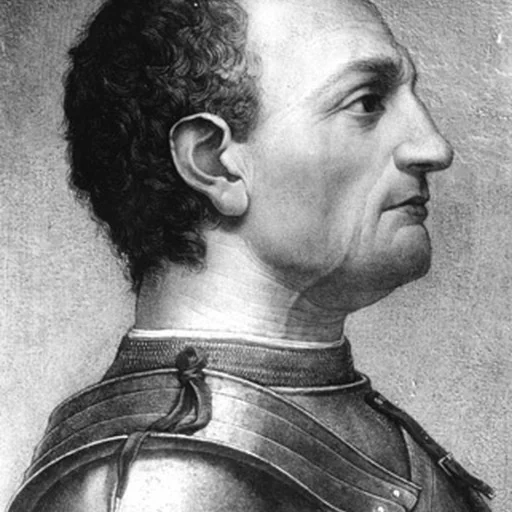
Francesco Bonsignori (c. 1455 – July 2, 1519), also known as Francesco Monsignori, was an Italian painter and draughtsman, characterized by his excellence in religious subjects, portraits, architectural perspective and…