Artwork
Saint Sebastian
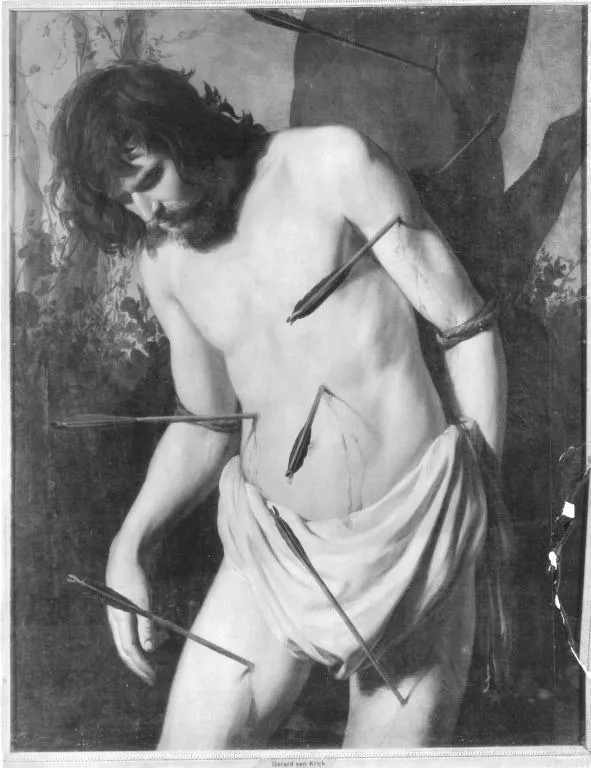
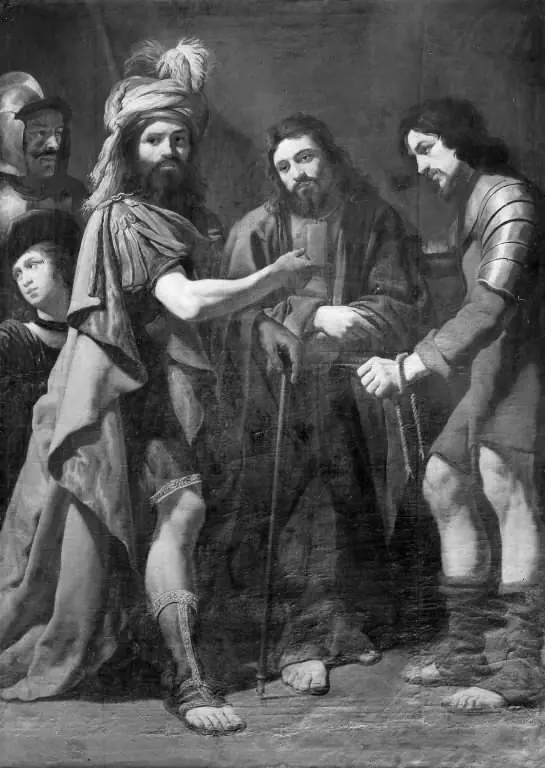
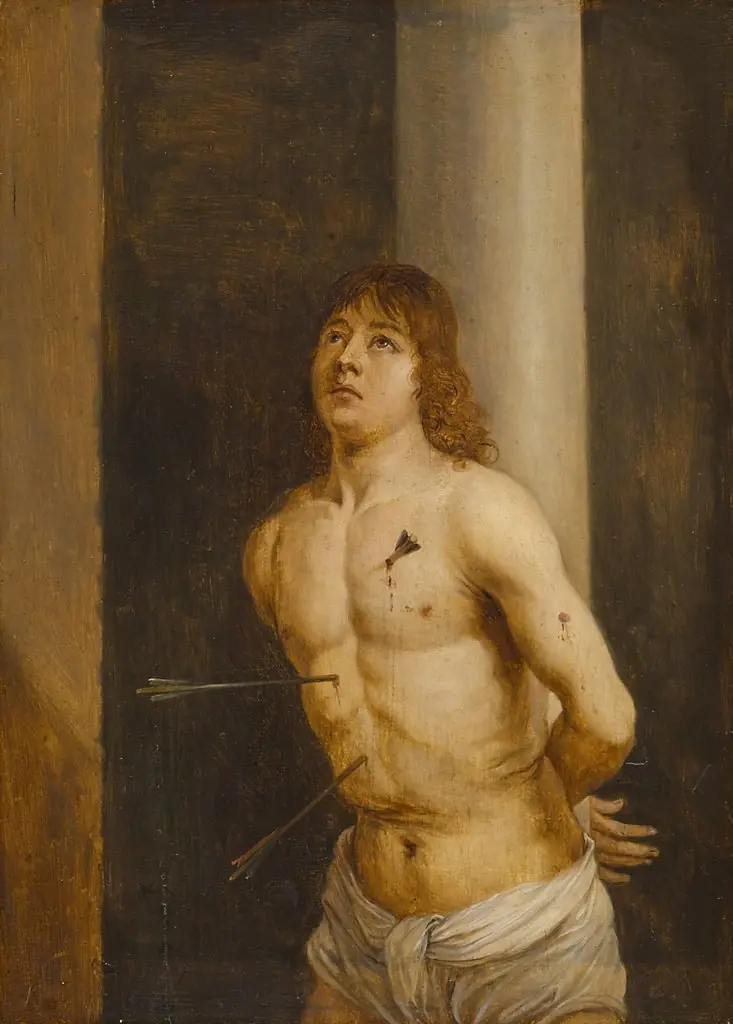
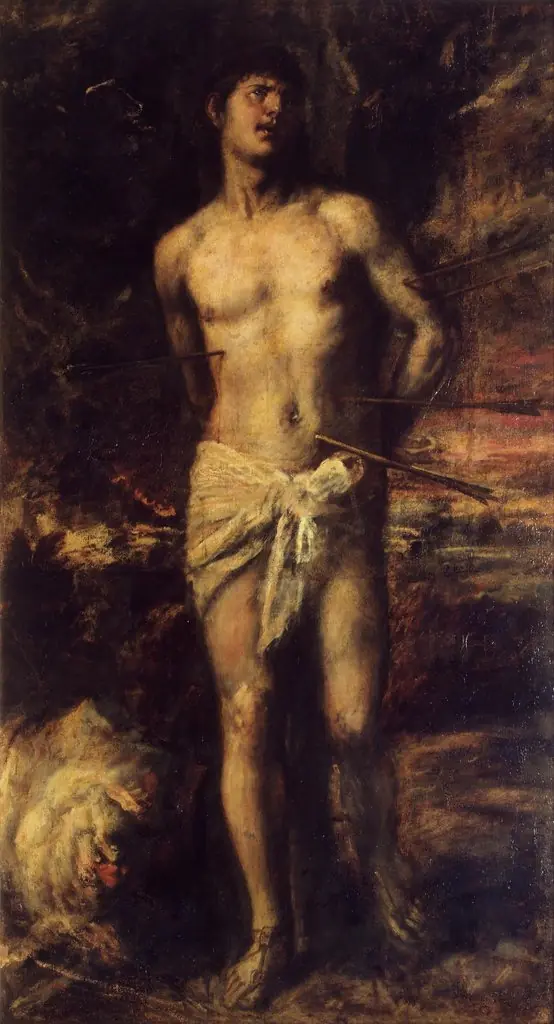
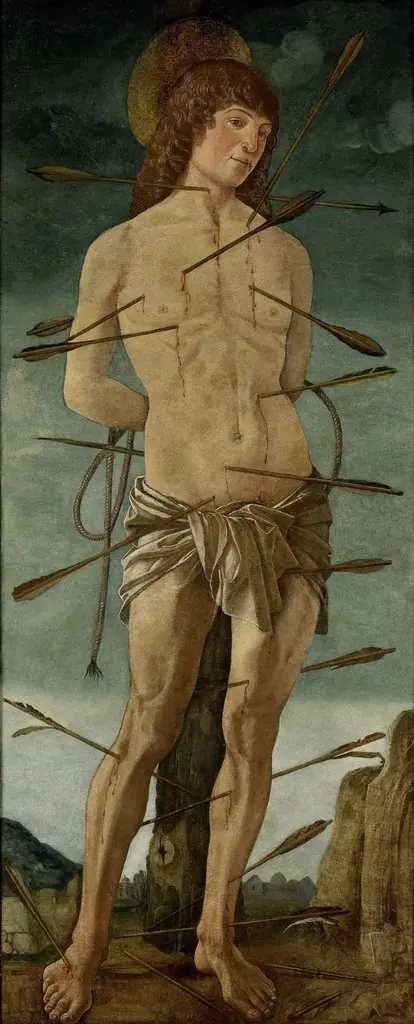
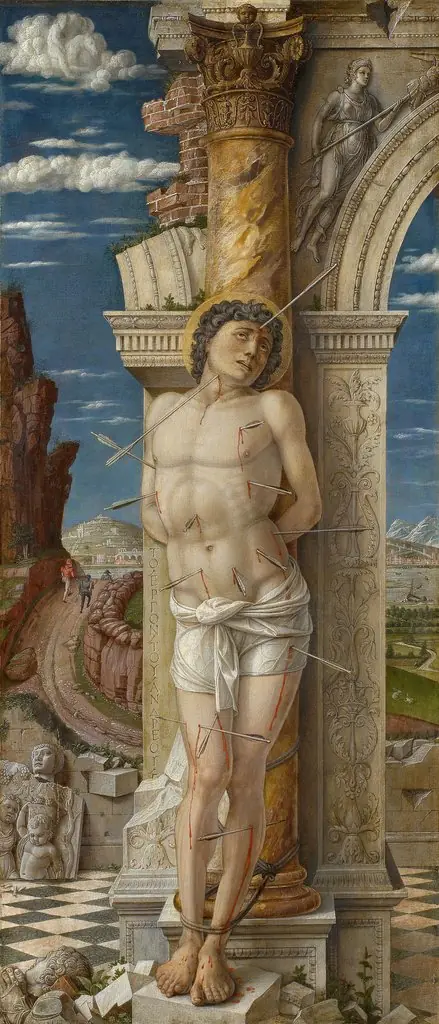
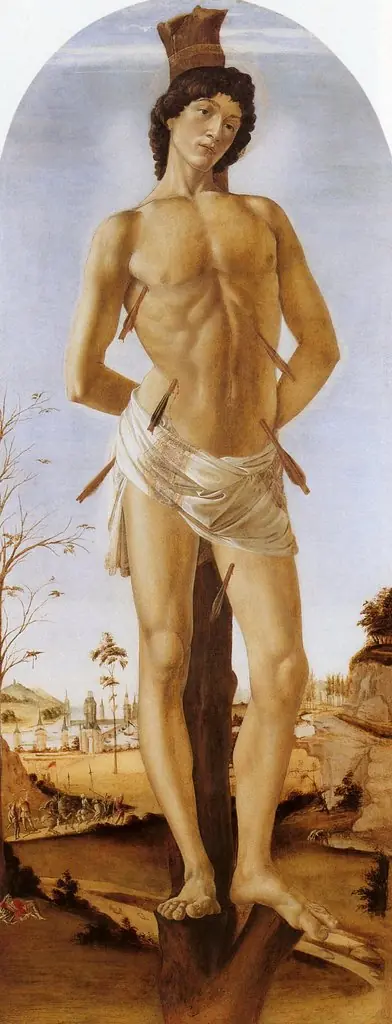
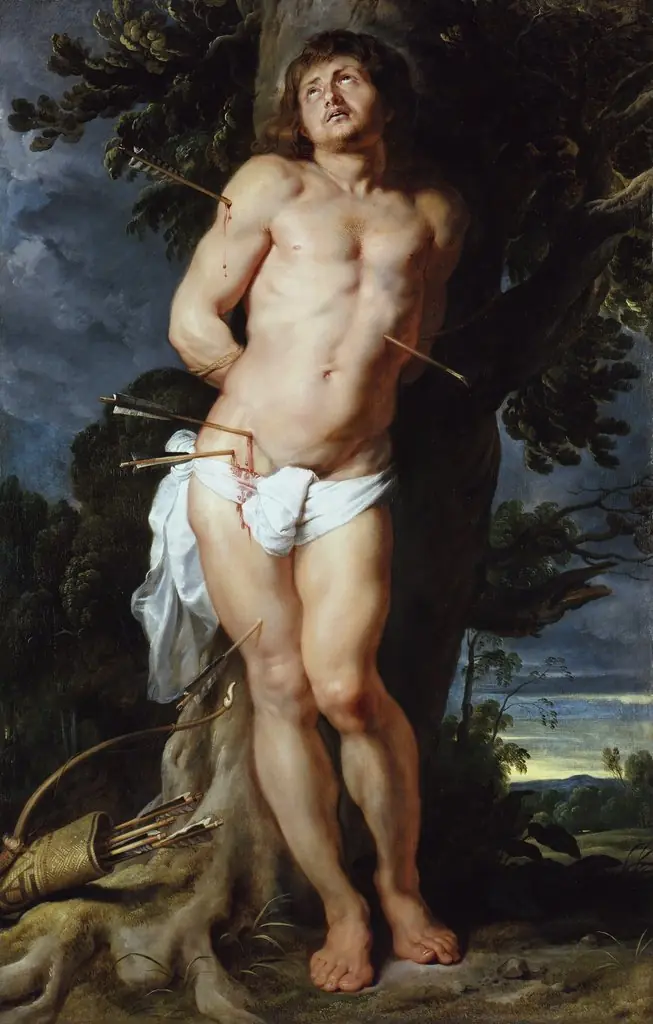
Saint Sebastian is an oil painting by the Rococo painting artist Gerard van der Kuijl. It is held in the collection of the Bavarian State Painting Collections.
About this work
Subject & Meaning
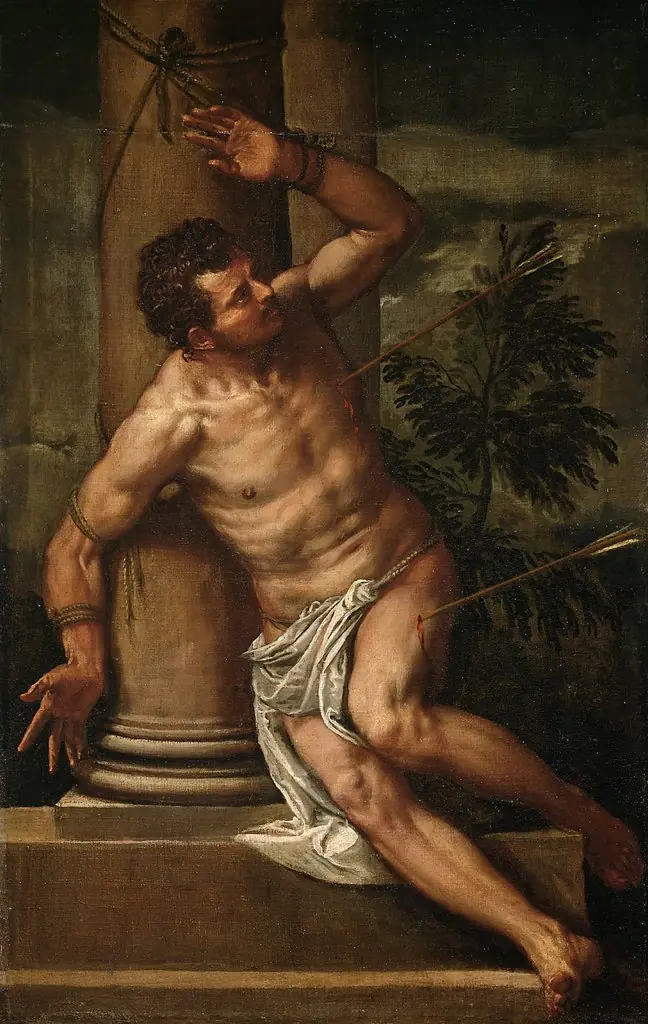
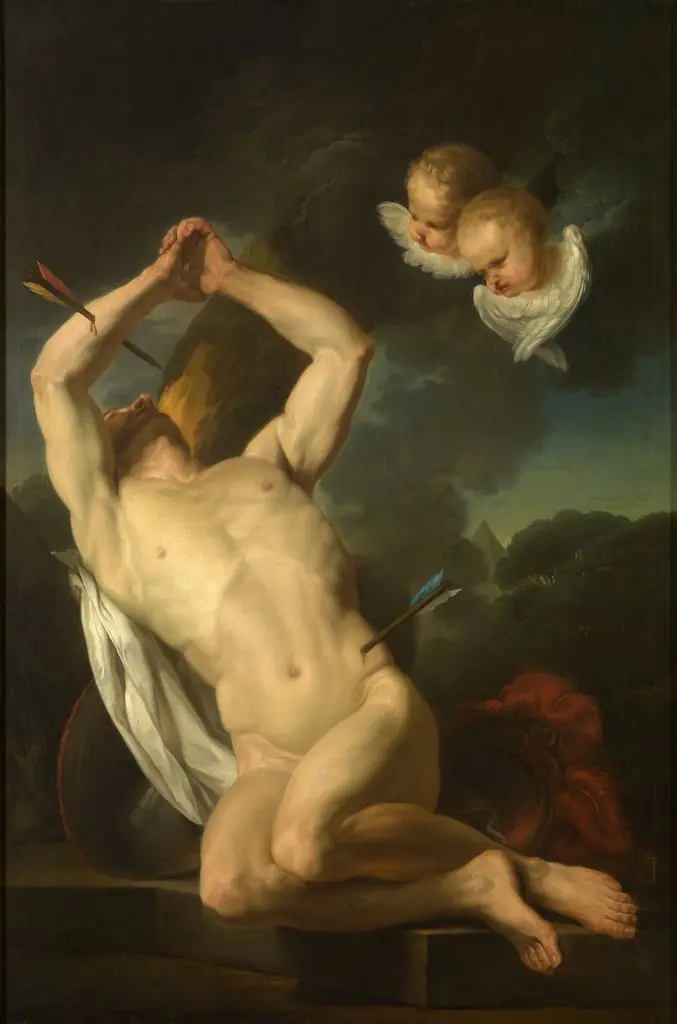
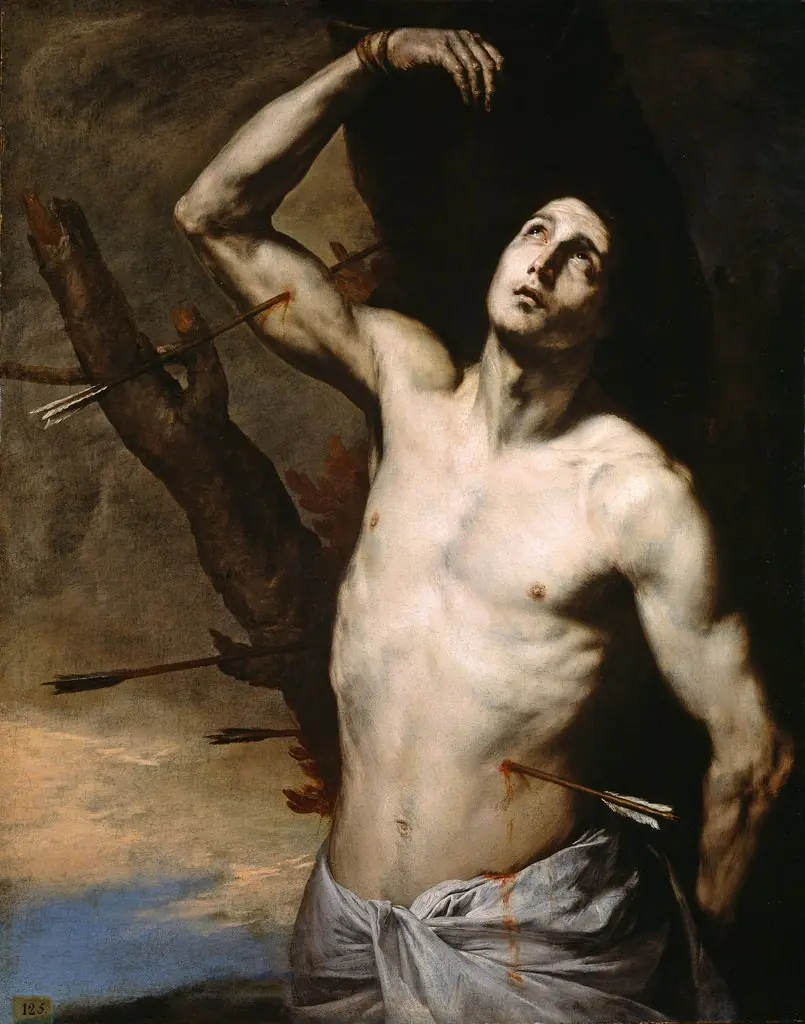
The painting depicts Saint Sebastian, a Christian martyr whose subject is identified directly in the work's records.
The painting depicts Saint Sebastian, a Christian martyr whose subject is identified directly in the work's records. According to the source documentation, the main subject is the martyrdom of Saint Sebastian, situating the image within the long devotional tradition of portraying this early Christian saint who was executed under the Roman emperor Diocletian.
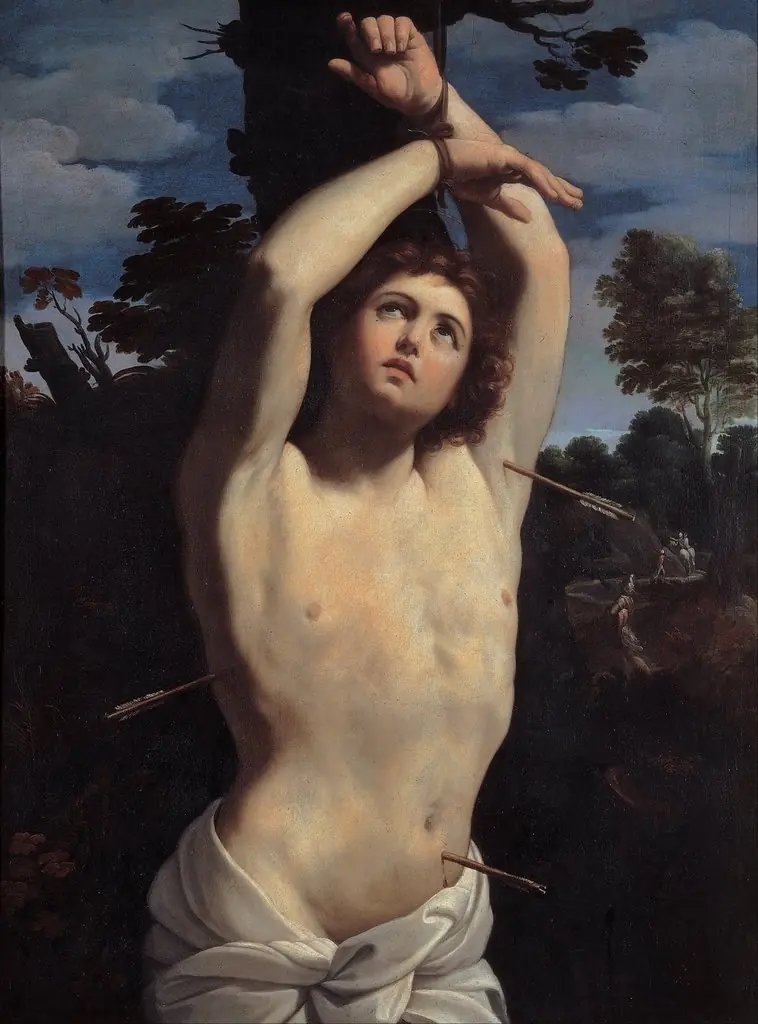
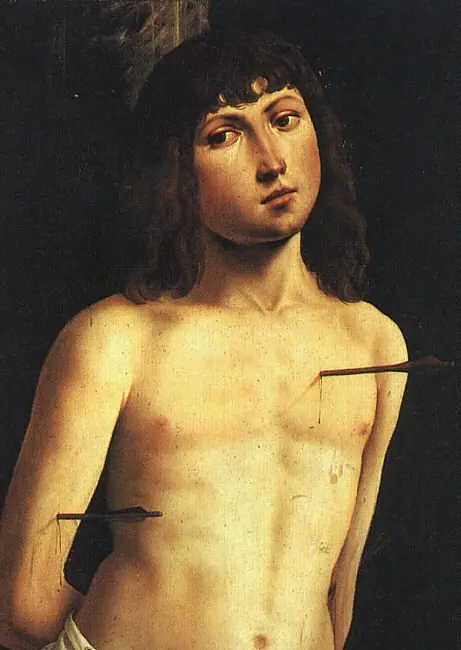
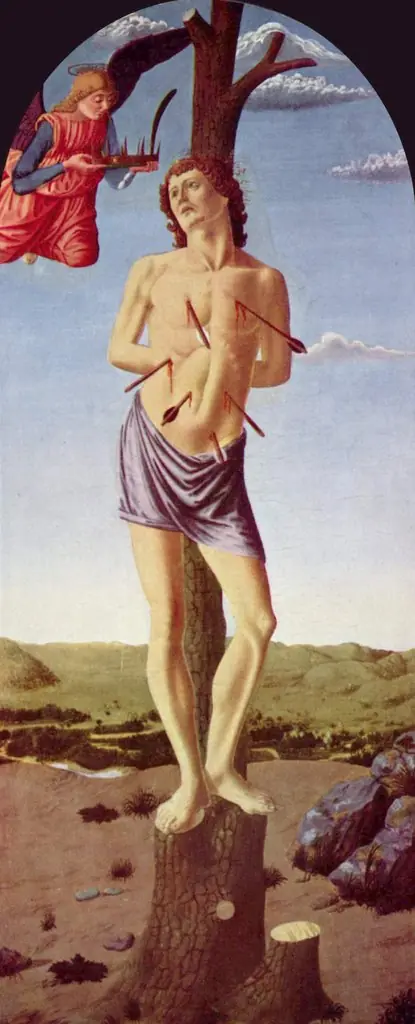
In the standard iconography of the saint, Sebastian is conventionally shown bound and pierced by arrows, the instruments of his attempted execution, often depicted either at the moment of his suffering or afterward as he is tended by Saint Irene. The martyrdom of Saint Sebastian was a popular subject in religious art because it offered artists an opportunity to combine physical drama with theological reflection on suffering, faith, and divine grace.
As a religious painting held in the Bavarian State Painting Collections and exhibited at the Alte Pinakothek, the work participates in this broader Catholic visual tradition, presenting the saint as an object of veneration and a model of steadfast Christian endurance.
Technique & Style
Gerard van der Kuijl's Saint Sebastian, executed in 1700, is an oil painting on canvas. The work measures 109.5 cm in height and 85 cm in width. Classified as a religious painting, the piece depicts the martyrdom of Saint Sebastian.
The surface is treated with oil paint, a medium characteristic of the artist's practice during this period. The painting is currently held within the collection of the Bavarian State Painting Collections at the Alte Pinakothek.
Context
Gerard van der Kuijl painted Saint Sebastian in 1700, an oil-on-canvas work depicting the martyrdom of the Christian saint. The painting is classified as religious art and belongs to the Baroque period, reflecting the artist's engagement with devotional subjects popular in early 18th-century Europe. It is housed in the Bavarian State Painting Collections at the Alte Pinakothek in Munich, where it remains part of the permanent display of Old Master paintings.
Scholarship on the work emphasizes its technical execution and iconographic tradition, situating it within van der Kuijl's broader output of devotional paintings. The composition draws on Counter-Reformation themes of endurance and faith, aligning with Jesuitical approaches to visual spirituality. Art historical analysis often places this piece within the context of Southern German religious painting, noting its stylistic affinities with contemporaries while recognizing its distinct devotional intensity.
Critical reception has focused on the painting's emotional restraint and precise draftsmanship, qualities that distinguish van der Kuijl's mature style. Though less widely studied than some of his peers, Saint Sebastian exemplifies the intersection of artistic practice and theological discourse in German Baroque art. Its inclusion in major collections underscores its significance as a representative example of regional religious art circa 1700.
Ongoing research continues to reassess its place in van der Kuijl's oeuvre, particularly in relation to other martyrdom scenes from the period.
Legacy
Gerard van der Kuijl's 1700 oil painting of Saint Sebastian, housed in the Alte Pinakothek, contributed to the sustained veneration of the martyr within religious art. Its depiction of the saint's dramatic martyrdom influenced subsequent interpretations of endurance and faith in European visual culture, reinforcing his status as a recurring subject in devotional contexts.
The work's provenance within the Bavarian State Painting Collections has ensured its continued scholarly attention, highlighting the role of institutional preservation in maintaining the artwork's historical resonance. Its enduring presence in a major public collection underscores its significance as a representative example of early 18th-century religious painting.
Overview
This oil painting by Gerard van der Kuijl depicts the martyrdom of Saint Sebastian, a subject the Dutch Golden Age artist rendered in 1700. The work is executed in a manner that reflects both Caravaggisti influence and Rococo sensibility, and it resides in the collection of the Alte Pinakothek in Munich.
Artist & collection
Artist
Gerard van Kuijl or Kuijll (1604, Gorinchem – 1673, Gorinchem), was a Dutch Golden Age painter. He is known for religious and genre works in the style of Caravaggio.