Artwork
Saint Lucy
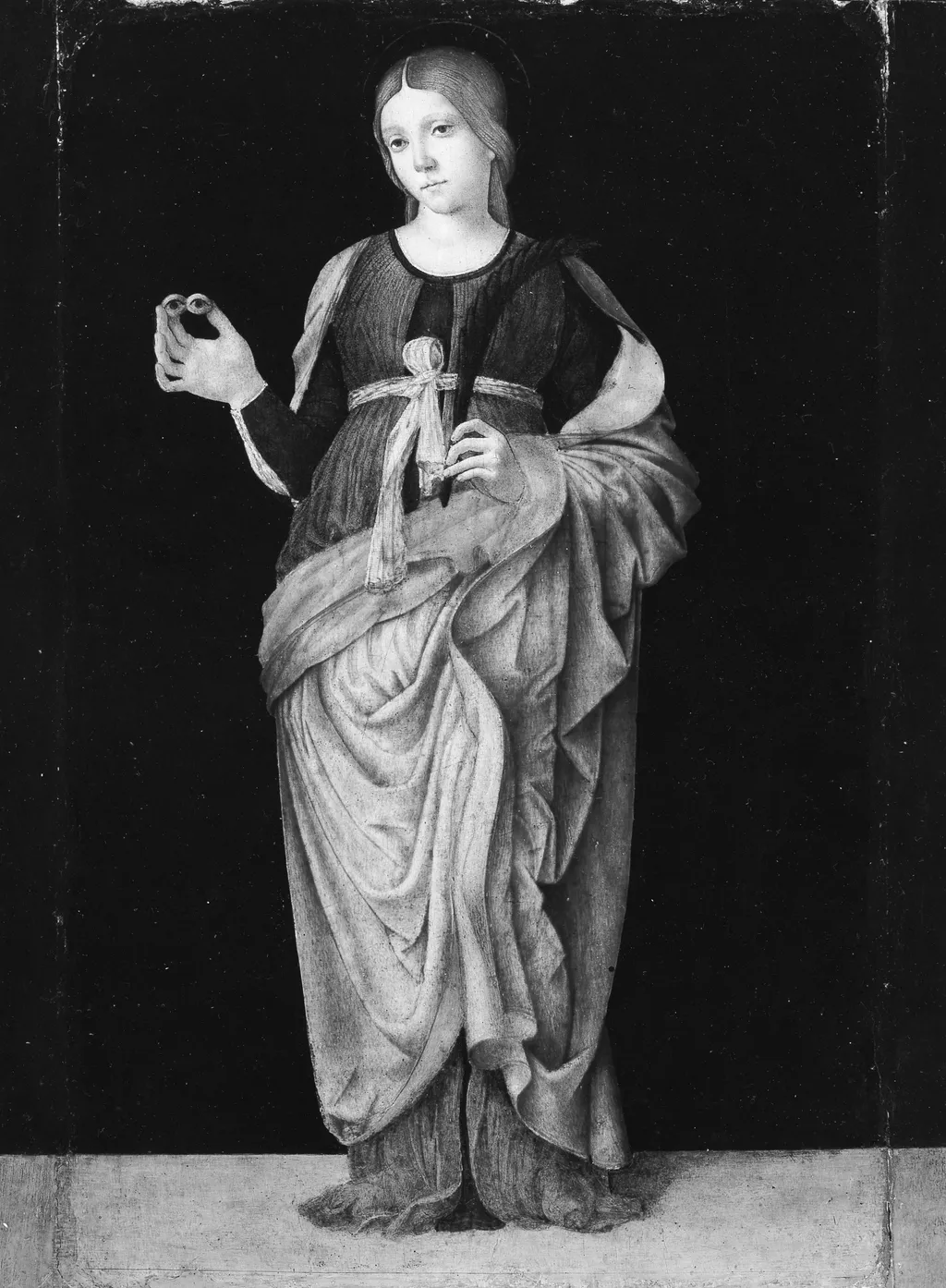
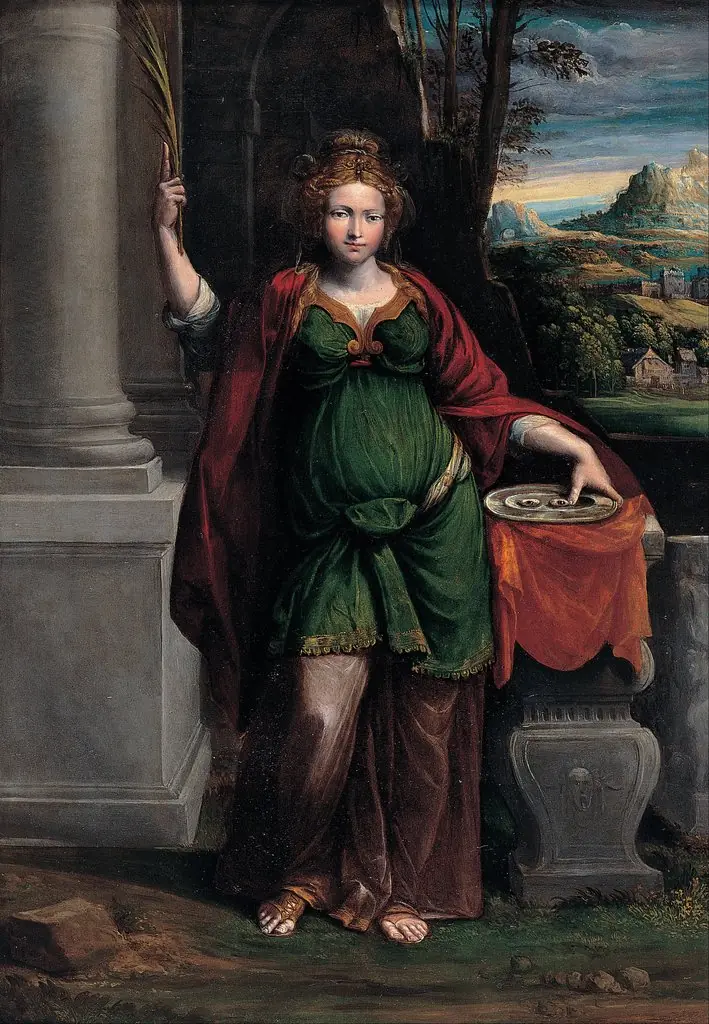
Saint Lucy is an unspecified painting by the Mannerist artist Francesco da Cotignola. It dates from 1515 and is held in the collection of the Metropolitan Museum of Art.
About this work
Subject & Meaning
In this 1515 canvas by Francesco da Cotignola, the saint’s modest veil and the modest background emphasize her humility and purity.
The work portrays Saint Lucy as a young woman in devotional attire, holding a palm branch and a martyr’s sword, while her eyes, symbolizing her legendary gaze, are often shown closed or averted. In this 1515 canvas by Francesco da Cotignola, the saint’s modest veil and the modest background emphasize her humility and purity. The inclusion of a small wheel, referencing the torture she endured, and the modest goldfinch perched nearby underscore themes of faith perseverance and divine protection.
As a religious image housed in the Metropolitan Museum of Art, the painting functions both as an icon for personal devotion and a visual narrative of Lucy’s steadfast commitment to Christianity.
History & Provenance
The painting titled Saint Lucy was created in 1515 by the artist Francesco da Cotignola, also identified as Francesco Zaganelli or Francesco di Bosio. Classified as a religious work, the piece depicts the saint as a woman in a portrait format. While the specific commissioning patron or initial ownership chain is not detailed in the available records, the work is currently held within the collection of the Metropolitan Museum of Art.
The artwork dates to the early sixteenth century, with a specific inception recorded as January 1, 1515. Its dimensions measure 31.4 units in height and 19.7 units in width. The creation history is anchored to this single date and the attribution to da Cotignola, establishing its place within the religious art genre of that period.
The painting Saint Lucy by Francesco da Cotignola is held in the collection of the Metropolitan Museum of Art. According to cataloguing data, the work has been accessioned into that institution's holdings, where it remains part of the museum's religious art collection. The painting was created in 1515 and measures 31.4 cm in height by 19.7 cm in width. No specific accession number or detailed exhibition history is recorded in the available sources.
Overview
Francesco da Cotignola's painting, Saint Lucy, completed in 1515, presents a devotional image of the revered female saint. This oil on panel work exemplifies the religious portraiture common during the early 16th century in Italy. The piece is currently part of the collection at The Metropolitan Museum of Art, offering insight into Renaissance artistic practices.
Technique & Style
Executed during the Mannerist period, the painting demonstrates a sophisticated handling of light and shadow to define the figure. The artist employs a strong contrast, often referred to as chiaroscuro, to illuminate Saint Lucy against a deep, dark background. This technique dramatically separates her form from the pictorial space, lending the image a striking visual intensity and sculptural quality.
Context
Francesco da Cotignola, an Italian painter of the High Renaissance and early Mannerist periods, received his artistic training under Niccolò Rondinelli. This foundational instruction shaped his approach to religious subjects and portraiture. His career saw him contributing to the artistic landscape of several Italian regions, including Parma and Ravenna, where he was known for his devotional paintings.
Own this work as a print
Artist & collection
Artist
Francesco da Cotignola (c. 1475–1532), also called Zaganelli (Italian pronunciation: ), was an Italian painter of the Renaissance period, active mainly in Parma and Ravenna. He was a pupil of the painter Niccolo…

 The Fourth of the Foolish Virgins
 The Virgin of the Annunciation
 Sibyl Seen from the Back, Looking Downward to the Left
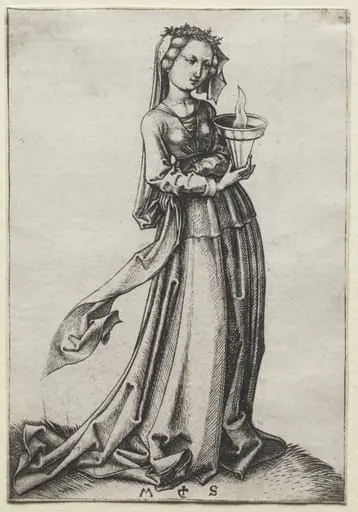 The Fourth Wise Virgin
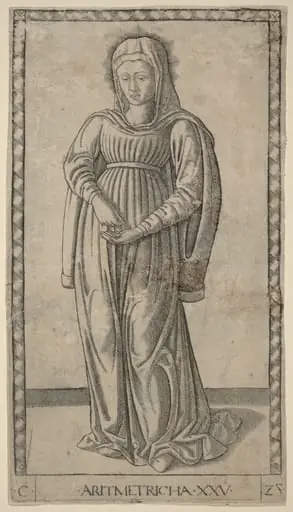 Aritmetricha (Arithmetic)
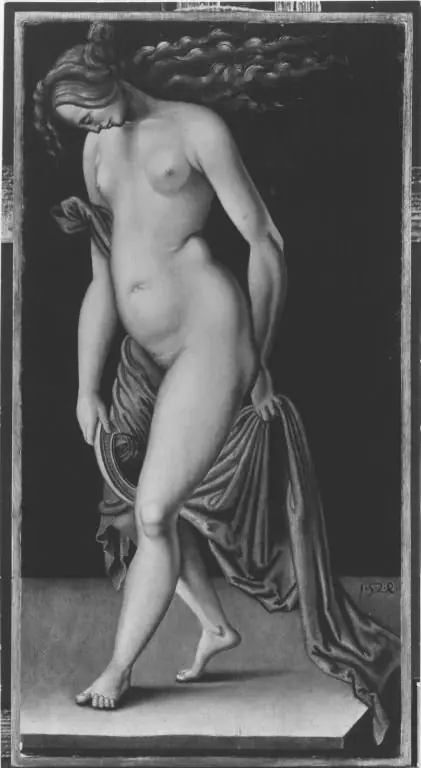 Venus + mirror
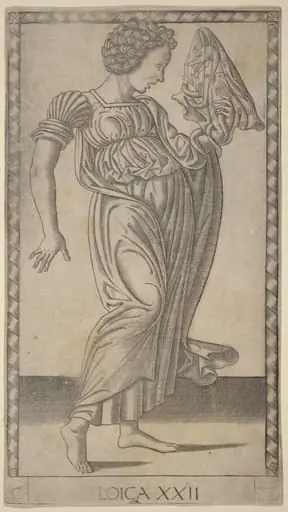 Loica (Logic)
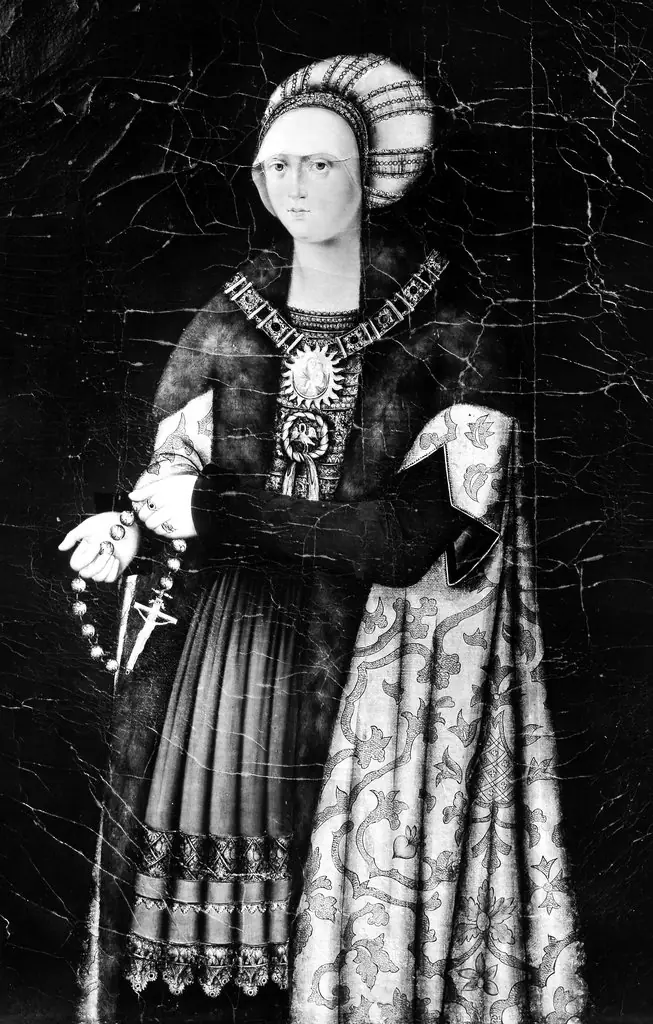 Sophia (1464–1512) of Poland
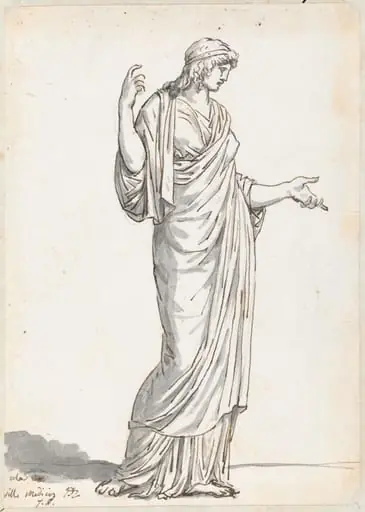 Woman from the Villa Medici
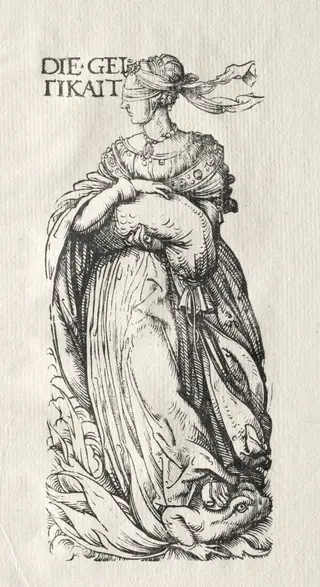 The Seven Vices: Avarice
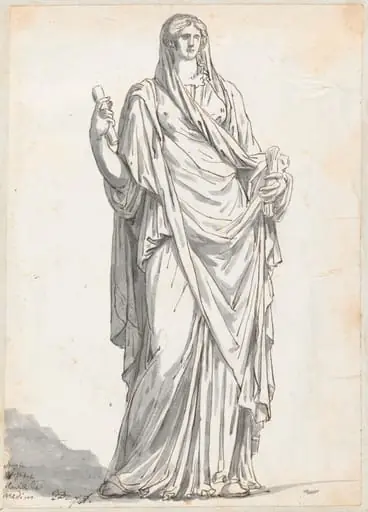 Orante from the Villa Medici
- Saint Lucy