Artwork
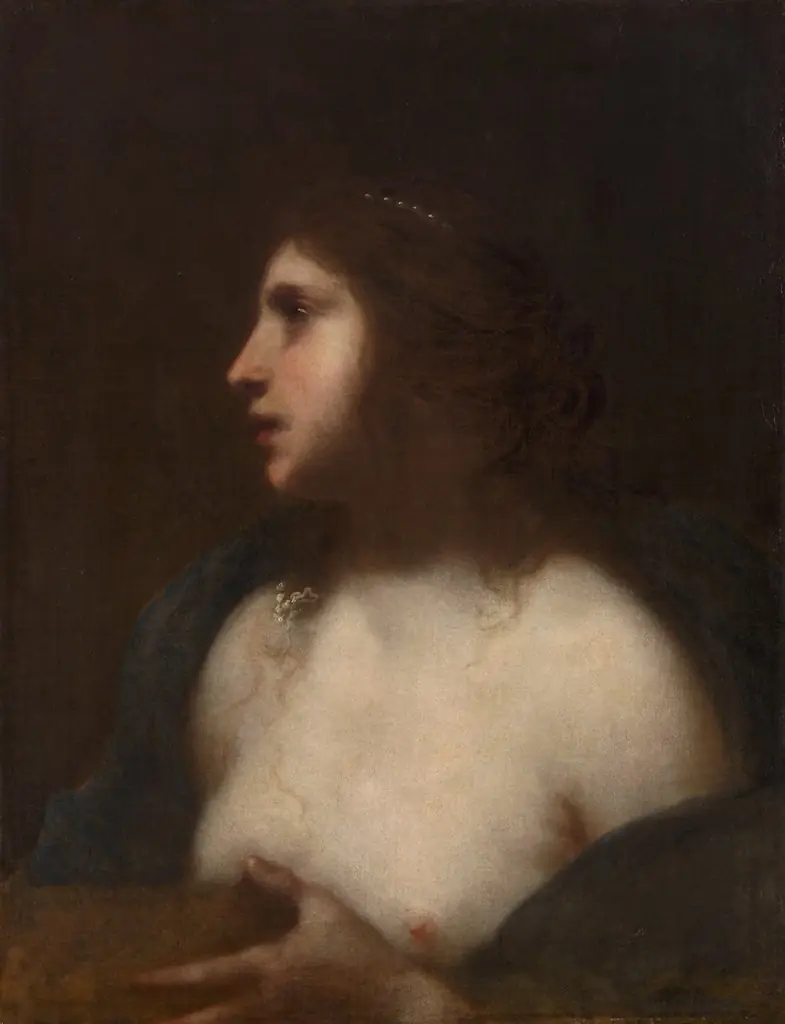
Penitent Magdalena
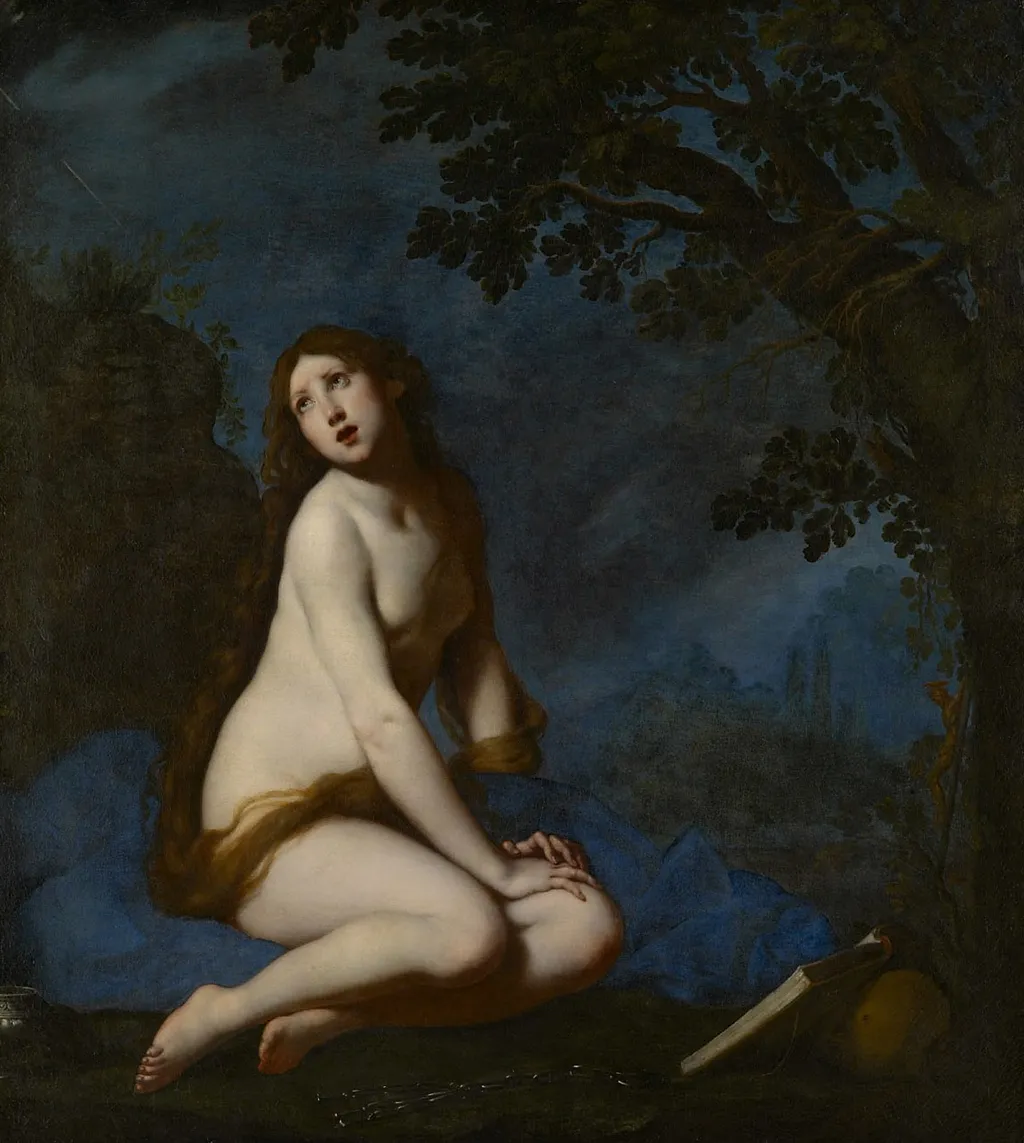
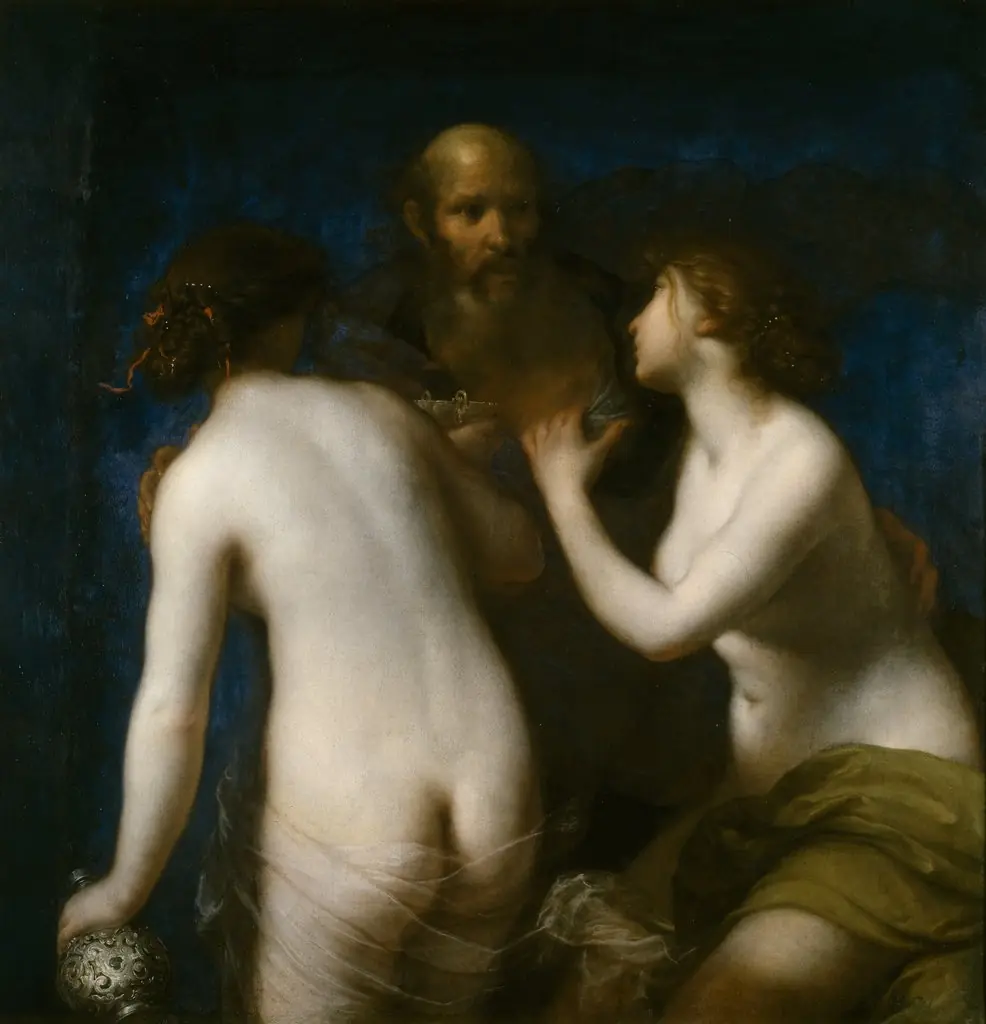
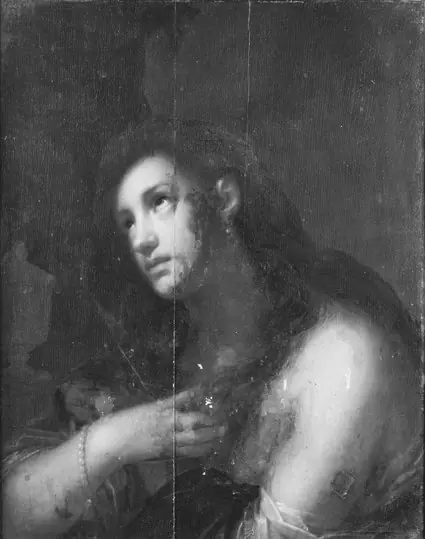
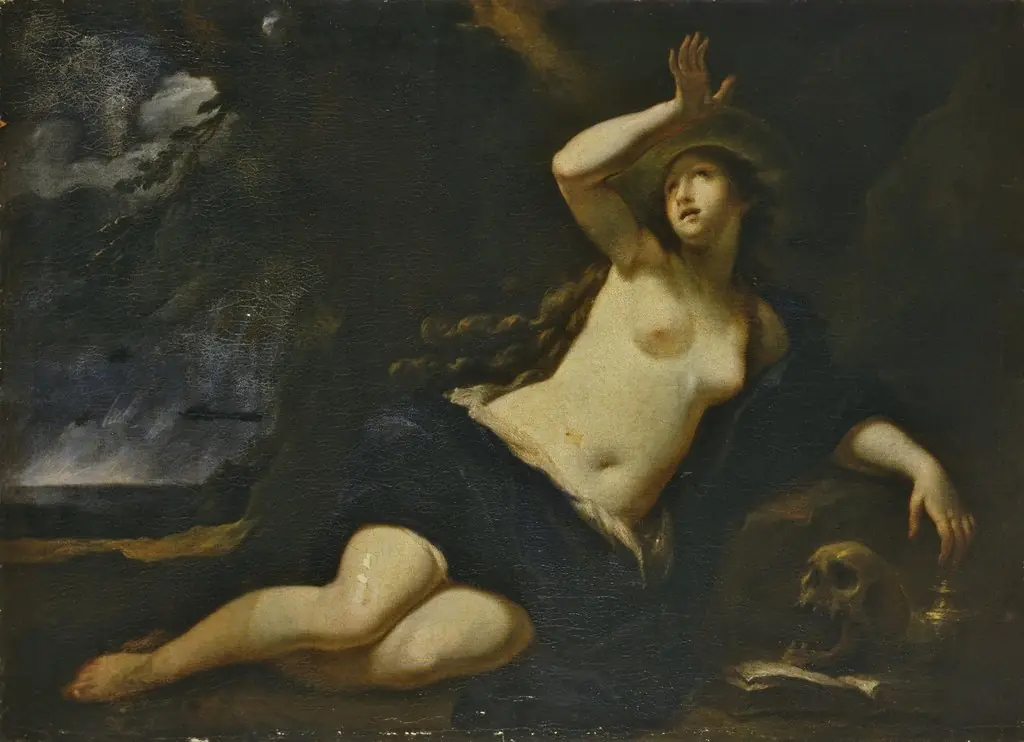
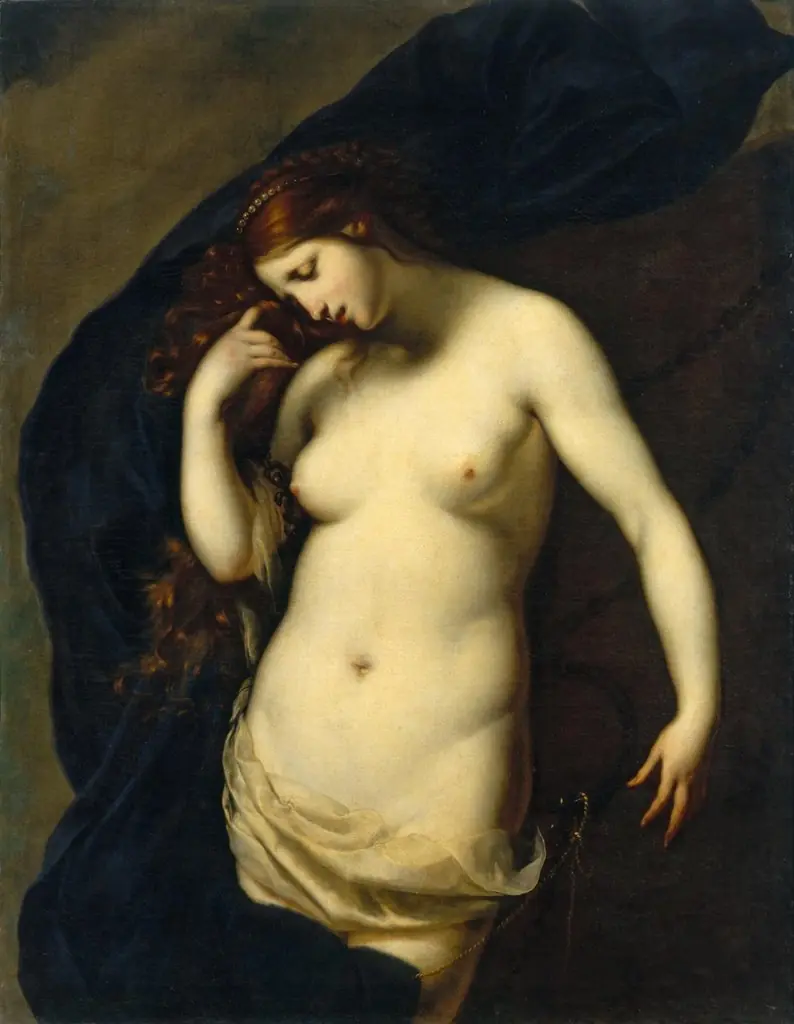
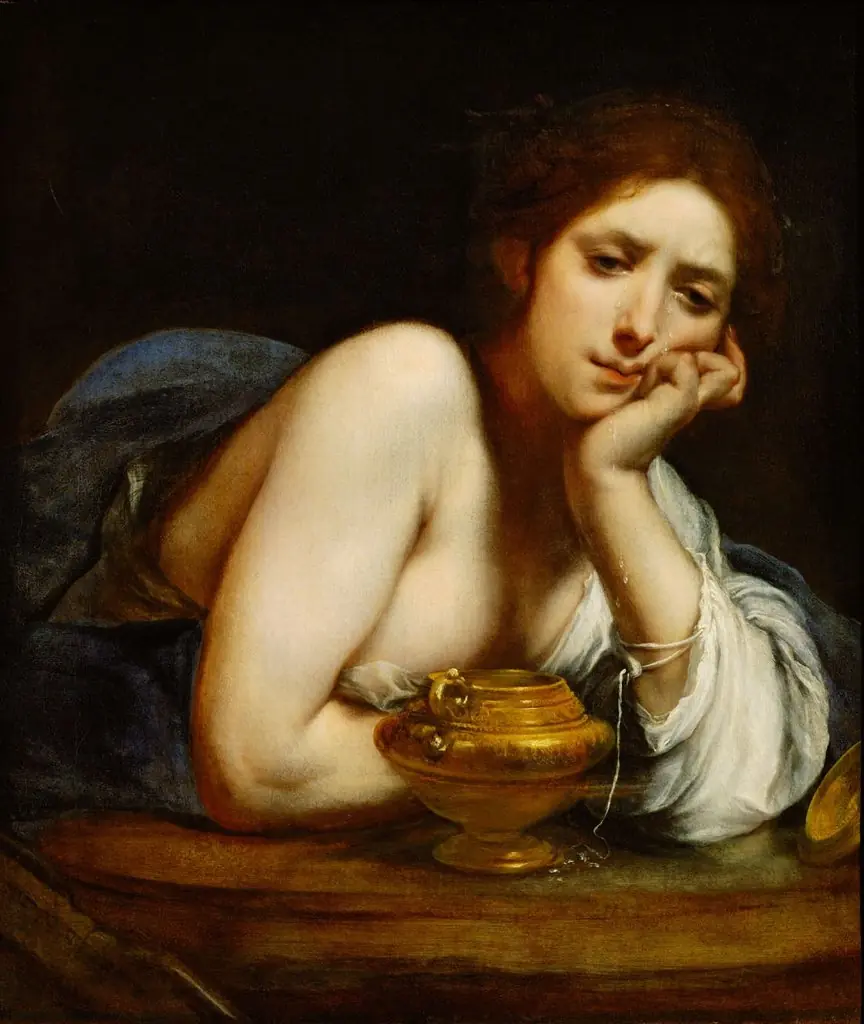
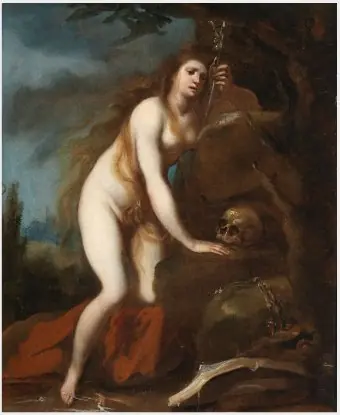
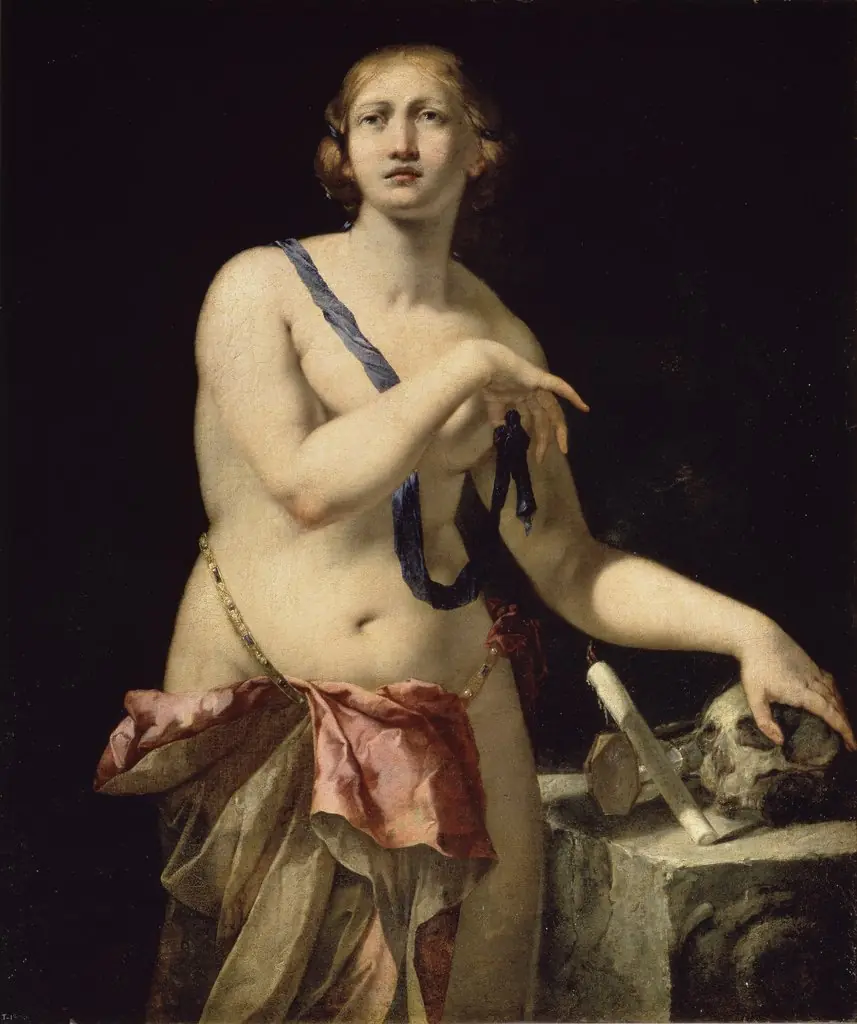
Penitent Magdalena is an oil painting by the Early Baroque Italian artist Francesco Furini. It dates from 1634 and is held in the collection of the Kunsthistorisches Museum.
About this work
Subject & Meaning
The artwork portrays Mary Magdalene in the traditional guise of the Penitent Magdalene, a prominent subject in religious art.
The artwork portrays Mary Magdalene in the traditional guise of the Penitent Magdalene, a prominent subject in religious art. This iconography centers on the saint's spiritual transformation and repentance, depicting her in a contemplative state that emphasizes her withdrawal from worldly life to seek divine forgiveness. The representation focuses on her penitence, capturing the emotional gravity of her devotion and atonement.
Technique & Style
The work is an oil painting executed on canvas, depicting a penitent Mary Magdalene in a devotional composition typical of Baroque religious art. Its formal qualities include naturalistic modeling of the figure and a restrained palette that emphasizes spiritual contemplation. The canvas measures 168 cm in height and 150.5 cm in width, supporting a composition that balances intimate narrative detail with devotional grandeur.
The painting is housed in the Kunsthistorisches Museum, where it remains part of the museum's collection of 17th‑century religious works.
History & Provenance
The painting Penitent Magdalena by Francesco Furini is held in the collection of the Kunsthistorisches Museum. Created in 1634, the work is executed in oil on canvas and measures 168 cm in height by 150.5 cm in width. The available sources confirm its location within this specific museum but do not provide a specific inventory or accession number. Furthermore, no details regarding the exhibition history of this piece are included in the provided documentation.
Context
Scholarship on Penitent Magdalena emphasizes its significance within Furini's exploration of penitential themes in 17th-century religious painting. The work is contextualized as a Baroque interpretation of Mary Magdalene's transformation from sinner to saint, reflecting Counter-Reformation ideals of spiritual conversion. Its formal qualities, particularly the dynamic composition and emotive realism, have been analyzed as characteristic of Florentine workshops active in the 1630s, situating Furini within broader discussions of regional artistic identity in Italy.
The painting's presence in a major institutional collection like the Kunsthistorisches Museum underscores its recognized historical and artistic value within the canon of European Old Master works.
Overview
Francesco Furini’s Penitent Magdalena, executed in oil in 1634, presents a solitary female figure seated upon a rock amid a verdant setting. The composition balances the figure’s modest nudity, a blue drapery covering her lap, and an open book at her feet, while her upward gaze suggests introspection. The work resides in the Kunsthistorisches Museum’s collection.

Artist & collection
Artist
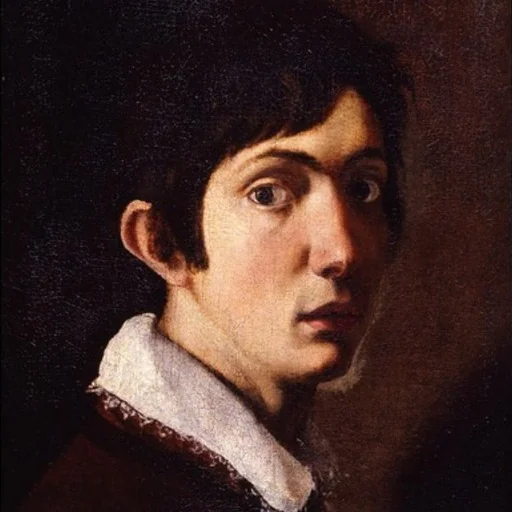
Francesco Furini ( 10 apr. 1603 – 19 August 1646) was an Italian Baroque painter, poet and priest. He was a leading painter in Florence in the second quarter of the 17th century and also worked in Rome. He was noted…