Artwork
Vanitas
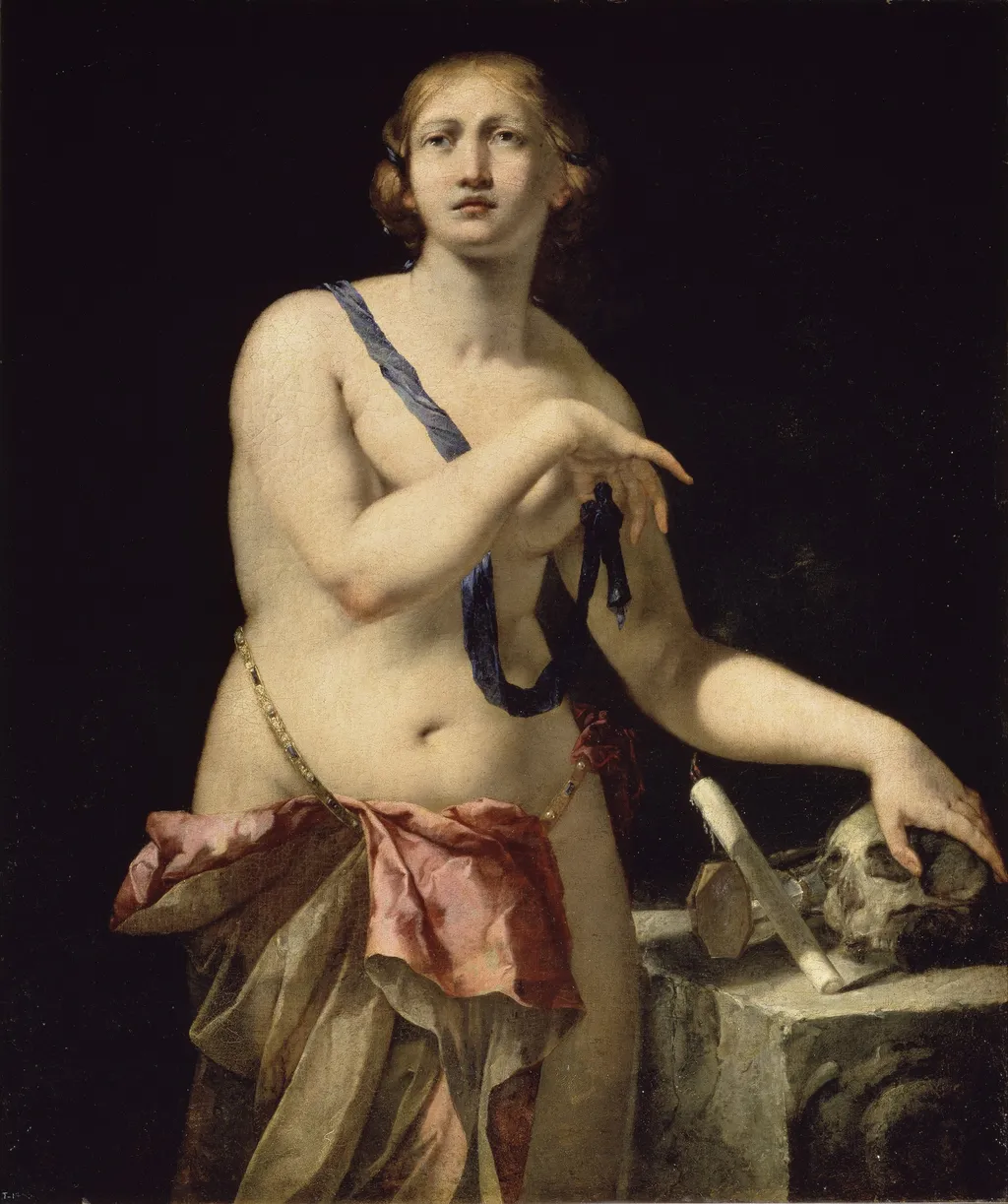
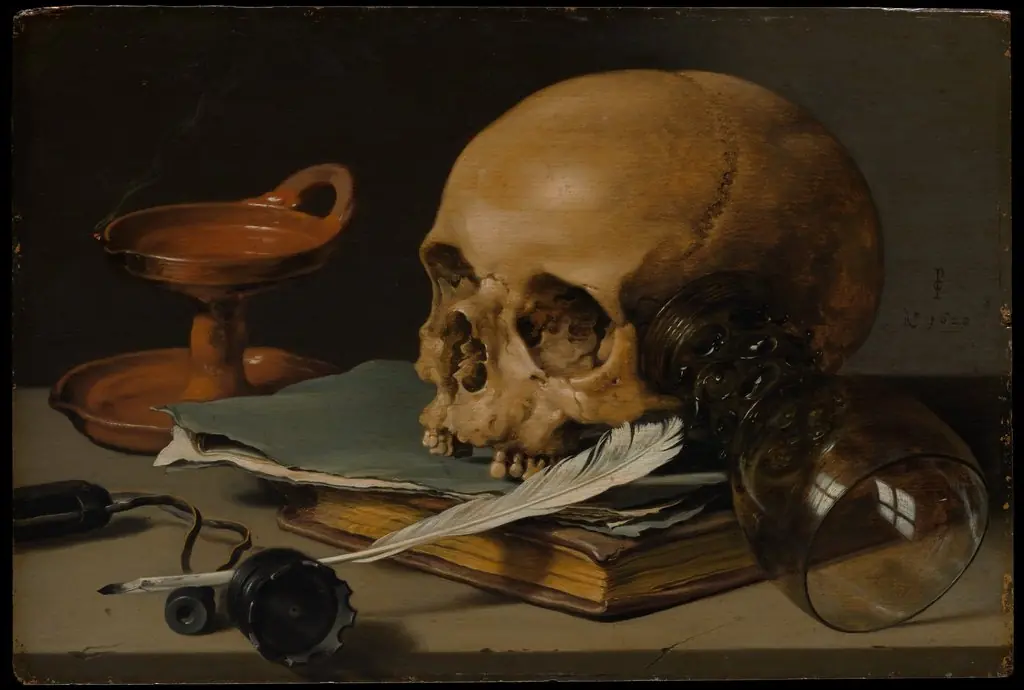
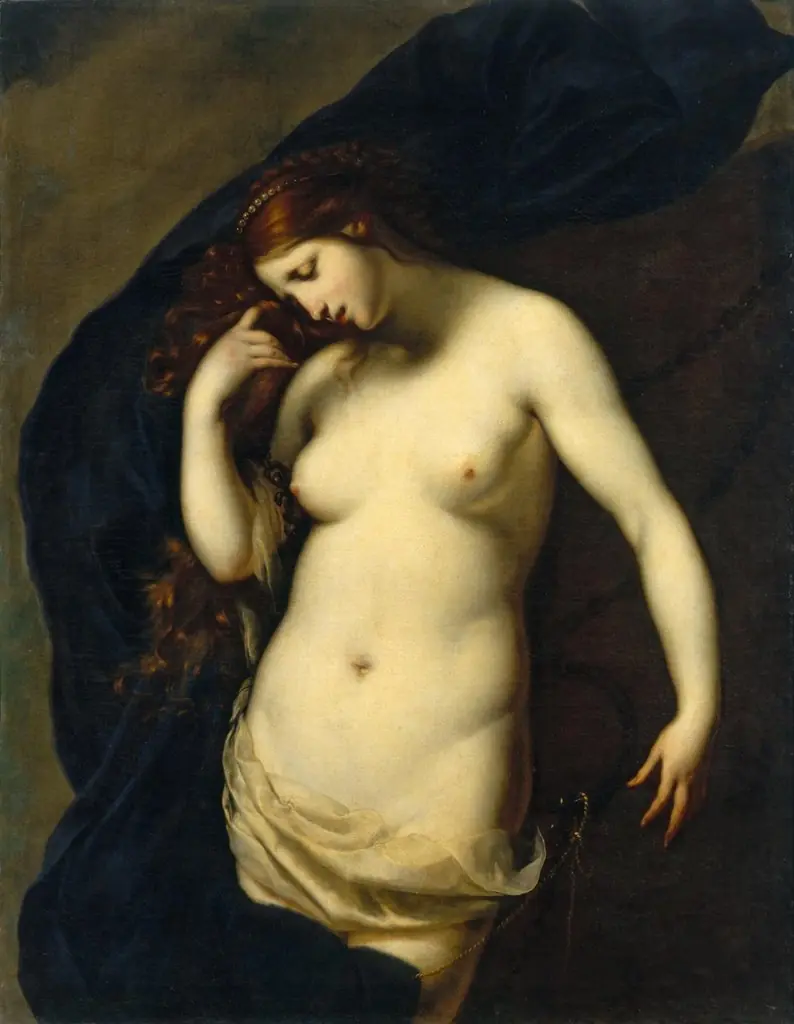
Vanitas is an oil painting by the Early Baroque Italian artist Pietro Negri. It dates from 1662 and is held in the collection of the Museo del Prado.
About this work
Subject & Meaning
By presenting these specific objects together, the work conveys the futility of worldly pursuits and the fleeting nature of time.
Pietro Negri's 1662 painting Vanitas belongs to the still life genre and serves as a meditation on mortality. The composition explicitly depicts a skull, a candle, and an hourglass, which function as traditional memento mori symbols. These elements collectively represent the transience of earthly life and the inevitability of death.
By presenting these specific objects together, the work conveys the futility of worldly pursuits and the fleeting nature of time.
Technique & Style
Executed in oil on canvas in 1662, the work shows a tightly focused still-life arrangement of a skull, extinguished candle, and hourglass against a dark ground. The handling is precise, with smooth modeling of the skull’s bone surfaces and careful depiction of light on the translucent glass of the hourglass and the pooled wax of the candle stub. Subtle glazes articulate the cavity of the eye socket and the hollows of the cranium, while the minute rendering of the sand within the glass conveys a sense of arrested time.
The restricted palette of ochres, umber, and bone white heightens the memento-mori effect, and the dark background isolates the objects to emphasize their symbolic charge.
History & Provenance
The work was created by Pietro Negri in 1662 and is catalogued as a still-life vanitas painting in oil on canvas.
The painting entered the collection of the Museo del Prado in Madrid, where it has remained as part of the museum’s holdings. Measuring 110 cm in height and 90 cm in width, it depicts a skull, a guttering candle, and an hourglass, standard vanitas motifs intended to evoke the transience of life.
Pietro Negri's 1662 painting Vanitas is held in the collection of the Museo del Prado in Madrid. The work, executed in oil on canvas, measures 110 cm in height and 90 cm in width. While the source confirms its current location and physical dimensions, no specific inventory or accession number is provided in the available records. Additionally, the provided documentation does not list any exhibition history for this specific artwork.
Context
Vanitas, painted by Pietro Negri in 1662, exemplifies the vanitas genre through its symbolic composition of a skull, candle, and hourglass, reflecting contemporary preoccupations with mortality and transience. The work is housed in the Museo del Prado, where it is recognized as part of the museum's collection of Baroque-era still lifes, situating Negri within the broader tradition of Northern European vanitas painting that flourished in the 17th century. Scholarly attention to Negri's oeuvre has emphasized his contribution to this genre, particularly his nuanced handling of light and symbolic detail, though specific critical reception of this piece remains less documented than that of his contemporaries.
Its placement within the Prado's collection underscores its significance as a representative example of the period's philosophical and artistic concerns regarding the fleeting nature of life.
Legacy
The painting's legacy lies in its embodiment of Baroque vanitas themes, particularly through its stark symbolism of mortality. Depicting a skull, candle, and hourglass, it reinforced the genre's moralizing purpose in still-life painting. Its inclusion in the Museo del Prado collection has ensured continued scholarly attention to Negri's contribution to Northern European vanitas traditions.
Overview
Pietro Negri, a Venetian artist linked to the Baroque tenebrosi tendency, completed the oil painting Vanitas in 1662. Executed on canvas, the work belongs to the museum collection of the Prado. It presents a stark still‑life arrangement that incorporates traditional memento mori motifs, inviting contemplation of mortality.
Own this work as a print
Artist & collection
Artist
Pietro Negri (1628, Venice - 31 May 1679, Venice) was an Italian painter in the Baroque style who belonged to the so-called "tenebrosi" (dark or gloomy ones).