Artwork
The Annunciation
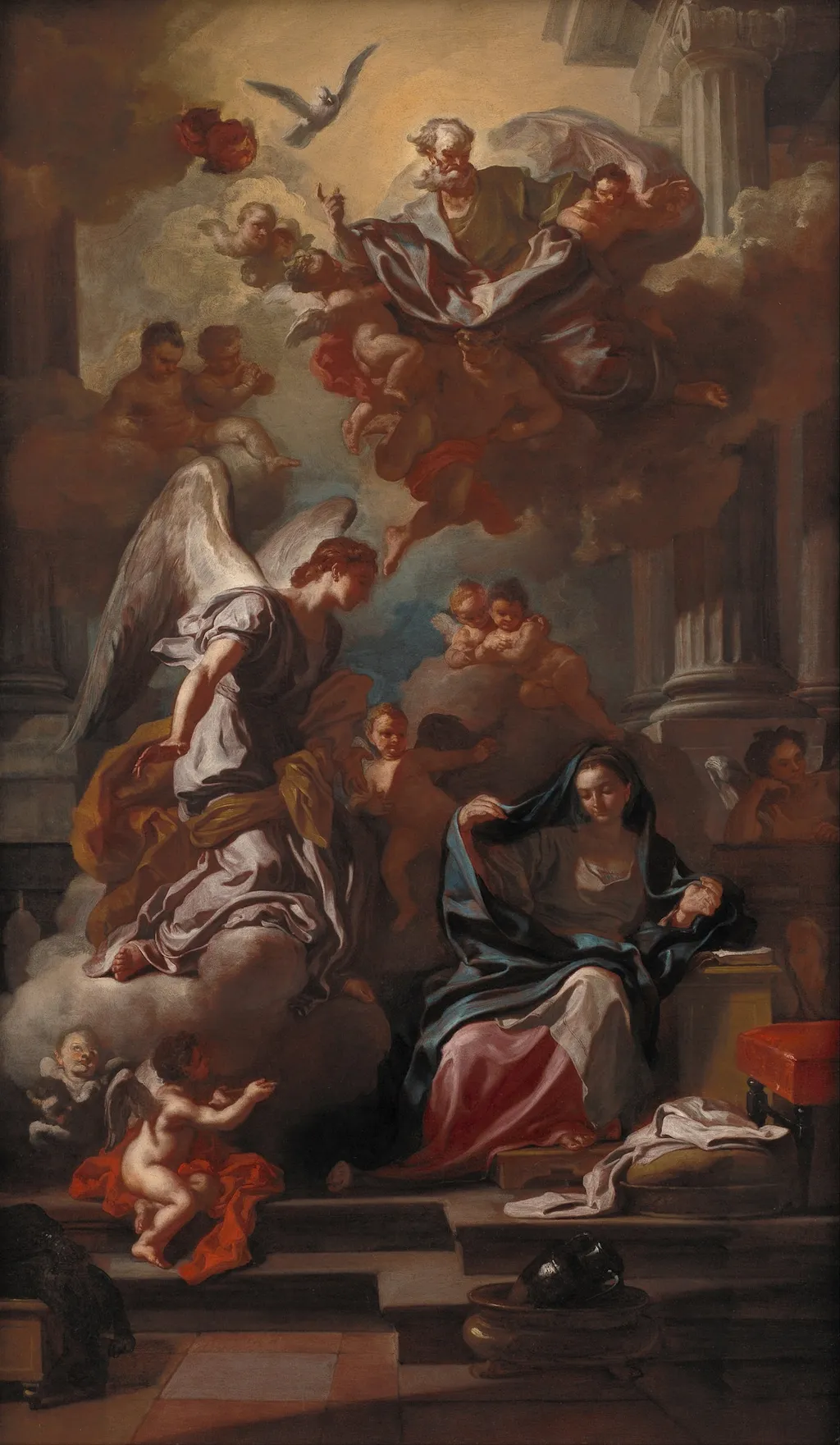
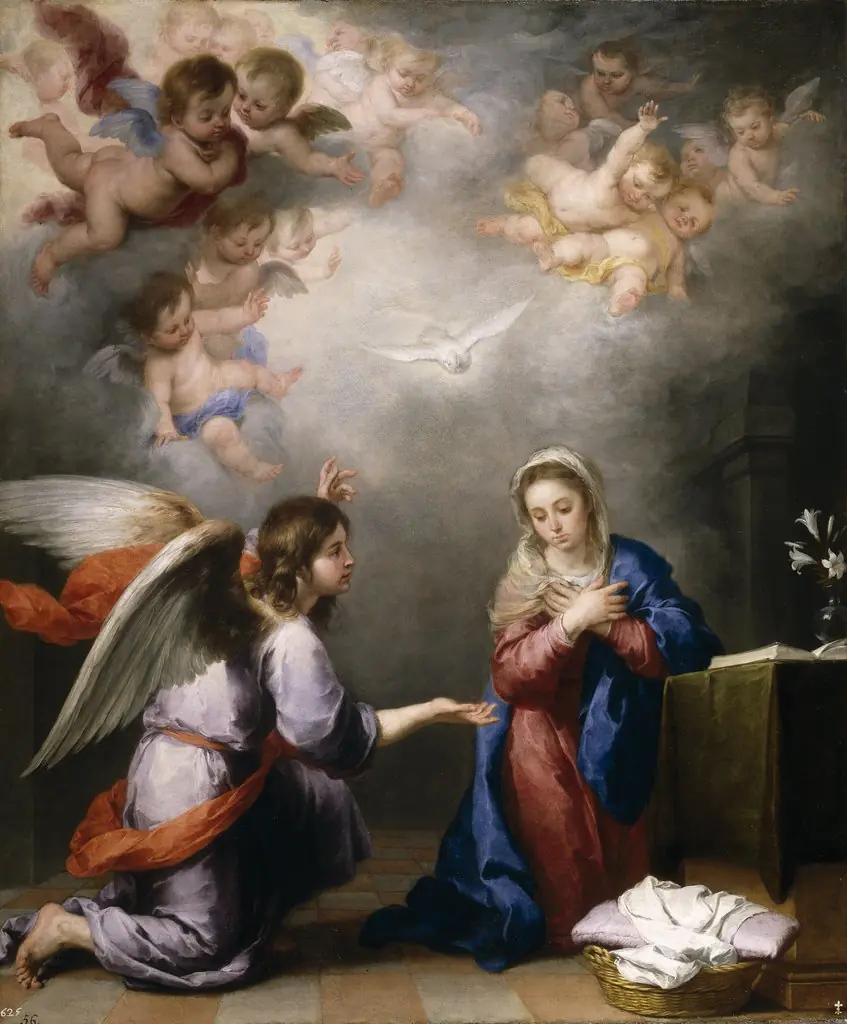
The Annunciation is an oil painting by the High Renaissance artist Francesco Solimena. It dates from 1500 and is held in the collection of the Statens Museum for Kunst.
About this work
Subject & Meaning
The composition features the Virgin Mary and an angel as the primary figures, adhering to traditional religious iconography for this subject.
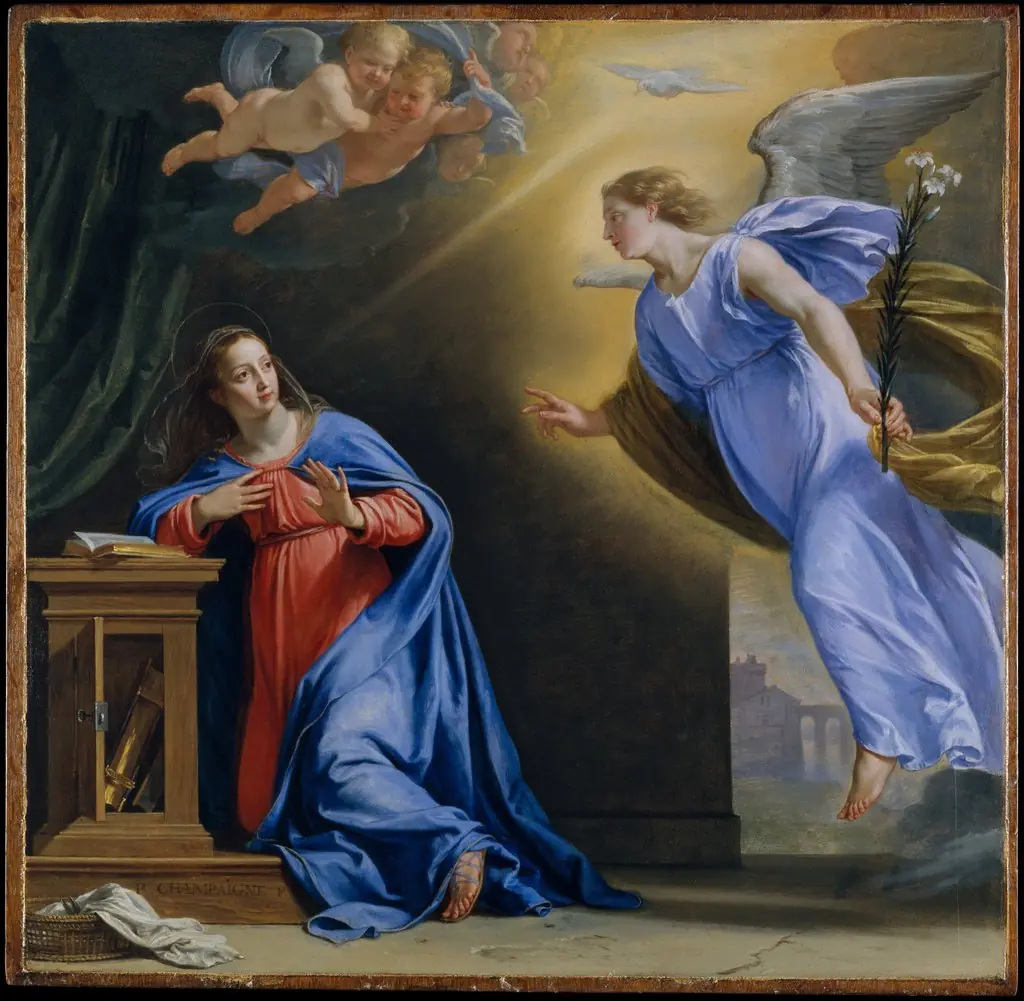
Francesco Solimena's painting illustrates the Annunciation, a foundational moment in Christian theology where the Archangel Gabriel announces to the Virgin Mary that she will conceive the Son of God. The composition features the Virgin Mary and an angel as the primary figures, adhering to traditional religious iconography for this subject. A dove is also depicted within the scene, serving as the established symbol for the Holy Spirit descending upon Mary.
Together, these elements visually narrate the divine incarnation, representing the intersection of the heavenly and earthly realms through the acceptance of God's will.
Legacy
The Annunciation by Francesco Solimena, painted in 1500, has been recognized for its compositional clarity and devotional intensity, shaping subsequent interpretations of the Annunciation theme in Baroque art. Its presence in the Statens Museum for Kunst has contributed to scholarly discussions on devotional painting in early modern Europe, reinforcing its reputation as a key example of religious art from the period. The work's influence is noted in art historical literature for its technical mastery and narrative precision, remaining a reference point in studies of Solimena's oeuvre.
Overview
Francesco Solimena’s oil painting titled The Annunciation presents the biblical moment when the Angel Gabriel informs the Virgin Mary of her forthcoming role. Executed in the early 16th century, the composition balances a calm interior setting with a sense of divine presence, anchored by a dove hovering above the figures.
Technique & Style
Solimena employs chiaroscuro to model forms, juxtaposing illuminated areas against deeper shadows to suggest three‑dimensionality. Though the piece reflects High Renaissance compositional ideals, the painter’s handling of light foreshadows the dramatic contrasts that would later characterize his Baroque output.
History & Provenance
The painting entered the collection of Denmark’s Statens Museum for Kunst, where it remains on display. Its attribution to Solimena situates the work within the artist’s early period, before his later shift toward a more restrained classicism.
Context
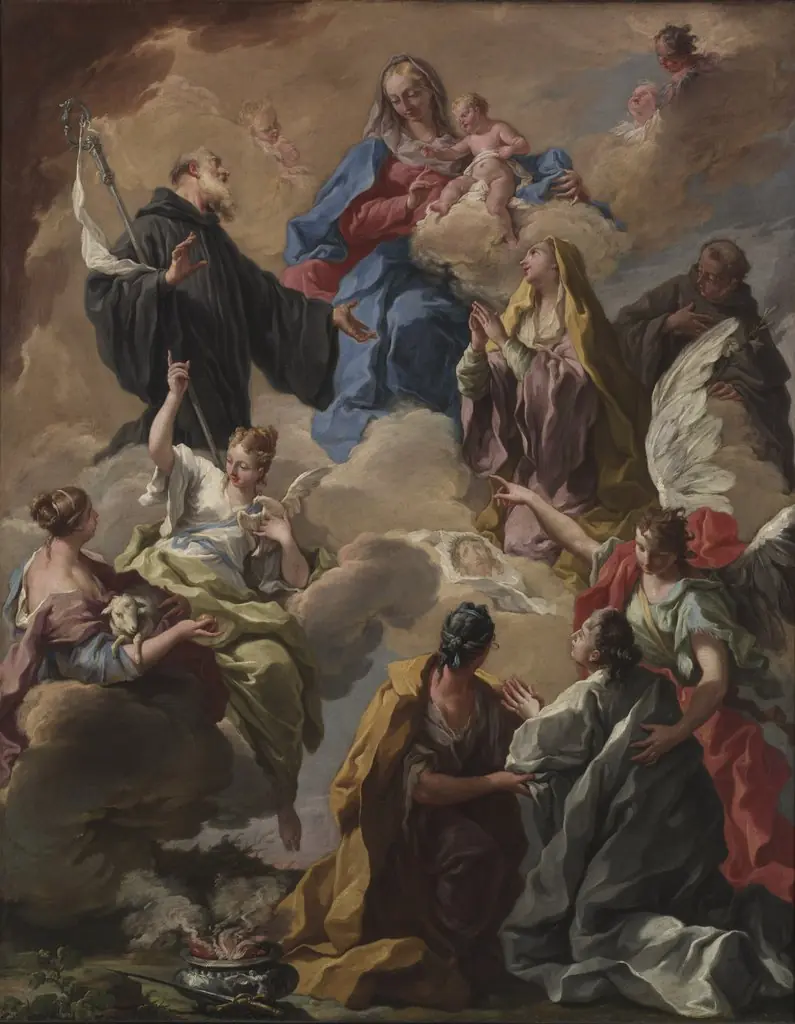
Created at a time when religious commissions dominated Italian art, the piece aligns with contemporary depictions of the Annunciation, yet distinguishes itself through the inclusion of secondary figures, a bearded man, a woman with a child, and architectural elements such as columns and arches that frame the central encounter.
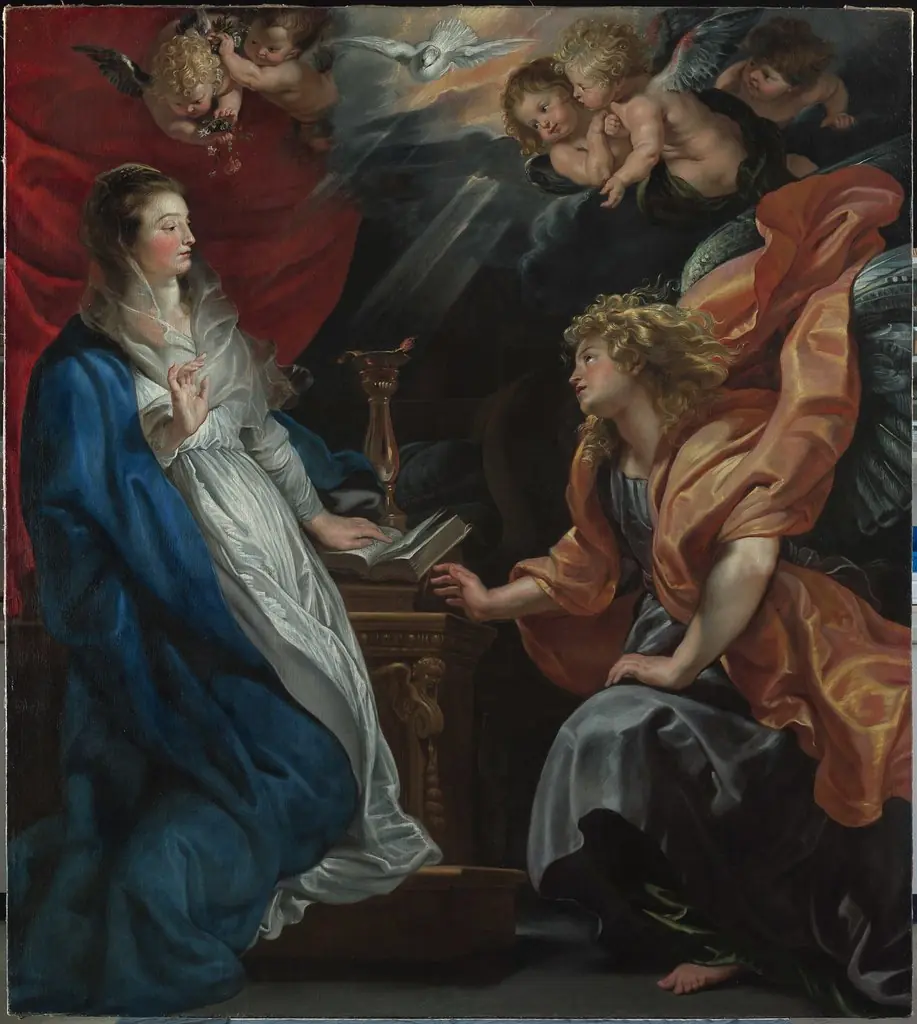
Artist & collection
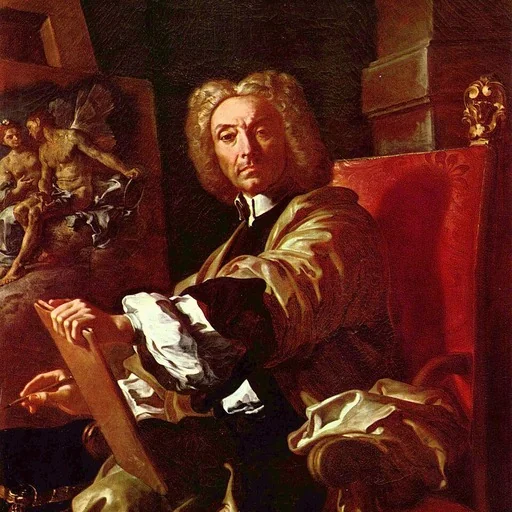
Artist
Francesco Solimena (4 October 1657 – 3 April 1747) was a prolific Italian Baroque painter, one of an established family of painters and draughtsmen.

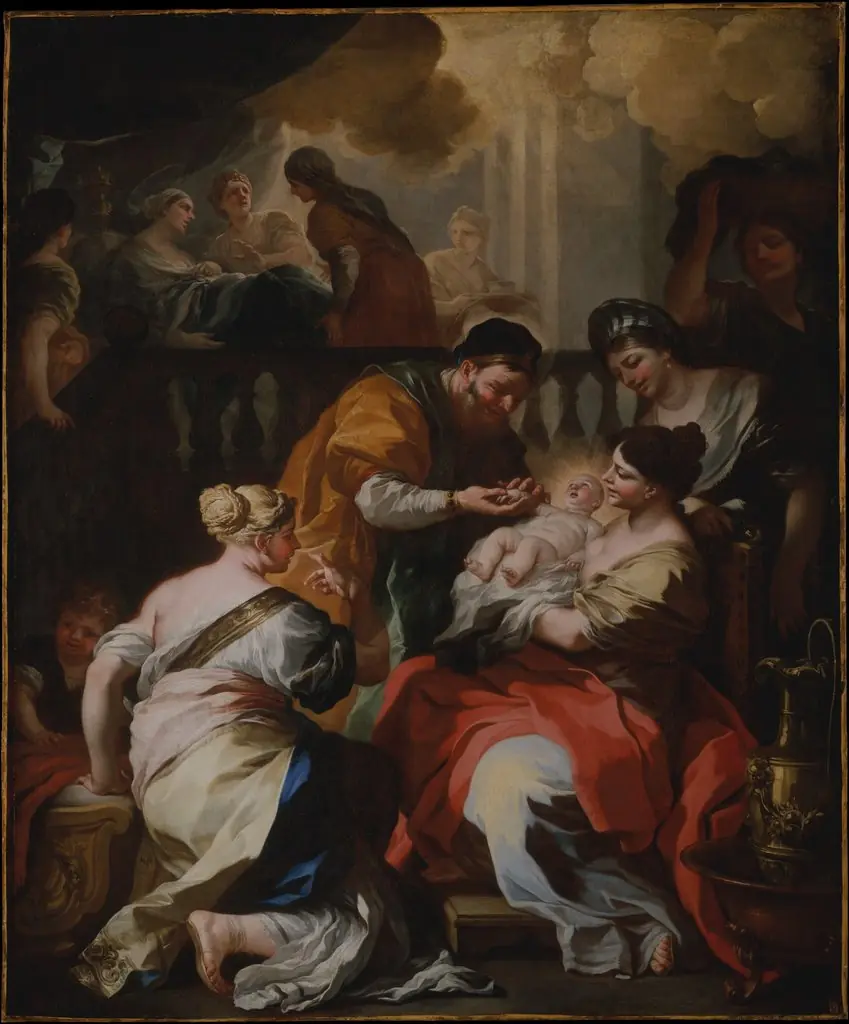
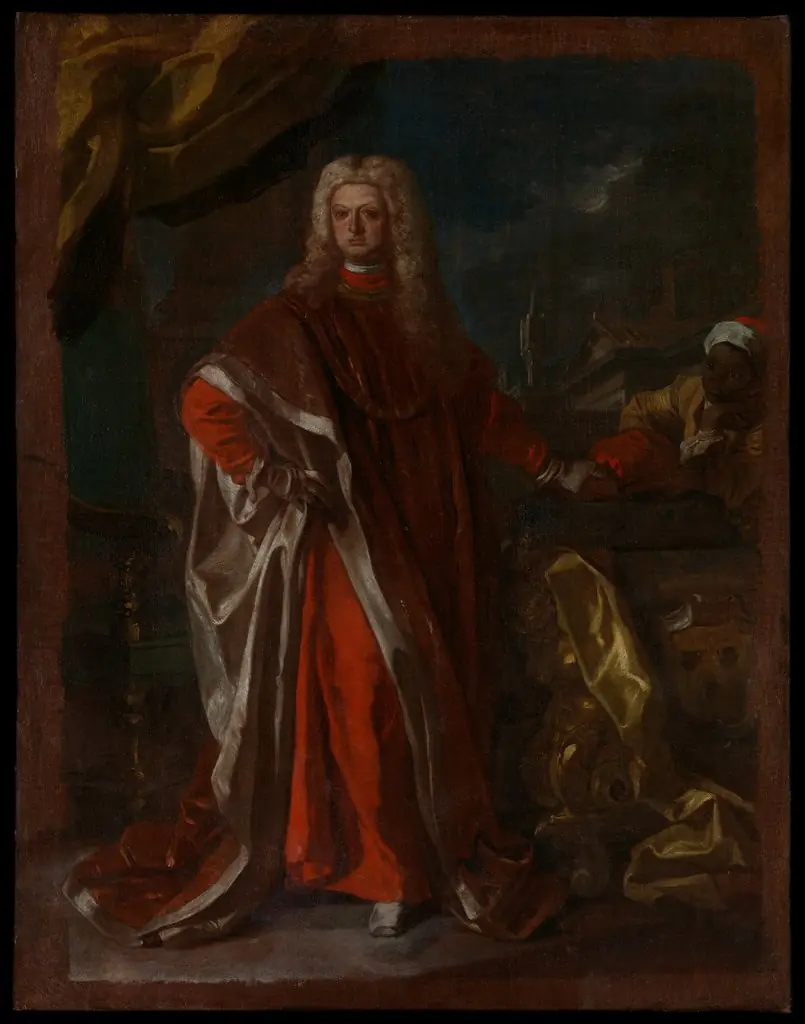
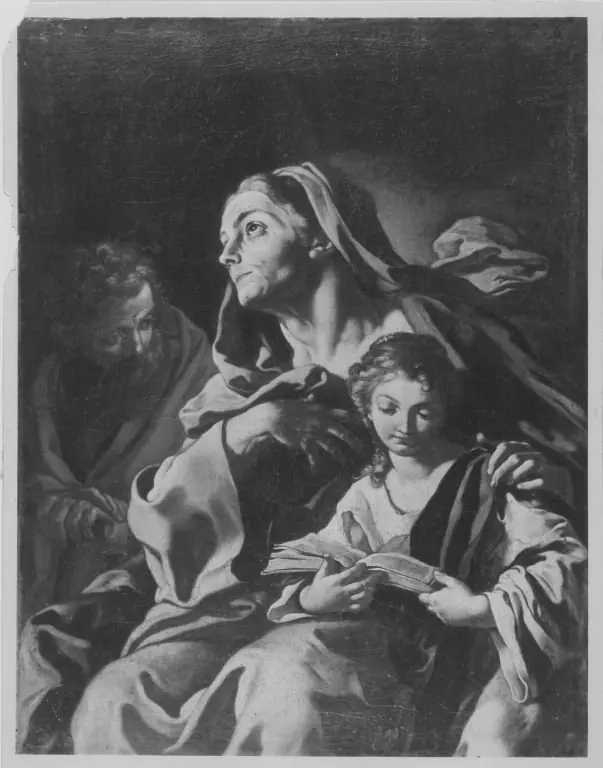
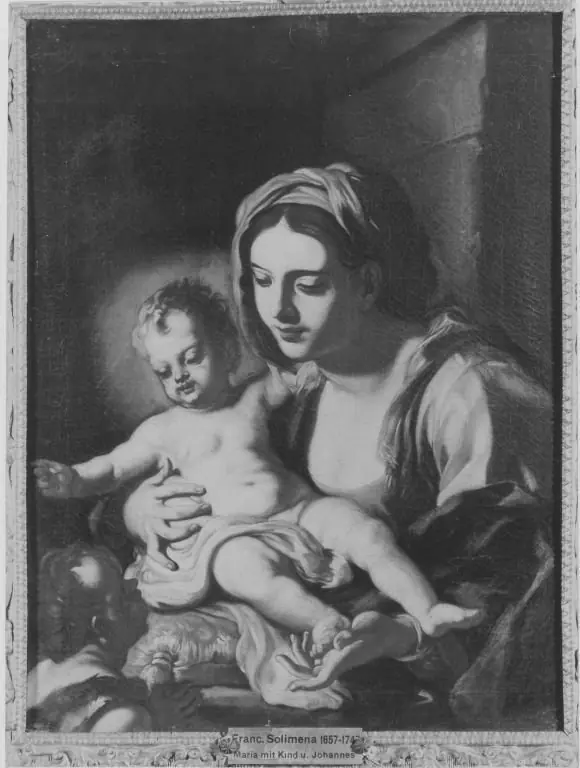
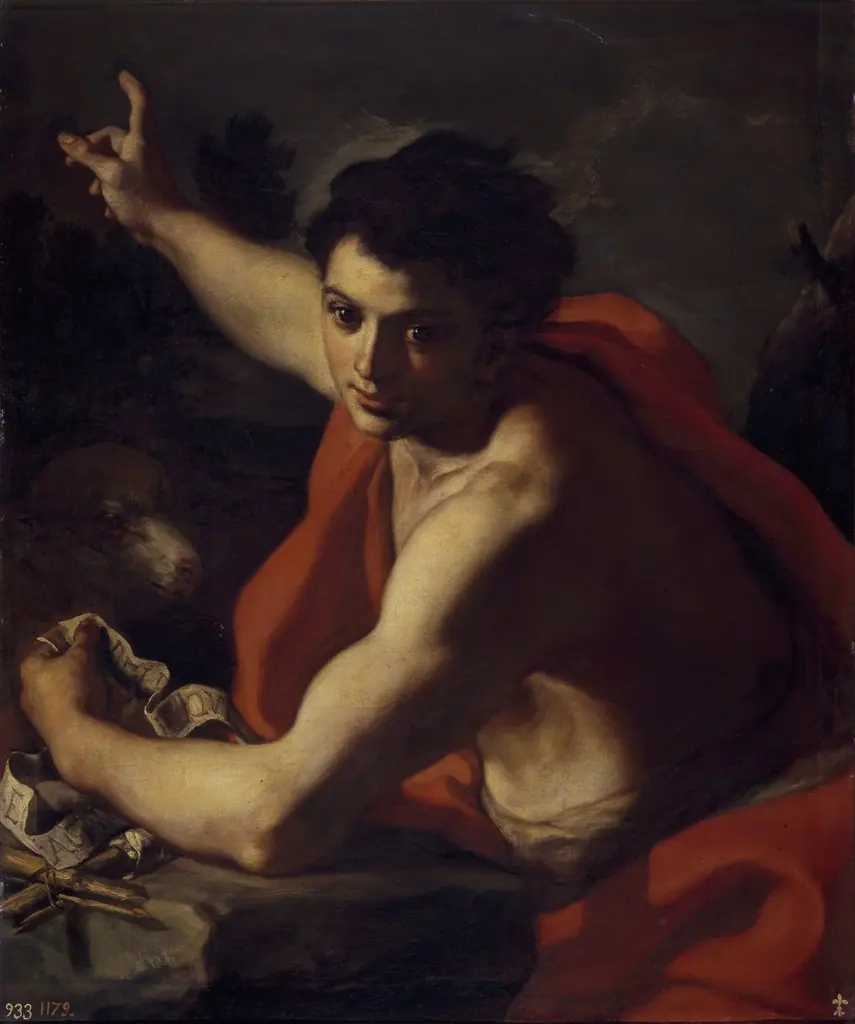
- The Annunciation
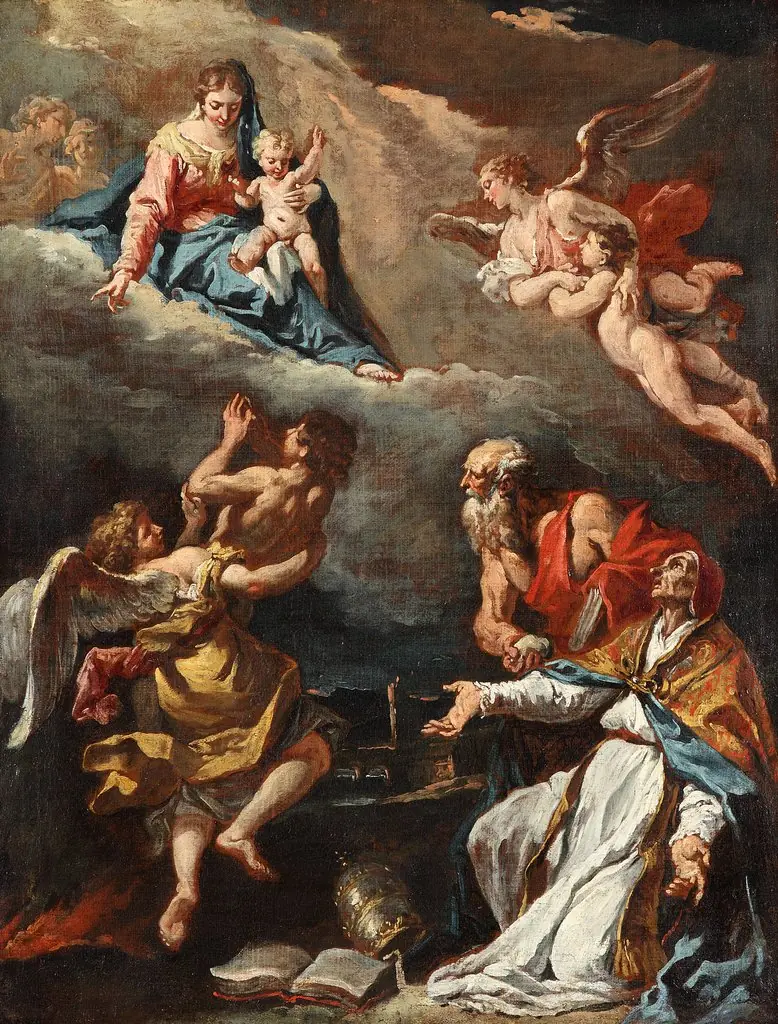 Die Fürbitte des Heiligen Gregor für die Seelen im Fegefeuer
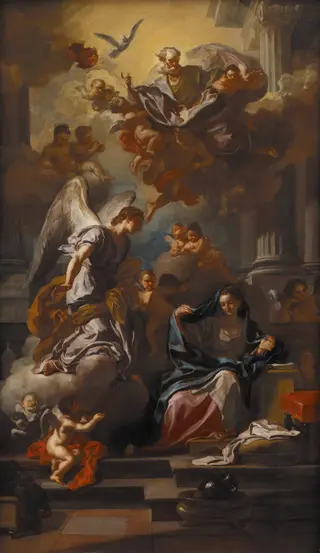 Bebudelsen
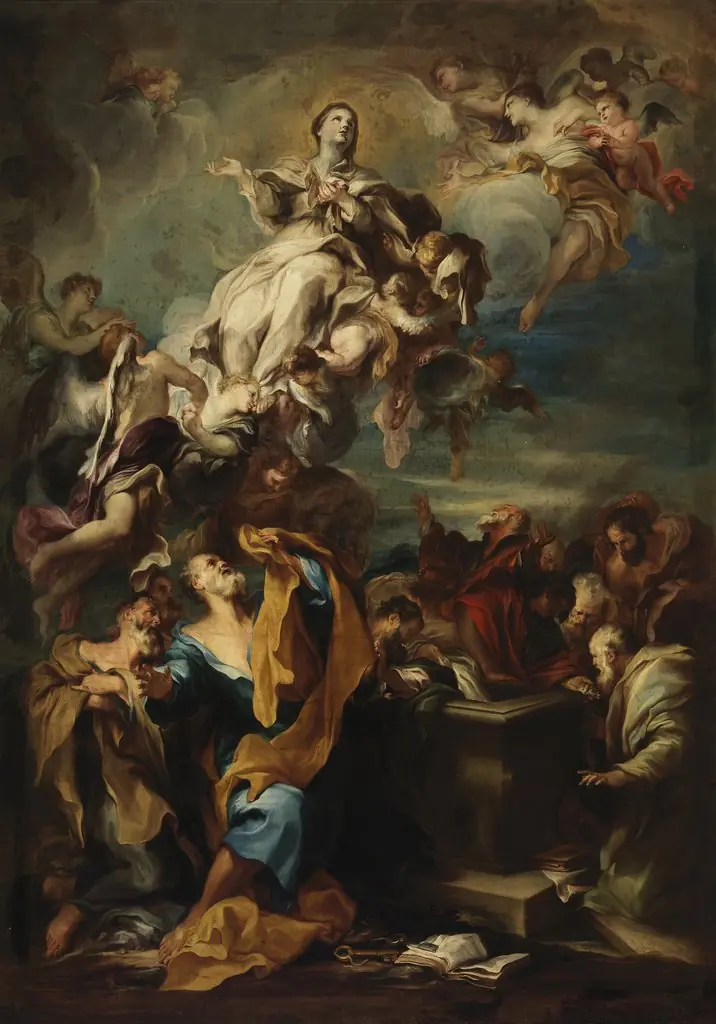 The Assumption of the Virgin
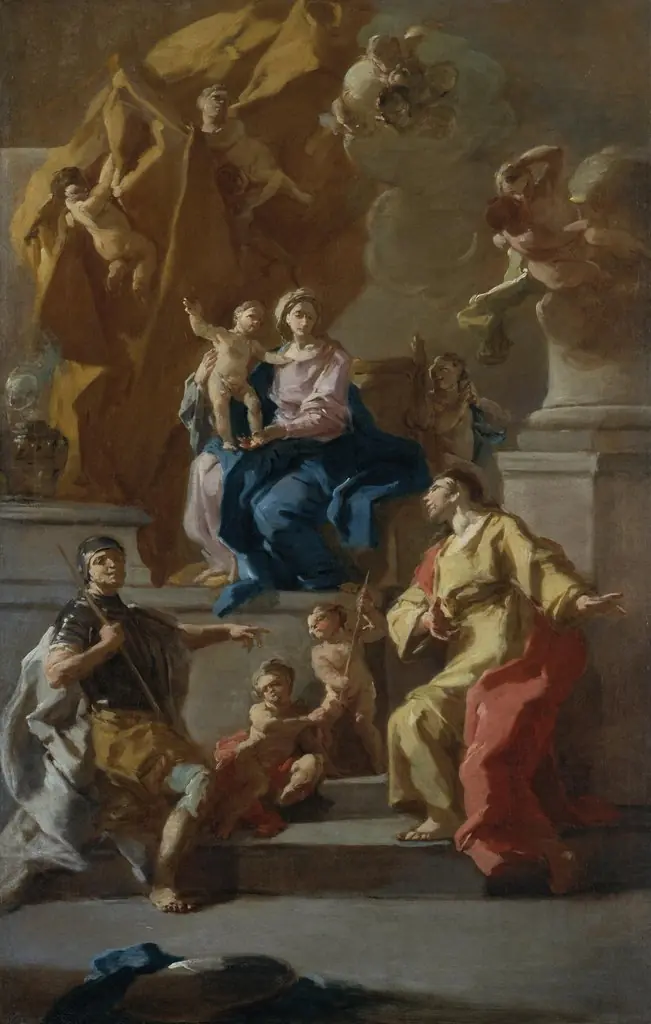 The Virgin and Child Enthroned, with Angels and Two Saints
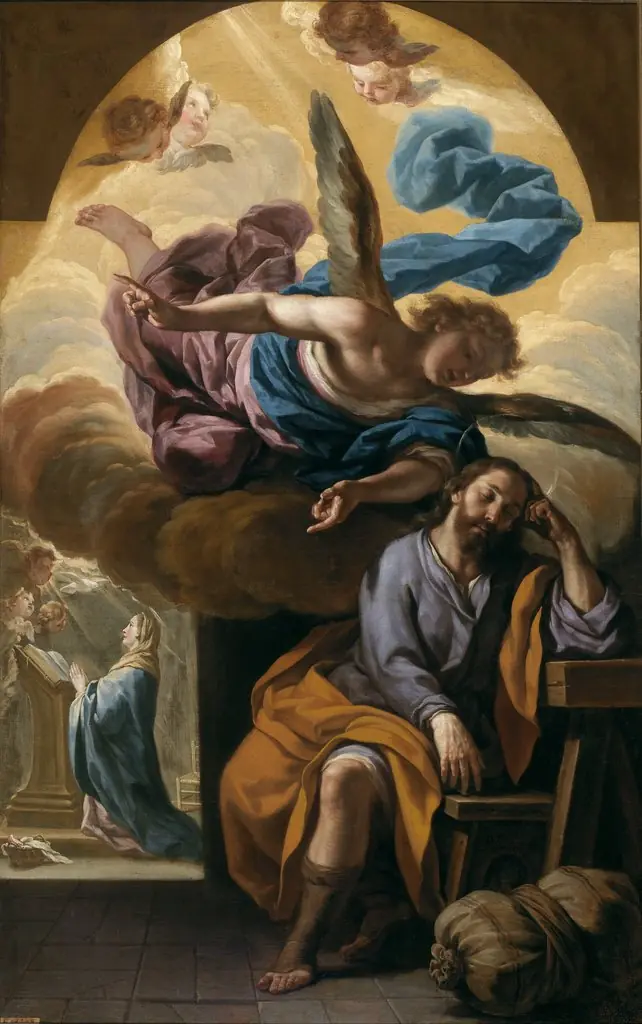 Saint Joseph’s Dream
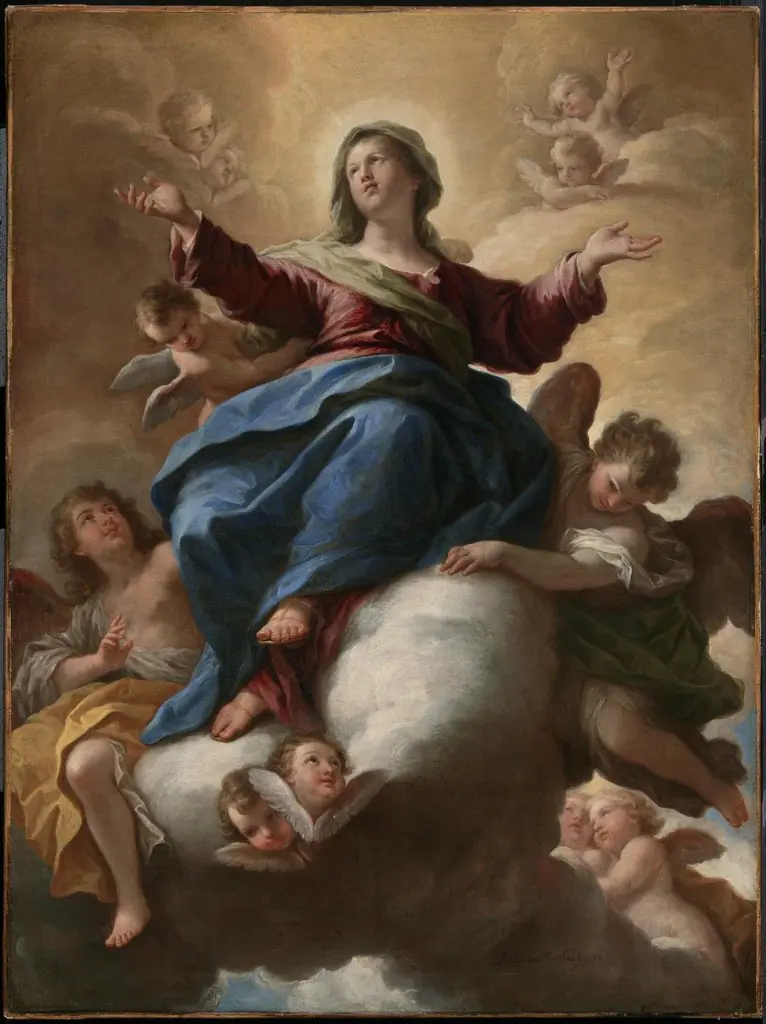 Assumption of the Virgin
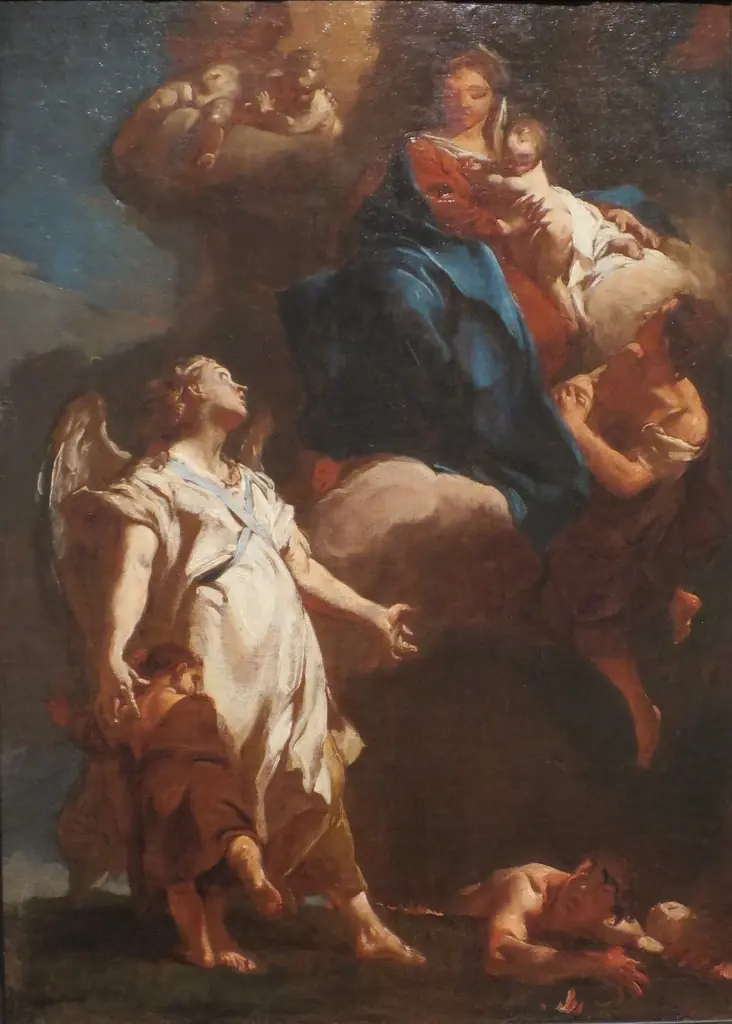 The Virgin Appearing to the Guardian Angel
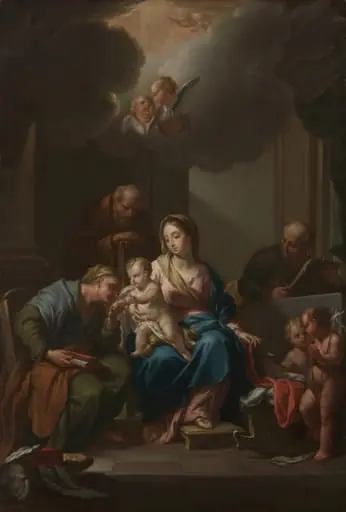 Presentation Sketch for "The Holy Family with Saints Anne, Joachim, and John the Baptist" (for Santa Maria in Via Lata, Roma)
 The Annunciation
 The Annunciation
 Saints Presenting a Devout Woman to the Virgin and Child