Artwork
Saint John the Baptist
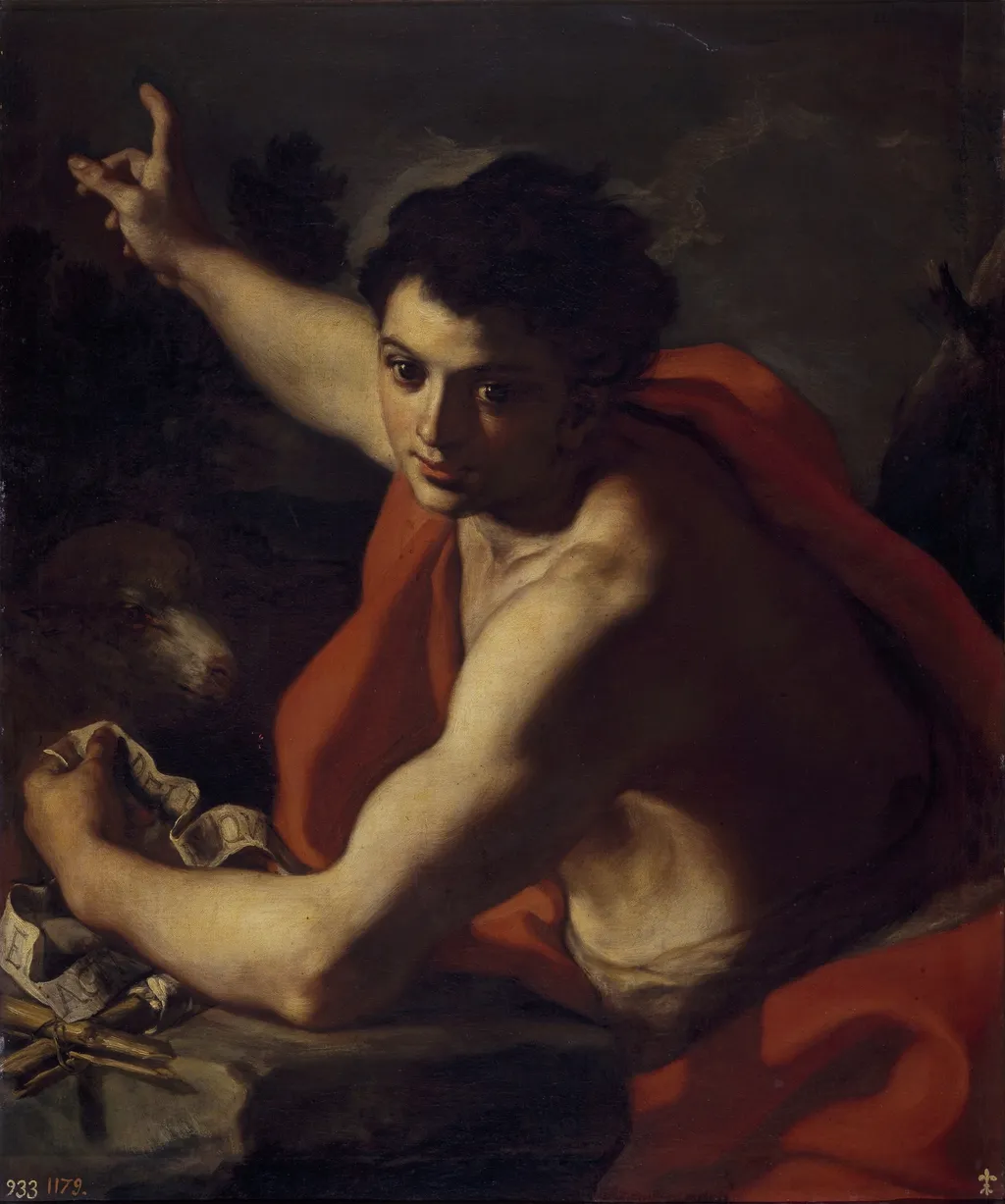
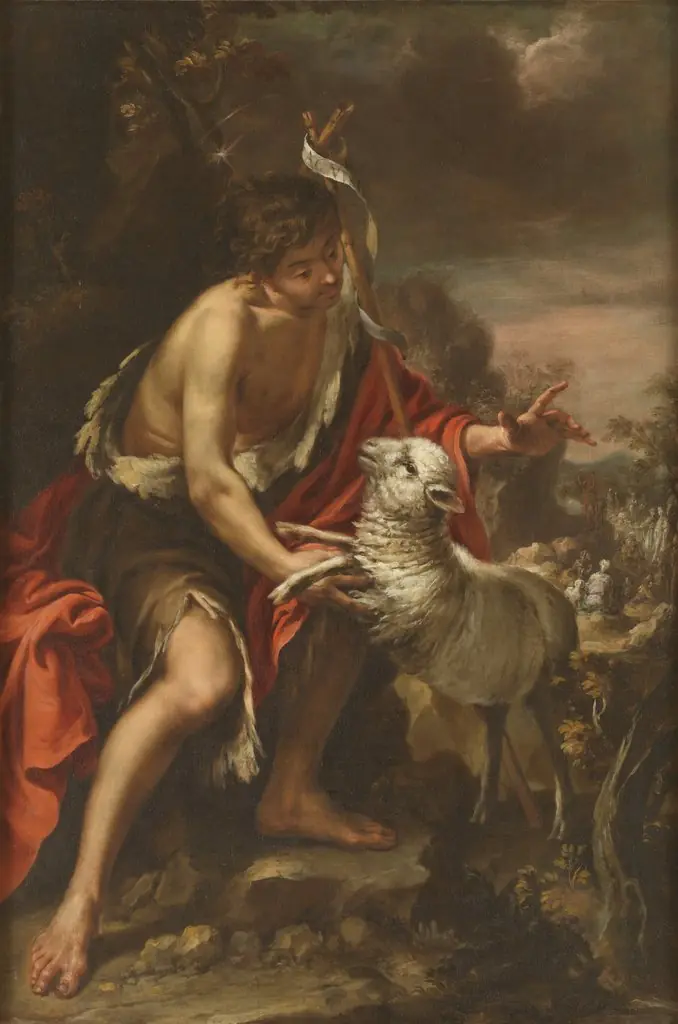
Saint John the Baptist is an oil painting by the Rococo painting artist Francesco Solimena. It dates from 1730 and is held in the collection of the Museo del Prado.
About this work
Subject & Meaning
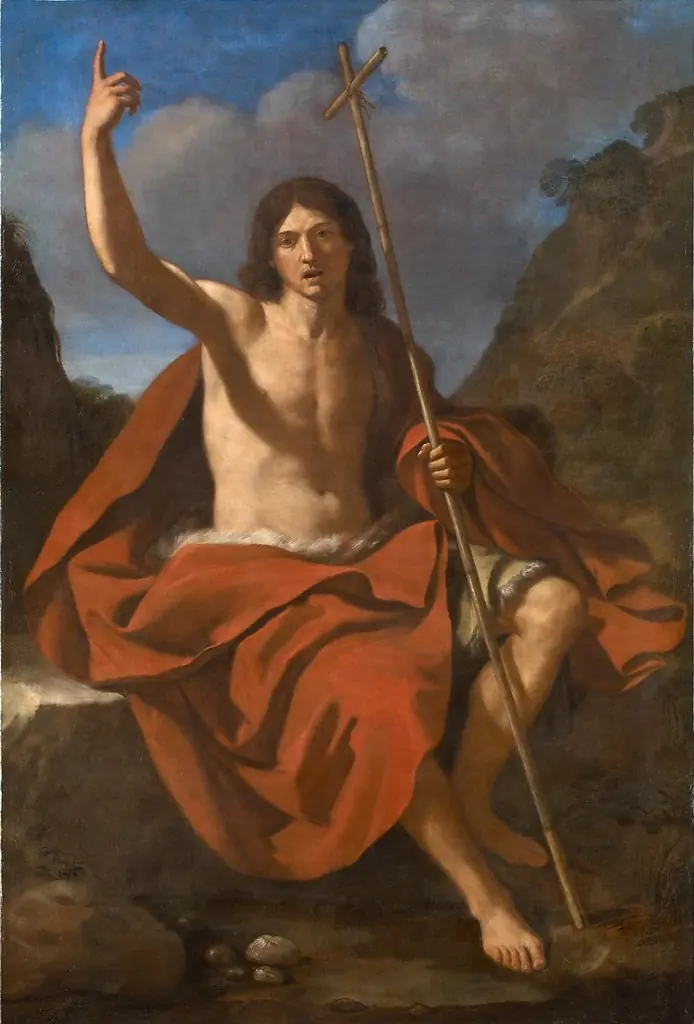
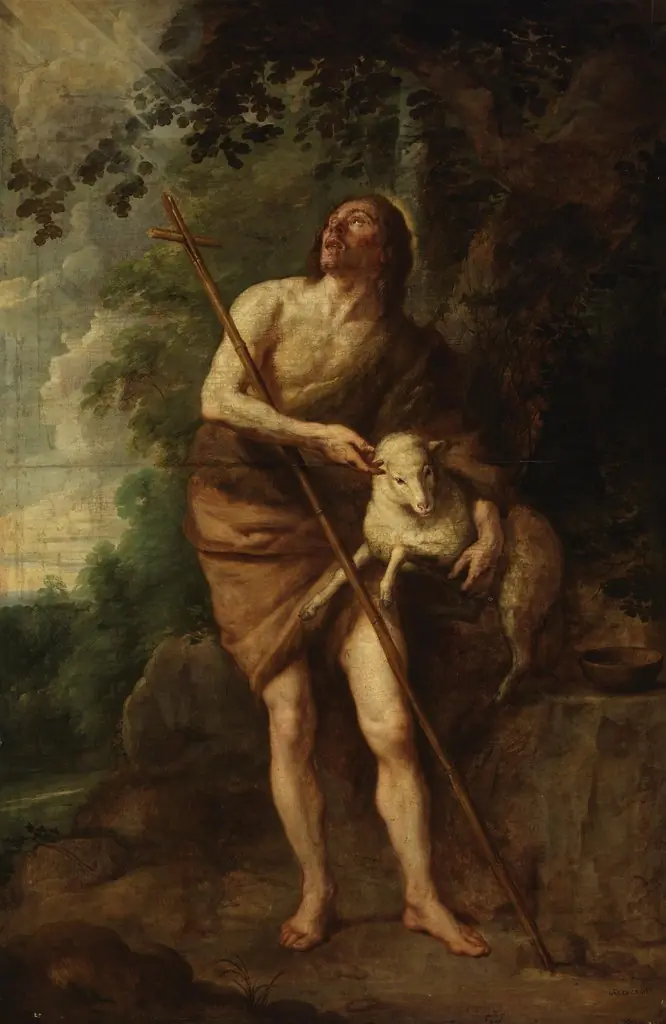
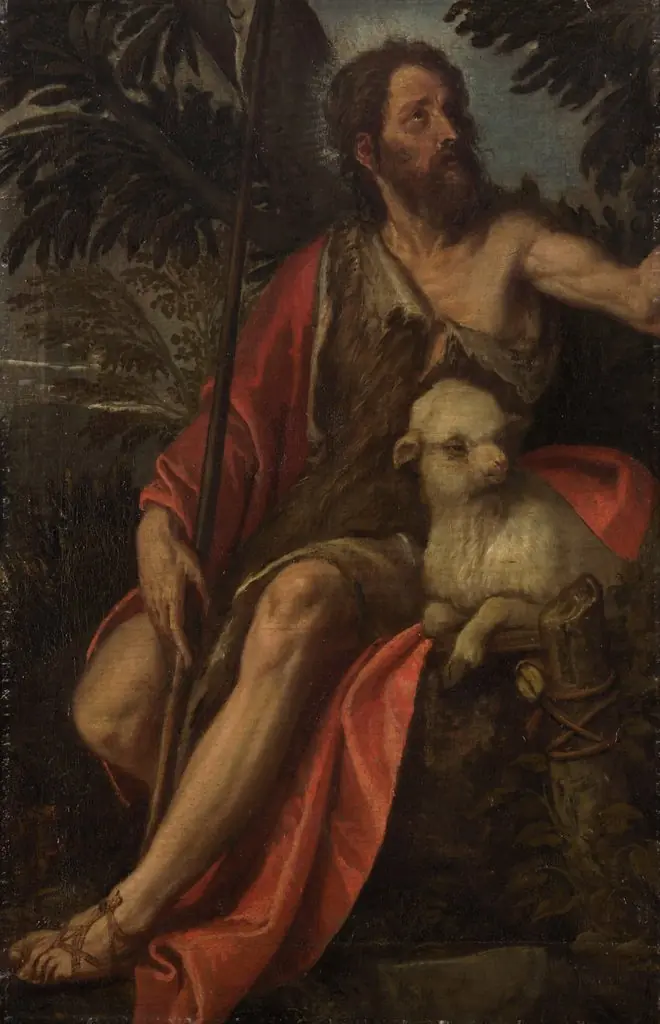
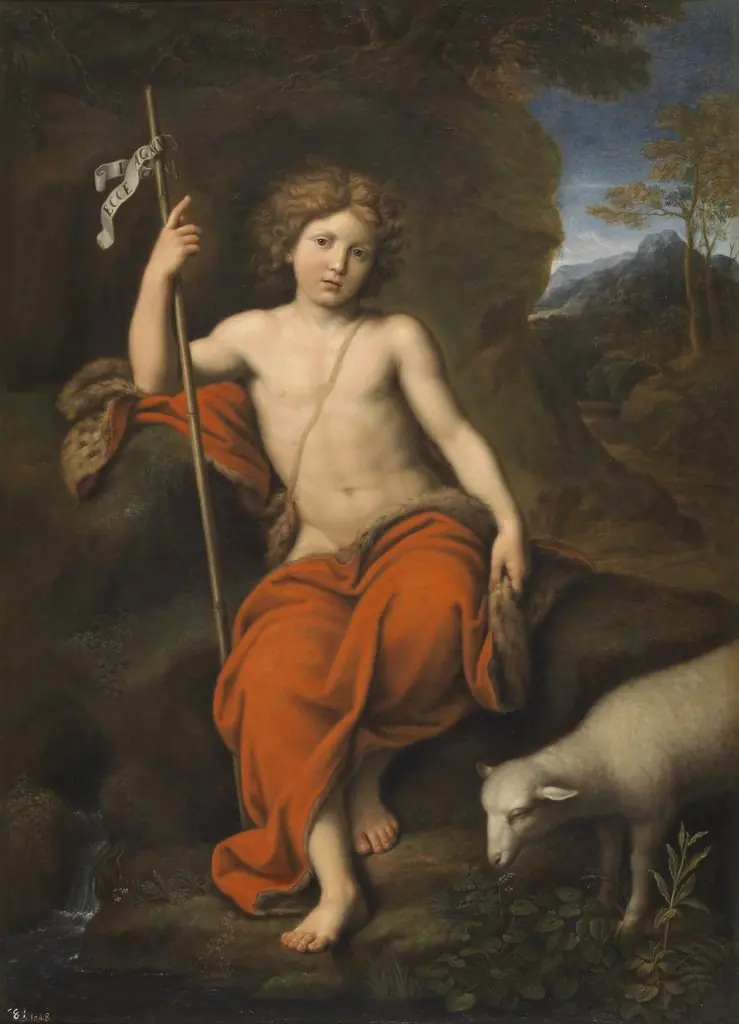
The figure is shown holding a cross, a standard iconographic element that identifies the saint and symbolizes his role as the precursor to Christ.
The painting depicts John the Baptist as its main subject, consistent with its classification as a work of religious art. The figure is shown holding a cross, a standard iconographic element that identifies the saint and symbolizes his role as the precursor to Christ. Created by Francesco Solimena, the work visualizes the biblical prophet through the lens of 18th-century religious tradition, focusing on the saint's identity and his prophetic mission.
Technique & Style
Francesco Solimena executed this religious depiction of John the Baptist using oil paint on a canvas support. The composition features the saint alongside a cross, adhering to traditional iconography for the subject. The work measures 83 cm in height and 70 cm in width.
While sources provide conflicting inception dates of 1730 and 1750, the earlier date of 1730 is cited as the primary creation year in internal records. The painting's history includes ownership by Elisabeth Farnese and Charles III of Spain before entering the collection of the Museo del Prado.
History & Provenance
Francesco Solimena created the oil-on-canvas painting Saint John the Baptist in 1730. The work was originally commissioned for or acquired by Elisabeth Farnese, who later passed it to Charles III of Spain. This ownership chain established the painting's presence within the Spanish royal collection before it entered the holdings of the Museo del Prado.
While some records list an inception date of 1750, the authoritative date for the work's creation remains 1730.
The painting is held in the collection of the Museo del Prado, Madrid. It was acquired for the Spanish royal collection through Elisabeth Farnese and Charles III of Spain, whose ownership is recorded in the work's provenance. The museum's inventory lists the painting under the accession associated with these royal origins. No specific exhibition history beyond its permanent collection placement is documented in the available sources.
Overview
Francesco Solimena painted Saint John the Baptist in 1730 with oil on canvas. The composition presents a youthful figure in a red cloak, holding a plain wooden cross in his left hand while his right arm is raised in a gesture that suggests blessing or emphasis. A dark background isolates the figure, allowing the red garment and the illuminated skin to dominate the visual field.
Context
Solimena belonged to a prolific Neapolitan artistic family and was a leading figure in the city’s Baroque scene. By the 1730s, his work reflected a transition from the exuberant Baroque toward a more measured classicism, mirroring broader shifts in Italian art as patrons favored refined elegance over overt theatricality.
Own this work as a print
Artist & collection

Artist
Francesco Solimena (4 October 1657 – 3 April 1747) was a prolific Italian Baroque painter, one of an established family of painters and draughtsmen.