Artwork
The Vision of Ezekiel
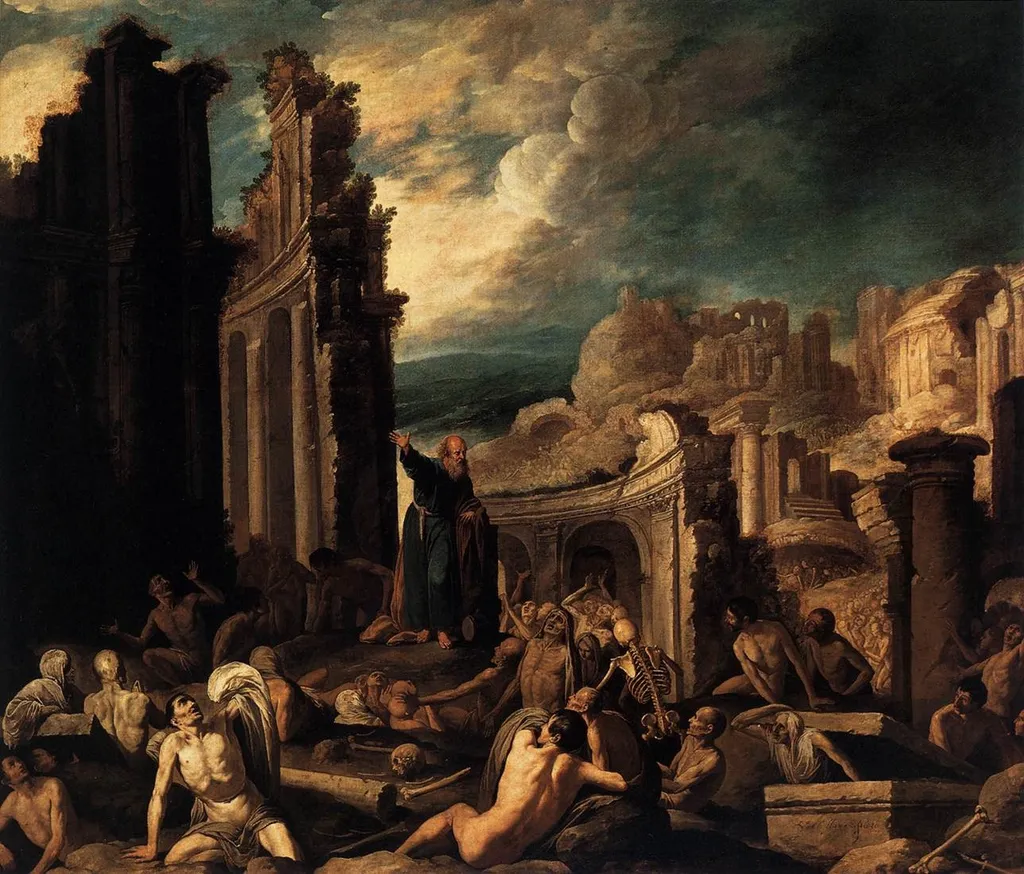
The Vision of Ezekiel is an oil painting by the Early Baroque Italian artist Francisco Collantes. It dates from 1630 and is held in the collection of the Museo del Prado.
About this work
Subject & Meaning
This symbolic use of decay underscores themes of divine judgment and redemption within the narrative of Ezekiel's prophetic calling.
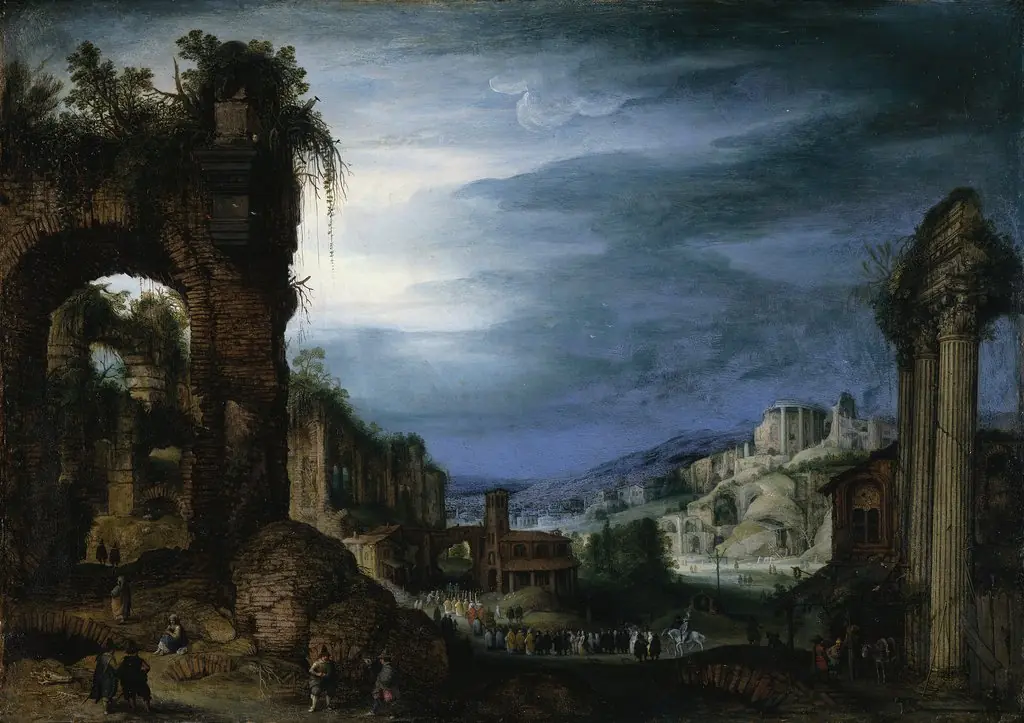
The Vision of Ezekiel portrays the biblical prophet Ezekiel witnessing a divine revelation amid apocalyptic ruins, a common Counter-Reformation motif emphasizing prophetic visions and divine authority. The composition features crumbling architectural fragments and dramatic chiaroscuro to symbolize spiritual turmoil and heavenly intervention, reflecting the Council of Trent's emphasis on vivid religious narratives that engage the viewer's senses and intellect. This symbolic use of decay underscores themes of divine judgment and redemption within the narrative of Ezekiel's prophetic calling.
Technique & Style
Executed in oil on canvas in 1630, the work measures 177 cm in height and 205 cm in width. Its handling aligns with early-seventeenth-century Spanish religious painting, where luminous glazes articulate architectural ruins and visionary space. The composition integrates flattened perspectival recession with a muted palette, emphasizing narrative clarity over dramatic chiaroscuro.
Stylistic features include tightly controlled modeling of drapery and attenuated figural proportions, consistent with Collantes’ early manner within the Castilian tradition.
History & Provenance
The Vision of Ezekiel was created by Francisco Collantes in 1630. Executed in oil paint on canvas, the work measures 177 cm in height and 205 cm in width. The painting is currently held in the collection of the Museo del Prado. It depicts the biblical prophet Ezekiel amidst ruins, consistent with its classification as a religious artwork.
The specific circumstances regarding the original commission or the detailed chain of ownership prior to its arrival at the museum are not documented in the provided sources.
Overview
Francisco Collantes, a Madrid‑born painter of the early seventeenth century, executed The Vision of Ezekiel in 1630 with oil on canvas. The composition centers on the biblical prophet amidst a desolate ruin, surrounded by distressed figures, under a storm‑laden sky. The work is part of the Museo del Prado’s permanent collection in Madrid.
Artist & collection
Artist
Francisco Collantes (1599–1656) was a Spanish Baroque era painter. Collantes was born in Madrid but sought influence from Jusepe de Ribera and the Neapolitan School. He was also influenced by 16th century Venetian…

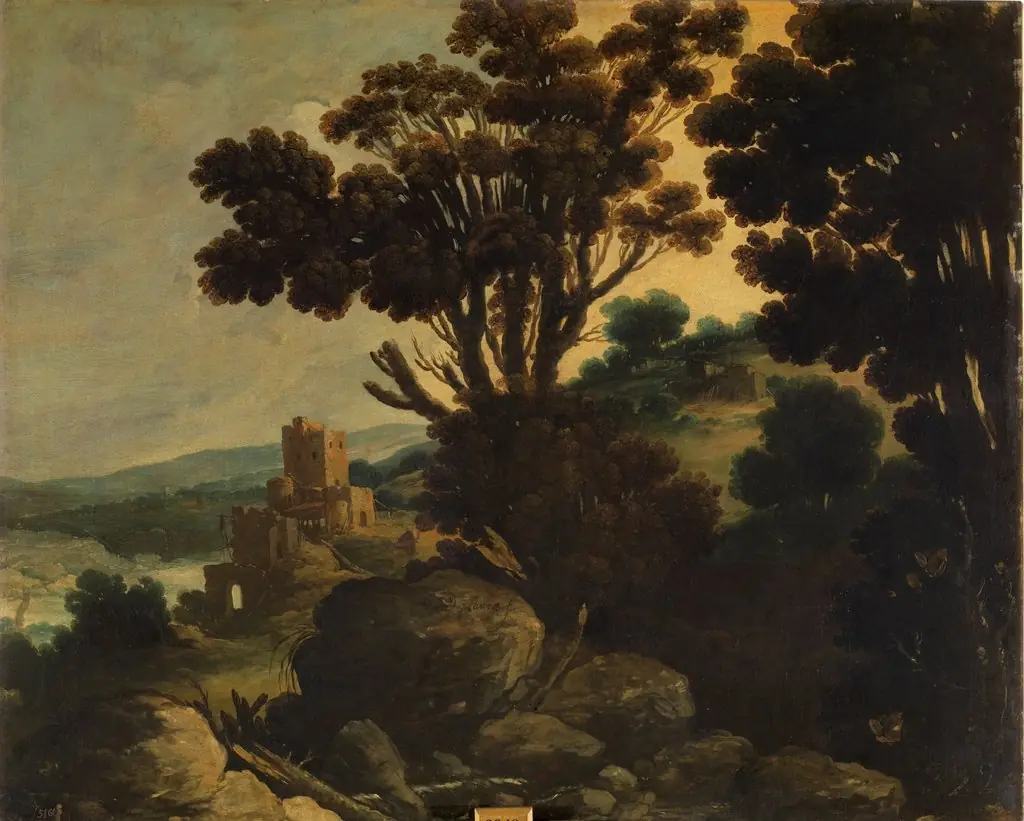
- Ansicht des Campo Vaccino in Rom (Aufbruch der Israeliten aus Ägypten)
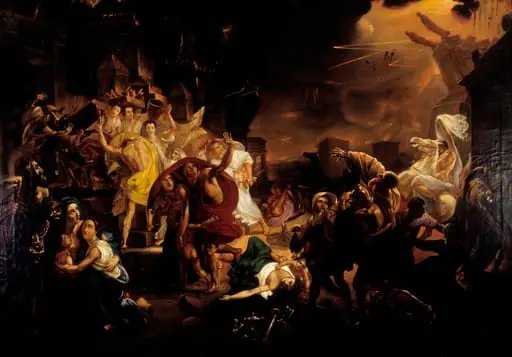 Pompejin viimeiset päivät, kopio
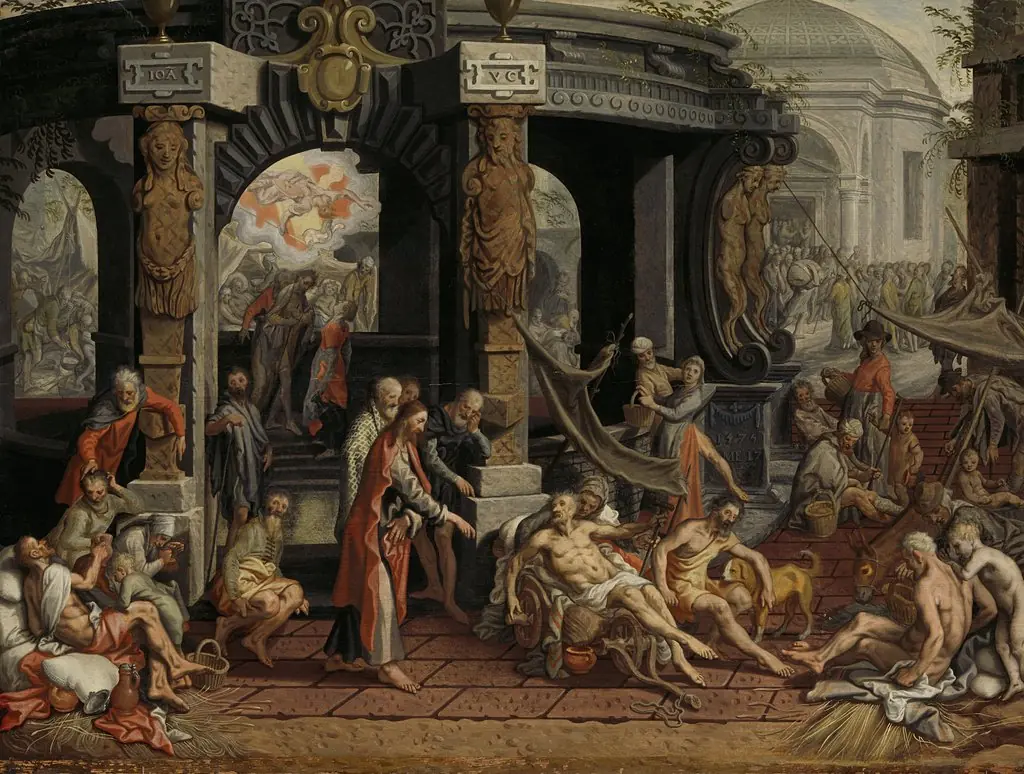 The Healing of the cripple of Bethesda
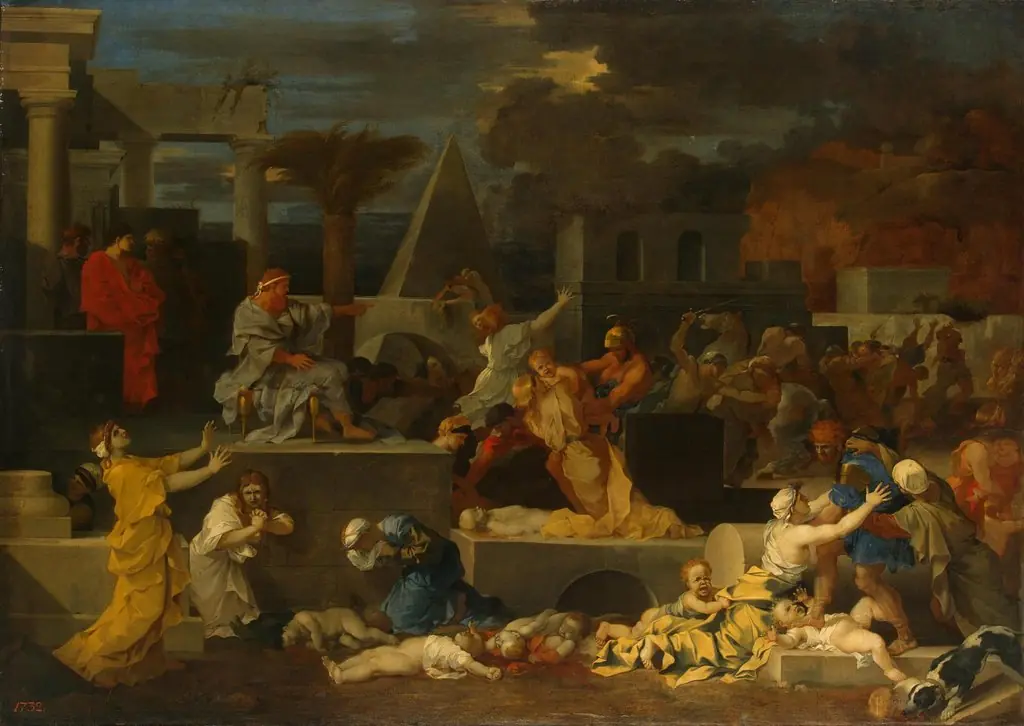 Massacre of the Innocents
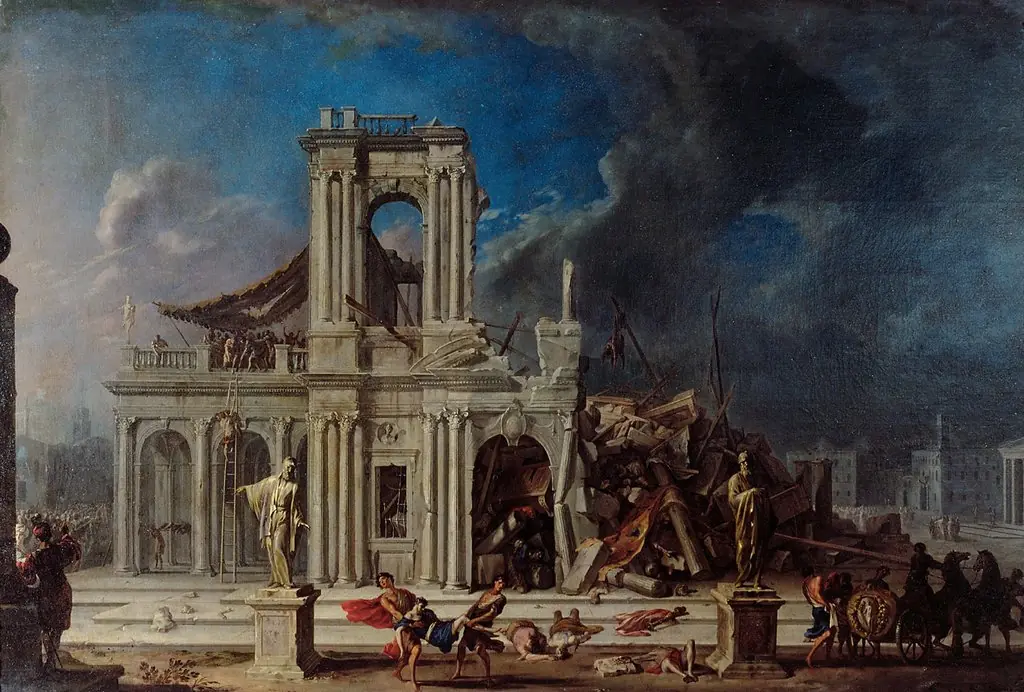 Samson's Revenge on the Philistines
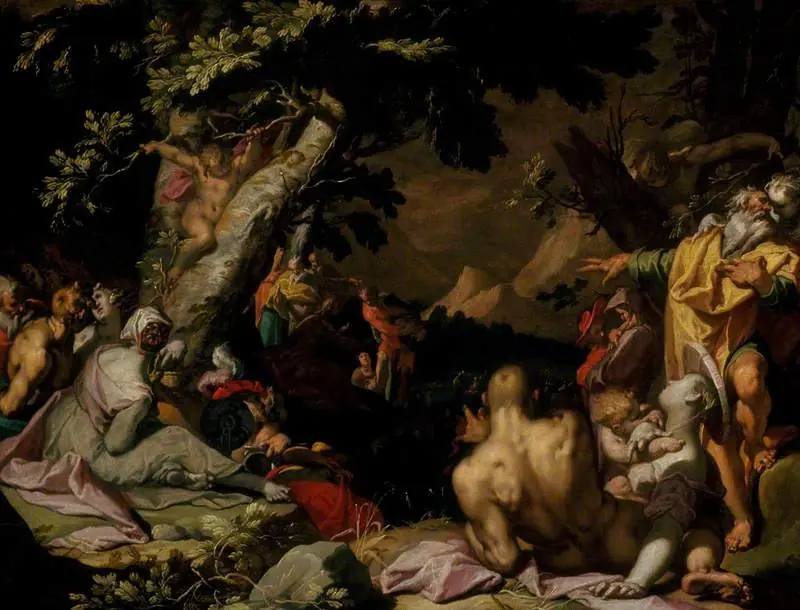 Miracle of the loaves (Jesus feeds the five thousand)
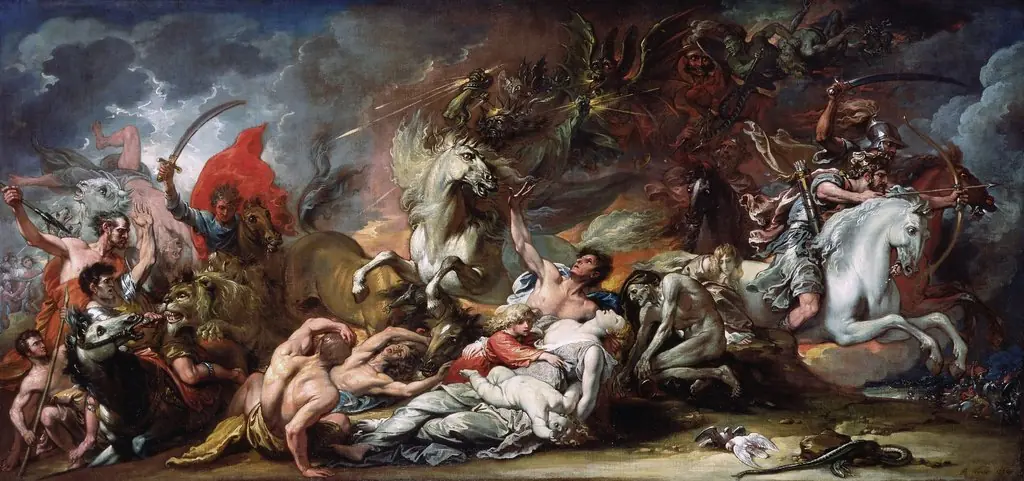 Death on the Pale Horse
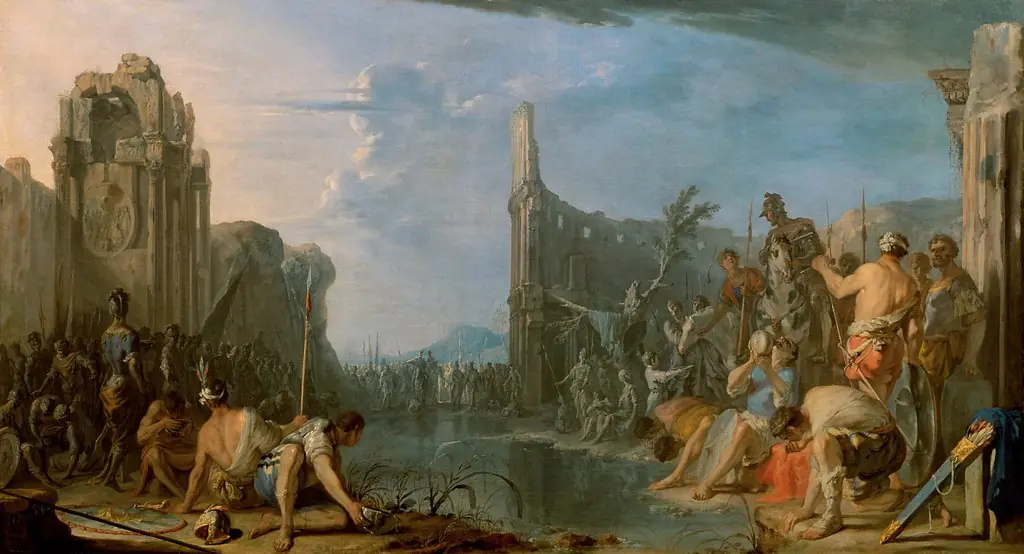 Gideon Checks His Army
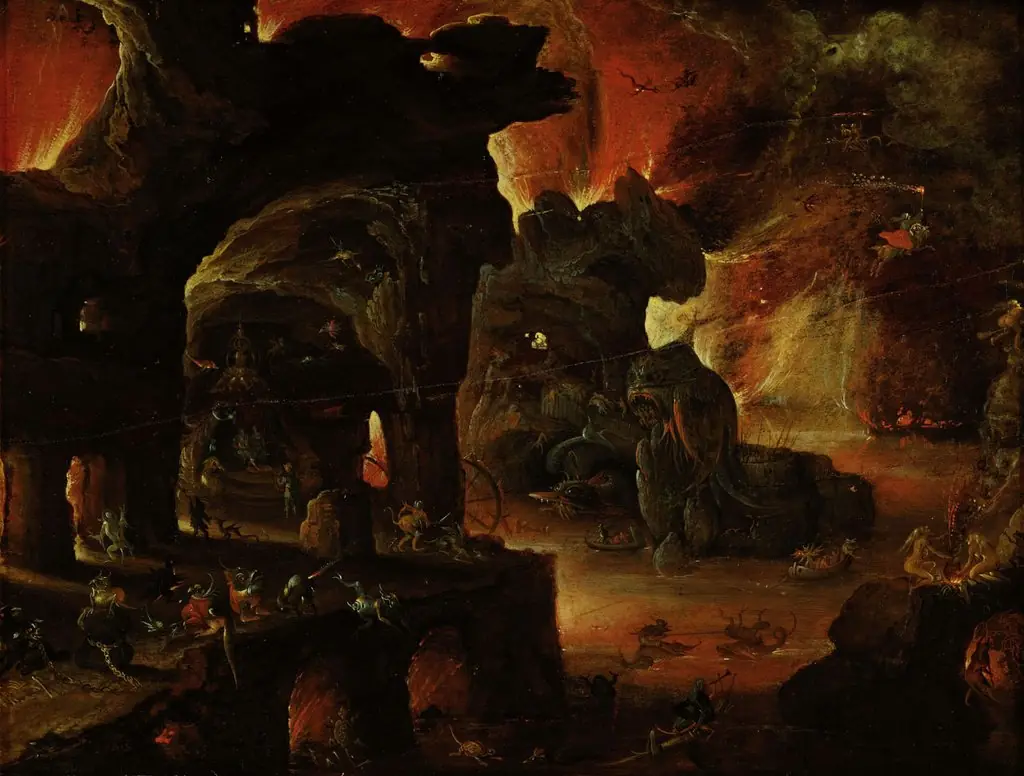 Orpheus in the Underworld
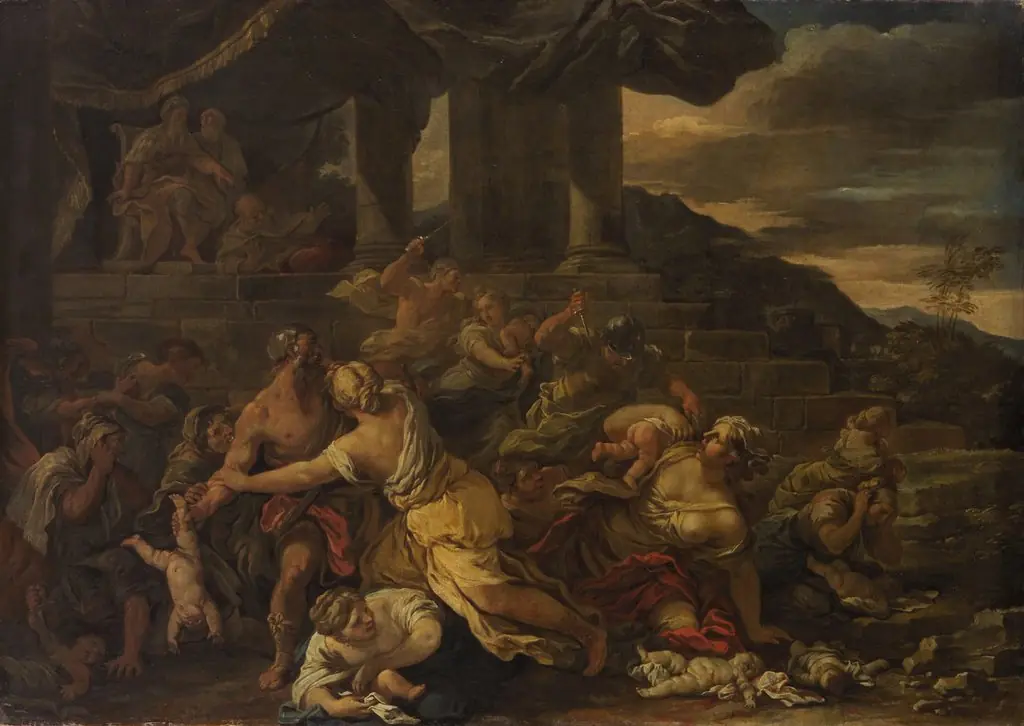 Killing of the Children in Bethlehem
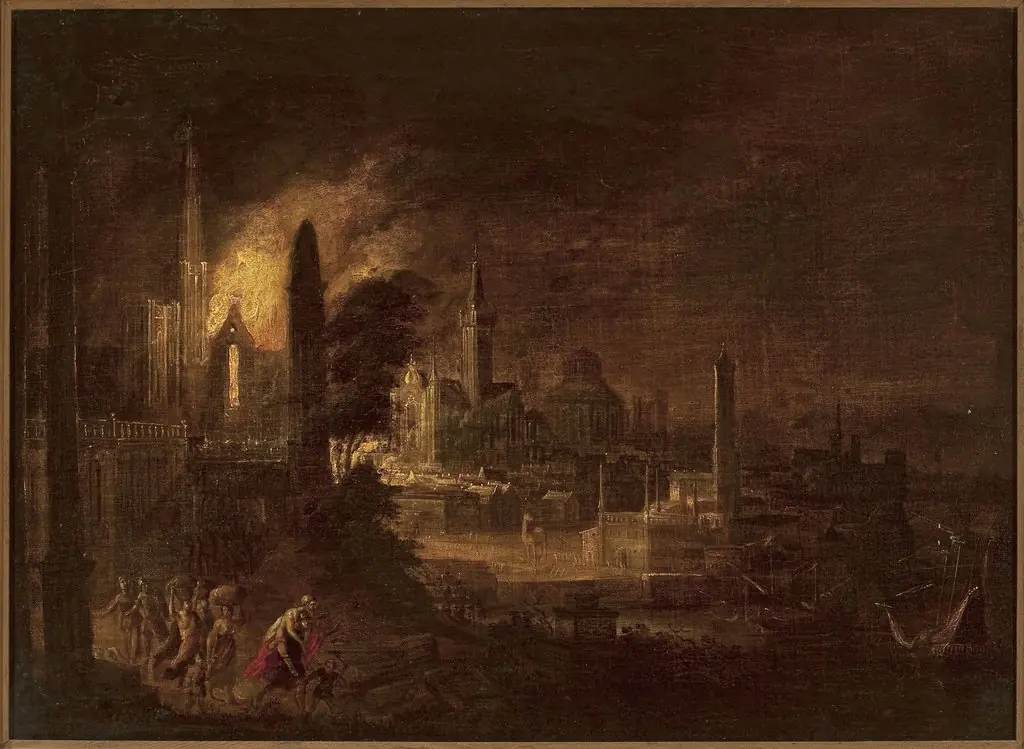 Fire of Troy
 Landscape with Roman Ruins and a Procession