Artwork
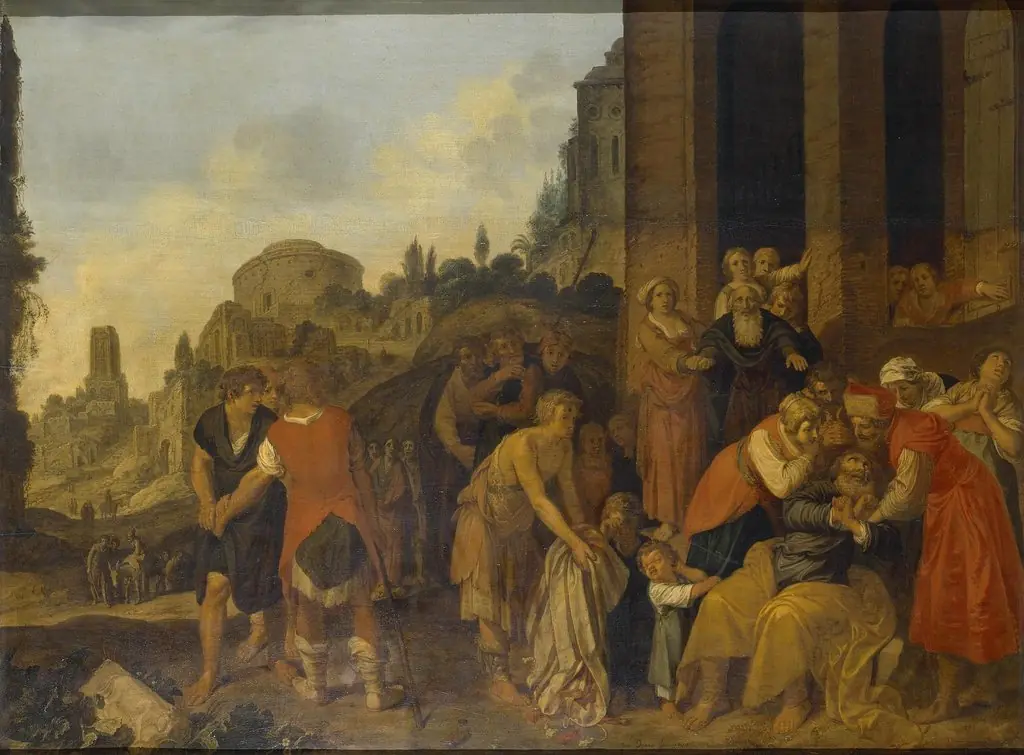
The Healing of the cripple of Bethesda
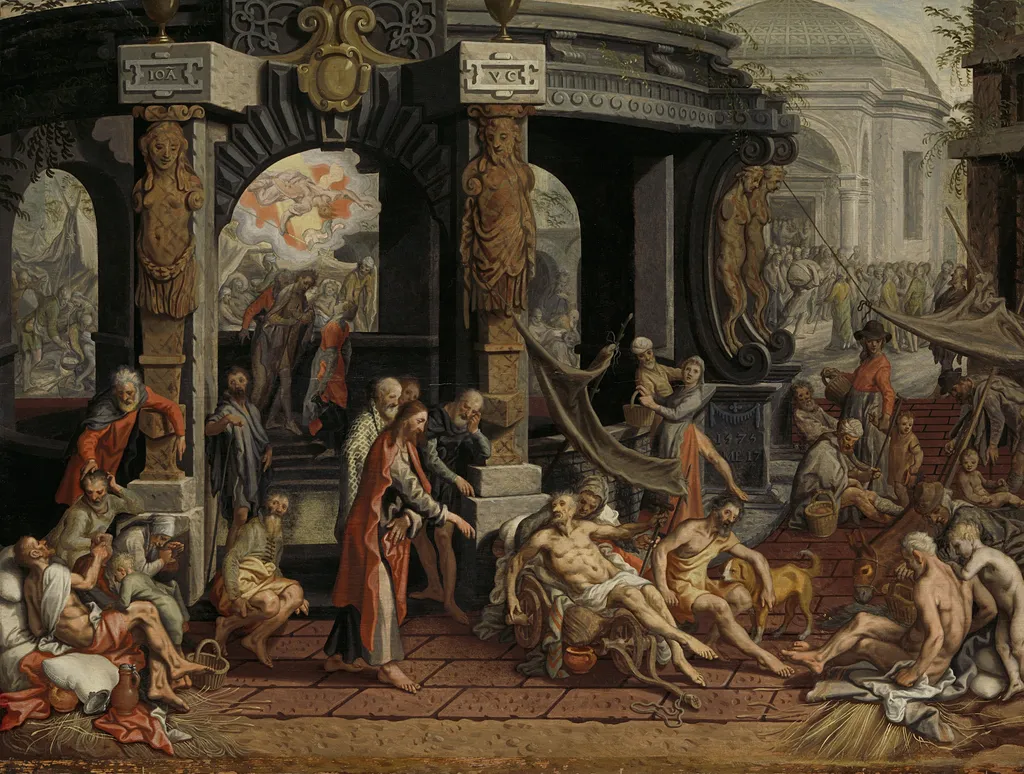
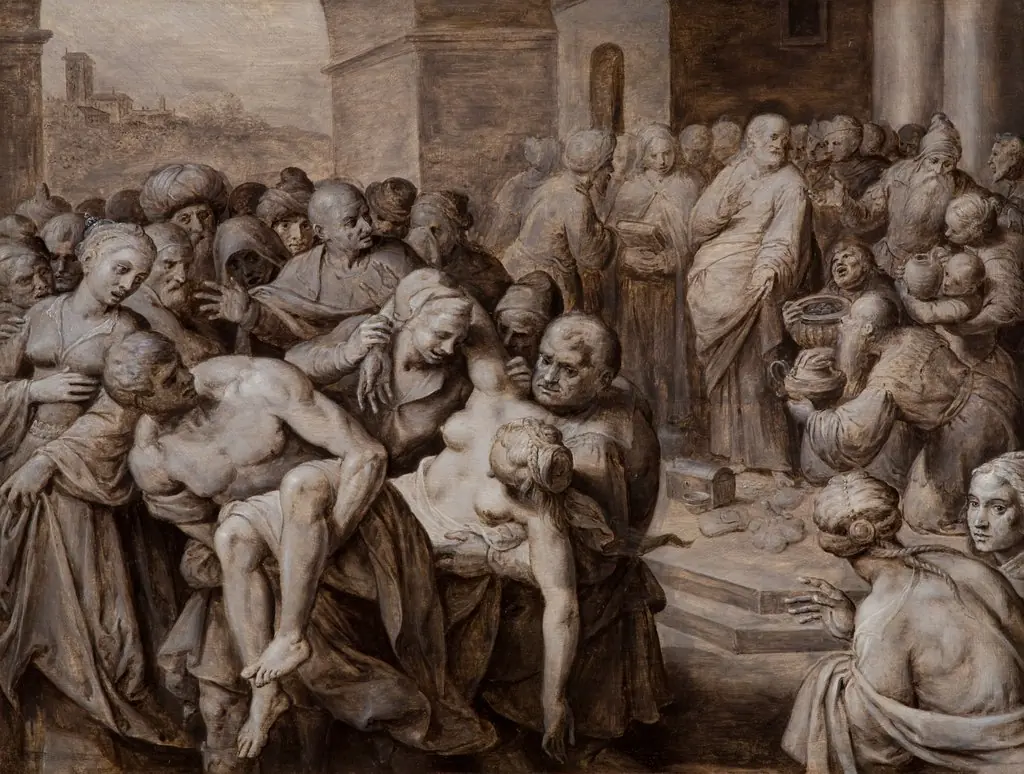
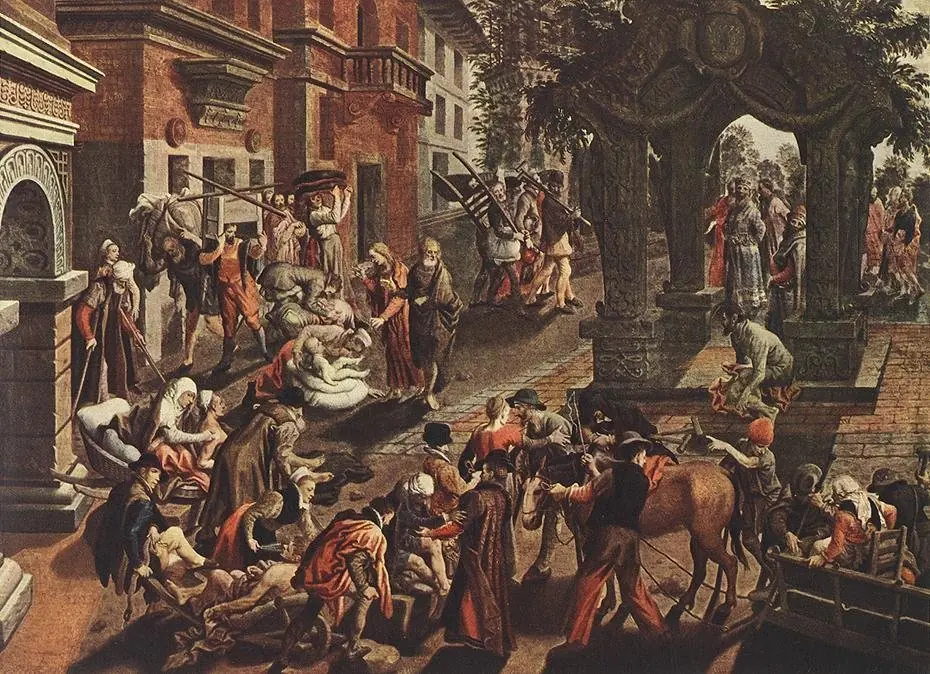
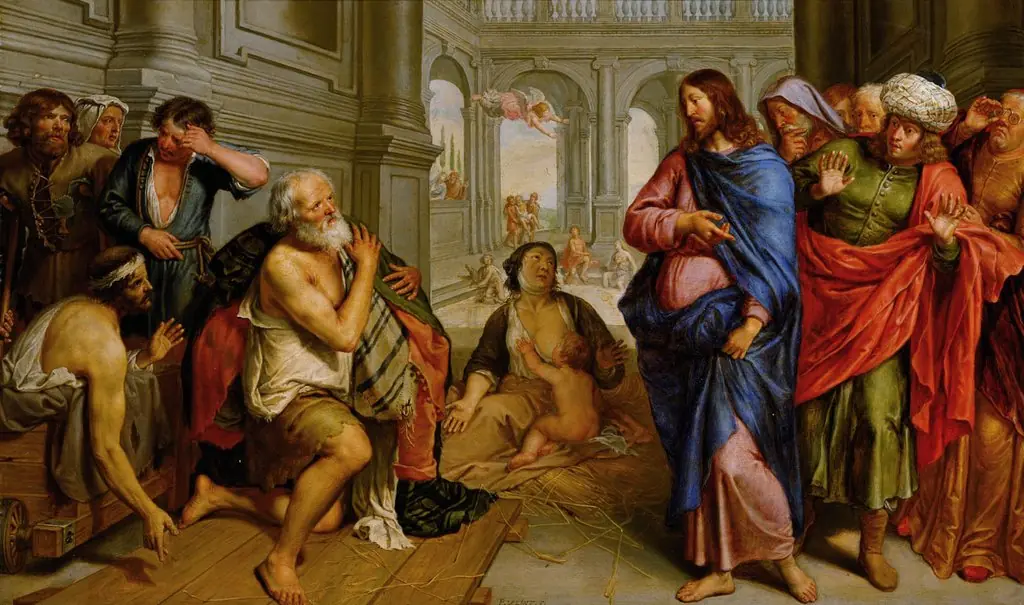
The Healing of the cripple of Bethesda is an oil painting by the Early Baroque Italian artist Pieter Aertsen. It dates from 1575 and is held in the collection of the Rijksmuseum.
About this work
Technique & Style
The painting is executed in oil on a wooden panel support, with dimensions of 56 cm in height and 75 cm in width.
The painting is executed in oil on a wooden panel support, with dimensions of 56 cm in height and 75 cm in width. The handling is consistent with Aertsen’s mature style, employing fluid, layered brushwork to define figures and architectural elements while maintaining clarity in spatial recession. The composition balances narrative clarity with genre detail, using a muted palette punctuated by accents of ochre and crimson to guide the viewer’s eye toward the central miracle.
Stylistically, the work merges Northern Renaissance precision with Italianate spatial construction, evident in the measured recessional space of the Bethesda portico and the individualized physiognomies of the figures.
History & Provenance
The painting was created by Pieter Aertsen in 1575, as recorded by both the artist’s internal corpus and Wikidata entries. The work is a religious genre painting executed in oil on panel, measuring 56 cm in height and 75 cm in width. It is currently held in the collection of the Rijksmuseum in Amsterdam, where it remains located.
Pieter Aertsen's 1575 painting, The Healing of the cripple of Bethesda, is held in the collection of the Rijksmuseum in Amsterdam. The work is executed in oil paint on panel and measures 56 cm in height and 75 cm in width. The provided sources confirm the museum's location and the artwork's physical dimensions but do not list a specific inventory or accession number for this piece. Additionally, the available documentation contains no details regarding the painting's exhibition history or past showings.
Overview
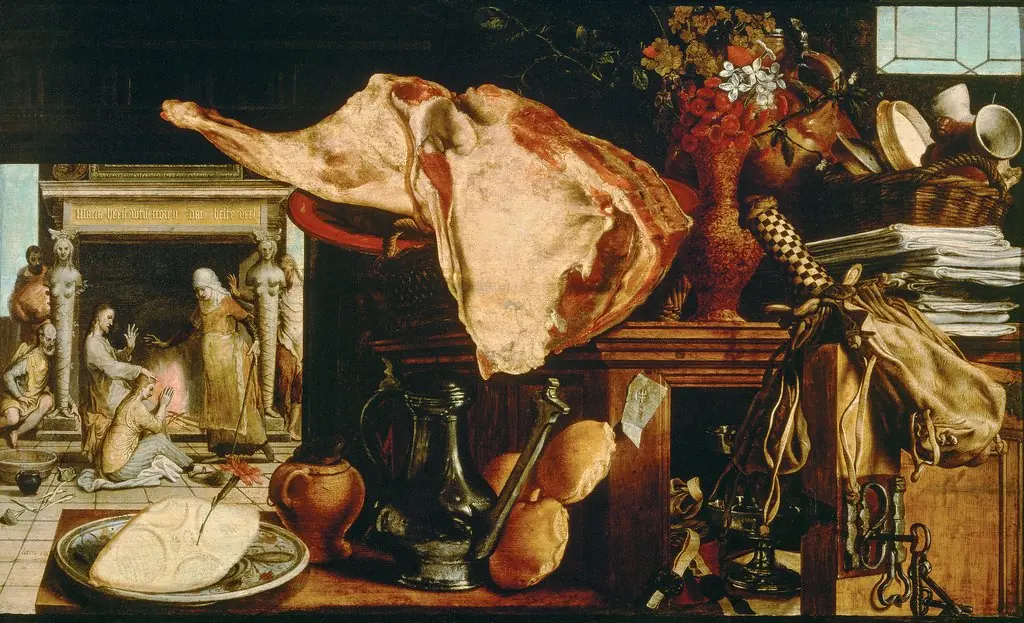
The Healing of the Cripple of Bethesda is a 1575 oil painting by Pieter Aertsen, blending religious narrative with everyday genre and still life elements, characteristic of his Northern Mannerist approach.
Subject & Meaning
The painting depicts a biblical scene of healing amidst a bustling, everyday setting, integrating religious themes into mundane life, a hallmark of Aertsen's compositional style.
Context
While stylistically rooted in Northern Mannerism, the painting's early Baroque sensibilities and monumental genre scene approach positioned it at the cusp of evolving artistic trends in 16th-century Europe.
Legacy
Aertsen's innovative blend of biblical themes with genre painting in works like The Healing of the Cripple of Bethesda influenced later generations of Flemish, Dutch, and Italian painters.
Own this work as a print
Artist & collection
Artist
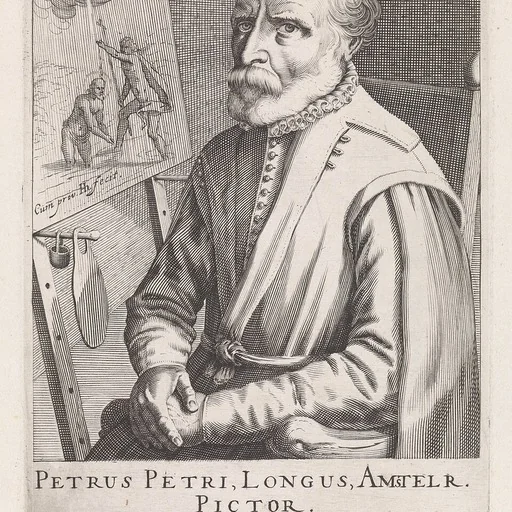
Pieter Aertsen (1508 in Amsterdam – 2 June 1575 in Amsterdam), called Lange Piet ("Tall Pete") because of his height, was a Dutch painter in the style of Northern Mannerism.