Artwork
Saint Onuphrius
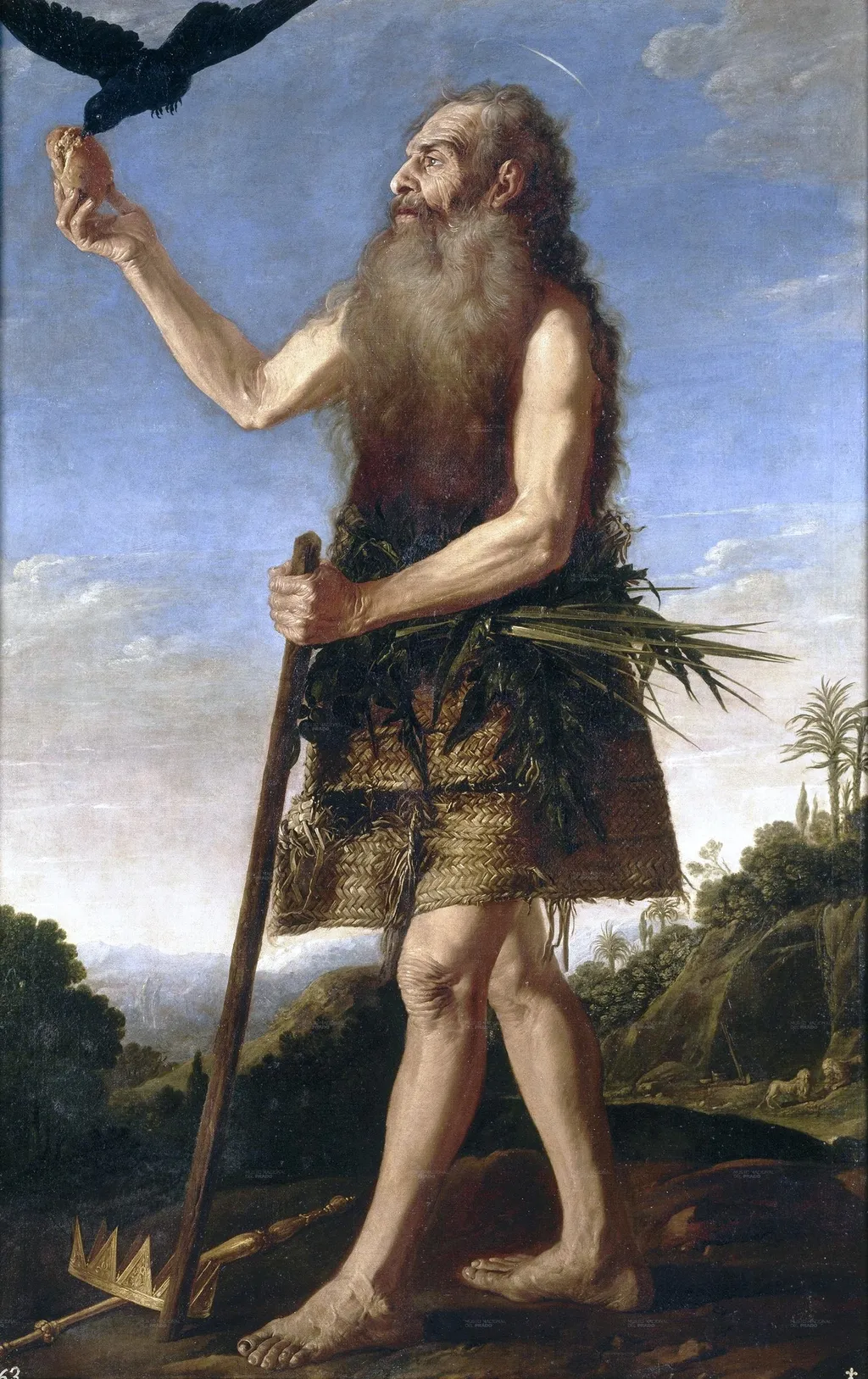
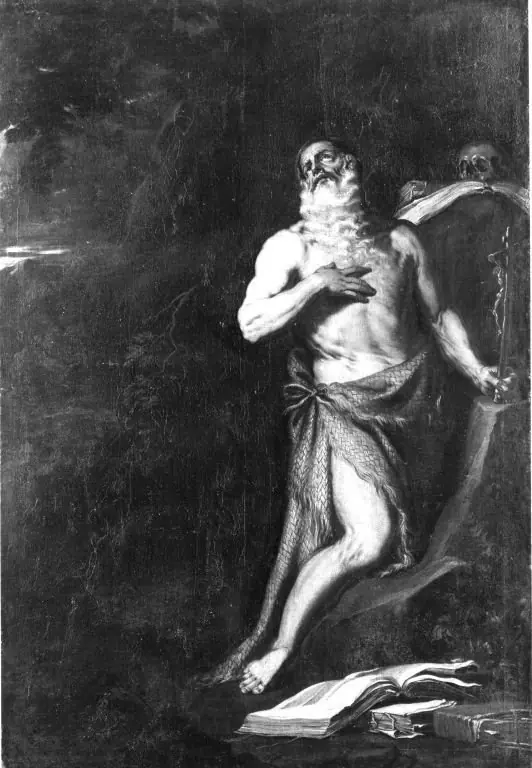
Saint Onuphrius is an unspecified painting by the Early Baroque Italian artist Francisco Collantes. It dates from 1645 and is held in the collection of the Museo del Prado.
About this work
Technique & Style
The composition features a solitary figure against a dark background, rendered with a restrained palette that emphasizes the saint's ascetic presence.
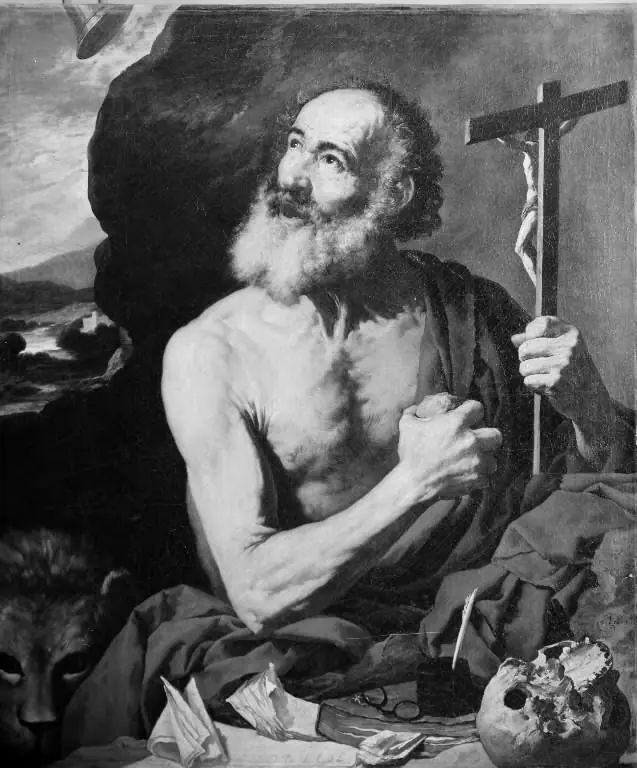
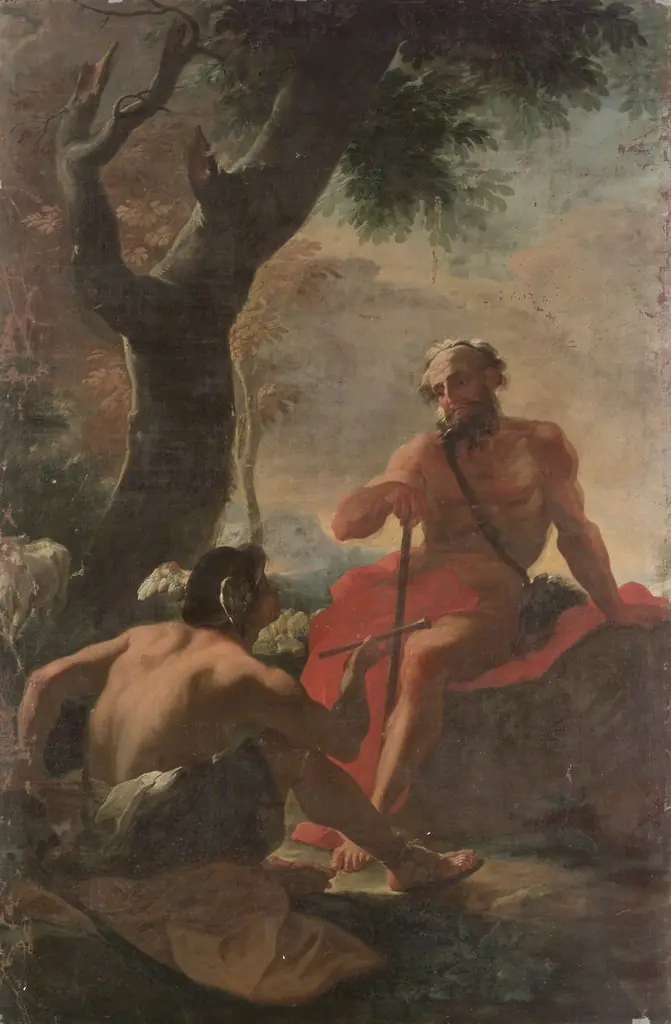
The work is an oil on canvas painting executed in 1645. It measures 170 cm in height by 108 cm in width and depicts Saint Onuphrius with bread, a crown, and a sceptre. The composition features a solitary figure against a dark background, rendered with a restrained palette that emphasizes the saint's ascetic presence. These formal qualities reflect the Baroque tendency toward dramatic chiaroscuro and intimate devotional imagery.
History & Provenance
The painting Saint Onuphrius by Francisco Collantes is housed in the Museo del Prado, where it is recorded under the inventory number P00968. It has been part of the museum's collection since its acquisition, forming part of the holdings associated with Elisabeth Farnese, who originally owned the work. The artwork has been displayed in exhibitions focusing on Spanish religious painting, including displays of 17th-century Spanish masters at the Prado, though specific exhibition titles and dates are not detailed in the source material.
Overview
Francisco Collantes, a Madrid‑born painter of the Spanish Baroque, completed the canvas Saint Onuphrius in 1645. Executed in an early Italian Baroque manner, the work now belongs to the collection of the Museo del Prado. It presents the hermit saint in a stark, natural setting, emphasizing his ascetic life through simple props and a solitary pose.
Subject & Meaning
The figure is a bearded hermit clad only in a leaf‑woven loincloth, holding a loaf of bread in his right hand and a sceptre in his left, while a crown rests at his feet. The composition suggests a meditation on spiritual poverty and divine authority, with the bird soaring overhead hinting at transcendence or the presence of the holy.
Context
Collantes’ career was marked by a blend of Spanish realism and Italianate classicism. His exposure to Jusepe de Ribera and the broader Neapolitan milieu informed his treatment of religious subjects, while his landscape experience adds depth to the hermit’s isolated environment, reflecting contemporary Counter‑Reformation concerns about piety and retreat.
Own this work as a print
Artist & collection
Artist
Francisco Collantes (1599–1656) was a Spanish Baroque era painter. Collantes was born in Madrid but sought influence from Jusepe de Ribera and the Neapolitan School. He was also influenced by 16th century Venetian…