Artwork
The Sack of Rome
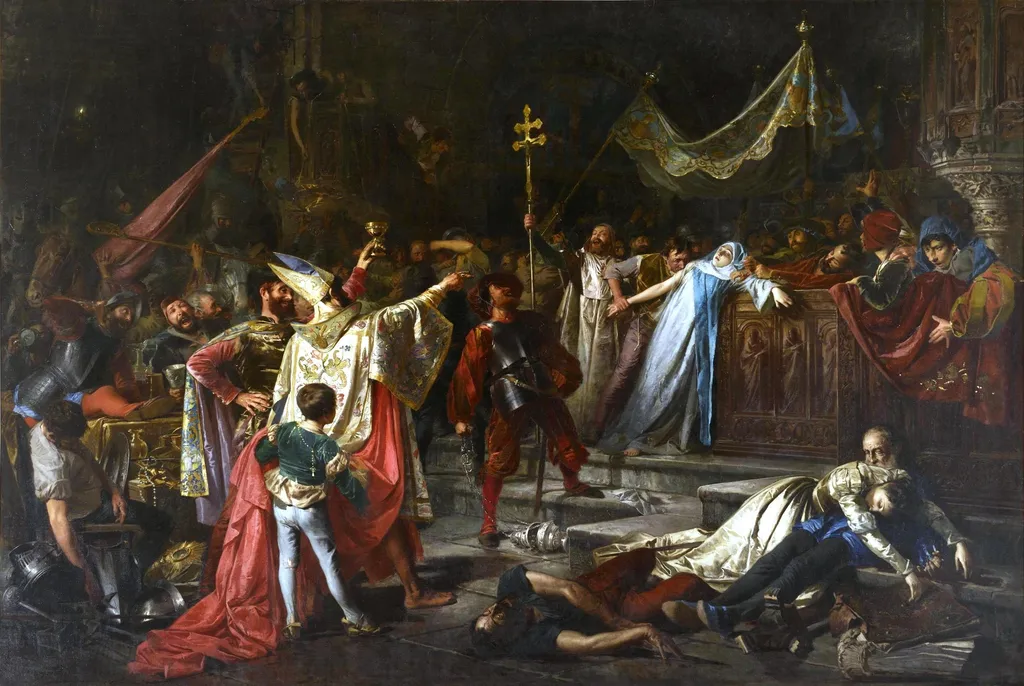
The Sack of Rome is an oil painting by Francisco Javier Amérigo y Aparici. It dates from 1894 and is held in the collection of the Museo del Prado.
About this work
Subject & Meaning
Amérigo y Aparici’s work, housed in the Museo del Prado, uses these icons to explore themes of chaos, divine intervention, and the fragility of order.
The Sack of Rome depicts the historical event of the 1527 military pillage of Rome by mercenary troops, rendered through symbolic objects such as body armor, a sword, a crosier, a chalice, and a rosary that reference both contemporary 19th-century Spanish identity and the sacredness of the city. The painting’s composition emphasizes the violent clash and the looting of sacred artifacts, suggesting a commentary on the vulnerability of cultural heritage during conflict. Amérigo y Aparici’s work, housed in the Museo del Prado, uses these icons to explore themes of chaos, divine intervention, and the fragility of order.
The canvas measures 400 cm in height and 550 cm in width, reflecting a grand scale typical of historical narratives from the period.
Technique & Style
The Sack of Rome is an monumental oil painting on canvas, measuring 400 × 550 cm. The work is executed in oil paint, a medium that allows for the rich color saturation and detailed rendering evident in the composition. The large scale of the canvas, four meters in height and five and a half in width, suggests an ambitious historical narrative intended for grand display. The depicted elements include body armor, swords, a crosier, chalice, and rosary, indicating a complex figural arrangement with carefully rendered objects that carry symbolic weight.
The handling of the paint serves the dramatic requirements of the historical subject, with attention to the textures of metal, fabric, and liturgical items.
History & Provenance
Francisco Javier Amérigo y Aparici created the oil painting The Sack of Rome in 1887. Executed on canvas, the work measures 400 cm in height and 550 cm in width. The painting is currently held in the collection of the Museo del Prado, where it remains located.
Francisco Javier Amérigo y Aparici's 1887 painting, The Sack of Rome, is held in the collection of the Museo del Prado in Madrid. The work is executed in oil on canvas and measures 400 cm in height by 550 cm in width. While the painting is confirmed to be part of the museum's holdings, the provided sources do not specify a unique inventory or accession number for the piece.
Additionally, the available documentation does not record any specific exhibition history or dates of display for this artwork within the museum or elsewhere.
Legacy
The Sack of Rome has been recognized for its dramatic composition and historical subject matter, influencing academic painters who explored collective trauma in urban settings. Contemporary critics highlighted its psychological depth, and the work continues to be referenced in studies of 19th‑century Spanish historical painting.
Overview
Francisco Javier Amérigo y Aparici’s 1894 oil painting The Sack of Rome portrays a tumultuous episode of violence and disorder. The canvas is dominated by a crowded foreground where figures lie wounded or scramble to escape, while a mass of armed individuals looms in the distance. The overall composition conveys a palpable sense of panic and urgency.
Own this work as a print
Artist & collection
Artist
Francisco Javier Amérigo y Aparici
Francisco Javier Amérigo y Aparici (2 June 1842, Valencia - 28 March 1912, Madrid) was a Spanish painter who specialized in historical scenes.

- Bishop Stanisław Szczepanowski Putting a Curse on King Bolesław Śmiały
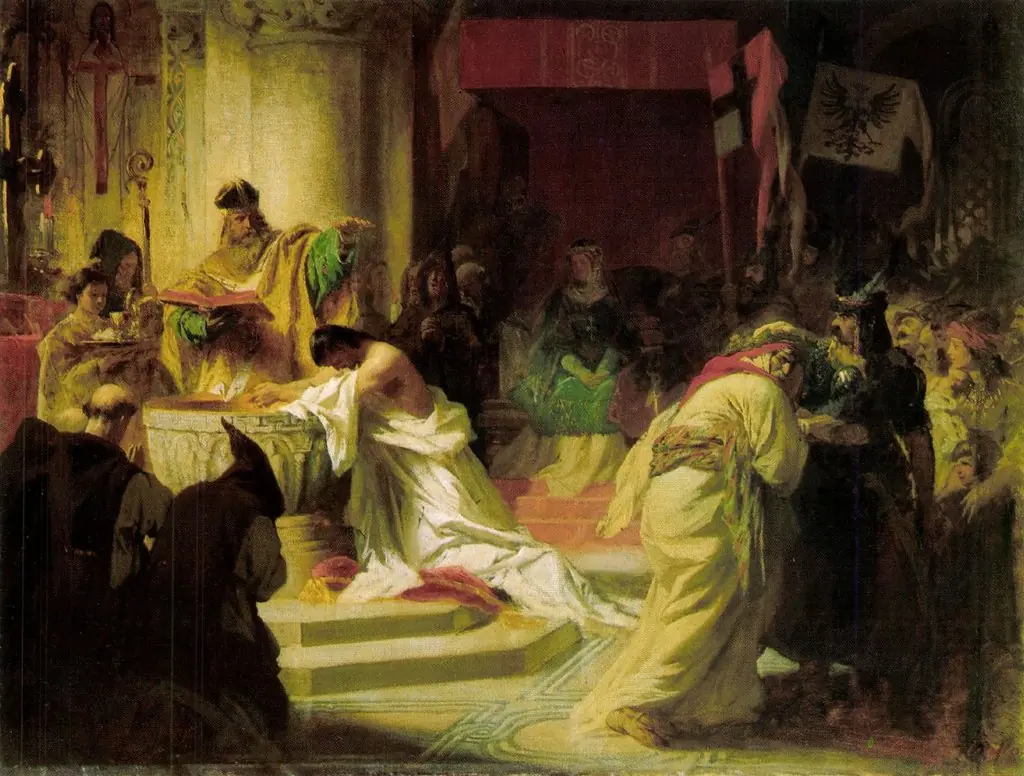 The Baptism of Vajk
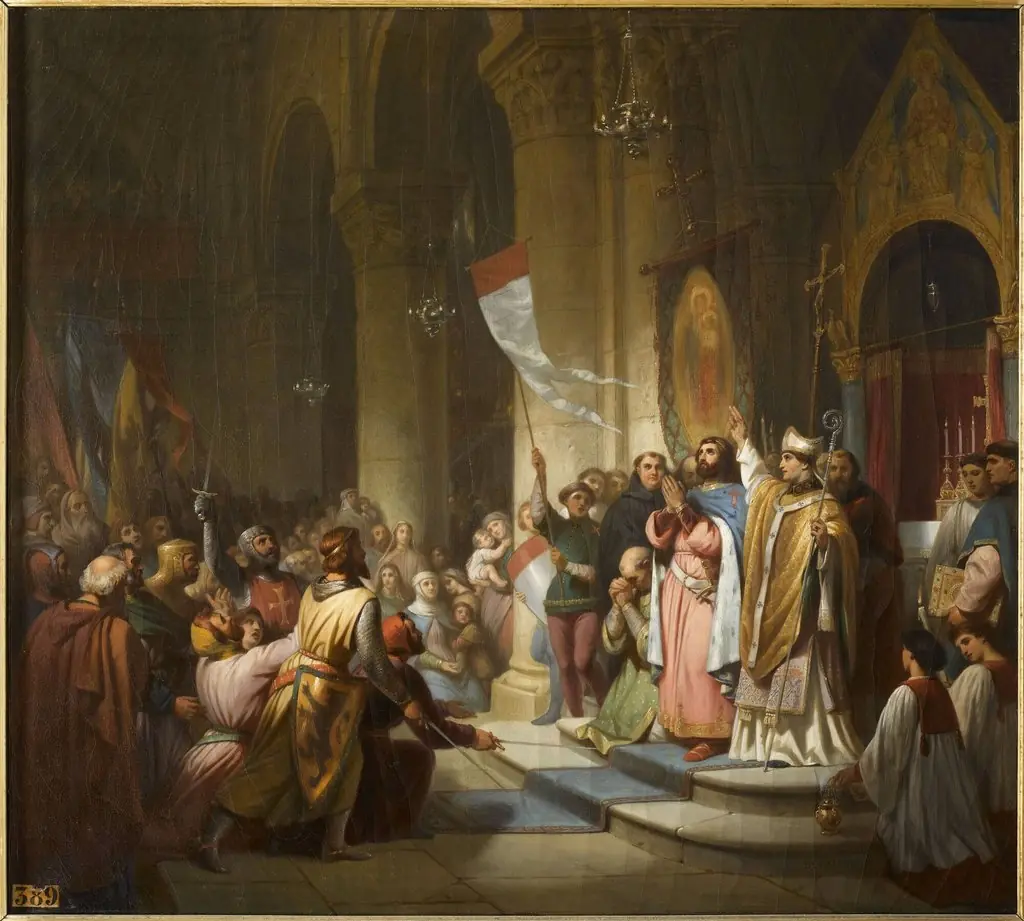 Election of Boniface of Montferrat as leader of the Fourth Crusade.
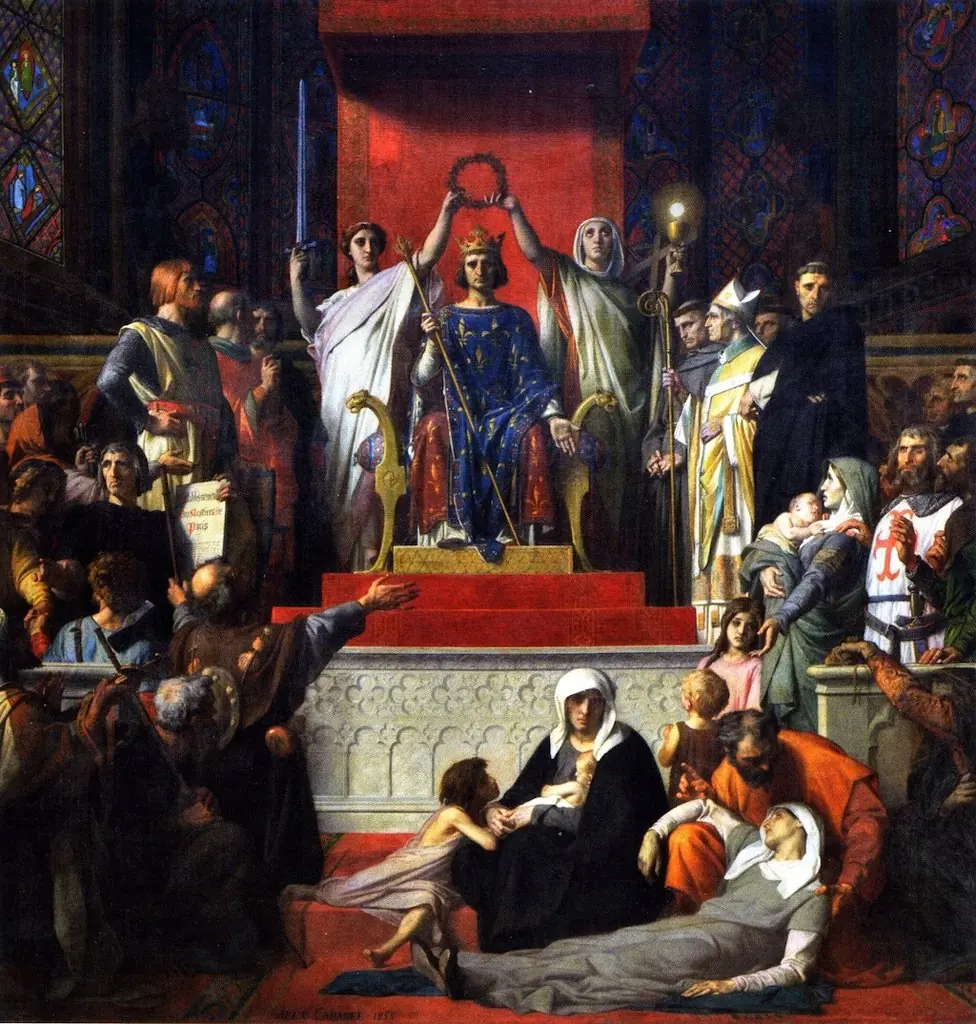 The Glorification of St. Louis
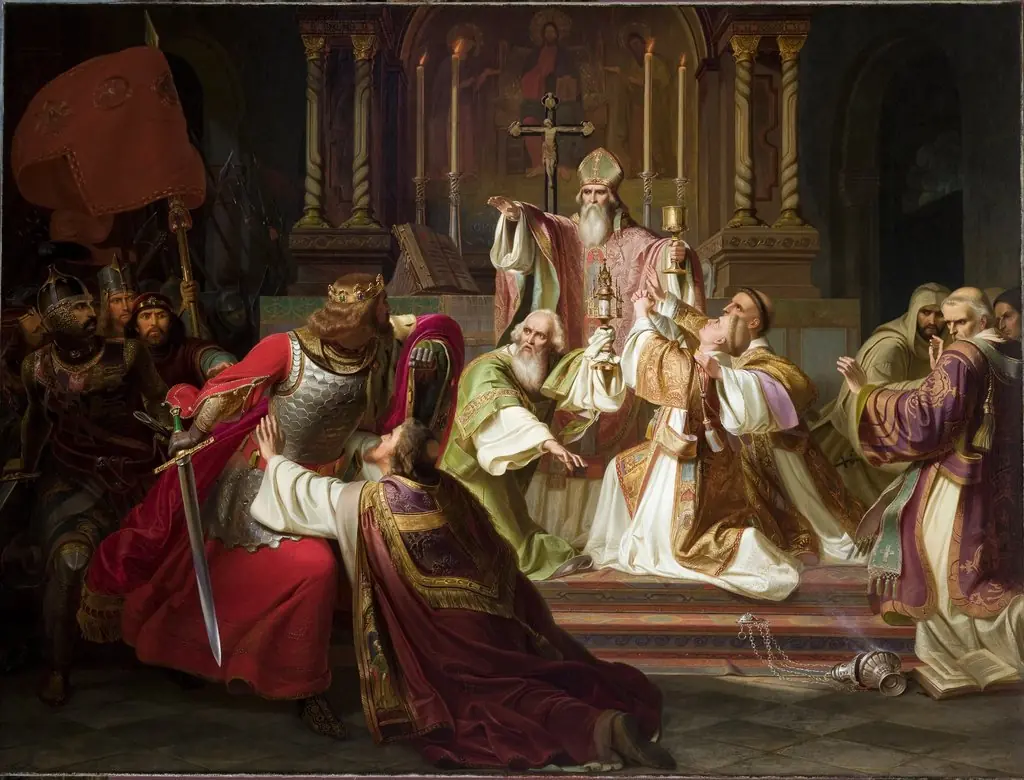
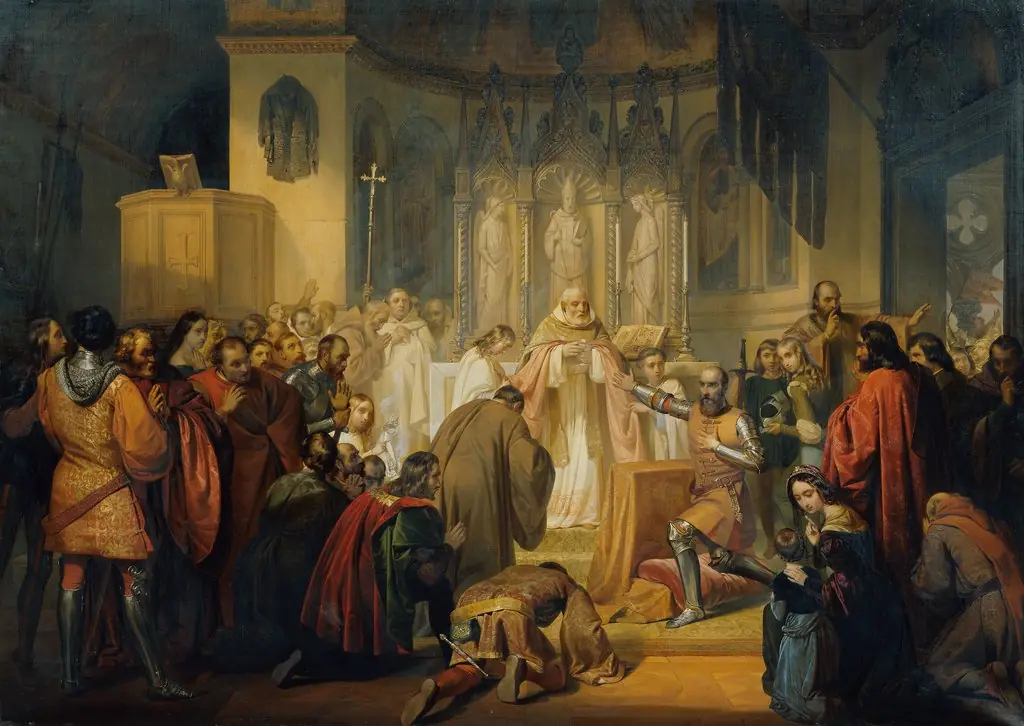 Vittore Pisani receives Holy Communion before taking command of an expedition against the Genoese
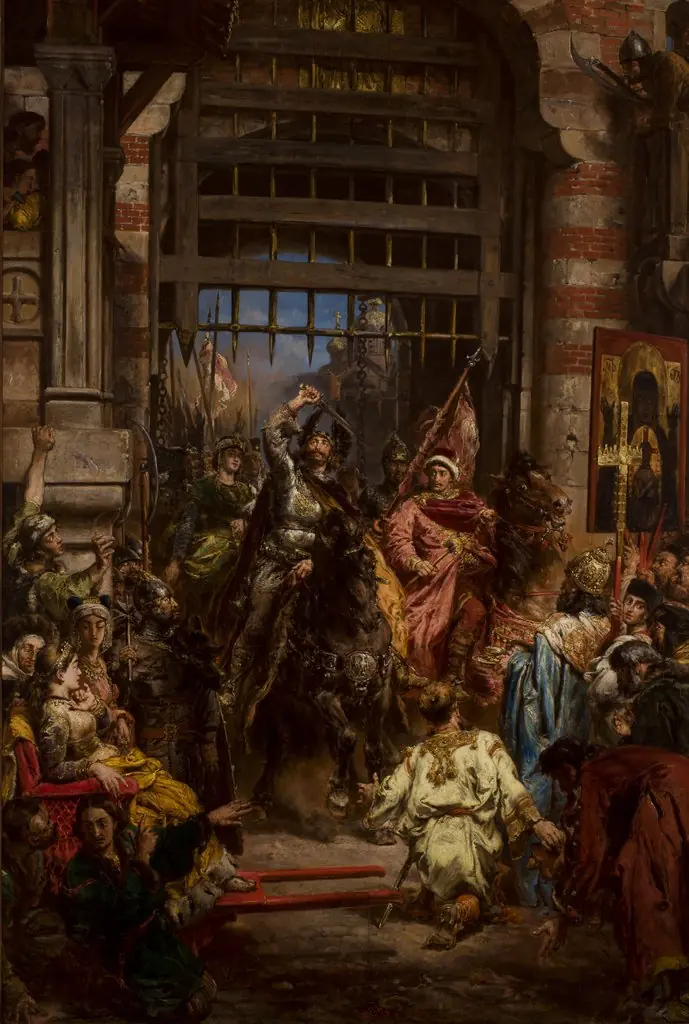 Boleslaw the Brave with Svyatopolk at the Golden Gate in Kiev
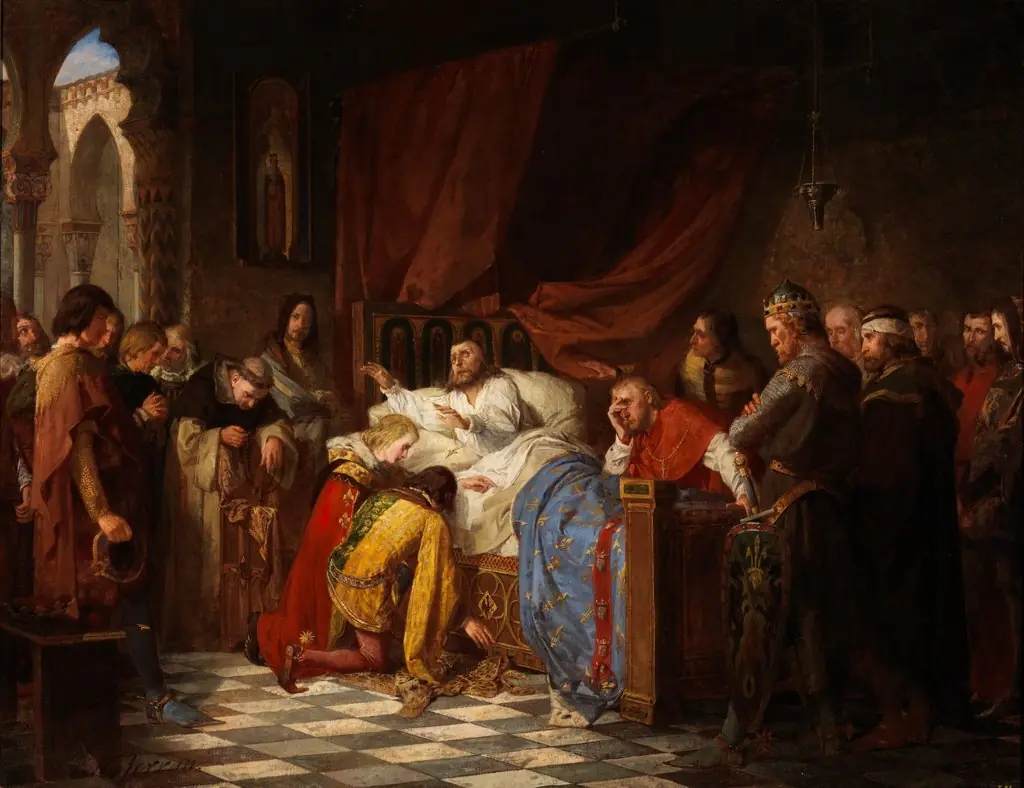 Felipe III de Francia moribundo bendiciendo a sus hijos
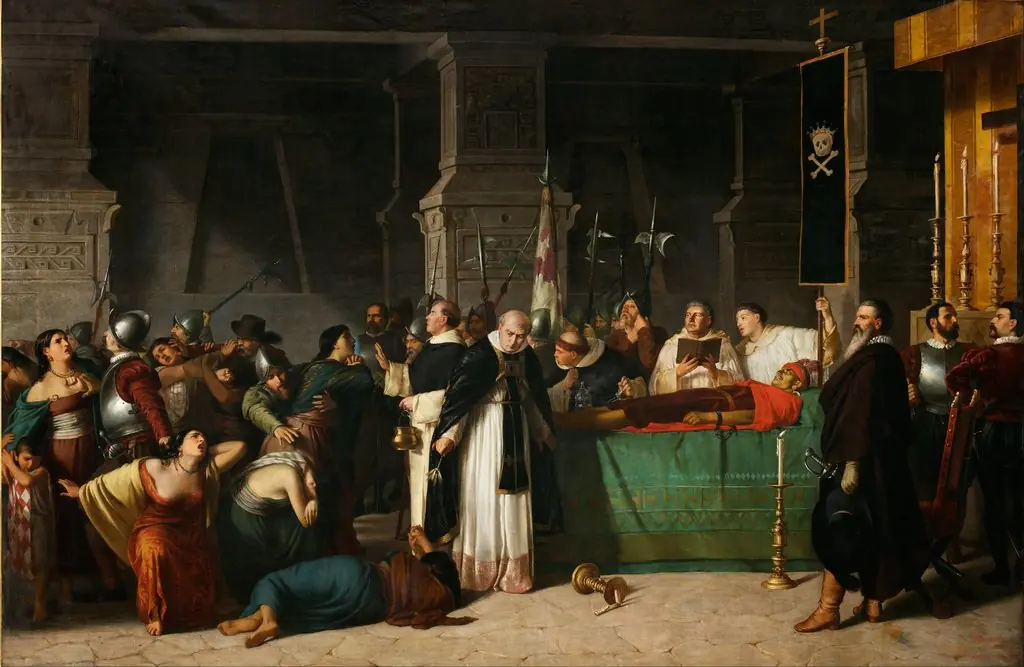 The Funerals of Inca Atahualpa
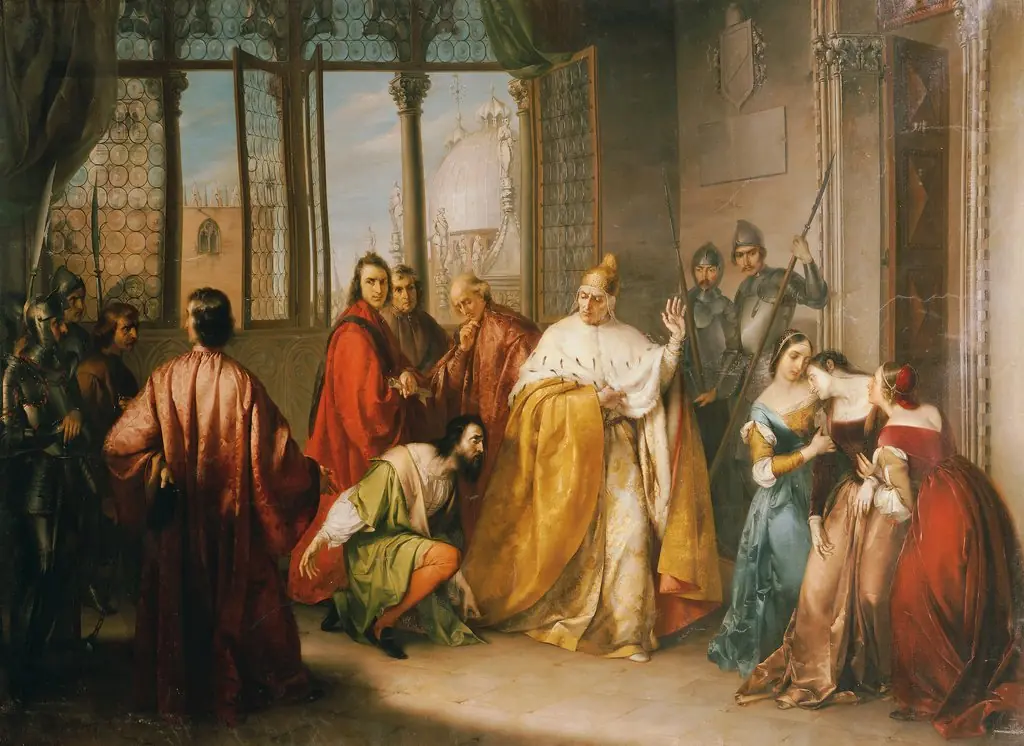 Der Doge Francesco Foscari schickt seinen Sohn Giacomo in die Verbannung ("I due Foscari")
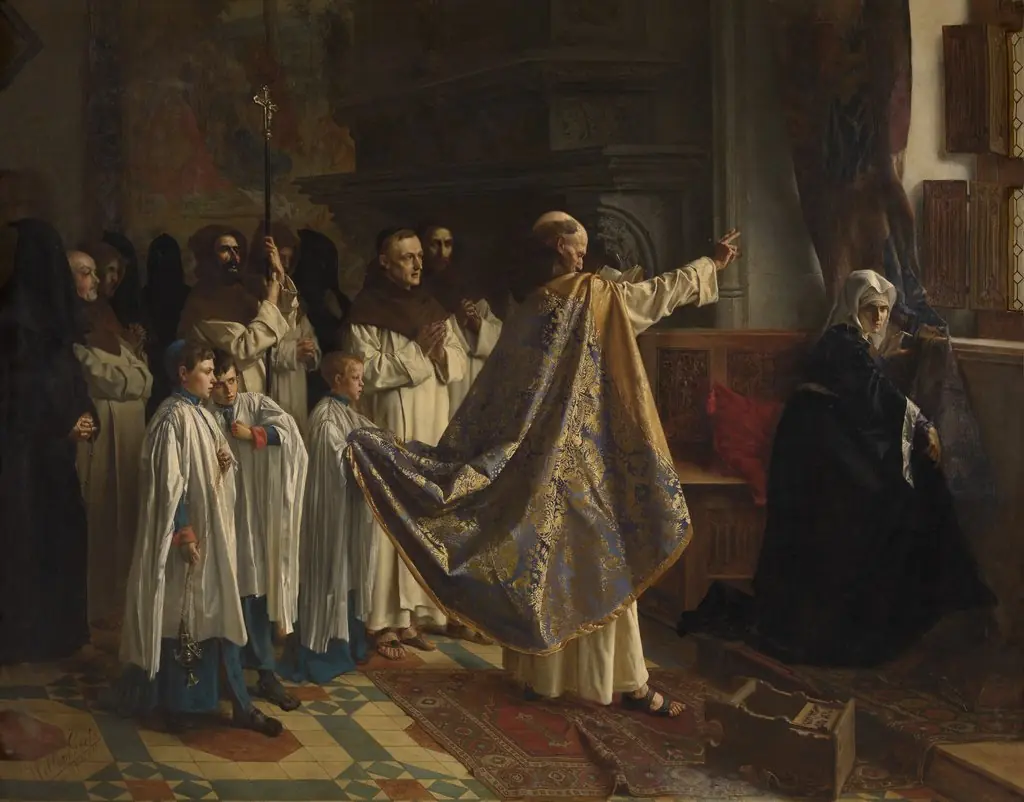 Exorcism of Joanna of Castile
 Theodosius Repulsed from the Church by Saint Ambrose
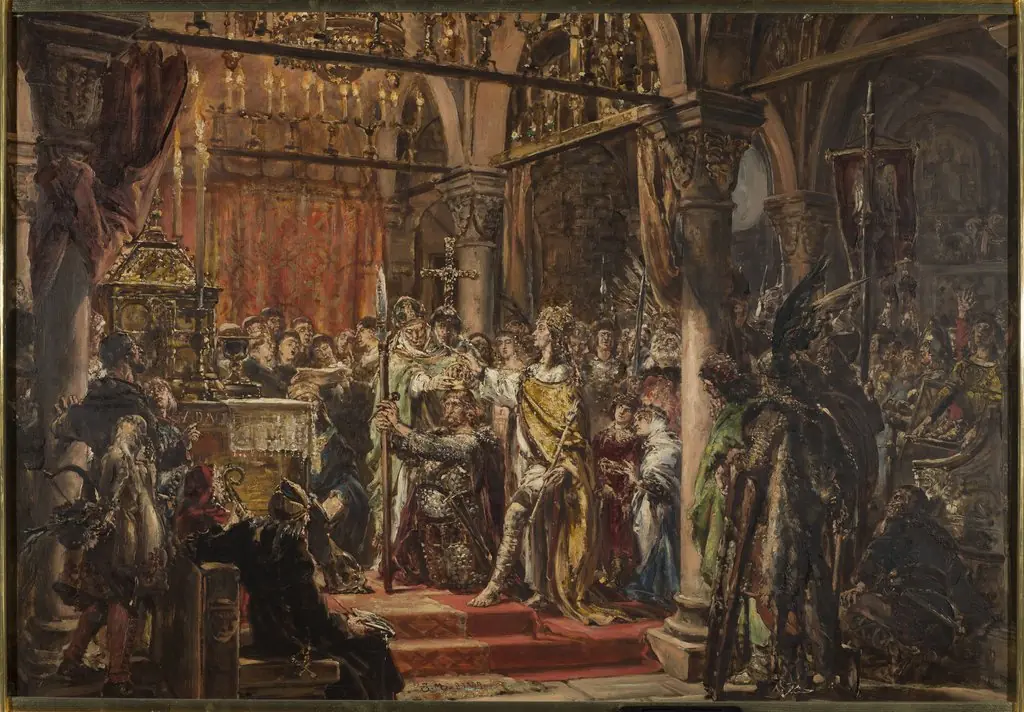 Coronation of the First King, 1001 AD, from the series “History of Civilization in Poland”