Artwork
Portrait of Wincenty Tyszkiewicz (1757–1816)
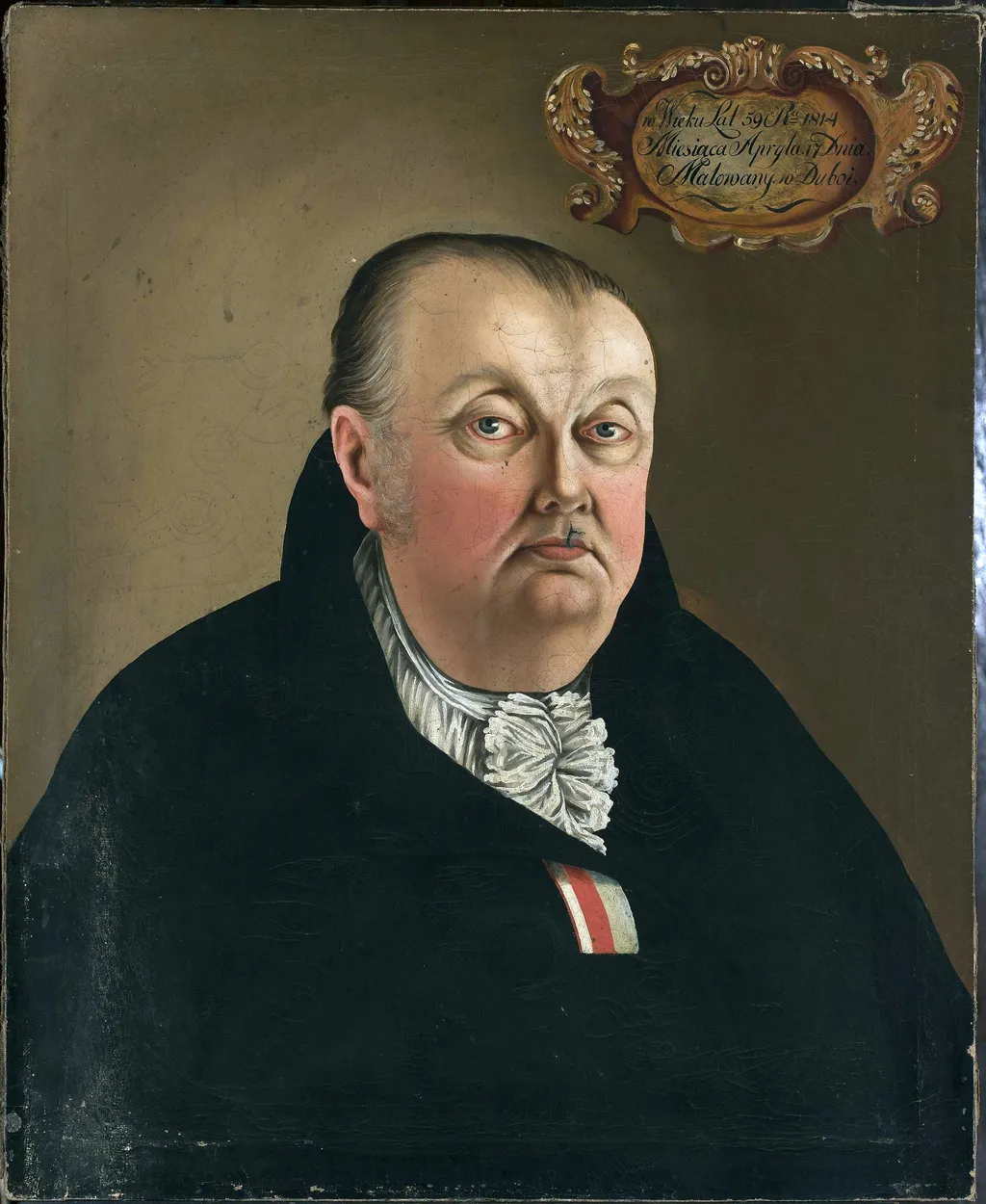
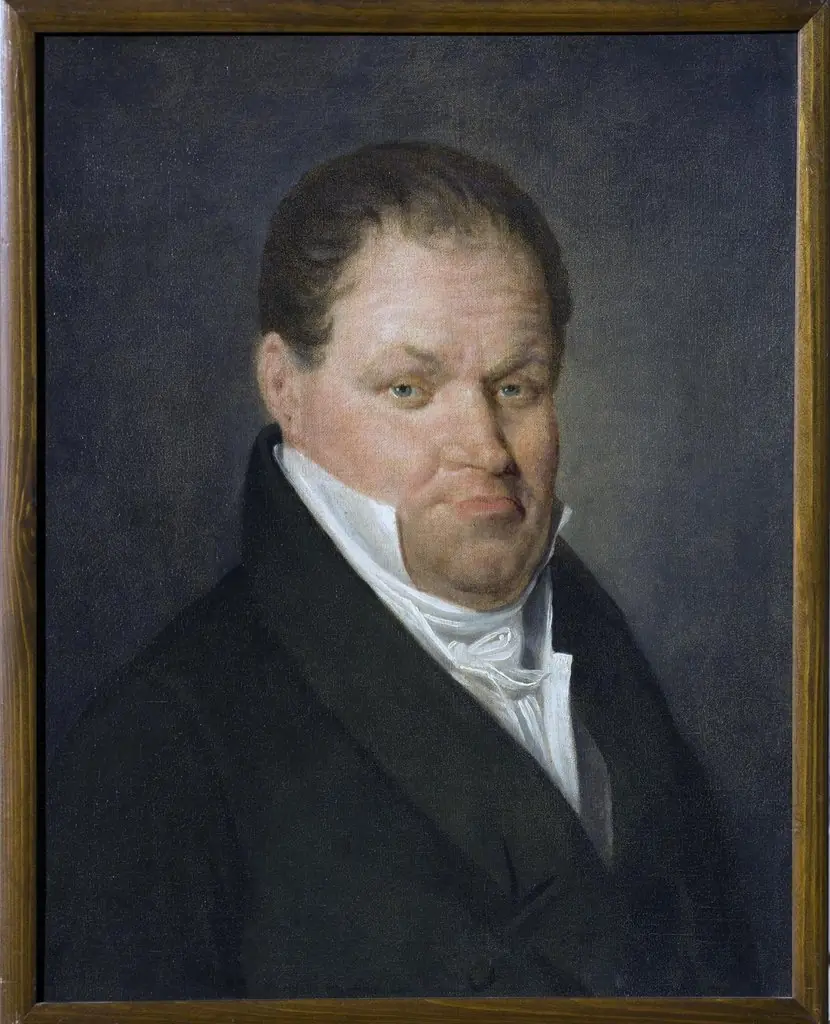
Portrait of Wincenty Tyszkiewicz (1757–1816) is an oil painting by the Neoclassicist artist Unknown. It dates from 1814 and is held in the collection of the National Museum in Warsaw. The work is an oil portrait of a dignified gentleman, rendered in a restrained palette of dark attire and a crisp white lace collar.
About this work
If you’re curious about where to see this painting, check out the National Museum in Warsaw.
This portrait shows a serious-looking man in a black robe with a white lace collar. His face is round, with a short beard and a neutral expression. Above his head, there’s a decorative plaque with writing in a fancy script.
The plaque includes a date, 1814, and mentions the man’s name, though we can’t read it all. His clothing looks formal, like something a noble or official would wear.
If you’re curious about where to see this painting, check out the National Museum in Warsaw.
Overview
The Portrait of Wincenty Tyszkiewicz (1757-1816) is an oil-on-canvas painting created in 1814 by the Polish artist Jan Falęski. Measuring 80 by 65 centimeters, this bust-length portrait depicts a middle-aged nobleman against a plain background and is now held in the collection of the National Museum in Warsaw under accession number MP 3560 MNW. The work represents a significant example of early nineteenth-century Polish portraiture, capturing a member of the influential Tyszkiewicz family during a period of political transition in the Polish-Lithuanian Commonwealth.
Subject & Meaning
Wincenty Tyszkiewicz, born in 1757 in Vilnius and deceased on 12 March 1816, was a member of the prominent Polish-Lithuanian noble family. In the portrait, he appears slightly off-center, facing forward with his head turned slightly to his left, his blue eyes meeting the viewer with a serious, direct gaze. His fair complexion with ruddy cheeks and graying, receding hair convey the dignity of a man in his late fifties. The iconography emphasizes his social status through the dark, heavy coat with a high collar, the voluminous white ruffled cravat, and particularly the small red and white ribbon or sash on his left chest, likely indicating a civic or chivalric honor. The ornate scrollwork cartouche in the upper right corner, rendered in gold and brown tones, contains handwritten text that would traditionally identify the sitter. The absence of any landscape or interior setting focuses attention entirely on the subject's presence and social identity, a convention typical of formal portraiture of the Polish szlachta class during this era.
Technique & Style
The painting is executed in oil on canvas, a standard medium for formal portraiture of the period. Falęski's technique demonstrates careful control: the brushwork is smooth and highly finished on the face, creating a polished, lifelike appearance, while more visible texture appears in the dark clothing and the muted brown background. The lighting is even and frontal, illuminating the face without strong shadows, which contributes to the directness of the sitter's gaze and the clarity of his features. The paint surface shows extensive craquelure throughout, with areas of abrasion and wear particularly along the edges, consistent with its age and history. The restrained palette, dominated by browns, blacks, and whites with the small accent of red in the ribbon, reflects the sober aesthetic of Polish Neoclassical portraiture, prioritizing dignity and social representation over dramatic effect or psychological introspection.
History & Provenance
The portrait was painted in 1814, two years before the sitter's death, suggesting it may have been commissioned as a mature likeness to commemorate Tyszkiewicz's status and legacy. The work entered the collection of the National Museum in Warsaw, where it remains today. Its accession number MP 3560 MNW and the museum's artwork ID 516276 allow for precise identification within the institution's holdings. The painting has been documented photographically by the museum, with images made available through Wikimedia Commons, first uploaded in February 2014 by contributor Kazimier Lachnovič. The work has also circulated in commercial reproduction contexts, including prints offered through online art retailers. The National Museum in Warsaw serves as both the source and photographer of the authoritative image of this public domain work.
Context
Jan Falęski was active during a formative period in Polish art, when portraiture served as a crucial means of maintaining noble identity amid the partitions of Poland. The year 1814 falls during the Congress of Vienna negotiations, which would redraw European borders and eventually lead to the creation of Congress Poland. Falęski's attribution of this portrait, while recorded in museum documentation and widely accepted in databases such as Wikimedia Commons, coexists with some cataloguing uncertainty; an internal source lists the artist as unknown, suggesting that scholarly consensus may have evolved or that competing attributions exist in different records. The portrait exemplifies the conventions of szlachta portraiture: formal pose, emphasis on costume and insignia, and the elimination of distracting context in favor of direct social presentation. The work's presence in the National Museum in Warsaw, one of Poland's premier collections, indicates its recognized importance within the national artistic patrimony.
Legacy
The Portrait of Wincenty Tyszkiewicz has achieved a modest afterlife in digital and commercial circulation. As a public domain work, it has been reproduced photographically and distributed through Wikimedia Commons since 2014, making it accessible for educational and research purposes. The image has also entered the commercial print market, with reproductions offered as giclee prints and canvas options through online retailers. Within the National Museum in Warsaw's collection, it contributes to the institutional narrative of Polish-Lithuanian noble culture and the visual documentation of the Tyszkiewicz family, one of the most prominent clans in the history of the Commonwealth. The portrait's continued availability and reproduction speak to its function as a document of social history as much as a work of fine art, preserving the likeness and status of a man who lived through the final decades of independent Polish-Lithuanian statehood before the post-Napoleonic reconfigurations of 1815.
Artist & collection









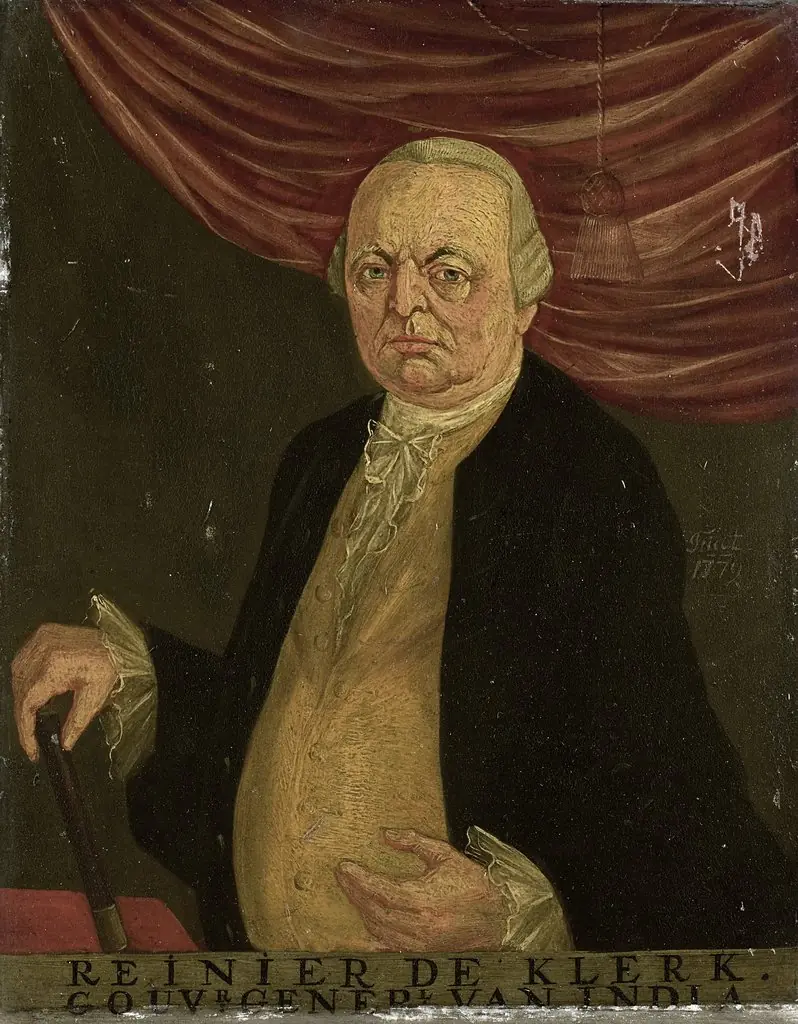 Portrait of Reinier de Klerk (1710-80). Gouverneur-generaal (1777-80)
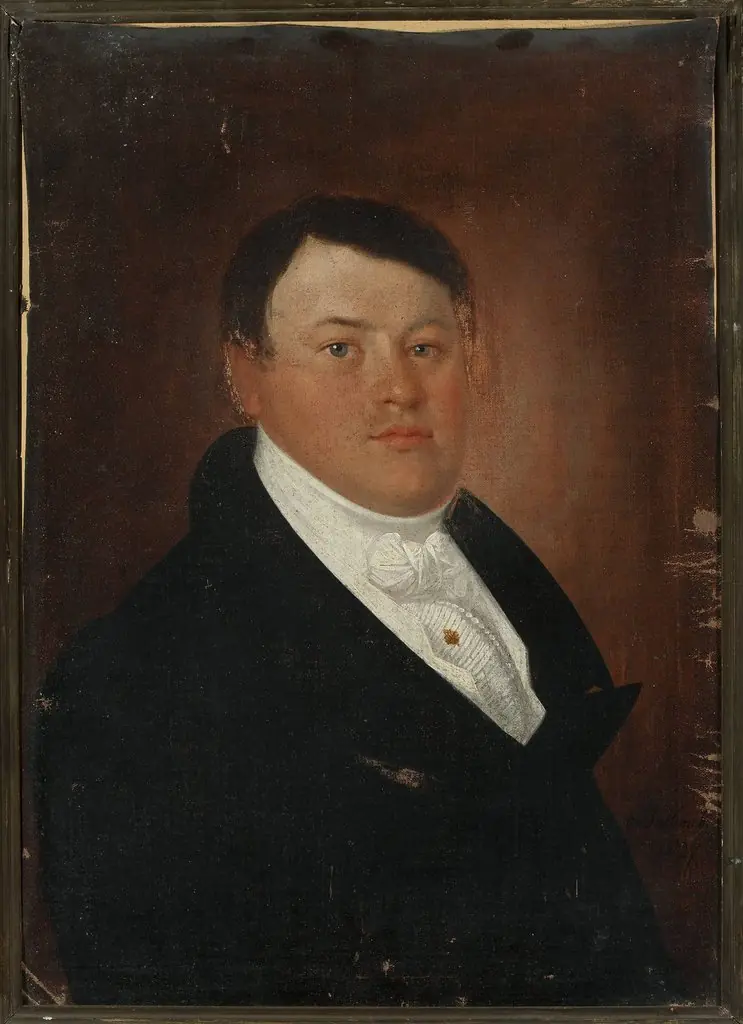 Portrait of a man
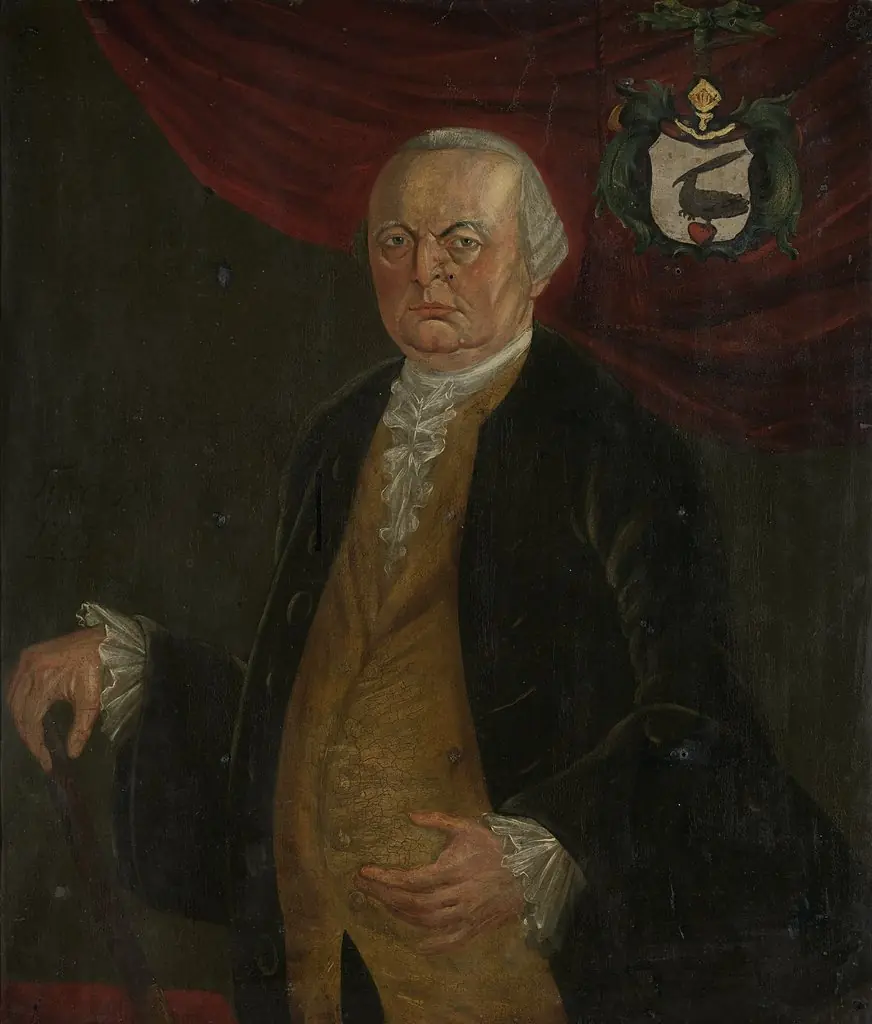 Portrait of Reinier de Klerk (1710-80), Gouverneur-generaal (1777-80)
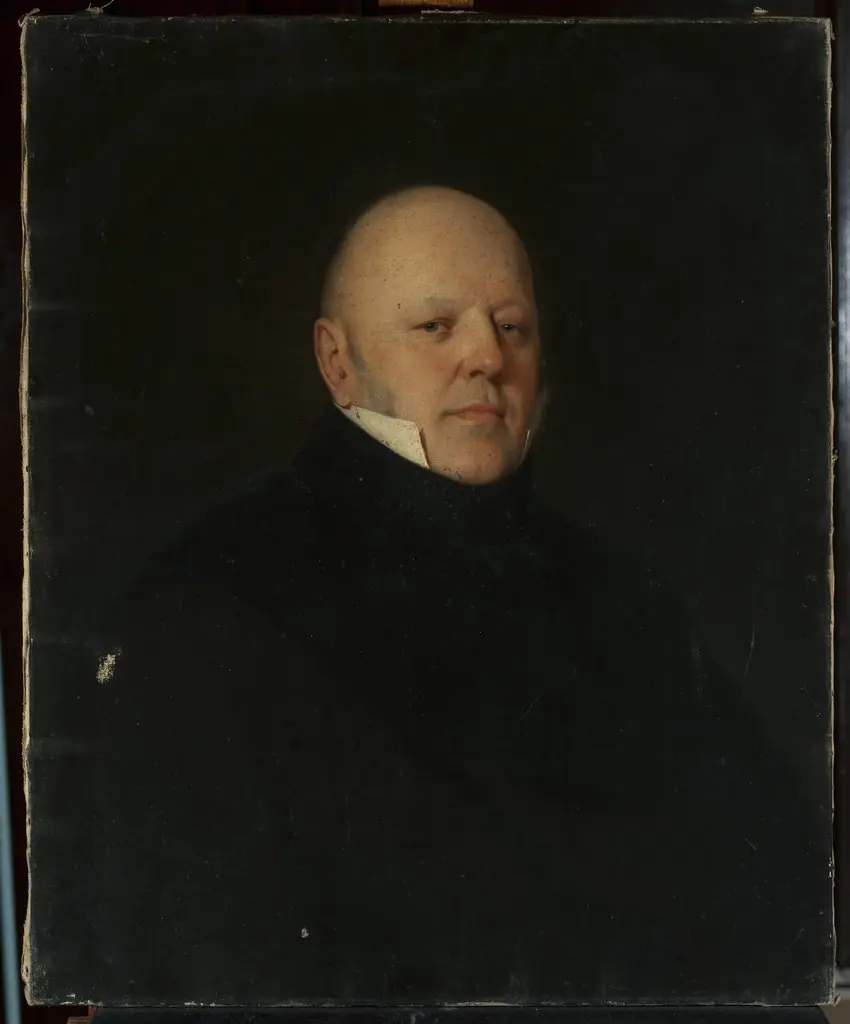 Portrait of Łubieński (?)
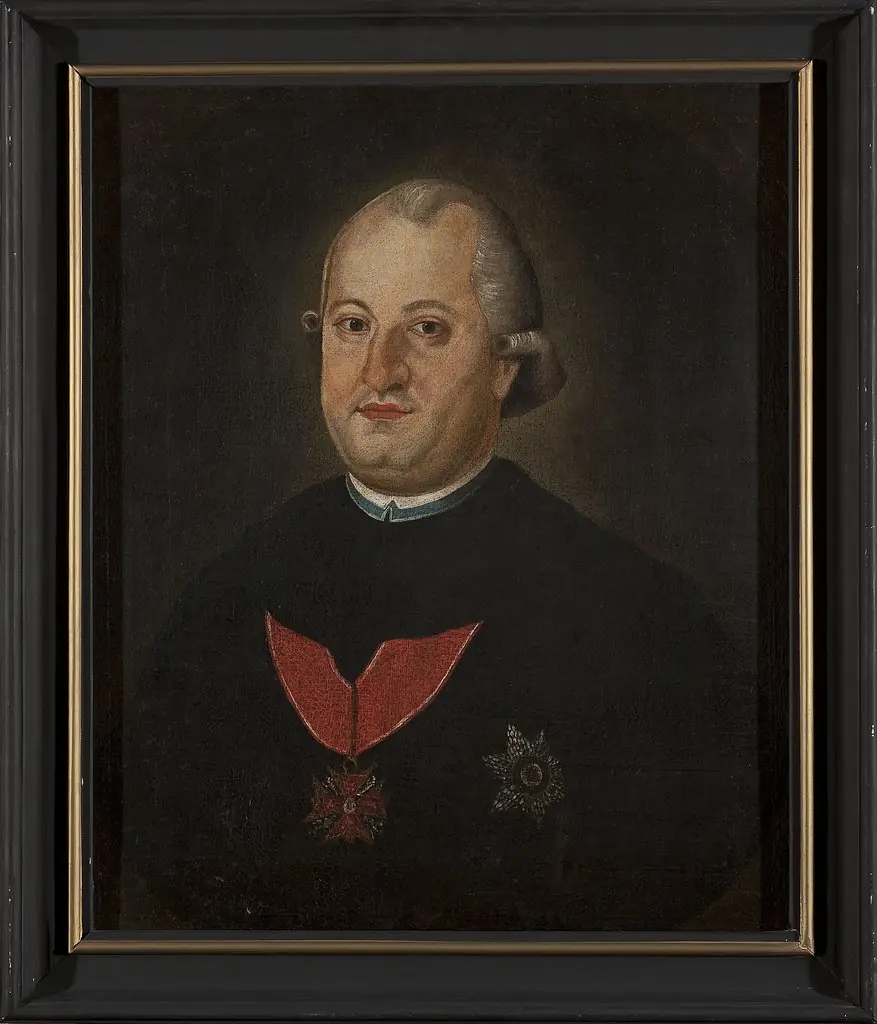 Portrait of Teodor Siemieński (d. 1794), prelate and canon in Warsaw
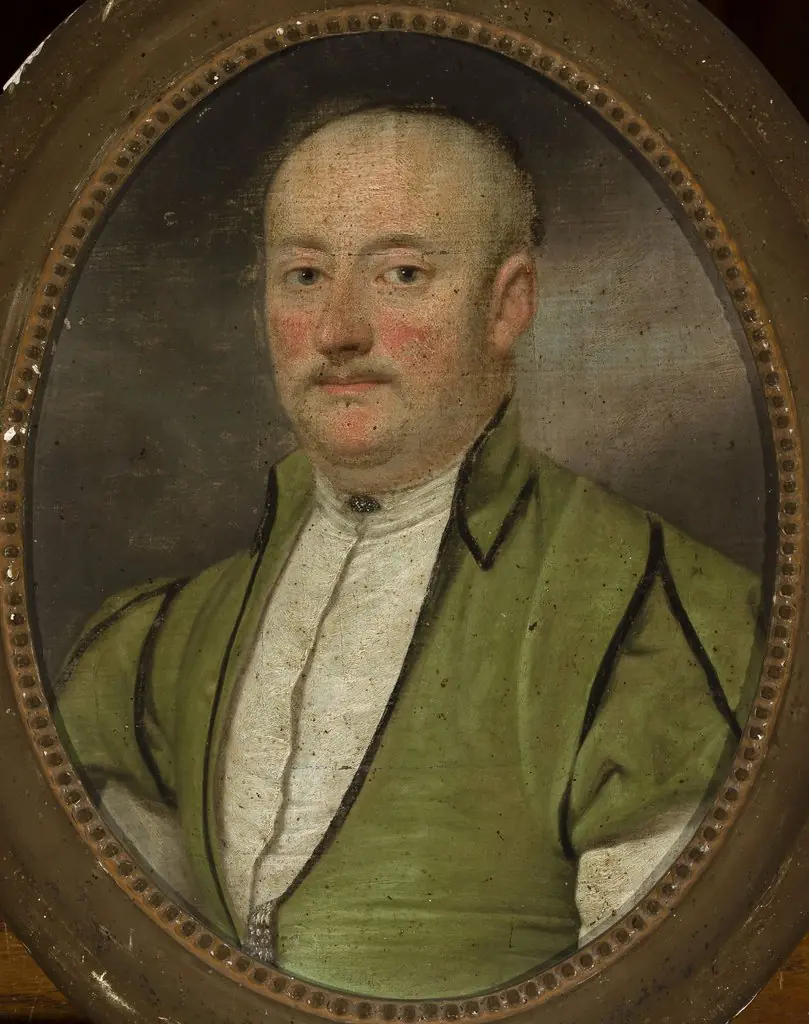 Portrait of Karol Węgliński
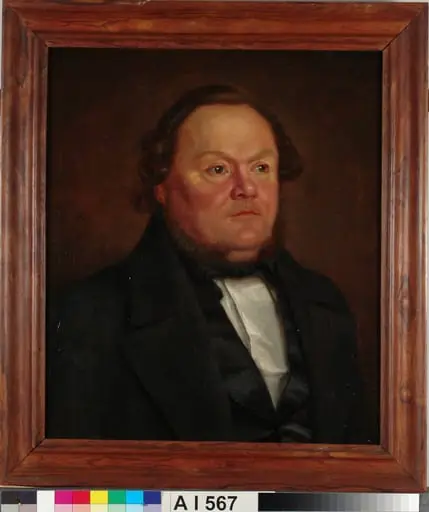 Oulun kaupunginvoudin Jacob Forssin muotokuva
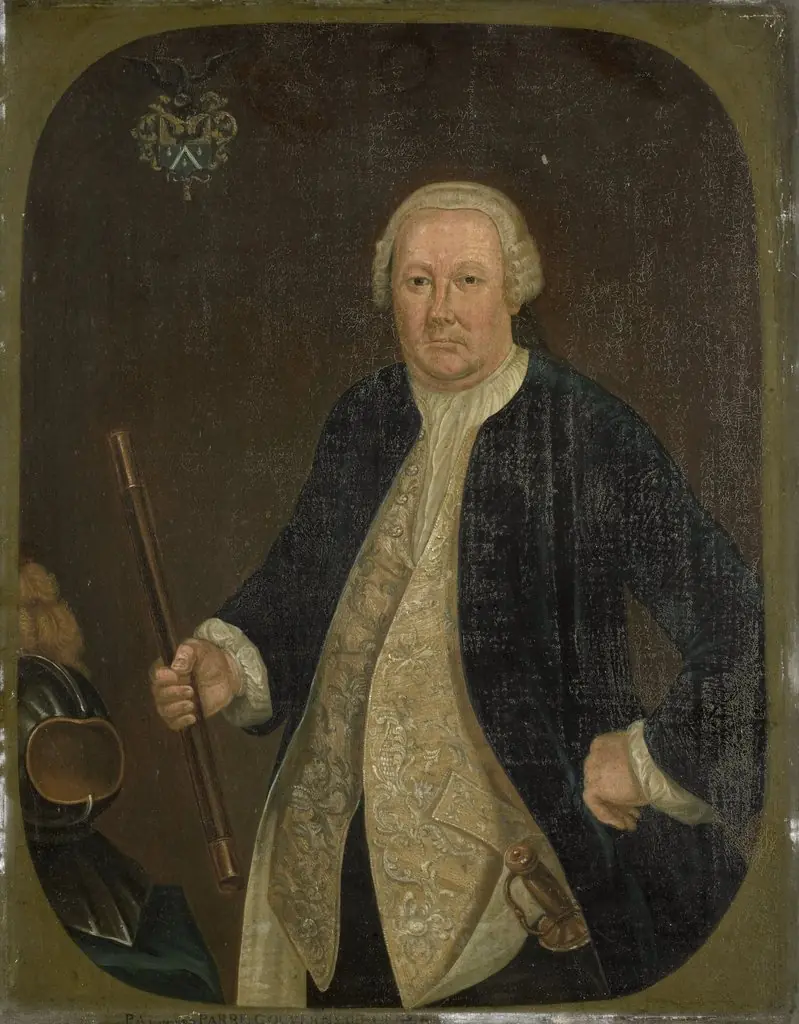 Portrait of Petrus Albertus van der Parra (1714-1775)
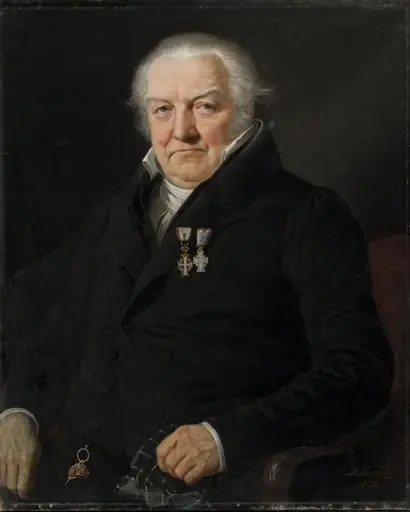 Professor, dr. med. J.D. Herholdt
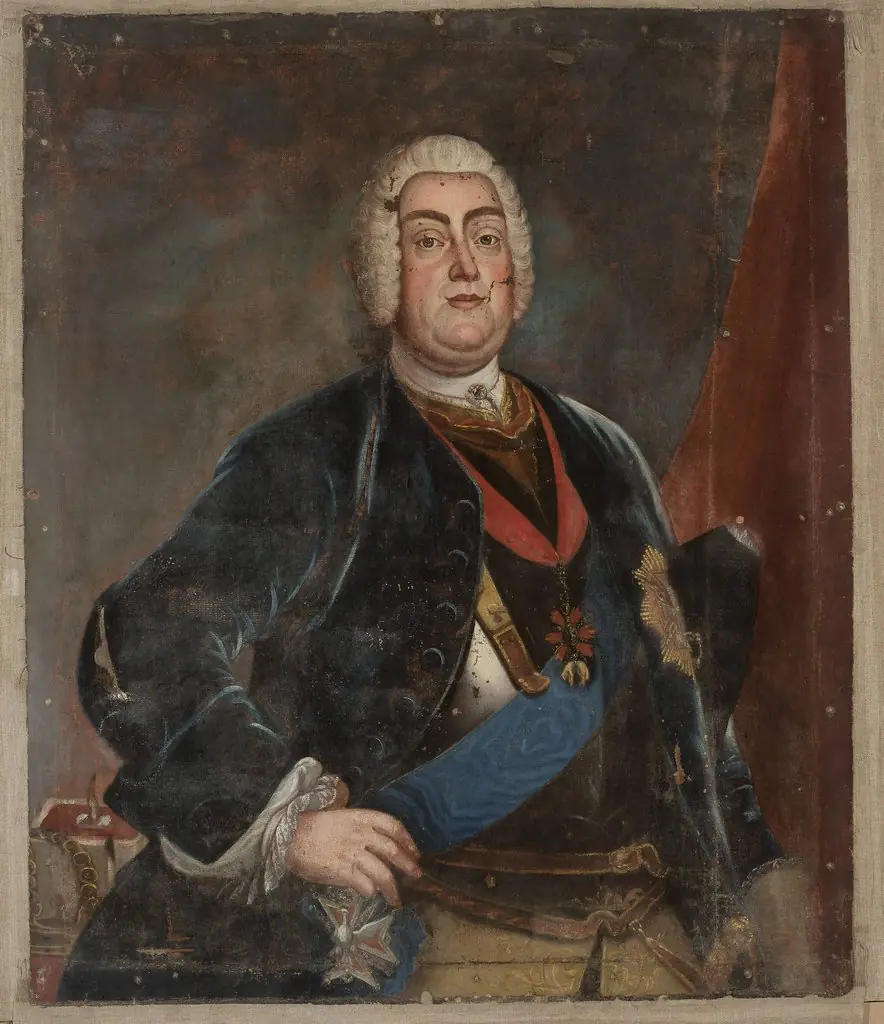 Portrait of Augustus III (1696–1763), King of Poland
 Portrait of N.Aubert, a French Teacher in Moscow
- Portrait of Marcin Morawski (1770–1830)