Artwork
Portrait of Franciszek Karpiński (1741–1825), poet
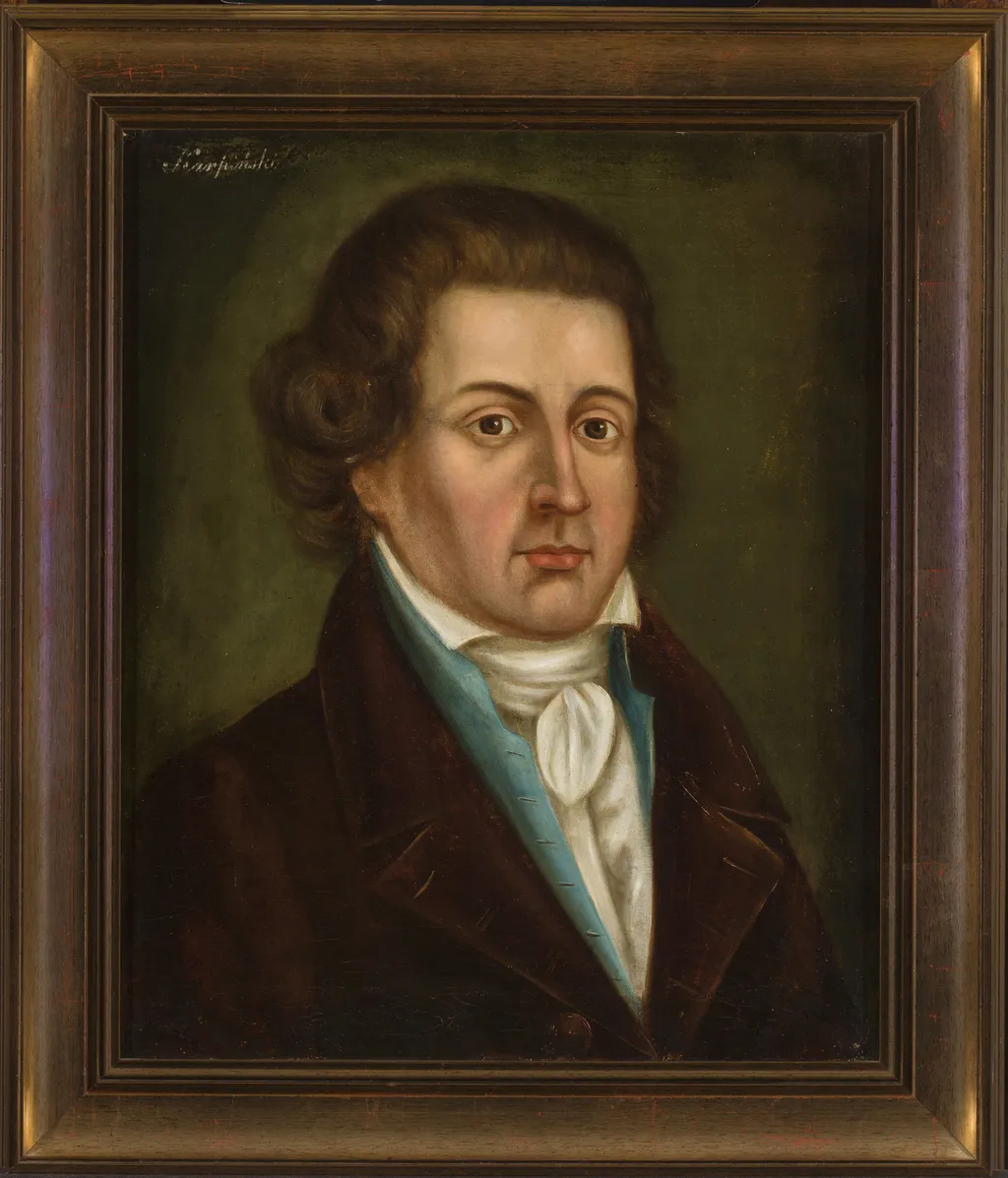
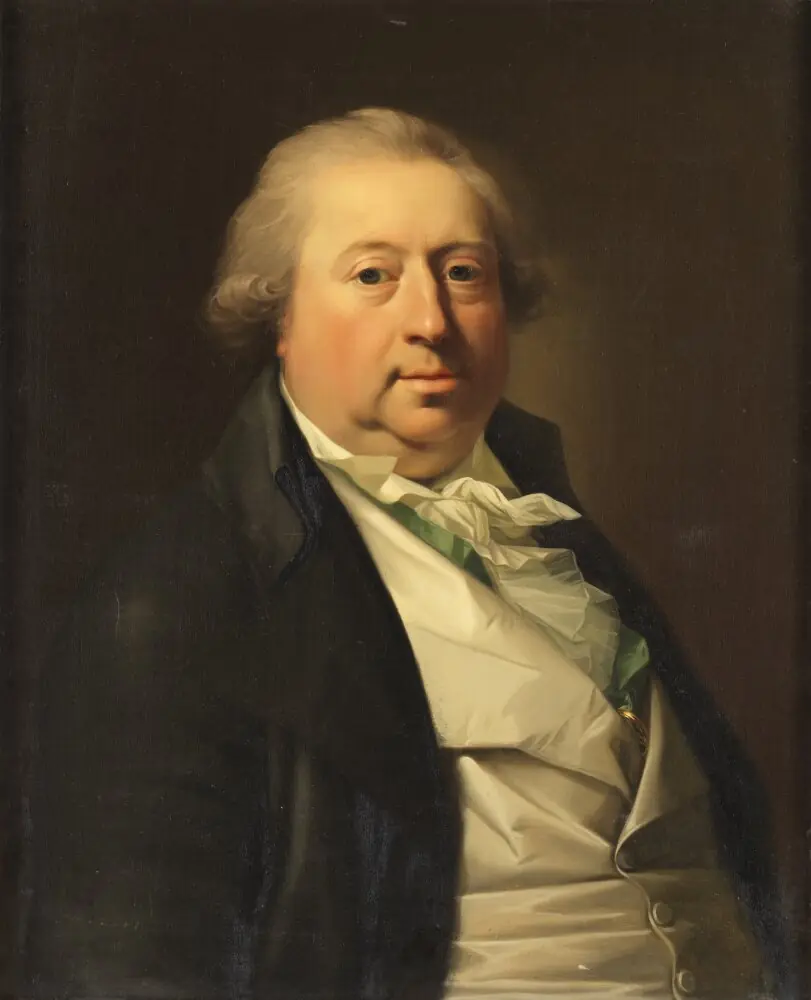
Portrait of Franciszek Karpiński (1741–1825), poet is an oil painting by the Neoclassicist artist Franciszek Smuglewicz. It dates from 1786 and is held in the collection of the National Museum in Warsaw. This oil portrait, executed circa 1786, represents Franciszek Karpiński, a Polish poet of the late Enlightenment.
About this work
Overview
5 centimeters, depicts one of Poland's most celebrated poets of the Enlightenment era.
The Portrait of Franciszek Karpiński (1741-1825), poet is an oil-on-canvas painting by Franciszek Smuglewicz, a leading Polish-Lithuanian Neoclassical painter and founder of the Vilnius school of art. The bust-length portrait, measuring 49.5 by 40.5 centimeters, depicts one of Poland's most celebrated poets of the Enlightenment era. The work is held in the collection of the National Museum in Warsaw and represents a significant example of Smuglewicz's portraiture, a genre that complemented his better-known historical paintings. As a portrait of a major literary figure by an artist who shaped the visual culture of the Polish-Lithuanian Commonwealth, the painting occupies an important place in the intersection of Polish art and literature at the turn of the nineteenth century.
Subject & Meaning
The portrait depicts Franciszek Karpiński, a Polish poet who lived from 1741 to 1825. Karpiński was a prominent literary figure of the Polish Enlightenment, though the sources do not specify which of his works or particular achievements are referenced through the portrait's iconography. The visual presentation follows conventions of dignified intellectual portraiture. The poet is shown bust-length, centered in the composition, facing slightly to his right while his brown eyes engage the viewer directly. His brown hair, curled and falling to the shoulders, frames a face rendered with smooth, blended brushwork typical of Neoclassical portraiture. His attire, a dark brown coat with light blue lining visible at the lapel, worn over a white waistcoat and white cravat tied at the neck, signals respectable bourgeois or gentry status without ostentation. The muted green background provides a restrained setting that focuses attention on the subject's physiognomy and expression. Faint lettering in the upper left corner of the painted surface suggests the presence of an inscription, possibly identifying the sitter or dating the work, though its content is not specified in the available sources. The even lighting, avoiding strong contrasts, creates an atmosphere of calm rationality appropriate to Enlightenment ideals and the portrayal of a literary intellectual.
Technique & Style
The portrait is executed in oil paint on canvas, a standard support for formal portraiture of the period. The dimensions, 49.5 by 40.5 centimeters, indicate a modestly scaled work, suitable for intimate viewing or portrait miniaturization conventions. The paint surface exhibits fine craquelure throughout, consistent with age and the natural aging of oil films. Stylistically, the work demonstrates the smooth and blended brushwork that characterizes Smuglewicz's approach to flesh tones and fabric, reflecting his training in Rome under Anton von Maron and his embrace of Neoclassical techniques. The handling of paint shows particular care in the rendering of textures, from the soft modeling of the face to the crisp folds of the white waistcoat and the subtle sheen of the coat's lining. The even illumination and lack of dramatic chiaroscuro distinguish this portrait from Baroque conventions and align it with the Enlightenment aesthetic of clarity and restraint that Smuglewicz absorbed during his twenty-one years in Rome. The dark wooden frame with lighter inner and outer edges, as described in visual observation, complements the painting's sober palette and formal presentation.
History & Provenance
The specific circumstances of the portrait's commission and its precise date of execution remain undocumented in the available sources. The painting's creation must be situated within Smuglewicz's mature career, after his return from Rome in 1784 and likely before or during his Vilnius period beginning in 1797, given the portrait's Neoclassical character. The provenance chain prior to its acquisition by the National Museum in Warsaw is not specified in the sources. The work is currently located in the National Museum in Warsaw, having been accessioned into its collection, though the exact date of acquisition is not provided. Exhibition history for this specific portrait is not documented in the available materials. The painting's presence in the National Museum places it within Poland's premier repository of Polish art, ensuring its preservation and public accessibility.
Context
Franciszek Smuglewicz stands as a pivotal figure in Polish-Lithuanian art history, and this portrait exemplifies the broader context of his practice. Born in Warsaw into an artistic family, his father Łukasz Smuglewicz and uncle by marriage Szymon Czechowicz were both painters. After training in his father and Czechowicz's joint workshop, Smuglewicz spent twenty-one years in Rome from 1763, where he studied under Anton von Maron, received a royal scholarship from King Stanisław August Poniatowski in 1765, and was admitted to the Saint Lucas Academy. His Roman sojourn immersed him in Neoclassicism, though his work retained strong influences from the Polish Baroque tradition. While Smuglewicz is primarily celebrated as a precursor of historicism in Polish painting and for his large-scale historical compositions, such as A Meeting of the Four Years' Sejm (1793) and Kościuszko's Oath at Kraków's Old Town Market (1797), his portraiture served the cultural needs of the Polish-Lithuanian intelligentsia. The portrait of Karpiński thus participates in the artist's broader project of documenting and celebrating Polish cultural figures. As founder of the Vilnius school of art, whose prominent students included Jan Rustem, Jan Krzysztof Damel, Gaspar Borowski, and Józef Oleszkiewicz, Smuglewicz shaped generations of Polish-Lithuanian painters. His move to Vilnius in 1797 and his role as first deacon of the Institute of Sketch and Painting at the Academy of Vilnius established him as a central pedagogue of enlightened classicism in the region. The portrait of Karpiński, while less studied than his historical works, contributes to understanding how Smuglewicz applied his classical training to the representation of contemporary literary culture.
Legacy
The portrait's afterlife extends beyond the museum context into contemporary commercial reproduction, indicating its continued currency as an image of Polish cultural heritage. The work has been reproduced as a museum art print available in multiple formats, including 12x14, 15x18, and 20x24 inch versions with various framing options, sold at accessible price points such as USD $39.99. This commercial afterlife, while distant from the original object's artistic significance, demonstrates the painting's function as a widely recognized emblem of Polish literary and artistic achievement. Within art historical scholarship, the portrait contributes to the corpus of Smuglewicz's works that document the cultural elite of the Polish-Lithuanian Commonwealth during the transformative decades around 1800. Its preservation in the National Museum in Warsaw ensures its continued availability for study and public engagement, while its reproduction in digital platforms and print formats extends its reach to broader audiences. The pairing of Smuglewicz's visual art with Karpiński's literary legacy reinforces the interconnectedness of Polish artistic and intellectual traditions during the Enlightenment, a connection that continues to inform national cultural narratives.
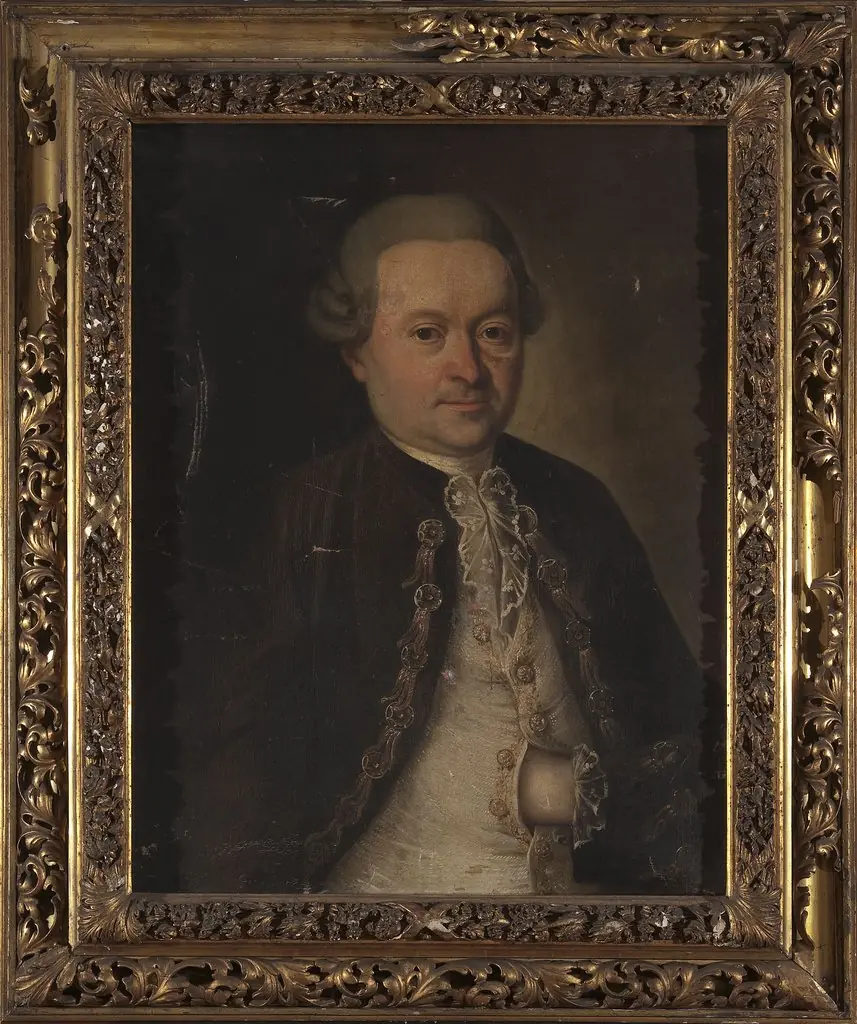
Own this work as a print
Artist & collection
Artist
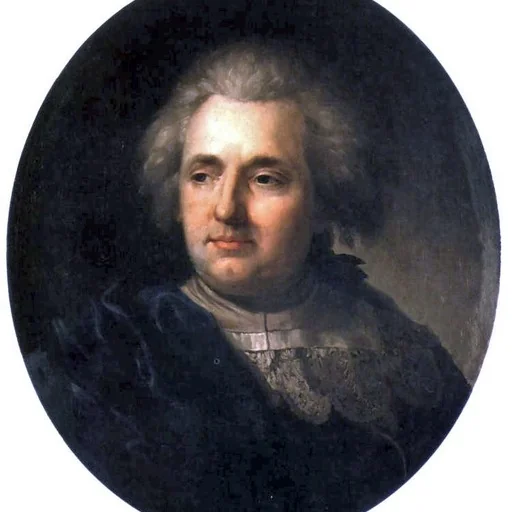
Franciszek Smuglewicz (Lithuanian: Pranciškus Smuglevičius; 6 October 1745 – 18 September 1807) was a Polish-Lithuanian draughtsman and painter.

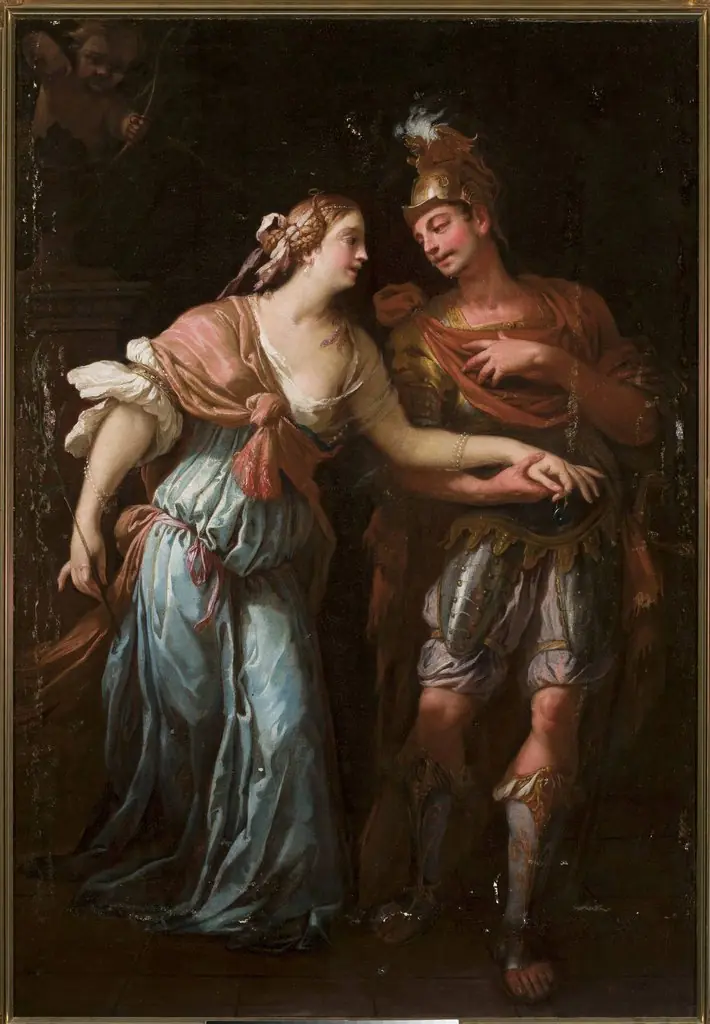 Venus and Mars
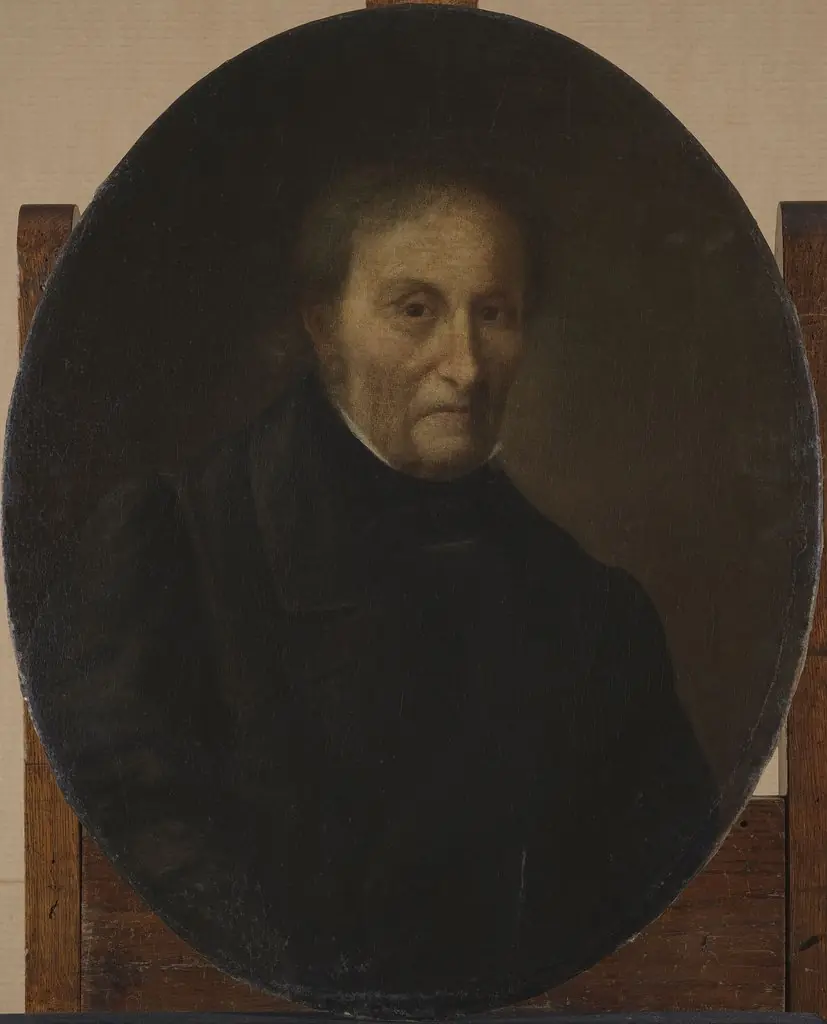 Portrait of Wiktor Grajewski, the last border judge in Samogitia
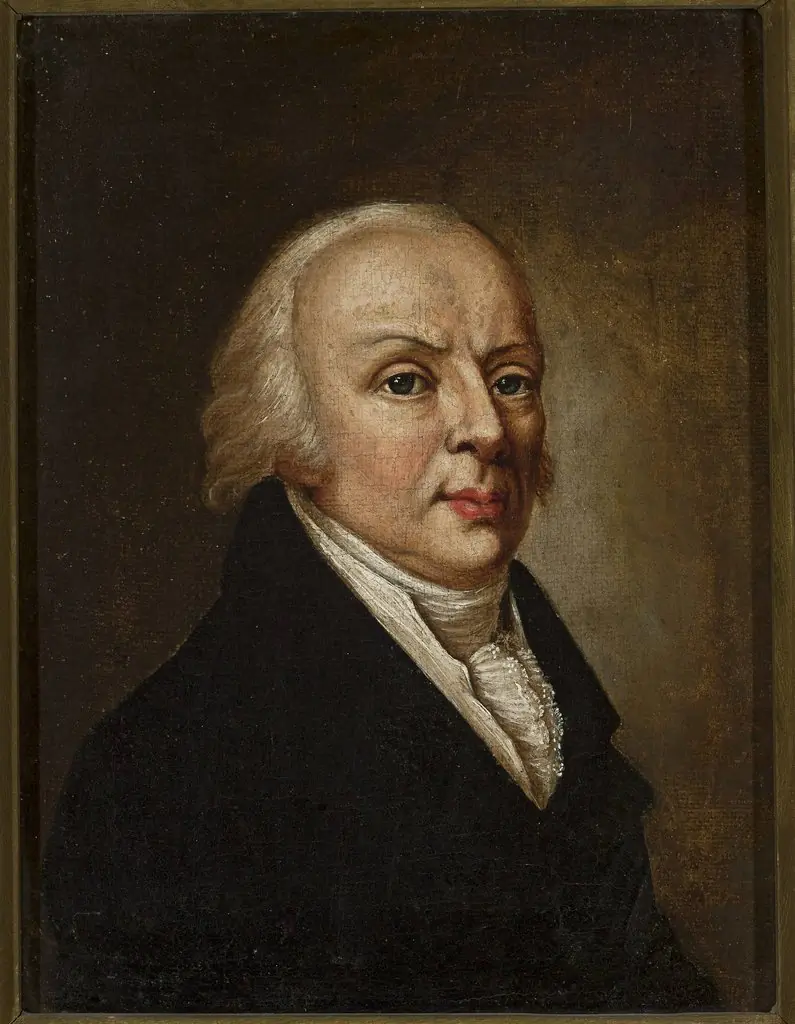 Portrait of Jędrzej Śniadecki
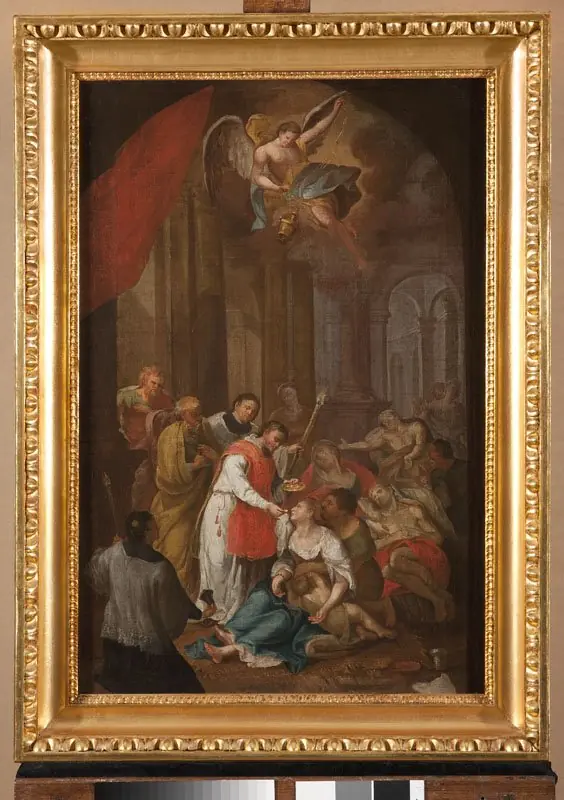 Saint Charles Borromeo attending to the ill
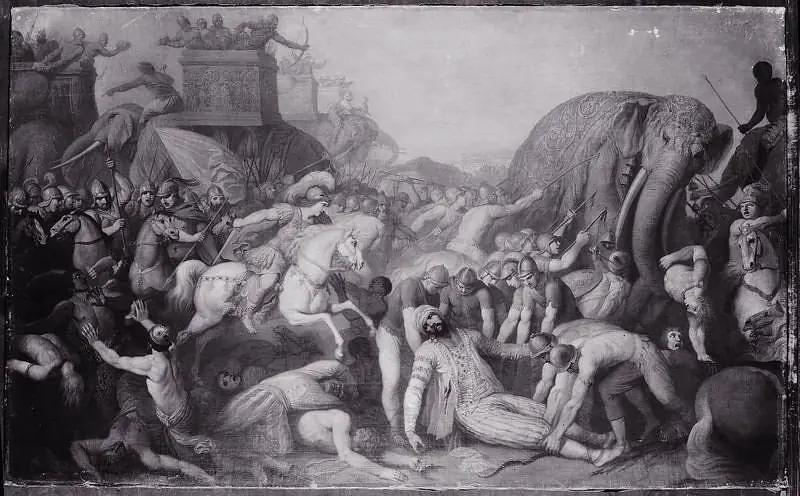 Victory of Alexander the Great over Poros, king of India, in 326
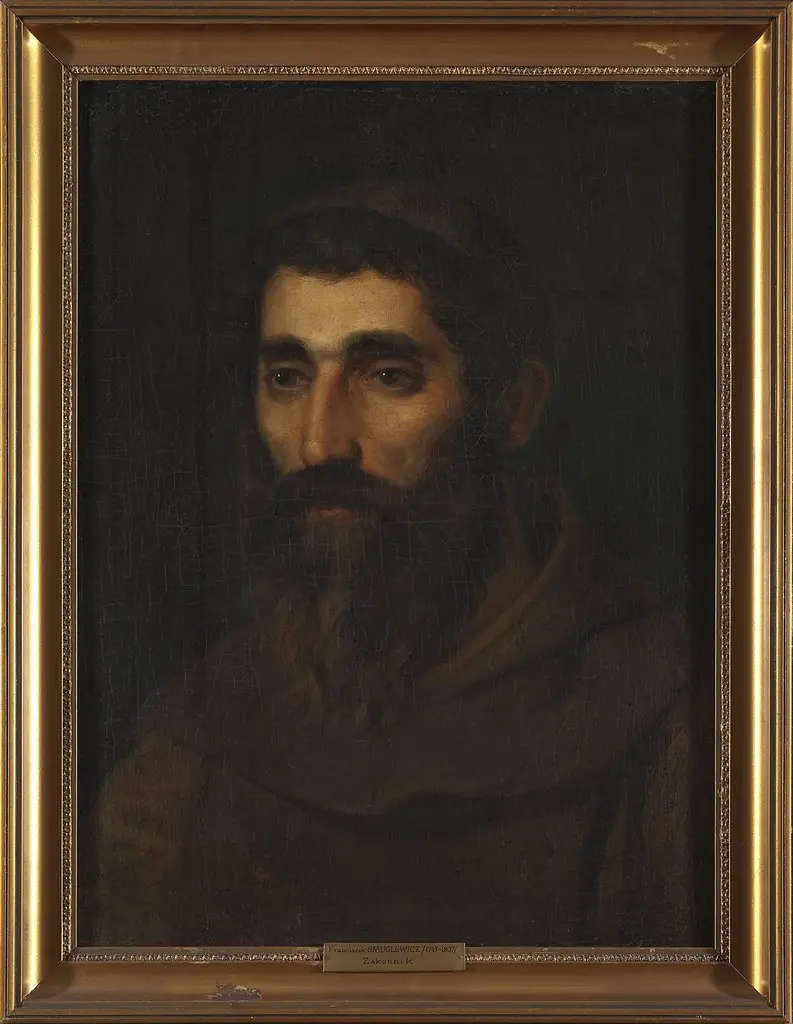 Portrait of a monk
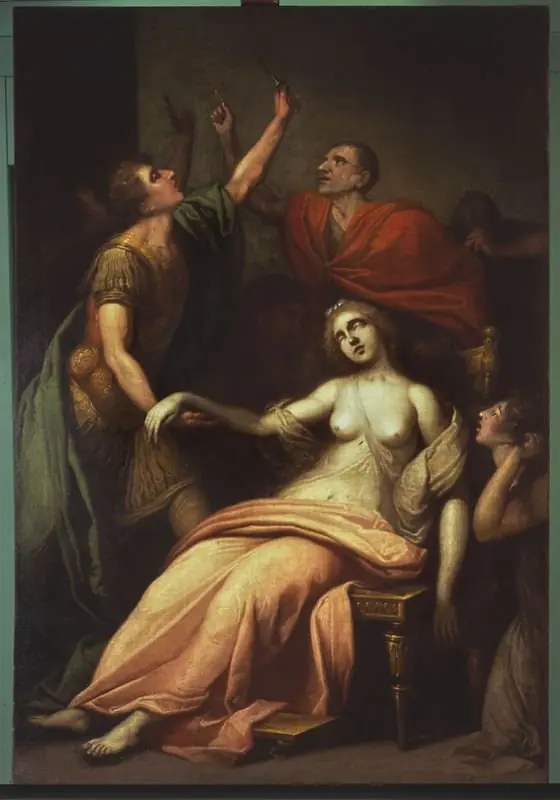 Death of Lucretia
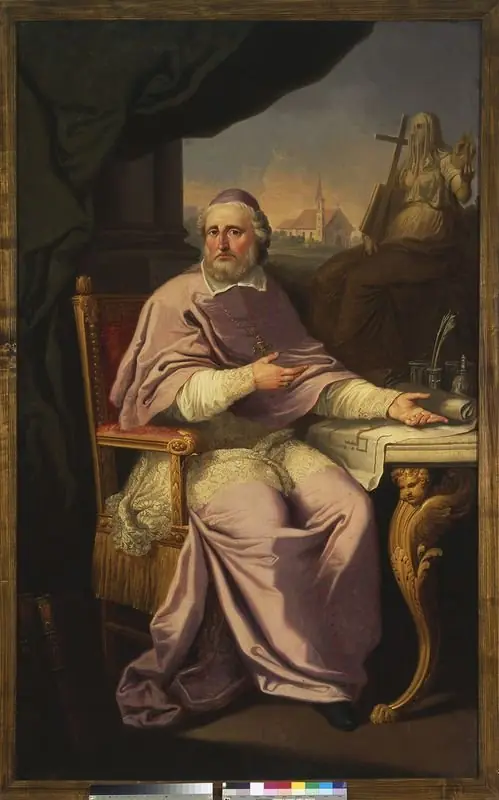 Portrait of Jan Stefan Giedroyc (d. 1803), bishop of Vilnius
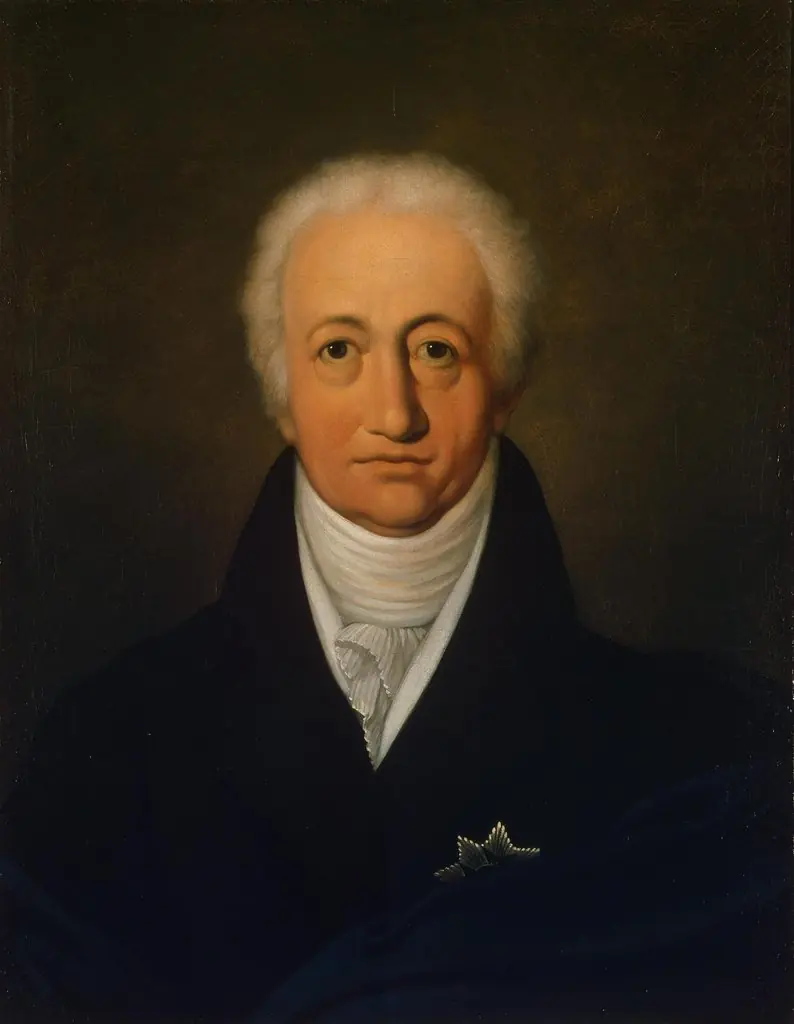 Portrait of Johann Wolfgang Goethe
 Portrait of Nicolas Demimuid
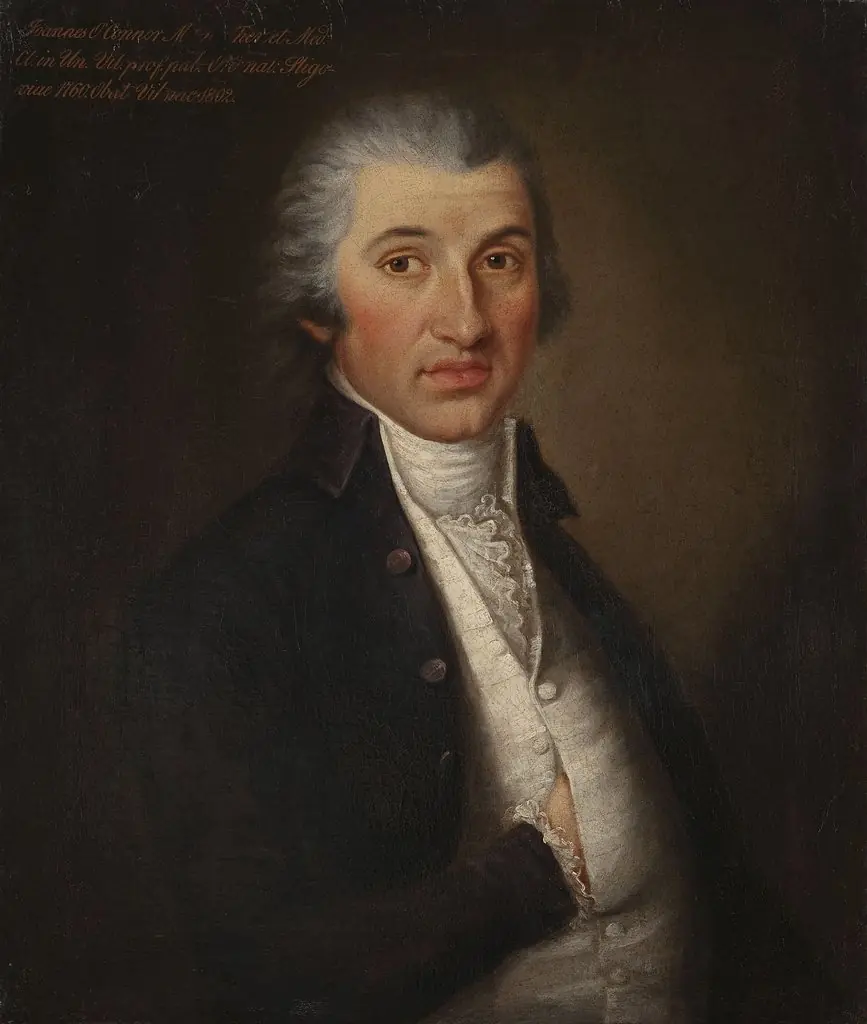 Portrait of John O'Connor (1760-1802), professor at the University of Vilnius
 Gustaf Borgström
 Kospoth, Friedrich August Karl von
 Portrait of Benedykt Pawłowski
 Portrait of Franciszek Dembiński (?–1776), the last starost of Wolbrom
 Herr Dristel
 Portrait of Walter Petersen
 Johan Tobias Sergel, Sculptor