Artwork
The Ball
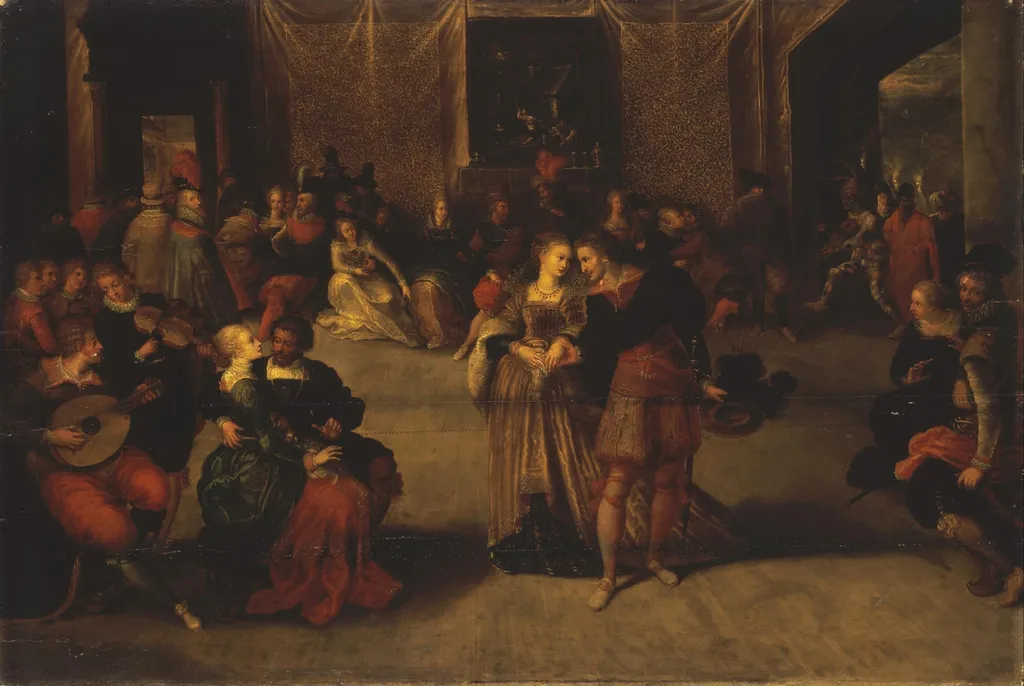
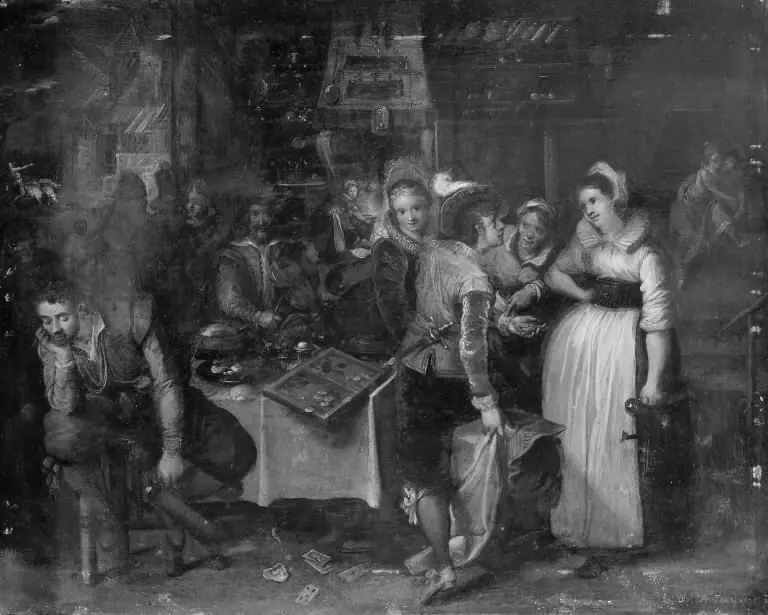
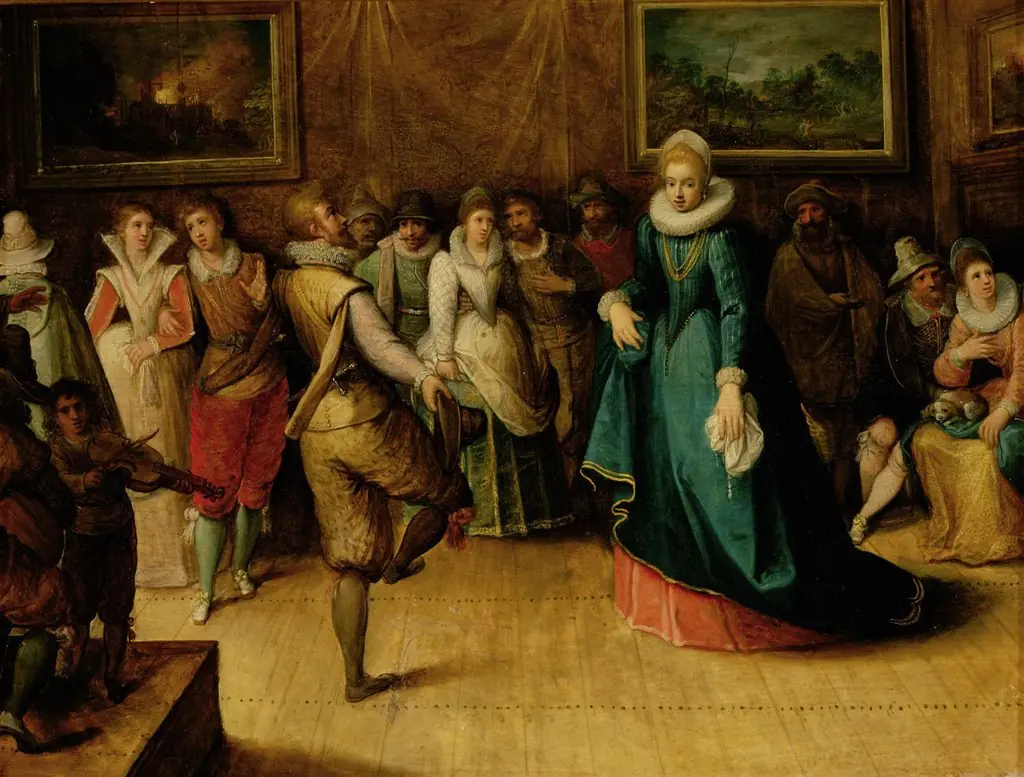
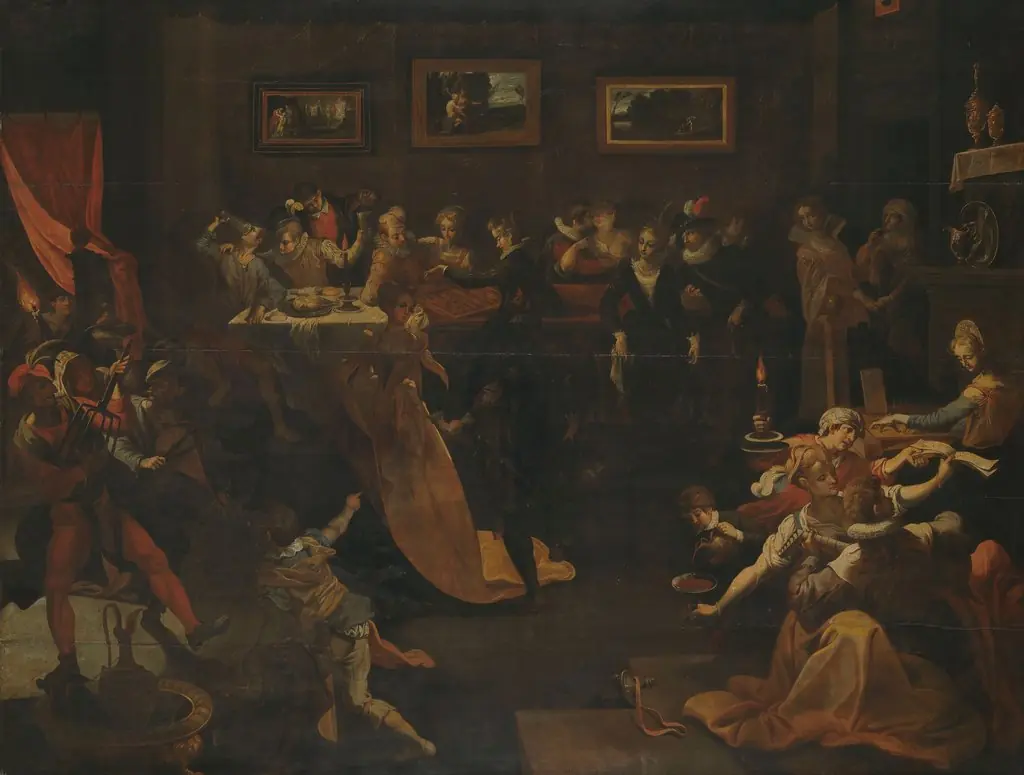
The Ball is an oil painting by the Flemish Baroque painting artist Frans Francken the Younger. It dates from 1610 and is held in the collection of the Hermitage Museum.
About this work
Subject & Meaning
Its subject, a communal dance, symbolizes both earthly pleasure and the transitory nature of revelry, a theme often explored in genre scenes of the period.
The painting portrays a lively dance and festive gathering, capturing the celebratory atmosphere of early 17th‑century Flemish social life. Its subject, a communal dance, symbolizes both earthly pleasure and the transitory nature of revelry, a theme often explored in genre scenes of the period. The work is housed in the Hermitage Museum, where it is part of the institution’s collection of European paintings.
Technique & Style
The Ball is an oil painting executed on panel, a support typical of early seventeenth-century Flemish cabinet pictures. The work measures 71 by 104 centimetres, a horizontal format suited to its multi-figure genre composition depicting a dance and party scene. Painted in 1610 in Flanders, it belongs to the strand of Flemish genre painting associated with Frans Francken the Younger, characterised by refined small-scale panels and lively social gatherings rendered in oil.
The panel support and oil medium place the work within the traditional Flemish technique of building detailed, polished scenes on a rigid wooden ground.
The painting is held in the collection of the Hermitage Museum.
History & Provenance
The painting titled The Ball was created in 1610 by Frans Francken the Younger, a Flemish artist, using oil paint on panel. It depicts a lively dance and party scene, reflecting the genre of genre art popular in the early 17th century. The work measures 71 centimeters in height and 104 centimeters in width.
Originally produced in Flanders, the painting entered the collection of the Hermitage Museum, where it remains today. Its creation history is documented as part of the artist’s output during his mature period in Antwerp, with the date 1610 confirmed by archival records.
Overview
Frans Francken the Younger, an Antwerp‑born painter active in the early 17th century, executed The Ball in oil around 1610. The canvas captures a bustling interior scene typical of Flemish Baroque, populated by elegantly dressed figures engaged in music, dance, and conversation. The work now belongs to the State Hermitage Museum’s collection.
Context
The Ball exemplifies the genre of interior party scenes popular among Dutch and Flemish artists, who often used such settings to explore themes of leisure, courtship, and social hierarchy. Francken’s work aligns with contemporaries who depicted similar gatherings, offering insight into the customs and attire of the early modern aristocratic milieu.
Own this work as a print
Artist & collection
Artist
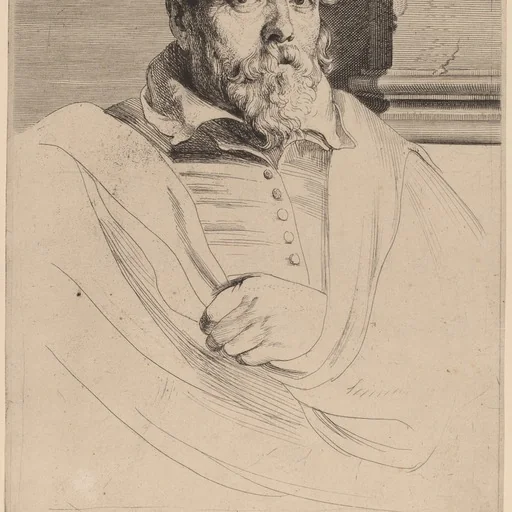
Frans Francken the Younger (1581, Antwerp – 6 May 1642, Antwerp) was a Flemish painter and the best-known and most prolific member of the large Francken family of artists.