Artwork
Marie de' Medici as widow
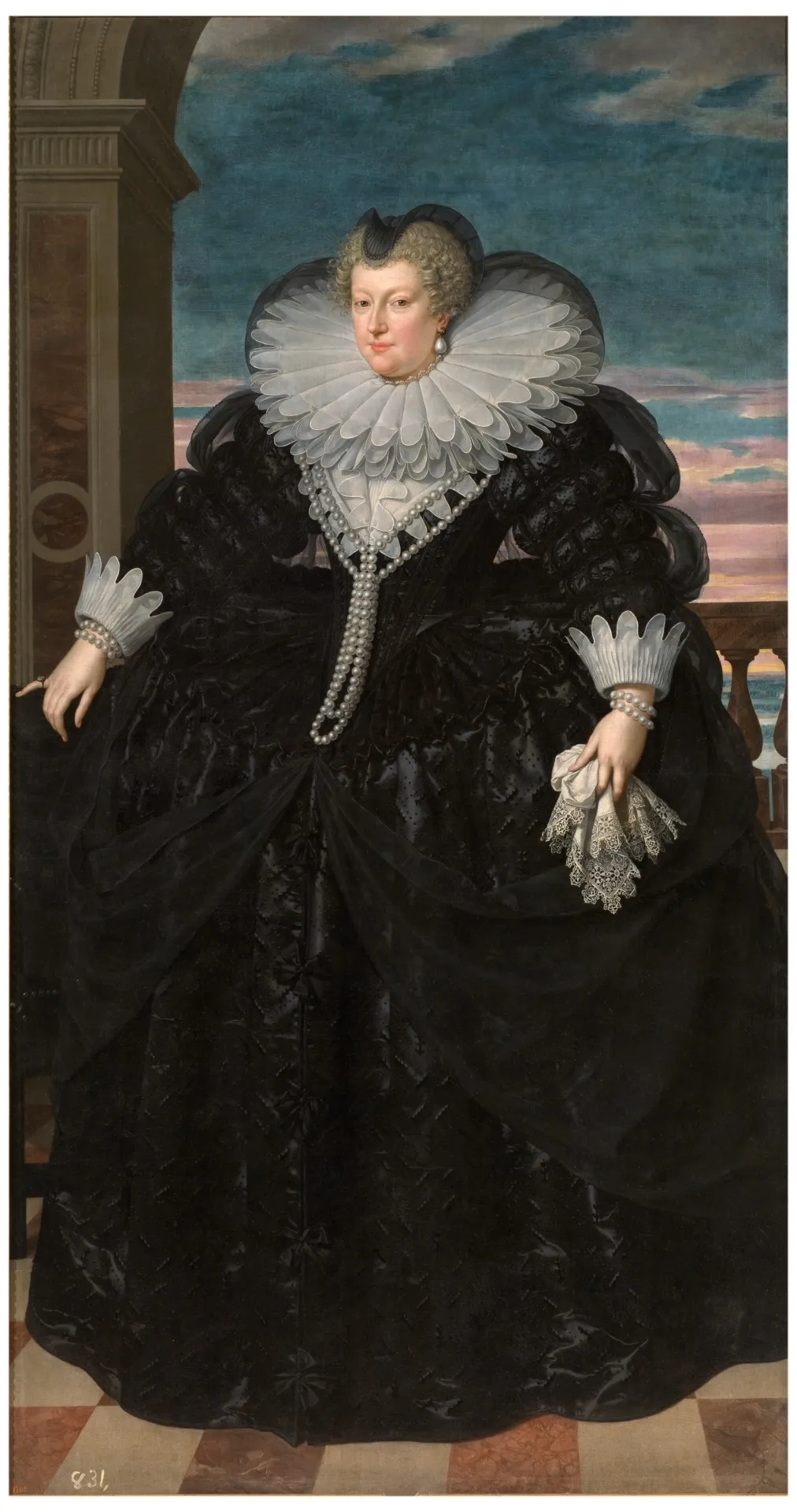
Marie de' Medici as widow is an oil painting by the Flemish Baroque painting artist Frans Pourbus, the Younger. It dates from 1617 and is held in the collection of the Museo del Prado.
About this work
Subject & Meaning
The portrait shows Marie de' Medici in mourning attire, her posture and attire signifying grief after the death of her husband, Henry IV.
The portrait shows Marie de' Medici in mourning attire, her posture and attire signifying grief after the death of her husband, Henry IV. Symbolic elements include the black veil and somber palette, which convey her status as a widow and reflect the political vulnerability she faced after his assassination. Rendered by Frans Pourbus the Younger in 1617, the work emphasizes her transition from queen consort to regent, capturing both personal loss and the shifting power dynamics of the French court.
The painting is housed in the Museo del Prado, where it has been part of exhibitions exploring Rubens' influence on portraiture, underscoring its significance within the broader context of early Baroque representation of femininity and authority.
Technique & Style
The portrait of Marie de' Medici as widow was executed in oil on canvas by Frans Pourbus the Younger in 1617. The work measures 215 cm in height and 115 cm in width, reflecting a formal courtly composition typical of early‑17th‑century portraiture, with meticulous rendering of drapery and a subdued palette that emphasizes the sitter’s dignified mourning posture. The painting’s handling of light and texture showcases the refined technique characteristic of the Rubens‑influenced school, while its provenance in the Museo del Prado underscores its significance within European portraiture.
History & Provenance
Frans Pourbus the Younger painted Marie de' Medici as widow in 1617 using oil paint on canvas. The artwork depicts its main subject, Marie de' Medici, and measures 215 cm by 115 cm. The painting was subsequently acquired by the Museo del Prado, where it remains housed today. During its ownership history, the work has been exhibited publicly in The Europe of Rubens and Rubens: Portraits Princiers.
The painting is held in the collection of the Museo del Prado in Madrid. Created in 1617, the oil on canvas portrait measures 215 cm in height and 115 cm in width.
The work has been included in significant exhibitions, specifically "The Europe of Rubens" and "Rubens: Portraits Princiers."
Context
The portrait, dated 1617, is part of the Museo del Prado’s collection and has been featured in exhibitions such as "The Europe of Rubens, Rubens: Portraits Princiers." This inclusion underscores its significance for the study of 17th-century court portraiture and situates Frans Pourbus the Younger within the broader artistic environment influenced by Rubens.
Overview
Marie de' Medici as widow is a 1617 oil painting by Frans Pourbus the Younger, a prominent Flemish portraitist. The work depicts Marie de' Medici, Queen of France, in mourning attire, characteristic of the Flemish Baroque period.
Legacy
While the painting's direct influence is not broadly documented, it remains a significant example of Pourbus's oeuvre and the Flemish Baroque's reach into European royal portraiture, contributing to the broader legacy of Baroque art in capturing the complexities of royal life.
Artist & collection
Artist
Frans Pourbus the Younger or Frans Pourbus (II) (Antwerp, 1569 – Paris, 1622) was a Flemish painter, specialised in portrait painting.

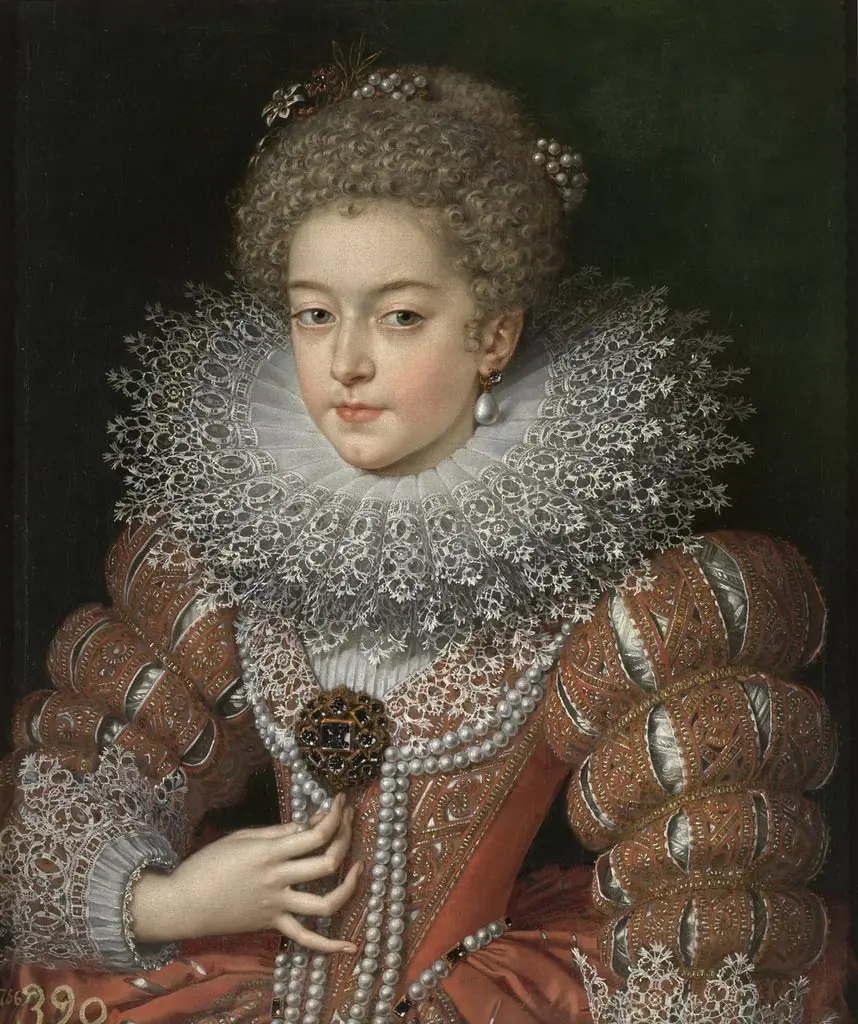
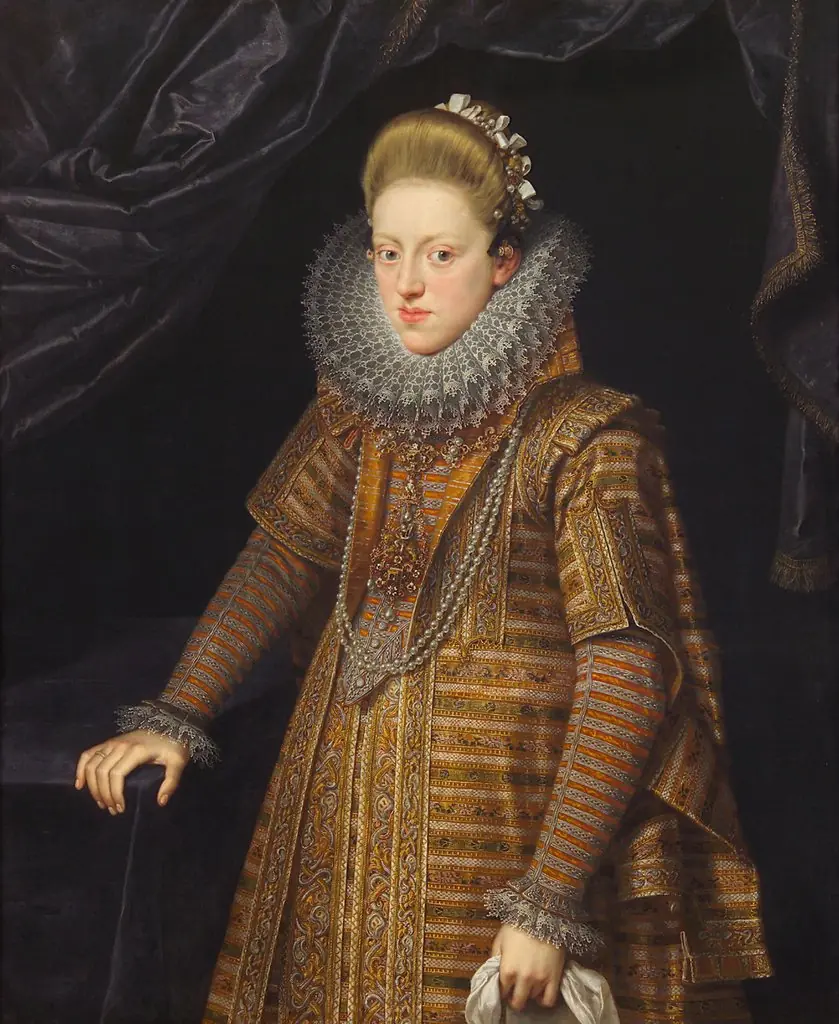
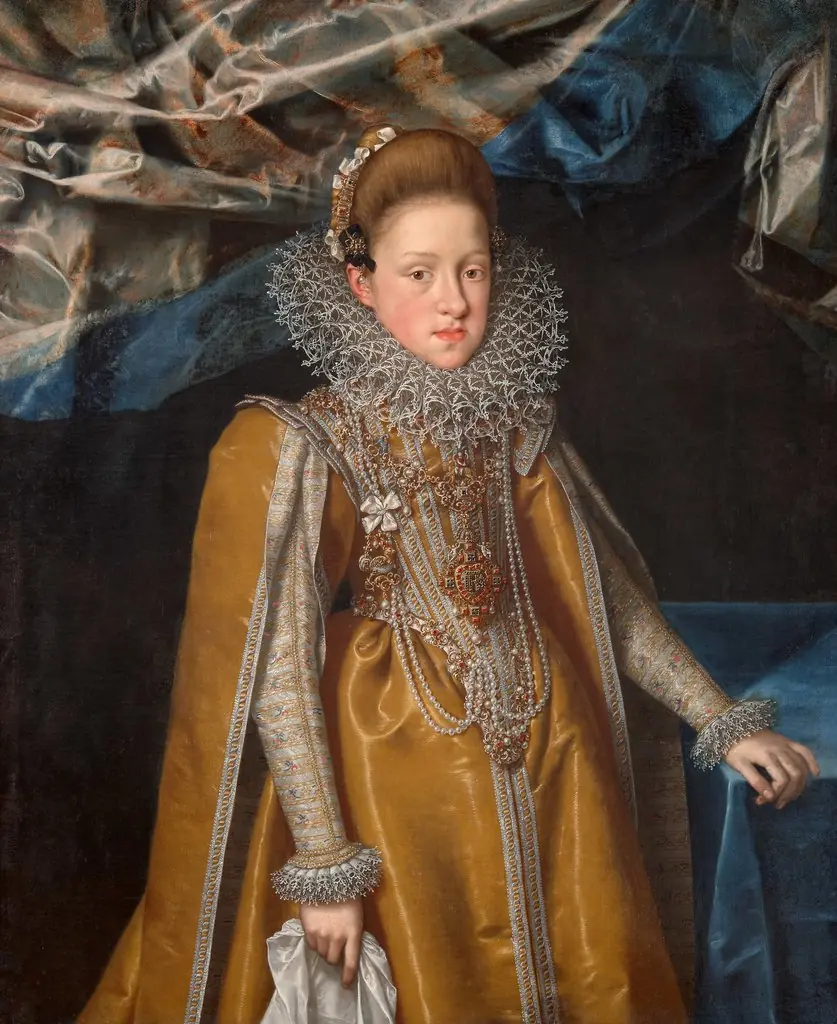
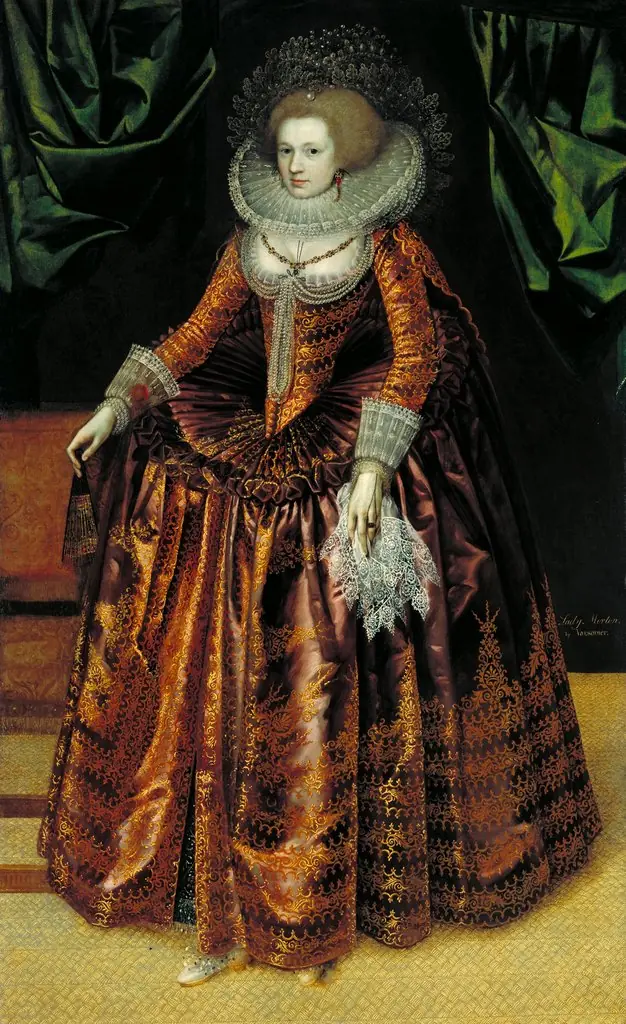
- Anne Wortley, Later Lady Morton
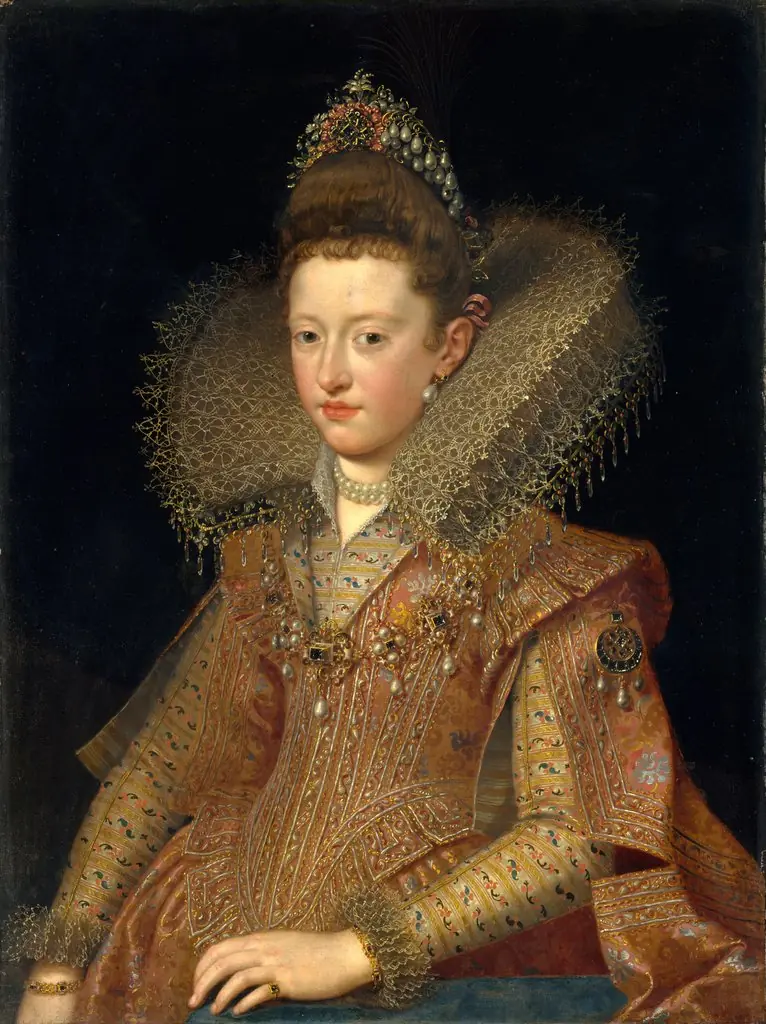
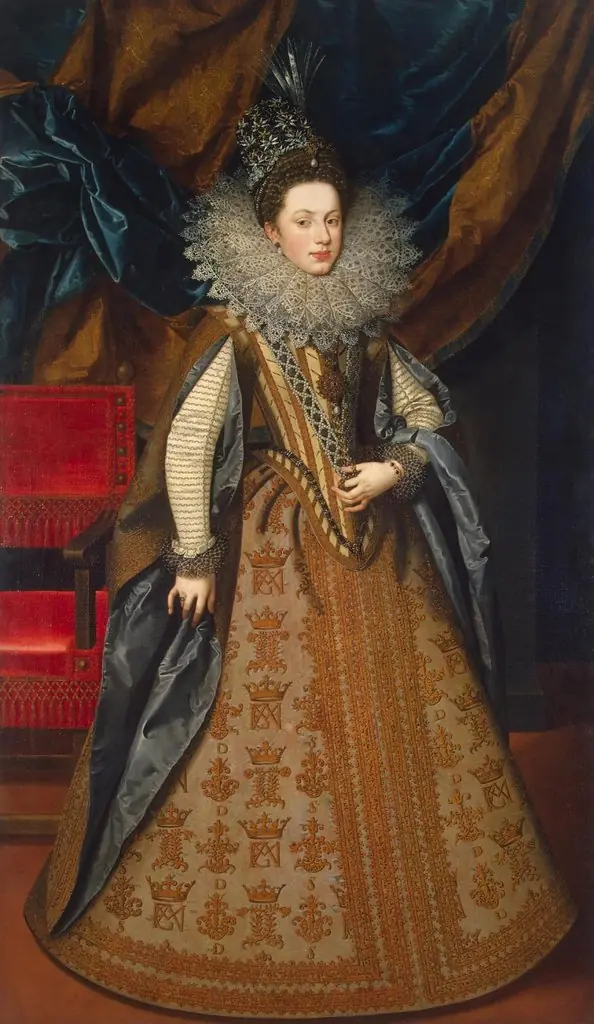 Portrait of Margaret of Savoy, Duchess of Mantua
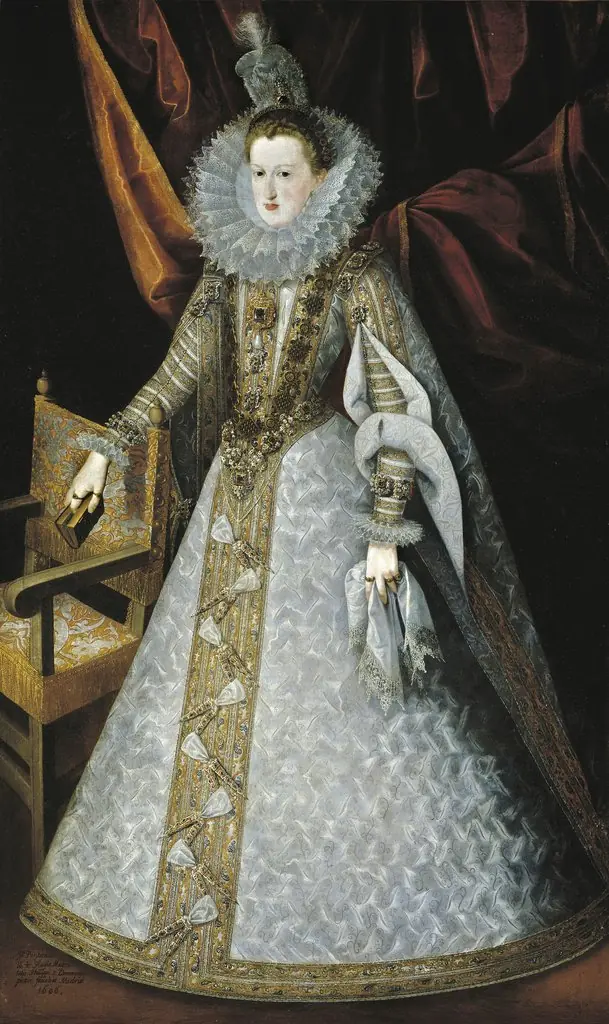 Margaret of Austria
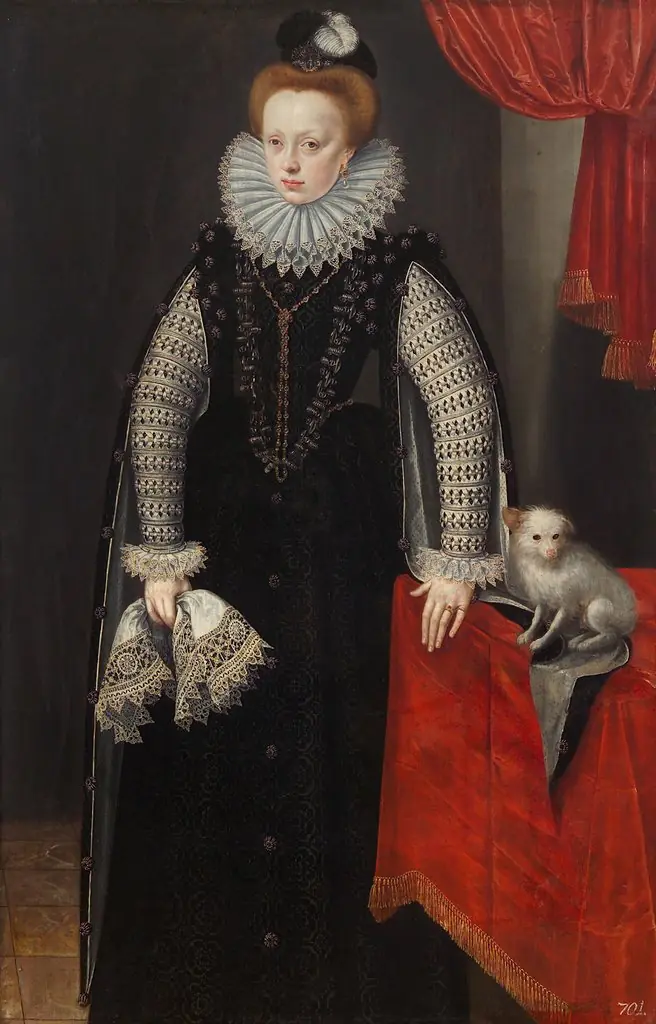 Duchess Sibylle (1557-1627) von Jülich-Cleve-Berg
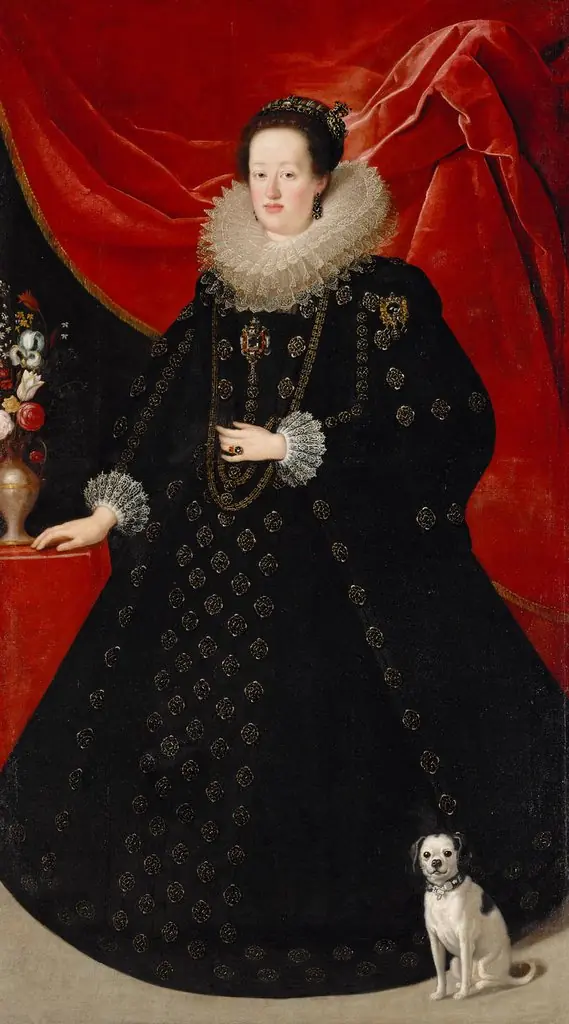 Portrait of Eleonore von Gonzaga (1598-1655), Empress in Black Dress
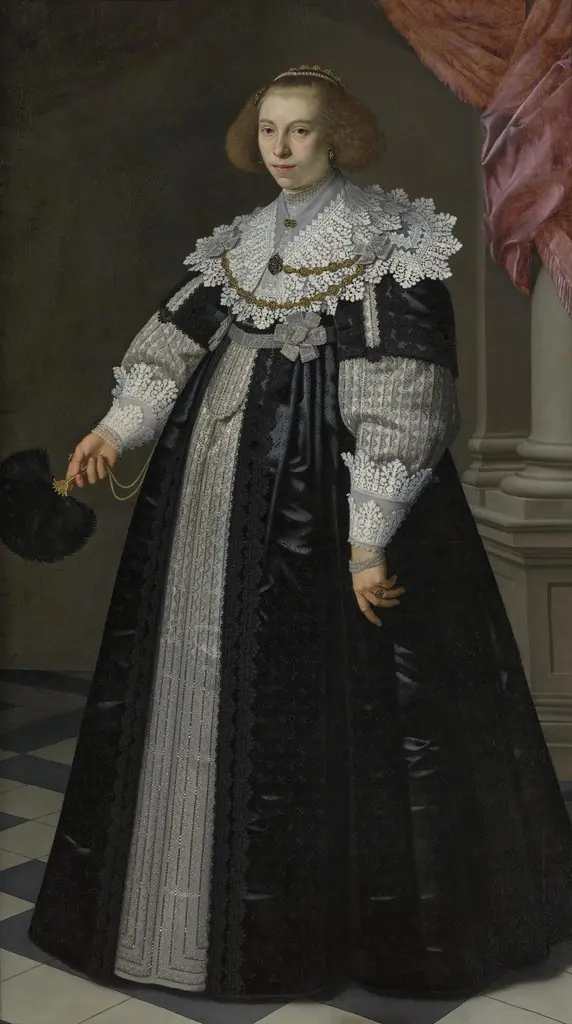 Portrait of Catharina Hooft
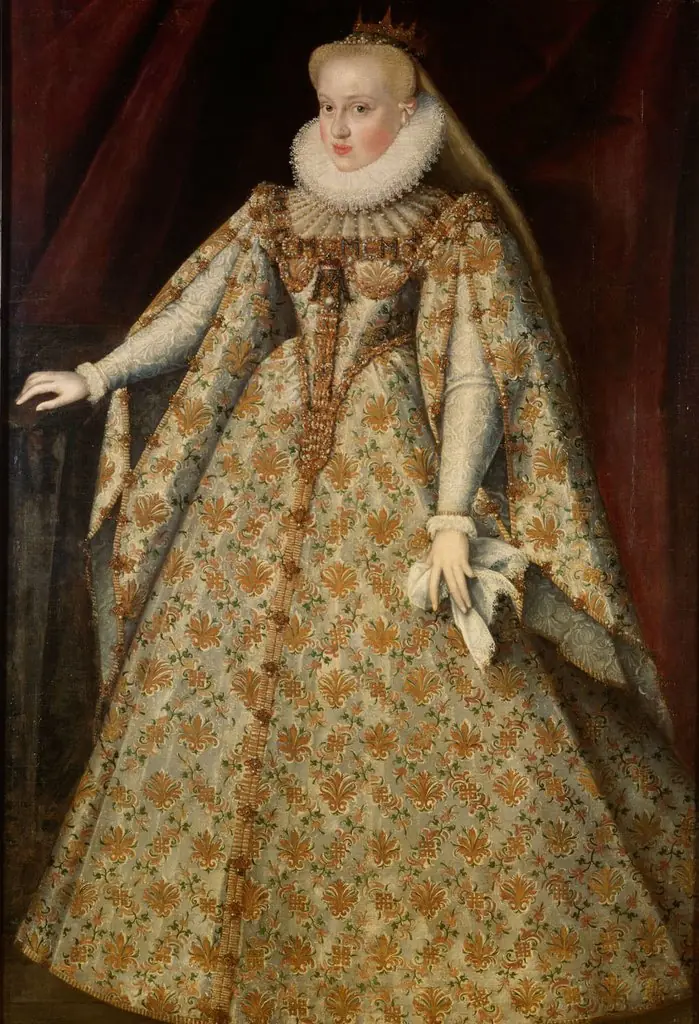 Portrait of Archduchess Maria Christina of Austria (1574–1621)
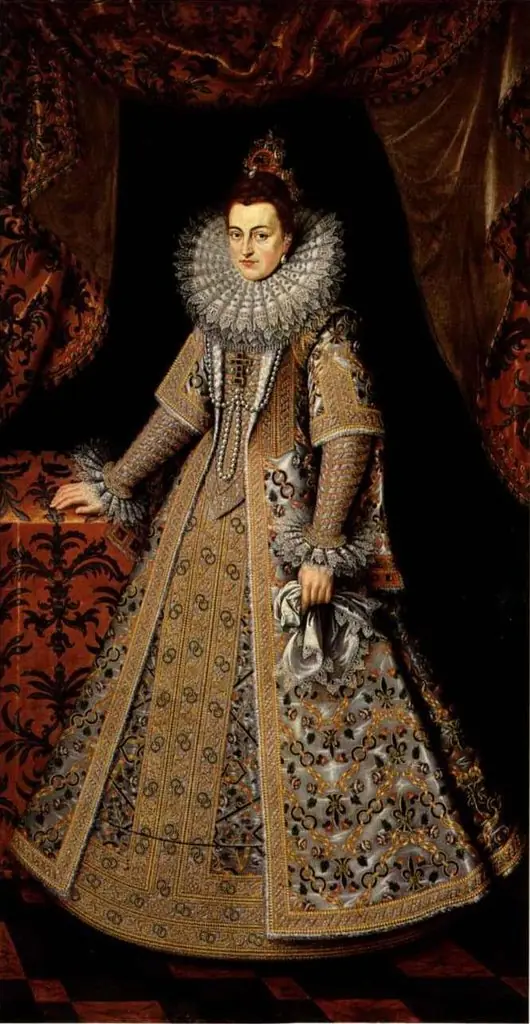 Porträt der Isabella Clara Eugenia (1566-1633)
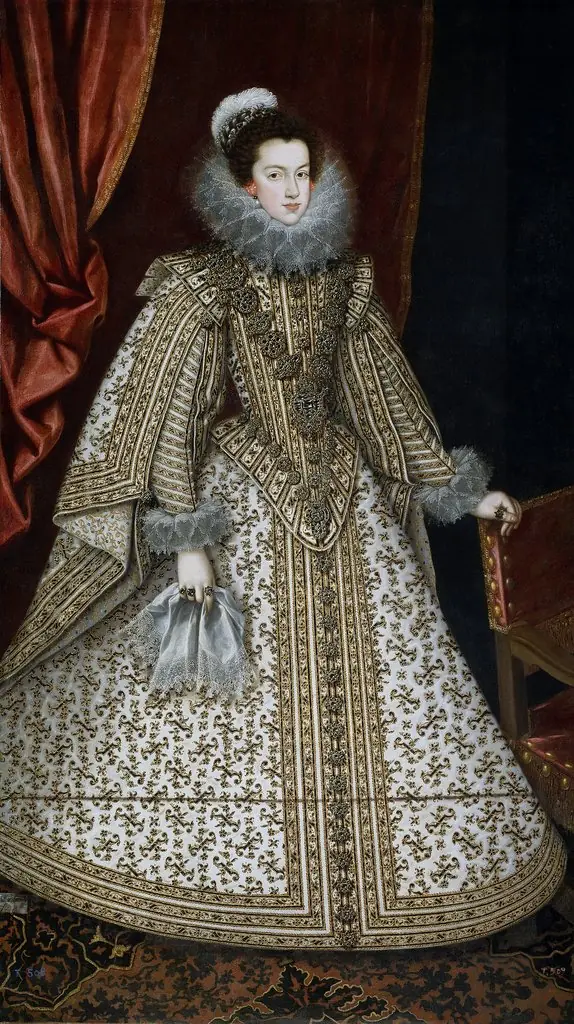 Isabel de Borbón, Wife of Philip IV
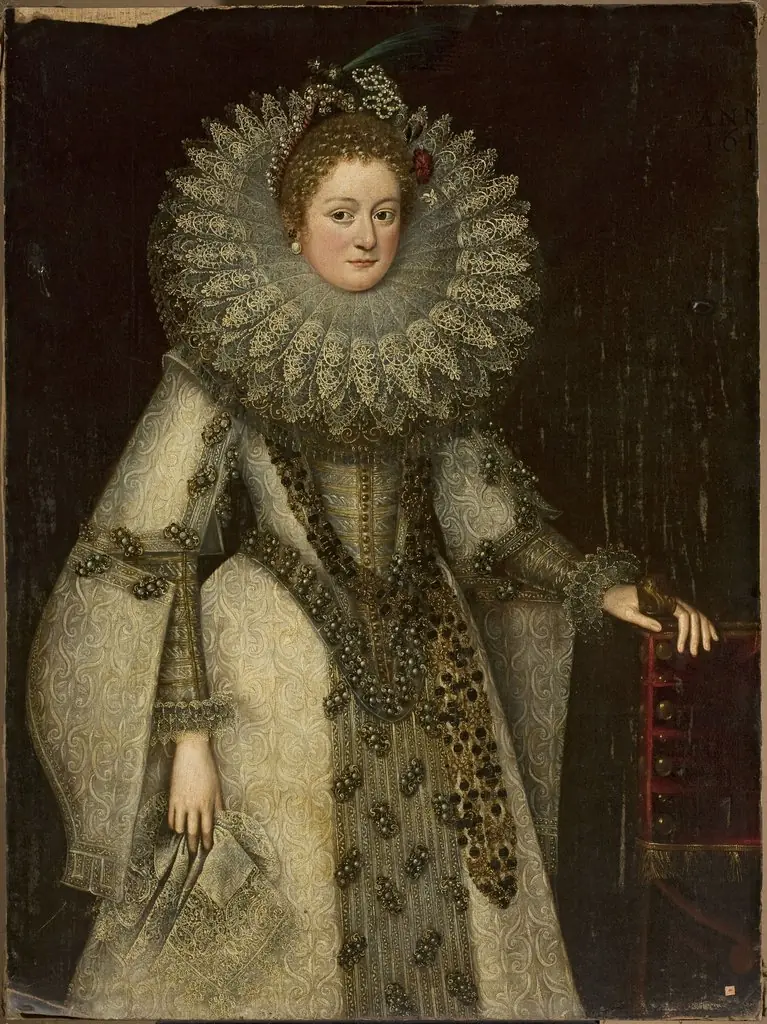 Portrait of a lady in a rich costume leaning on the armchair
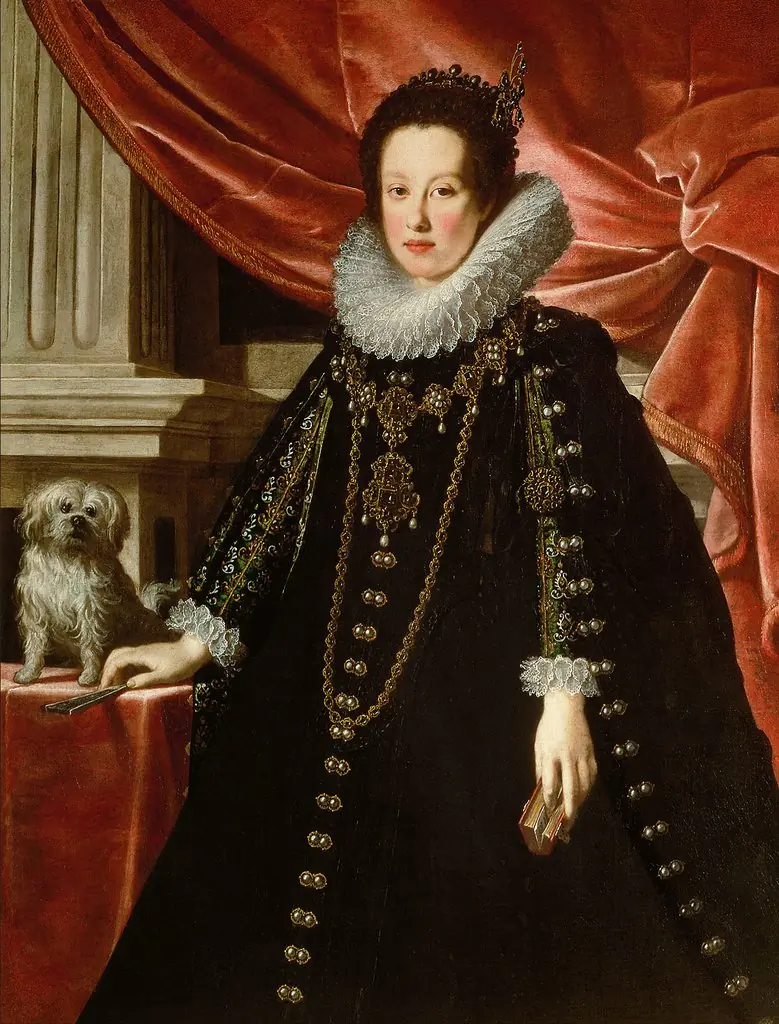 Portrait of Anna de' Medici (1616-1676), Archduchess with her Lapdog
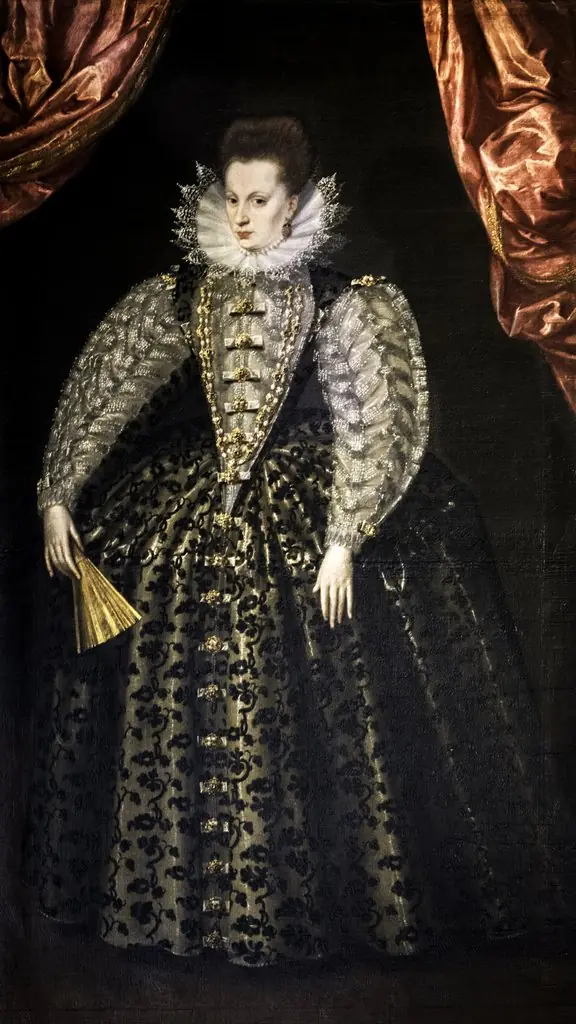 Portrait of Elisabeth Renata von Lothringen, wife of Maximilians I. von Bayern