Artwork
Portrait of Eleonore von Gonzaga (1598-1655), Empress in Black Dress
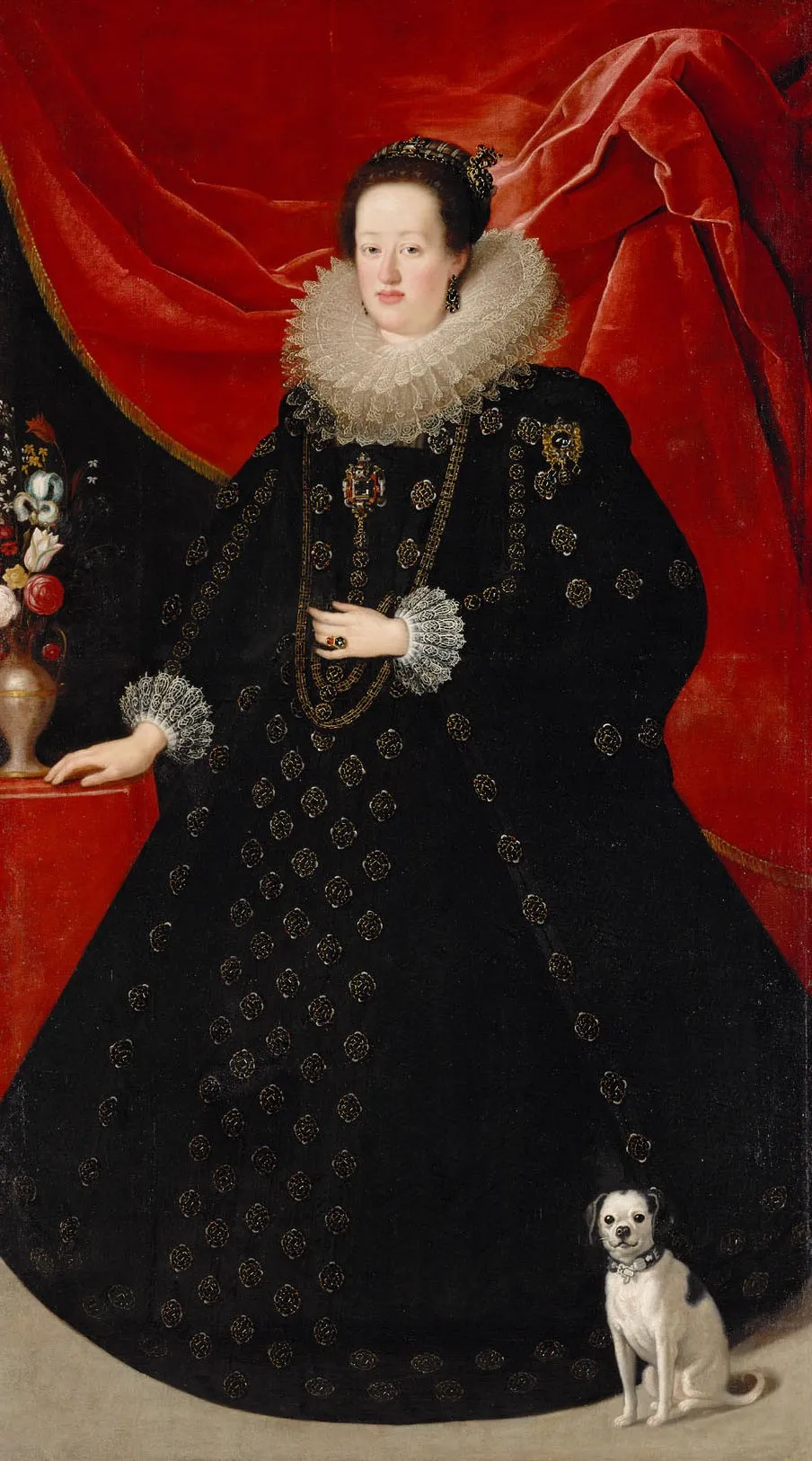
Portrait of Eleonore von Gonzaga (1598-1655), Empress in Black Dress is an oil painting by the Flemish Baroque painting artist Justus Sustermans. It dates from 1623 and is held in the collection of the Kunsthistorisches Museum.
About this work
Subject & Meaning
The painting shows Eleonora Gonzaga in a black dress, a visual reference to mourning and imperial dignity within Habsburg court culture.
The painting shows Eleonora Gonzaga in a black dress, a visual reference to mourning and imperial dignity within Habsburg court culture. Black attire in early‑17th‑century portraiture often signified solemnity and authority, reinforcing her status as a powerful consort. The composition emphasizes her position through the formal pose and the presence of regal symbols associated with the Gonzaga lineage.
The work was created in 1623 by Justus Sustermans for the Kunsthistorisches Museum in Vienna, where it remains part of the collection.
History & Provenance
The painting was commissioned in 1623 by Eleonora Gonzaga, then aged twenty‑five, and executed by Justus Sustermans as an oil portrait. It entered the collection of the Kunsthistorisches Museum in Innsbruck, where it remains on view in the portrait gallery. The work measures 207 cm by 108 cm and has been documented in the museum’s inventory since its acquisition.
The portrait of Eleonore von Gonzaga, painted by Justus Sustermans in 1623, is currently held by the Kunsthistorisches Museum in Vienna. The work is part of the museum's permanent collection, with specific attribution to this institution in its records. While the painting is noted to have historical associations with Schloss Ambras Innsbruck, its primary custodial location is the Kunsthistorisches Museum.
The provided sources do not contain specific inventory numbers, accession dates, or a detailed record of past exhibitions for this work.
Legacy
The portrait of Eleonore von Gonzaga by Justus Sustermans, painted in 1623 and housed in the Kunsthistorisches Museum, has been recognized for its representation of early Baroque imperial portraiture and its influence on later courtly imagery. The work's depiction of the Empress in mourning attire contributed to evolving visual narratives of female sovereignty in the 17th century, inspiring derivative works in European royal iconography.
Scholars reference the painting when examining the development of Habsburg visual propaganda, noting its role in shaping perceptions of dynastic legitimacy through portraiture.
Overview
Created in 1623 by the Flemish court painter Justus Sustermans, this oil portrait shows Eleonore von Gonzaga, later Holy Roman Empress. She is rendered standing before a red drapery, holding a small object, with a dog at her feet and a vase of flowers on a nearby table. The work is part of the Kunsthistorisches Museum’s collection in Vienna.
Technique & Style
Sustermans employs a restrained Baroque chiaroscuro, allowing the silver‑spotted fabric to catch light against the dark background. The crisp rendering of lace, the subtle modeling of the dog’s fur, and the vivid detailing of the flowers demonstrate the painter’s skill in texture and his preference for clear, realistic portraiture typical of early 17th‑century Flemish art.
Context
The portrait reflects the political alliance between the Medici court, where Sustermans was employed, and the Holy Roman Empire. By portraying Eleonore in a dignified yet approachable manner, the work aligns with contemporary court portrait conventions that sought to convey both authority and personal virtue.
Artist & collection
Artist
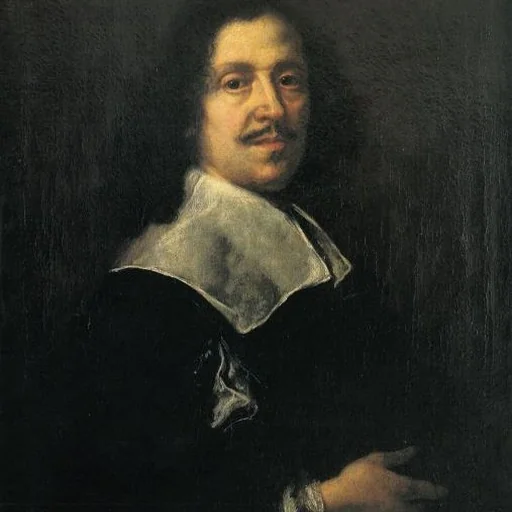
Justus Sustermans, Joost Sustermans or Suttermans, his given name Italianised to Giusto (28 September 1597 – 23 April 1681), was a Flemish painter and draughtsman who is mainly known for his portraits.

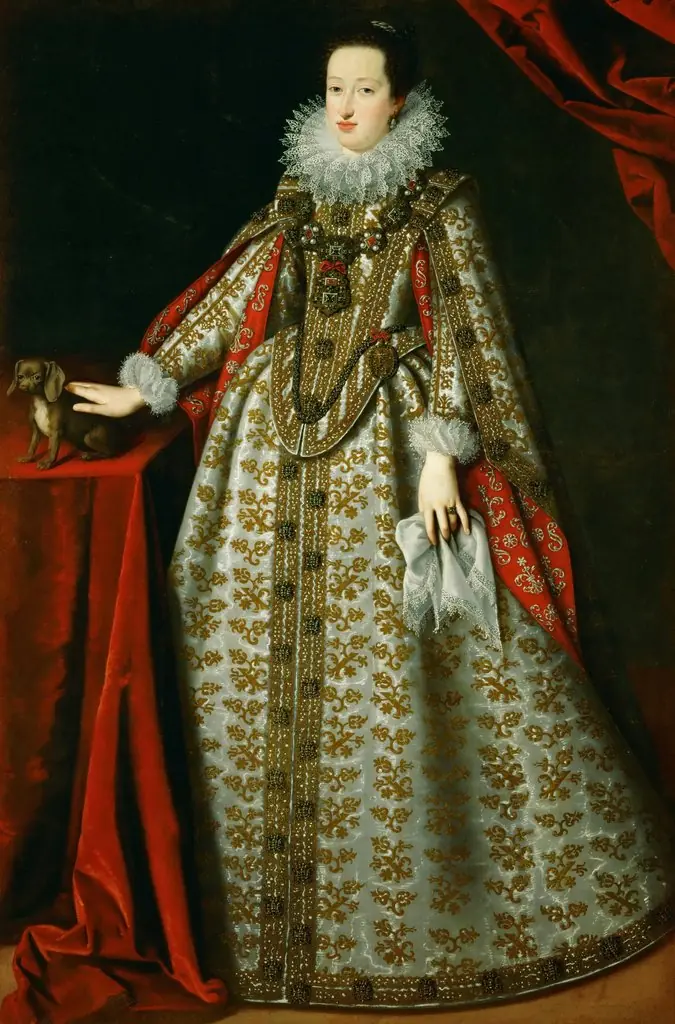
- Portrait of Eleonore von Gonzaga (1598-1655), wife of Ferdinand II
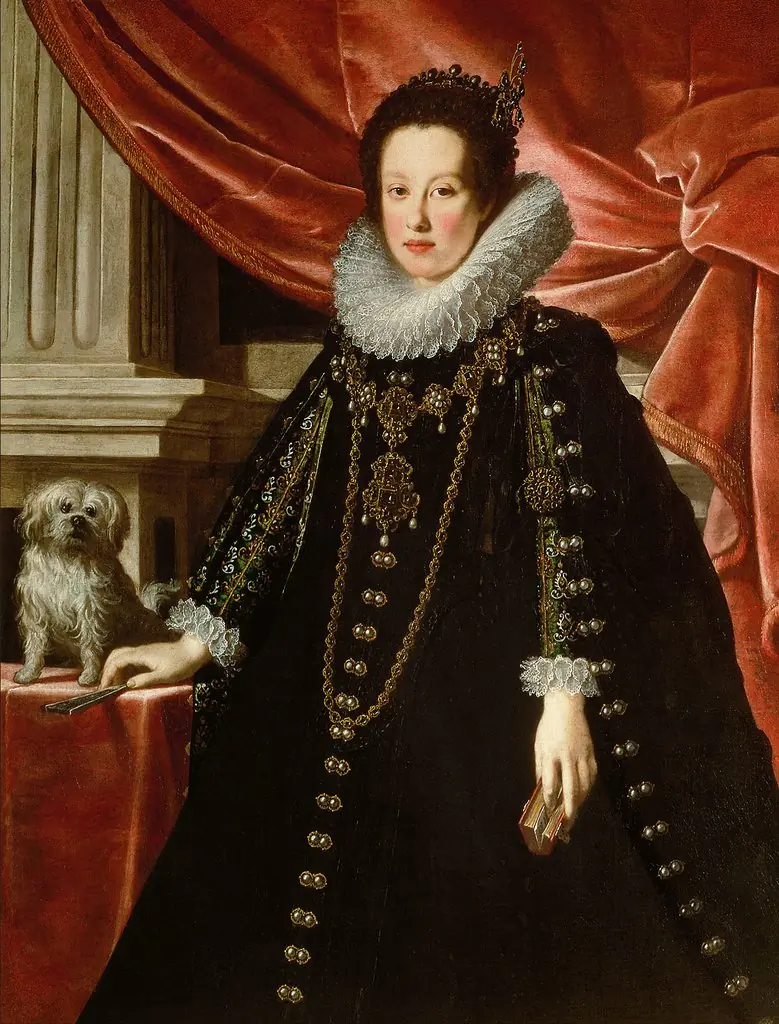 Portrait of Anna de' Medici (1616-1676), Archduchess with her Lapdog
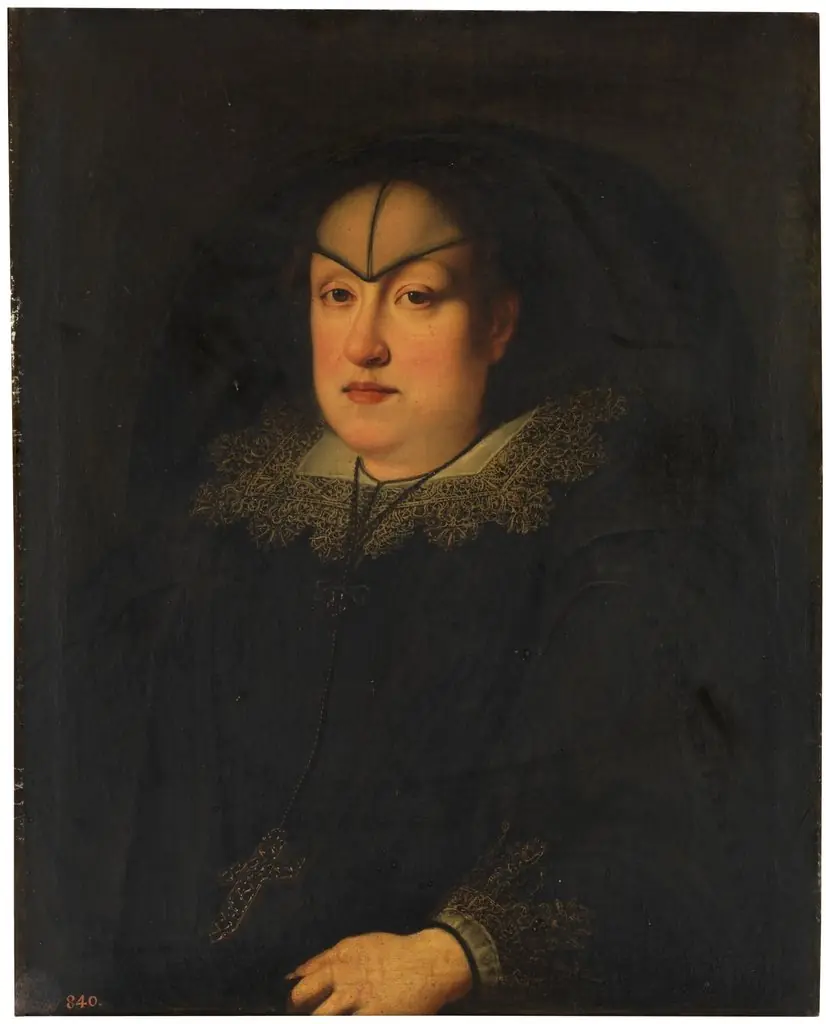 Portrait of Maria Maddalena of Austria as a widow
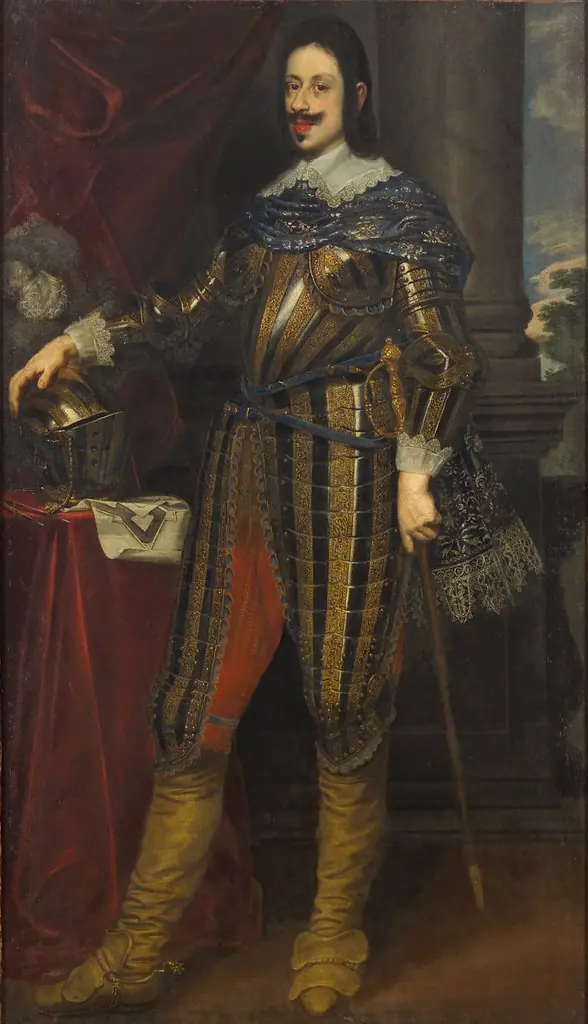 Grand-duke Ferdinand II of Tuscany (1610-1670) in Armour
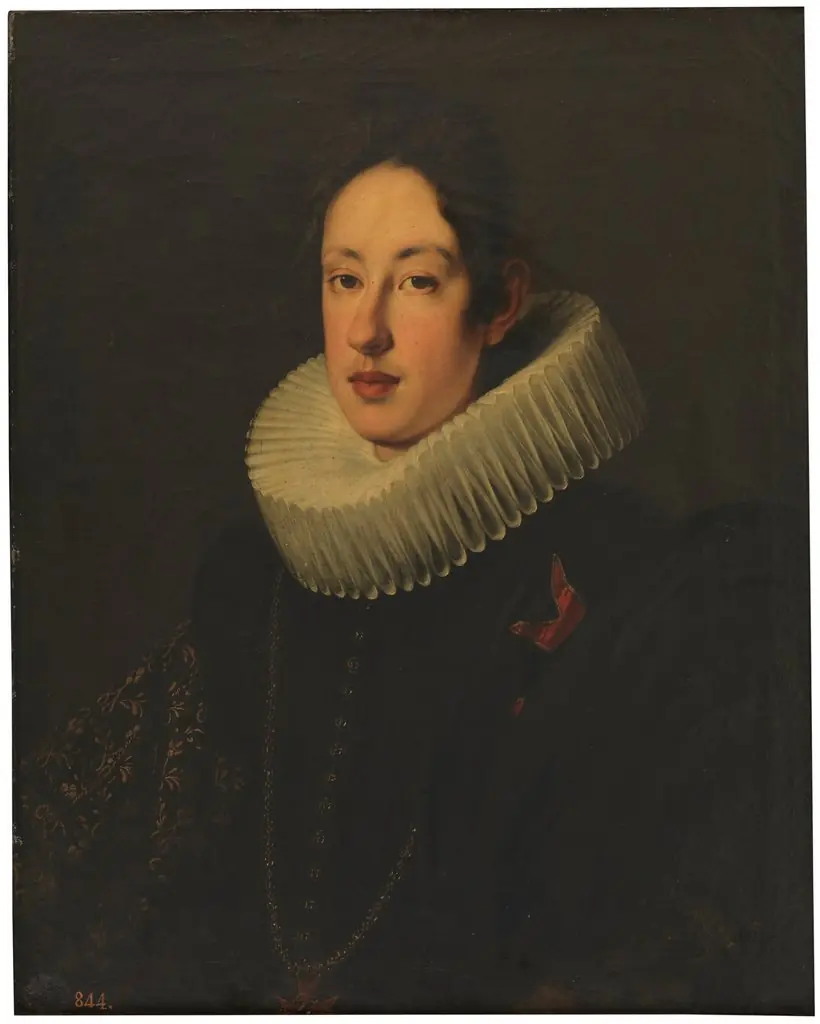 Portrait of Ferdinand II of Tuscany
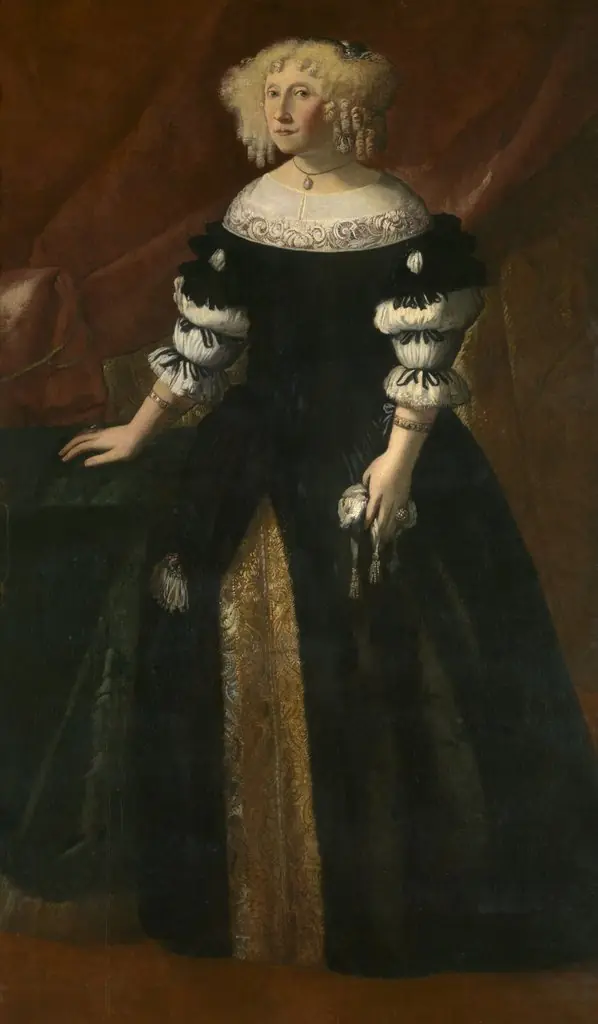 Portrait of a Woman
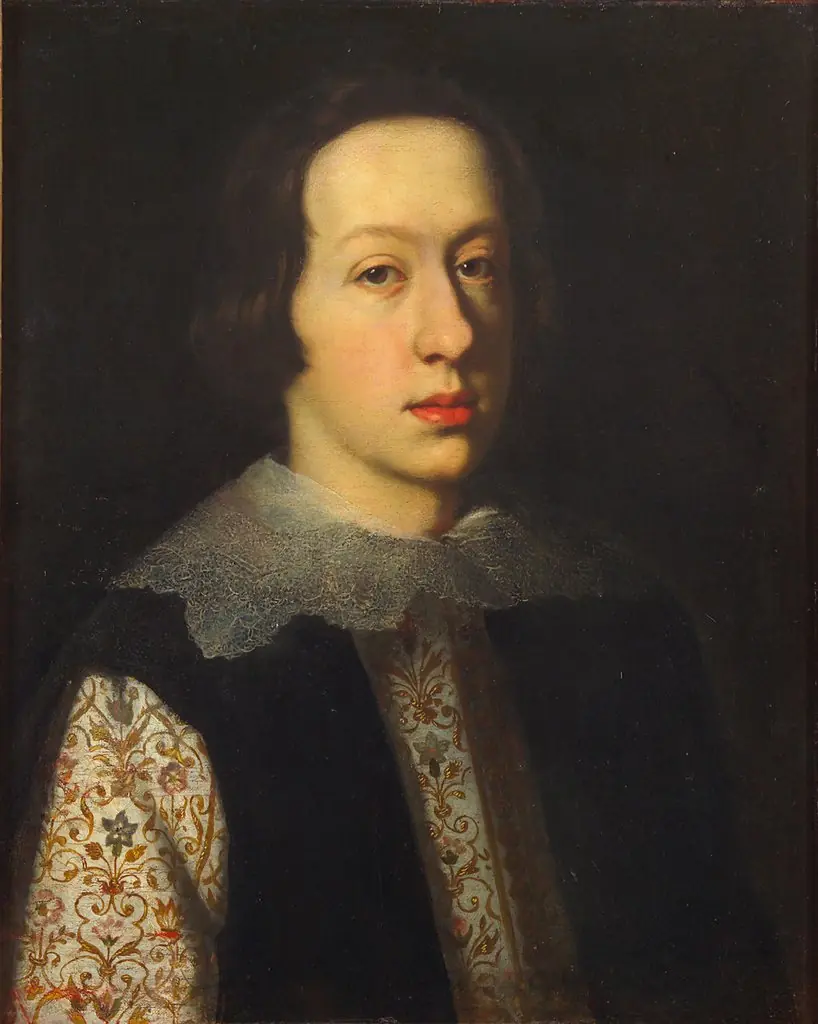 Portrait of Mattias de' Medici
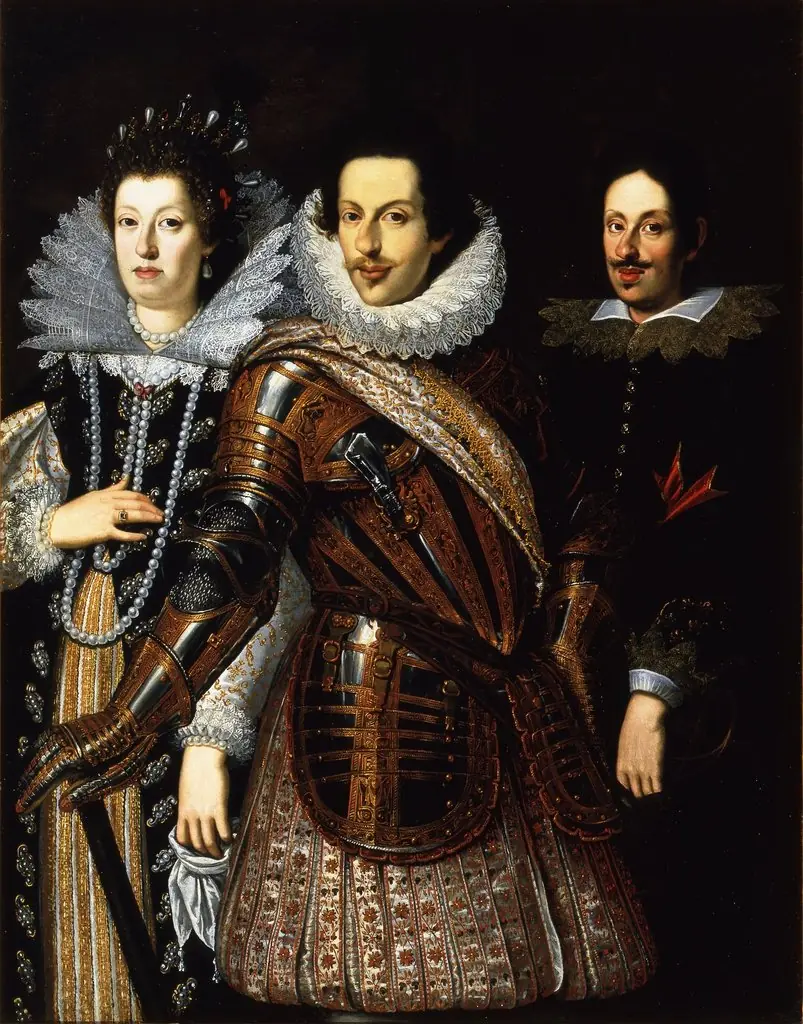 Cosimo II de’ Medici with his wife, Maria Maddalena of Austria and their son, Ferdinando II
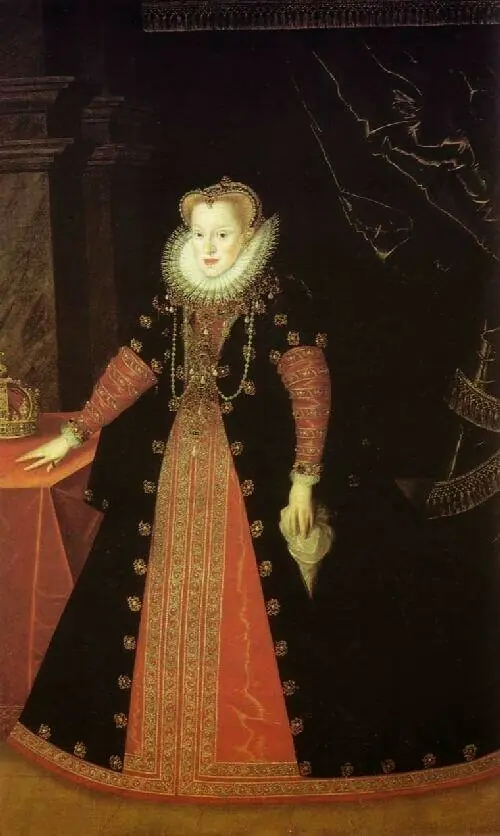 Full-length portrait of Anne of Austria (1573-1598).
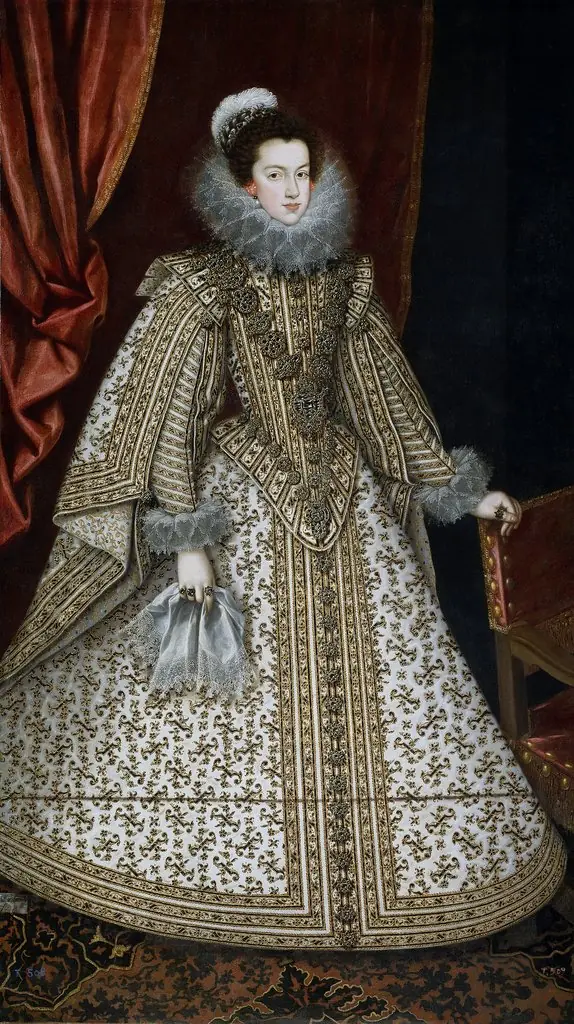 Isabel de Borbón, Wife of Philip IV
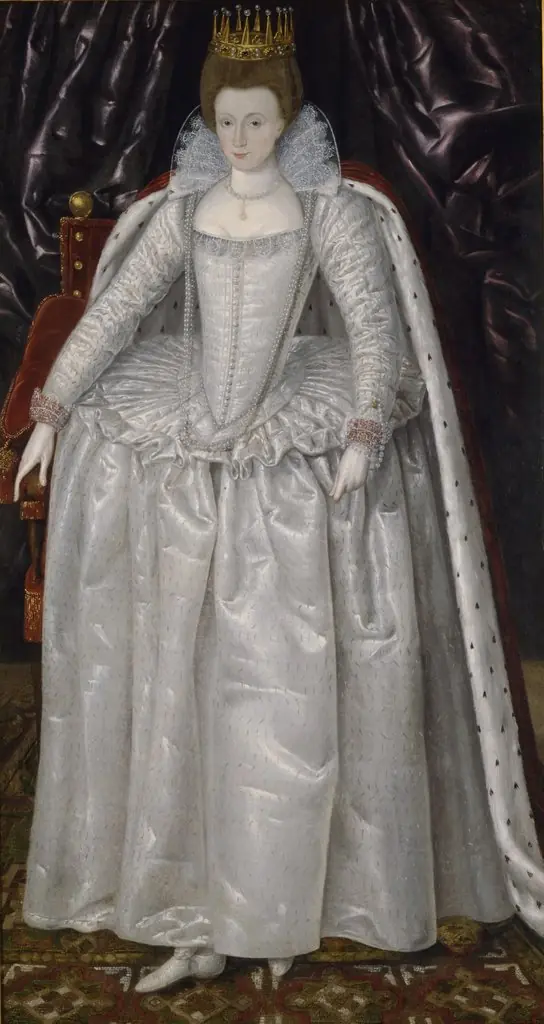 Elizabeth Vernon, Countess of Southampton
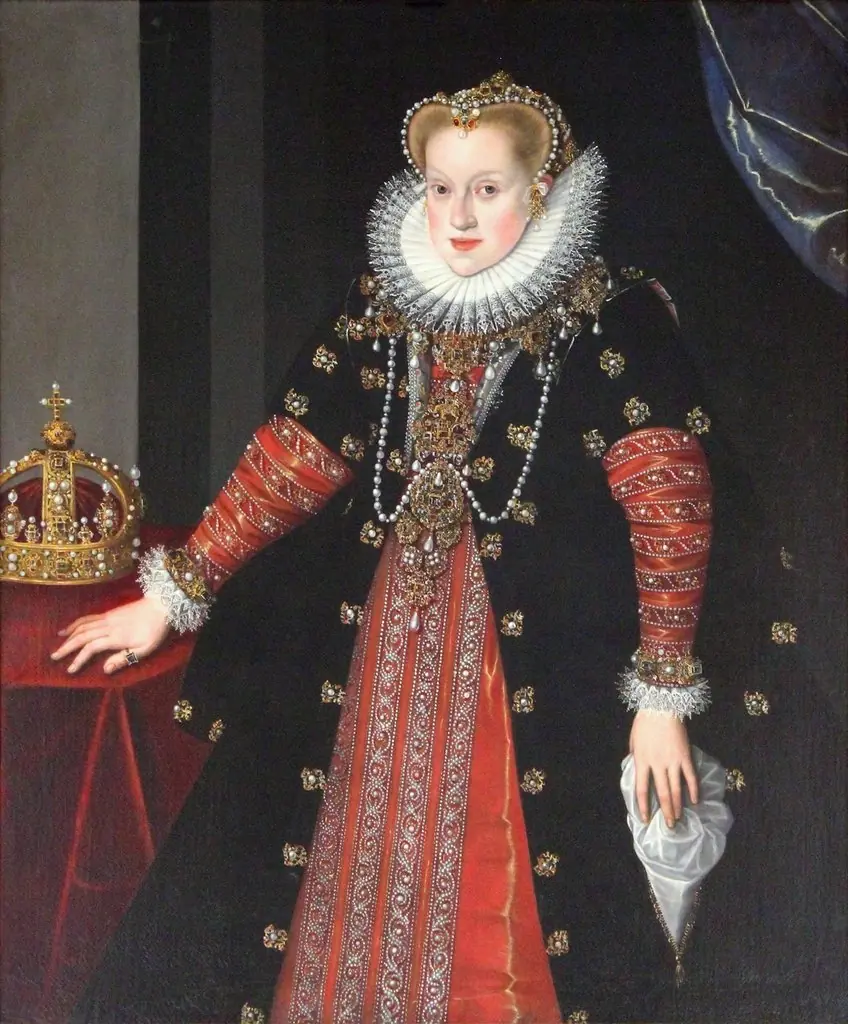 Portrait of Anne of Austria, Queen of Poland (1573-1598)
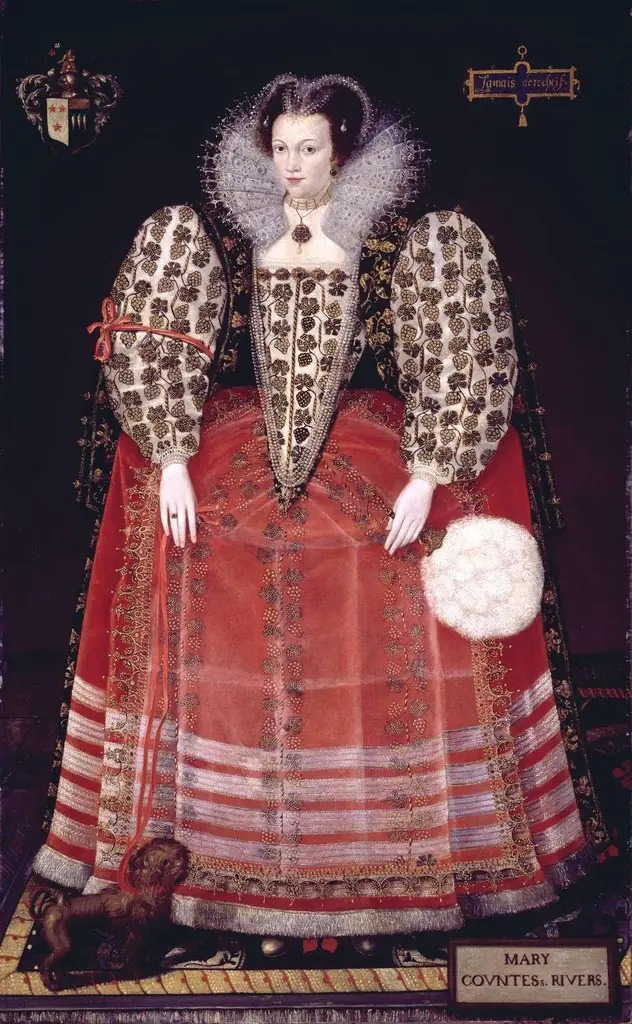 Portrait of Mary Kytson, Lady Darcy of Chiche, later Lady Rivers
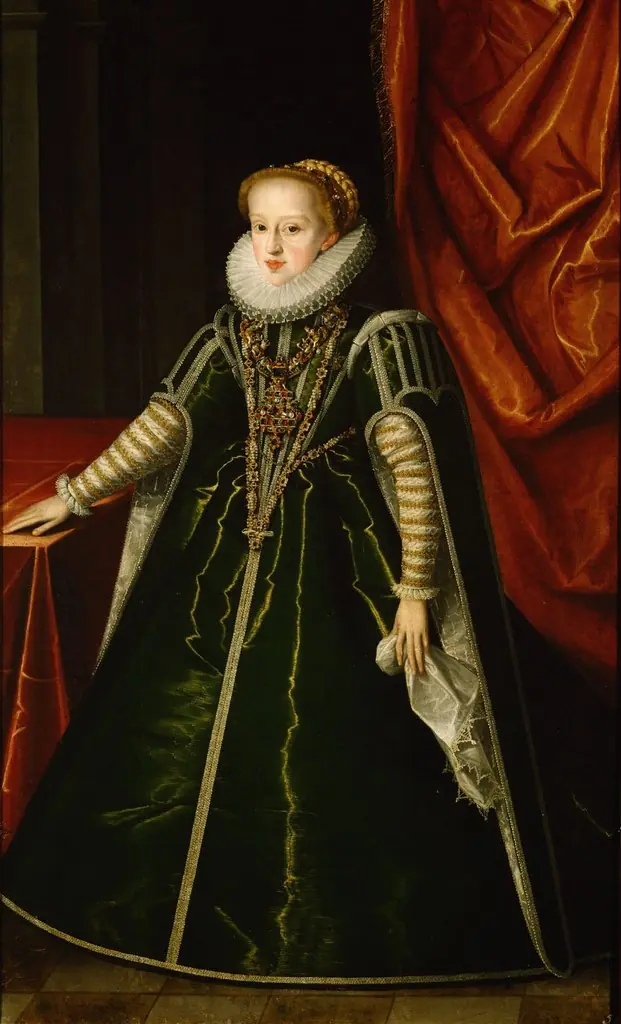 Erzherzogin Gregoria Maximiliane (1581-1597), Tochter von Karl II. von Innerösterreich, im Alter von 11 bis 12 Jahren in ganzer Figur
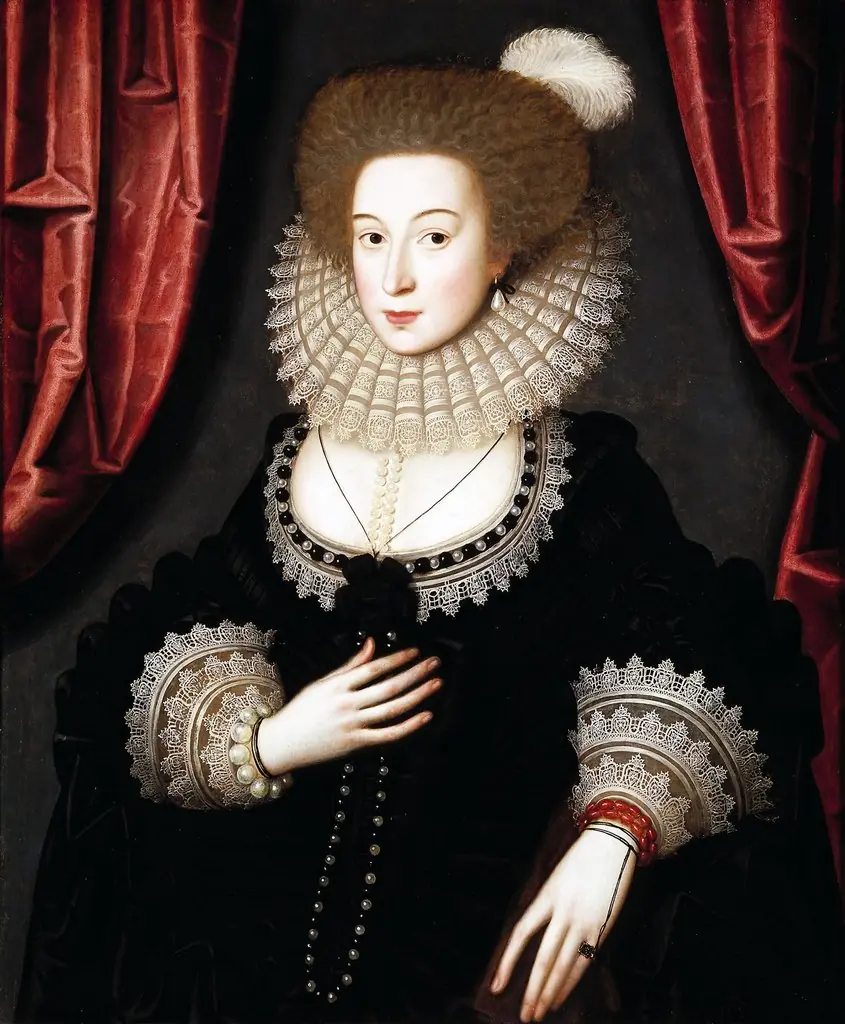 Portrait of Mary Radclyffe
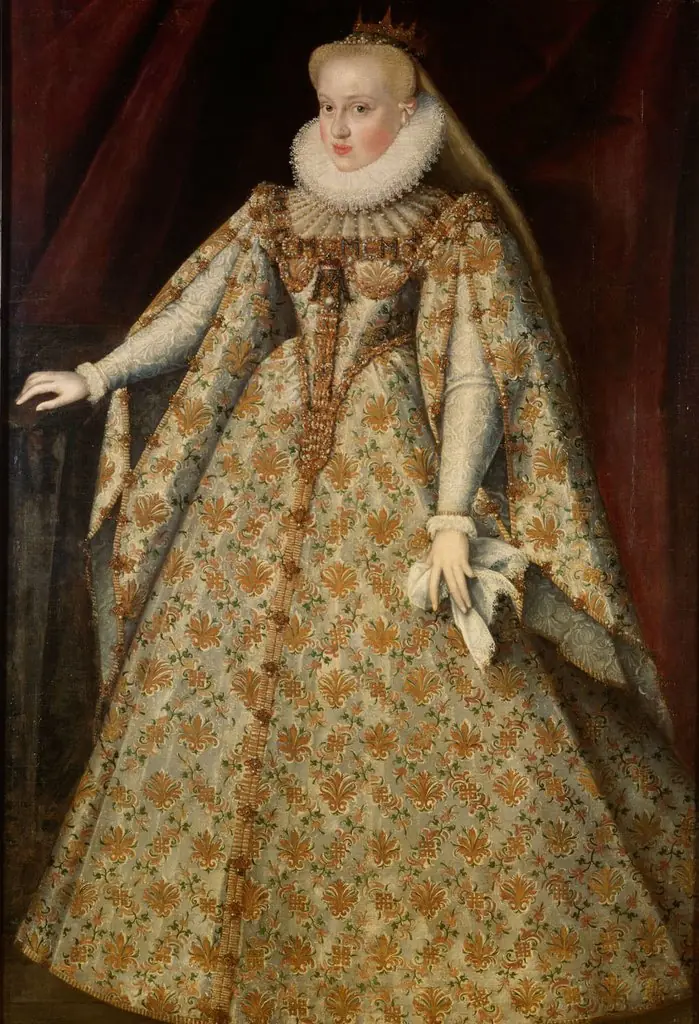 Portrait of Archduchess Maria Christina of Austria (1574–1621)
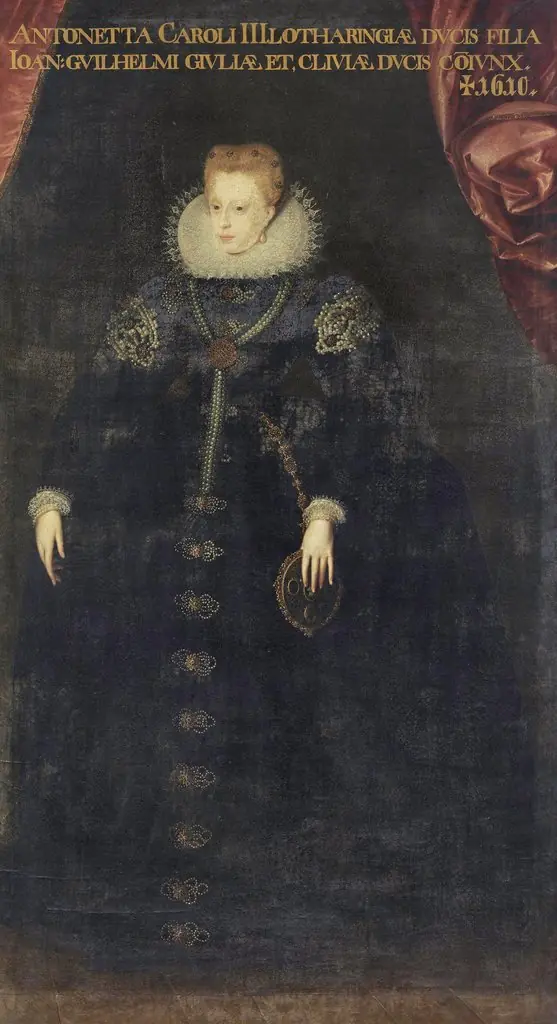 Portrait of Antoinette of Lorraine (1568-1610), Duchess of Jülich-Cleves-Berg
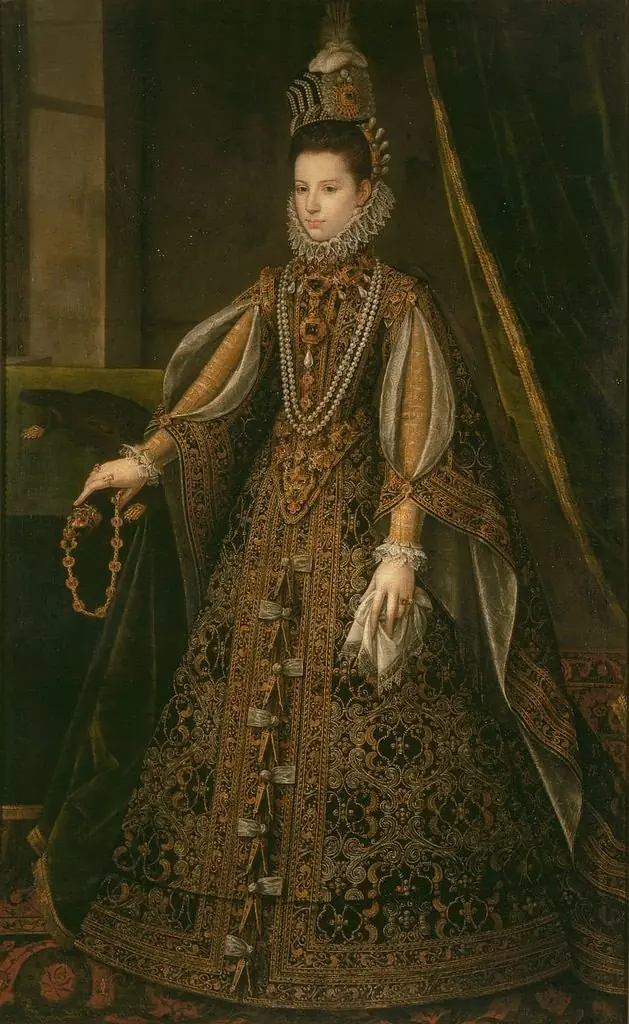 Possible portrait of archduchess Isabella Clara Eugenia
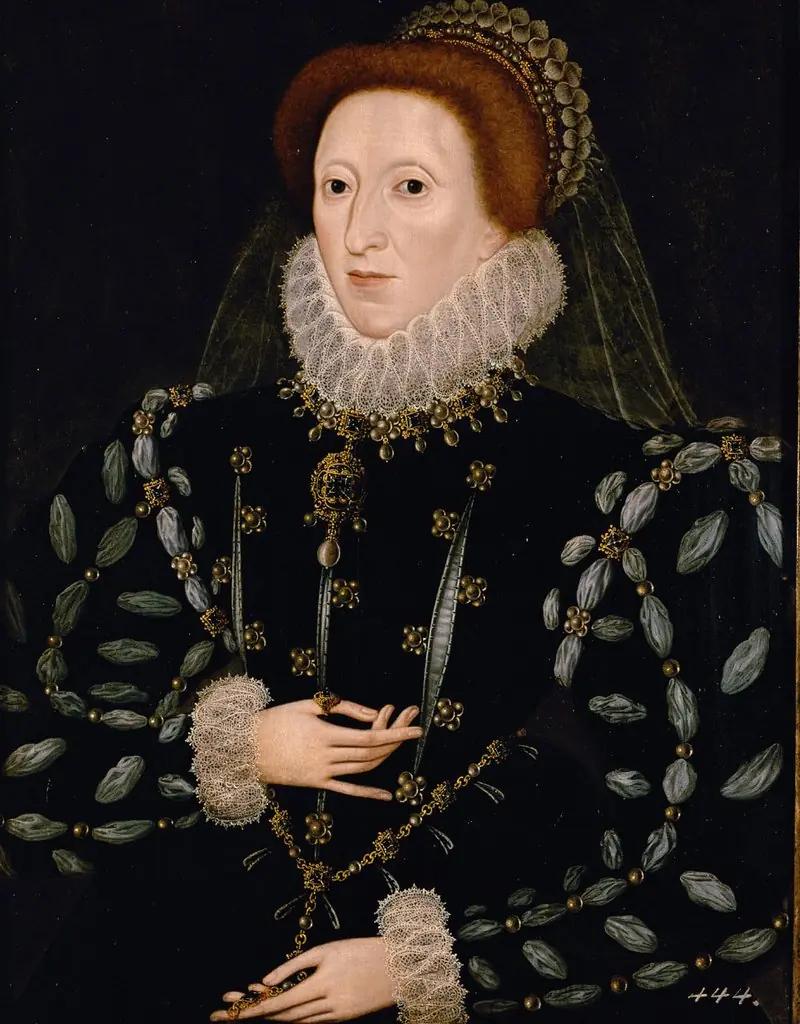 Queen Elizabeth I