Artwork
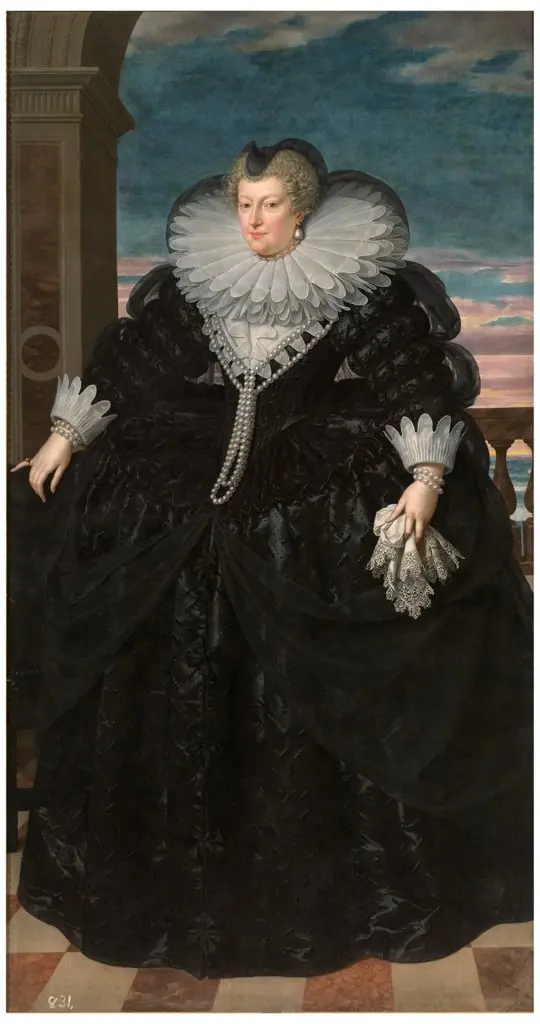
Portrait of Margaret of Savoy, Duchess of Mantua
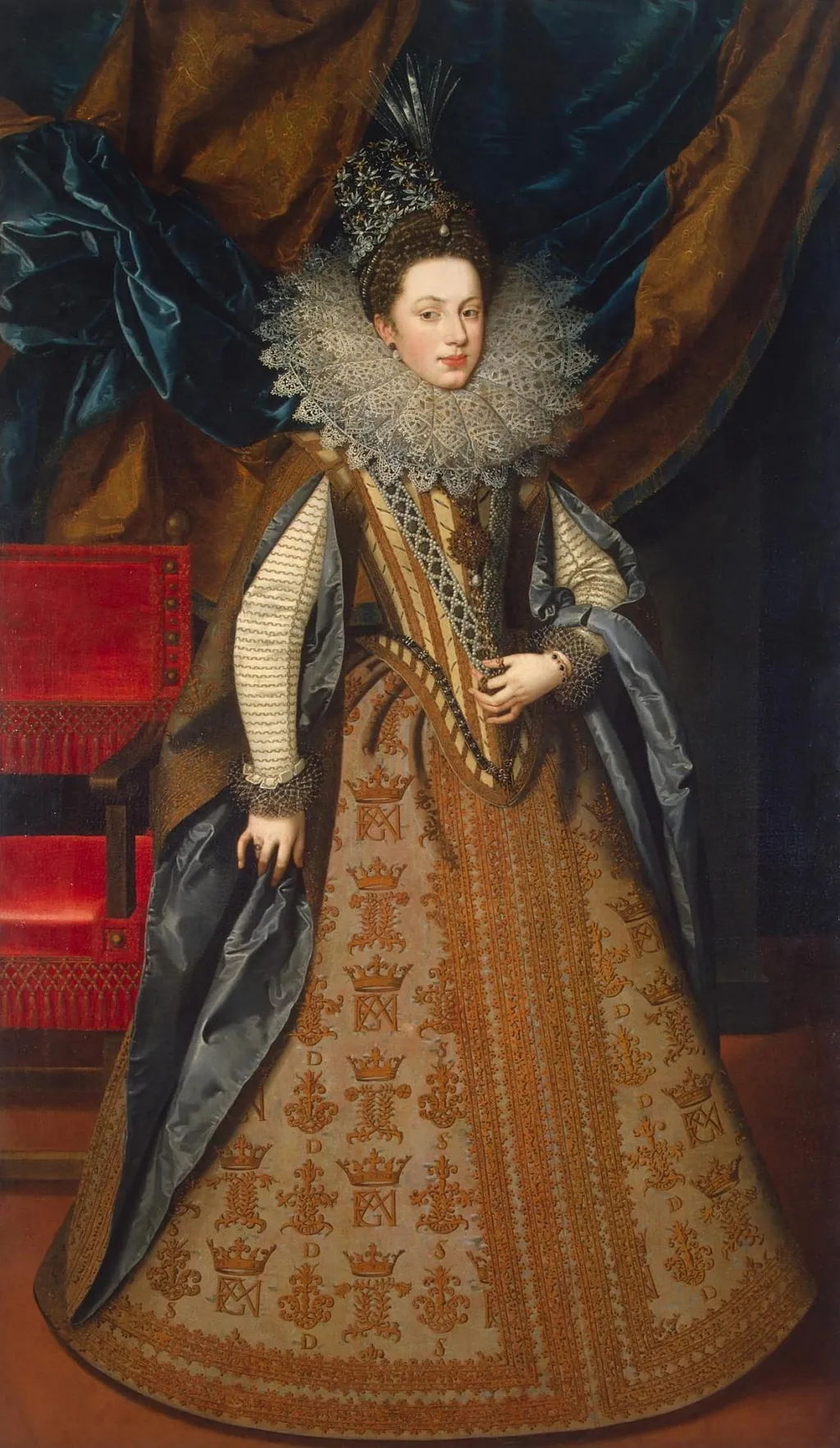
Portrait of Margaret of Savoy, Duchess of Mantua is an oil painting by the Flemish Baroque painting artist Frans Pourbus, the Younger. It dates from 1608 and is held in the collection of the Hermitage Museum.
About this work
Overview
The Portrait of Margaret of Savoy, Duchess of Mantua is a full-length oil painting on canvas by the Flemish artist Frans Pourbus the Younger, executed in 1608.
The Portrait of Margaret of Savoy, Duchess of Mantua is a full-length oil painting on canvas by the Flemish artist Frans Pourbus the Younger, executed in 1608. Measuring 206.5 by 116.3 centimeters, this imposing portrait depicts Margaret of Savoy in elaborate court dress and is now held in the collection of the Hermitage Museum in Saint Petersburg, Russia. The work is significant as a prime example of Pourbus's court portraiture and as a document of aristocratic identity during a pivotal year in the sitter's life, when she married Francesco IV Gonzaga, Duke of Mantua. It also anticipates Margaret's later historical importance as the last Spanish Vicereine of Portugal.
Subject & Meaning
The portrait depicts Margaret of Savoy, Duchess Consort of Mantua and Montferrat (1589-1655), a princess of considerable political consequence. Born the fifth child of Charles Emmanuel I, Duke of Savoy, and Infanta Caterina Micaela of Spain, she was the granddaughter of Philip II of Spain and thus embedded in the Habsburg-Spanish imperial network. The painting's iconography emphasizes this status through her costume: the patterned skirt bears repeated crown and monogram motifs in gold and orange, asserting dynastic authority, while the elaborate headdress with feathers and jeweled decoration, the large starched lace ruff, and the blue-grey silk drapery all signal wealth and rank. The string of beads or necklace held in her left hand may allude to piety or marital virtue. The theatrical backdrop of heavy draped curtains, the red upholstered chair with studded details, and the terracotta floor tiles situate her within an aristocratic interior that proclaims power and refinement. The frontal, standing pose conveys formal dignity rather than intimacy, appropriate to a state portrait commemorating her new position as duchess.
Technique & Style
Pourbus executed the portrait in oil on canvas, a support that allowed for the large scale necessary for full-length court portraiture. The brushwork is smooth and polished, with particular care devoted to rendering textile textures, the sheen of silk, and the crisp geometry of the lace ruff. Light falls evenly across the figure, illuminating the face and the decorative surfaces of the costume without dramatic chiaroscuro. The palette is dominated by deep browns, blues, golds, and warm oranges, creating a harmonious and luxurious effect. This even lighting and meticulous attention to surface detail are characteristic of Pourbus's style, which served the representational needs of European aristocracy by producing legible, impressive images of status. The composition is balanced and symmetrical, with the figure centered against the draped curtains and the chair serving as a subsidiary element to anchor the left side of the canvas.
History & Provenance
The portrait was painted in 1608, the same year as Margaret's marriage to Francesco IV Gonzaga, Duke of Mantua, suggesting it may have been commissioned in connection with this important dynastic union. The work was created in Flanders, though Pourbus was active at various European courts. Its subsequent provenance before entering the Hermitage Museum is not specified in the available sources. The painting is now in the collection of the Hermitage Museum in Saint Petersburg, Russia, where it is identified by the inventory associated with the museum's holdings of Western European painting. No exhibition history is documented in the provided sources.
Context
Frans Pourbus the Younger (1569-1622) was a leading Flemish portraitist who served an international clientele of royalty and nobility, working in the tradition of Netherlandish court painting that emphasized precise description and splendid display. The year 1608 was significant in Margaret of Savoy's biography, marking both her marriage and, as captured by Pourbus, her assumption of the ducal title. The portrait belongs to a genre of full-length aristocratic portraiture that functioned as political communication, circulating images of rulers and their consorts to reinforce alliances and assert legitimacy. Margaret's later career as the last Spanish Vicereine of Portugal, known in Portuguese as the Duquesa de Mântua, gives this early portrait added historical resonance, though the painting itself predates that chapter of her life by several decades. Scholarly attention to the work has focused on its value as a document of costume and court culture as much as on its artistic merits.
Legacy
The portrait's afterlife is intertwined with that of its subject, whose historical significance grew when she became the last Spanish Vicereine of Portugal, ensuring continued interest in images from her earlier life. As a work by Pourbus in the Hermitage Museum, it contributes to the museum's important holdings of Flemish court portraiture and remains accessible to scholars studying early seventeenth-century aristocratic representation, textile history, and the international circulation of artists and images in the Habsburg sphere. The painting's preservation in a major public collection has allowed it to serve as a reference point for understanding both Pourbus's oeuvre and the visual culture of the Savoy-Gonzaga alliance. Its reproduction and dissemination through museum databases and image repositories has extended its reach beyond specialist audiences to broader publics interested in early modern European history.
Artist & collection
Artist
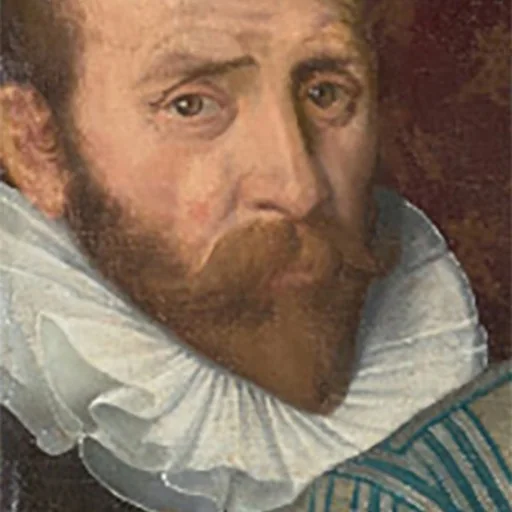
Frans Pourbus the Younger or Frans Pourbus (II) (Antwerp, 1569 – Paris, 1622) was a Flemish painter, specialised in portrait painting.

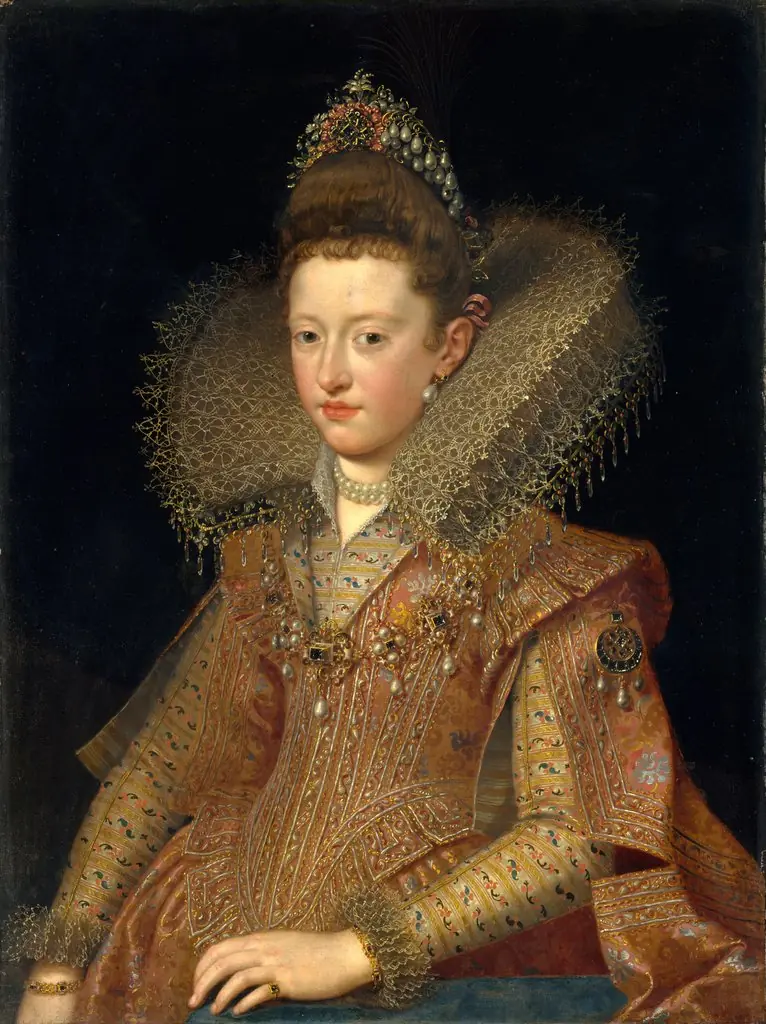
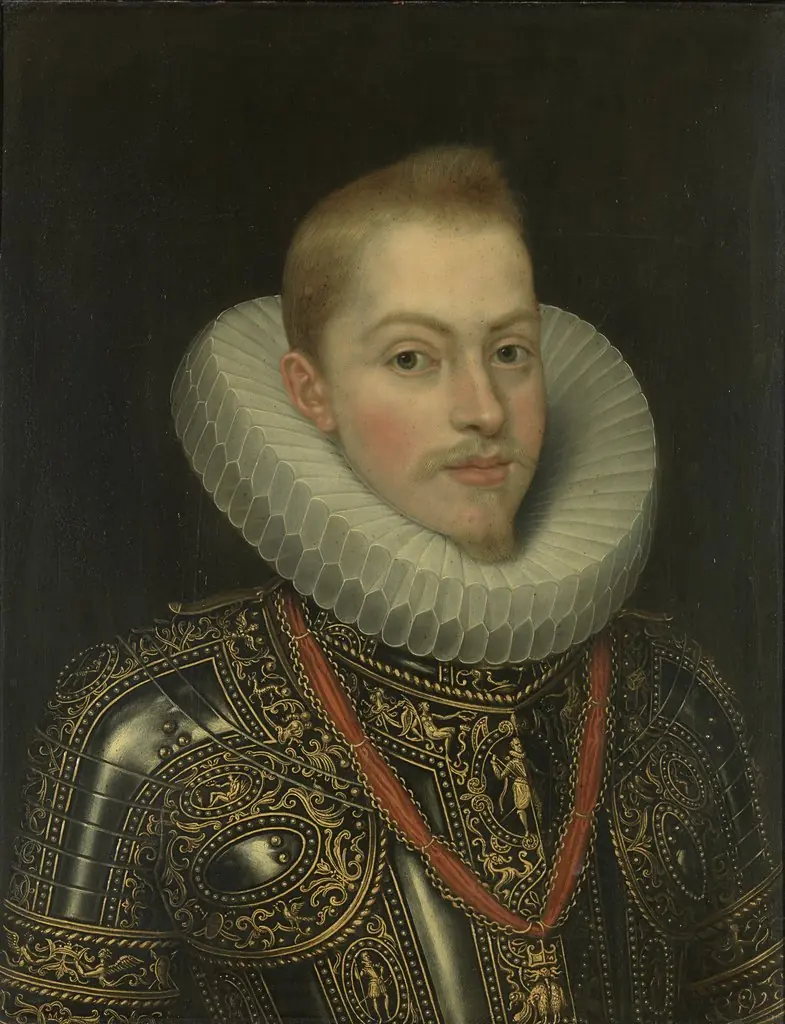
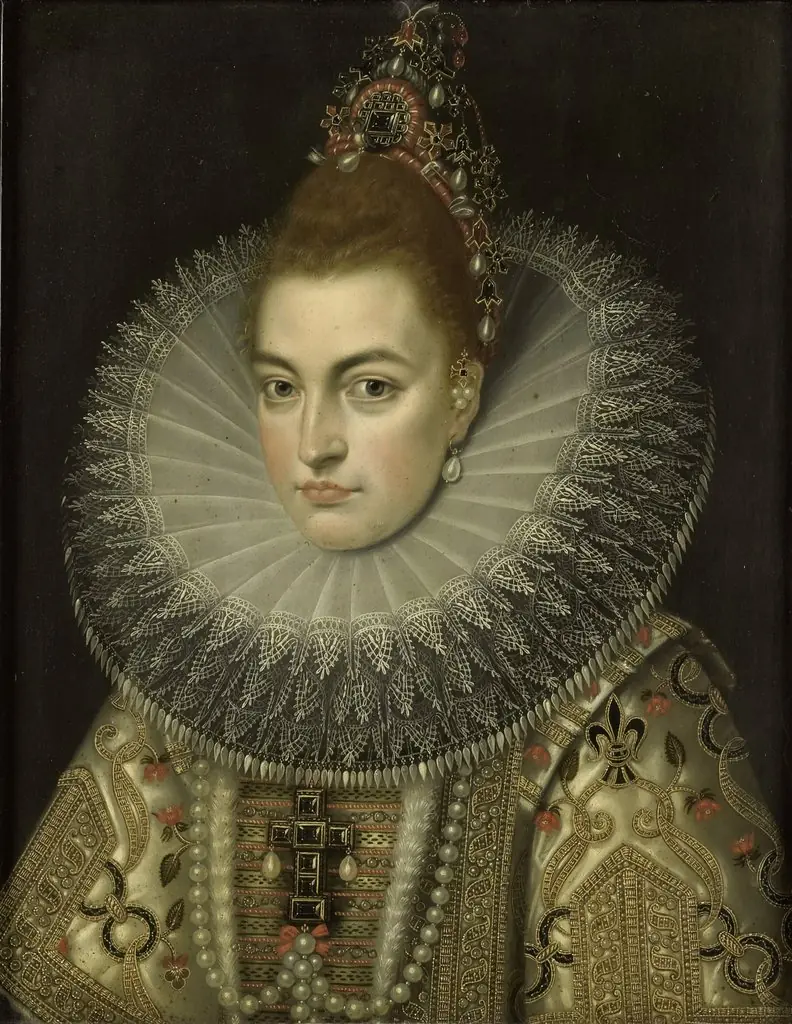
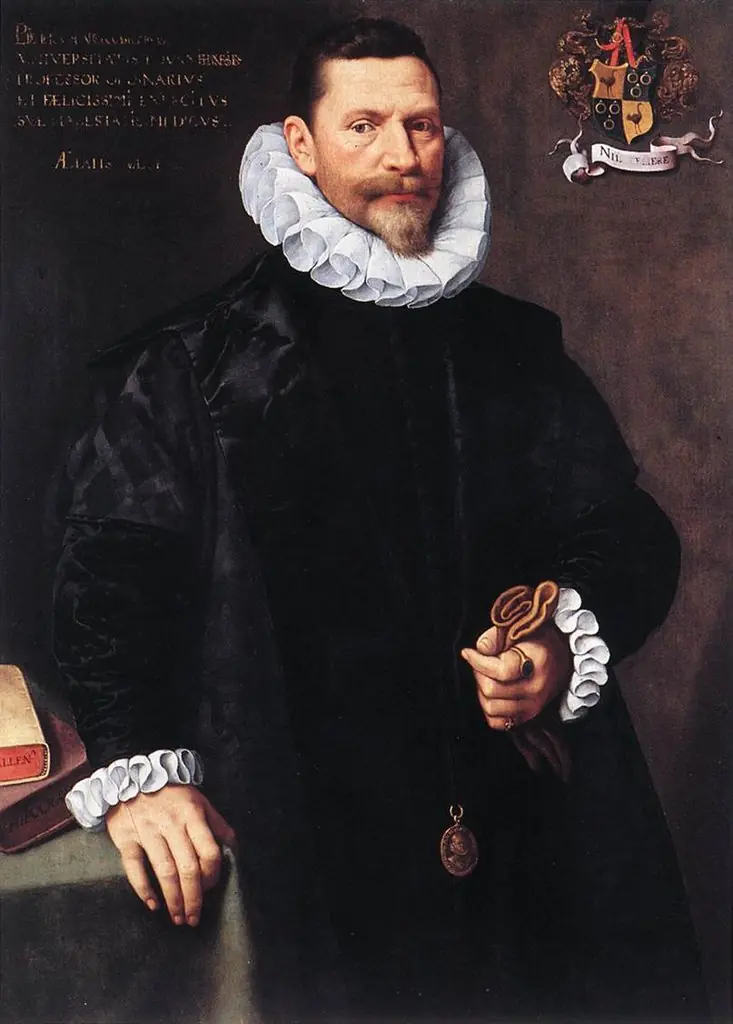
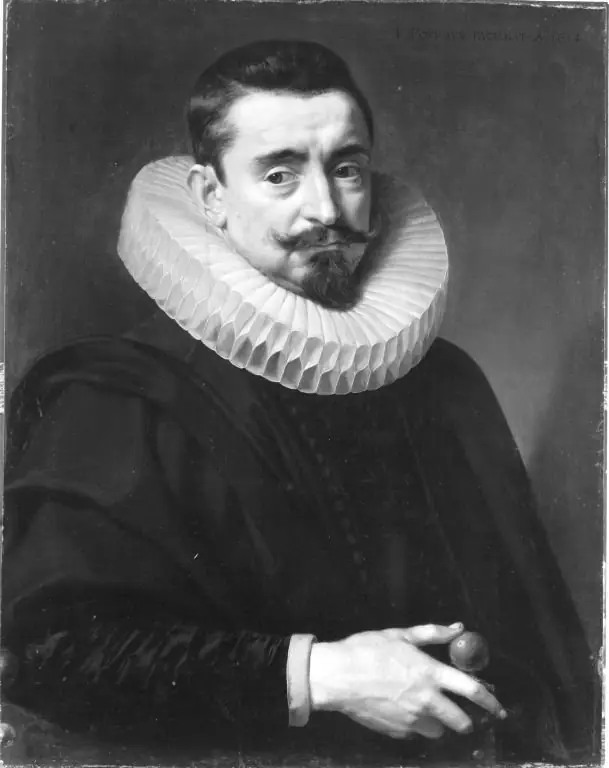
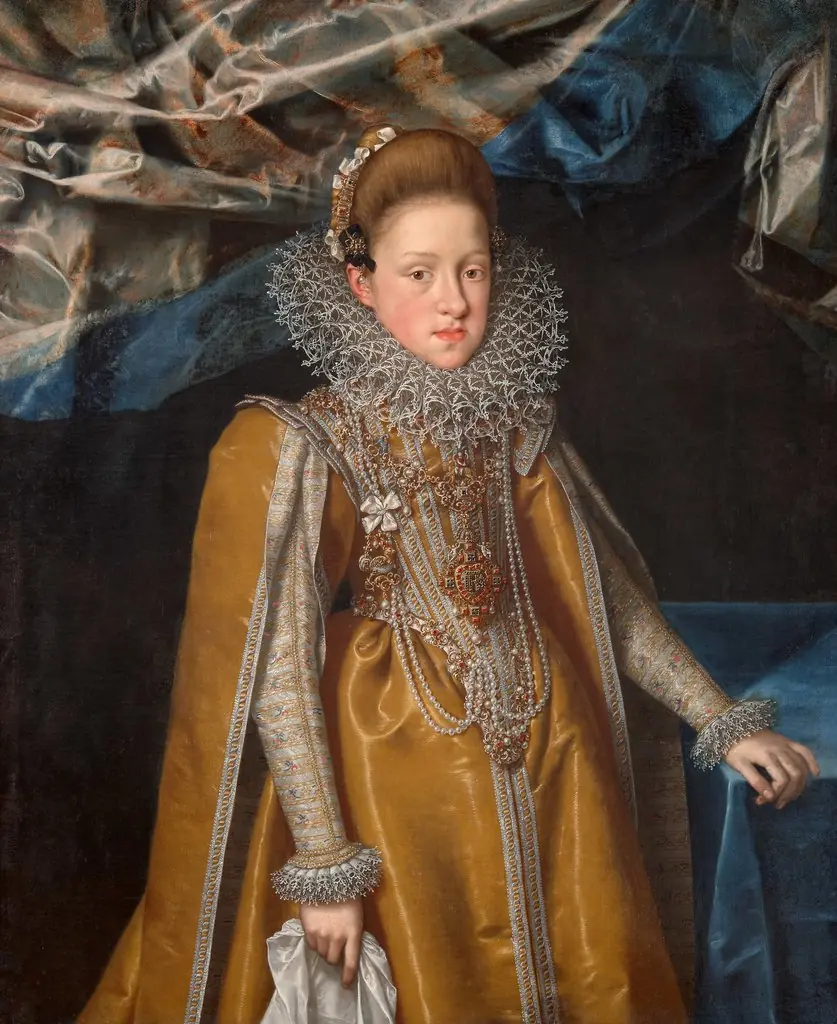 Archduchess Maria Magdalena of Austria
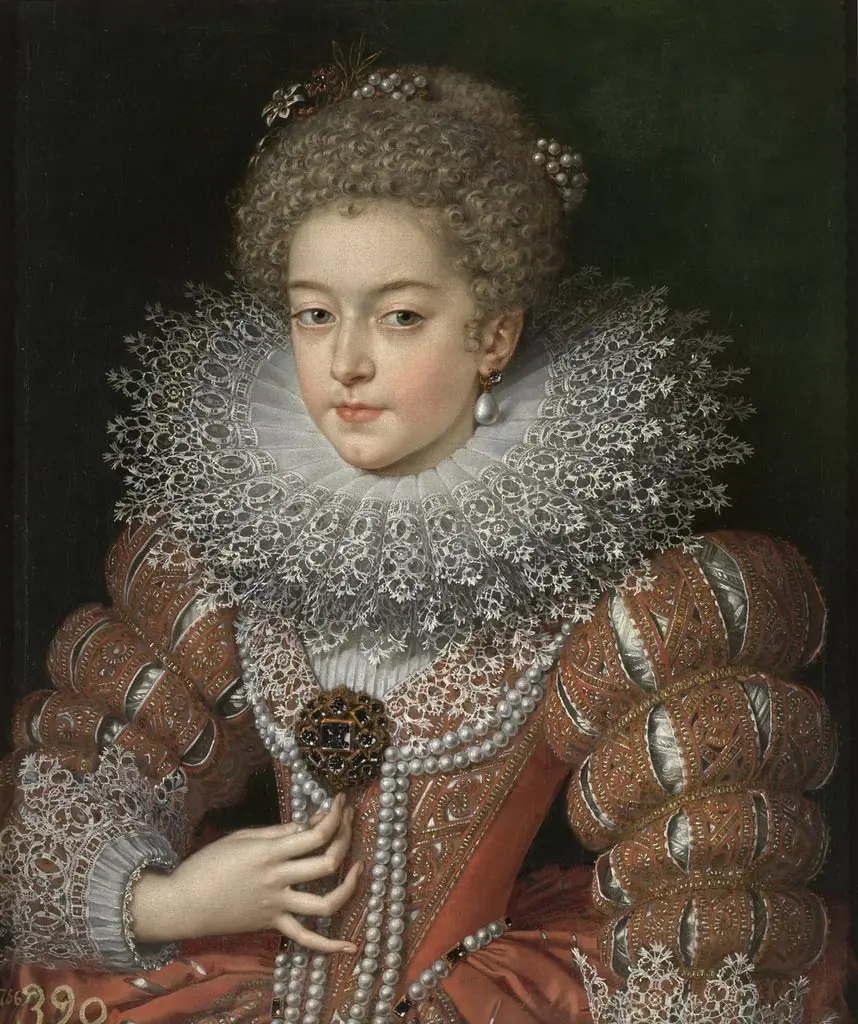
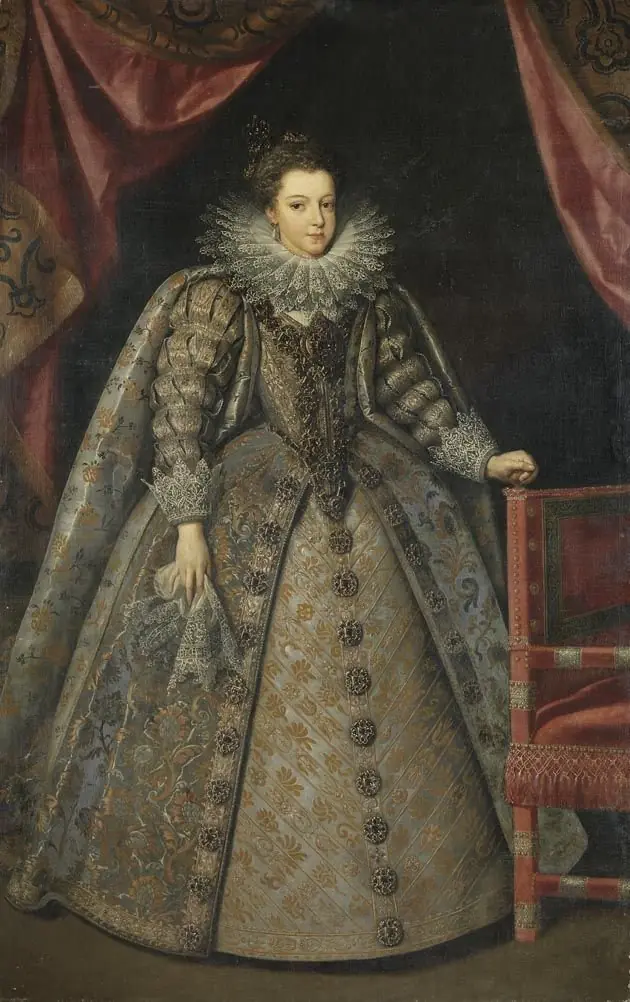 Elisabeth von Bourbon (1602-1644)
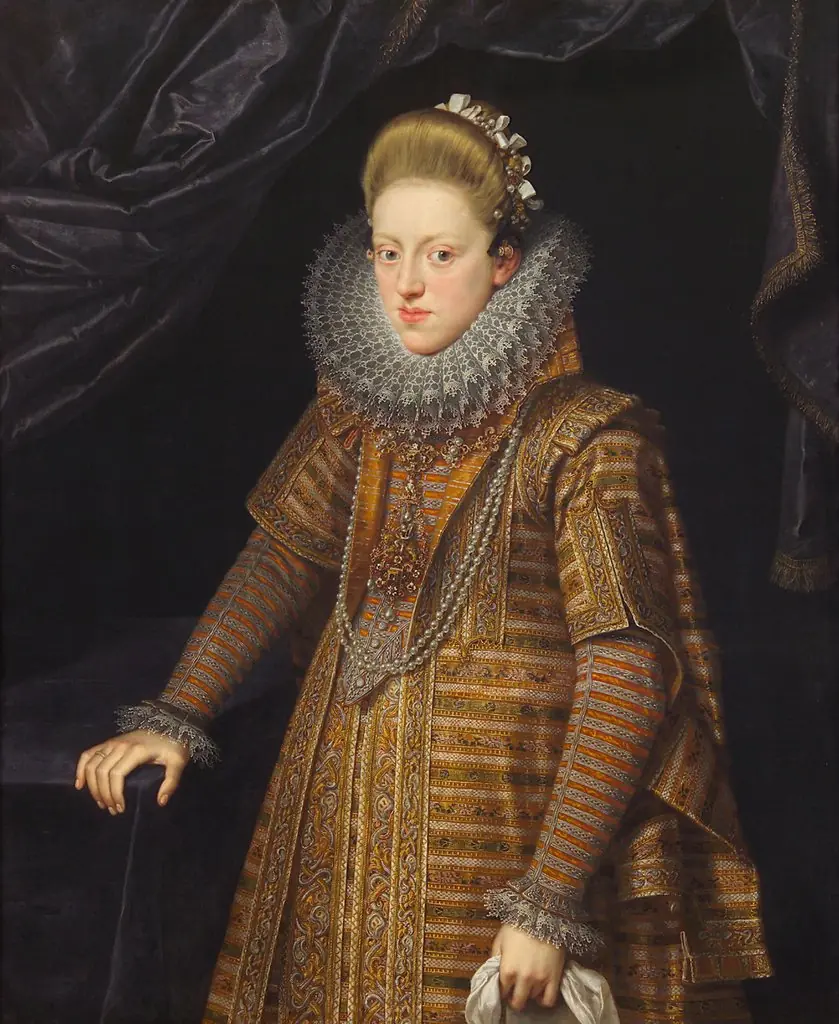
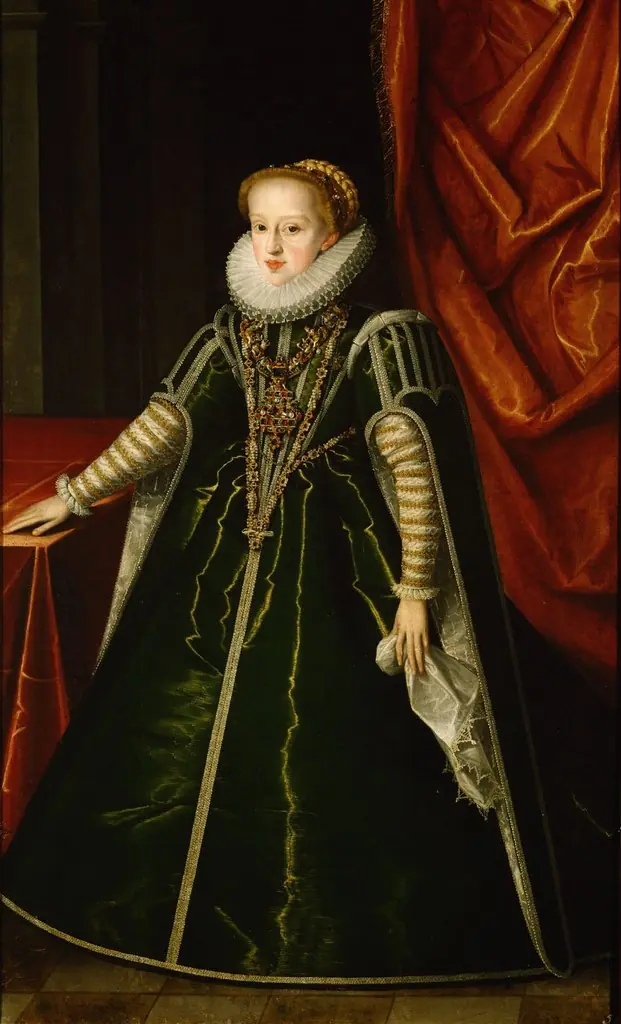 Erzherzogin Gregoria Maximiliane (1581-1597), Tochter von Karl II. von Innerösterreich, im Alter von 11 bis 12 Jahren in ganzer Figur
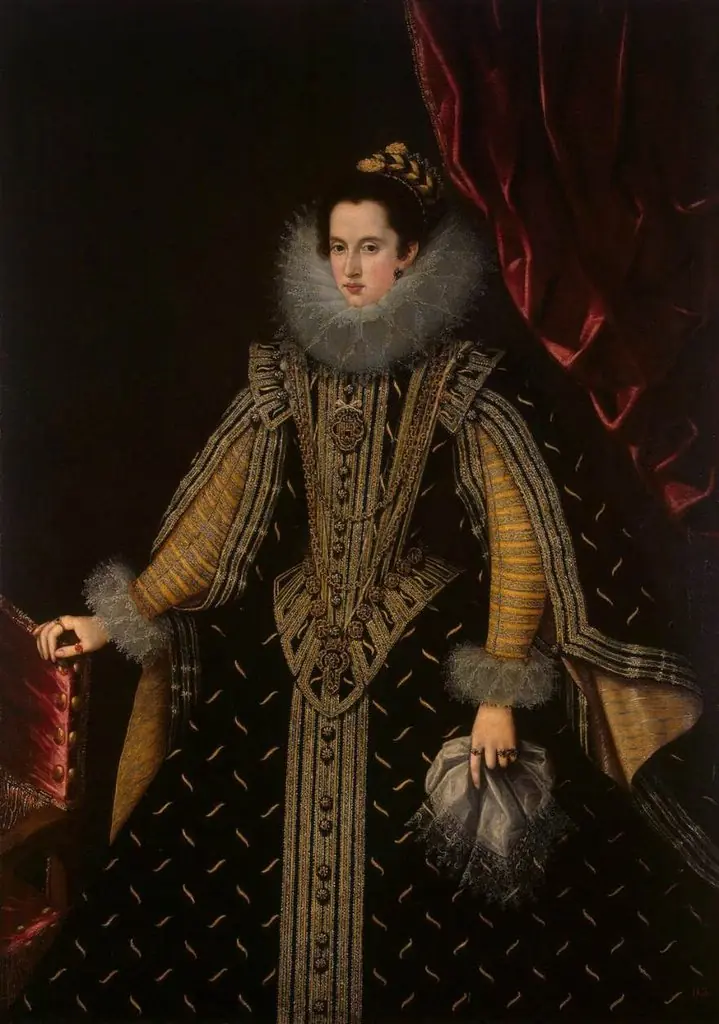 Portrait of Margarita Aldobrandini, Duchess of Parma
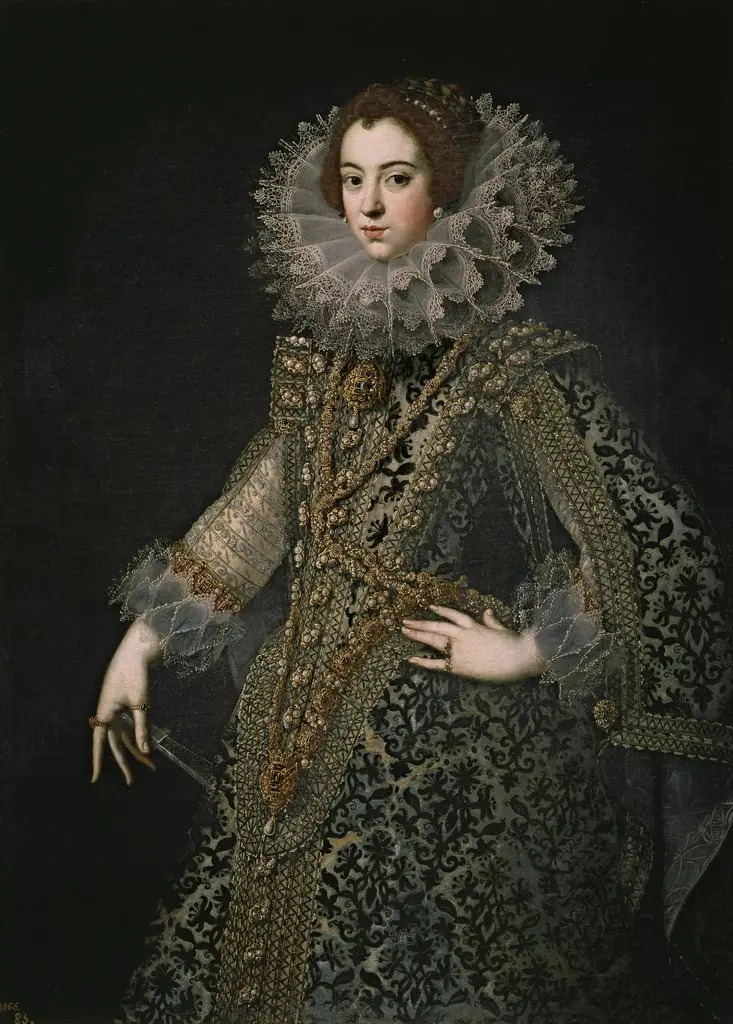 Portrait of Elisabeth of Bourbon, Queen of Spain
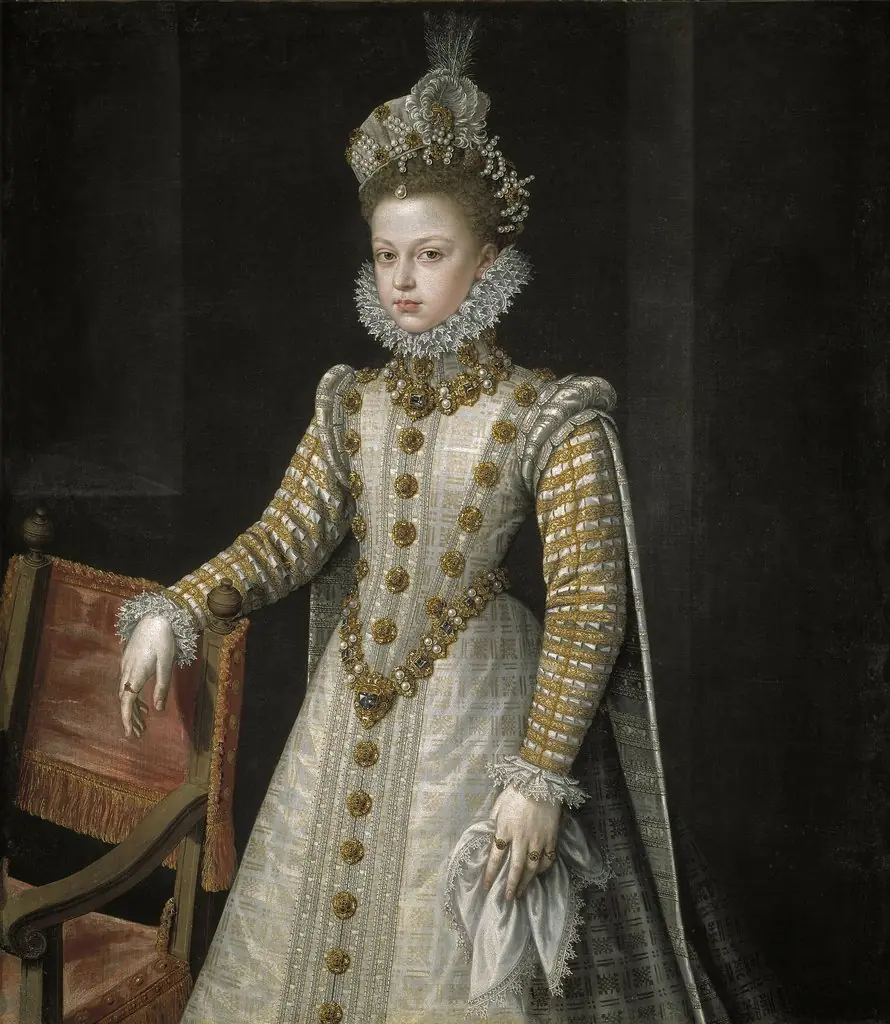 Infanta Isabel Clara Eugenia
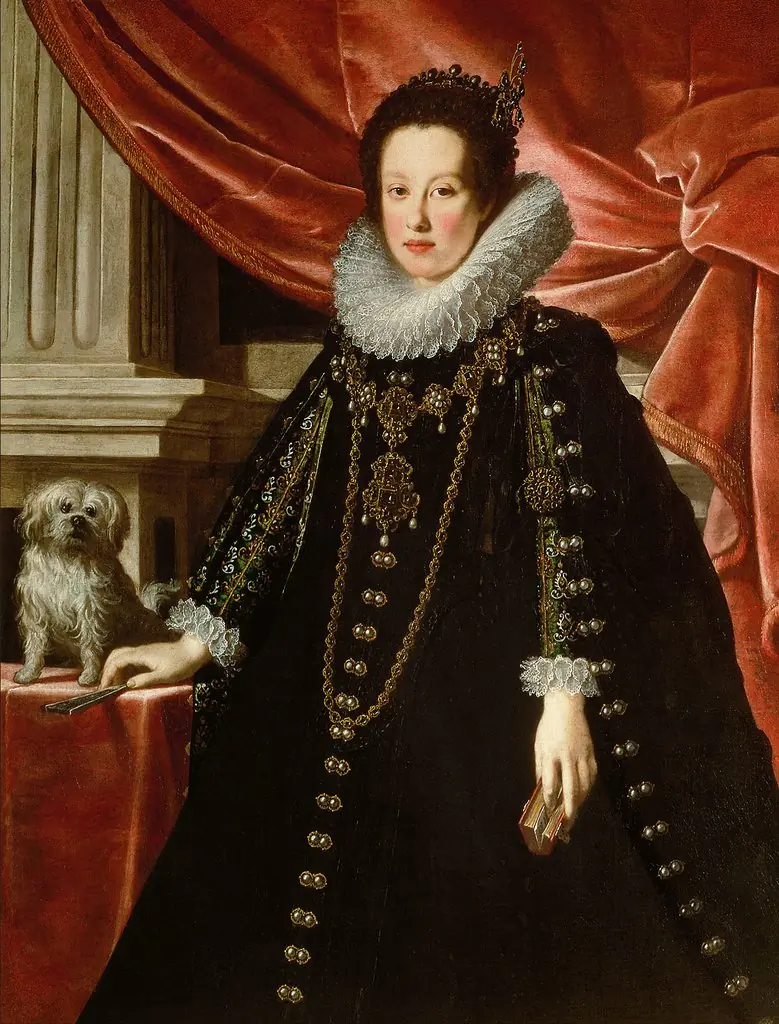 Portrait of Anna de' Medici (1616-1676), Archduchess with her Lapdog
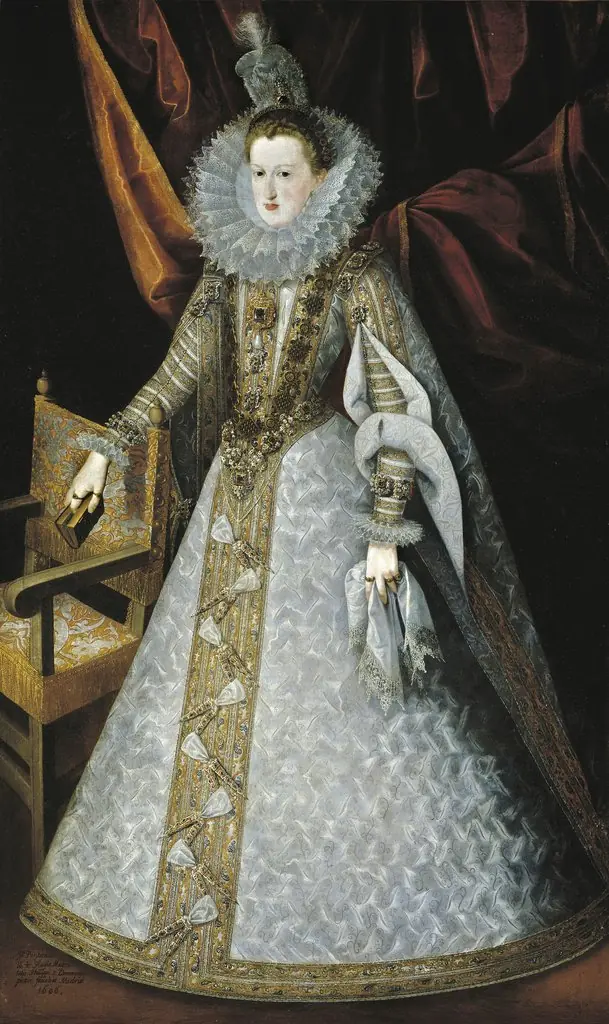
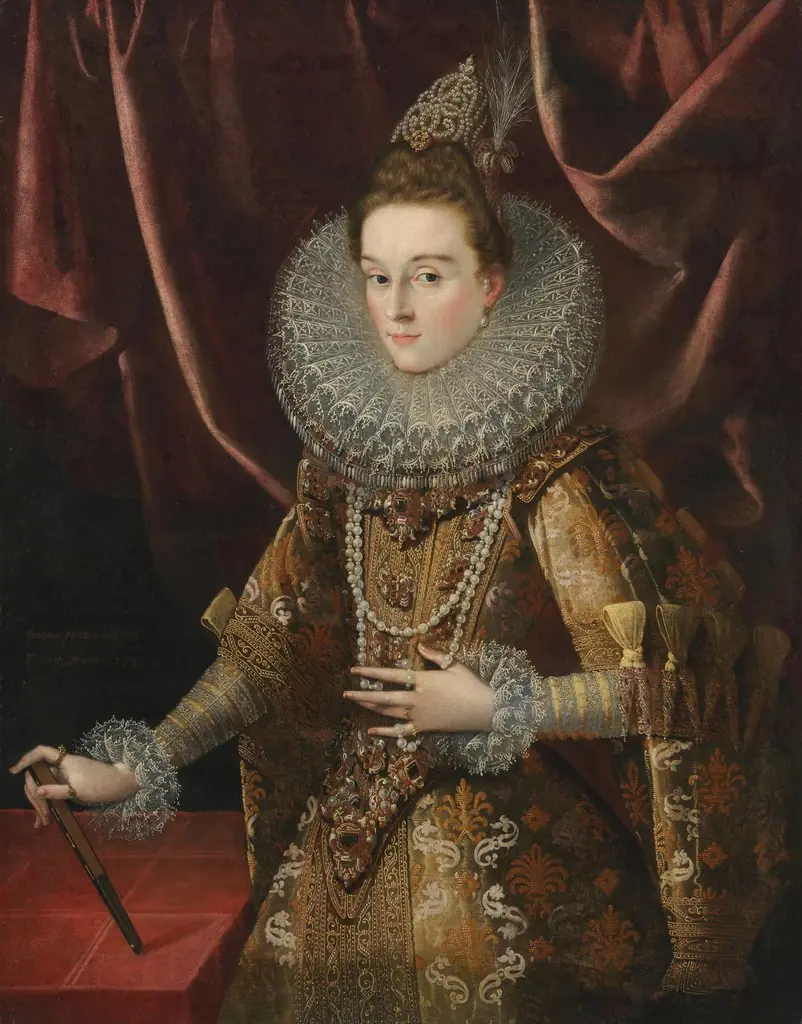 Isabella Clara Eugenia by Juan Pantoja de la Cruz