Artwork
The Birth of Christianity
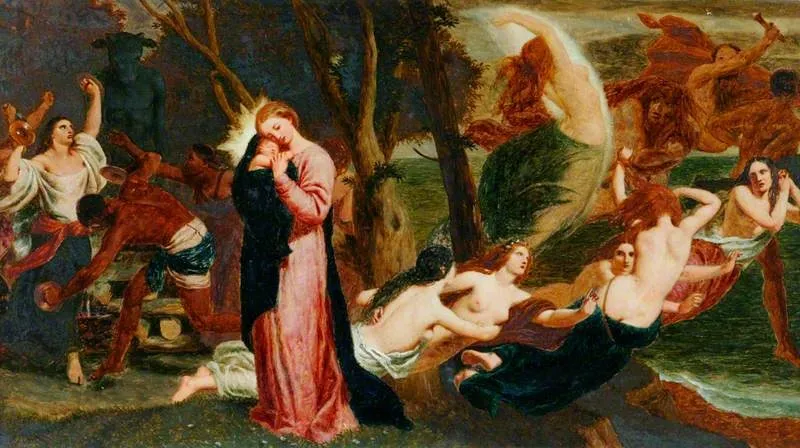
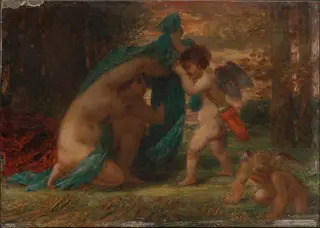
The Birth of Christianity is an unspecified painting by the Pre-Raphaelite artist Frederick Richard Pickersgill. It dates from 1870 and is held in the collection of the Victoria and Albert Museum.
About this work
Overview
Though not widely known today, Pickersgill was a regular exhibitor at the Royal Academy and developed a narrative style influenced by the Pre-Raphaelites.
Painted around 1870 by Frederick Richard Pickersgill, an English artist trained at the Royal Academy Schools, this work reflects his engagement with religious and historical themes. Though not widely known today, Pickersgill was a regular exhibitor at the Royal Academy and developed a narrative style influenced by the Pre-Raphaelites. The painting is now part of the Victoria and Albert Museum’s collection, where it remains as an example of late 19th-century British figurative painting.
Subject & Meaning
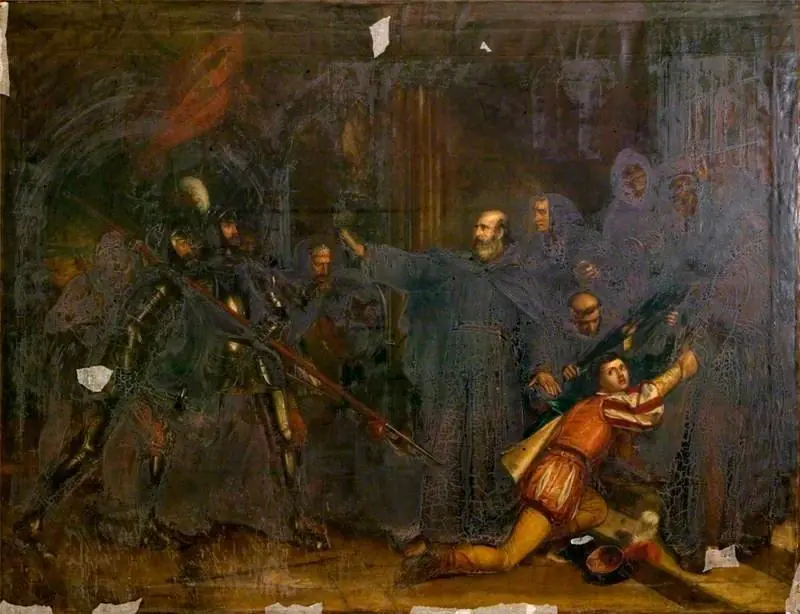
The scene depicts a moment of spiritual emergence amid human suffering, symbolizing the early spread of Christianity. Central figures, a woman holding a child and others in distress, suggest vulnerability and transformation. The chaotic arrangement, with figures emerging from water and shadows, evokes baptismal rebirth and the perilous conditions of early Christian communities. The imagery draws on biblical allegory rather than literal narrative, emphasizing emotional and moral upheaval.
Technique & Style
Pickersgill employs chiaroscuro to heighten dramatic tension, directing attention to the central group against a dark, indistinct background. Figures are rendered with careful attention to anatomy and gesture, showing Pre-Raphaelite influence in their detailed modeling and emotional intensity. The use of partial nudity and dynamic composition reflects a fascination with classical forms, while the muted palette and textured brushwork ground the scene in realism despite its symbolic content.
History & Provenance
Created during the height of Pickersgill’s career, the painting was likely exhibited at the Royal Academy before entering the Victoria and Albert Museum’s collection. Its acquisition by the museum aligns with the institution’s interest in narrative art and Victorian-era religious imagery. No significant record of prior ownership or public display beyond institutional archives exists, suggesting it was not widely circulated or reproduced during the artist’s lifetime.
Context
In the 1870s, British art saw renewed interest in religious subjects as a counterpoint to industrial modernity. Pickersgill’s work fits within a broader trend of artists using historical and biblical themes to explore moral and spiritual questions. The Pre-Raphaelite emphasis on emotional truth and detailed naturalism informed his approach, even as he moved beyond their strict medievalism toward more universal human dramas.
Legacy
Though Pickersgill’s reputation has faded, this painting endures as a quiet example of Victorian religious narrative painting. It reflects the period’s fascination with collective suffering and spiritual awakening, offering insight into how artists interpreted faith through human vulnerability. Its presence in the V&A ensures continued scholarly access, though it remains outside mainstream art historical discourse.
Artist & collection
Artist
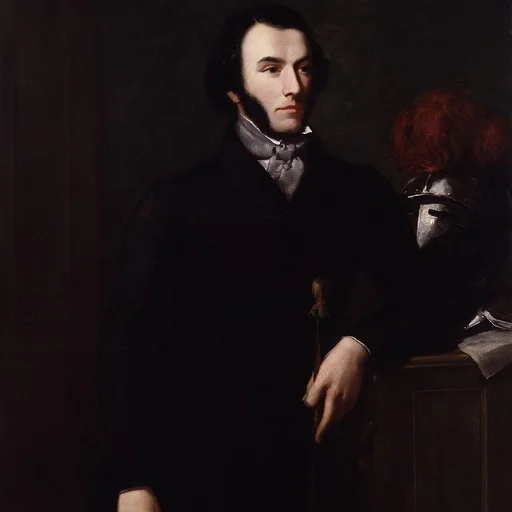
Frederick Richard Pickersgill (25 September 1820 – 20 December 1900) was an English painter and book illustrator.

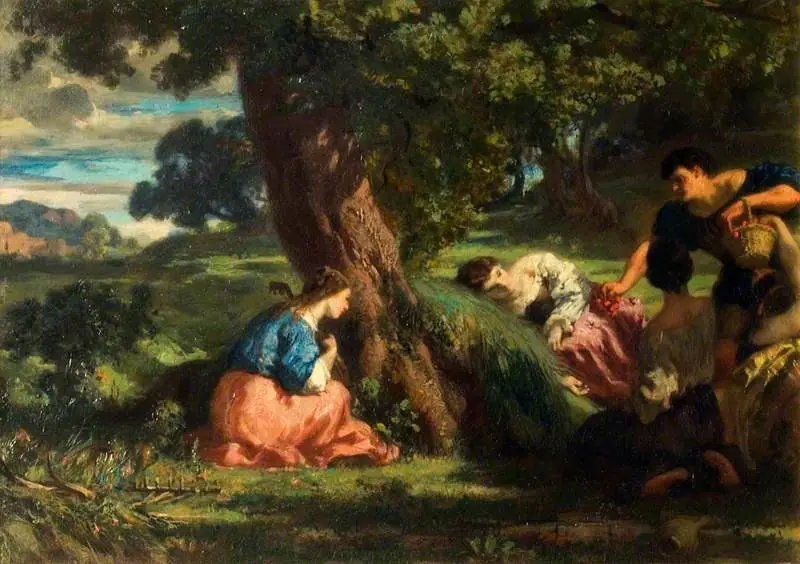 Cherries: A Group of Young Women in a Landscape, One of Them Holding a Basket of Cherries
 Sabrina
 Cherries: a group of young women in a landscape
 Poem of the Soul - The golden stairs
 Almsgiving
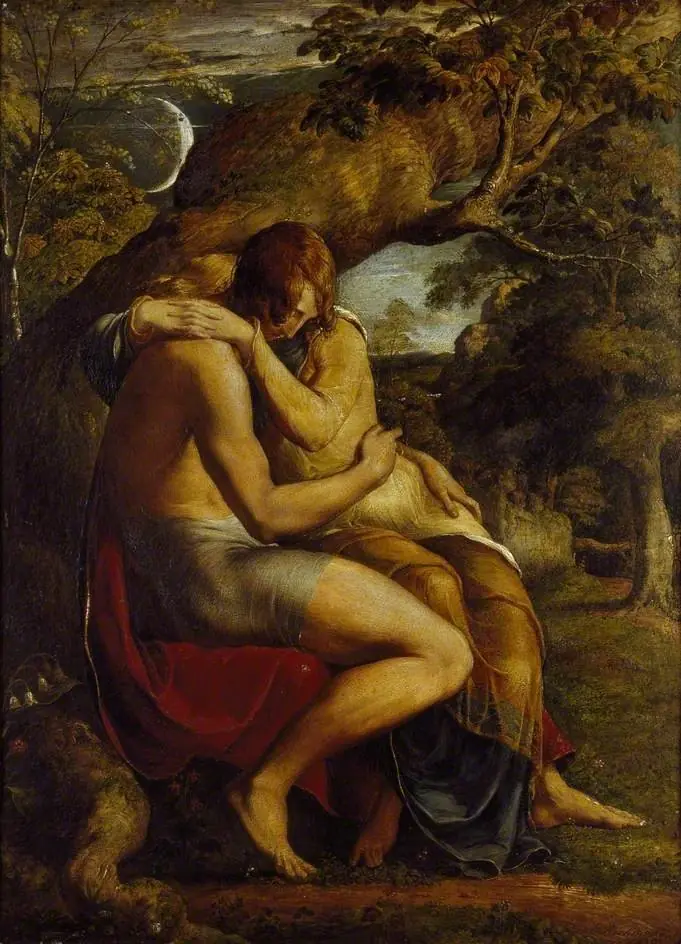 On the Eve of Separation
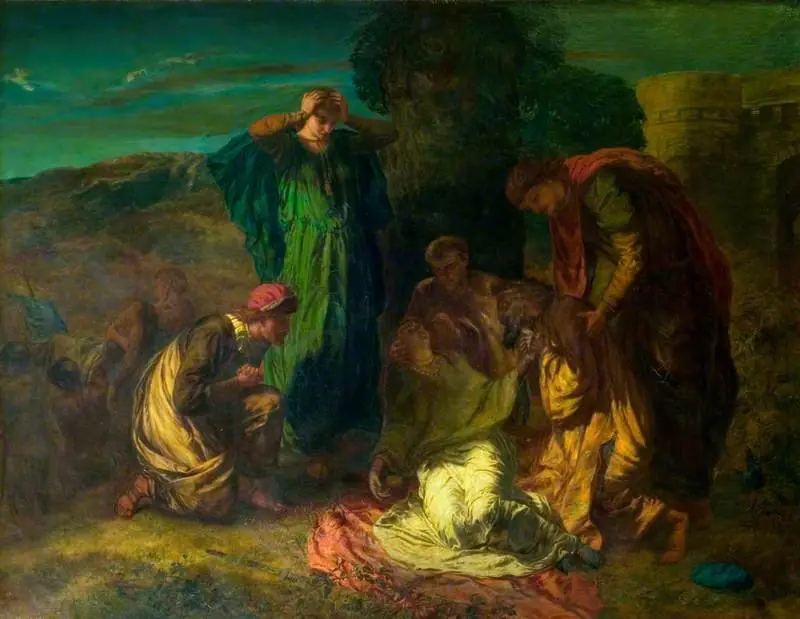 The Death of Cordelia (from William Shakespeare's 'King Lear')
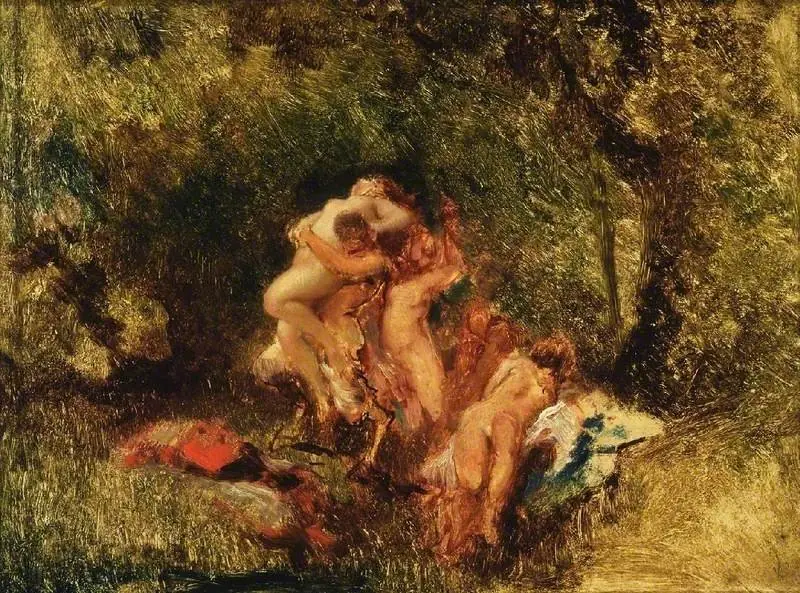 Nymphs et Satyres
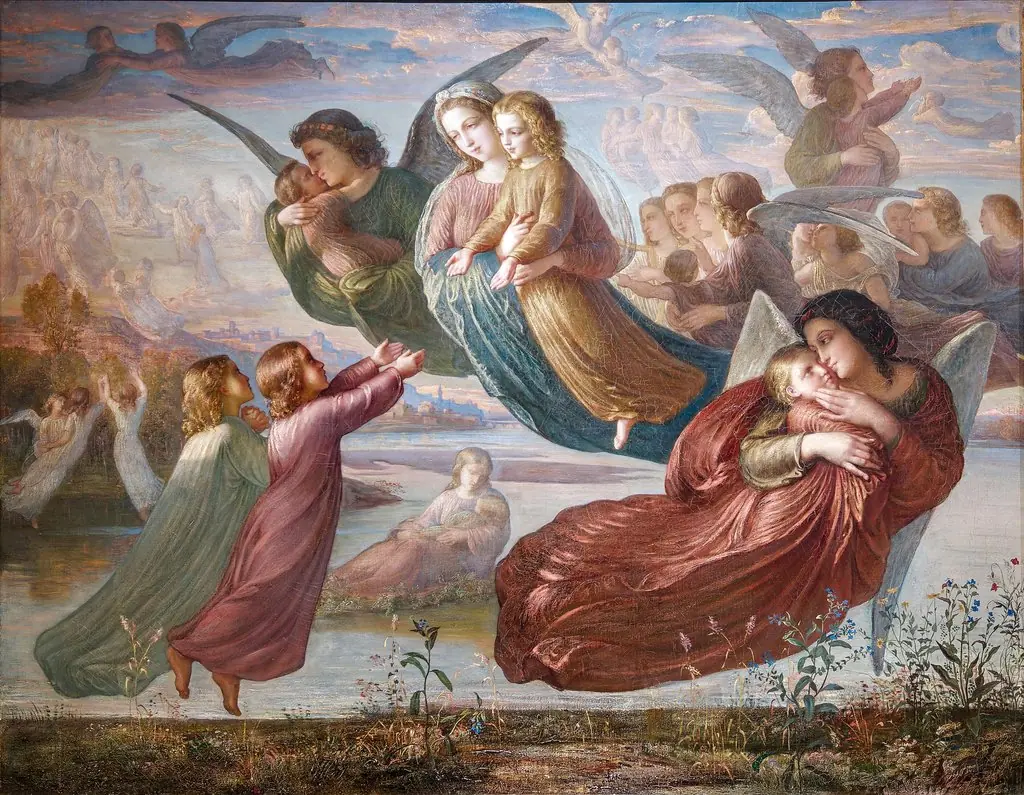 Poem of the Soul - Memories of the sky
 Classical Scene
 The Education of the Virgin
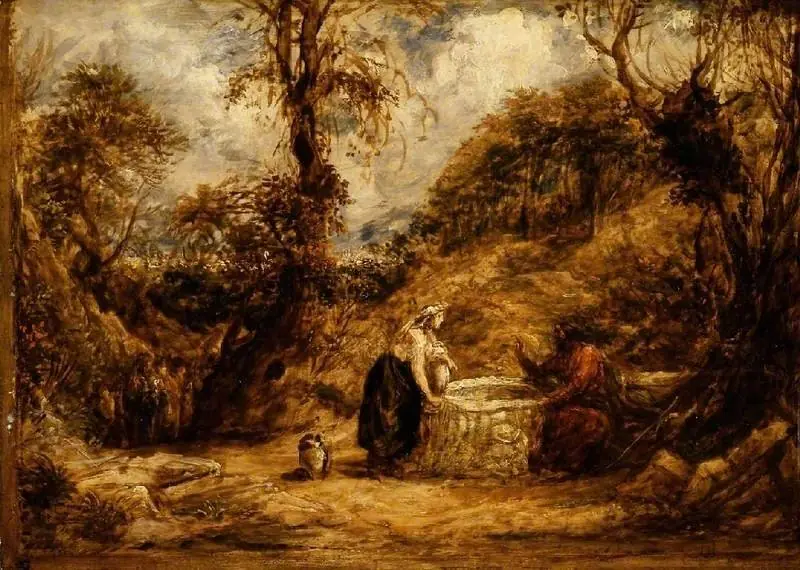
- Christ and the woman of Samaria at Jacob's well