Artwork
Portrait of a Man
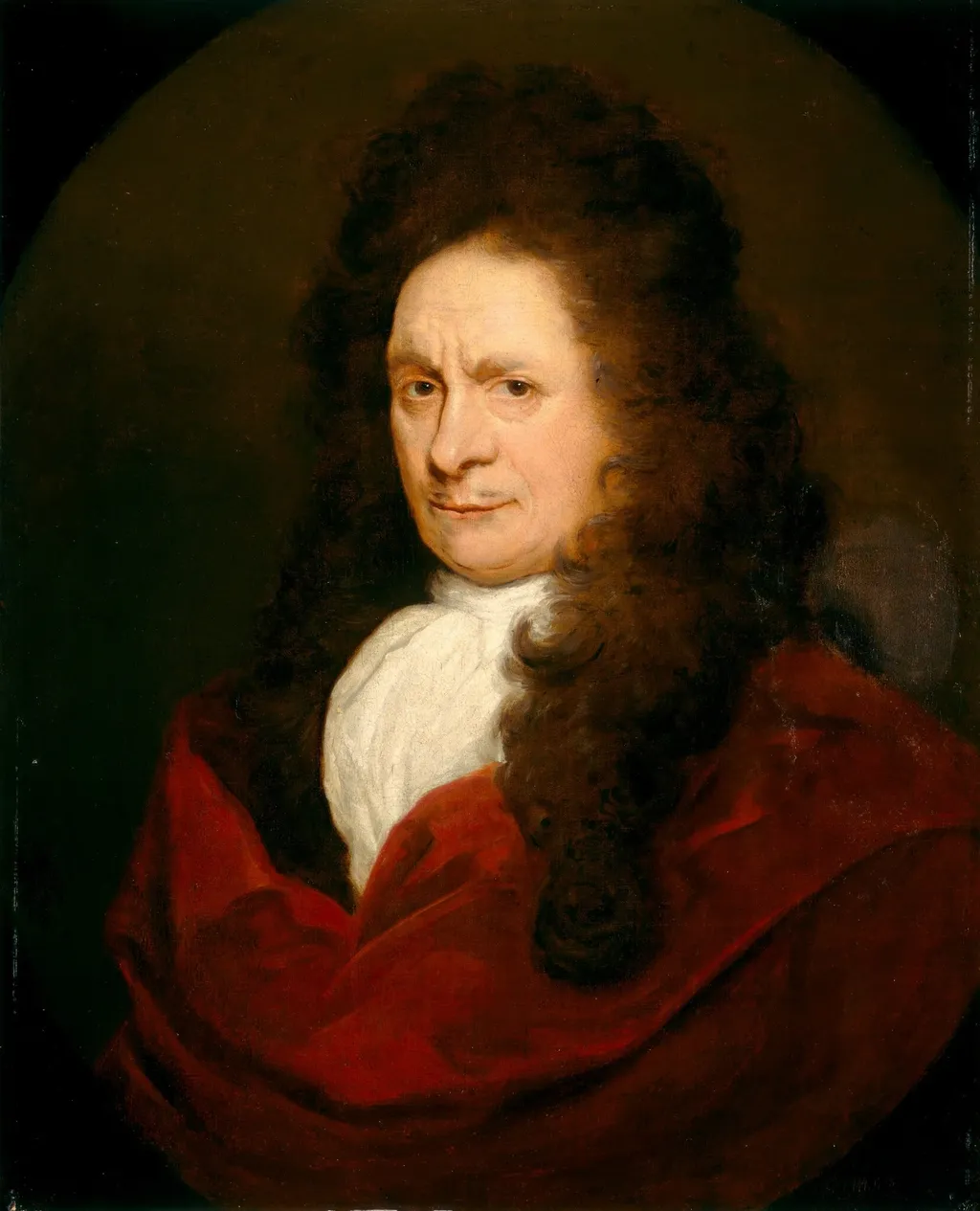
Portrait of a Man is an oil painting. It dates from 1650 and is held in the collection of the National Gallery of Art. This oil on canvas presents a male sitter in a formal, seated pose, characteristic of 17th-century portraiture.
- Inscription
- Inscribed:Formerly bore false signature center right: Oloff Stevense / [...] cortlandt / HC4
About this work
A man sits in a formal pose, dressed in the fashion of his day, his expression serious and calm. The artist paid close attention to his face and hands. Portraits like this were popular in the 17th century, often made to mark a sitter's status or profession.
Technique & Style
The painting's formal appearance follows the conventions of 17th-century portraiture, rendered in a naturalistic style typical of the period.
The work is an oil painting executed on canvas, circa 1650, attributed to Hendrick Couturier. The support is a canvas substrate, with the image built up in oil paint, measuring approximately 72.4 cm in height by 58.4 cm in width. It portrays a man, fitting the portrait genre.
The painting's formal appearance follows the conventions of 17th-century portraiture, rendered in a naturalistic style typical of the period.
History & Provenance
Created circa 1650 and attributed to Hendrick Couturier, the oil-on-canvas portrait depicts a man. The work's documented ownership chain begins with Rose M. De Forest, from whom it was sold on April 20, 1925, to Thomas B. Clarke of New York. Following Clarke's death in 1931, his heirs sold the painting through M. Knoedler & Co. on January 29, 1936, to the A. W. Mellon Educational and Charitable Trust in Pittsburgh.
The Trust subsequently gifted the artwork to the National Gallery of Art in Washington, D.C., in 1947 (accession 1947.17.34), where it remains part of the Andrew W. Mellon collection. The work was shown in the 1928 Clarke exhibition catalogue.
Legacy
Portrait of a Man, painted circa 1650 and attributed to Hendrick Couturier, entered the United States through the collection of Thomas B. Clarke and was later acquired by the National Gallery of Art in 1947 via the Mellon Trust. Its inclusion in the 1928 Clarke exhibition catalogue highlighted early American interest in European portraiture. As part of the Andrew W. Mellon collection, the work has been displayed in the Gallery's permanent collection and referenced in scholarly discussions of 17th-century portraiture.
Overview
This oil on canvas presents a male sitter in a formal, seated pose, characteristic of 17th-century portraiture. The artist meticulously rendered the details of his face and hands, conveying a serious yet composed demeanor. Such works were prevalent during the period, often serving to articulate the subject's social standing or professional role within society.
Subject & Meaning
The individual depicted wears attire typical of the era, adopting a formal posture. His expression is one of quiet solemnity, reflecting a common approach in 17th-century portraiture. These artworks frequently aimed to communicate more than just a likeness, often subtly indicating the sitter's societal position or occupational identity through their presentation and demeanor.
Context
Formal portraits gained significant popularity throughout the 17th century across Europe. Beyond mere representation, these paintings functioned as important social documents, enabling individuals to publicly assert their status, profession, or lineage. This widespread practice highlights the era's emphasis on personal and familial legacy, captured through the enduring medium of oil painting.
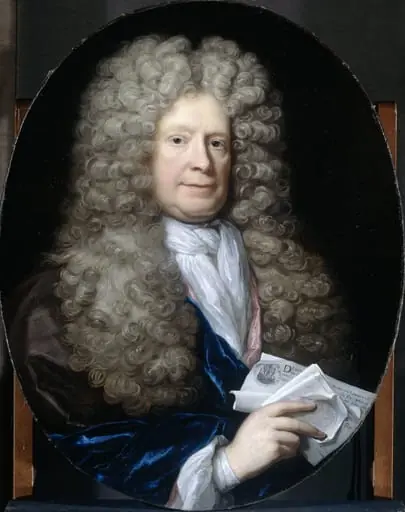
Artist & collection

- Untitled
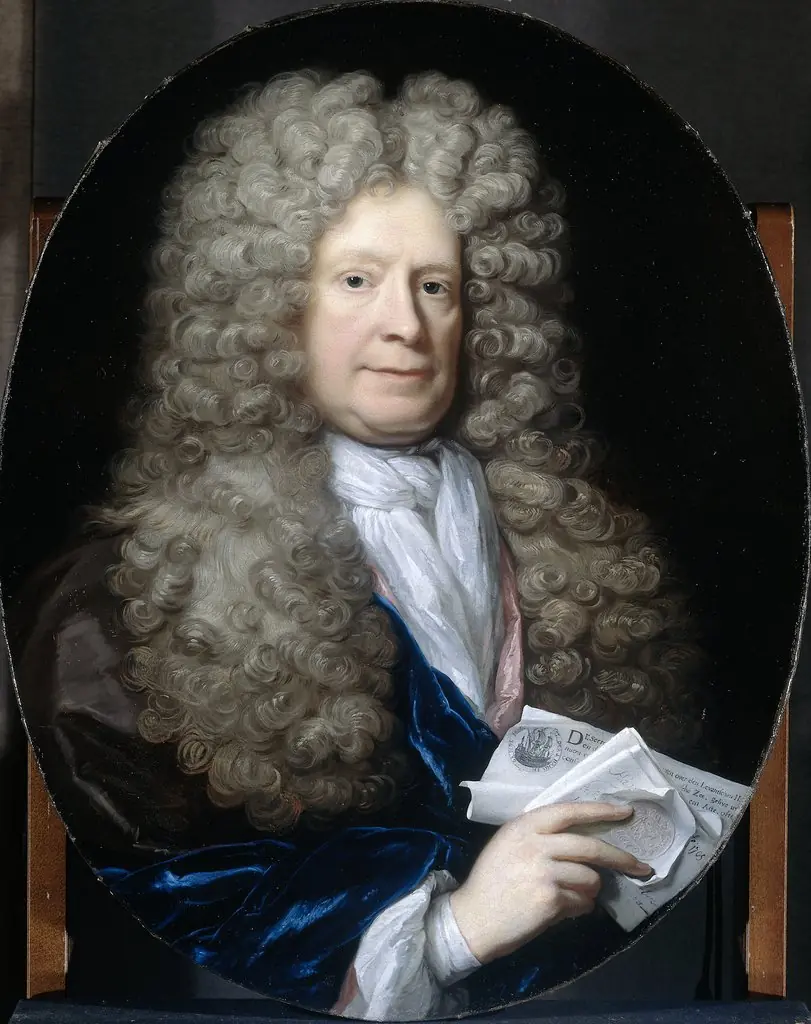 Portrait of Pieter van de Poel
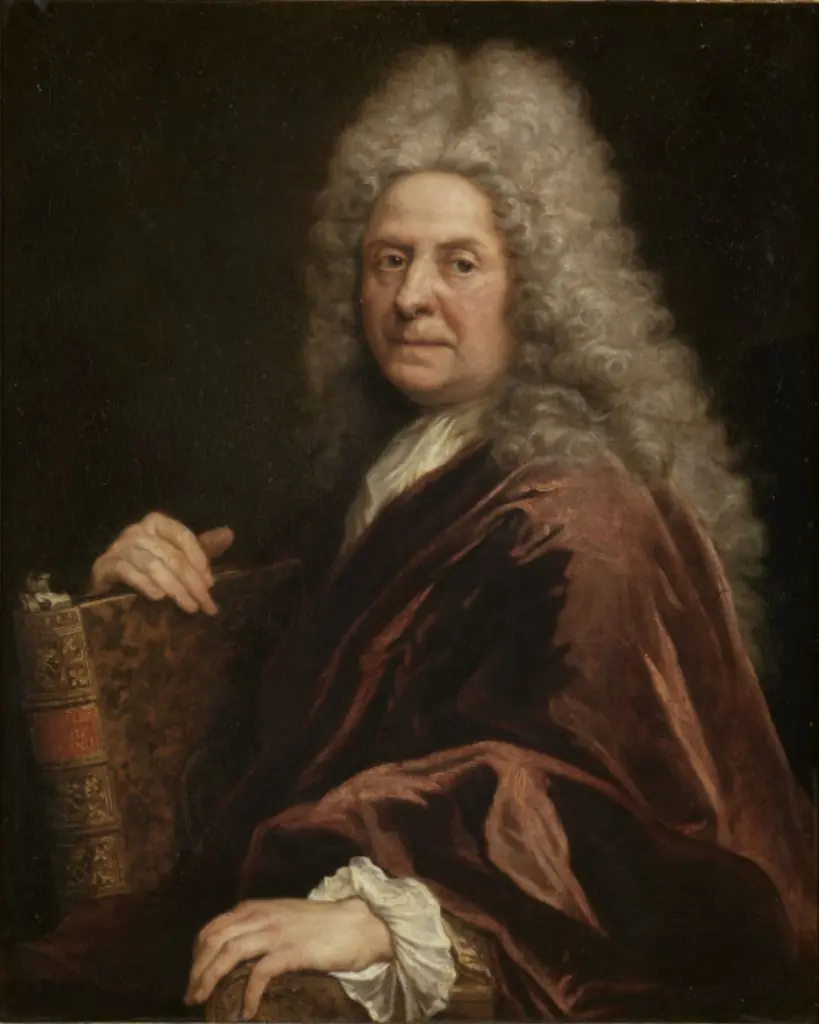 Self portrait of Antoine Coypel, Ecuyer Premier Peintre du Roy (1661-1722)
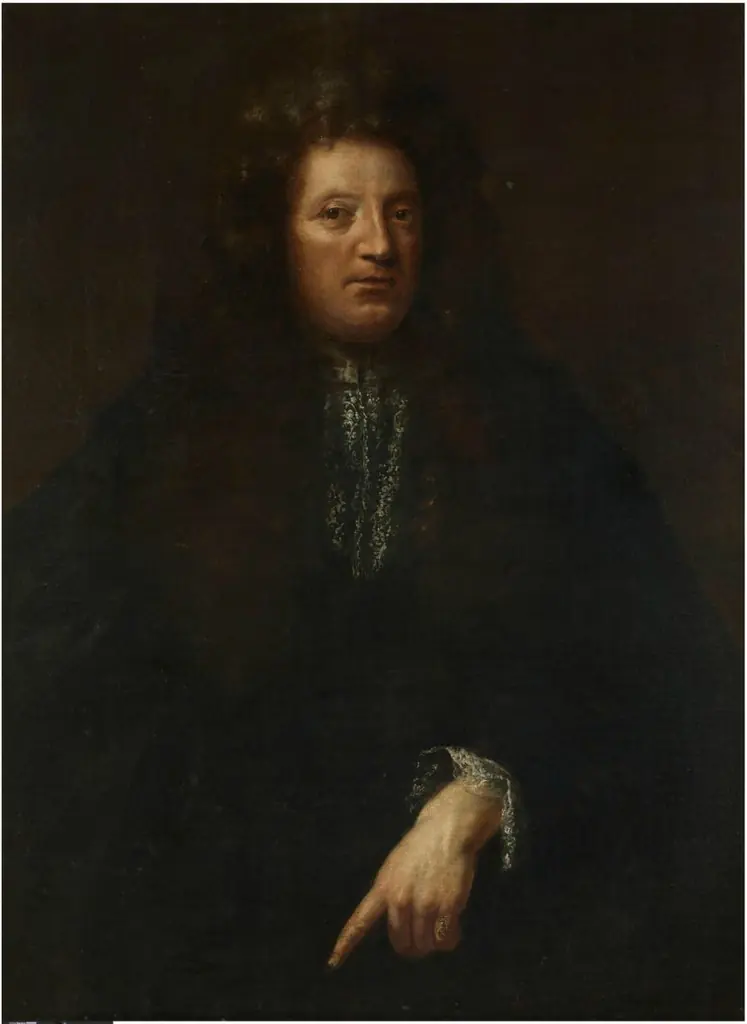 Jan Karel Nicolaas van Hove, Dean of the Guild of Saint Luke
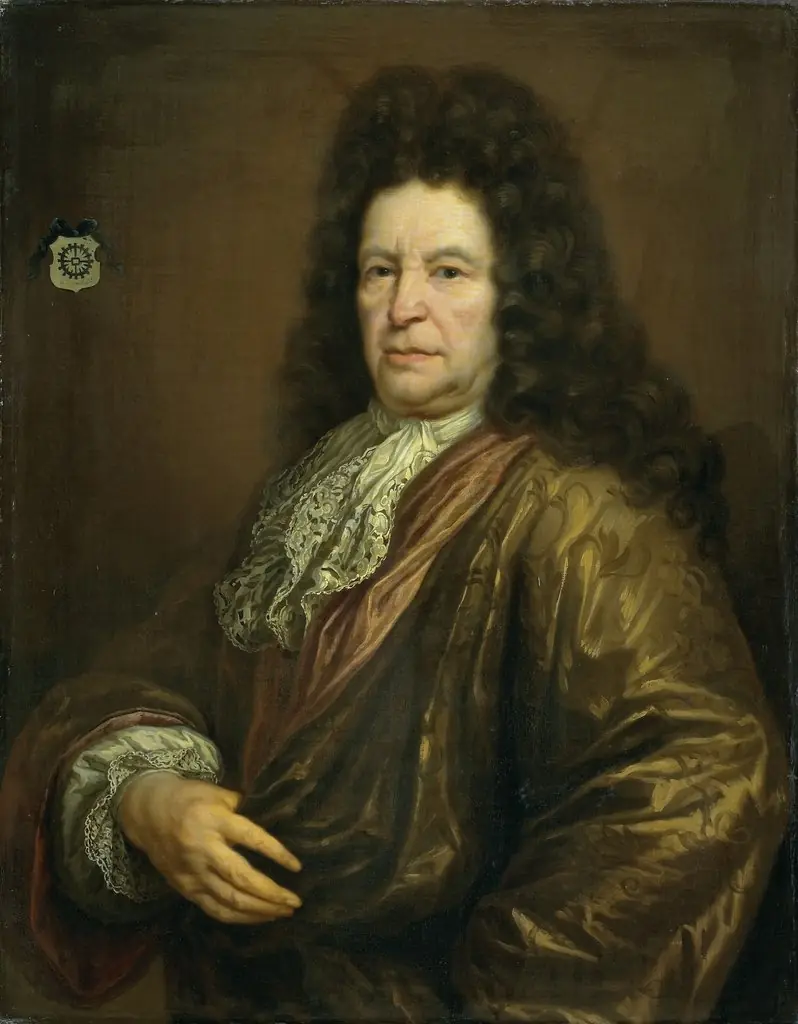 Portrait of Diederik van Hogendorp, Lord of Cromstrijen, Councilor and Steward of the Domains of Stadtholder King William III
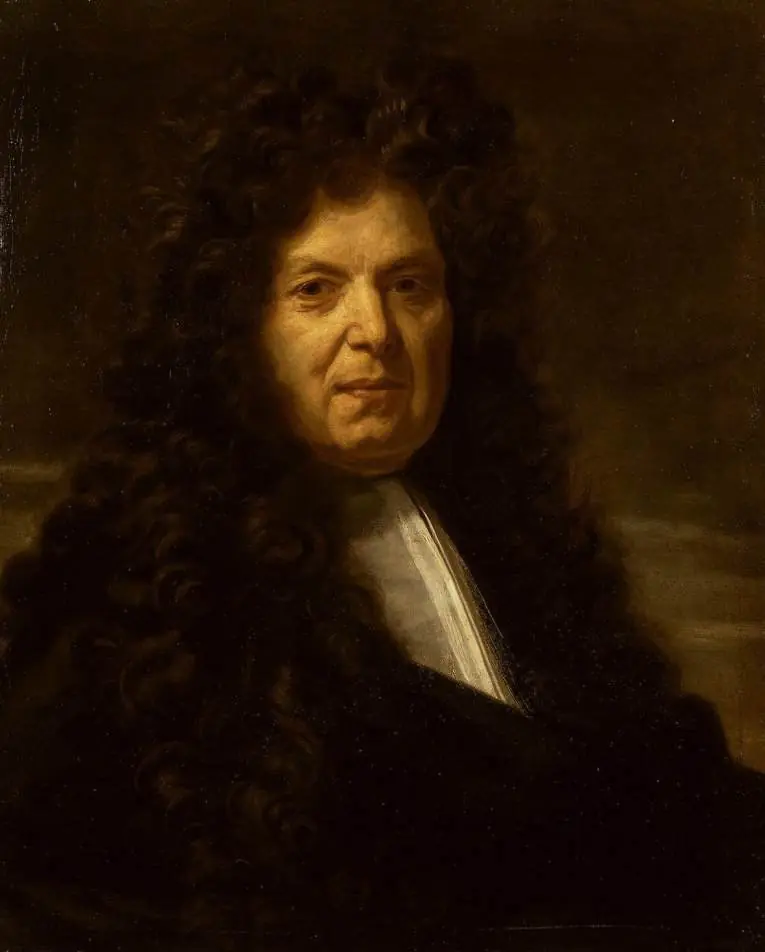 Portrait of an Unknown Man
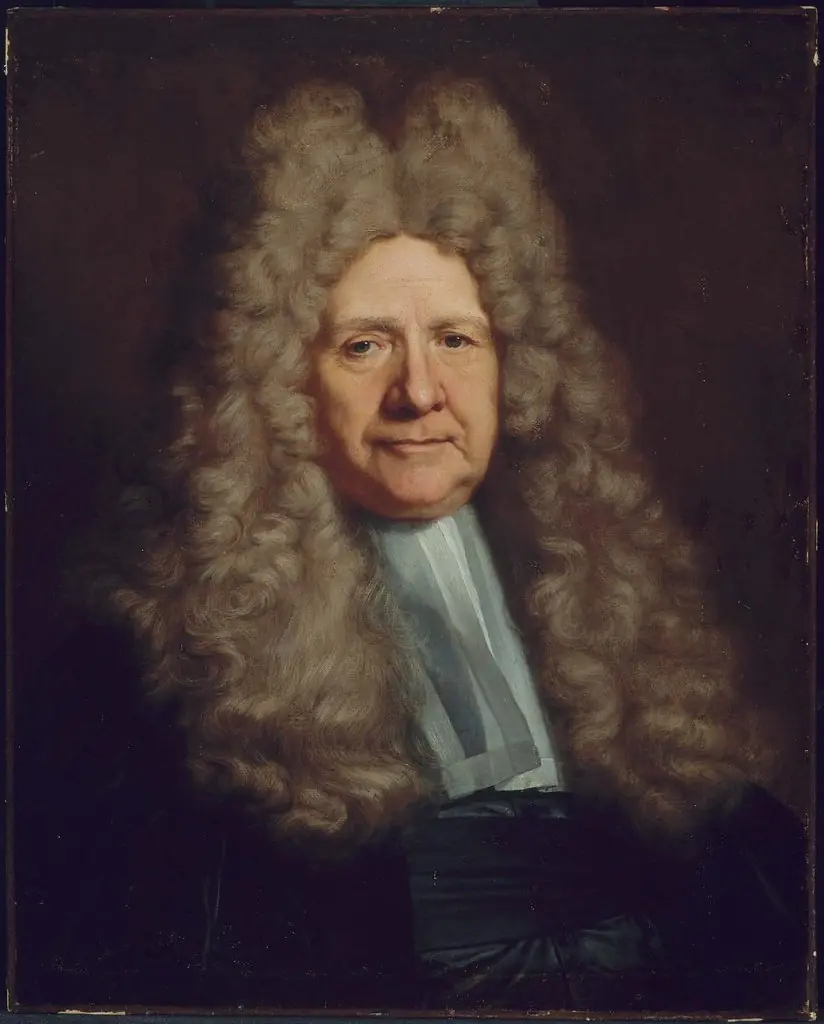 A Magistrate
 Vicontele d' Argesson
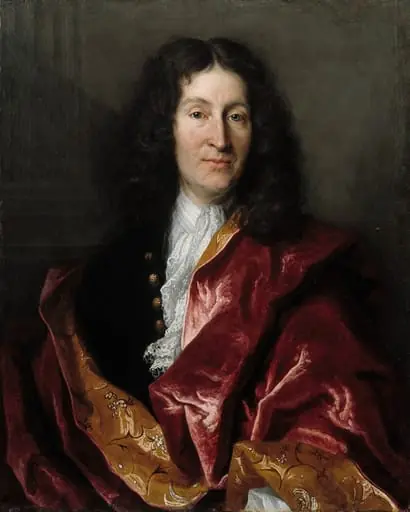 Jean de La Fontaine (?)
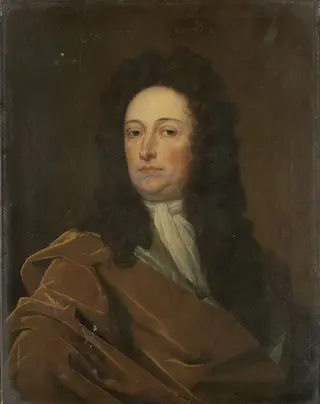 Aernout van Citters (1633-96), Ambassador of the Dutch Republic in London
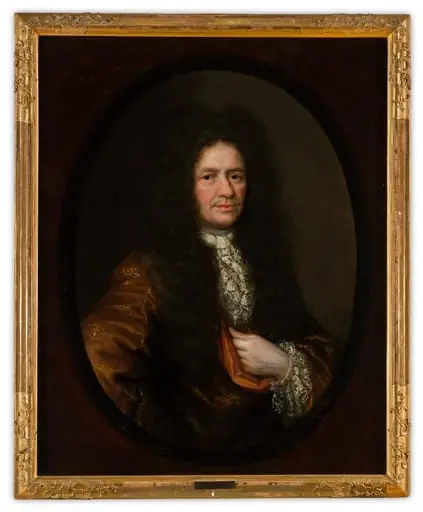 Hovioikeuden varapresidentti Henrik Georg Falkenberg af Bålby
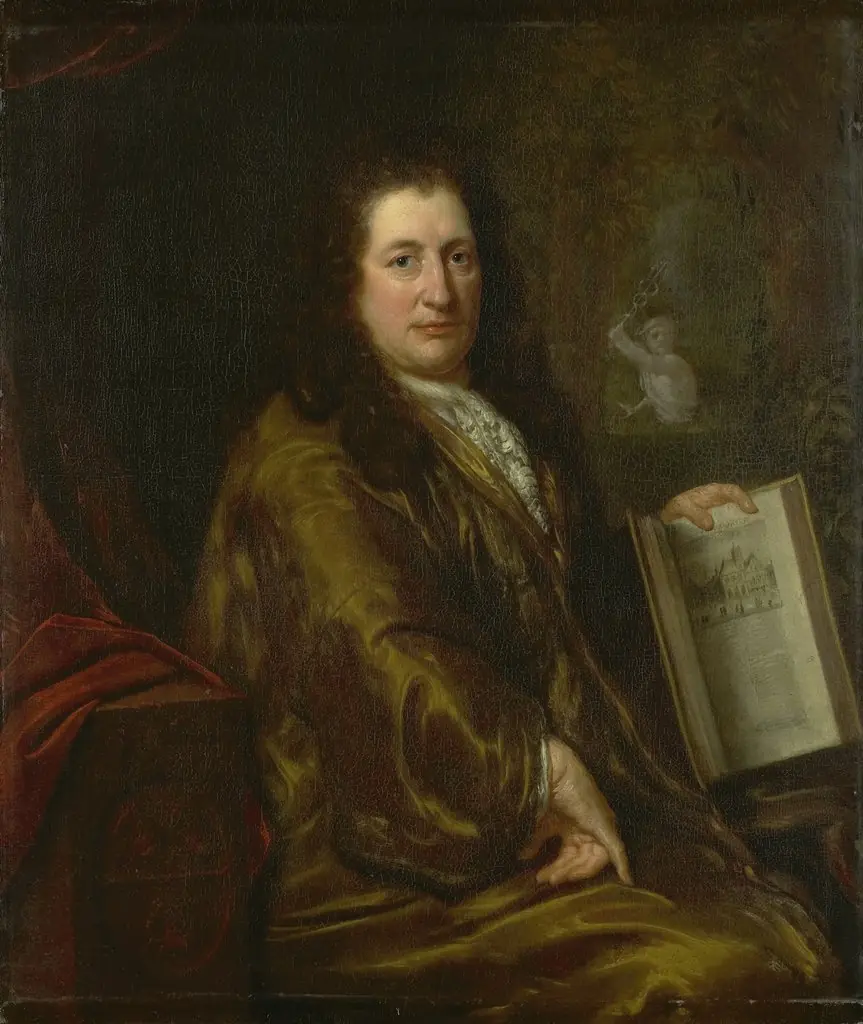 Portrait of Caspar Commelin, bookseller, newspaper publisher and author of the official history of Amsterdam 'Beschrijvinghe van Amsterdam'of 1693