Artwork
Lake of the Engstlen Alp
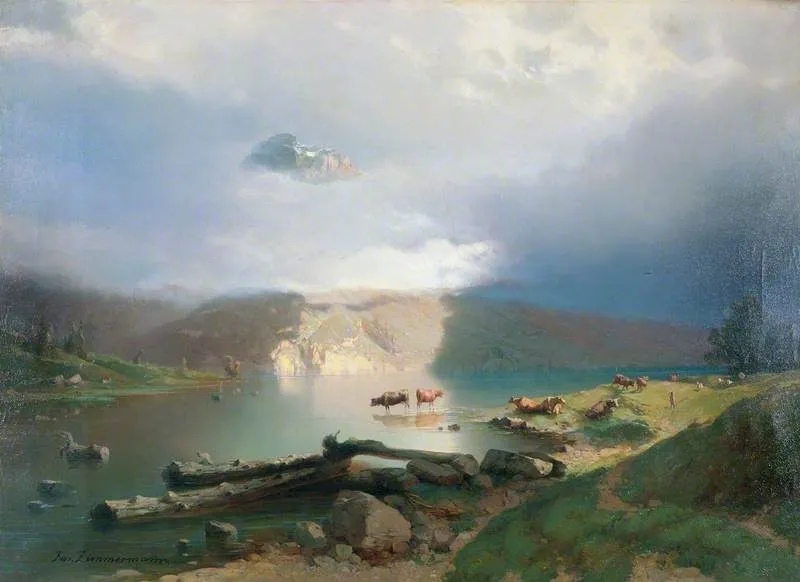
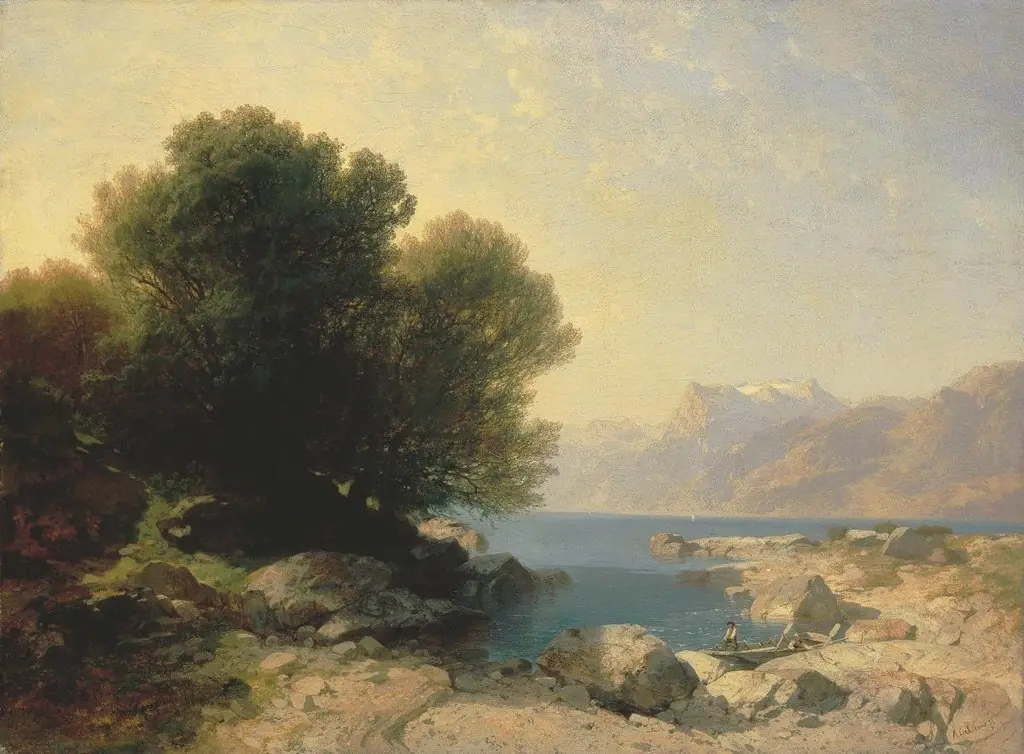
Lake of the Engstlen Alp is an oil painting by Friedrich Zimmermann. It dates from 1863 and is held in the collection of the Victoria and Albert Museum.
About this work
Overview
The work is part of the Victoria and Albert Museum’s collection, where it represents 19th-century Swiss landscape traditions.
Painted around 1863, Lake of the Engstlen Alp is an oil on canvas landscape by Friedrich Zimmermann. It depicts a quiet alpine lake nestled among rugged mountains, with grazing cattle near the water’s edge. The work is part of the Victoria and Albert Museum’s collection, where it represents 19th-century Swiss landscape traditions. Zimmermann’s focus on natural detail and subdued light reflects a quiet reverence for mountain environments.
Subject & Meaning
The painting presents a tranquil alpine scene devoid of human figures, emphasizing solitude and the quiet rhythm of nature. Cows resting in shallow water suggest pastoral life integrated into the landscape, while the stillness of the lake and overcast sky evoke a meditative mood. There is no narrative drama, instead, the work invites contemplation of nature’s enduring calm, a common theme in Swiss Romantic-era art.
Technique & Style
Zimmermann employs soft tonal transitions and careful layering to render the mountainous backdrop and reflective water. The foreground features textured brushwork in grasses and rocks, creating tactile contrast with the smoother lake surface. Atmospheric perspective is used to recede the peaks into hazy clouds, while muted colors reinforce the subdued light of a cloudy day. Chiaroscuro is present but restrained, enhancing depth without dramatic contrast.
History & Provenance
Created in the early 1860s, the painting entered the Victoria and Albert Museum’s collection in the late 19th century, likely through acquisition or donation tied to British interest in European landscape art. Zimmermann, a Swiss painter active in the mid-1800s, produced numerous alpine views, though few of his works are widely documented. This painting remains one of the better-attributed examples of his oeuvre in public collections.
Context
Zimmermann worked during a period when Swiss landscapes gained attention across Europe, fueled by Romantic ideals and growing tourism in the Alps. His approach aligns with regional artists who favored quiet, unidealized views over grandiose panoramas. Unlike contemporaries who emphasized dramatic peaks or glaciers, Zimmermann focused on intimate, everyday alpine moments, reflecting a shift toward personal, observational realism in Swiss painting.
Legacy
Though not widely known outside specialized circles, Zimmermann’s work contributes to the understanding of 19th-century Swiss landscape painting beyond the more famous names. Lake of the Engstlen Alp exemplifies a quiet, observational tradition that valued harmony over spectacle. Its presence in the V&A underscores its role as a representative example of regional artistic practice, preserved for study rather than celebrity.
Artist & collection

- Lake Scene
 Lake and Mountain Scene with a Boy Fishing
 View of Windermere Lake, early morning
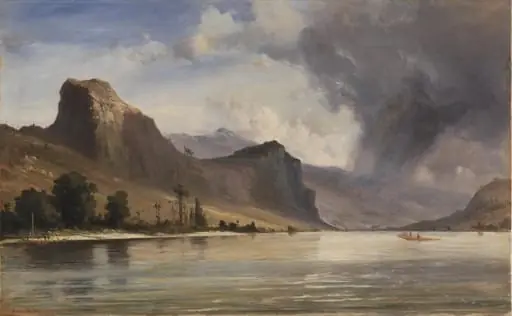 Coastal Landscape with Mountains. A Storm Brewing
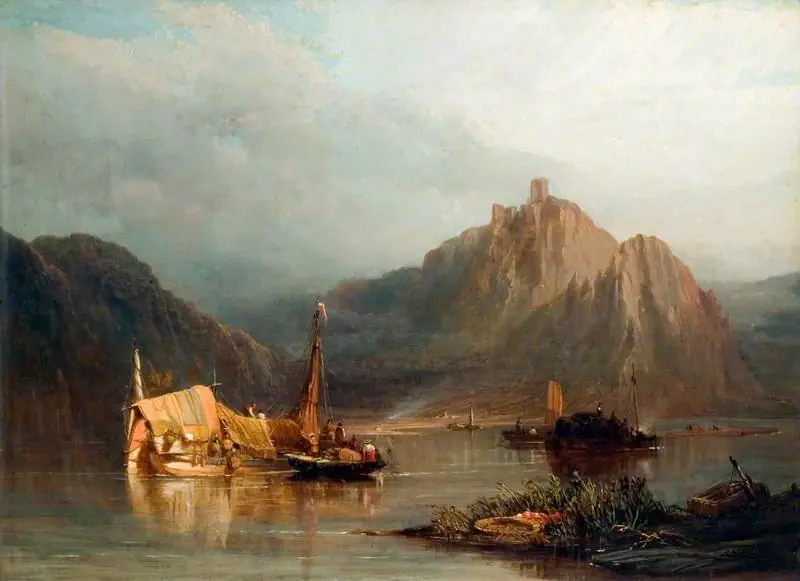 View on the Rhine
 Spanish Peaks, Southern Colorado, Late Afternoon
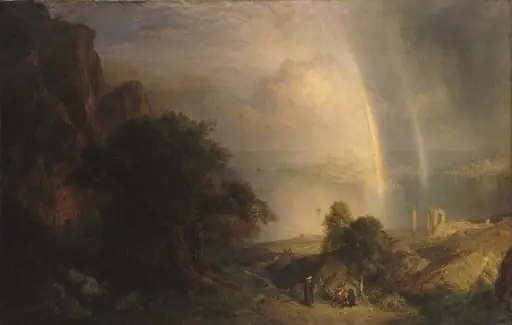 The Aegean Sea
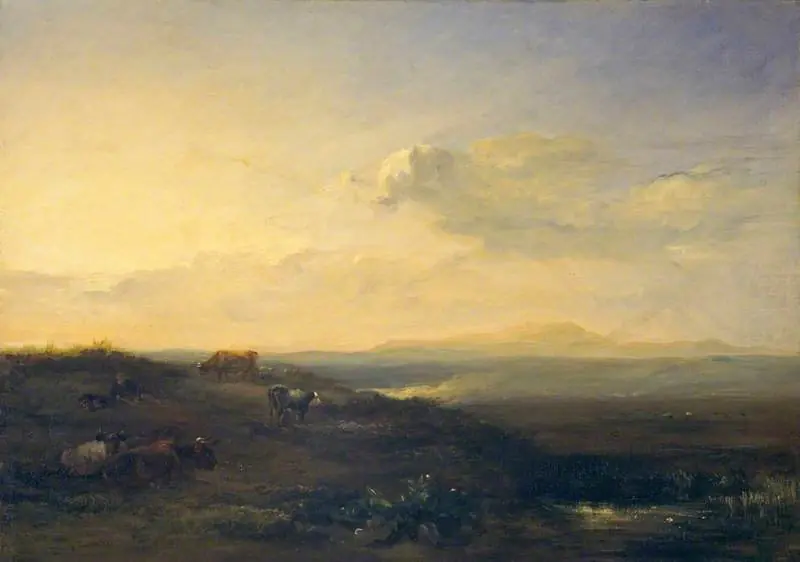 Solway Moss: Evening
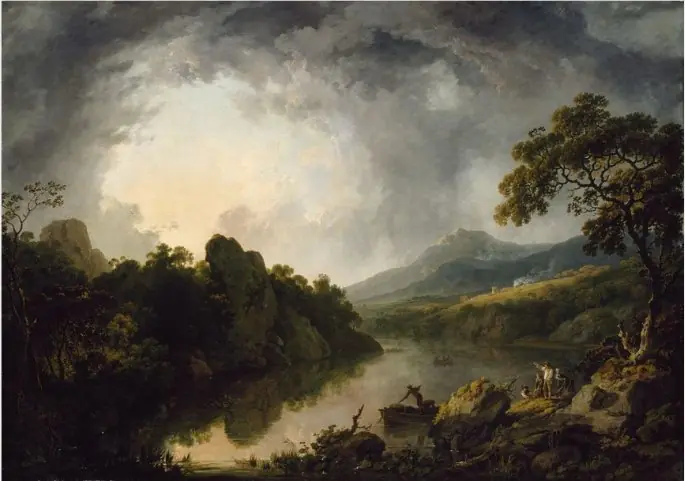 An Extensive Wooded Landscape with Fishermen Hauling in their Nets
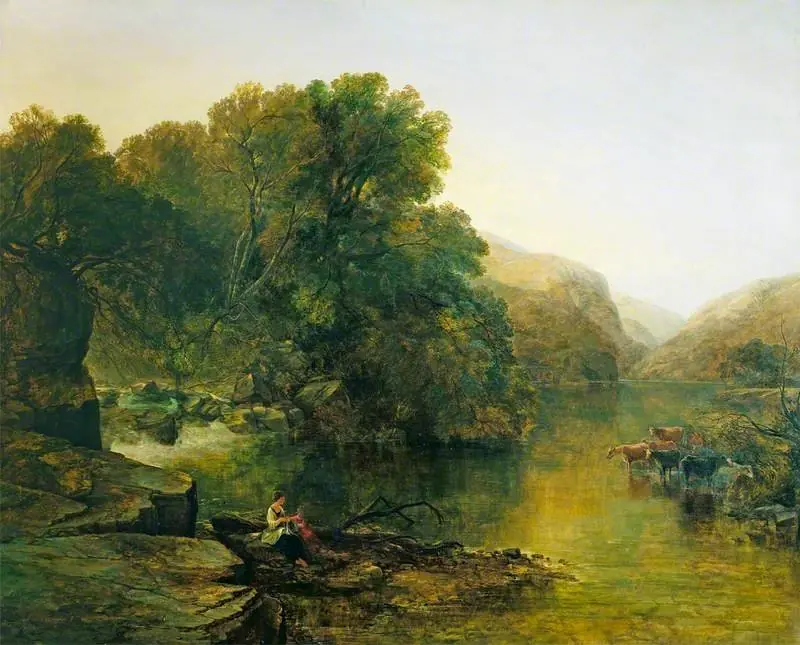 A Summer's Afternoon
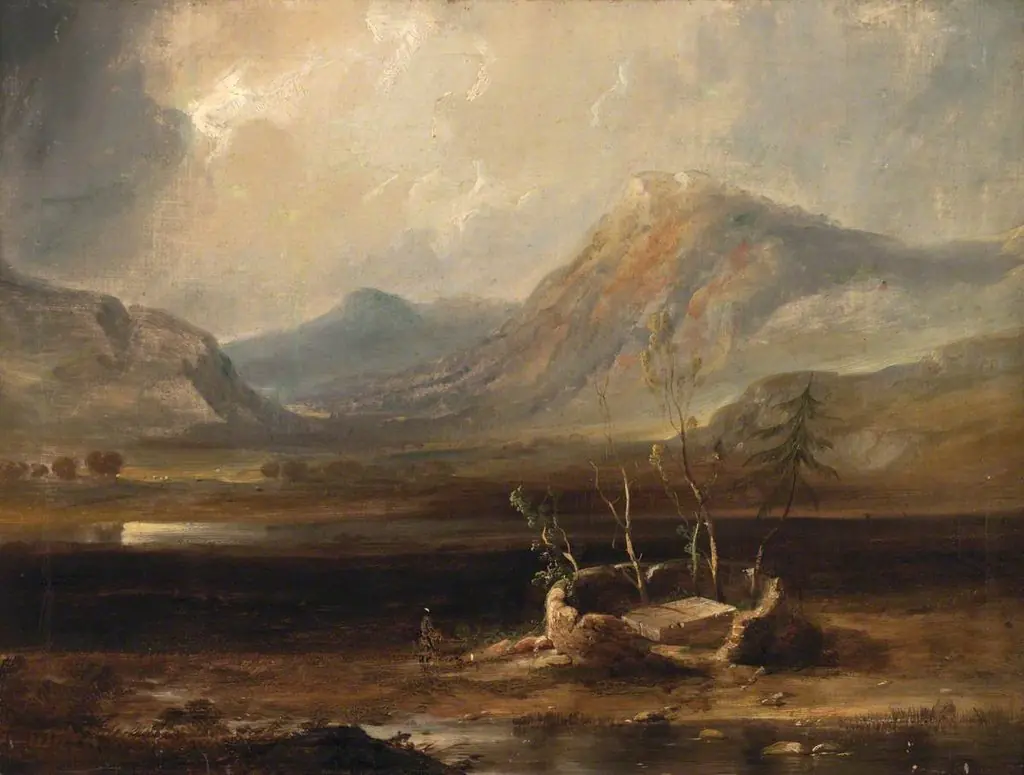 The Martyrs' Tombs in the Moss of Lochinkett
 Lac des Quatre-Cantons, vers Brunnen