Artwork
The armorer
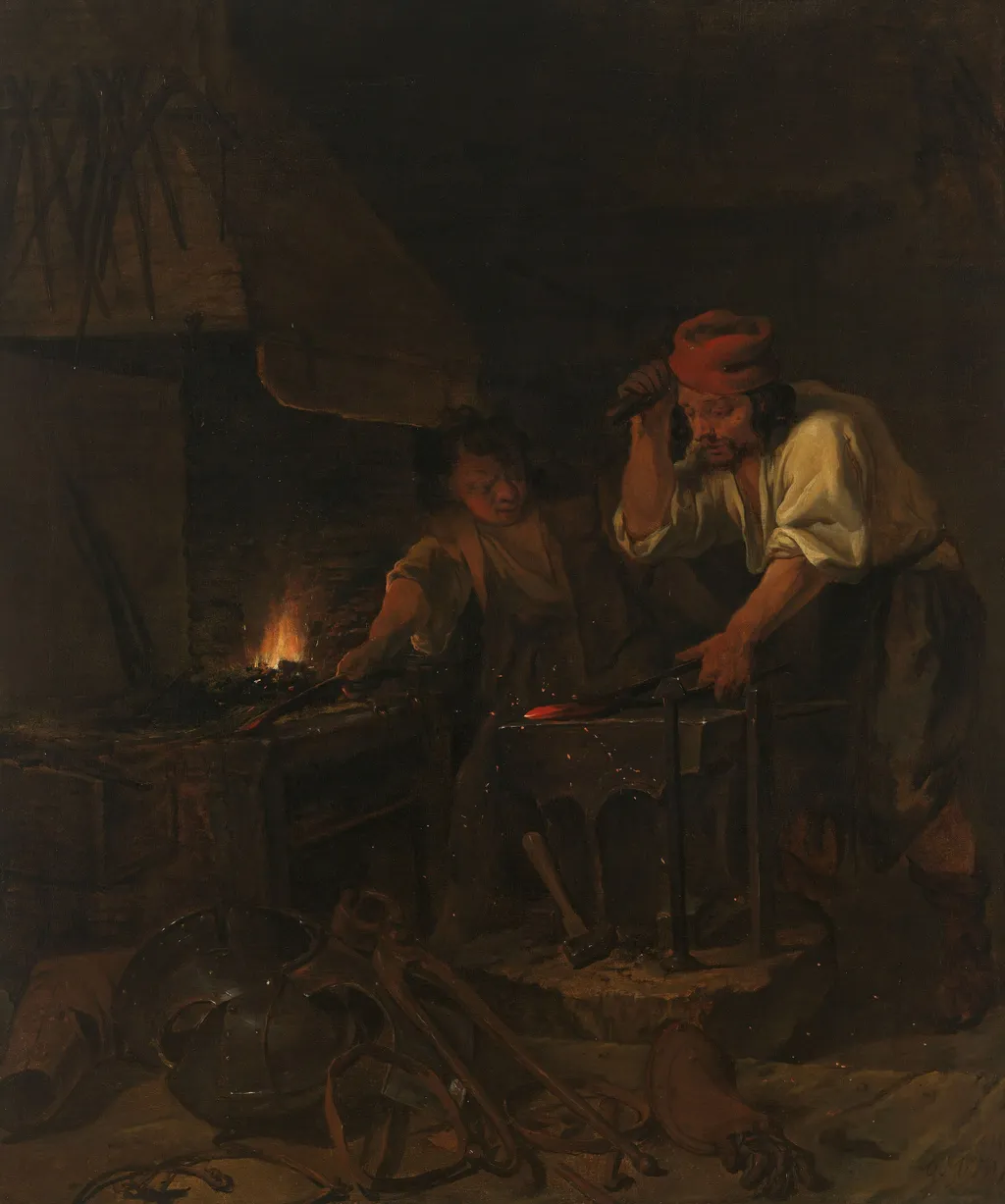
The armorer is an oil painting by the Dutch Golden Age artist Gabriel Metsu. It dates from 1650 and is held in the collection of the Rijksmuseum.
About this work
Technique & Style
The physical support of canvas combined with oil pigments represents the standard medium for Dutch Golden Age panel and canvas works of this scale.
Executed in 1650, this genre scene by Gabriel Metsu is an oil painting on canvas. The work measures 101 cm in height and 85 cm in width. As a piece classified within the genre art tradition, it depicts a domestic or occupational interior subject consistent with the artist's output during this period.
The physical support of canvas combined with oil pigments represents the standard medium for Dutch Golden Age panel and canvas works of this scale.
History & Provenance
The armorer was painted by Gabriel Metsu in 1650, executed in oil paint on canvas. The work subsequently entered the collection of Étienne-Edmond Martin, baron de Beurnonville, before passing to Carl von Hollitscher. It is now held in the Rijksmuseum collection.
The painting was created in 1650, a date consistent with the early phase of Metsu's career as a genre painter. No specific commission details or intermediate owners between the artist and the named collectors are documented in the available sources.
The painting The Armorer by Gabriel Metsu is held in the collection of the Rijksmuseum. Created in 1650, the work measures 101 cm in height and 85 cm in width. Prior to its current location, the artwork was owned by Carl von Hollitscher and later by Étienne-Edmond Martin, Baron de Beurnonville.
The provided sources do not contain specific inventory numbers or a record of public exhibitions for this piece.
Legacy
Gabriel Metsu's The armorer exerted modest but measurable influence on Dutch genre painting through its nuanced handling of domestic interior scenes and material detail. The work's precise rendering of armor and textiles informed contemporaries' approaches to domestic genre scenes, particularly in compositions emphasizing quiet domestic activity. Its legacy is anchored in the Rijksmuseum's long-term ownership, where it remains part of the foundational collection of Dutch domestic painting.
The painting's compositional strategies circulated through 18th- and 19th-century European collections, including holdings that passed through Carl von Hollitscher and Étienne-Edmond Martin baron de Beurnonville.
Overview
The Armorer is a 17th-century oil painting by Dutch artist Gabriël Metsu, created around 1650.
Subject & Meaning
The painting depicts a craftsman and a boy in a cluttered workshop, highlighting the armorer's trade and the period's interest in everyday labor.
Own this work as a print
Artist & collection
Artist
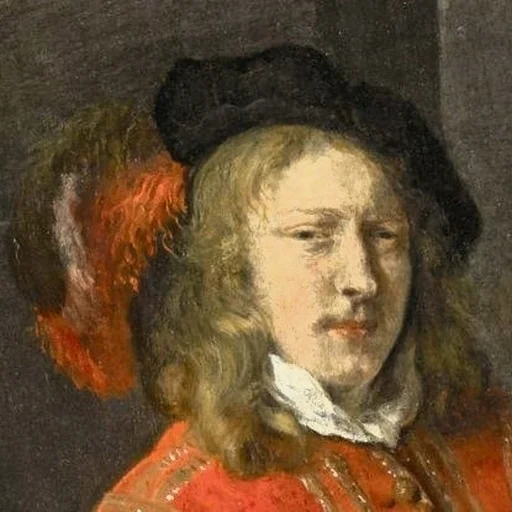
Gabriël Metsu (1629–1667) was a Dutch painter of history paintings, still lifes, portraits, and genre works.

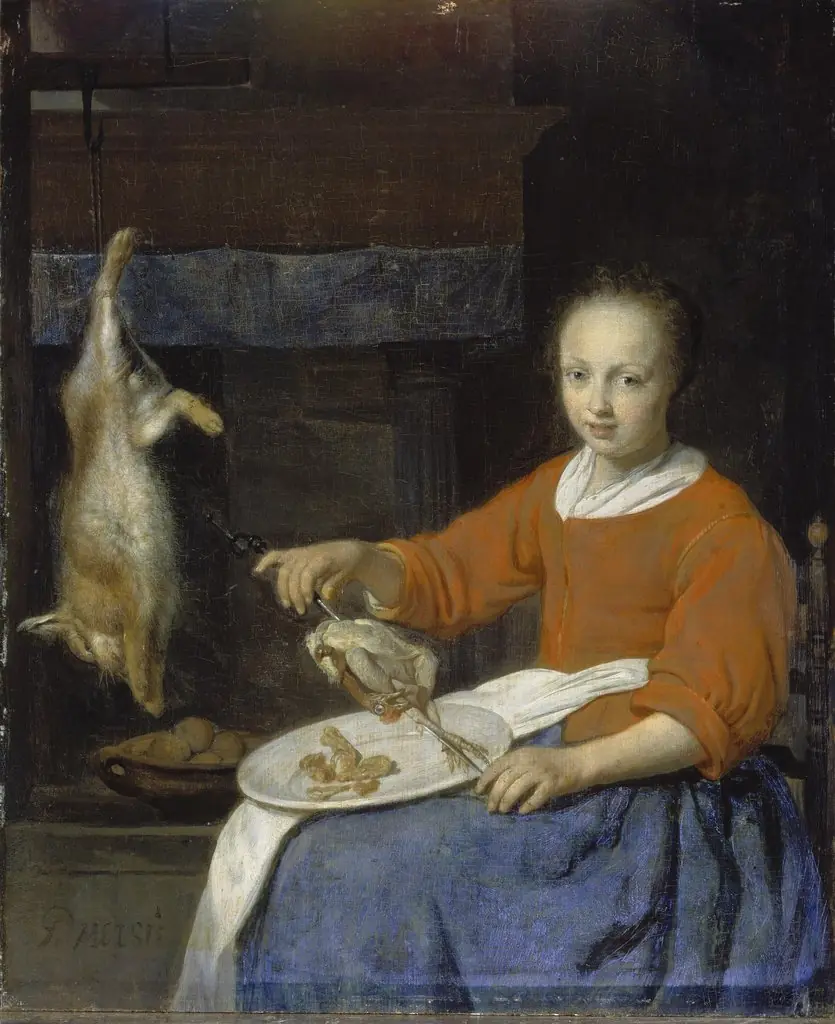
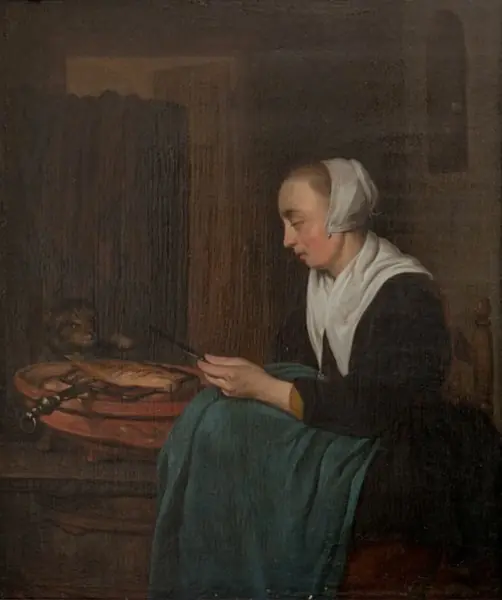
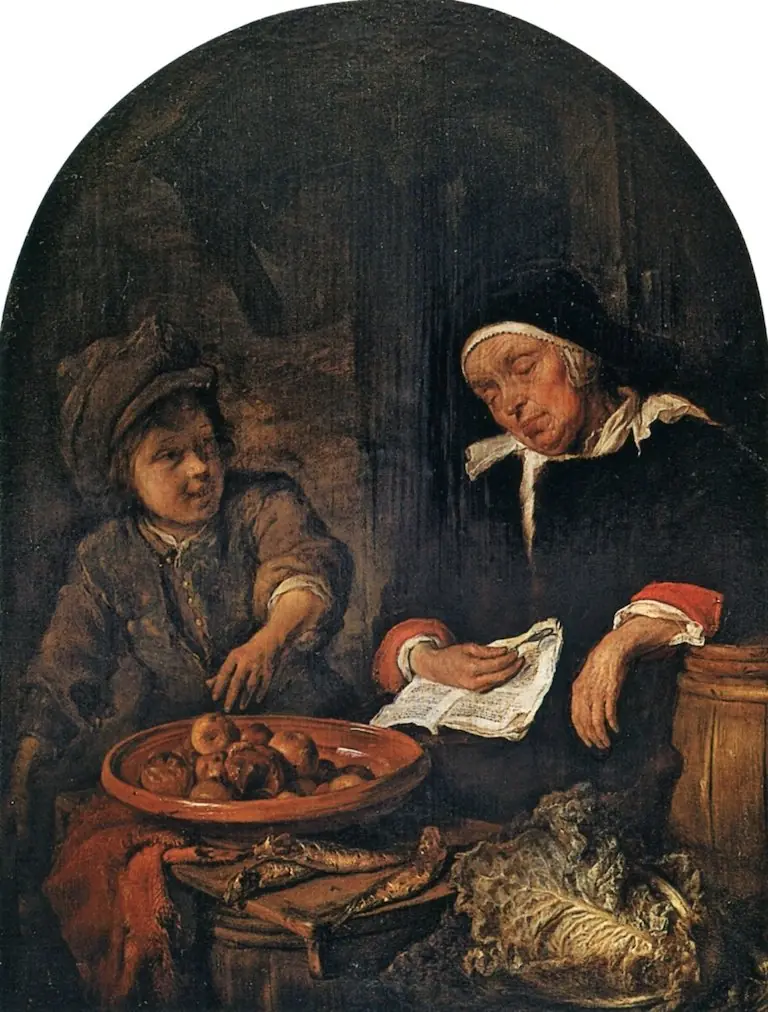
- The Weaponsmith
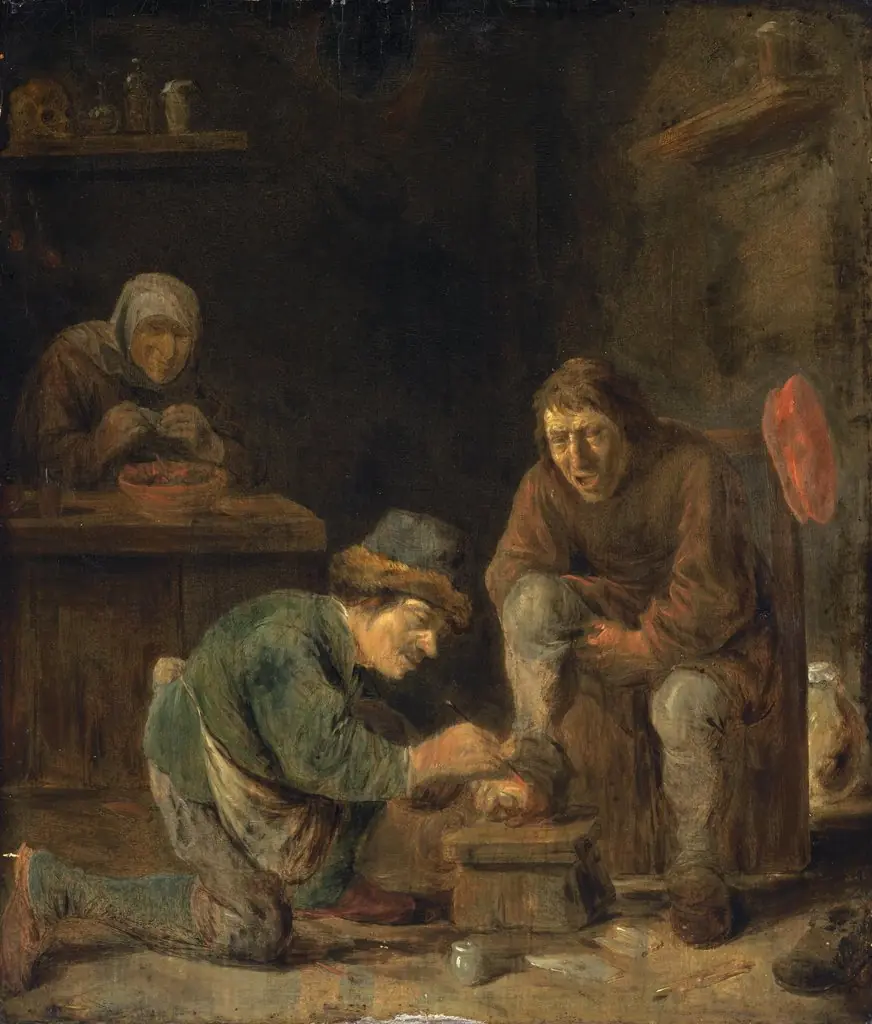 The Foot Doctor
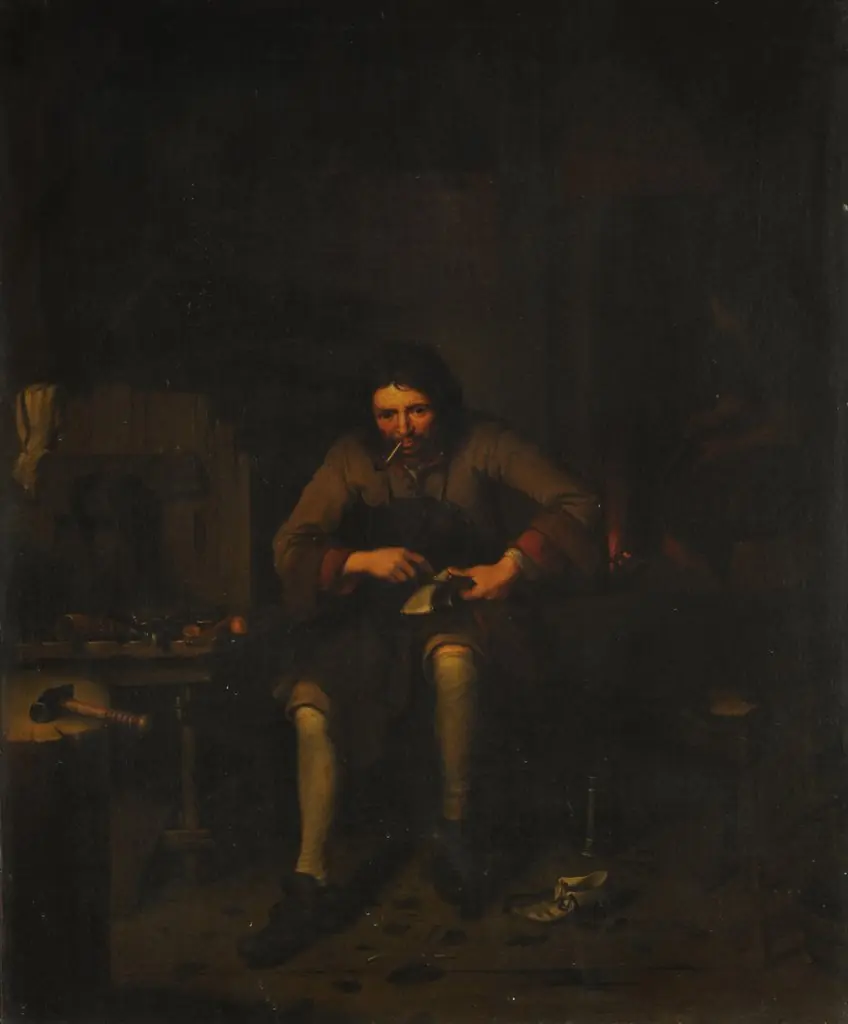 Zapatero
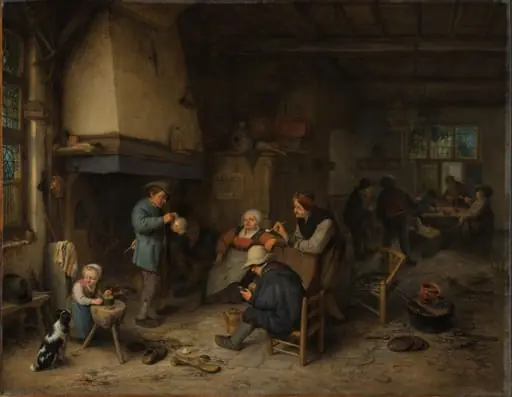 Boerengezelschap binnenshuis
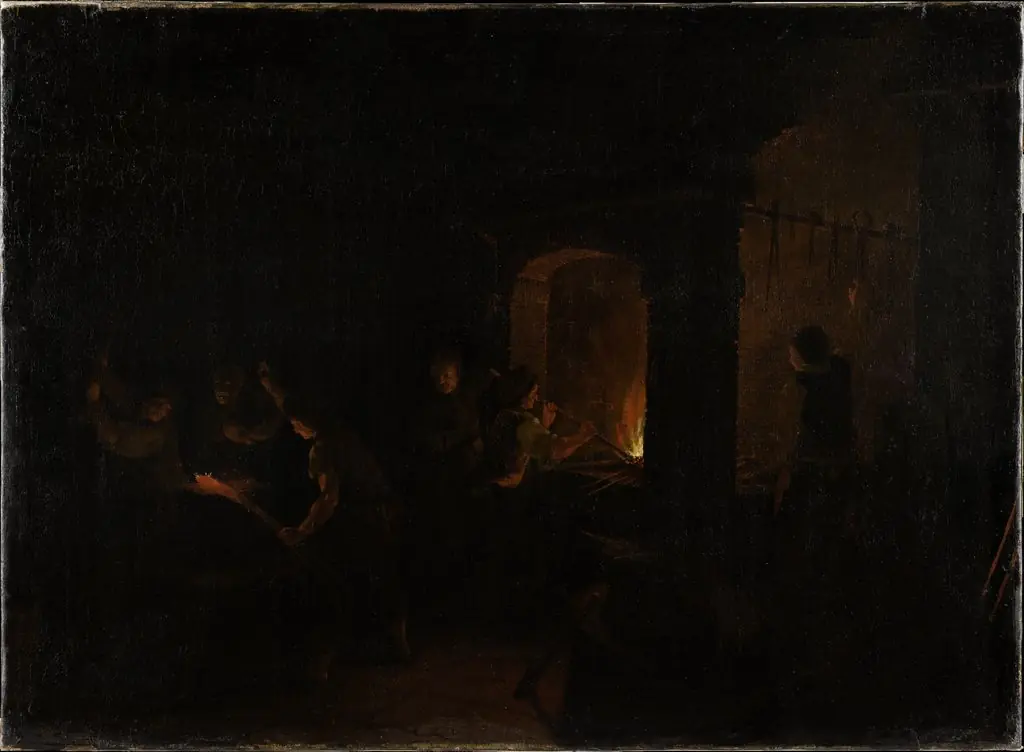 Interior of a Forge
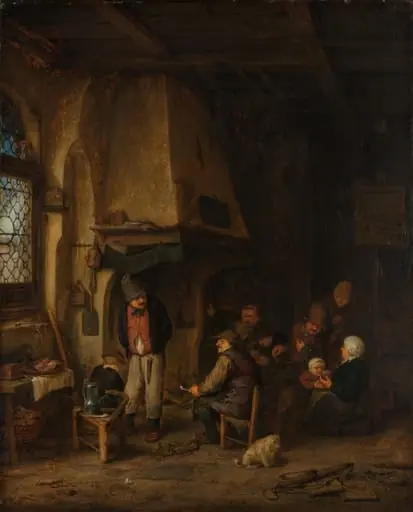 ‘De schaatsenrijders’: boerengezelschap in interieur
 Det indvendige af den gamle hammermølle ved Hellebæk
 Det indvendige af den gamle hammermølle ved Hellebæk
 The Laboratory of A. d'Ailly near the Bulwark on the Zaagmolenpoort in Amsterdam
 Fumadores
 The Alchemist
 Peasants in an Interior