Artwork
Louis de Blois
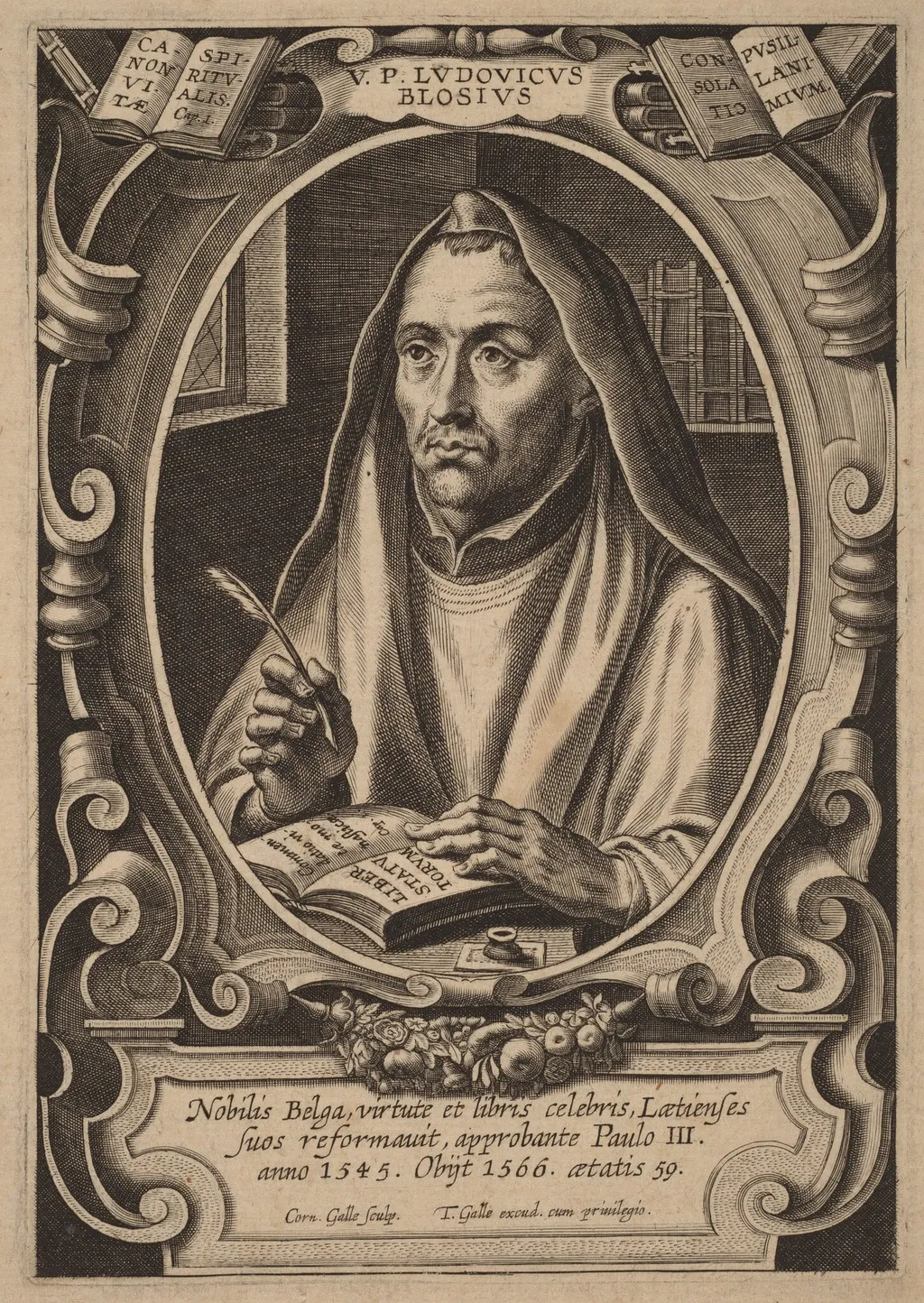
Louis de Blois is an ink print by the Renaissance artist Cornelis Galle I. It dates from 1613 and is held in the collection of the National Gallery of Art. Created in 1613, this engraving on laid paper portrays a cloaked scholar absorbed in study.
- Inscription
- Inscribed:across bottom in plate: Nobilis Belga, virtute et libris celebris, Laetienfes / fuos reformauit, approbante Paulo III. / anno 1545. Obijt 1566. aetatis 59. / Corn. Galle Sculp. T. Galle excud. cum privilegio.; across top in plate: CA- SPI- / NON RITV- / VI. ALIS. / TAE Cap. 1 / V.P. LVDOVICVS / BLOSIVS / CON- PVSIL- / SOLA LANI- / TIO MIVM.
About this work
Overview
Created in 1613, this engraving on laid paper portrays a cloaked scholar absorbed in study. The figure holds a quill in his right hand and a book in his left, his gaze directed downward in a pose of quiet concentration. A window with a grid pattern forms the background, adding a modest architectural element to the composition.
Subject & Meaning
The image presents an archetype of learned contemplation typical of early‑modern portraiture. The hooded attire, high‑collared robe, and scholarly accessories emphasize the intellectual pursuits of the sitter, suggesting a dedication to writing or theological study. The subdued expression reinforces a sense of earnest focus rather than overt narrative.
Technique & Style
Engraved by Cornelis Galle the Elder, the work demonstrates the fine line work and tonal modulation characteristic of early 17th‑century Flemish printmaking. Galle’s handling of cross‑hatching on laid paper creates depth in the folds of the robe and the window’s lattice, while the crisp rendering of the quill and book reflects his refined engraving skills developed during his Roman period.
History & Provenance
Cornelis Galle the Elder, born in Antwerp in 1576 and trained by his father Philip Galle, produced this print after returning from Rome, where he honed his technique. Galle was active both as an engraver and a printseller, issuing works based on his own designs as well as those of other artists. The engraving entered the market through his Antwerp workshop, typical of his commercial practice.
Context
The composition aligns with a broader Renaissance interest in depicting scholars and the act of learning. Similar motifs appear in the prints of contemporaries who explored the intellectual virtues of the period, situating Galle’s work within a visual tradition that celebrated erudition and the written word.
Own this work as a print
Artist & collection

Artist
Cornelis Galle the Elder (1576 – 29 March 1650), a younger son of Philip Galle, was born at Antwerp in 1576, and was taught engraving by his father.

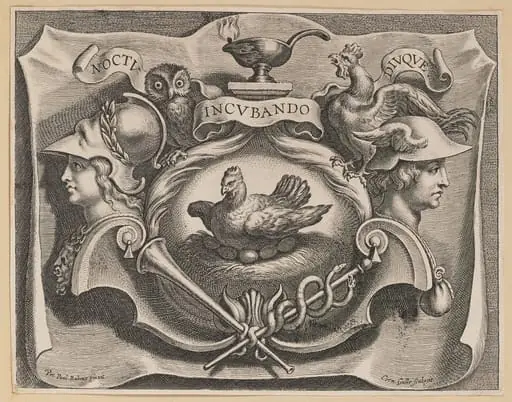 Vignette for the Title Page of Martinus Bonacina, Opera Omnia
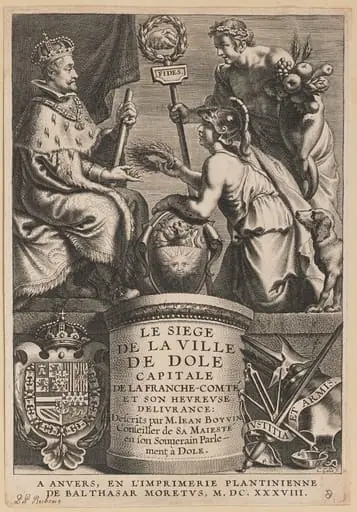 Title Page for Jean Boyvin, Le Siege de la Ville de Dole
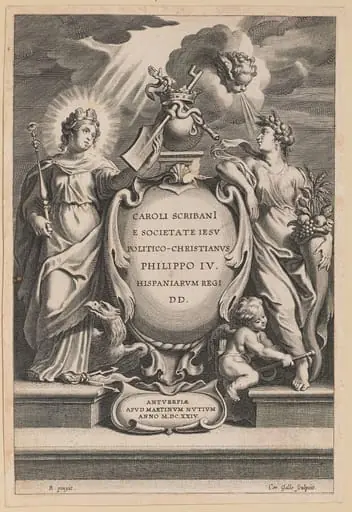 Title Page for Carolus Scribani, Politico-Christianus
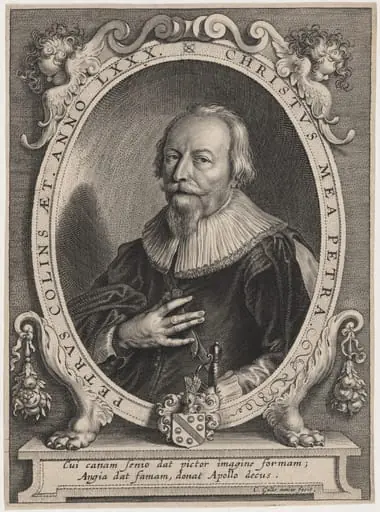 Petrus Collins
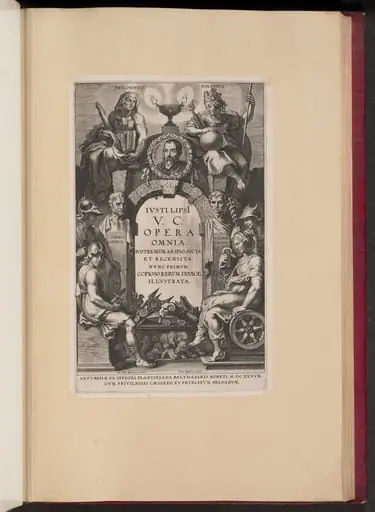 Title Page for Justus Lipsius, Opera Omnia, I
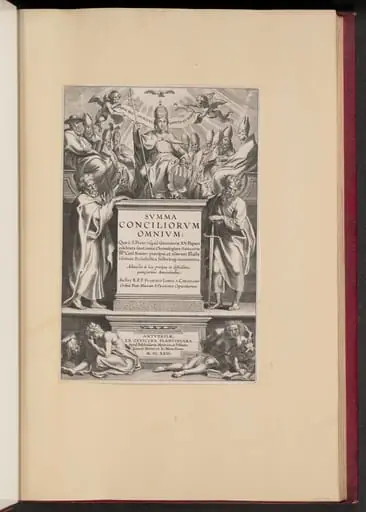 Title Page for F. Longo a Coriolano's "Svmma Conciliorvm Omnivm"
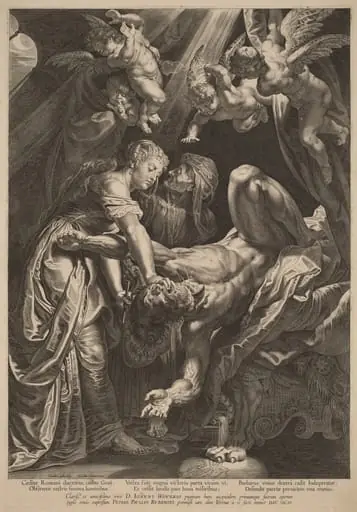 Judith Beheading Holofernes
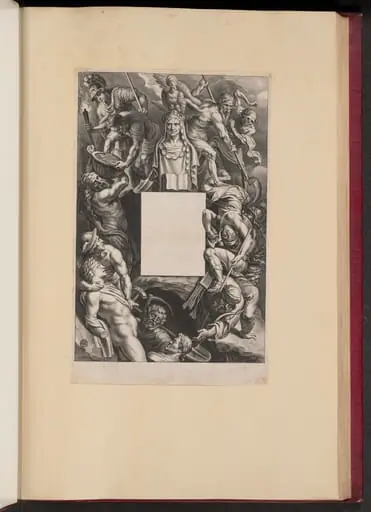 Title Page for Hubert Goltzius, Romanae et Graecae Antiqvitatis Monvmenta (Opera Omnia, I)
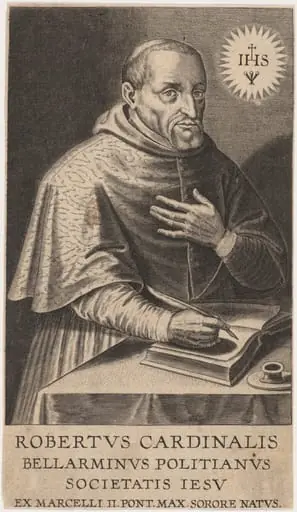
- Roberto, Cardinal Bellarminus
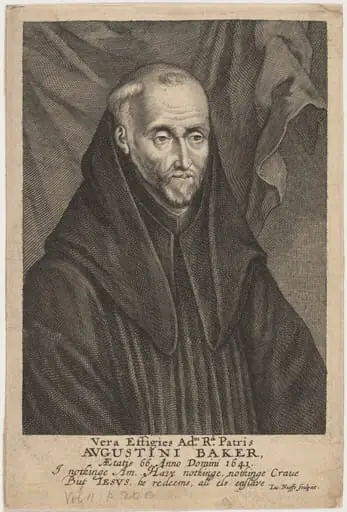 David Baker
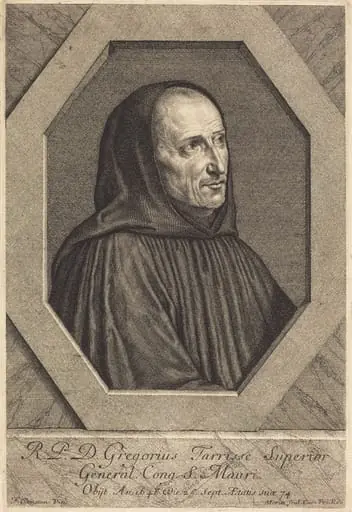 Dom Jean Gregoire Tarrisse
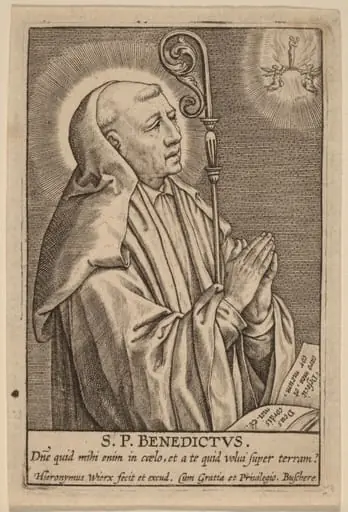 S. P. Benedictus
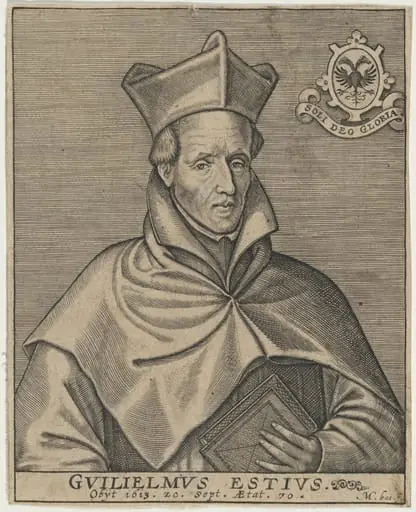 William Estius, Catholic Priest
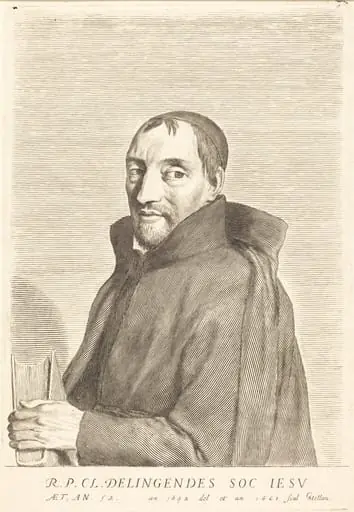 Claude de Lingendes
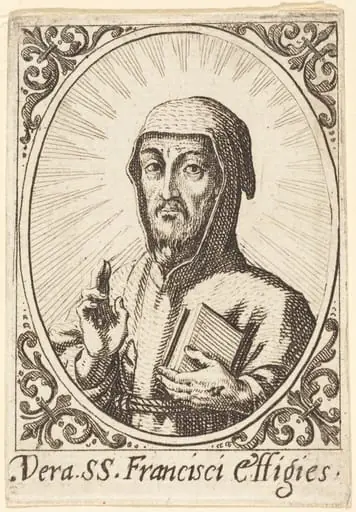 The True Effigy of Saint Francis
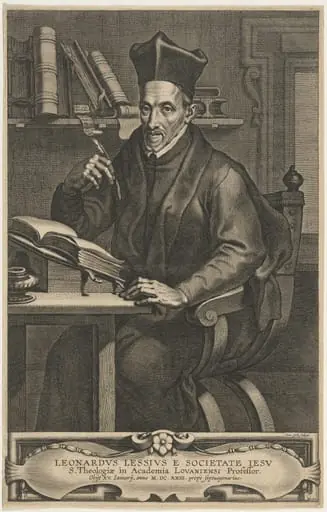 Leonard Lessius, Jesuit Priest, Professor at Louvain
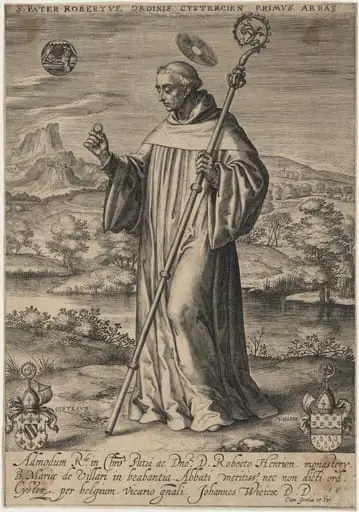 Saint Robert, Founder and First Abbot of the Cistercian Monks
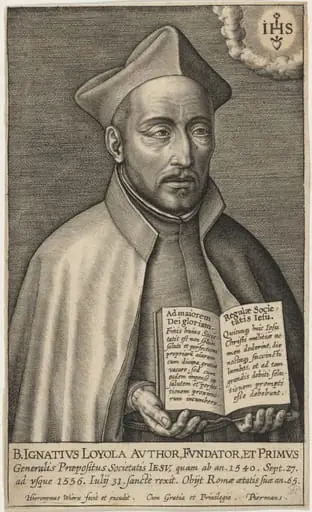 St. Ignatius de Loyola
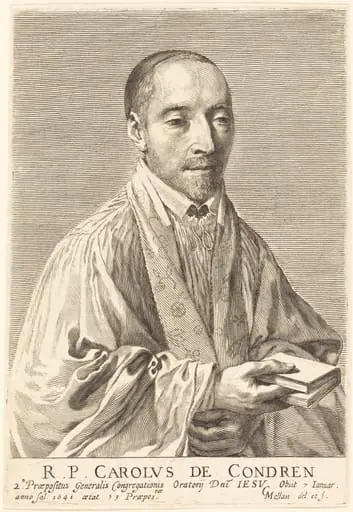 Charles de Condren
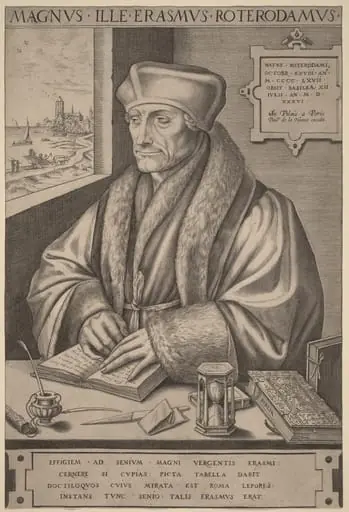 Erasmus of Rotterdam