
Subject
Inkwell
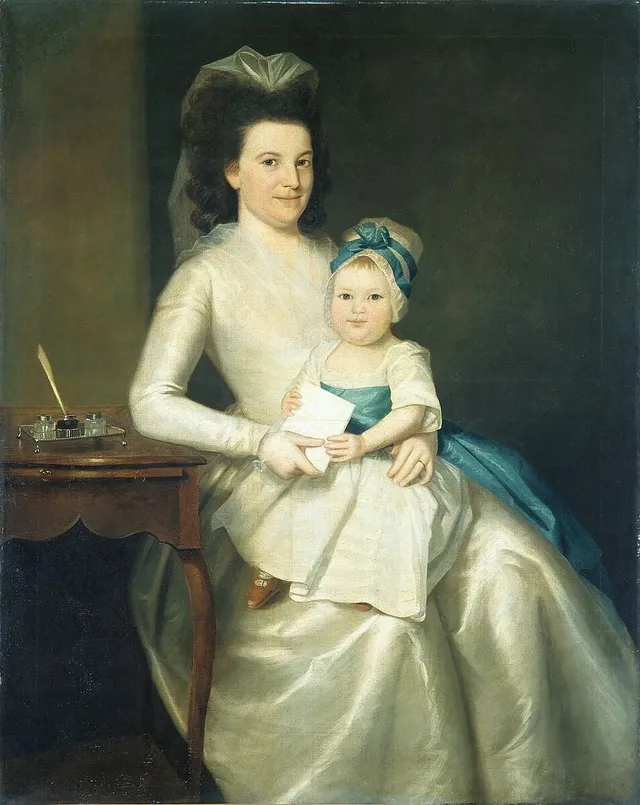
Inkwell is a subject in art. The gallery holds 61 works in this subject in art, including works by Edgar Degas, Jacques-Louis David and Ralph Earl.
An inkwell is a small jar or container, often made of glass, porcelain, silver, brass, or pewter, used for holding ink in a place convenient for the person who is writing. The artist or writer dips the brush, quill, or dip pen into the inkwell as needed or uses the inkwell as the source for filling the reservoir of a fountain pen.
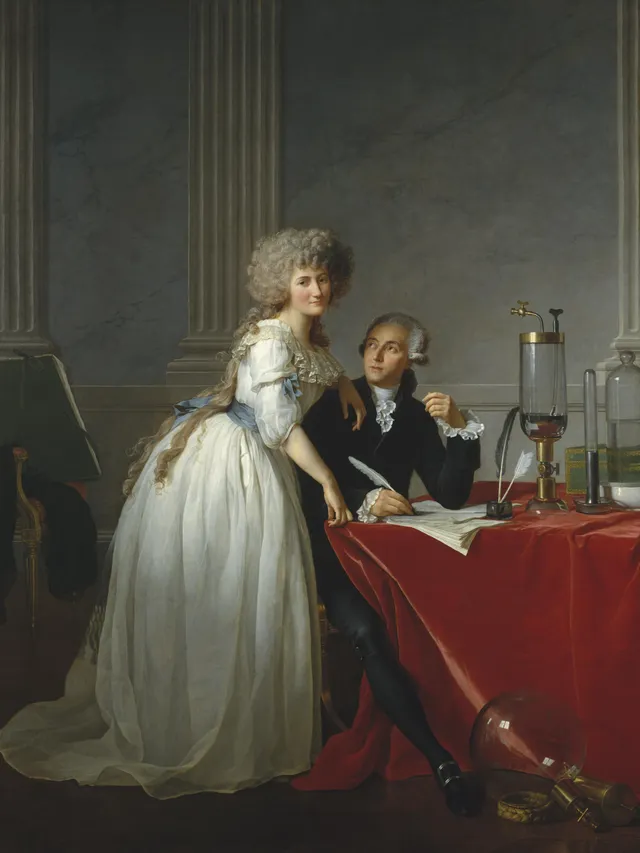
Key artists

Overview
An inkwell is a small jar or container used for holding ink in a place convenient for the person writing. The writer dips a brush, quill, or dip pen into the inkwell as needed, or uses it to fill the reservoir of a fountain pen. Commonly crafted from glass, porcelain, silver, brass, bronze, lead, pewter, gold, or stone, inkwells often feature a lid to prevent contamination, evaporation, accidental spillage, and excessive exposure to air. The vessel usually has a broad base and a narrow neck to prevent tipping, and some designs include an internal shallow reservoir separated by a wall, allowing the pen to be dipped without going too deep. Specialized travelling inkwells were fitted with a secure screw lid so travelers could carry ink in their luggage without leakage.
Iconography & meaning
In art, the inkwell functions as an attribute of learnedness and scribal identity. Saint Isidore of Seville is traditionally depicted with an inkwell, marking his role as a scholar and encyclopedist. In secular portraiture, the object denotes literacy, administrative authority, and intellectual pursuit. Beyond its literal function, the inkwell has served as a literary and moral symbol. Heinrich Hoffmann established it as an iconographic monument in his picture poem The Story of the Black Boys in Struwwelpeter, where Saint Nicholas uses an inkwell as an instrument of punishment, dipping boys into it. Hans Christian Andersen also used the inkwell as a philosophical motif in his fairy tale about the dispute between the pen and the inkwell, exploring the origins of creation.
Across movements & periods
The inkwell's origins trace back to Ancient Egypt, where scribes used double pots for red and black ink while writing on papyrus. During the Roman era, inkwells became more widespread in Italy as literacy increased; Roman examples, like the Biebrich type found at sites such as Zurzach and Magdalensberg, featured hinged lids secured by a rivet. In the Late Middle Ages, successful merchants and craftsmen transformed the inkwell into a status symbol, elevating it from a simple horn into a desk set with carved cassettes and matching vessels. By the late fifteenth century, plain silver writing sets emerged, followed by ornately decorated sets in the sixteenth century. The eighteenth century brought an inkwell boom, with silversmiths combining elaborate inkwells with trays and sand shakers. In the late Victorian era, the golden age of inkwells saw elaborate silver Sheffield plate sets dominate desks. The object gradually fell out of use in the mid-twentieth century as reservoir fountain pens and ballpoint pens replaced dip pens, though school desks still featured built-in porcelain inkwells with sliding lids into the 1950s.
Notable depictions
Beyond its presence in fine art, the inkwell has been associated with significant historical figures and events. The ink used to sign the United States Declaration of Independence was held in a sterling silver inkwell, while Abraham Lincoln used a wooden carved inkwell on his work table. Admiral Lord Nelson insisted on traveling with his Sheffield-Plate inkwell ensemble. In the decorative arts, early nineteenth century France saw the popularity of the pump inkwell, an elaborate mechanical design, alongside Vieux Paris porcelain inkwells that varied widely in thematic decoration. The silhouette of Munzenberg Castle is locally known as the Wetterau Inkwell because its two towers resemble the double inkwells common from the eighteenth century onward, where one compartment held ink and the other held sand for blotting before the invention of blotting paper.
Legacy
Although functional inkwells largely disappeared from everyday use by the mid-twentieth century, replaced by cartridge fountain pens and ballpoints, they persisted as luxury objects and collectibles. By the late twentieth century, collecting inkwells became a popular pursuit, with the most sought-after pieces dating from the American and French Revolutions through the 1930s. Manufacturers like Montblanc continue to produce desk inkwells, though they serve a primarily decorative purpose for occasional fountain pen refilling rather than as essential writing tools. The inkwell also left a cultural footprint in publishing, lending its name to the periodical Das Tintenfass, first published in 1965 by the Zurich Diogenes Verlag as a house magazine and later as an annual almanac released at the Frankfurt Book Fair.
Works
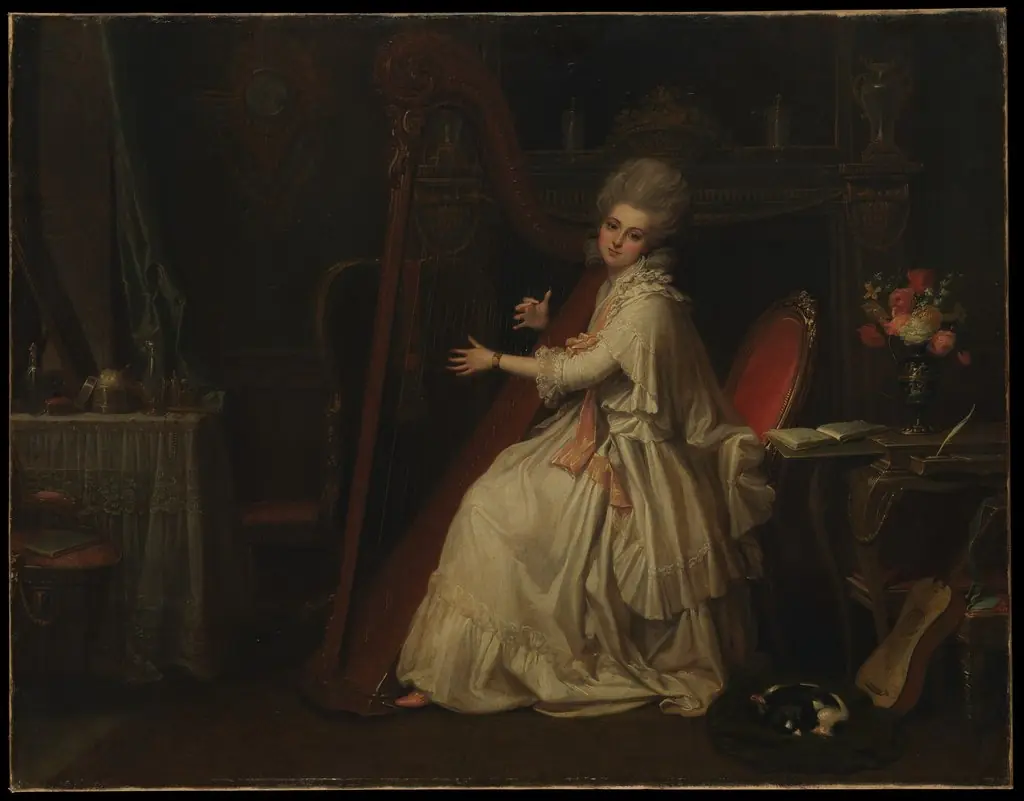 Portrait of Marianne Dorothy Harland (1759–1785), Later Mrs. William Dalrymple
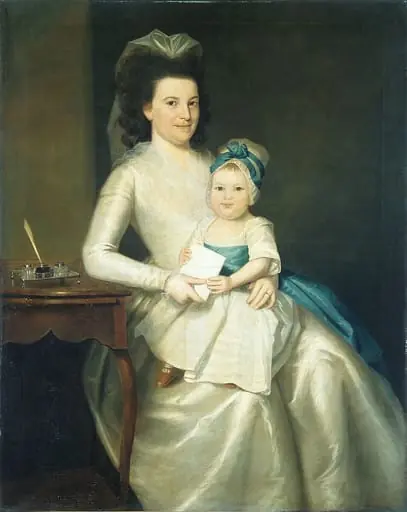 Lady Williams and Child
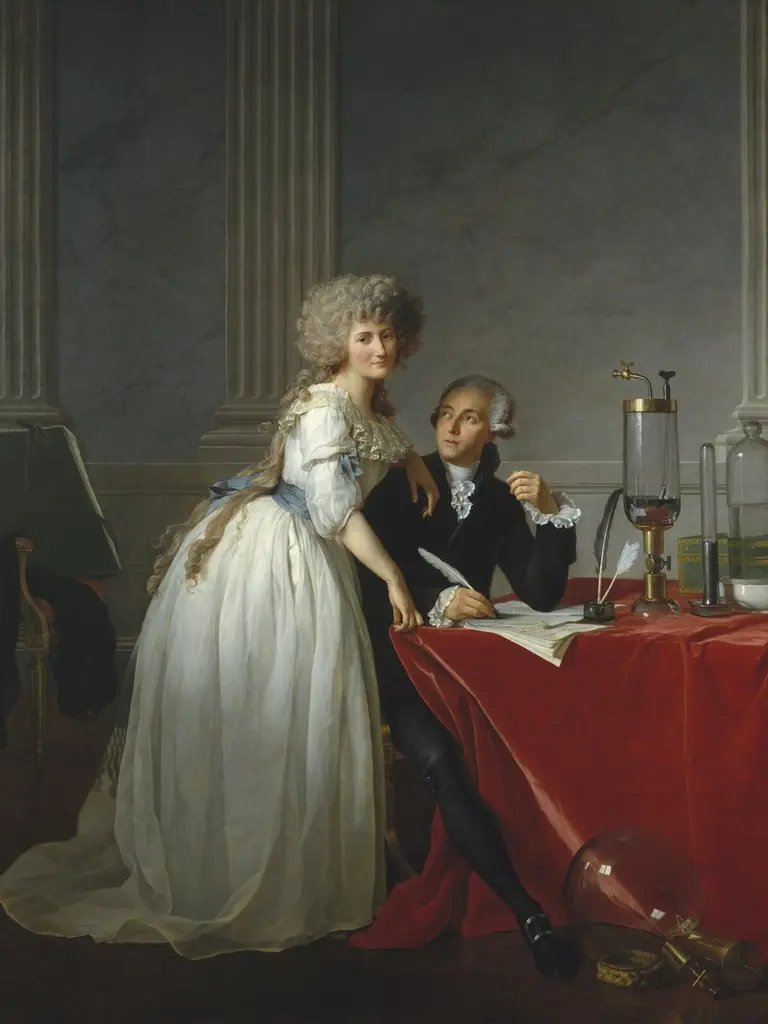 Portrait of Antoine-Laurent Lavoisier and his wife
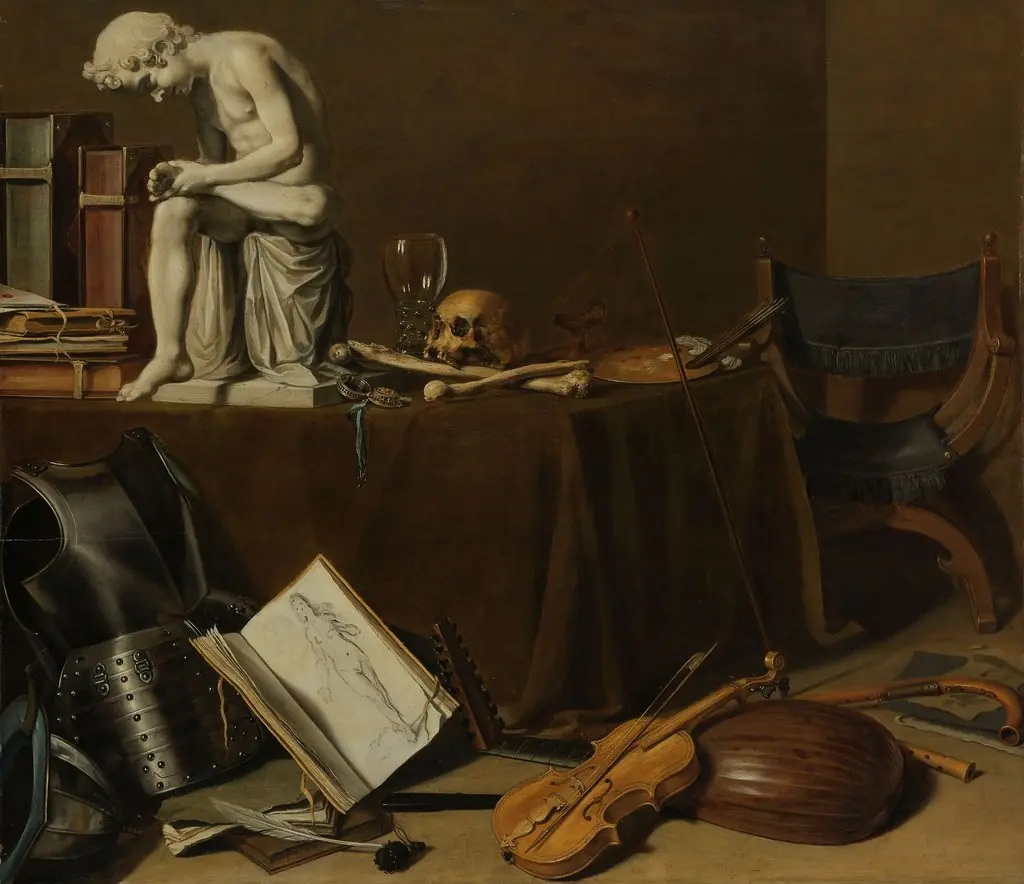 Vanitas Still Life with the Spinario
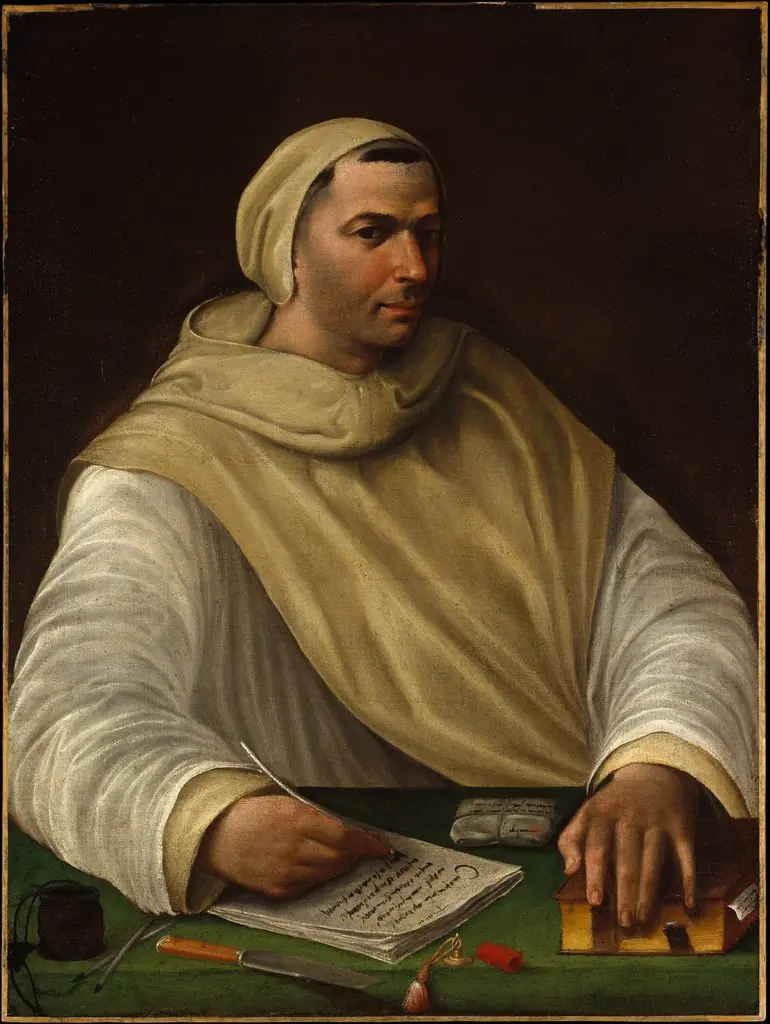 Portrait of an Olivetan Monk
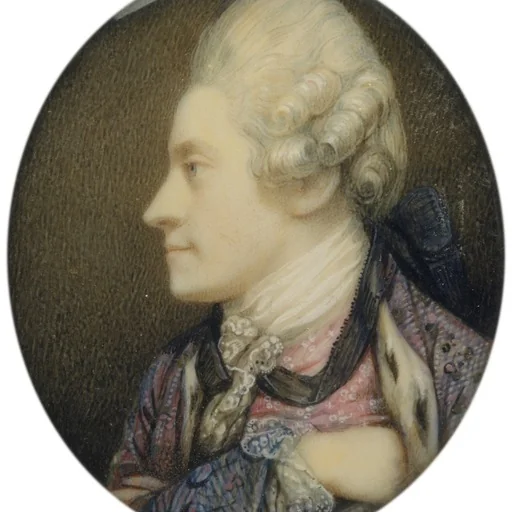
 Charles Maurice de Talleyrand Périgord (1754–1838), Prince de Bénévent
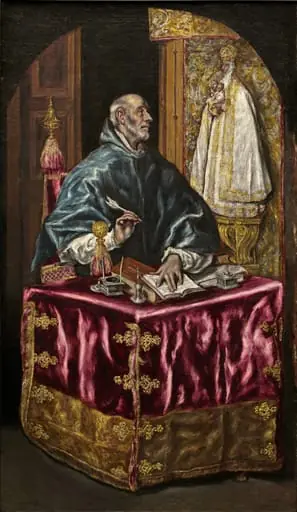 Saint Ildefonso
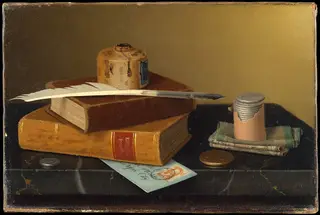 The Banker's Table
 The Blue Envelope
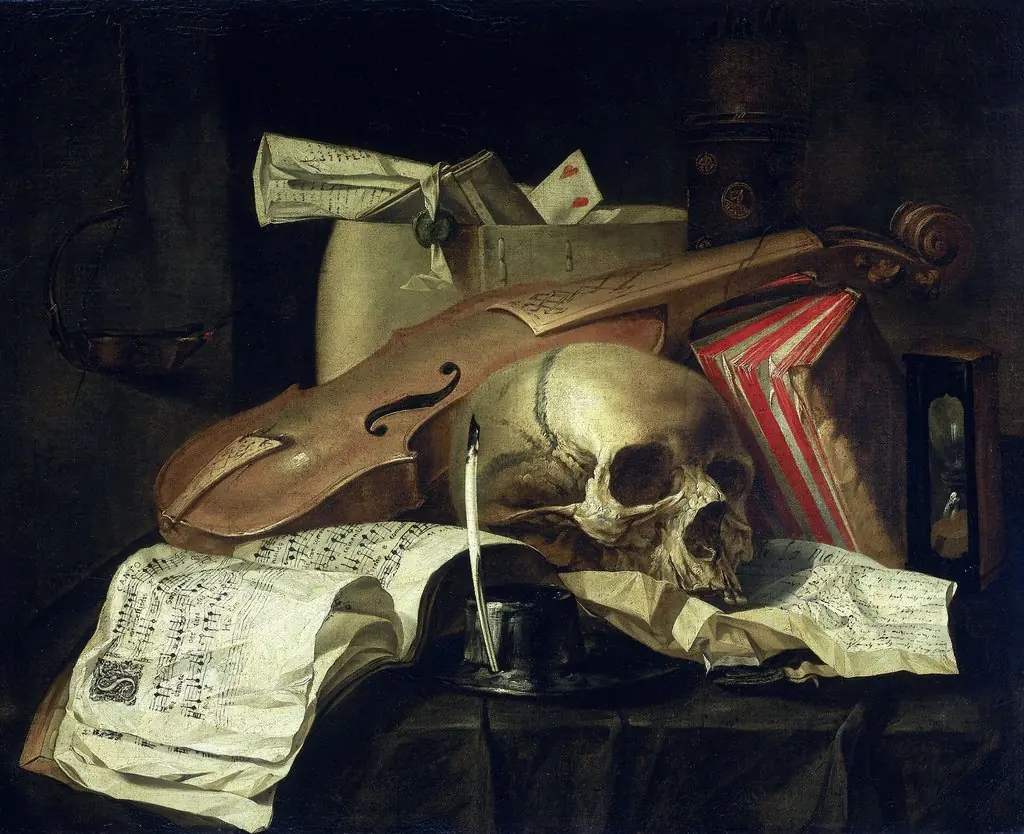 Vanitas still life
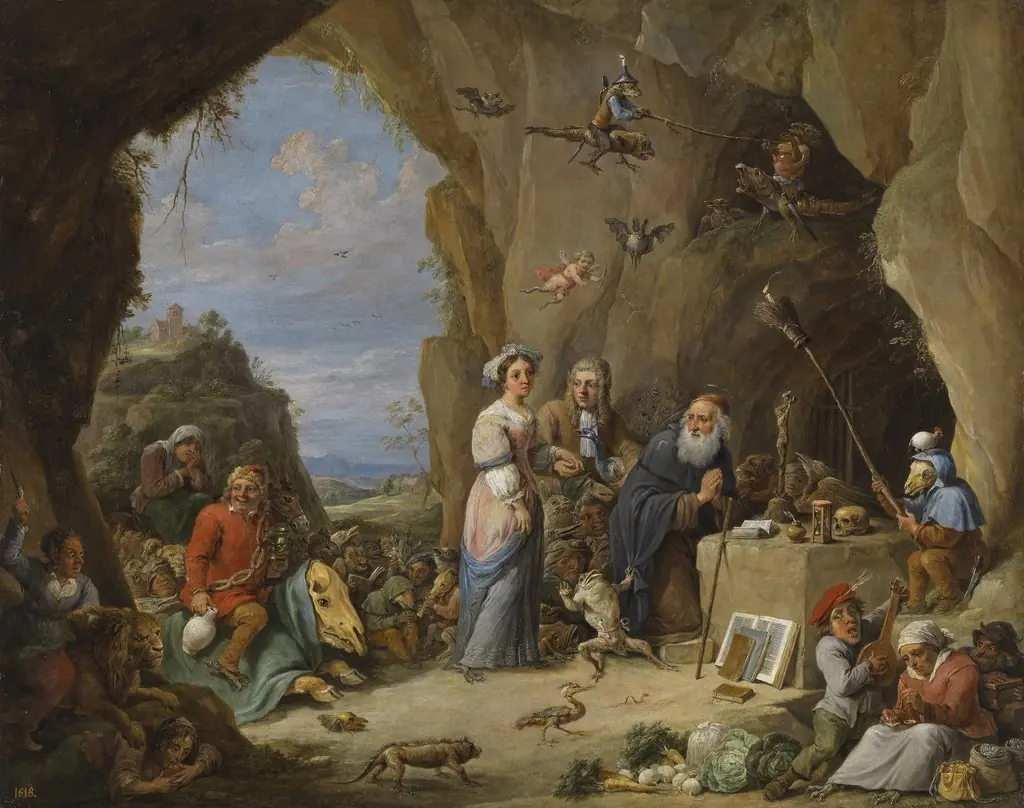 Temptation of St. Anthony
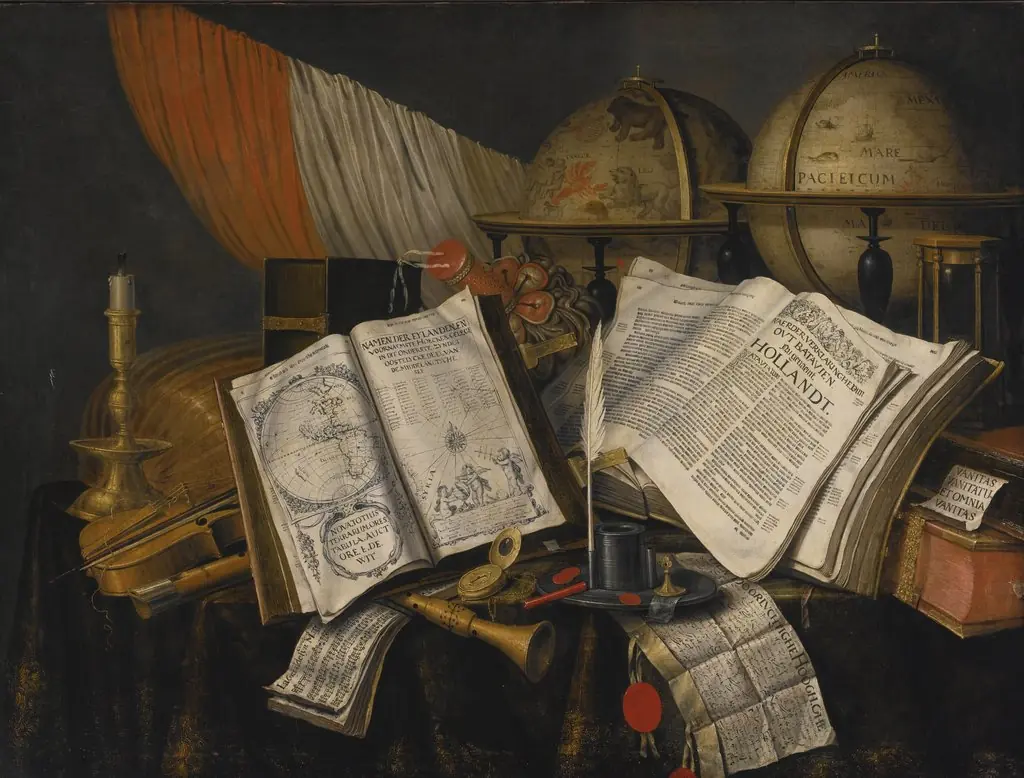 Vanitas Still Life with a Candlestick, Musical Instruments, Dutch Books, a Writing Set, an Astrological and a Terrestial Globe and an Hourglass, All on a Draped Table
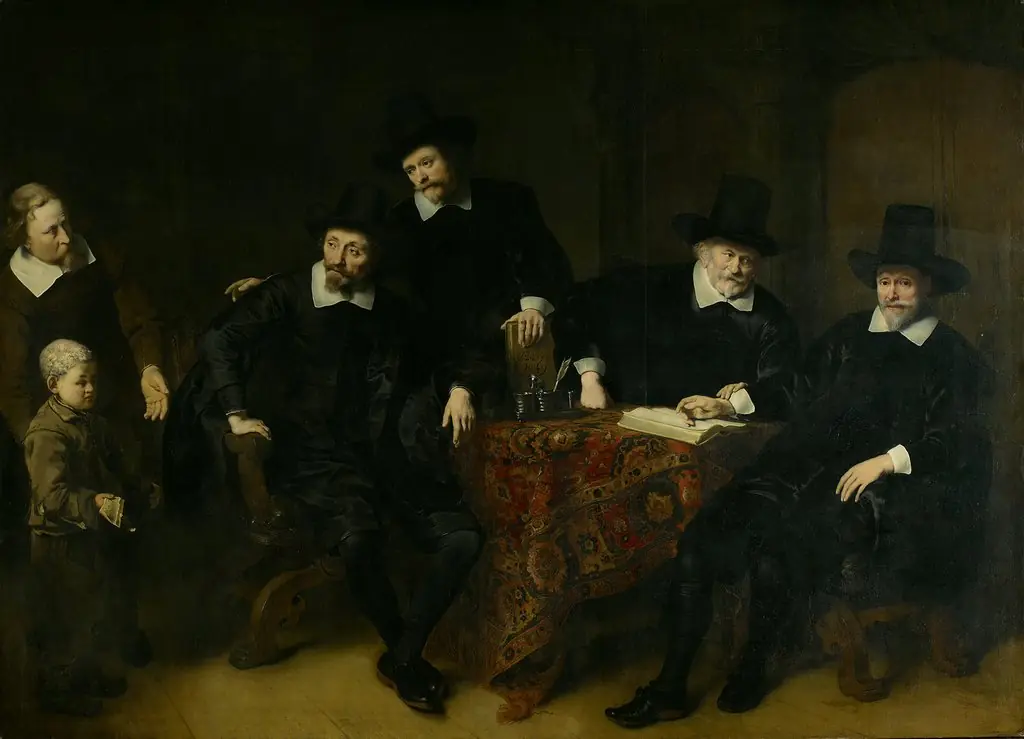 The Regents of the Leper's house in Amsterdam in 1649
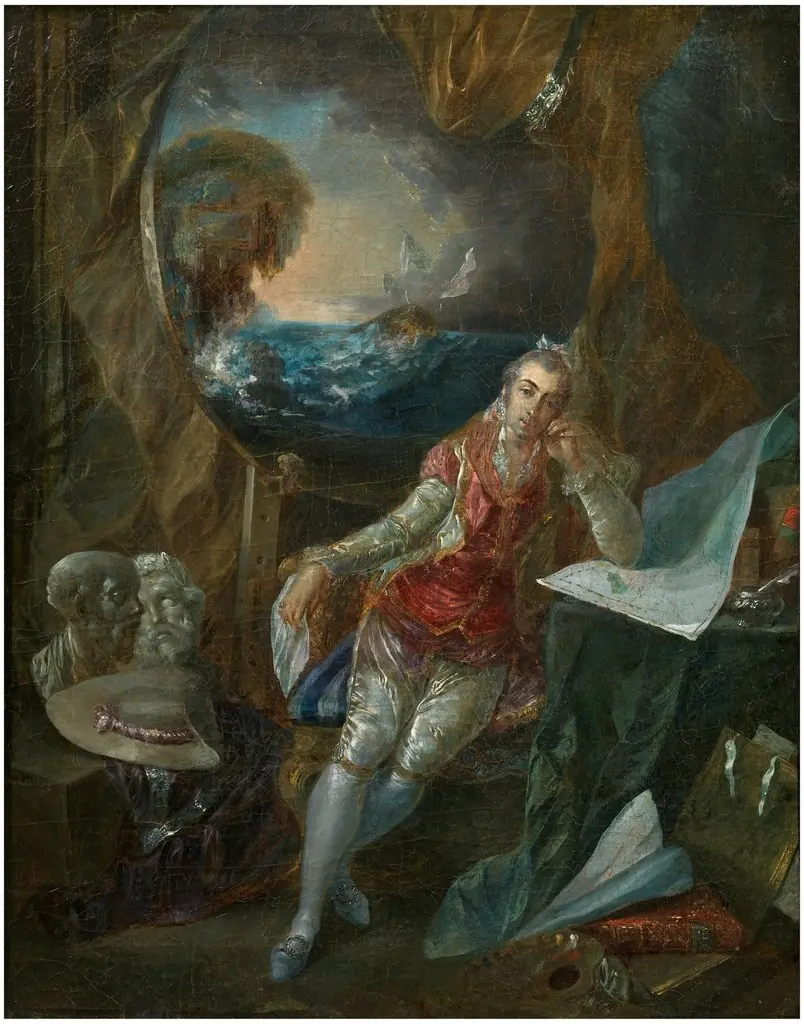 Self-portrait of the Artist in his Studio
 The Death of Marat
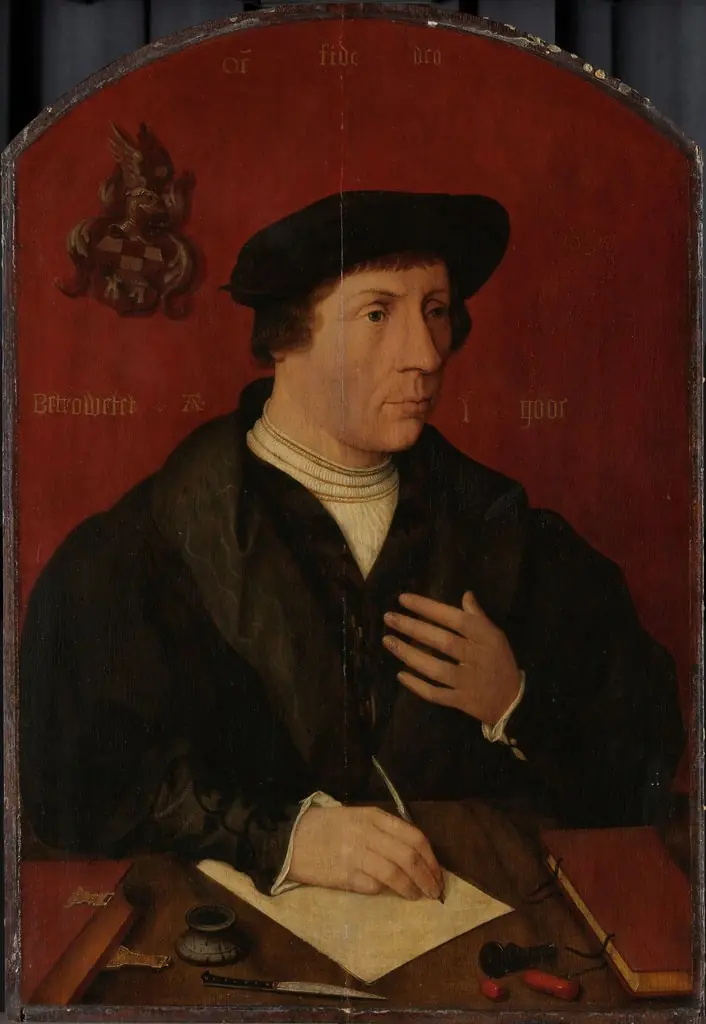 Portrait of a man
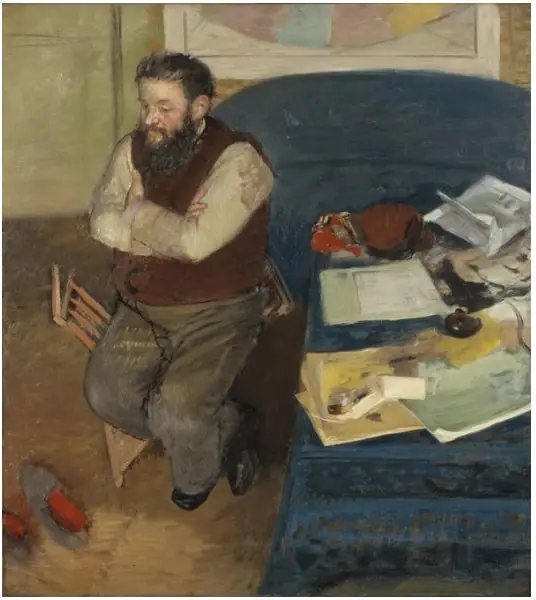 Portrait of Diego Martelli
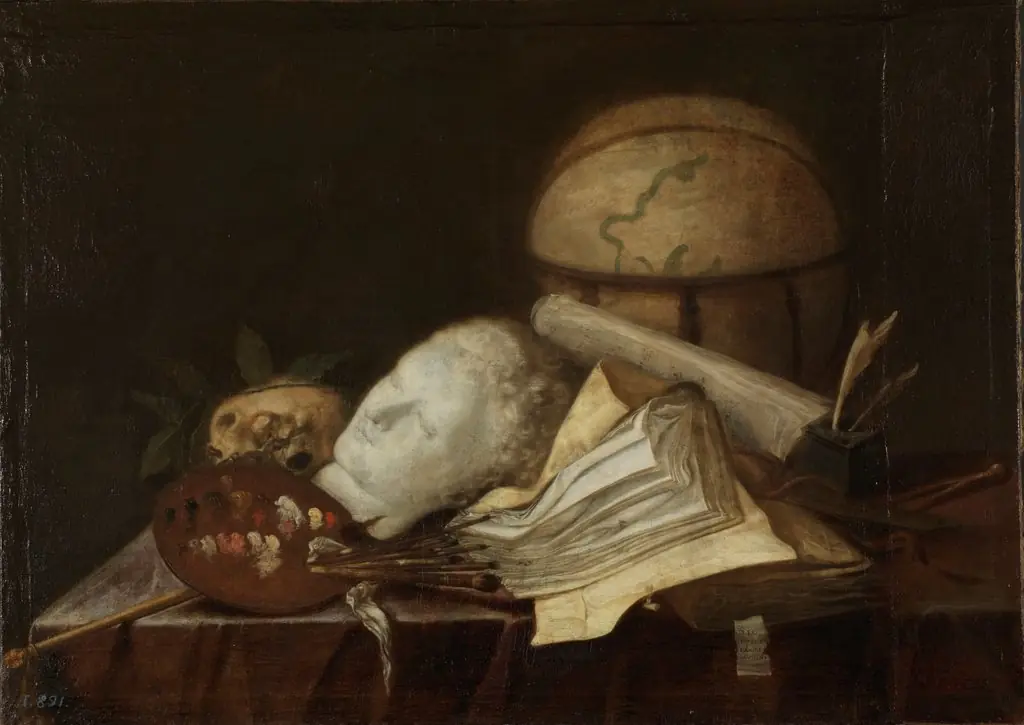 Allegory of the Arts and Sciences
 Portrait of Gaspar Melchor de Jovellanos
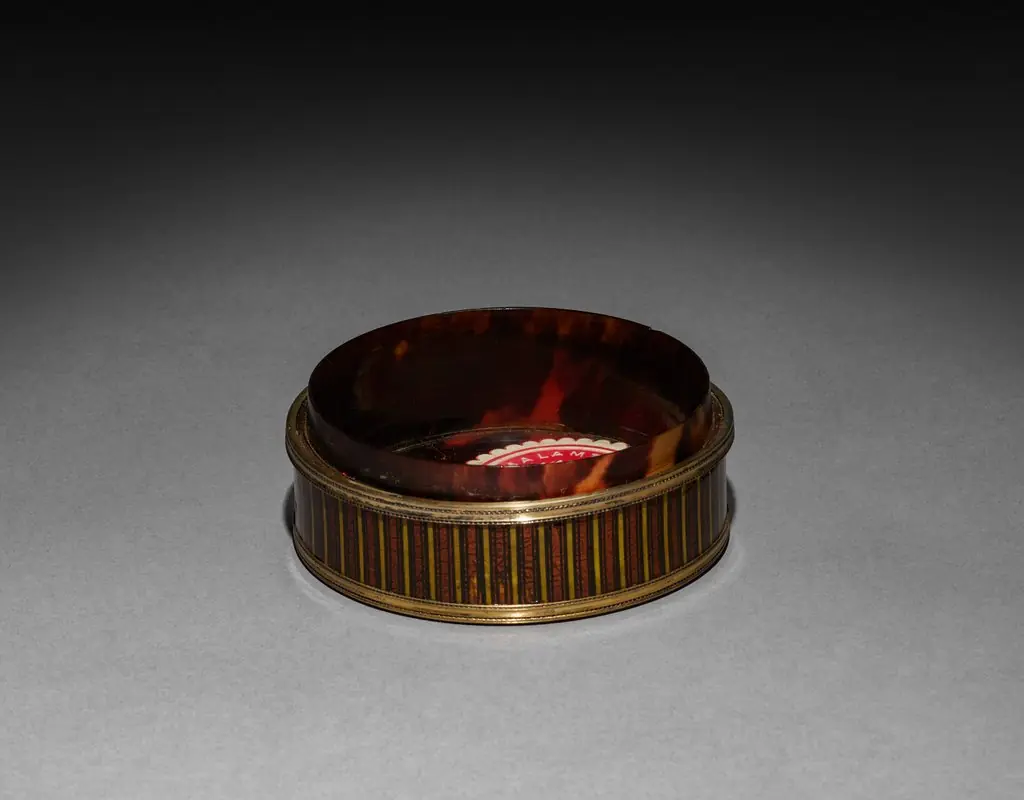 Snuff Box
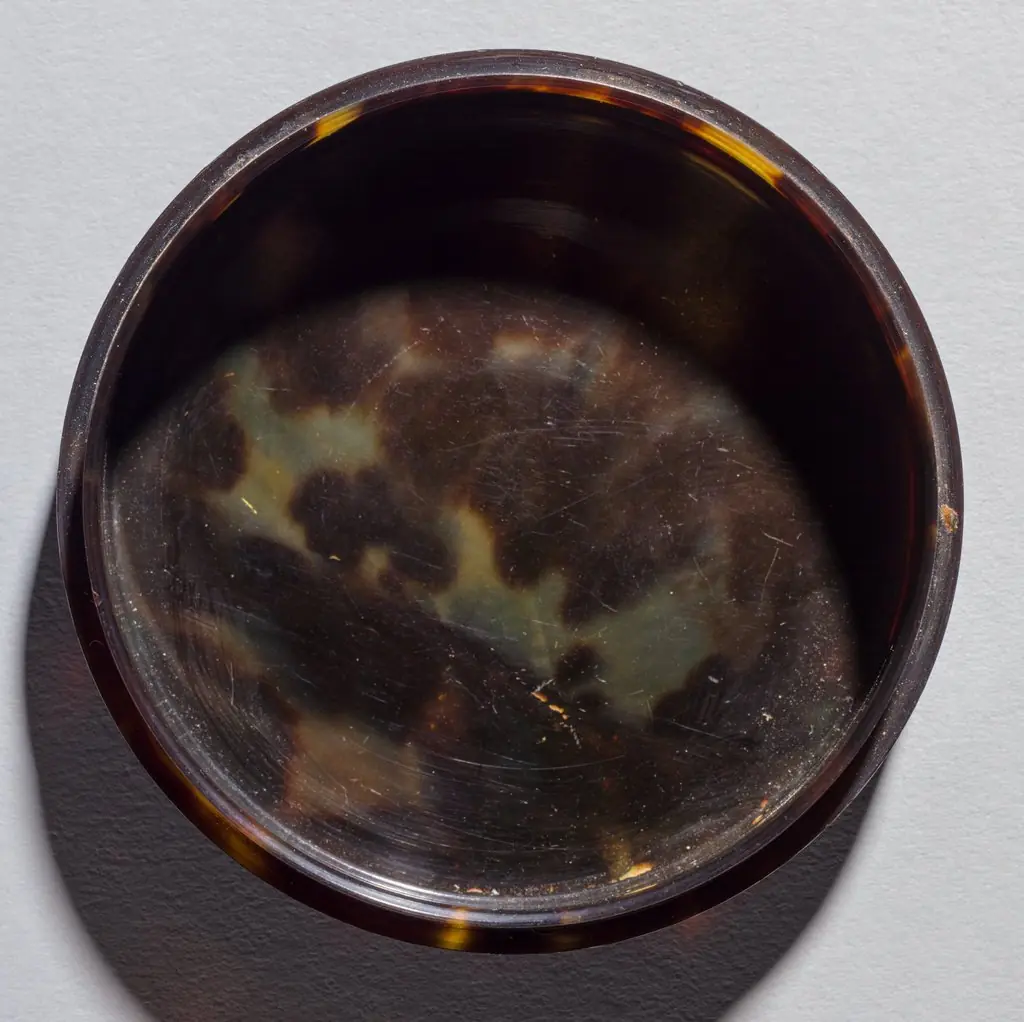 Portrait of the Artist's Children Emma and Paul (box)
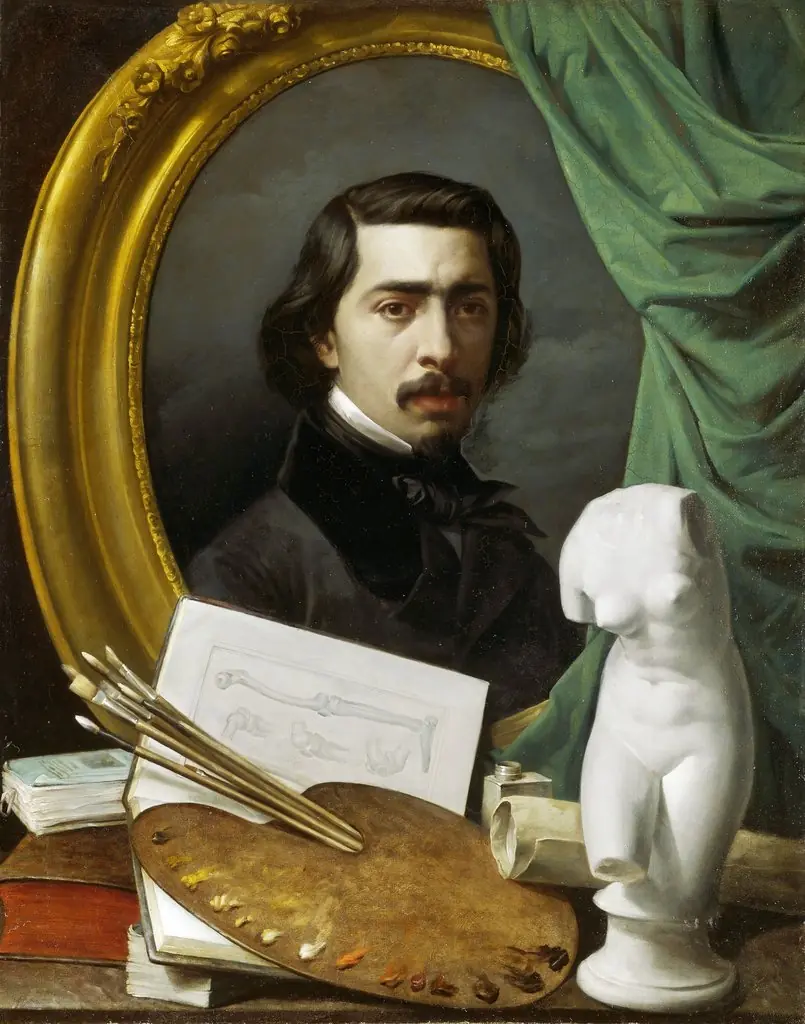 Self-portrait
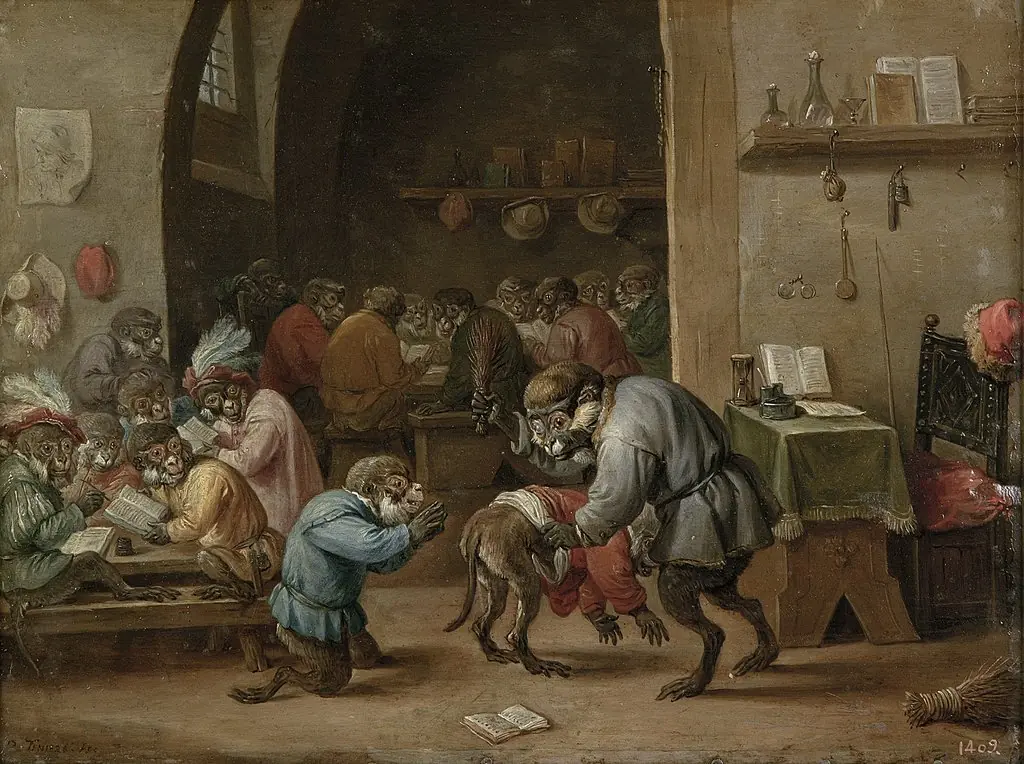 Monkeys in the school
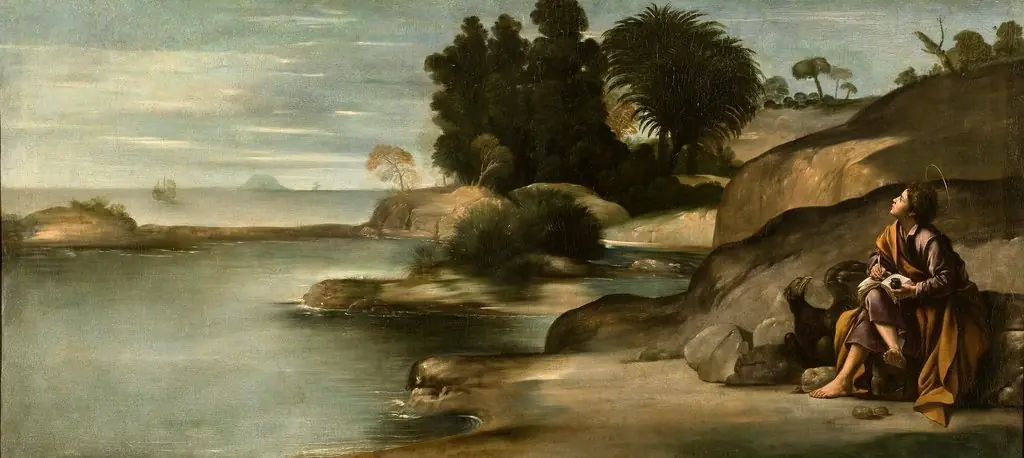 Saint John the Evangelist in Patmos
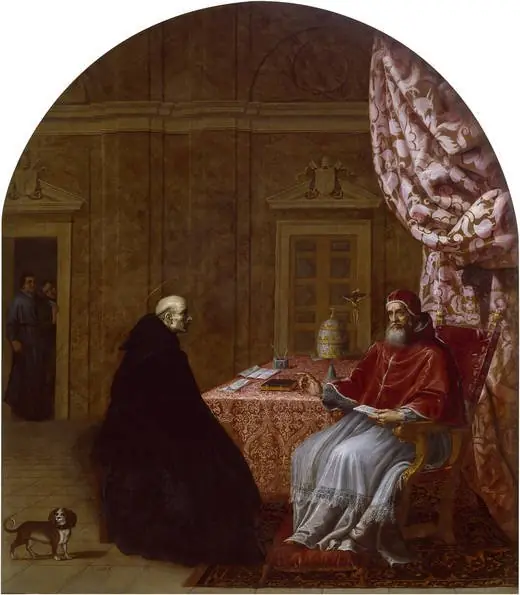 Urban II Deliberates with Saint Bruno
 The crucified Christ appears to Saint Teresa of Avila
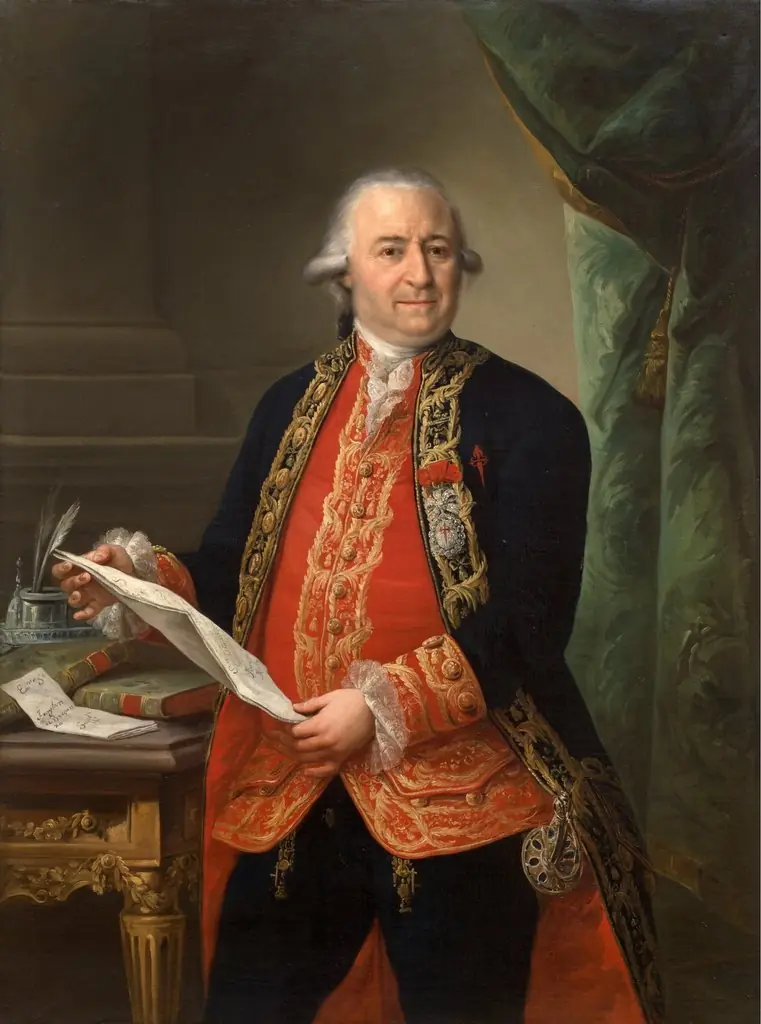 D Pedro López de Lerena, I Count of Lerena
 Santa Teresa de Jesús
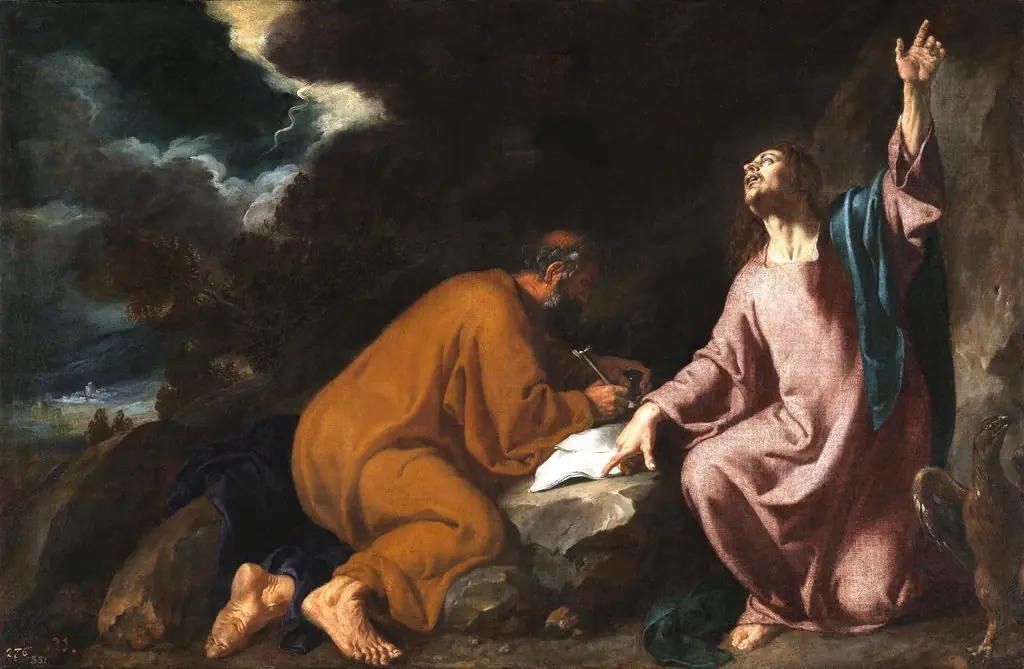 Saint Matthew and Saint John the Evangelist
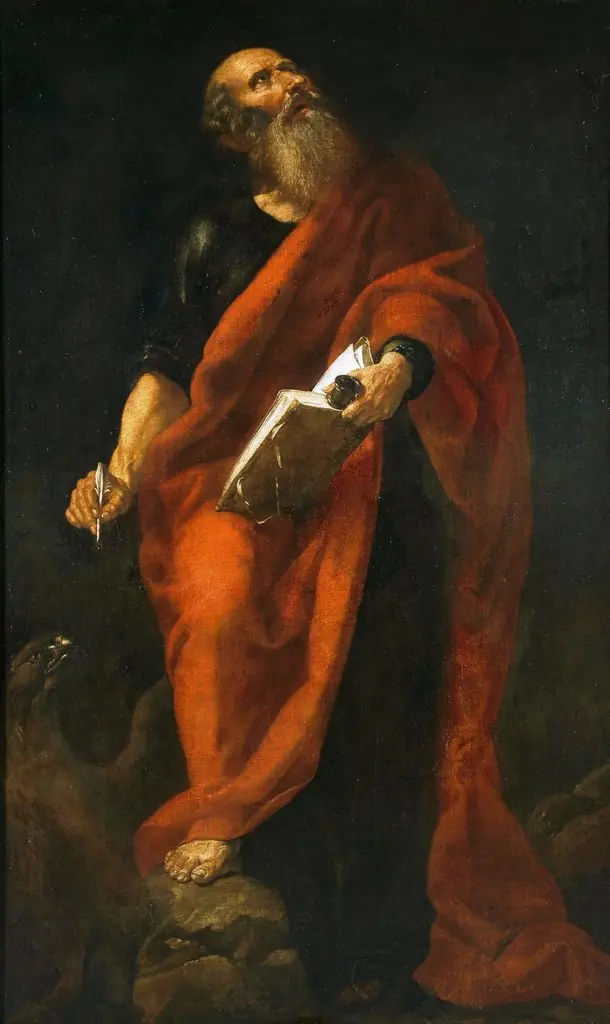 Saint John the Evangelist
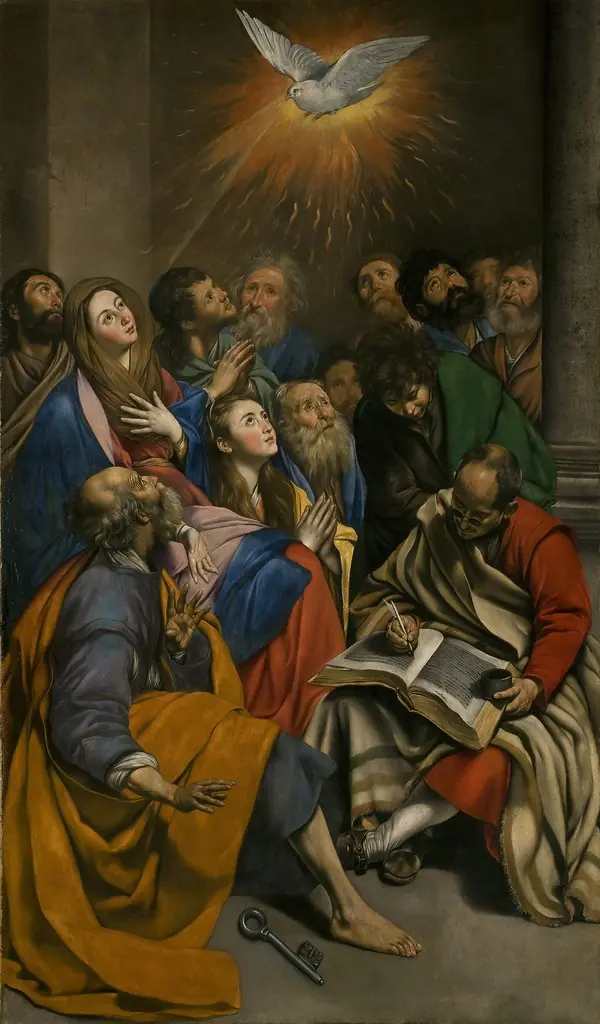 The Pentecost
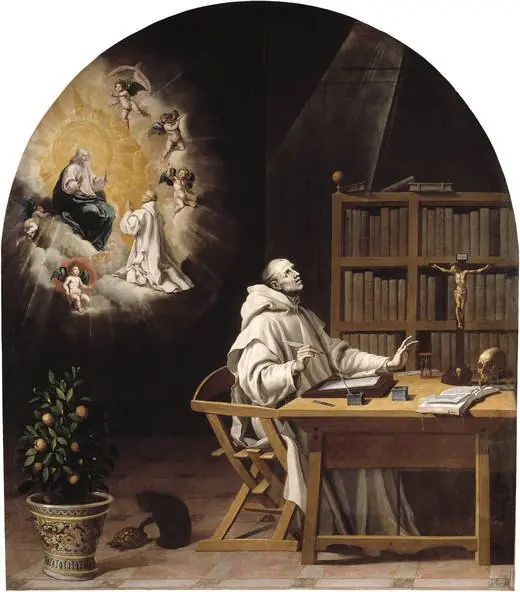 The Vision of Dionisio Rickel The Carthusian
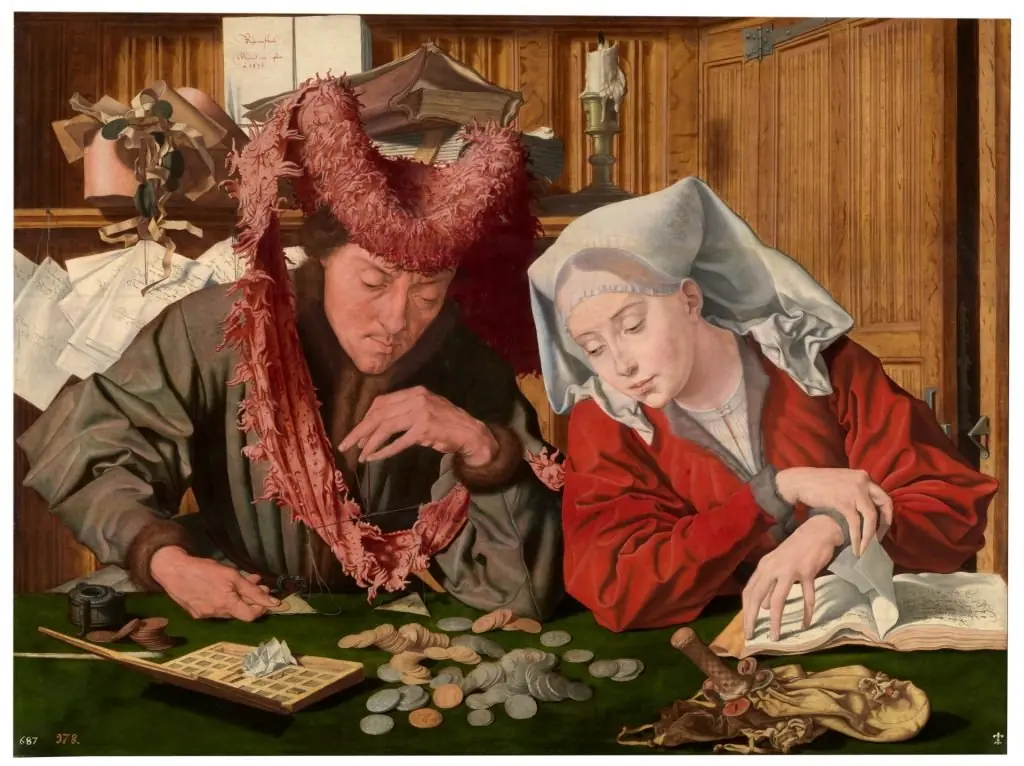 The Moneychanger and his Wife
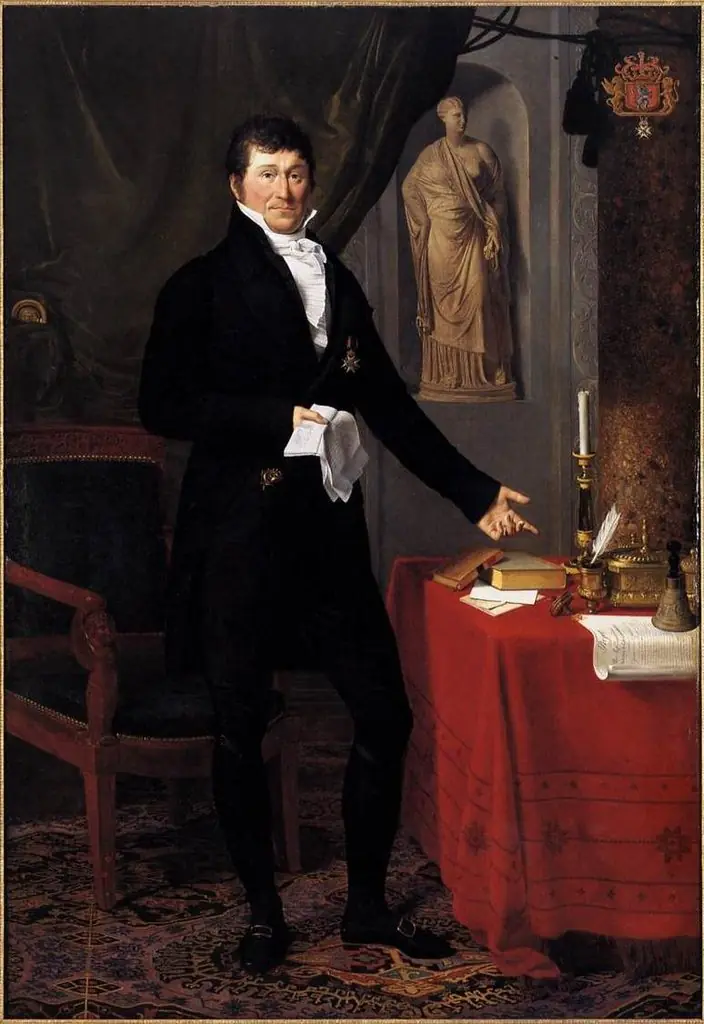 Portrait of Charles-Louis Baron de Keverberg de Kessel
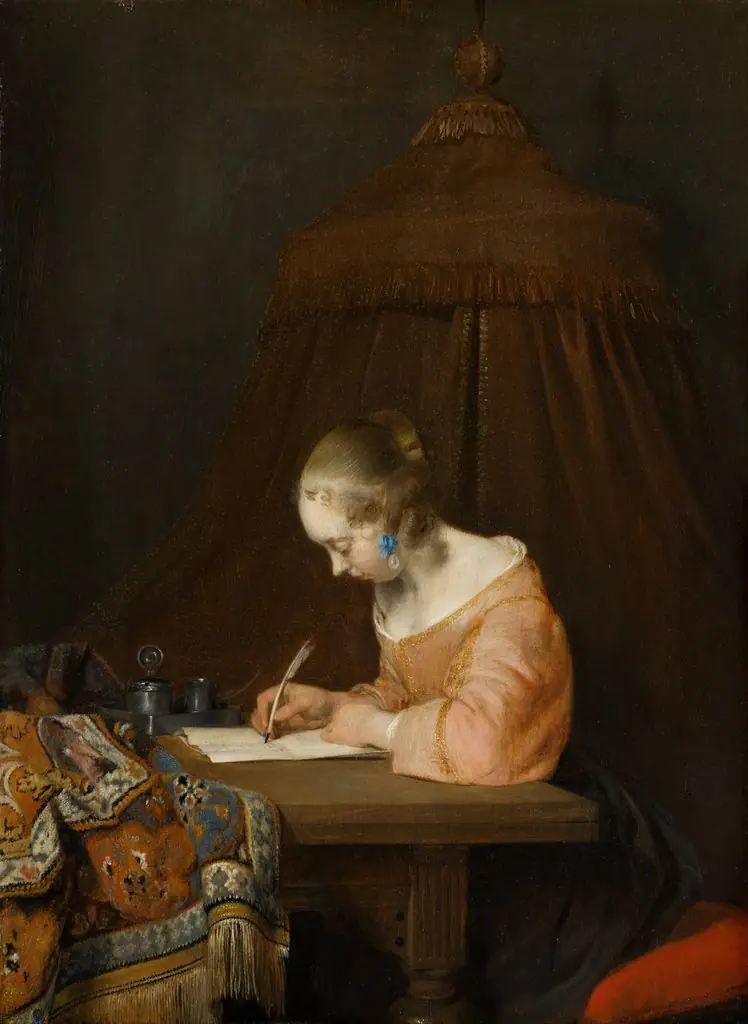 Woman writing a letter
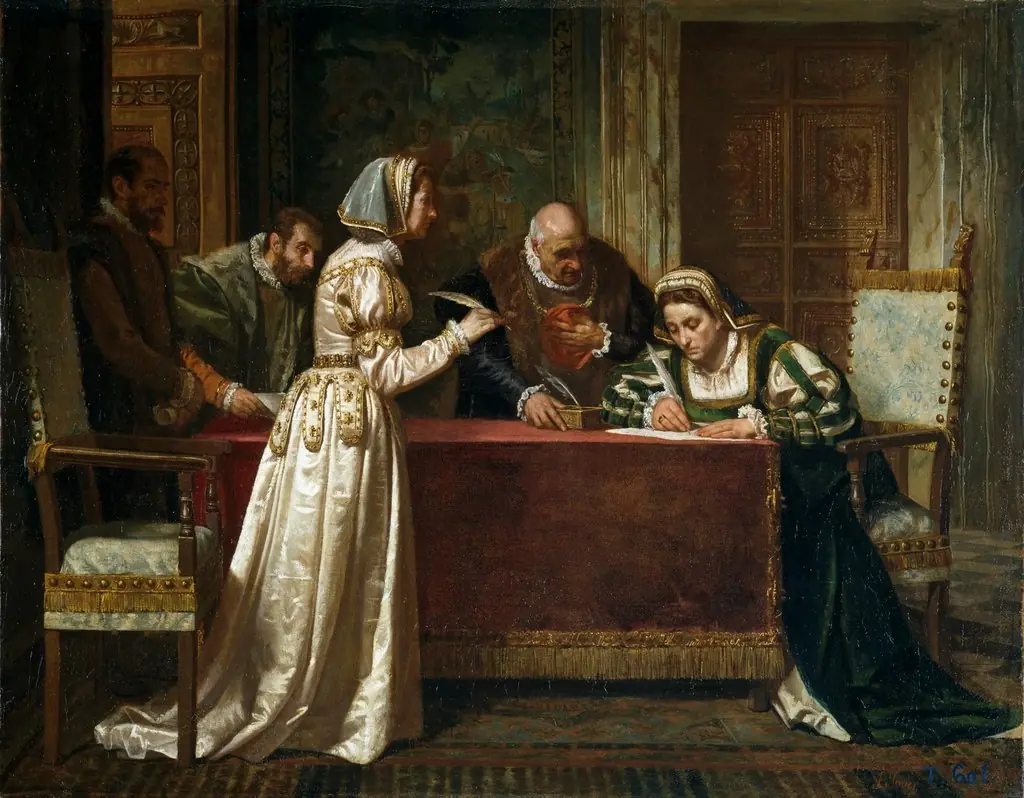 Tratado de Cambray
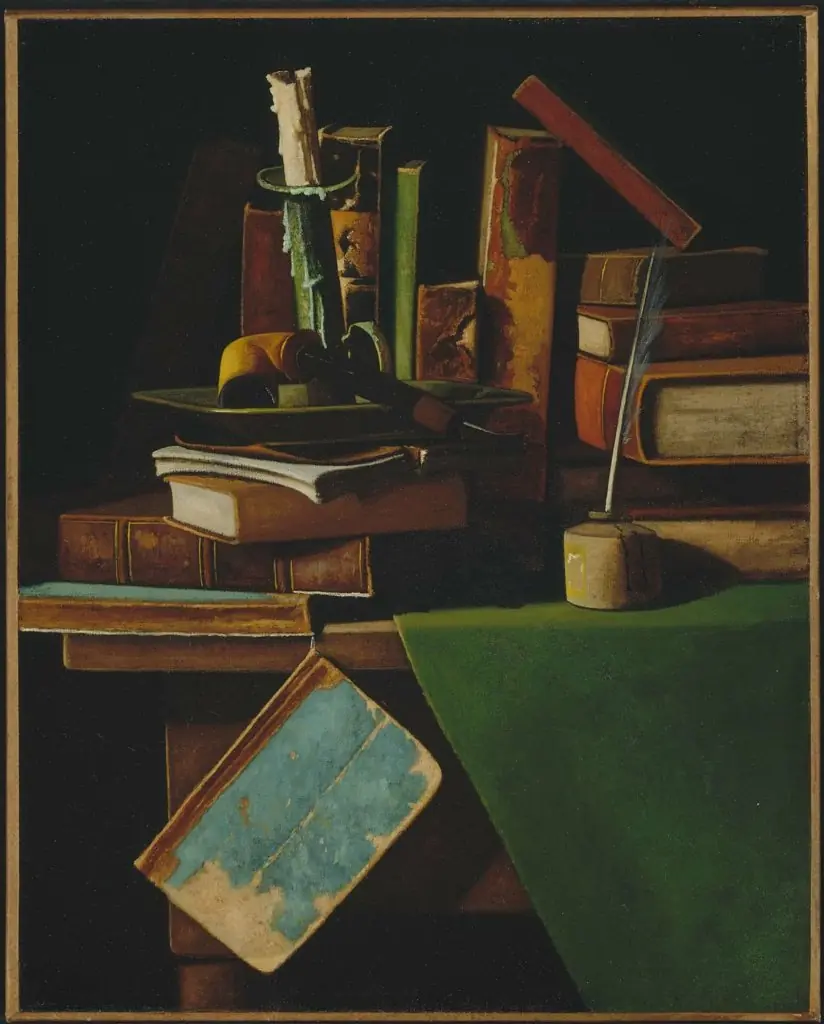 Student's Materials
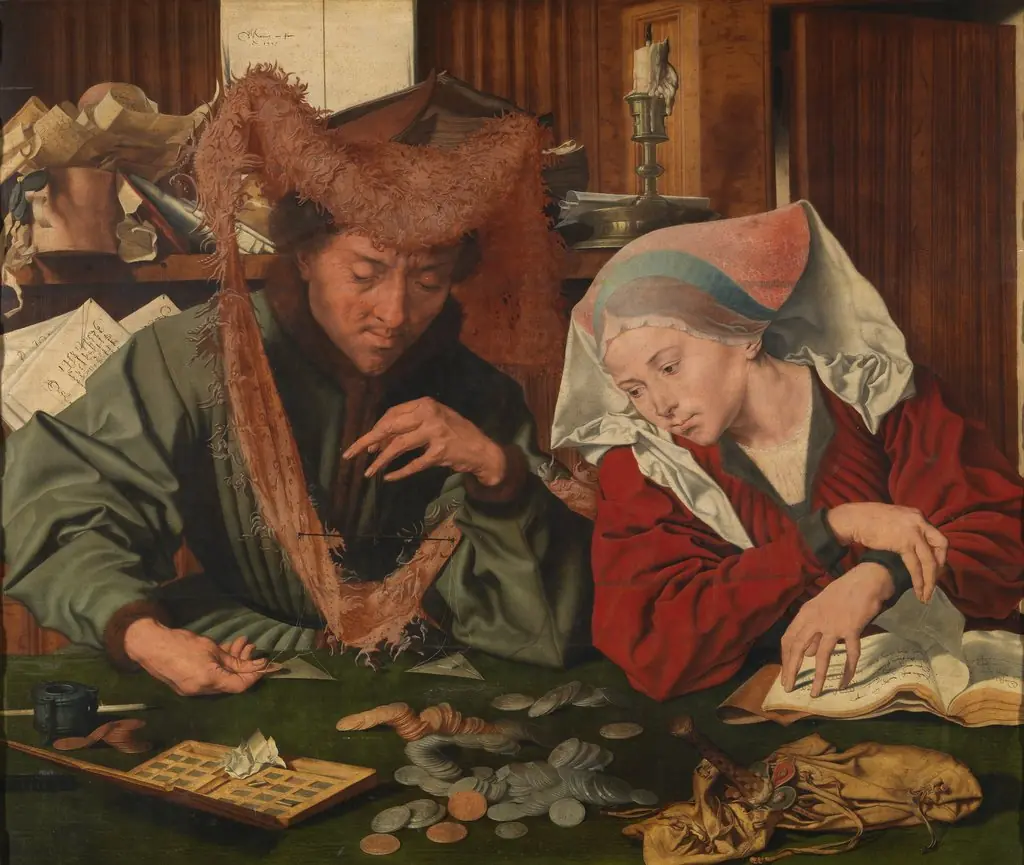 The Moneychanger and His Wife
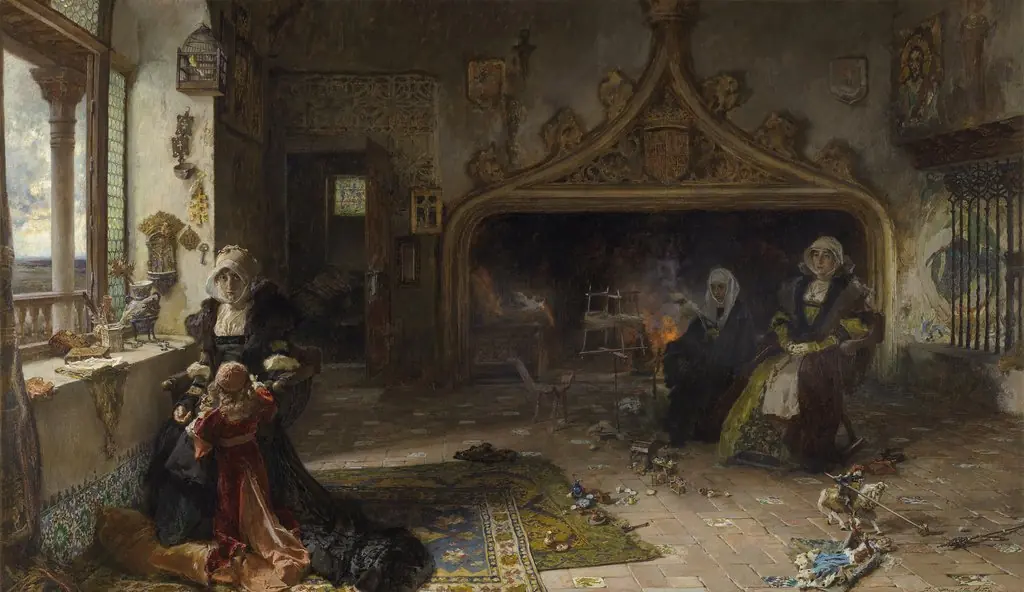 La reina doña Juana la Loca, recluida en Tordesillas con su hija, la infanta doña Catalina
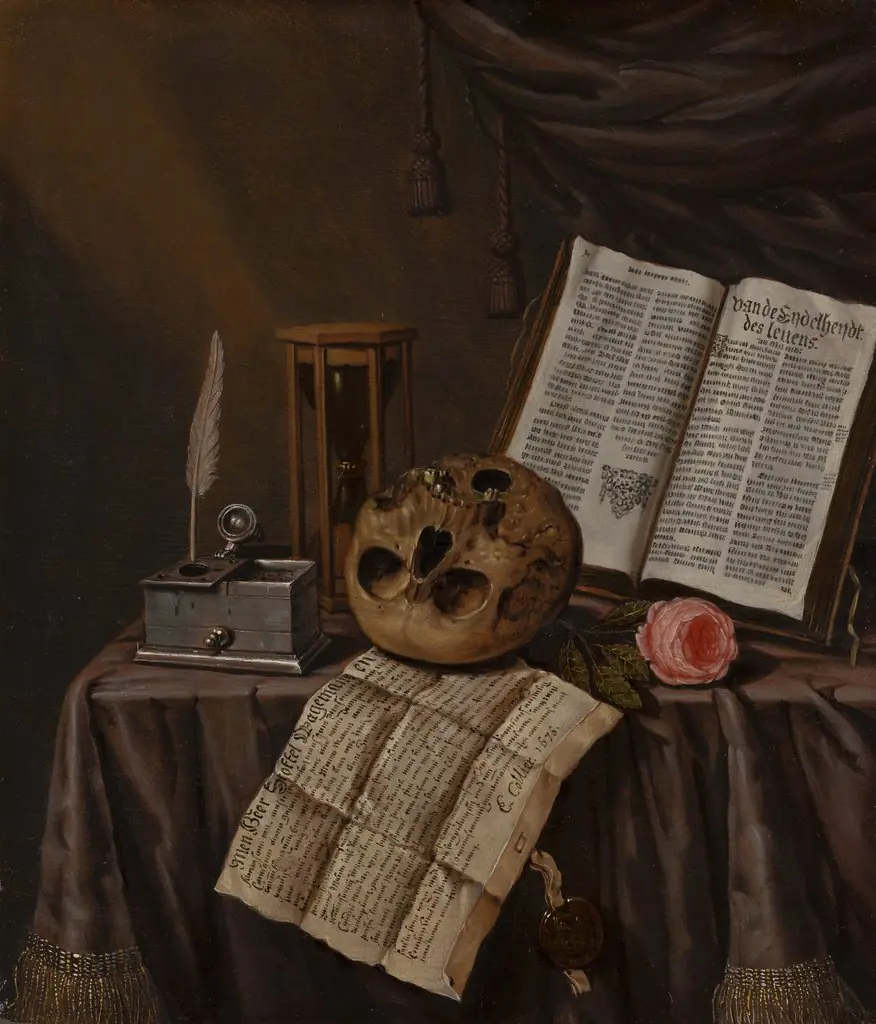 Vanitas Still Life
 Portrait of a Theologue and his Secretary
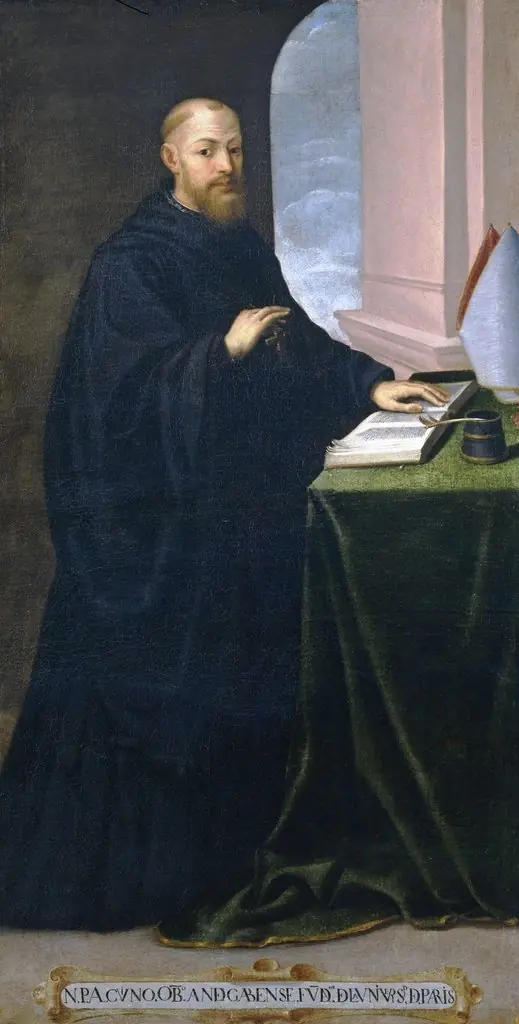 El padre Alcuino
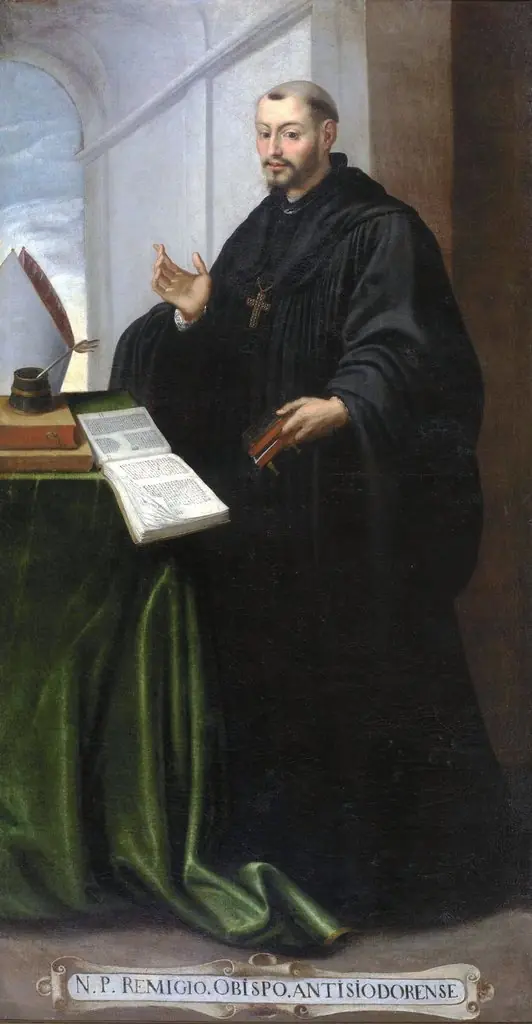 El padre Remigio
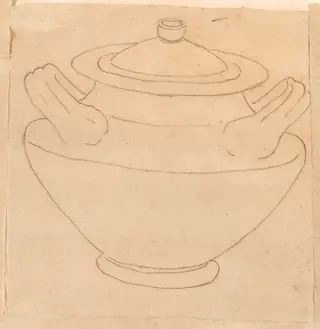 Double-Handled Pot
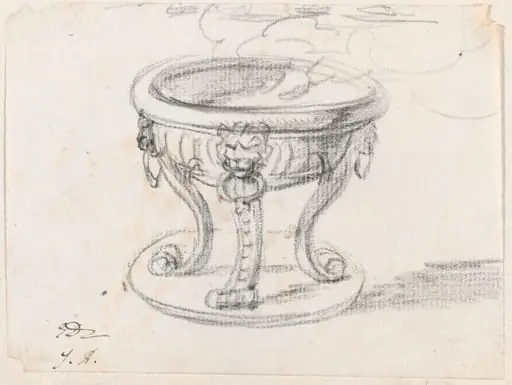 Decorative Brazier
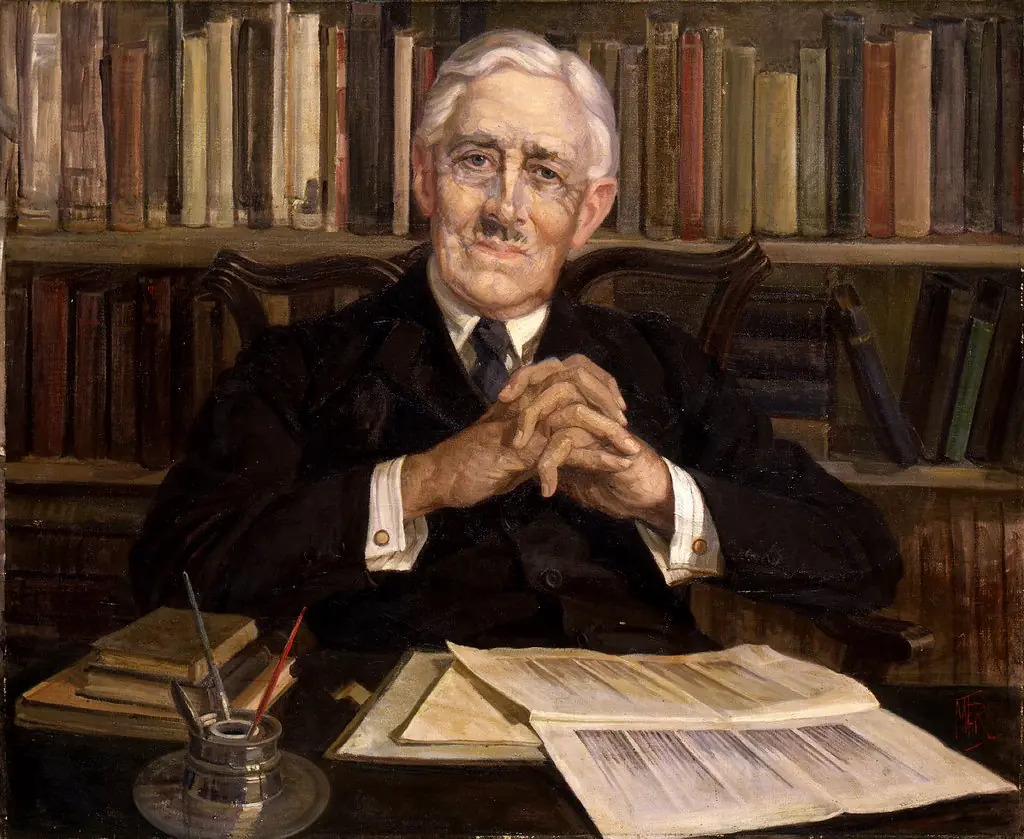 Sir Truby King, C.M.G.
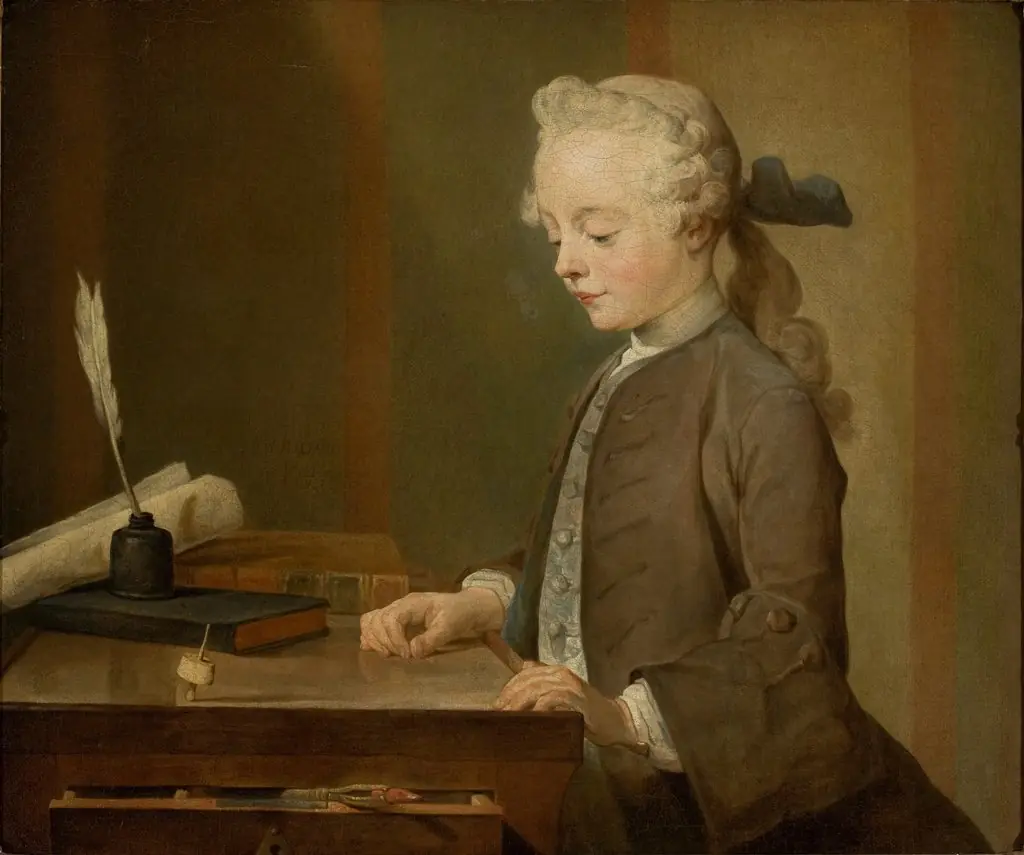 Portrait of Auguste Gabriel Godefroy
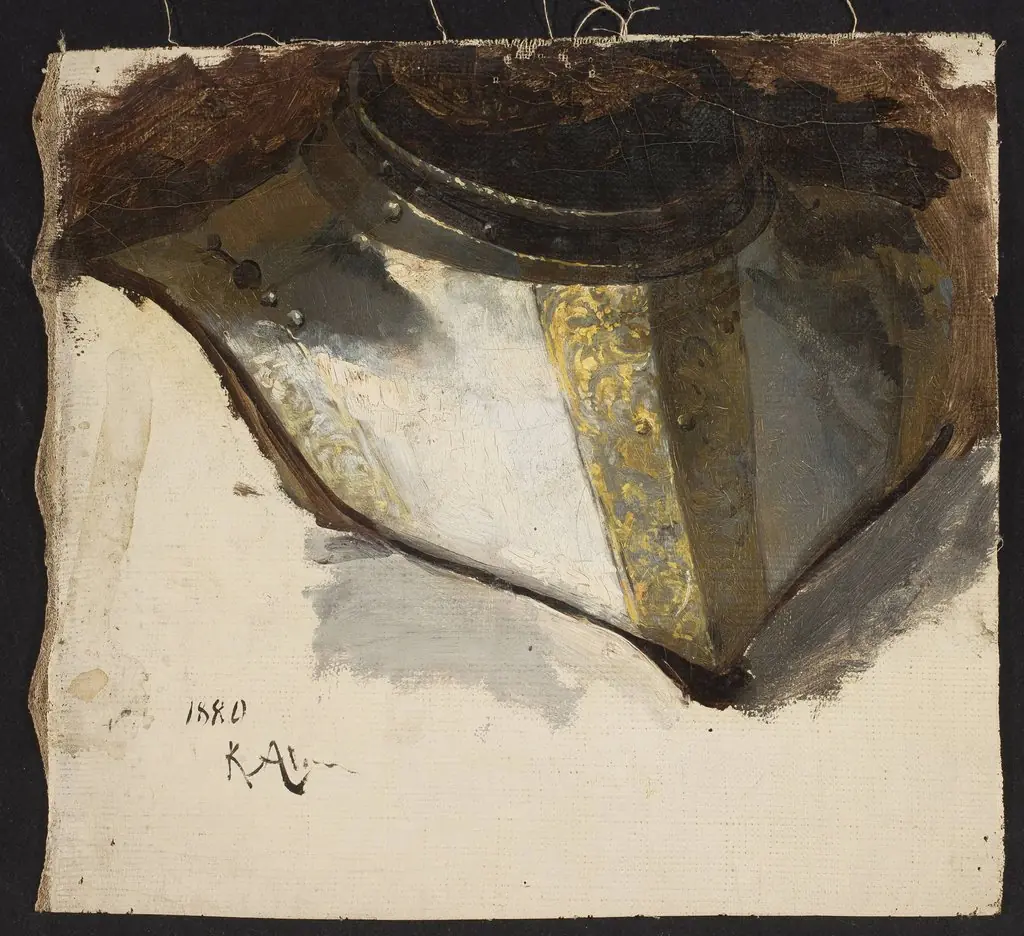 Armour bevor of Late Renaissance, study
![Studies of Jugs and Vases; A Man with Moustache and a Boy with a Hat [recto]](https://artifactworldgallery.com/img/paul-gauguin--studies-of-jugs-and-vases-a-man-with-moustache-and-a-boy-wit--f45745e972a40252-w320.webp) Studies of Jugs and Vases; A Man with Moustache and a Boy with a Hat [recto]
Studies of Jugs and Vases; A Man with Moustache and a Boy with a Hat [recto]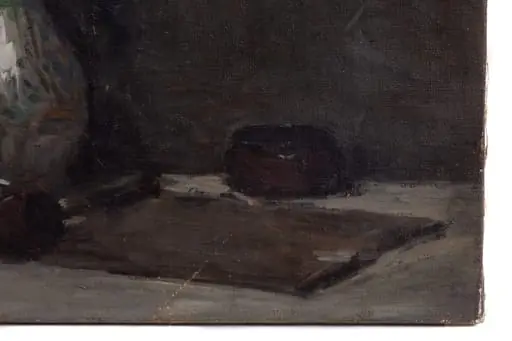 Natură statică
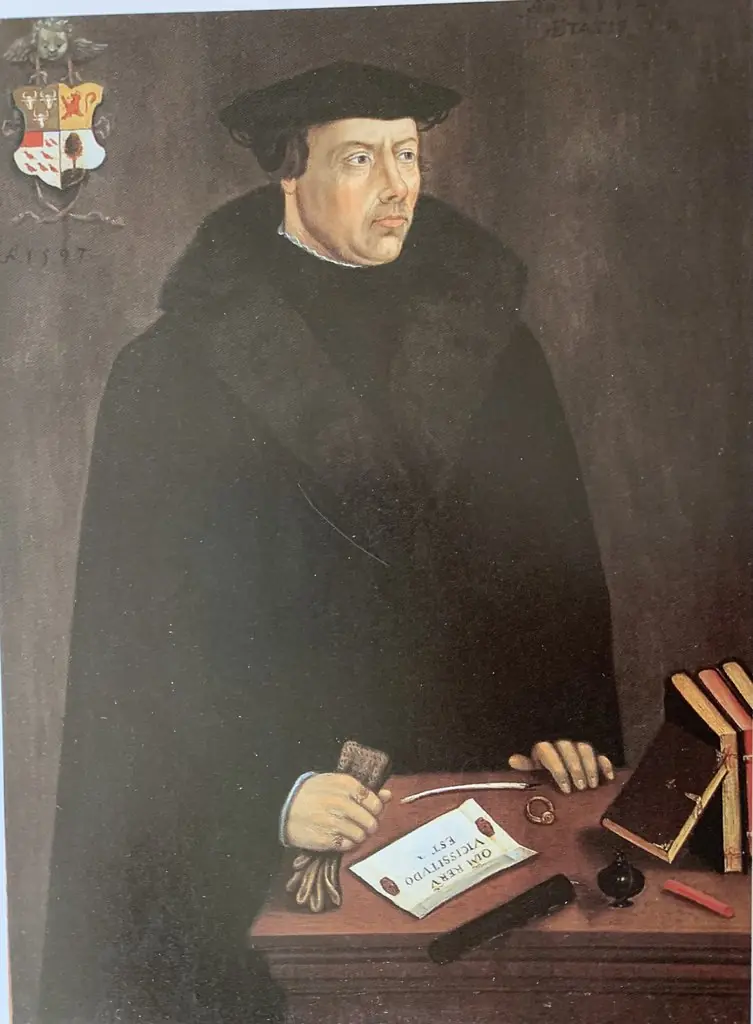 Portrait of Servaes Pietersz. Fabri
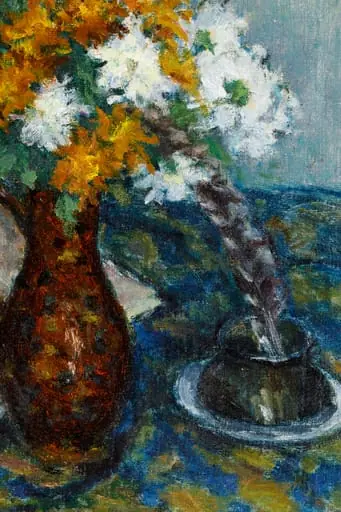 Tufănele, carte și pană pe fond albastru
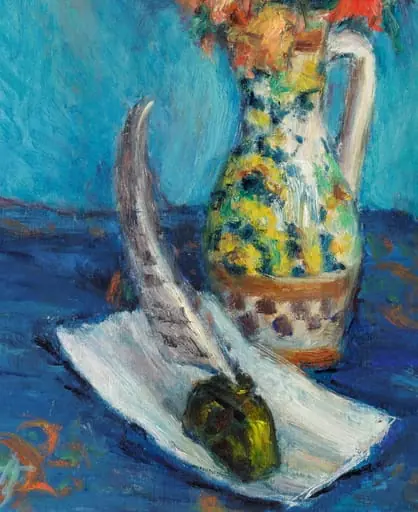 Tufănele
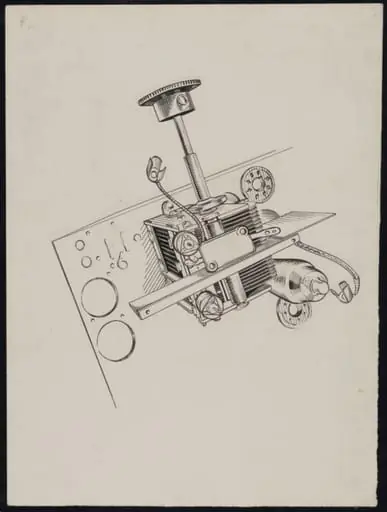 Tuner for a Murphy Radio
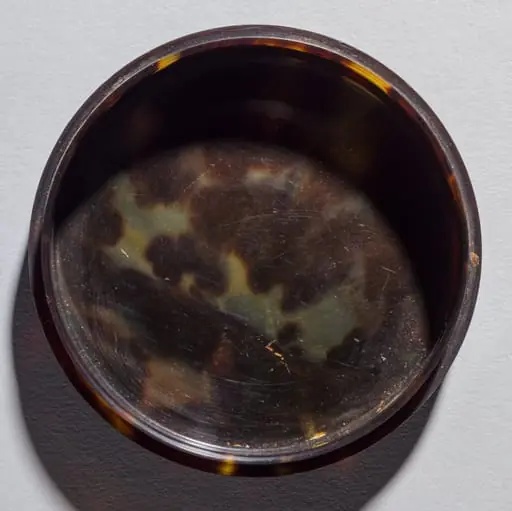 Portrait of the Artist's Children Emma and Paul (box)
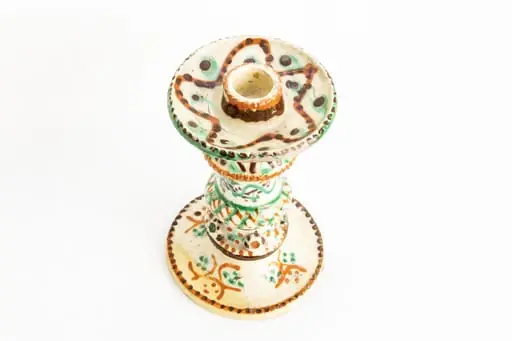 Obiectul reprezintă un sfeșnic de mici dimensiuni. Smălțuit și colorat cu angobă albă și decorat prin pictare cu cornul cu semicercuri verzi, maron și galbene, dispuse circular pe trunchiul obiectului, în registe succesive. Baza pentru suportul lumînării decorată cu o stea cu cinci raze.
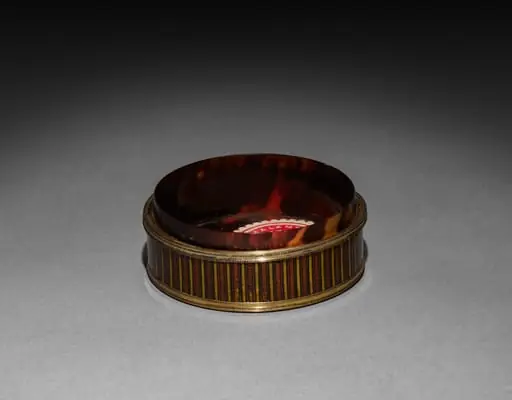 Snuff Box
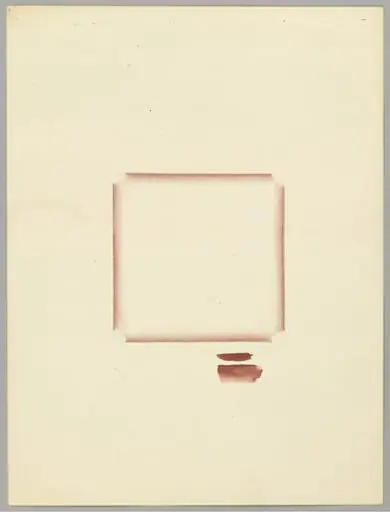 Untitled
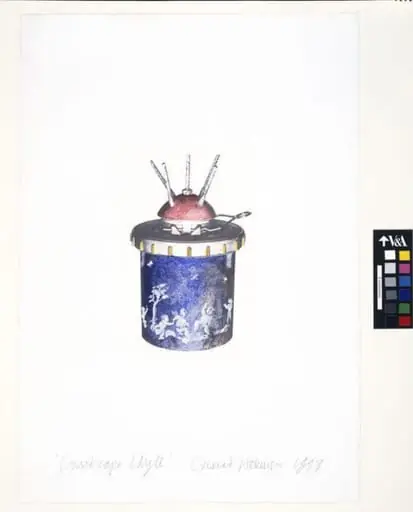 Landscape Idyll
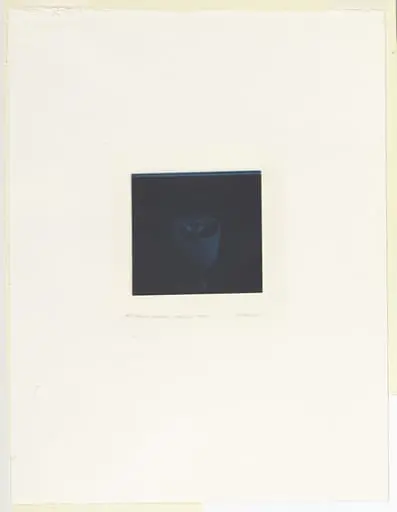 Untitled
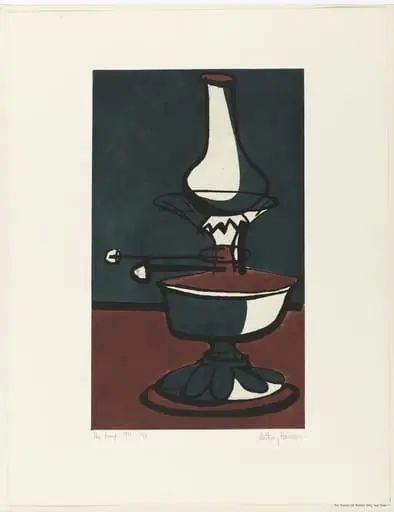 Untitled
Frequently asked questions
What is Inkwell?
Inkwell is a subject in art. An inkwell is a small jar or container, often made of glass, porcelain, silver, brass, or pewter, used for holding ink in a place convenient for the person who is writing.
How many Inkwell works does Artifact World Gallery have?
Artifact World Gallery holds 61 public-domain Inkwell works, all free to view and download.
Who are the key Inkwell artists?
Key Inkwell artists in the collection include Edgar Degas, Jacques-Louis David and Ralph Earl.
Where can I see Inkwell works?
Inkwell works in the collection are held by Museo del Prado, Metropolitan Museum of Art and National Gallery of Art.