Subject
Pen
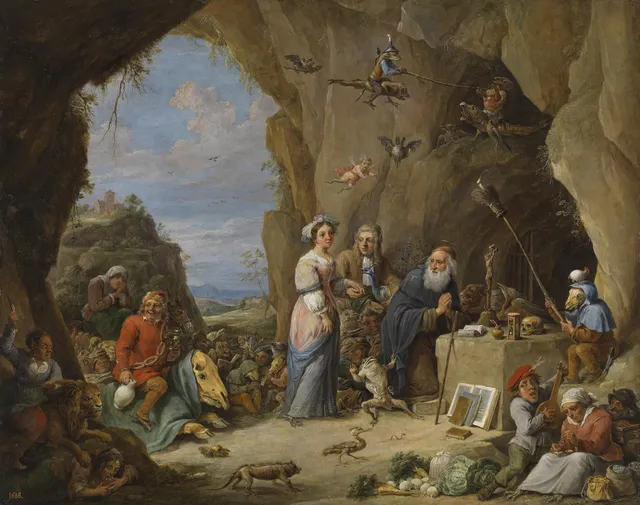
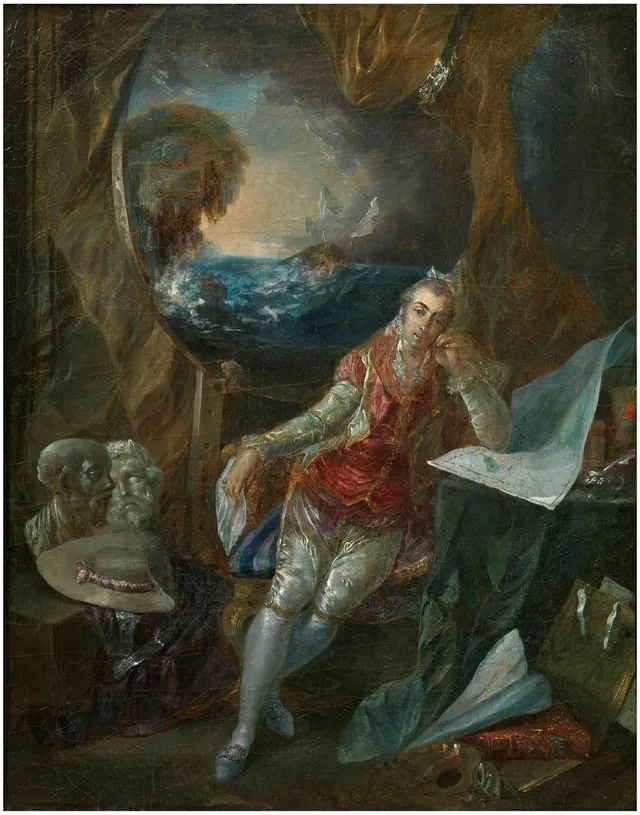
Pen is a subject in art. The gallery holds 44 works in this subject in art, including works by Marie-Denise Villers, David Teniers the Younger and Peter Paul Rubens.
A pen ( ) is a common writing instrument that applies ink to a surface, typically paper, for writing or drawing. Early pens such as reed pens, quill pens, dip pens and ruling pens held a small amount of ink on a nib or in a small void or cavity that had to be periodically recharged by dipping the tip of the pen into an inkwell.
Key artists
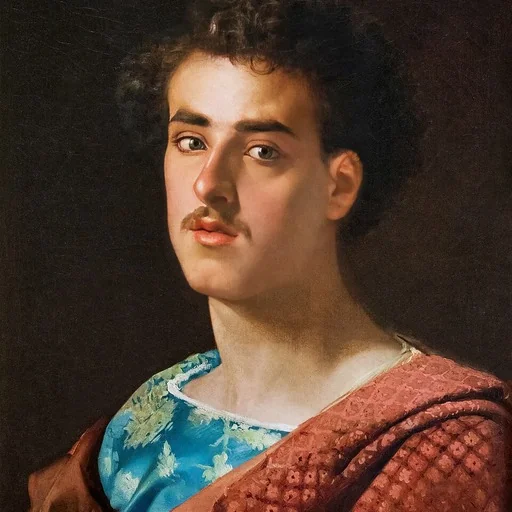
Overview
A pen is a writing and drawing instrument that applies liquid or paste ink to a surface, typically paper. Historically, early pens such as reed, quill, and dip pens held only a small amount of ink on a nib or in a cavity, requiring the user to periodically recharge the tip by dipping it into an inkwell. The word itself derives from the Latin penna, meaning feather, reflecting the material of its most prominent historical form. Over centuries, the instrument evolved from simple reed stalks and flight feathers into complex constructions with internal ink reservoirs, such as fountain, ballpoint, and felt-tipped pens, fundamentally shaping the mechanics of writing and drawing.
Across movements & periods
The artistic treatment of the pen tracks its technological evolution and shifting cultural roles. Ancient Egyptian scribes used reed brushes on papyrus, a practice continuing into the Middle Ages before animal skin surfaces allowed the finer quill pen to prevail. By the 7th century, quills dominated European scriptoria, remaining standard through the 18th century. Metal pens existed in the Roman Empire, with specimens found at Pompeii, but mass-produced steel nibs only emerged in 1822. Reservoir pens appeared sporadically from the 10th century, with the first fountain pen patented in 1827. The 20th century introduced ballpoint pens in 1938, felt-tipped pens in the 1960s, and rollerballs in the 1970s, shifting depictions from formal dipping implements to self-contained tools of modern efficiency.
Notable depictions
Among canonical historical depictions, the quill pen is famously associated with the Dead Sea Scrolls, written around 100 BC in Qumran using bird feathers. Quills also served to write and sign the United States Constitution in 1787. In the history of design, Leonardo da Vinci sketched metal pens with cylindrical ink reservoirs in his 1508 Codex Atlanticus. Daniel Schwenter described a dual-quill reservoir pen in 1636. The 19th century saw the Romanian inventor Petrache Poenaru patent a fountain pen with a quill reservoir in 1827, while John Mitchell of Birmingham initiated mass production of metal nib pens in 1822. The modern ballpoint pen was patented by John J. Loud in 1888 and later refined by Laszlo Biro in 1938, marking a definitive shift in the instrument's visual and functional identity.
Legacy
The pen's legacy extends beyond its primary function into cultural and technological afterlives. In the 20th century, the instrument became a prop for the sport of penspinning, which originated in 1970s Japan and spread globally as a discipline of manual dexterity. Digitally, the pen transitioned into the stylus, used for capacitive screens and graphics tablets, preserving the gestural familiarity of handwriting in electronic media. While traditional dip pens have been largely relegated to specialized uses in illustration and calligraphy, the instrument remains a foundational symbol of literacy and creative expression, its historical forms preserved in both museum collections and the iconographic traditions of Western art.
Works
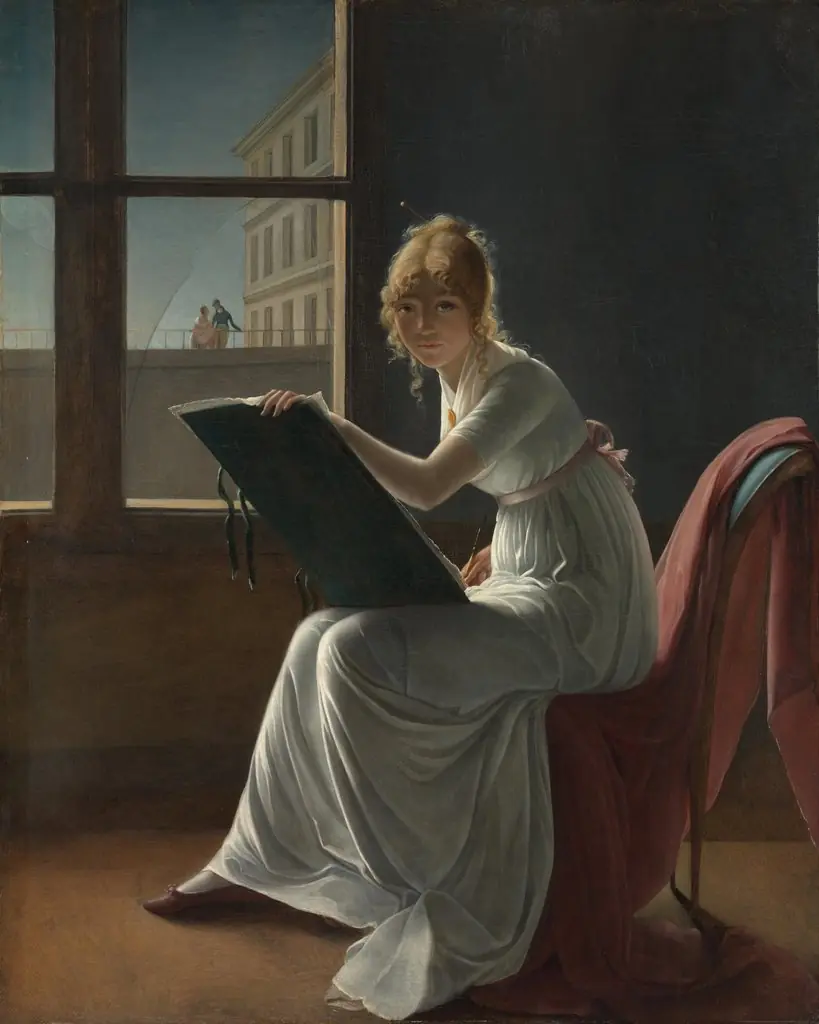 Portrait of Charlotte du Val d'Ognes
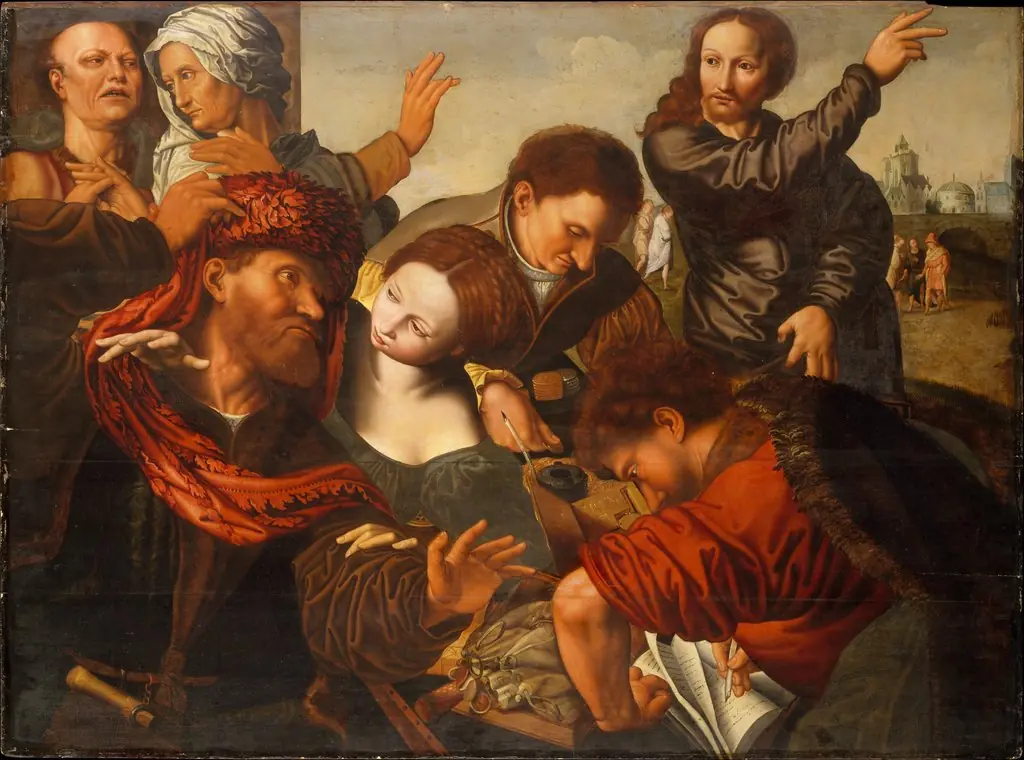 The Calling of Saint Matthew
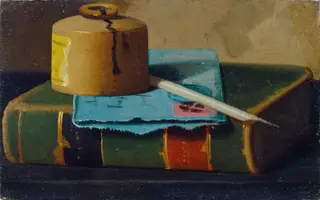 The Blue Envelope
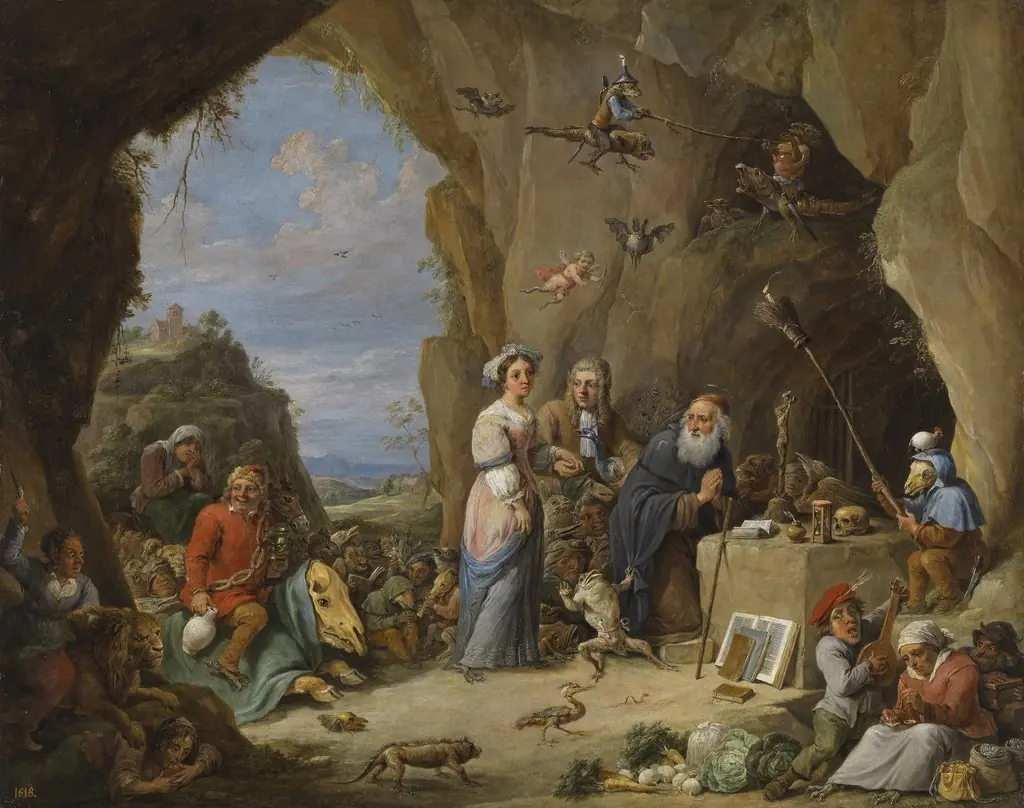 Temptation of St. Anthony
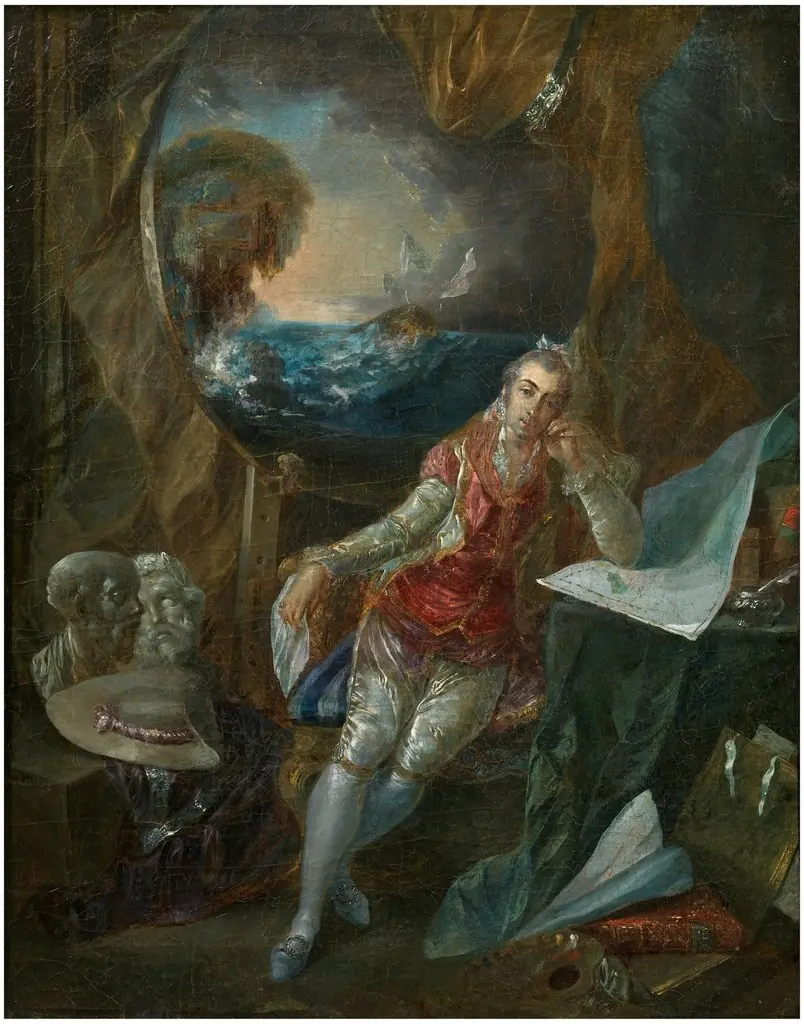 Self-portrait of the Artist in his Studio
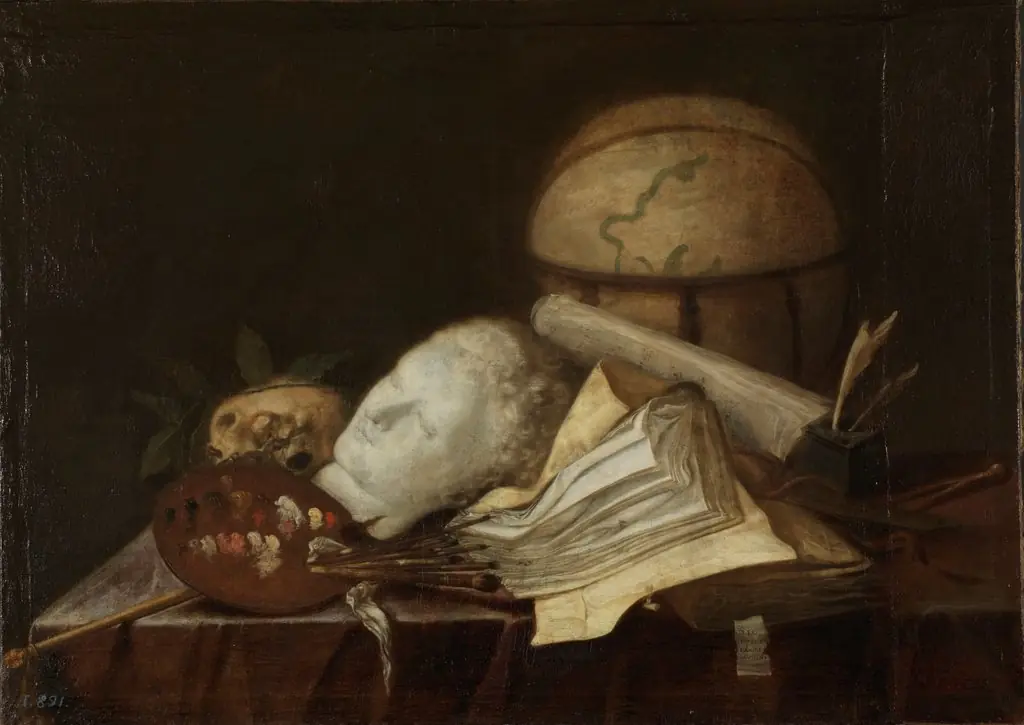 Allegory of the Arts and Sciences
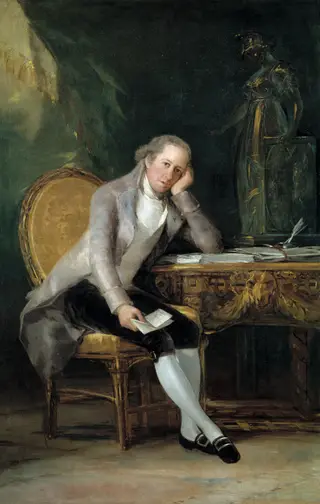 Portrait of Gaspar Melchor de Jovellanos
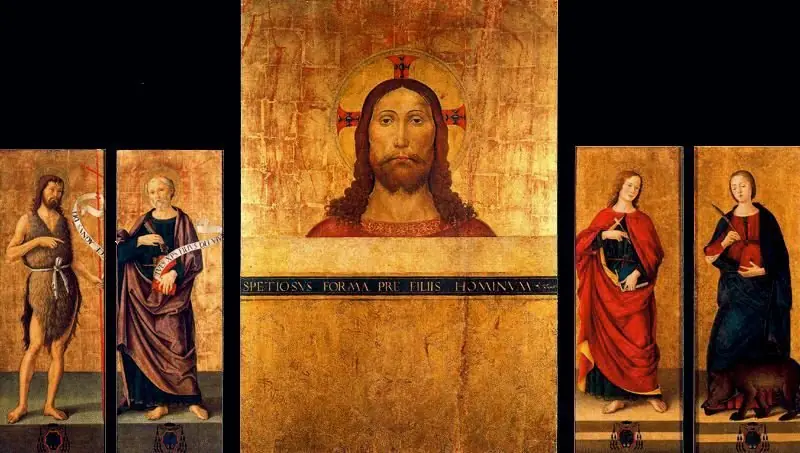 Triptych: Bust of Christ, Saint John the Baptist and Saint Peter. Closed: Saint John the Evangelist and Saint Colombe
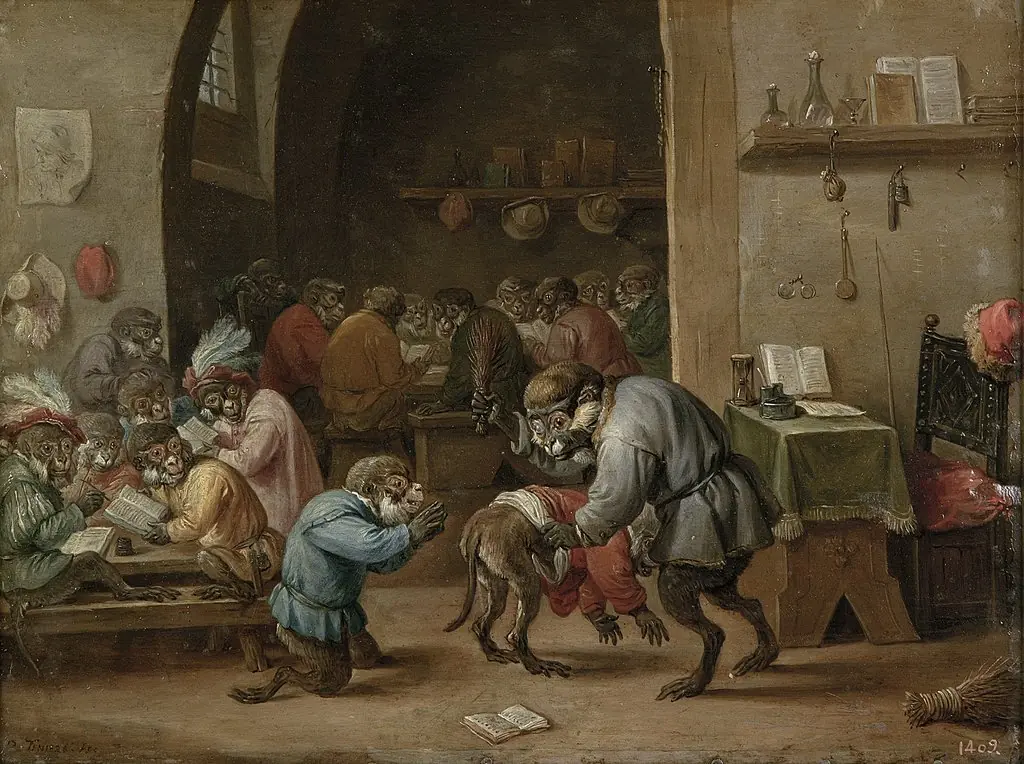 Monkeys in the school
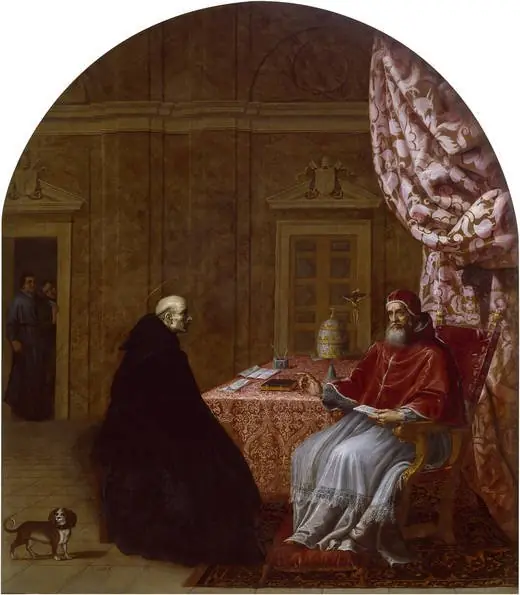 Urban II Deliberates with Saint Bruno
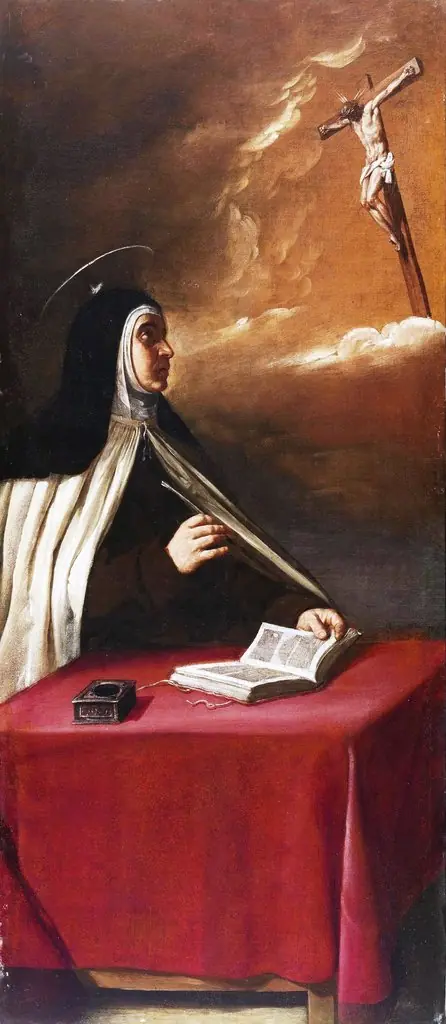 The crucified Christ appears to Saint Teresa of Avila
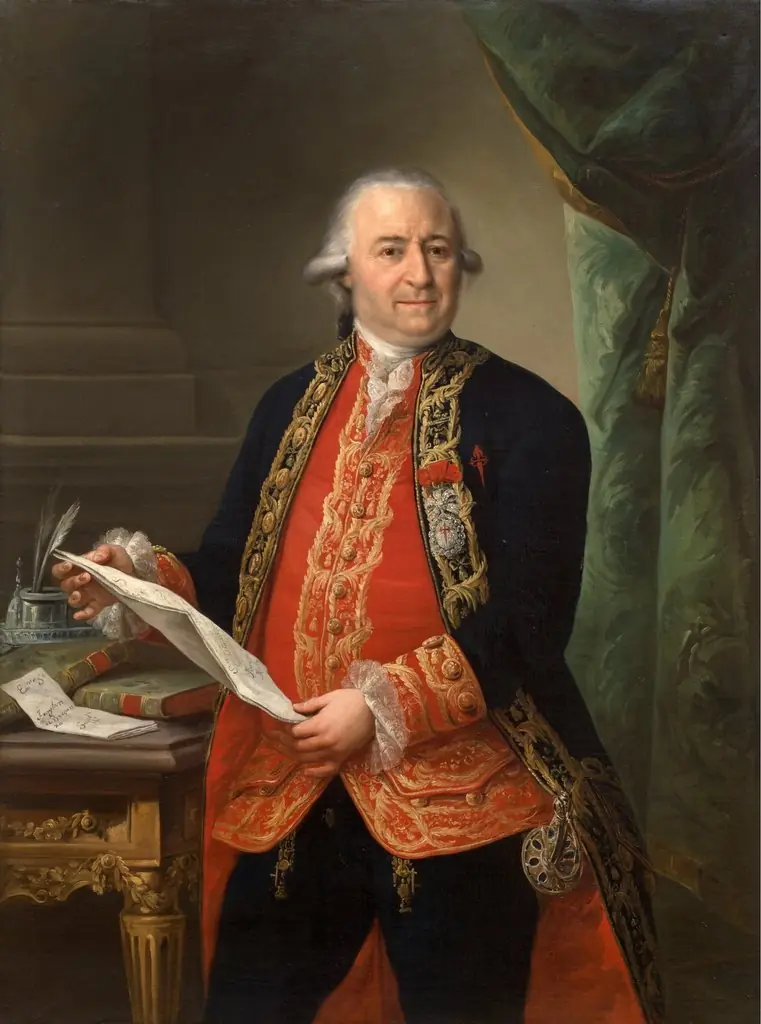 D Pedro López de Lerena, I Count of Lerena
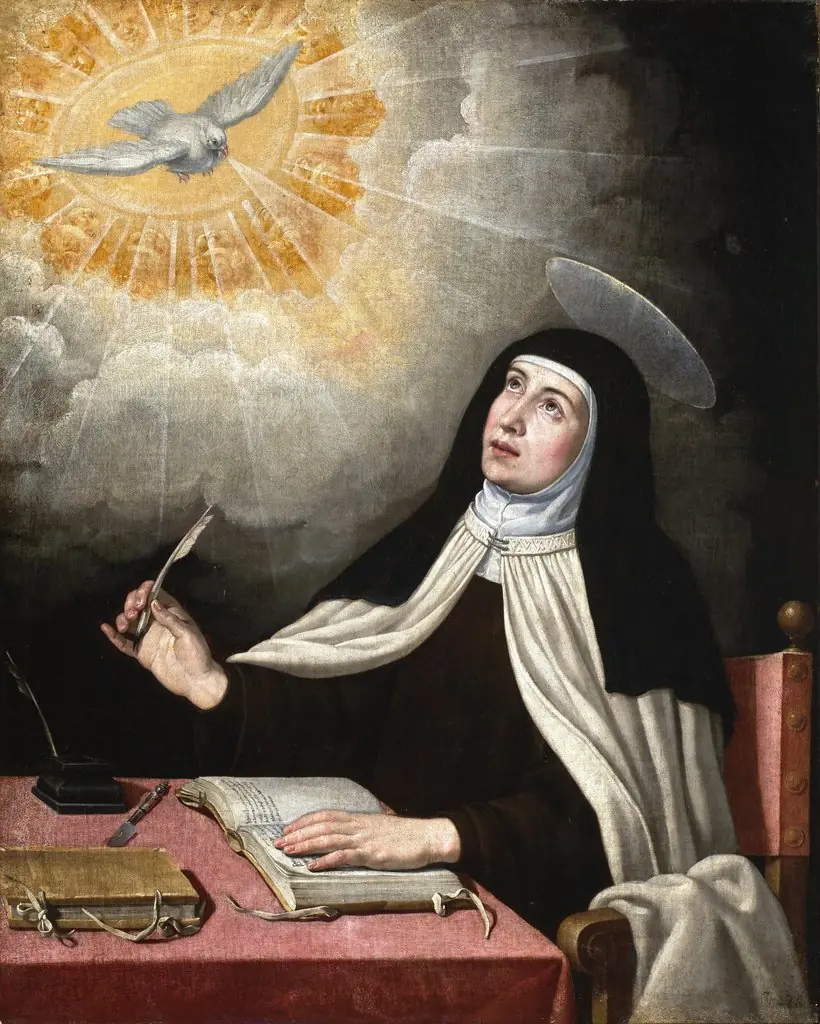 Santa Teresa de Jesús
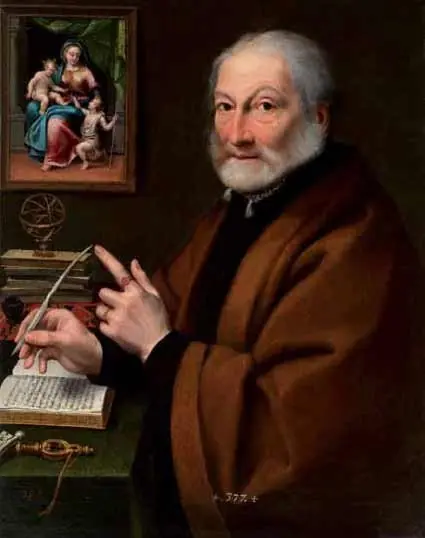 Portrait of Giovanni Battista Caselli
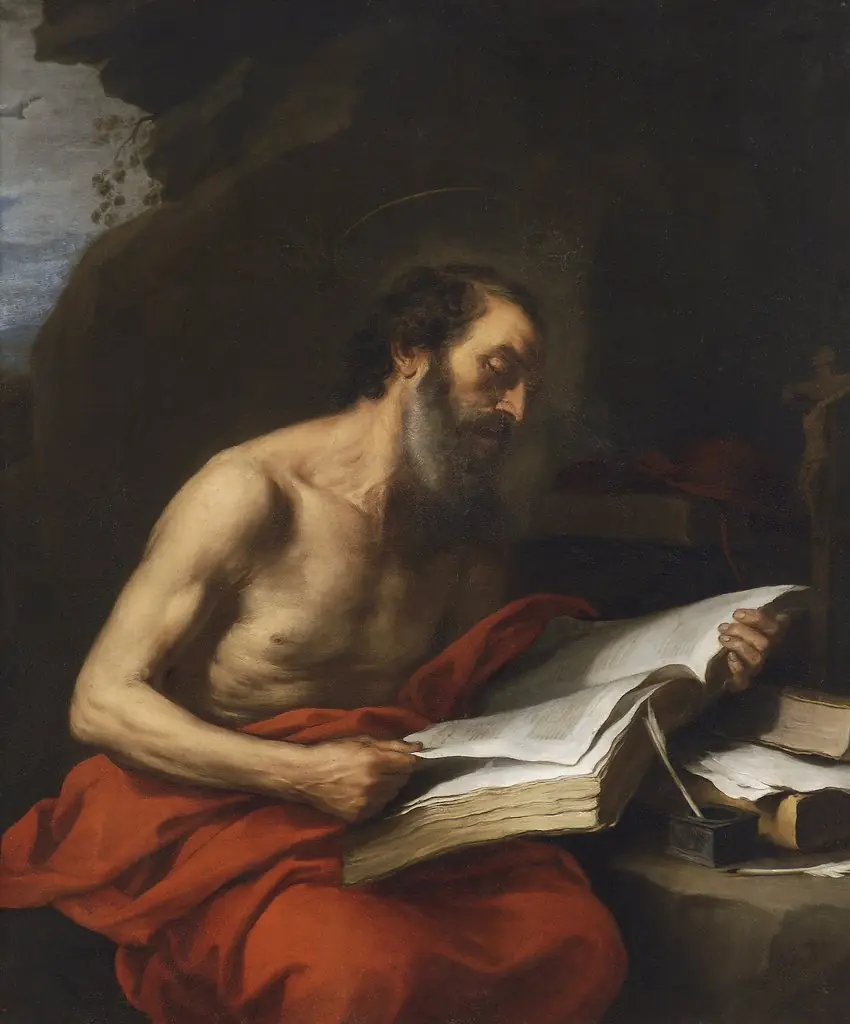 The penitent Saint Jerome
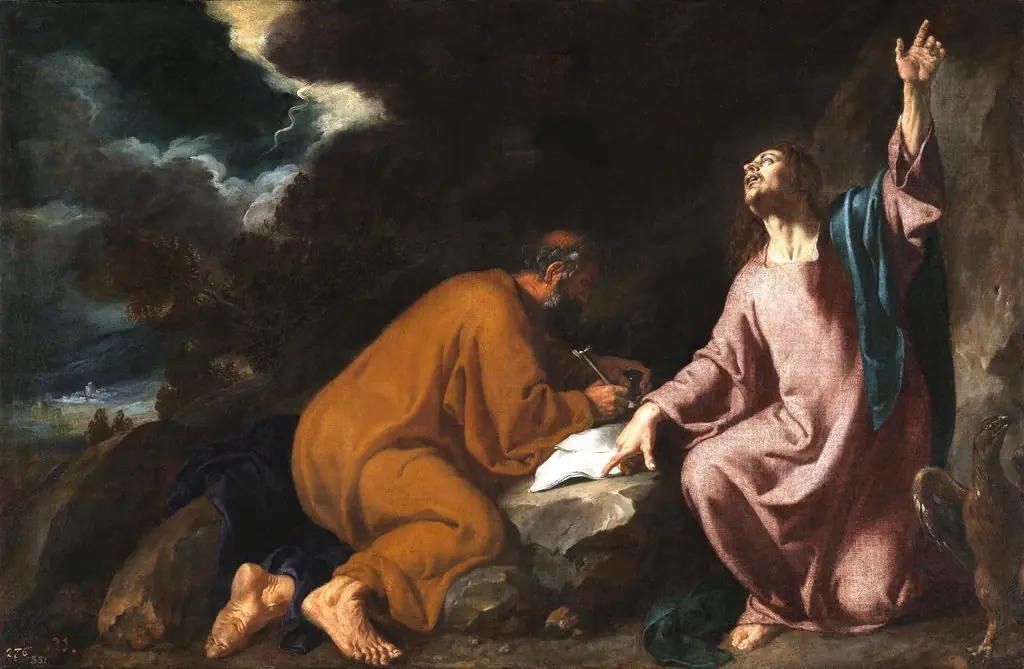 Saint Matthew and Saint John the Evangelist
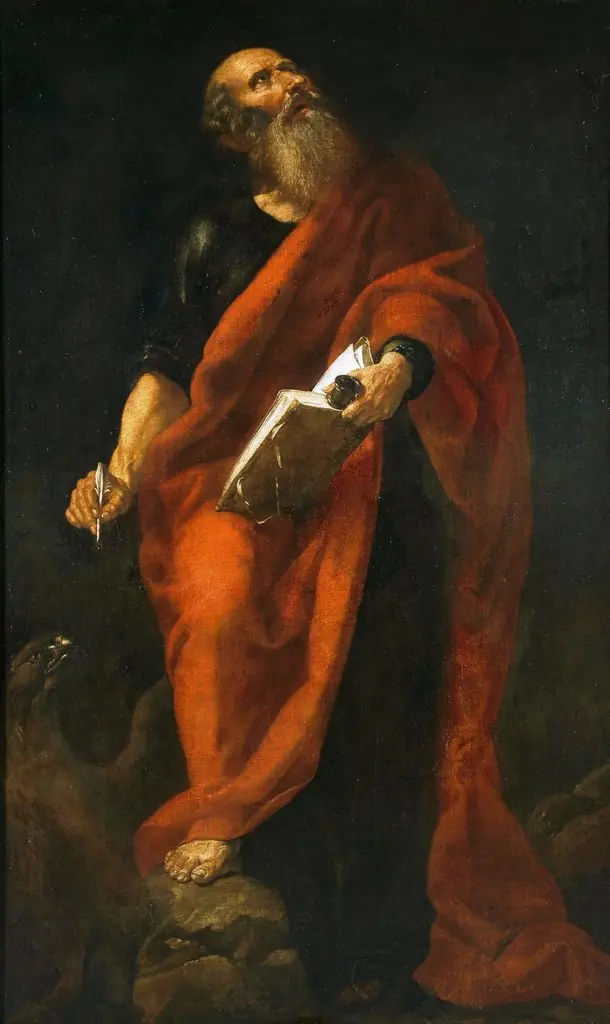 Saint John the Evangelist
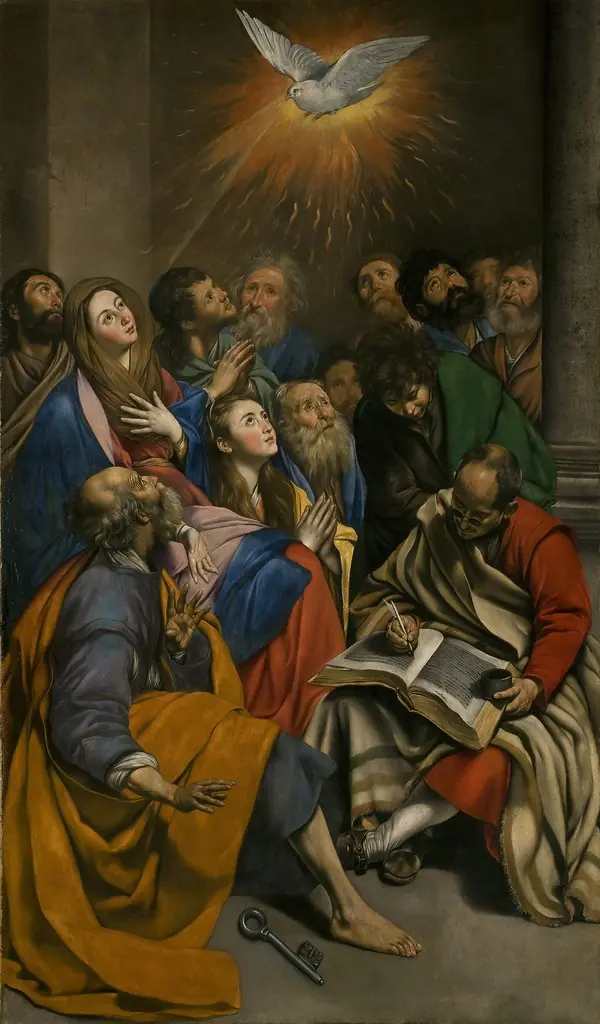 The Pentecost
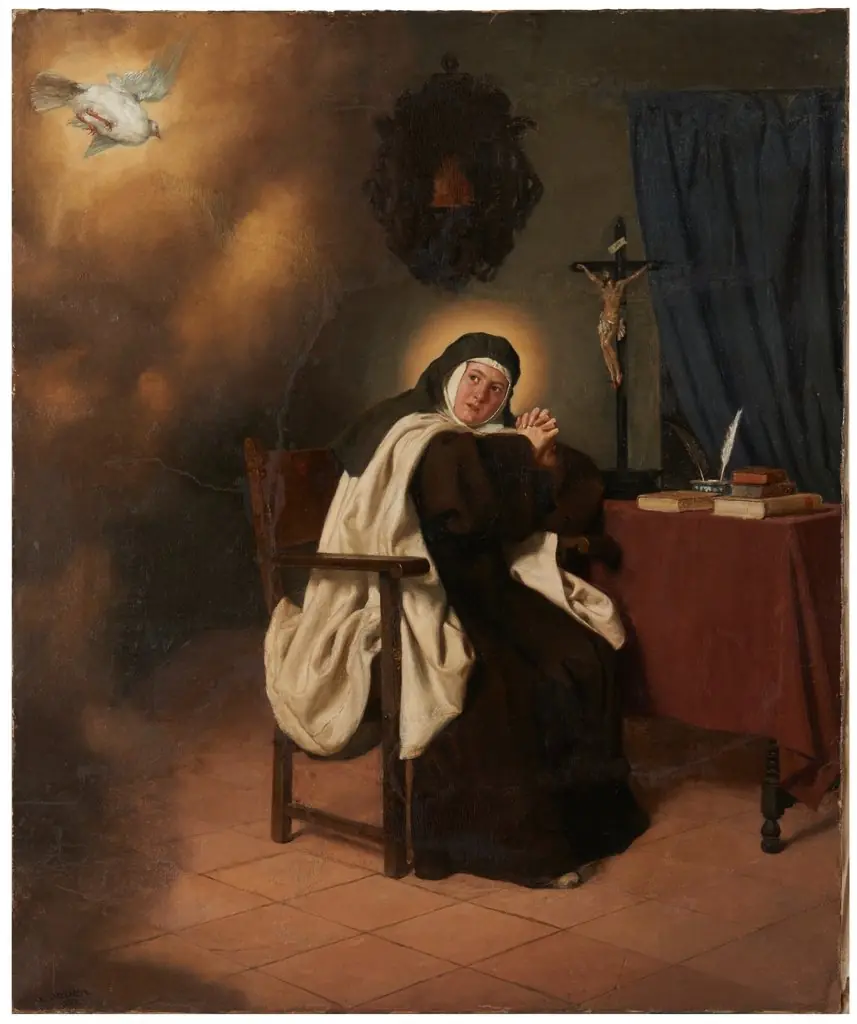 Santa Teresa de Jesús
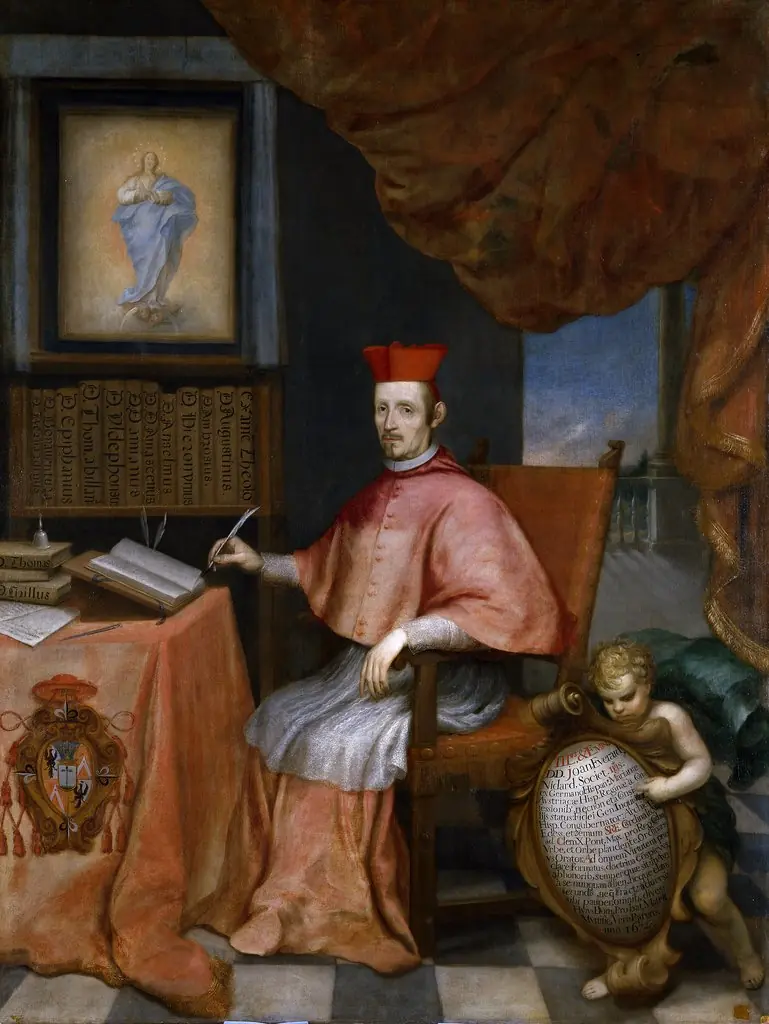 Cardinal Juan Everardo Nithard
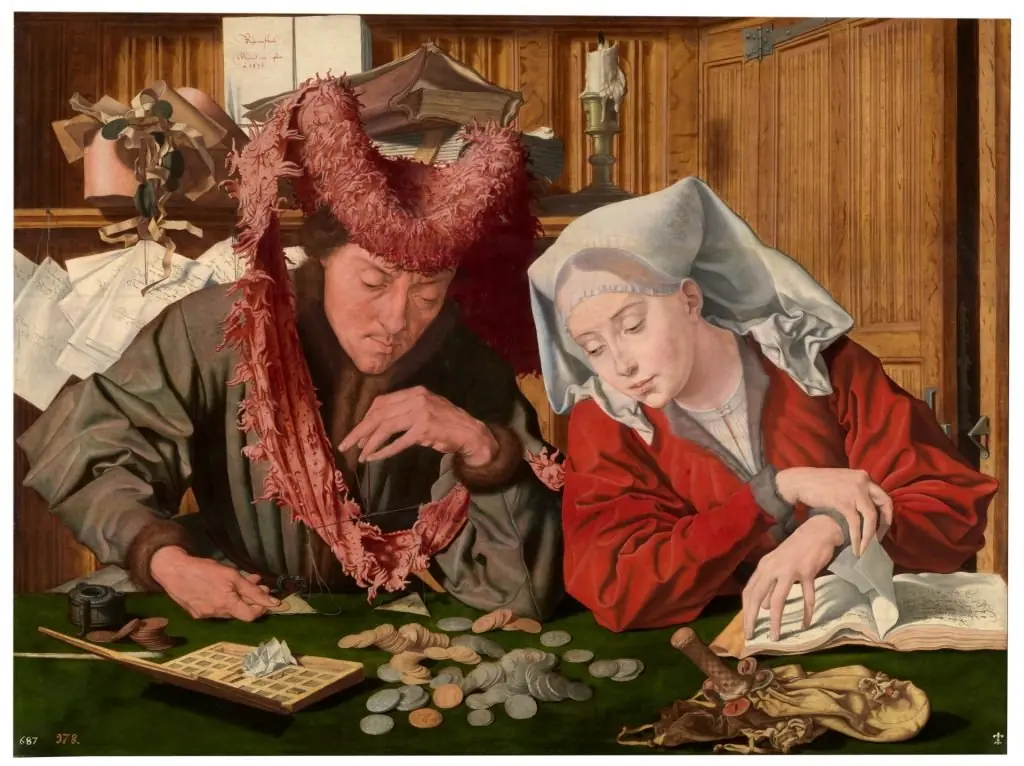 The Moneychanger and his Wife
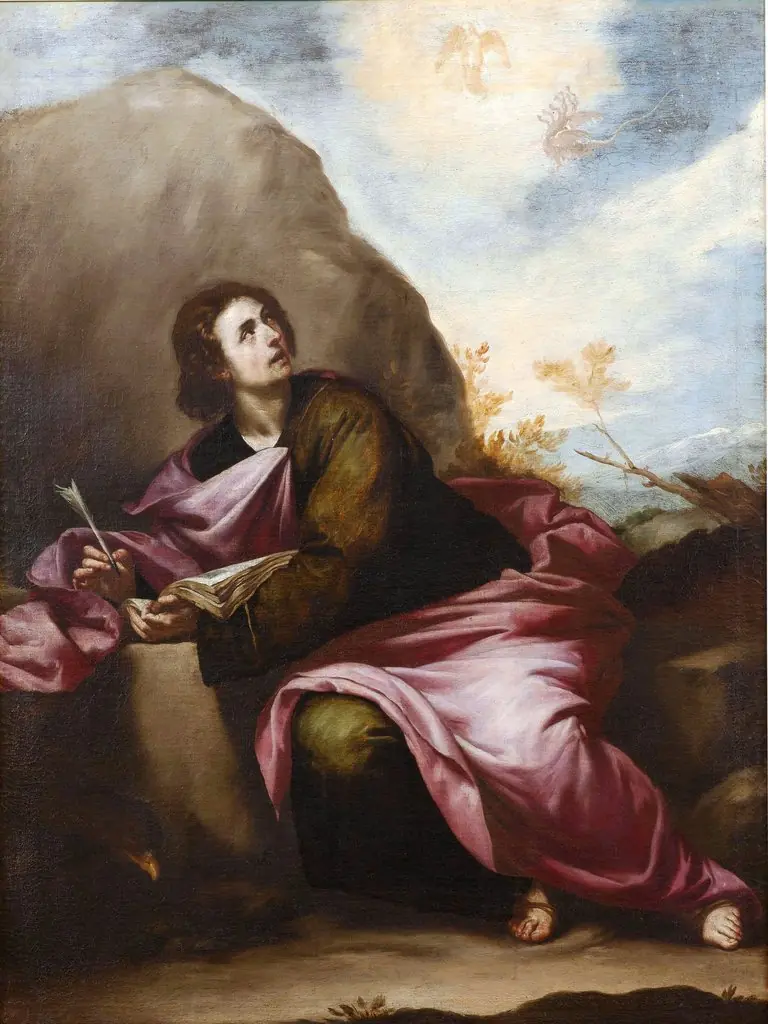 Saint John the Evangelist in Patmos
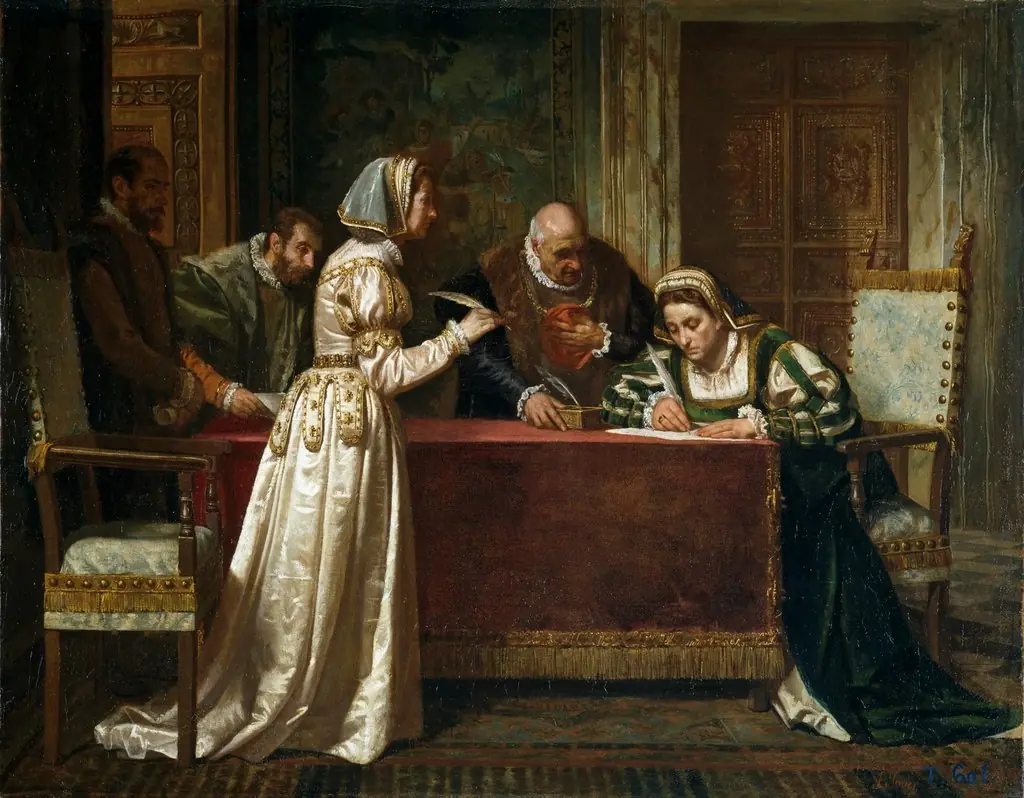 Tratado de Cambray
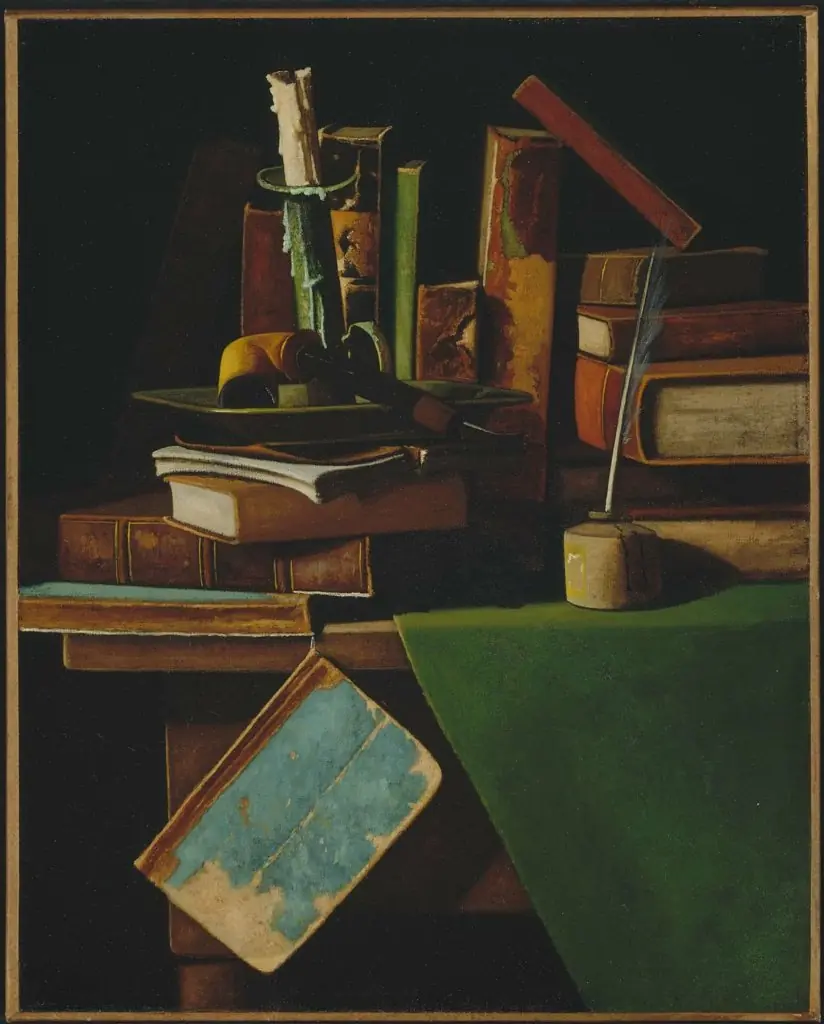 Student's Materials
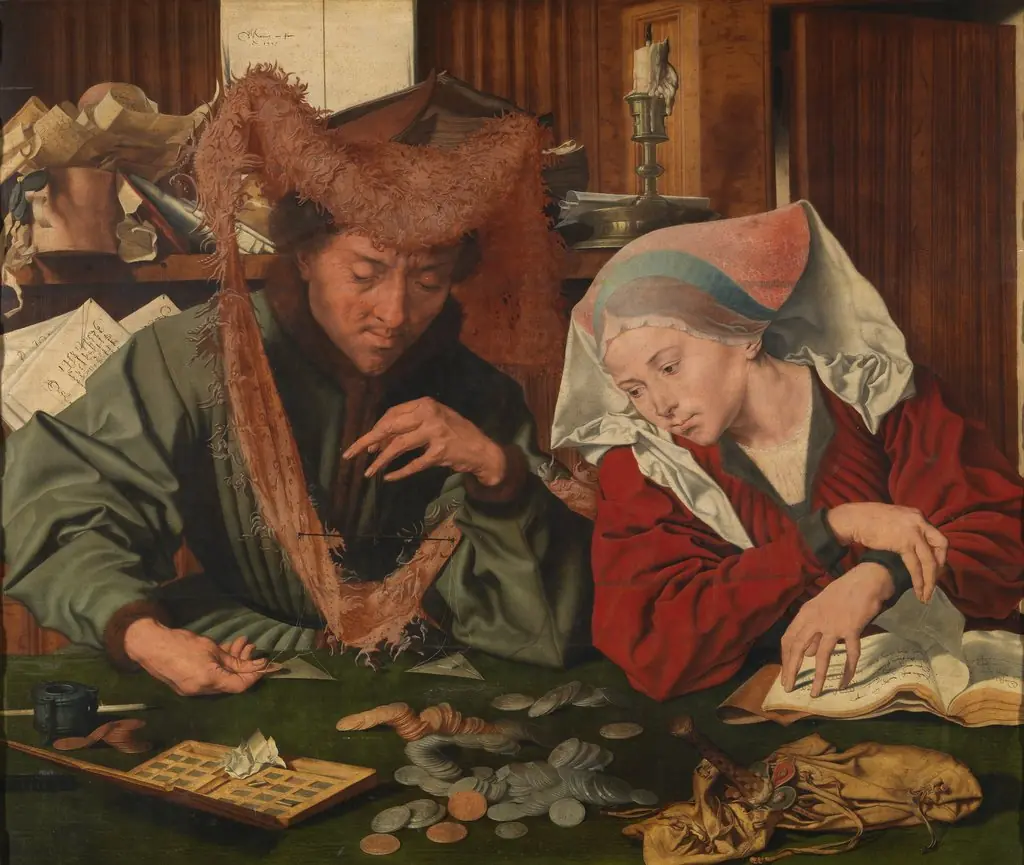 The Moneychanger and His Wife
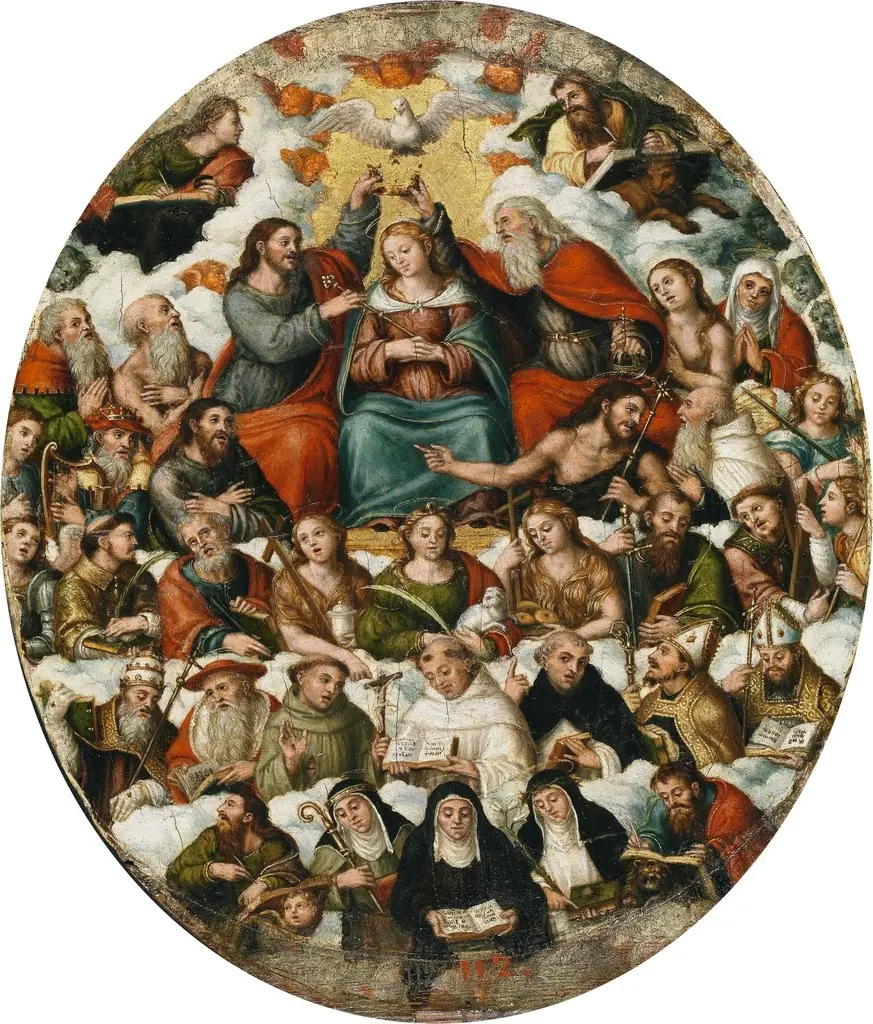 The Coronation of the Virgin
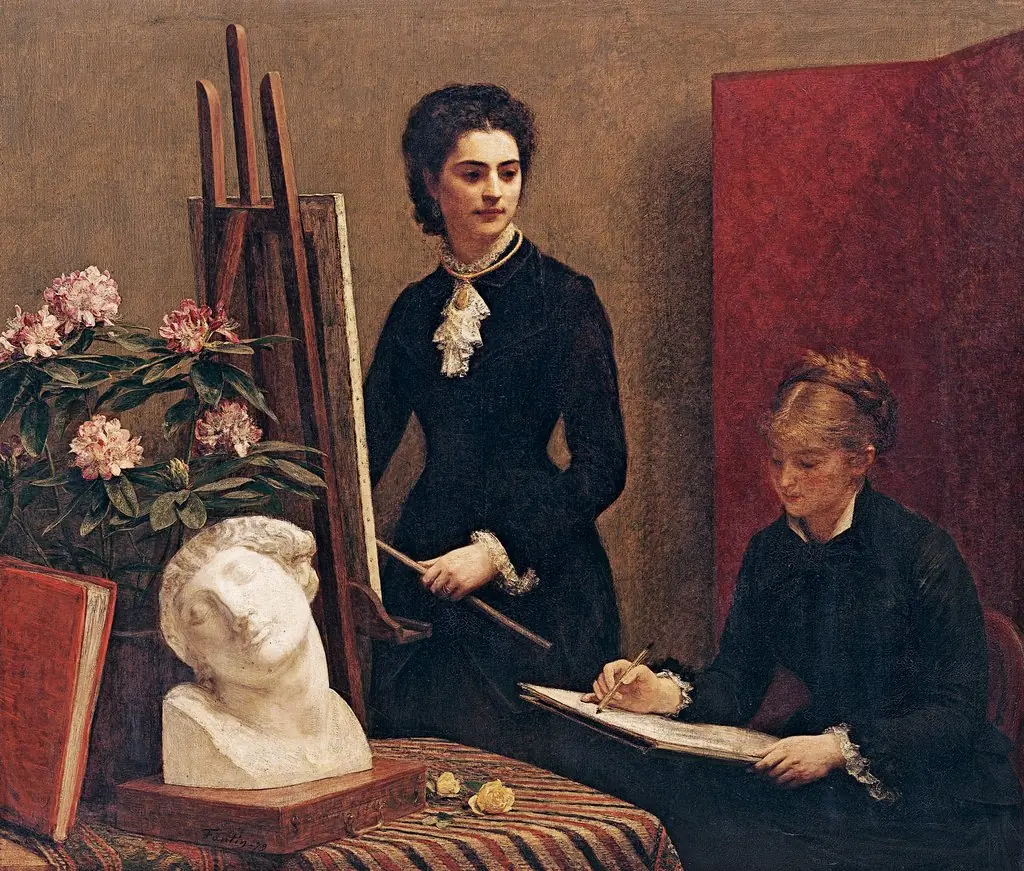 Drawing lesson in the workshop
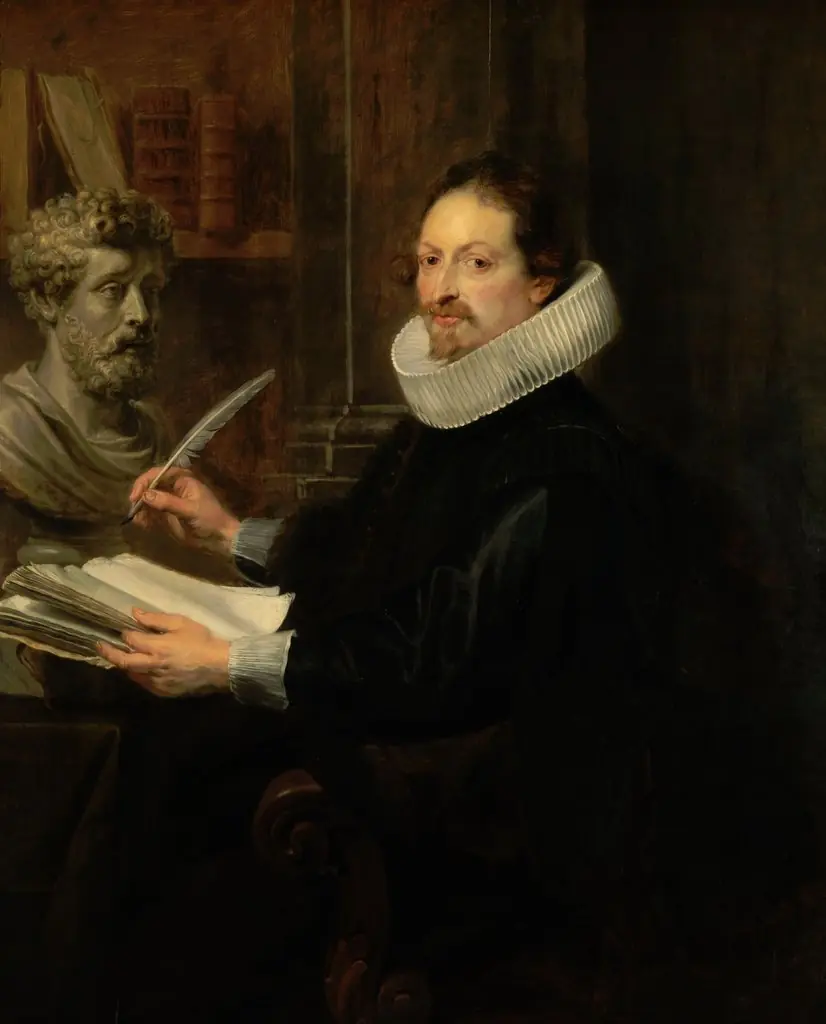 Joannes Gaspard Gevartius, (1593-1666)
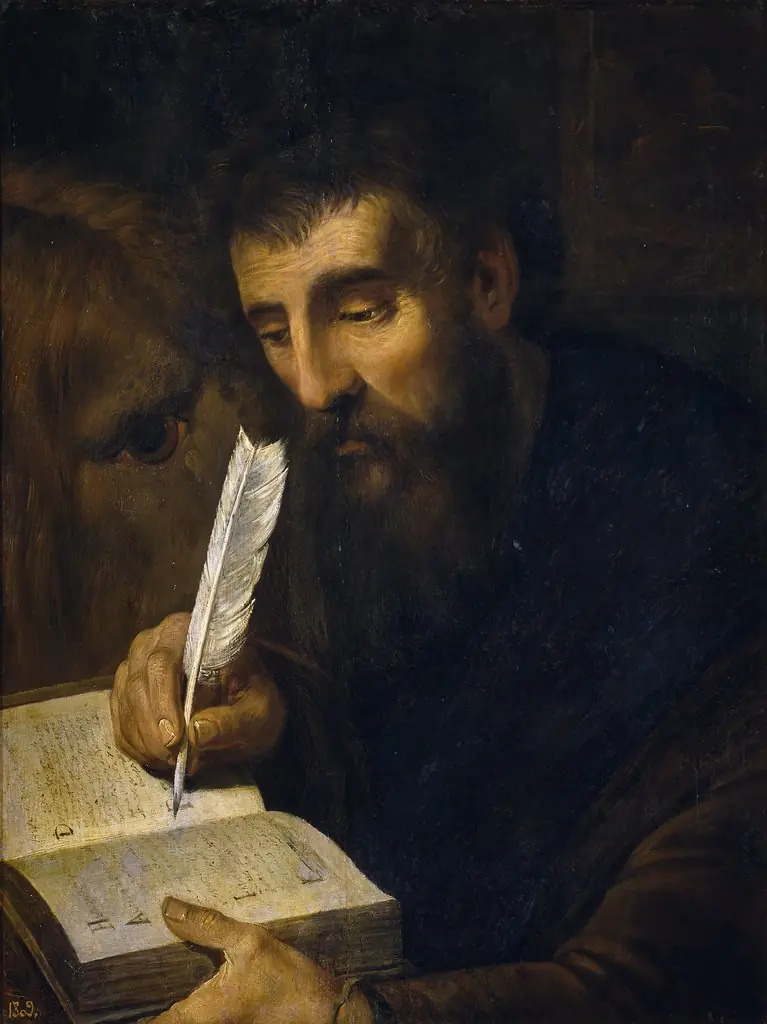 The evangelist Mark
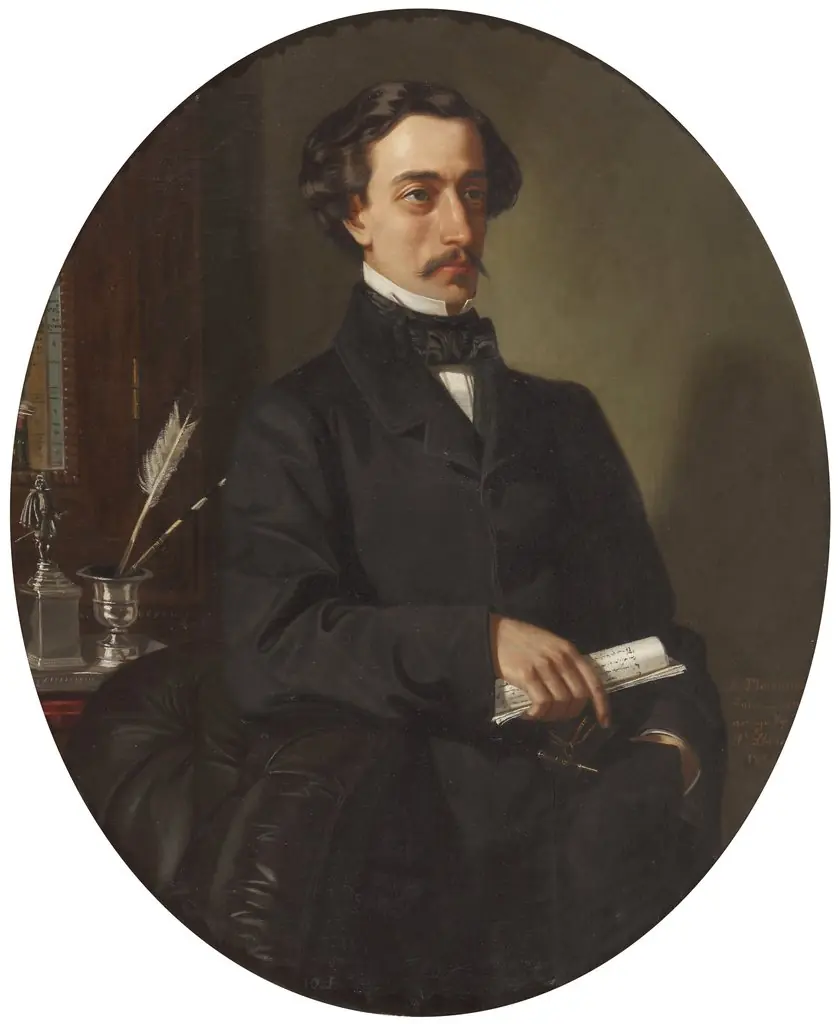 Eulogio Florentino Sanz y Sánchez
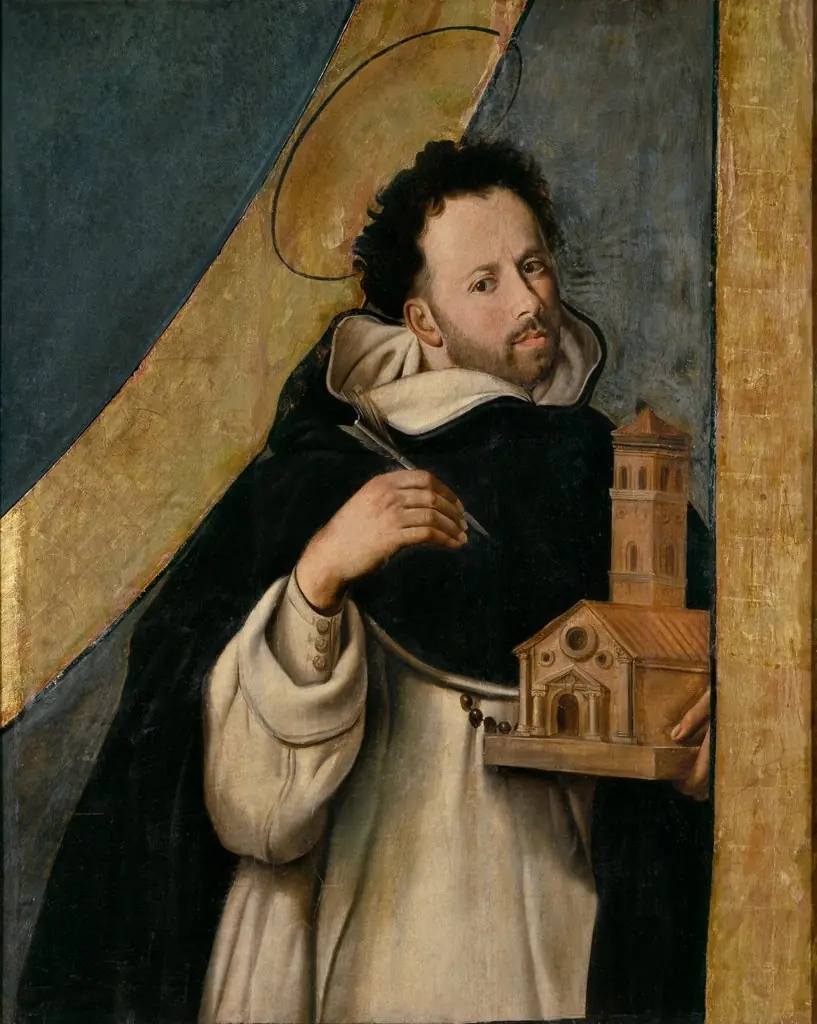 Saint Dominic of Guzmán
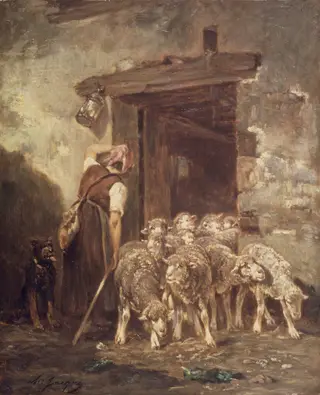 Leaving the Sheep Pen
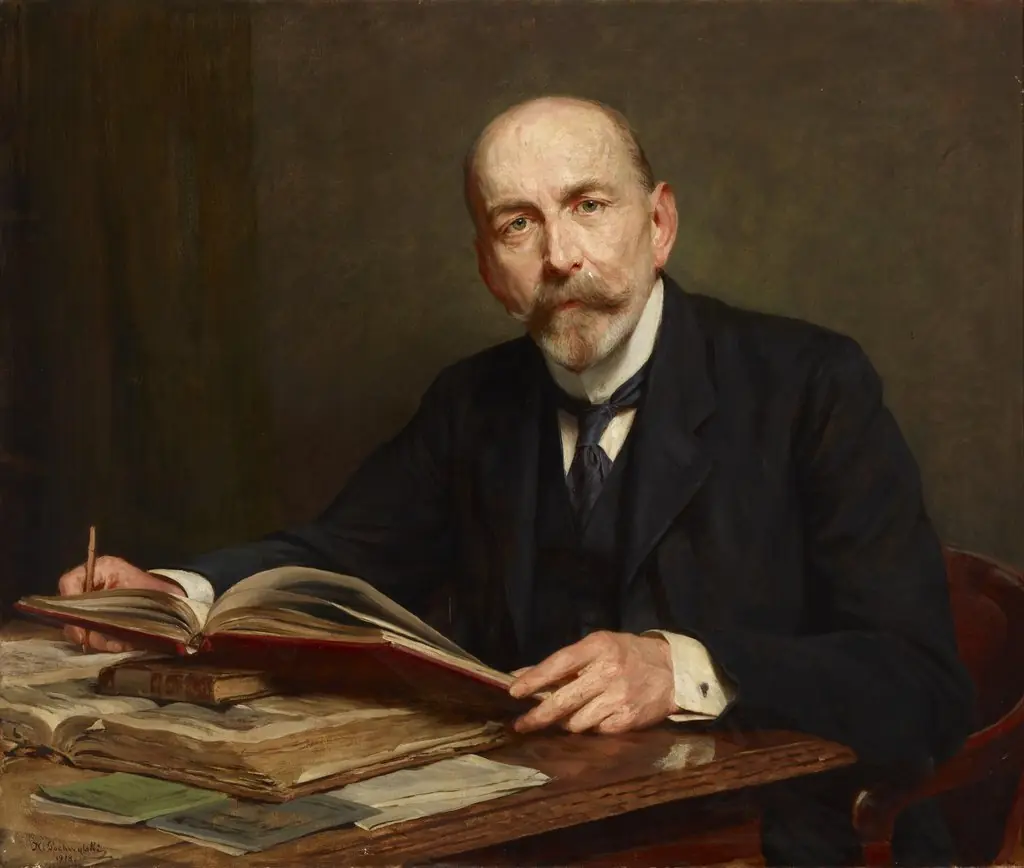 Portrait of Zdzisław Morawski
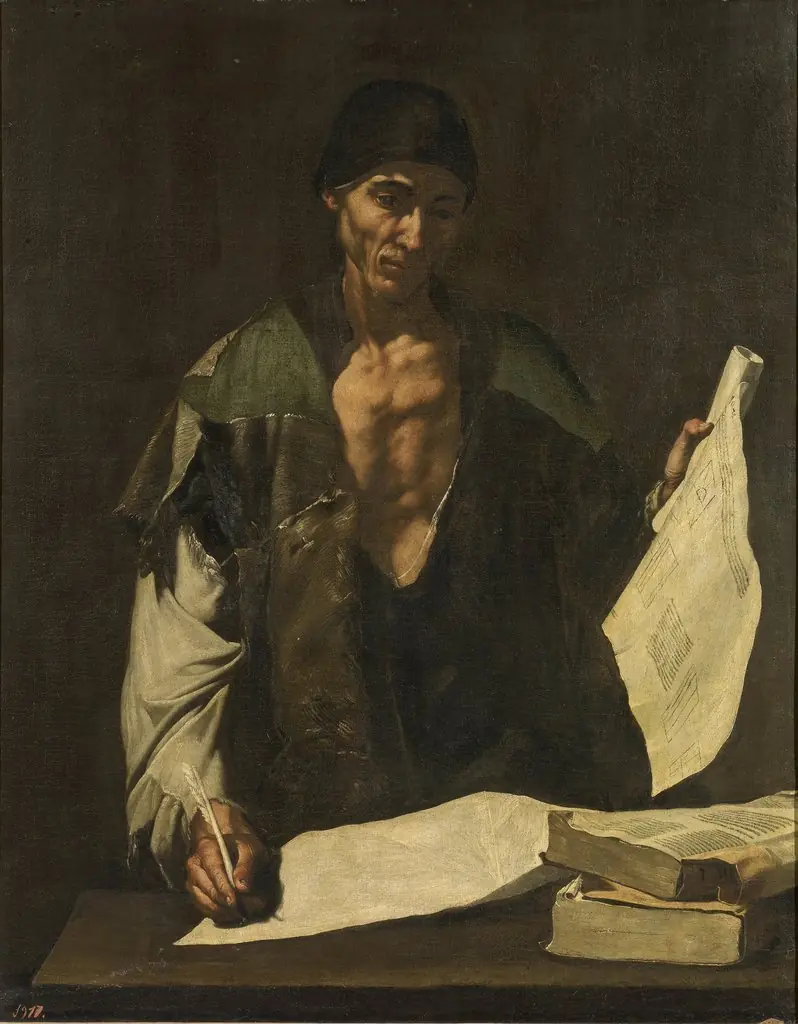 Archimedes
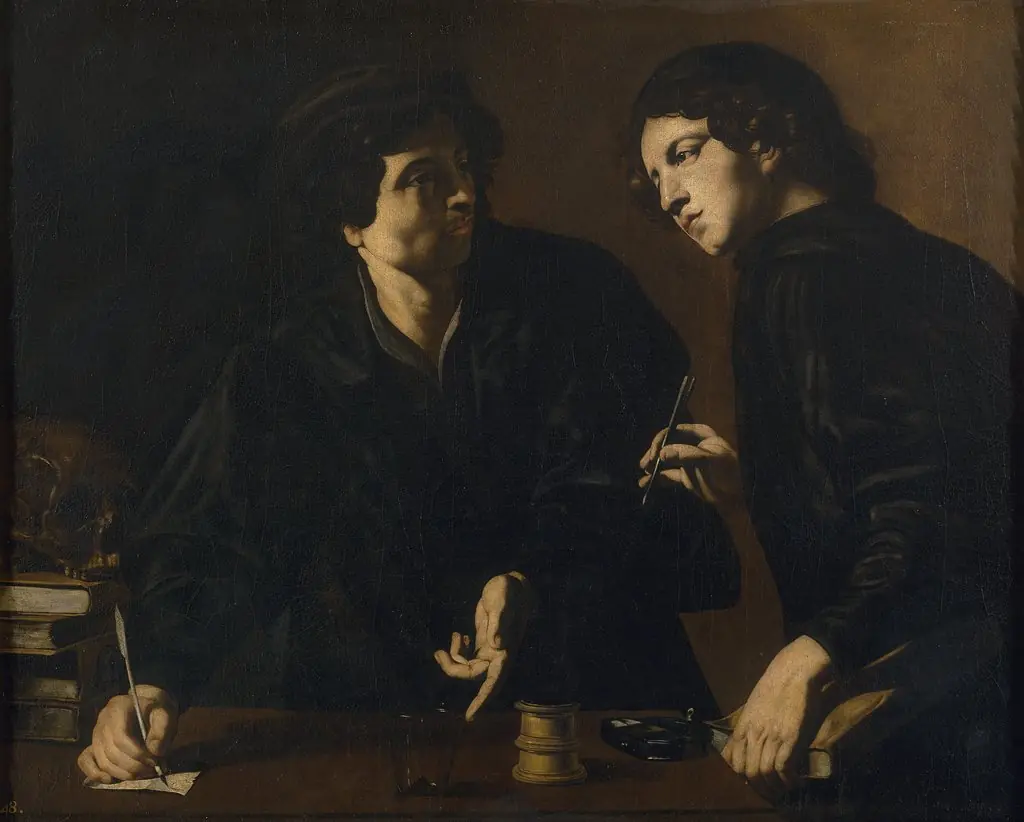 The Saint Physicians Cosmas and Damian
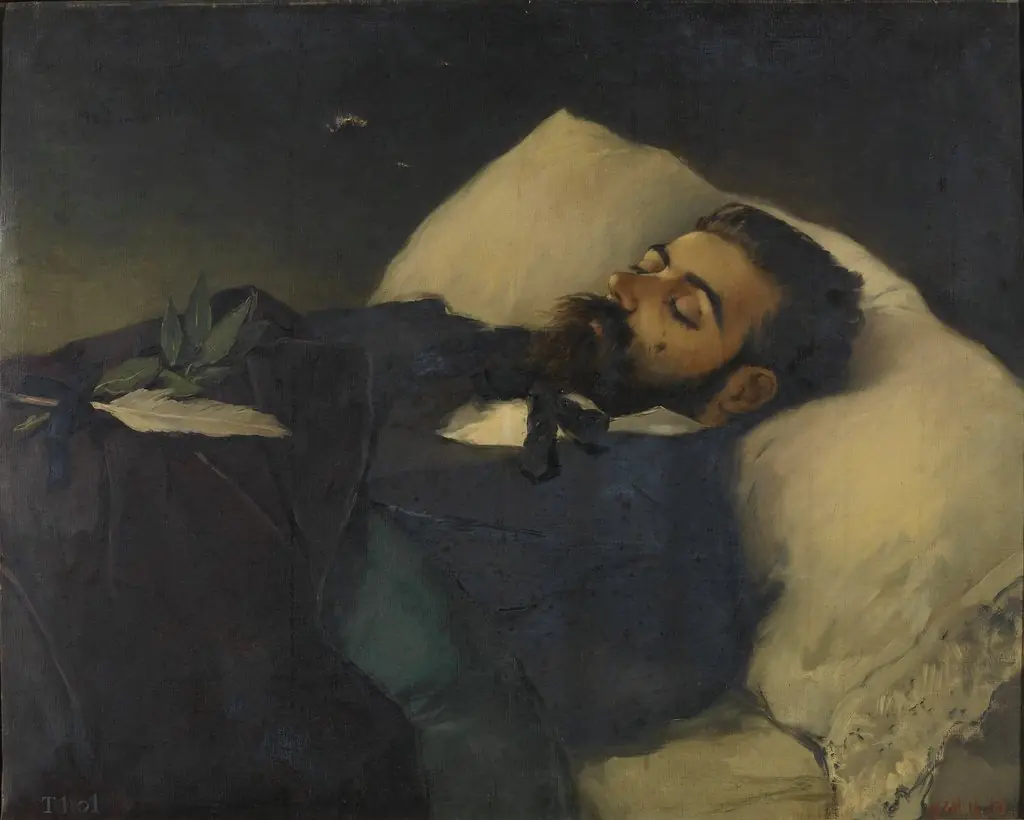 Retrato mortuorio del periodista Pedro Avial Taracena
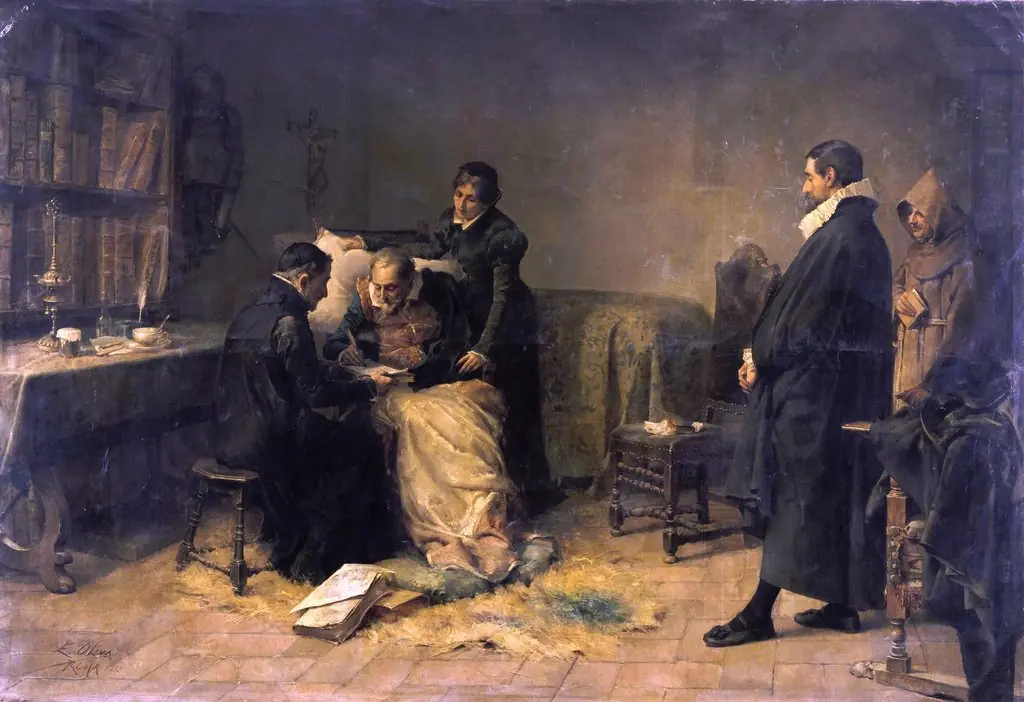 Cervantes en sus últimos días escribe la dedicatoria del Quijote al conde de Lemos
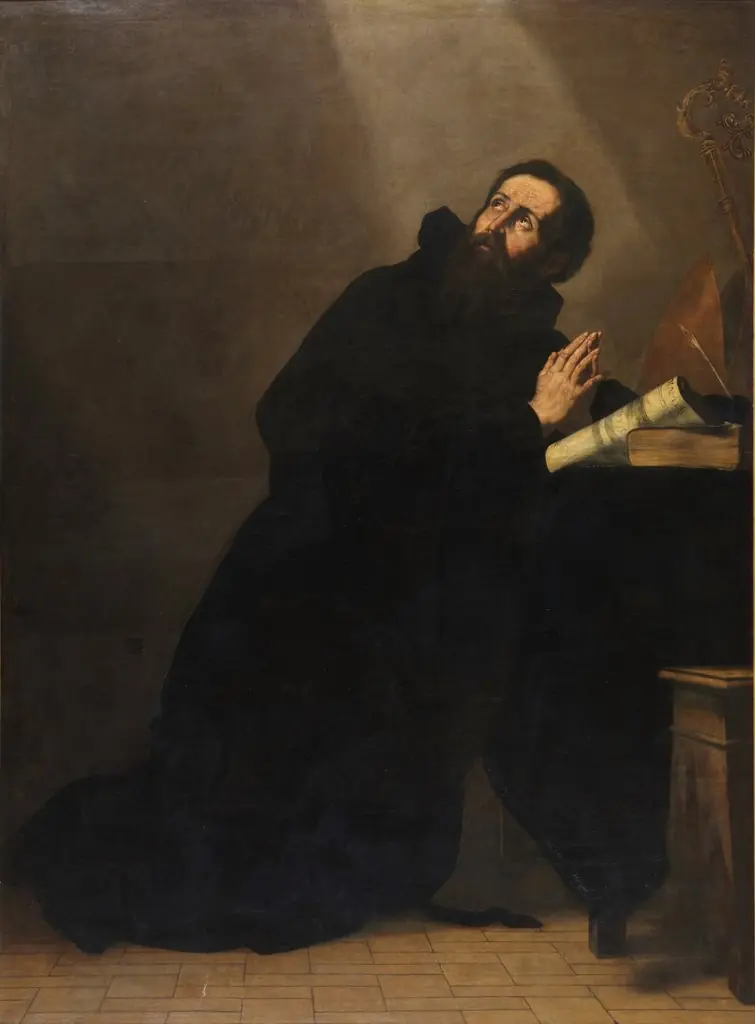 San Agustín en oración
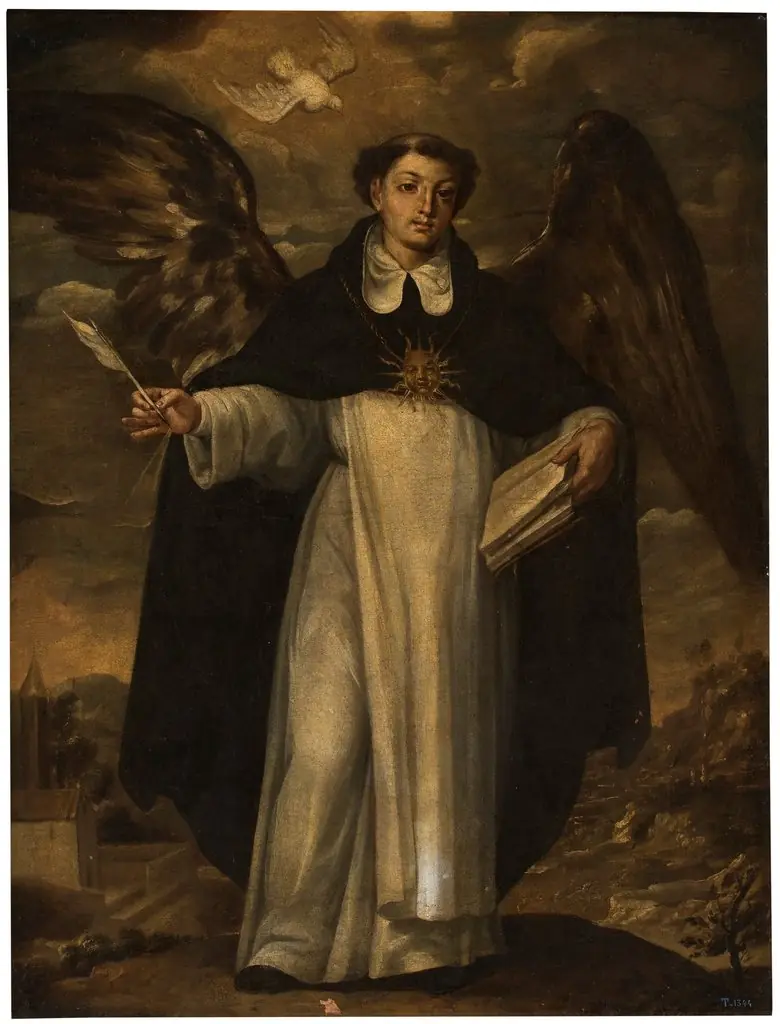 Santo Tomás de Aquino
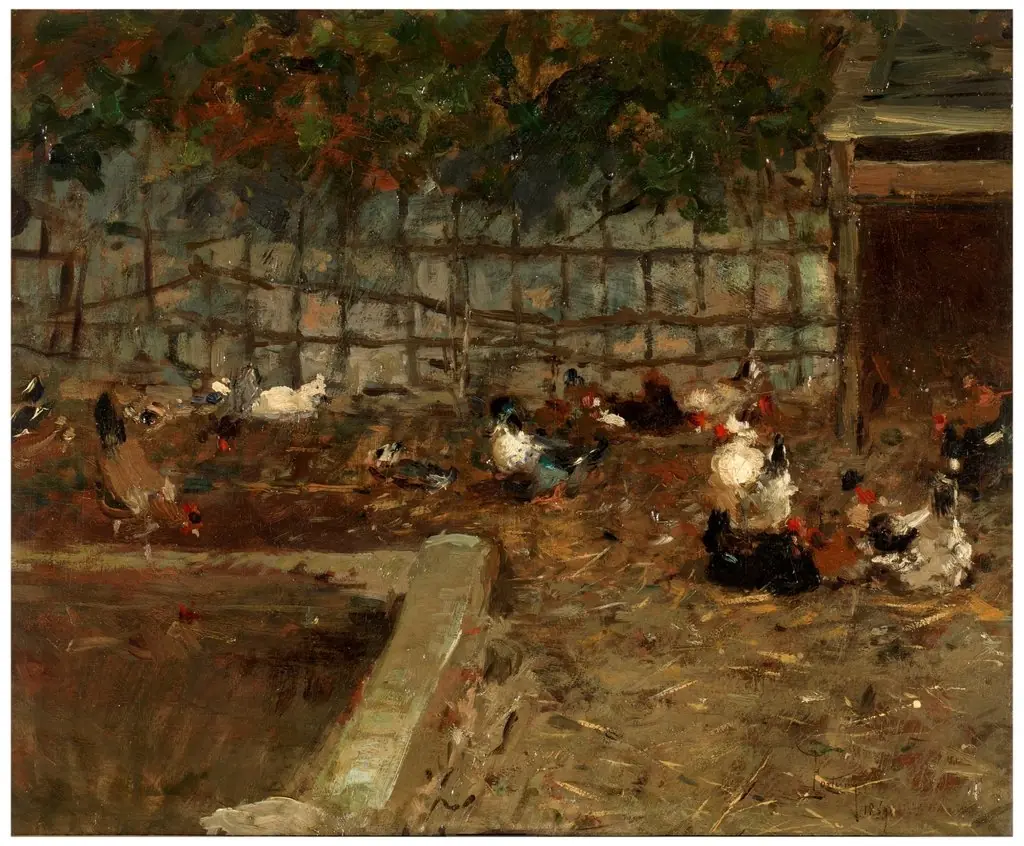 Chicken Coop
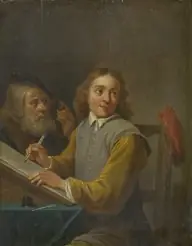 David Teniers (III) learns to draw
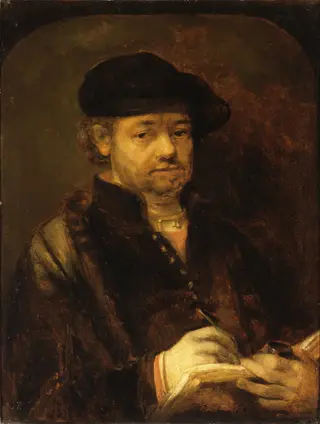 Self portrait with pen, inkpot and sketchbook
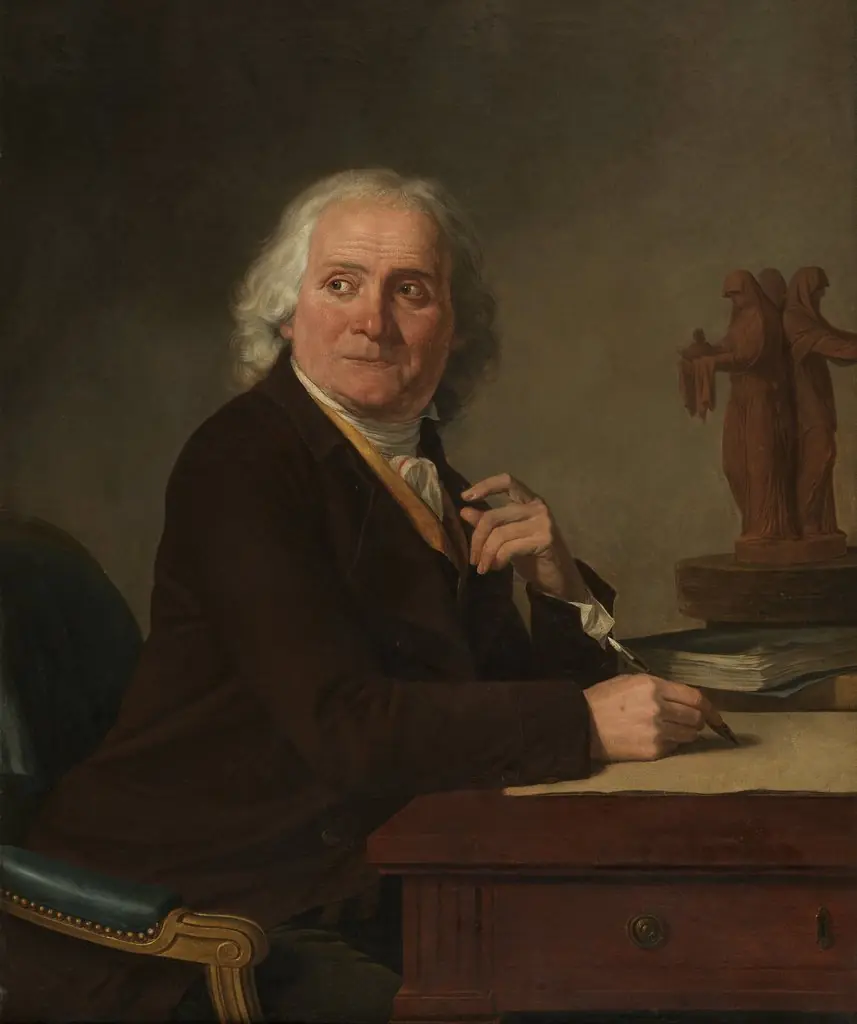 Portrait of Jean Rameau
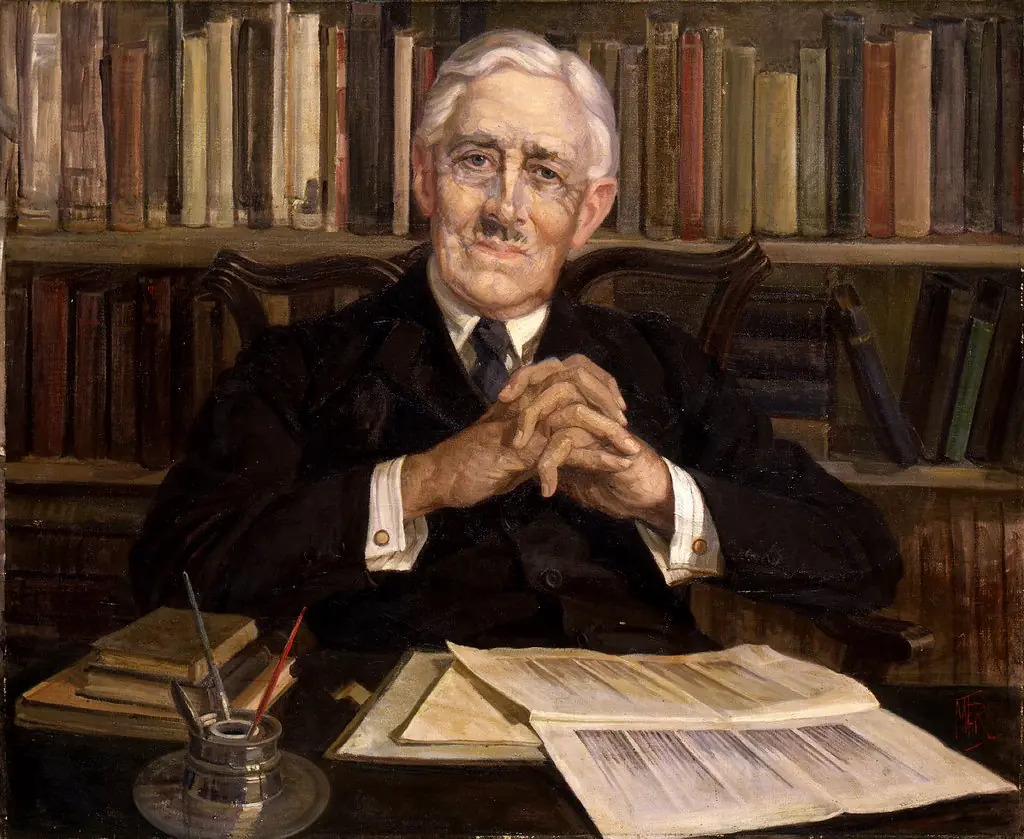 Sir Truby King, C.M.G.
Frequently asked questions
What is Pen?
Pen is a subject in art. A pen ( ) is a common writing instrument that applies ink to a surface, typically paper, for writing or drawing.
How many Pen works does Artifact World Gallery have?
Artifact World Gallery holds 44 public-domain Pen works, all free to view and download.
Who are the key Pen artists?
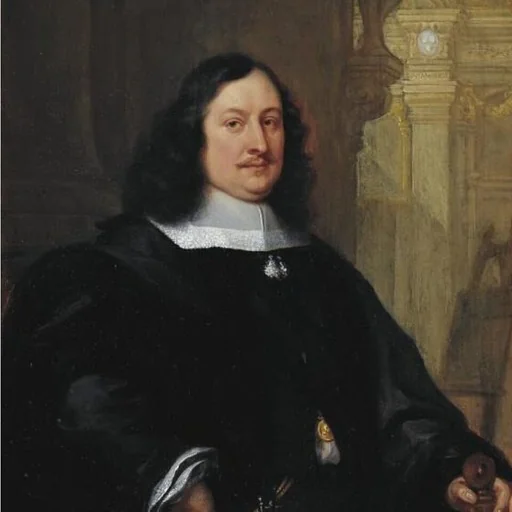
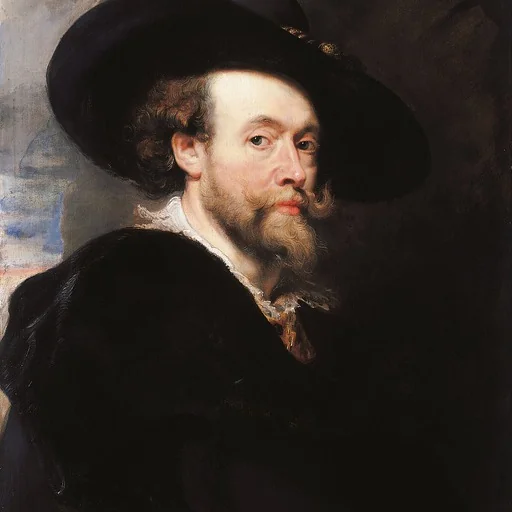
Key Pen artists in the collection include Marie-Denise Villers, David Teniers the Younger and Peter Paul Rubens.
Where can I see Pen works?
Pen works in the collection are held by Museo del Prado, Royal Museums of Fine Arts of Belgium and Metropolitan Museum of Art.