Artwork
清 高岑 擬古山水圖 冊 絹本|Landscapes in the styles of old masters
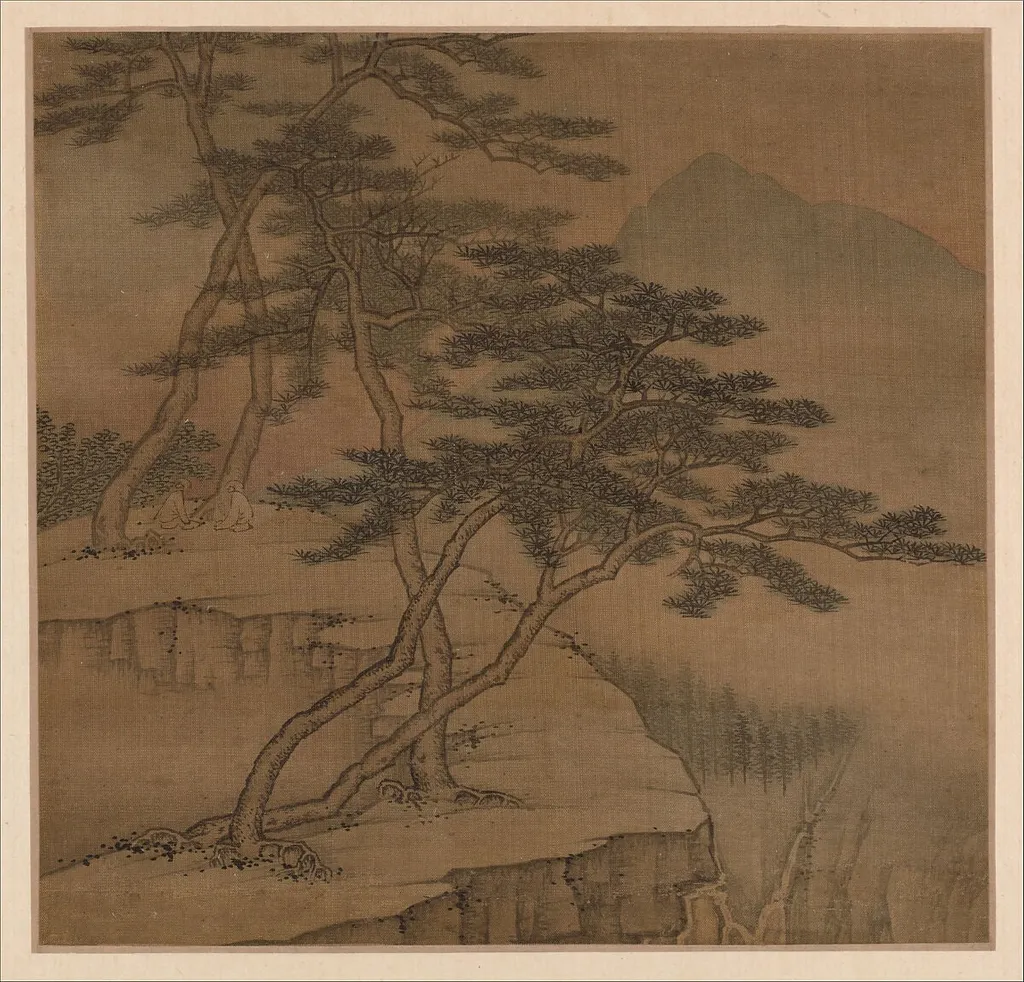
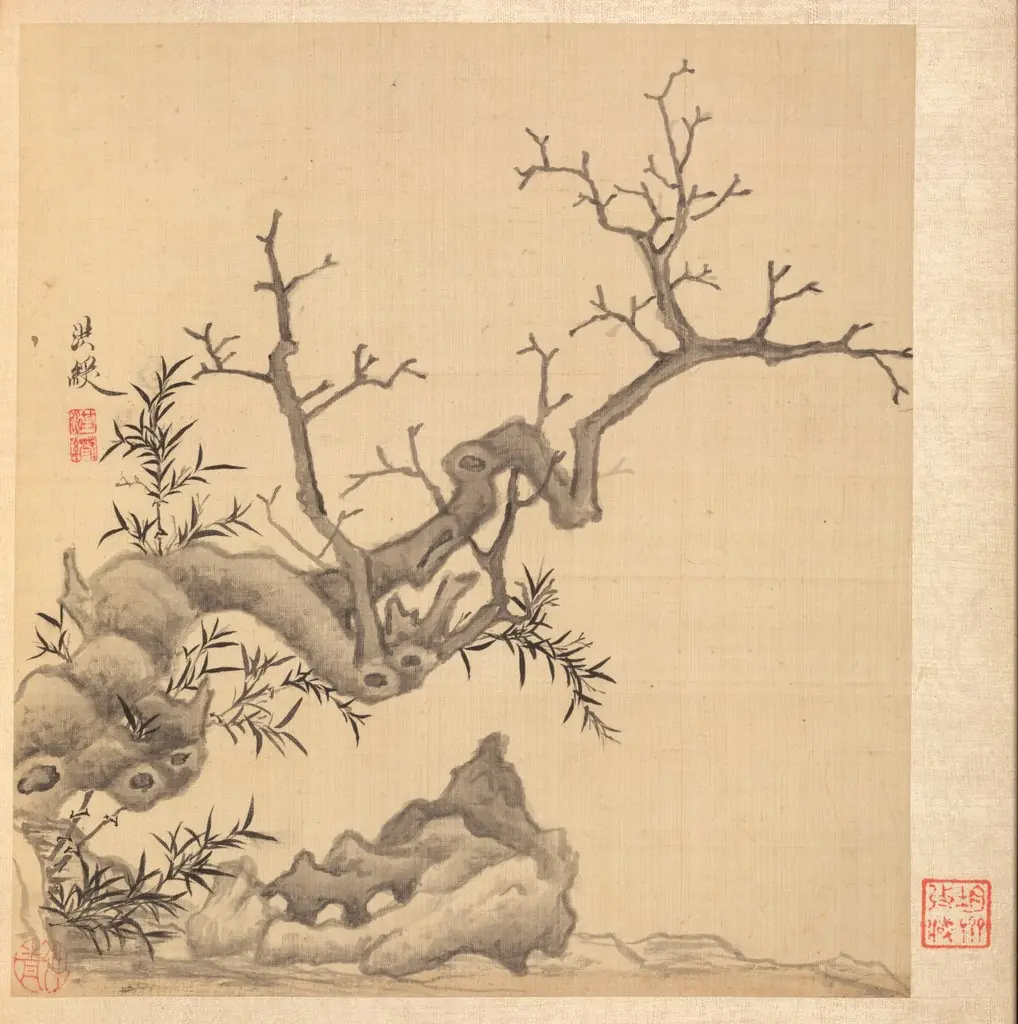
清 高岑 擬古山水圖 冊 絹本|Landscapes in the styles of old masters is an ink painting by the Baroque artist Gao Cen. It dates from 1667 and is held in the collection of the Metropolitan Museum of Art.
About this work
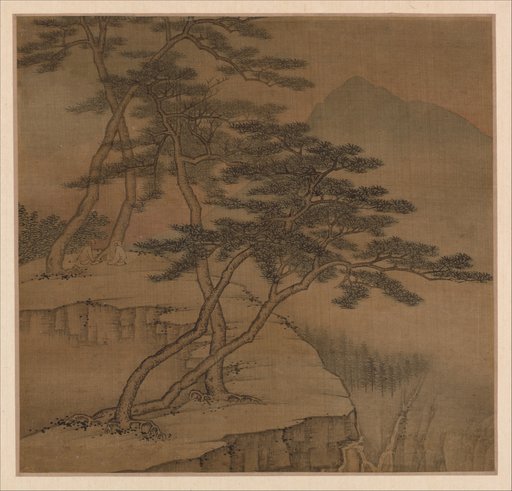
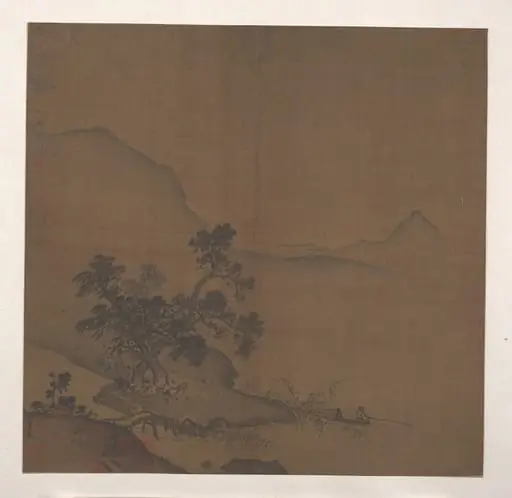
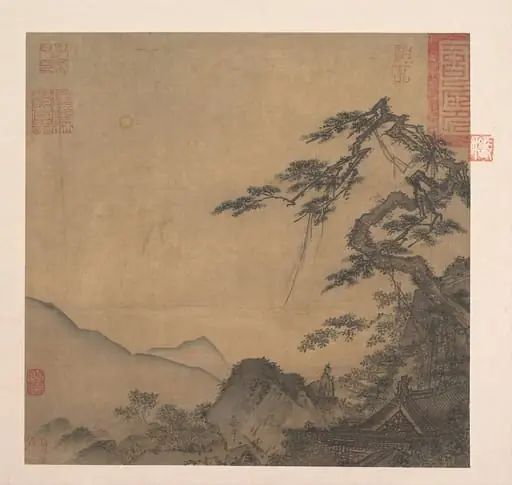
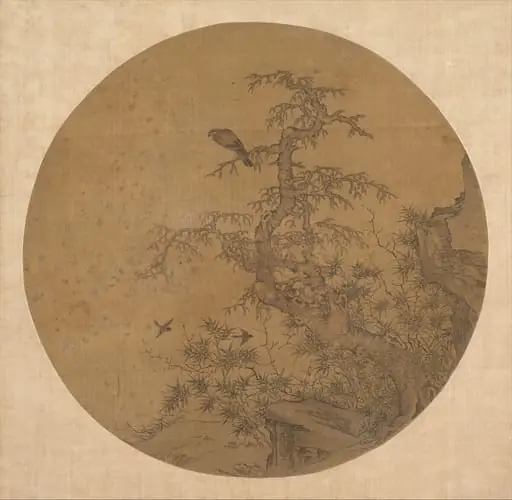
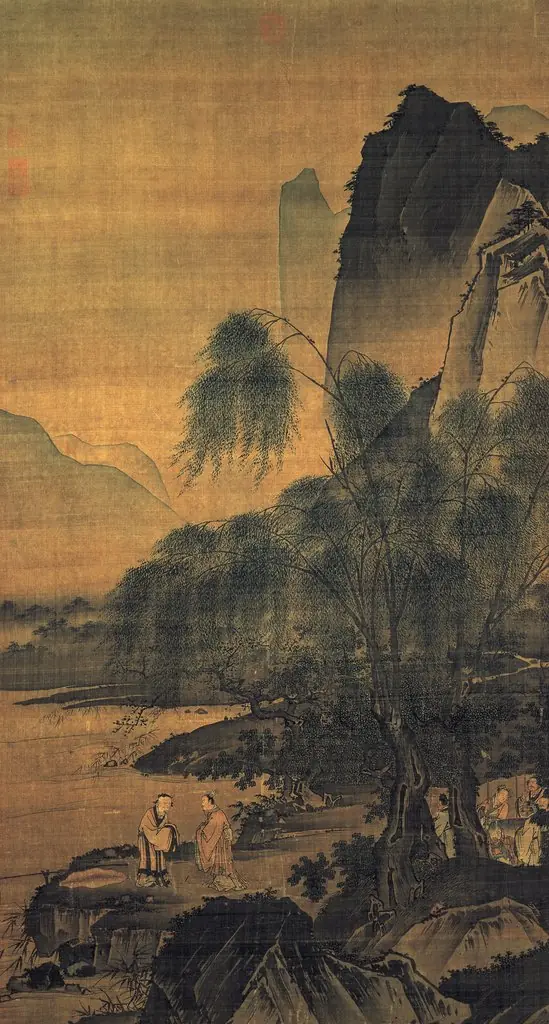
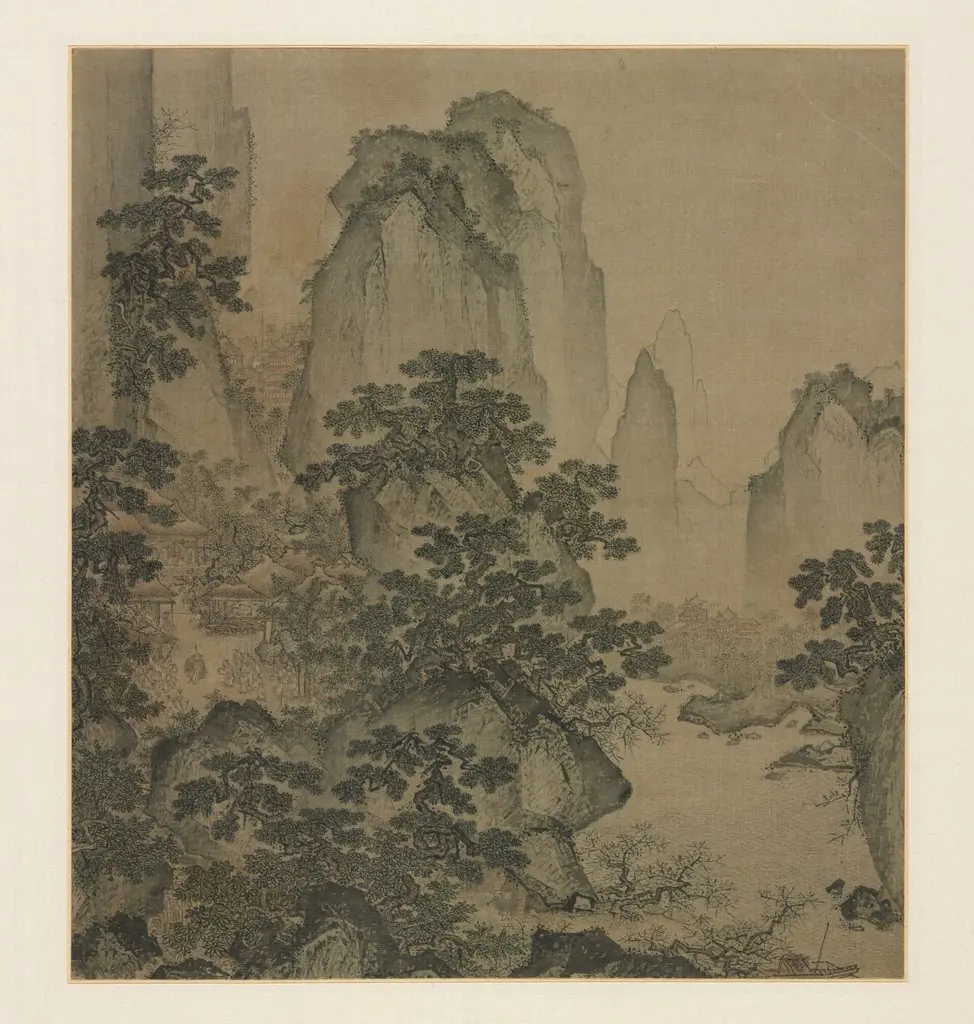
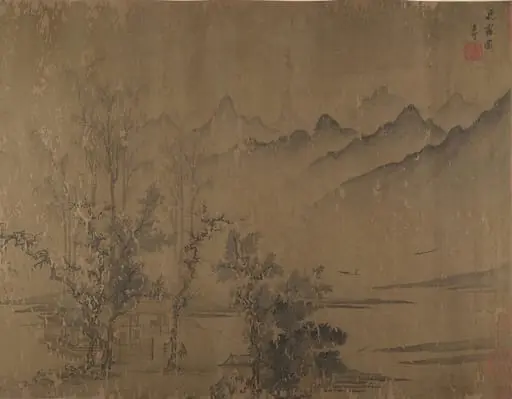
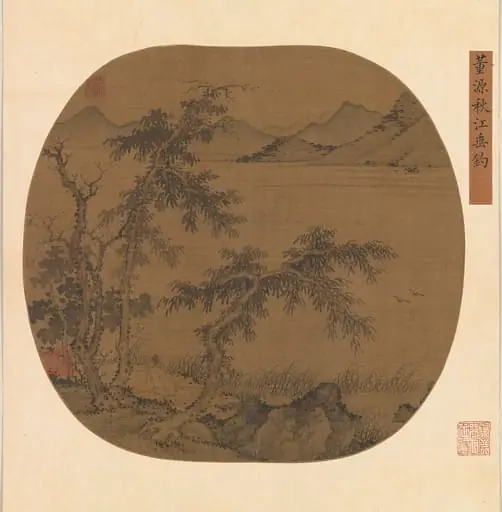
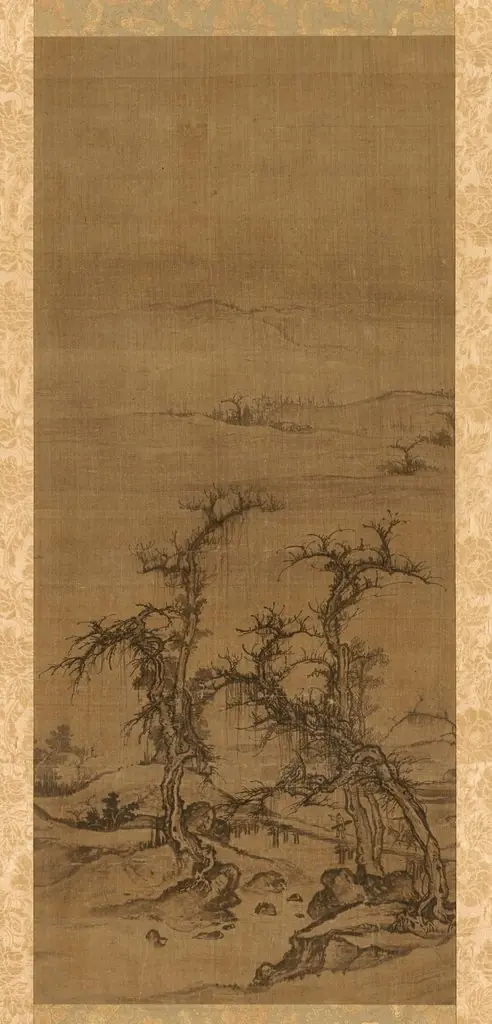
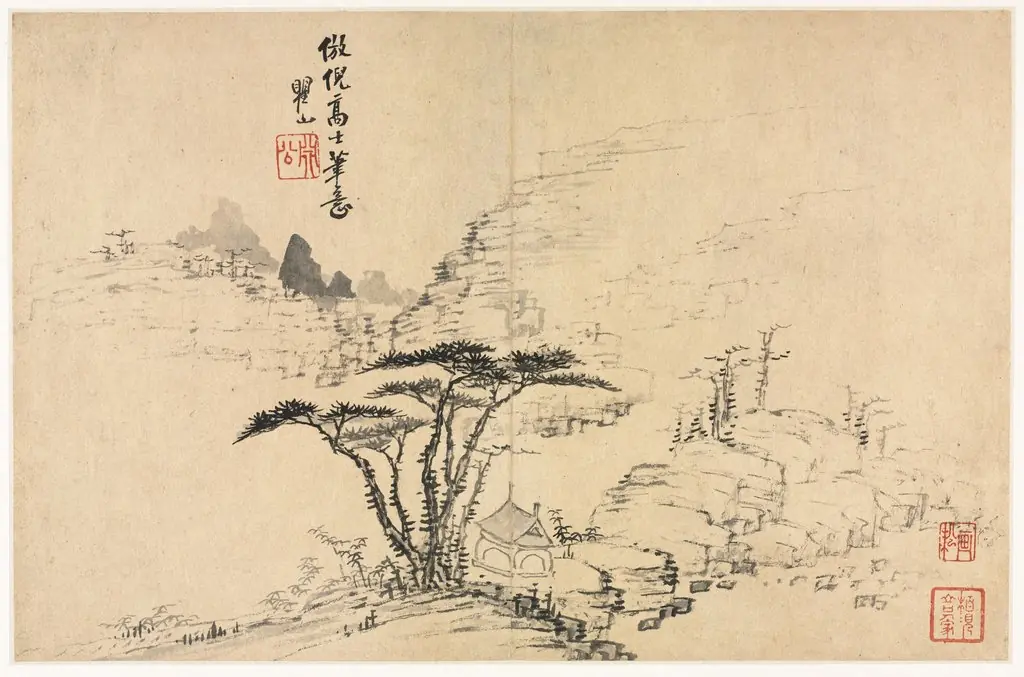
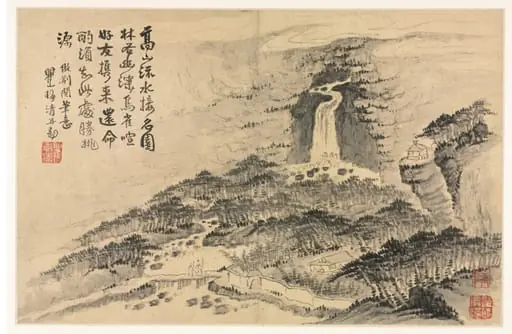
Ten ink-and-color scenes on silk: misty mountains, twisted pines, and tiny scholars on narrow paths, each page looking centuries old. Gao Cen copied the brushwork of Song and Yuan masters in 1667, when most artists were breaking the old rules, his careful mimicry a quiet argument that the past still mattered.
Subject & Meaning
The composition thus functions both as a technical exercise and as a symbolic expression of continuity with historic artistic traditions.
The work depicts a solitary mountain and a tree, the principal motifs of Chinese landscape painting, thereby situating it within the traditional genre of shanshui. By rendering these elements in a manner that references the styles of earlier masters, Gao Cen aligns the album with the literati ideal of harmonious natural observation and scholarly contemplation. The composition thus functions both as a technical exercise and as a symbolic expression of continuity with historic artistic traditions.
History & Provenance
The work titled 清 高岑 擬古山水圖 冊 絹本|Landscapes in the styles of old masters was created in 1667 in China as an album of ten leaves of ink and color on silk, depicting mountain and tree in the manner of old masters. It is currently held by the Metropolitan Museum of Art, which records its inception in 1667 and documents its dimensions. The sources do not specify any prior ownership chain, commission details, or explicit creation purpose beyond the recorded date and medium.
Overview
Created in 1667, this album of ten leaves by Gao Cen (1621–1691) exemplifies the Qing dynasty practice of 'imitating the ancients' (nigu). Executed in ink and color on silk, the work presents a series of landscape scenes that deliberately evoke the stylistic conventions of Song and Yuan dynasty masters. Rather than depicting specific contemporary locations, Gao Cen reconstructs idealized mountainous vistas, featuring mist-shrouded peaks, gnarled pine trees, and diminutive figures traversing winding paths.
The composition on each leaf balances dense, textured brushwork with open, atmospheric spaces, demonstrating the artist's mastery of traditional techniques. Gao Cen, a member of the 'Eight Masters of Jinling,' utilized this album to engage in a scholarly dialogue with art history, prioritizing the emulation of historical brush rhythms over naturalistic observation. The work serves as a testament to the Kangxi era's reverence for classical models, where the act of copying was viewed as a creative method to internalize and perpetuate the aesthetic values of the past.
This specific album, dated to 1667, highlights Gao Cen's role in the Jinling school's effort to synthesize earlier traditions into a coherent personal style.
Technique & Style
Gao Cen executed these ten distinct landscape images using ink and color on silk, presented in an album format. Each leaf is characterized by a refined technique that consciously evokes the aesthetic sensibilities of earlier eras. The artist carefully adopted the distinctive brushstrokes and compositional structures prevalent among painters of the Song and Yuan dynasties, resulting in works that convincingly appear to predate their actual creation by several centuries. This approach highlights his mastery of historical styles.
Context
Created in 1667 during the early Qing dynasty, this album stands in contrast to many contemporary artistic trends. While numerous artists of the 17th century were actively exploring new forms and departing from established conventions, Gao Cen chose a different path. His precise emulation of ancient styles can be understood as a deliberate affirmation of tradition, subtly advocating for the continued study and appreciation of classical Chinese painting principles amidst an evolving artistic landscape.
Artist & collection