Artwork
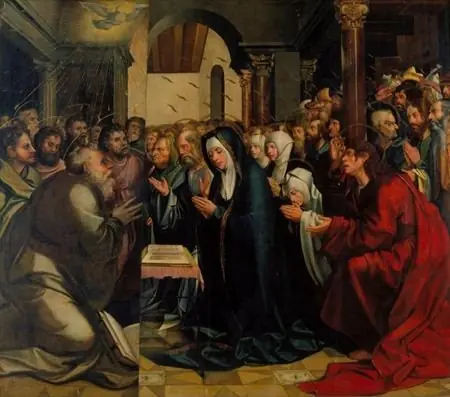
The ghost of Samuel appears to the witch of Endor; Saul falls prostrate to the ground (1 Samuel 28:3-20)
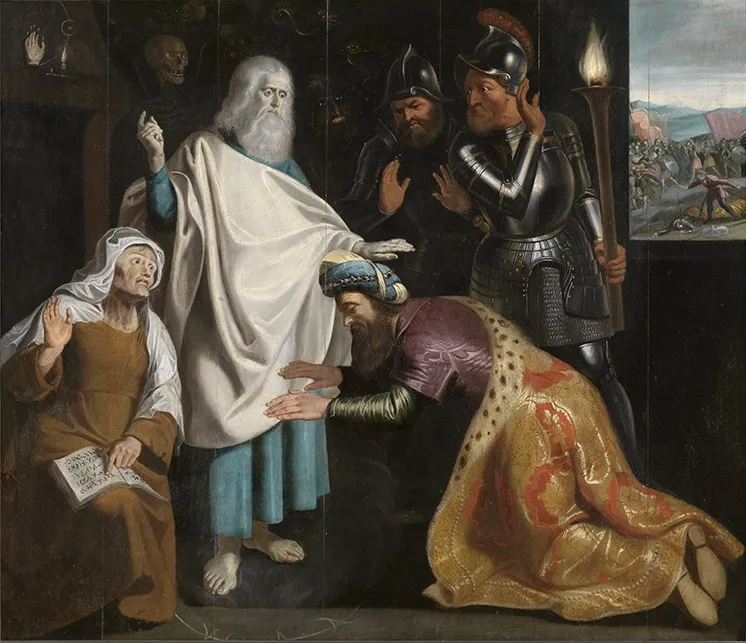
The ghost of Samuel appears to the witch of Endor; Saul falls prostrate to the ground (1 Samuel 28:3-20) is an oil painting by the Flemish Baroque painting artist Gaspar de Crayer. It dates from 1619 and is held in the collection of the Groeningemuseum.
About this work
Subject & Meaning
Symbolic elements such as a skull, book, candle, and the battlefield setting emphasize themes of mortality, forbidden knowledge, and divine judgment.
Gaspar de Crayer's 1619 oil painting illustrates the biblical narrative from 1 Samuel 28, where King Saul consults the Witch of Endor to summon the spirit of the prophet Samuel. The composition captures the dramatic moment Samuel's ghost appears, causing Saul to fall prostrate in terror. Iconographic details include the king's armor and the presence of soldiers, grounding the scene in a military context prior to battle.
Symbolic elements such as a skull, book, candle, and the battlefield setting emphasize themes of mortality, forbidden knowledge, and divine judgment. The work functions as a piece of religious art, visually representing the consequences of seeking guidance outside of divine will and the inevitable downfall of the monarch.
Technique & Style
The painting employs oil paint on an oak panel, characteristic of early 17th-century religious works. The composition depicts the biblical scene of Samuel's apparition to the witch of Endor, with Saul collapsing on the battlefield amid armor, a skull, a book, a candle, and a soldier. Formal qualities include dramatic chiaroscuro and a restrained palette that emphasize the spiritual confrontation.
The work measures 113 cm in height and 130 cm in width, reflecting the scale typical of devotional pieces in the Groeningemuseum's collection.
History & Provenance
The painting was created in 1619 by Gaspar de Crayer as an oil on oak panel work, commissioned for the Groeningemuseum collection in Bruges. It depicts the biblical scene of Samuel's apparition to the witch of Endor, with Saul falling prostrate on the ground. The artwork remains part of the museum's holdings in its original location.
The piece measures 113 centimeters in height and 130 centimeters in width, reflecting its substantial scale within the religious art genre.
The painting has been in the collection of the Groeningemuseum, where it is currently held. According to the Wikidata record, the work is catalogued within that museum's holdings and is executed in oil paint on oak panel, measuring 113 cm in height by 130 cm in width.
No exhibition history is documented in the available sources.
Overview
Created in 1619 by the Flemish painter Gaspar de Crayer, this oil work belongs to the Baroque period in the Southern Netherlands. It illustrates a dramatic episode from the First Book of Samuel, where King Saul summons the spirit of the prophet Samuel through the Witch of Endor. The composition is now part of the Groeningemuseum’s collection.
Context
Active as a court painter for the governors of the Southern Netherlands, de Crayer was a key conduit for the Rubensian style across Flanders. His oeuvre includes Counter‑Reformation altarpieces and aristocratic portraits, and this biblical painting demonstrates how religious subjects were rendered with theatrical vigor during the early 17th‑century Baroque.
Artist & collection
Artist
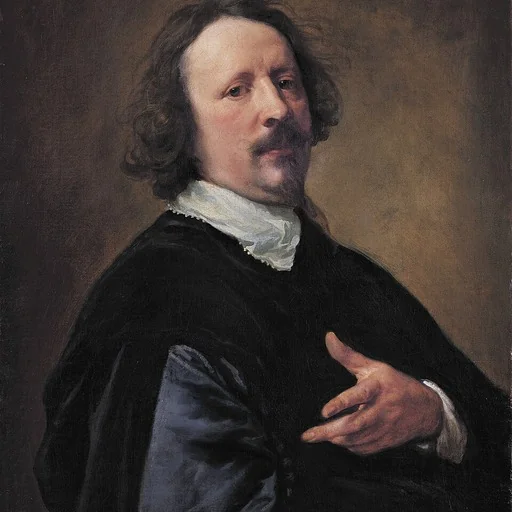
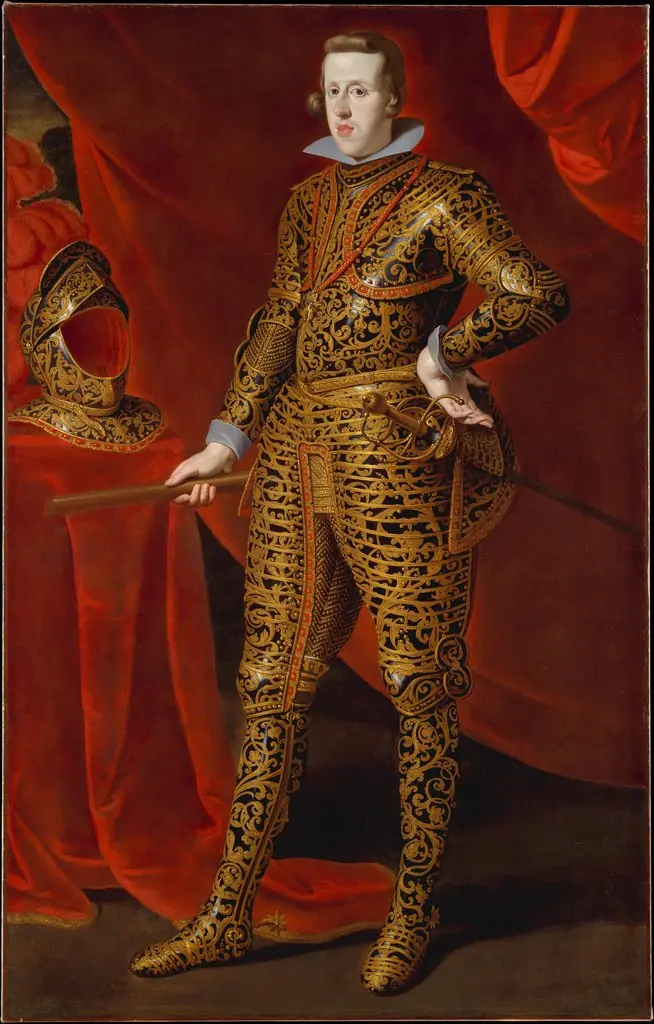
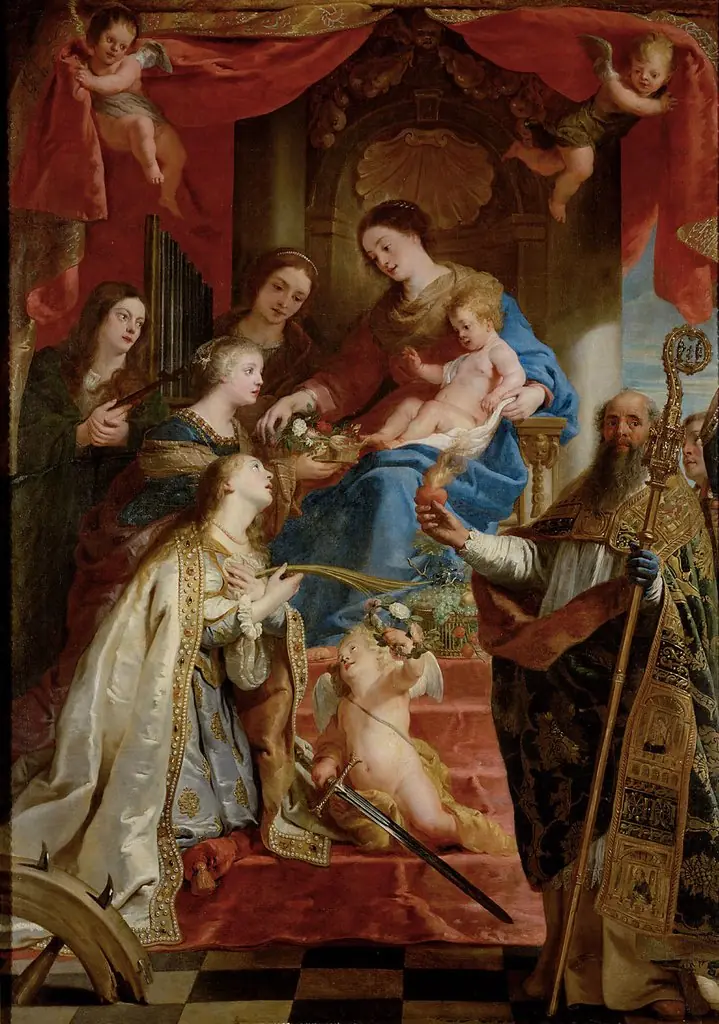
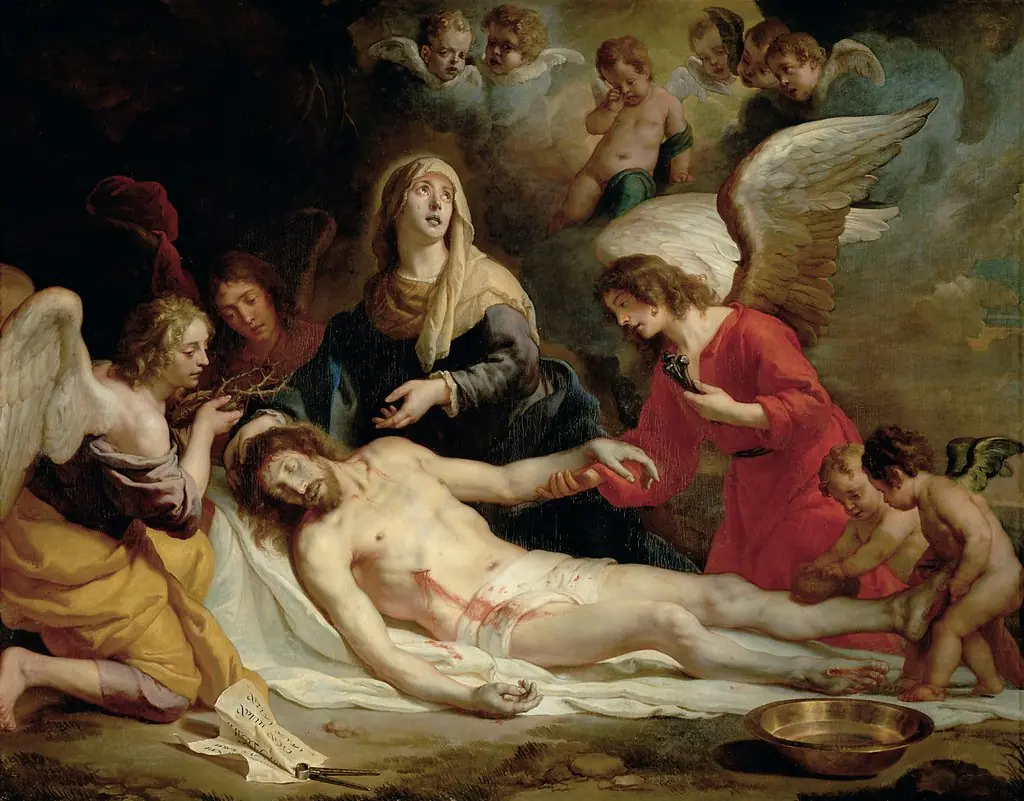
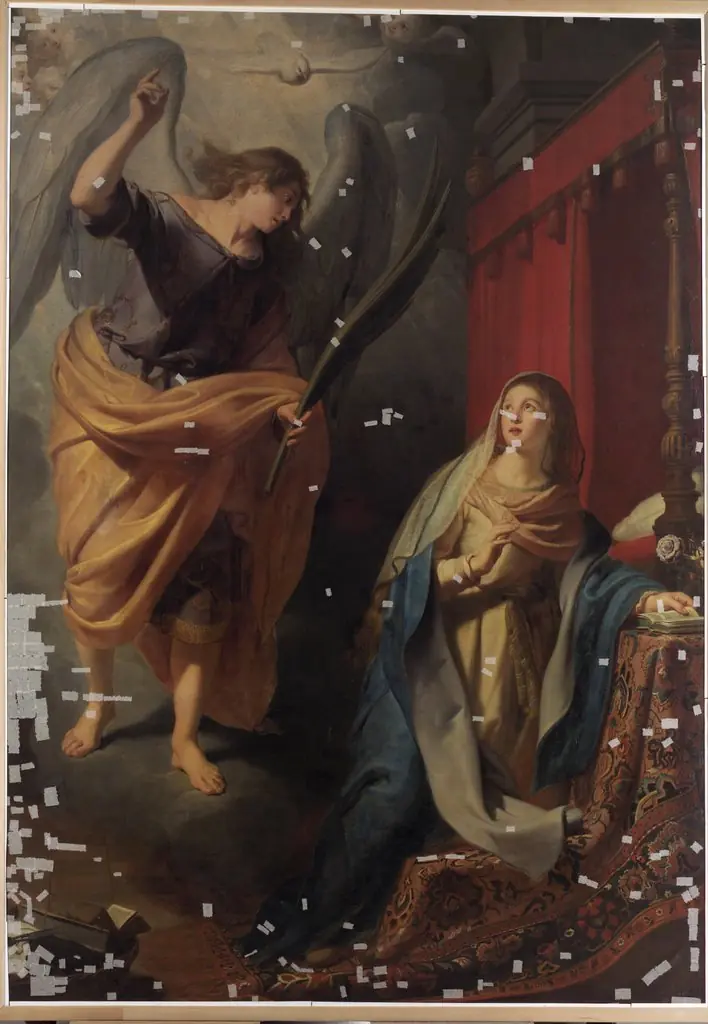
Gaspar de Crayer or Jasper de Crayer (18 November 1584 – 27 January 1669) was a Flemish painter known for his many Counter-Reformation altarpieces and portraits.

- The Magnanimity of Scipio Africanus
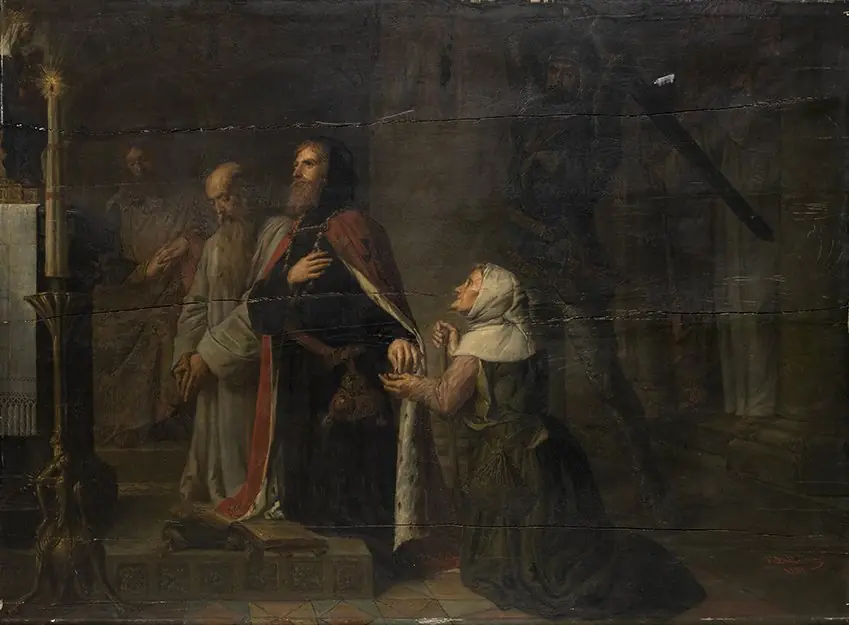 De dood van Karel de Goede
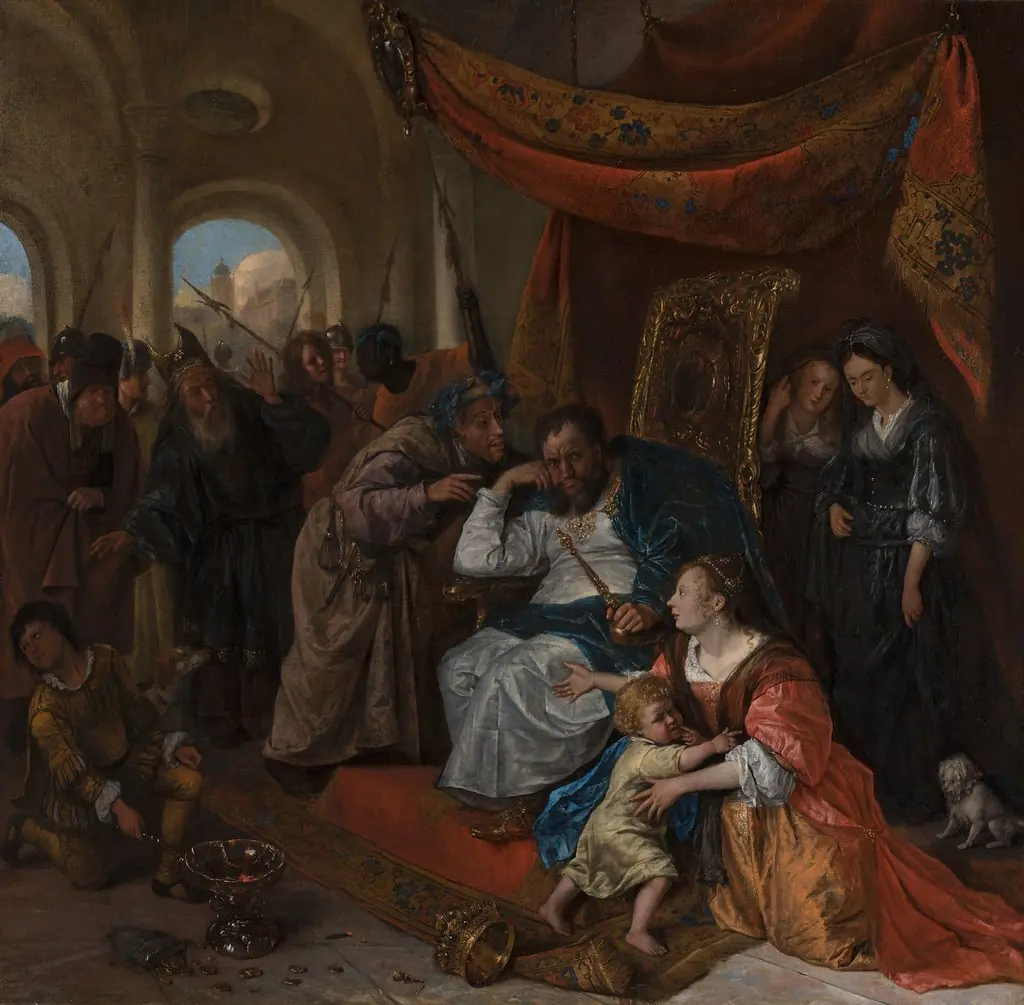 Moses and Pharaoh’s Crown
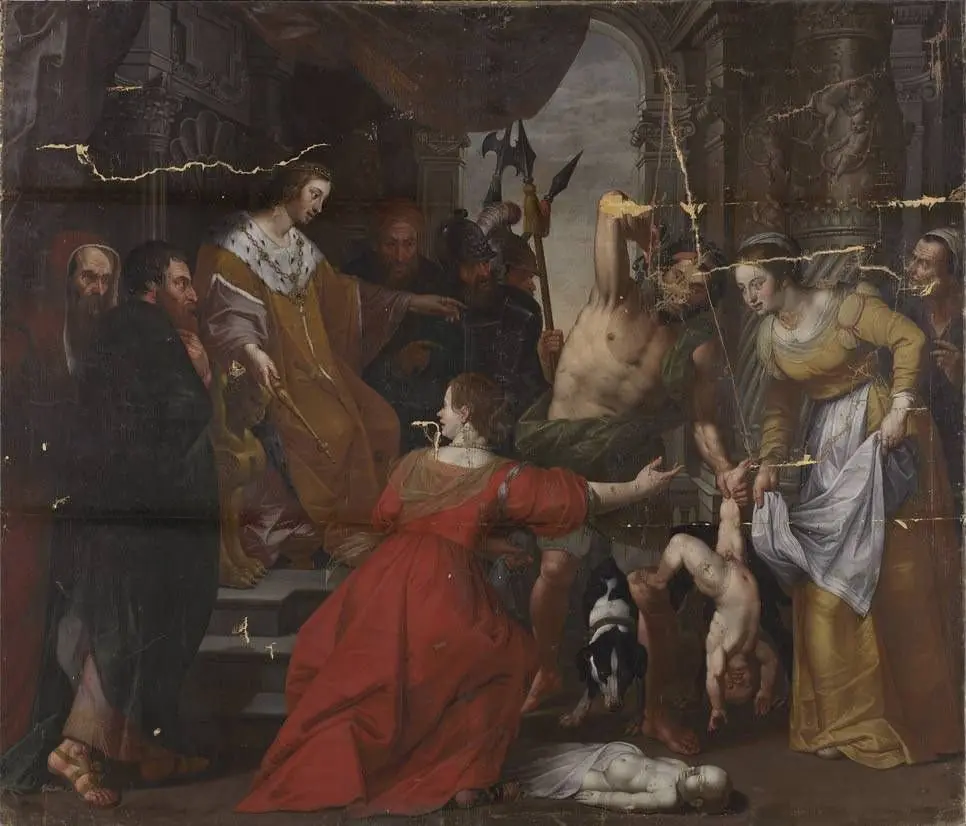 Das Urteil des Salomon
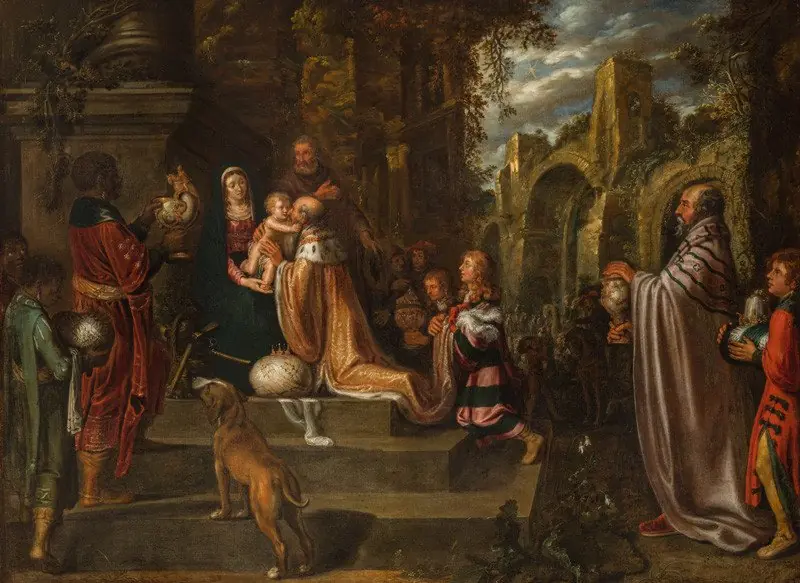 The adoration of the kings
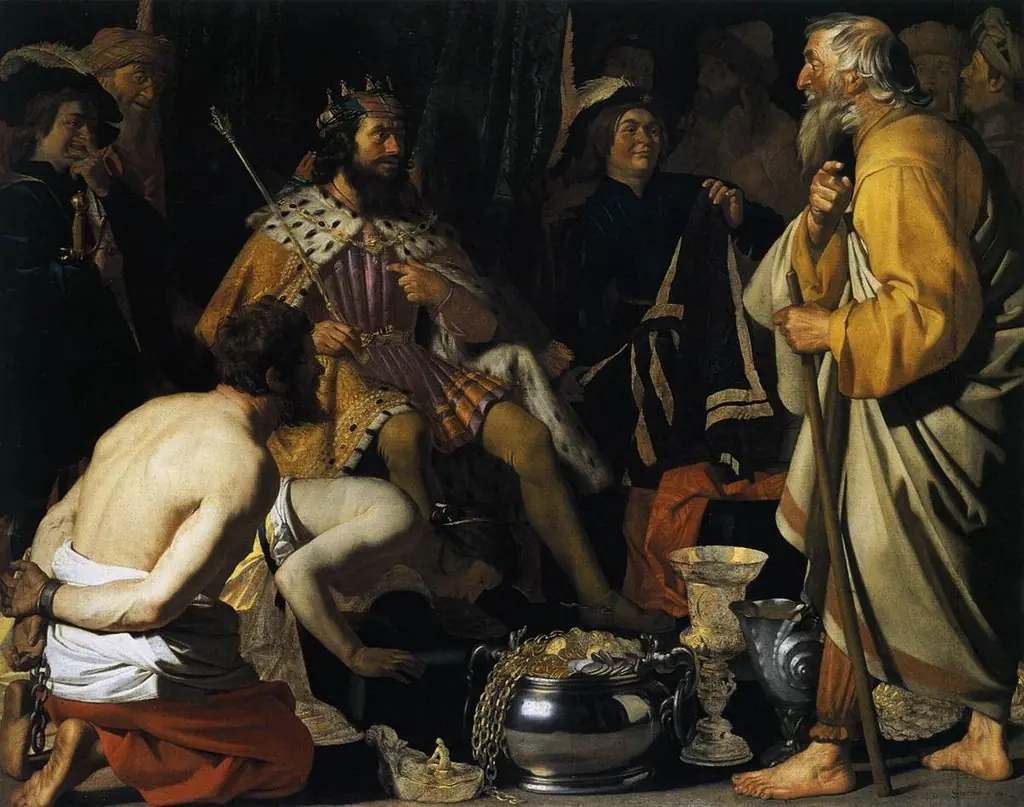 Solon and Croesus
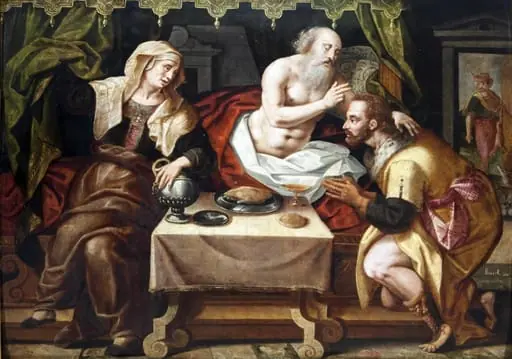 Binecuvântarea lui Iacob
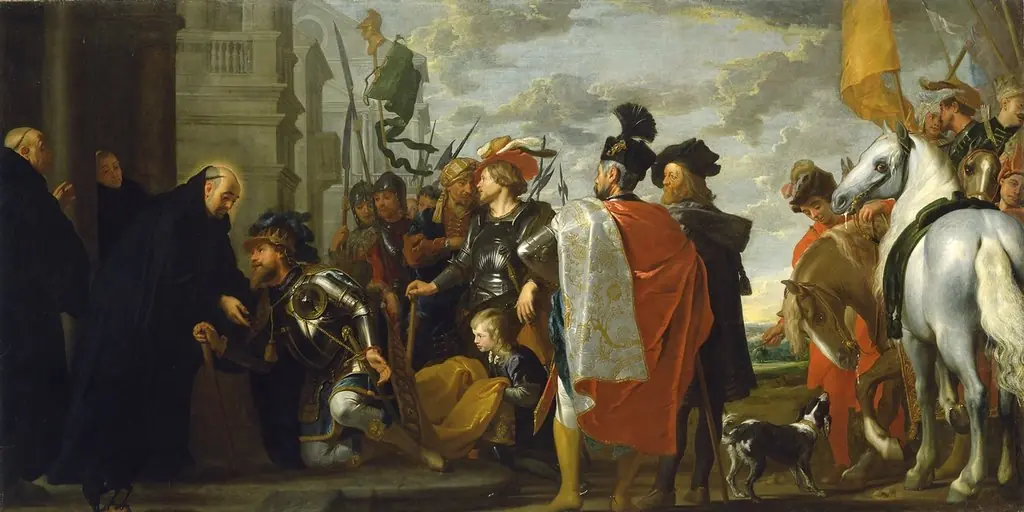 Saint Benedict receiving Totila, King of the Ostrogoths
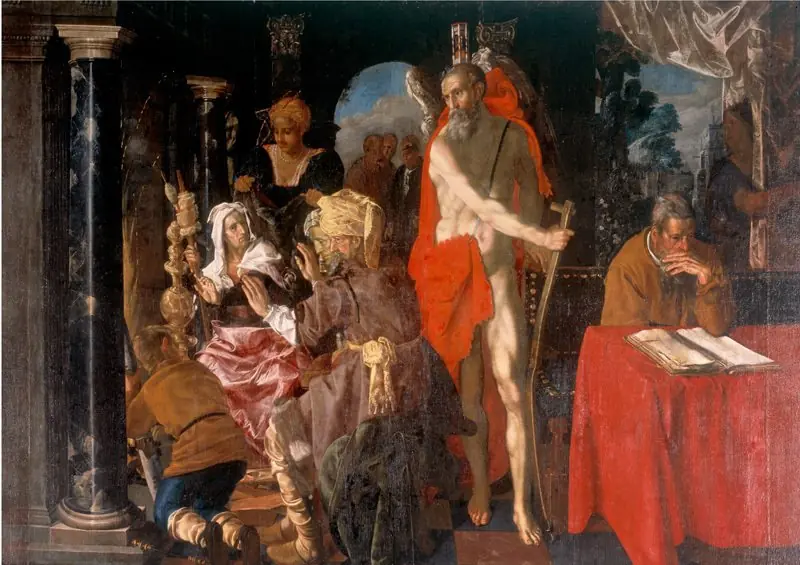 Allegori på alderdommen. Tiden og den lærde.
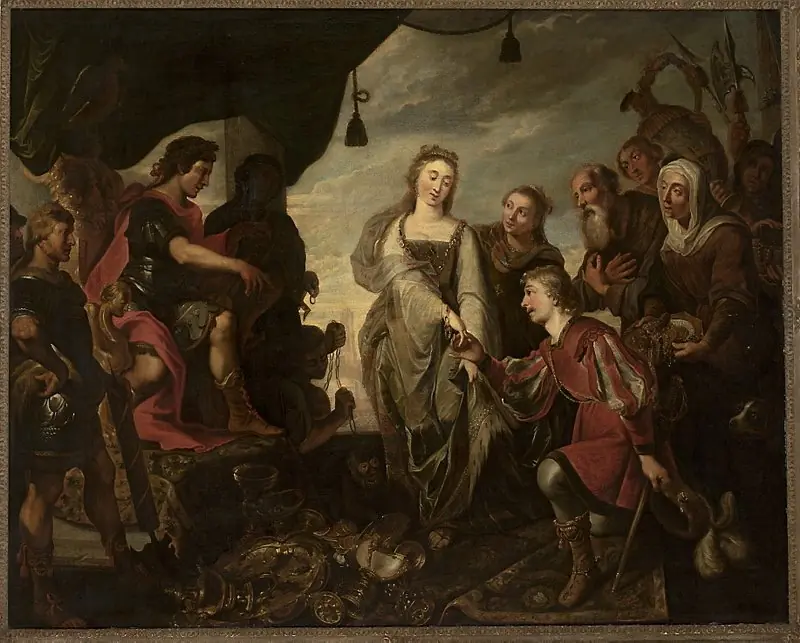 Magnanimity of Scipio (Titus Livius XXVI; 50)
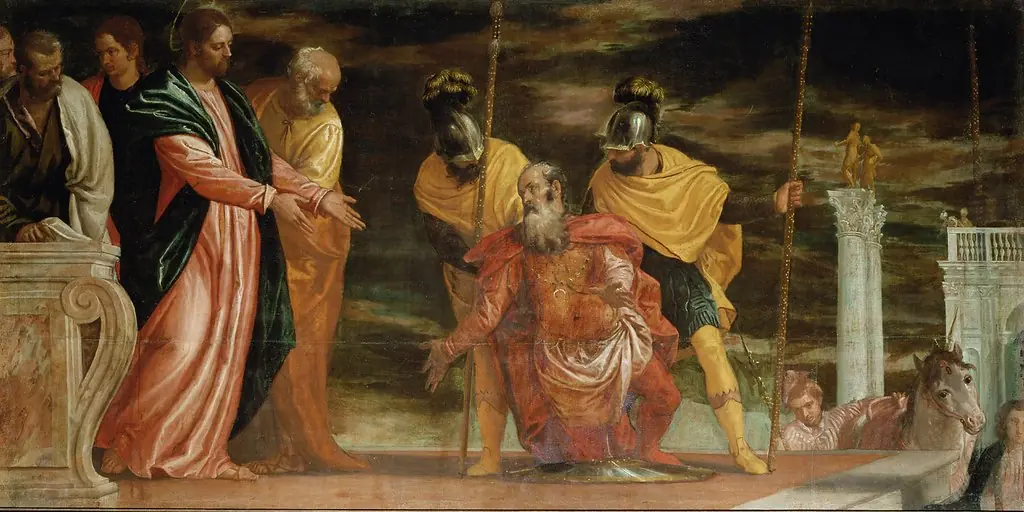 Christus und der Hauptmann von Kafarnaum
 Pentecost