Artwork
The Meeting of Alexander the Great and Diogenes
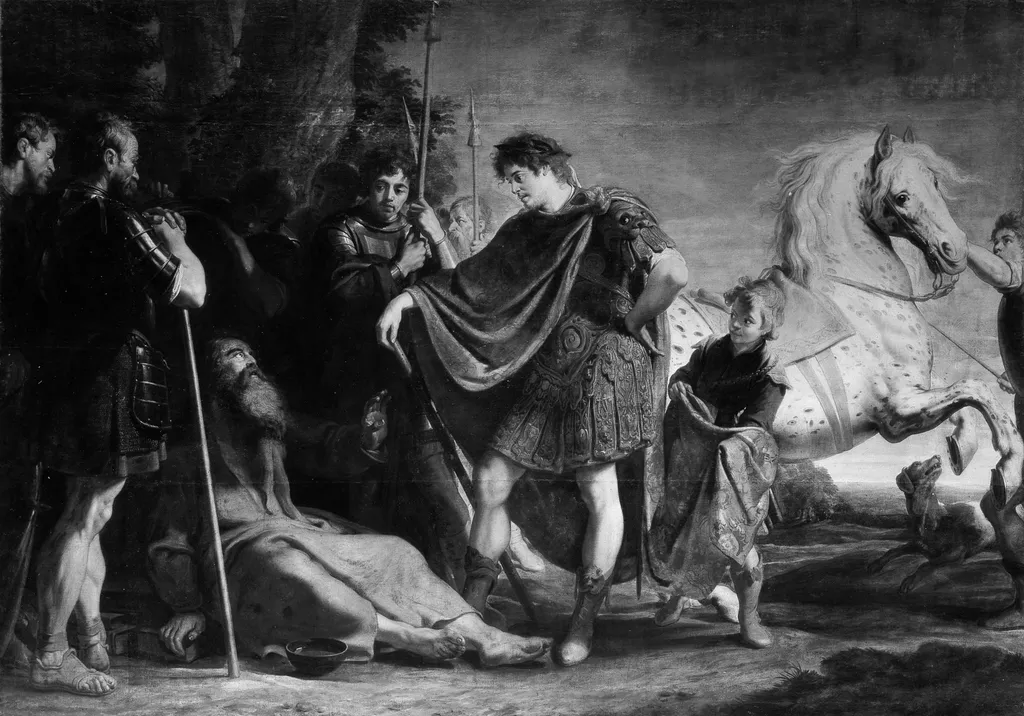
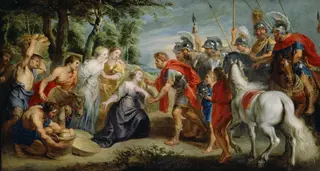
The Meeting of Alexander the Great and Diogenes is an oil painting by the Flemish Baroque painting artist Gaspar de Crayer. It dates from 1650 and is held in the collection of the Metropolitan Museum of Art.
About this work
Subject & Meaning
The painting illustrates the celebrated encounter between Alexander the Great and Diogenes of Sinope, a story drawn from ancient moralizing tradition.
The painting illustrates the celebrated encounter between Alexander the Great and Diogenes of Sinope, a story drawn from ancient moralizing tradition. According to the legend, the Macedonian conqueror approached the philosopher, who lived in poverty, and offered him any gift he desired; Diogenes replied that he wished only that Alexander step aside so as not to block his sunlight. The composition visualizes this exchange by depicting both figures along with a horse and a boy, situating the ruler and the ascetic philosopher in direct confrontation.
The juxtaposition of royal power and austere self-sufficiency conveys the scene's enduring symbolic meaning: the triumph of philosophical detachment over worldly ambition, and the moral authority of the Cynic who refuses to be awed by a king.
Technique & Style
Executed in 1650 by Gaspar de Crayer, this work is an oil painting on canvas. The composition measures 196 centimeters in height and 278 centimeters in width, presenting a large-scale narrative scene. Visually, the piece depicts the historical encounter between Alexander the Great and the philosopher Diogenes of Sinope, accompanied by a horse and a young boy.
As a classified painting within the Metropolitan Museum of Art's collection, the work utilizes traditional oil media on a textile support, consistent with seventeenth-century Flemish practices. The substantial dimensions suggest a formal presentation intended for significant architectural settings or public viewing, emphasizing the grandeur of the depicted figures through the expansive pictorial field.
History & Provenance
Gaspar de Crayer executed The Meeting of Alexander the Great and Diogenes in 1650. Created as an oil painting on canvas, the work measures 196 by 278 centimeters. The piece entered the collection of the Metropolitan Museum of Art following its ownership by William T. Blodgett.
While the specific circumstances of its original commission remain unrecorded in the available data, the date of inception is firmly established as 1650. The painting depicts the historical encounter between Alexander the Great and the philosopher Diogenes of Sinope, accompanied by a boy and a horse.
The painting is held by the Metropolitan Museum of Art in New York. It belongs to the museum's collection and was acquired through the bequest of William T. Blodgett, who previously owned the work. The piece, an oil on canvas created in 1650 by Gaspar de Crayer, measures 196 cm in height and 278 cm in width.
No exhibition records are noted in the available documentation, indicating that its public display history is not documented in the sources consulted.
Legacy
The 1650 oil painting by Gaspar de Crayer depicting Alexander the Great and Diogenes entered the Metropolitan Museum of Art through the bequest of William T. Blodgett, placing a 17th‑century interpretation of the classical encounter within a premier institutional collection; its display and scholarly cataloguing have reinforced the work’s reputation as an exemplar of Flemish baroque narrative and have prompted continued study of the Alexander‑Diogenes motif in later artistic and cultural discourse.
Overview
Gaspar de Crayer, a prominent Flemish artist of the 17th century, completed The Meeting of Alexander the Great and Diogenes around 1650. This oil painting exemplifies the Flemish Baroque style, depicting the legendary encounter between the Macedonian king Alexander the Great and the Cynic philosopher Diogenes. The composition features several figures, including a boy and a horse, set within a dramatic outdoor scene.
Context
Gaspar de Crayer was a significant figure in 17th-century Flemish art, active across the region's main cities. While celebrated for his large-scale Counter-Reformation altarpieces and formal portraits, he also produced historical and mythological scenes like this one. His artistic output played a role in disseminating the robust and expressive Baroque style associated with Rubens throughout Flanders.
Own this work as a print
Artist & collection
Artist
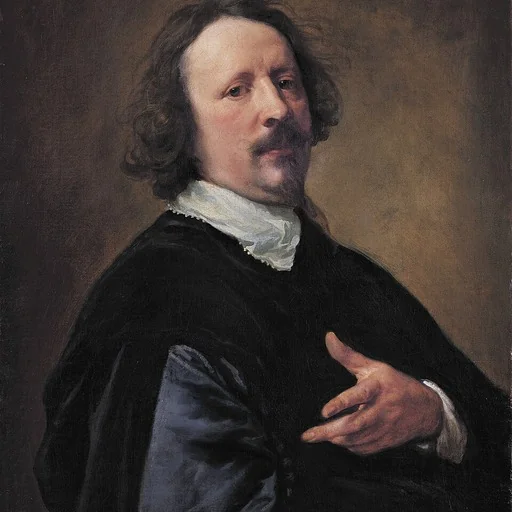
Gaspar de Crayer or Jasper de Crayer (18 November 1584 – 27 January 1669) was a Flemish painter known for his many Counter-Reformation altarpieces and portraits.

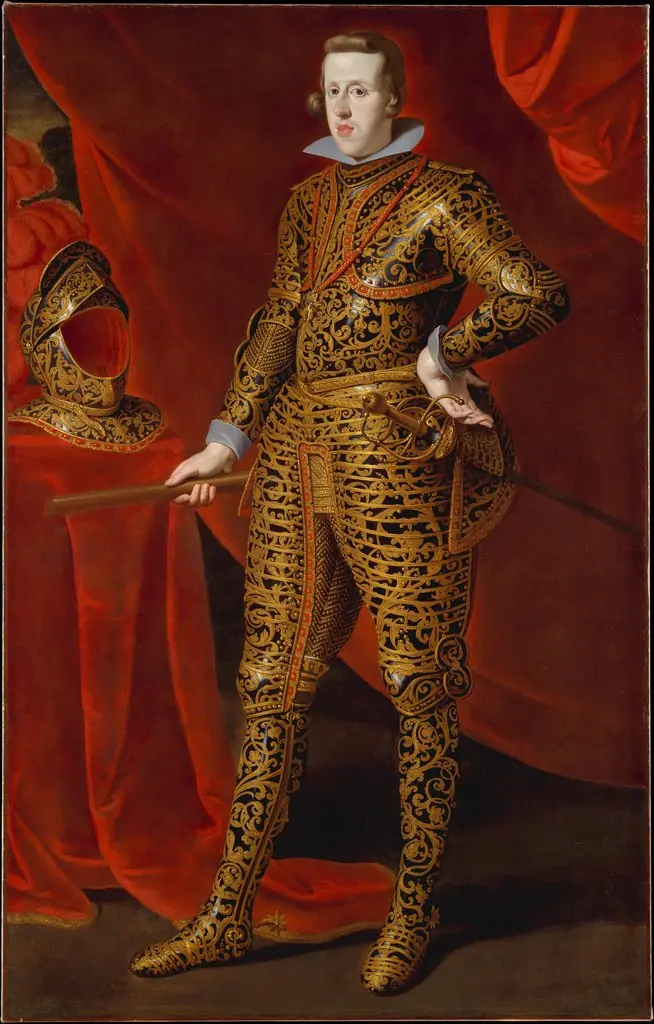 Philip IV (1605–1665) in Parade Armor
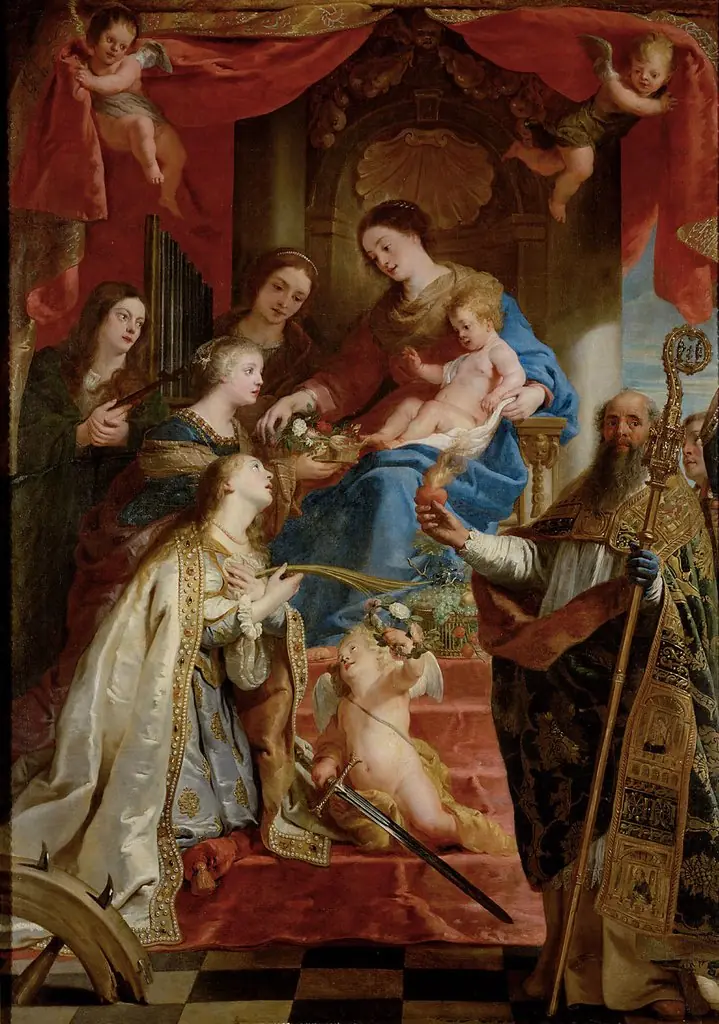 Virgin with child and saints Maria Magdalen, Cecilia, Dorothea, Catharina and Augustine
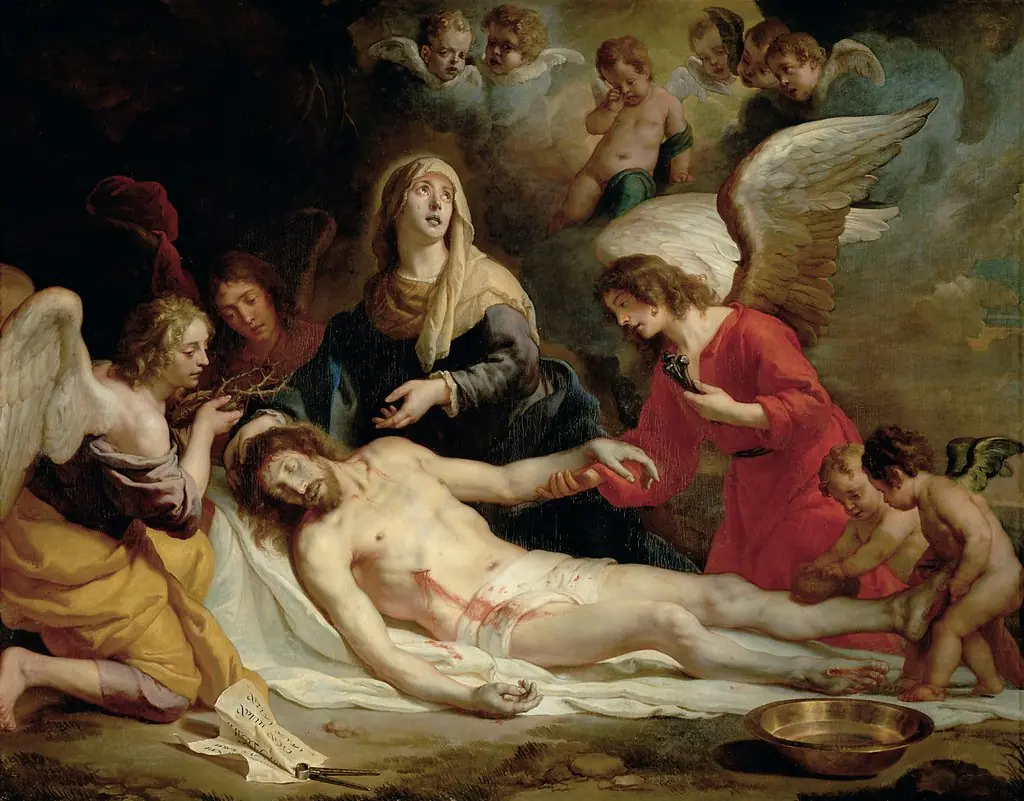 Lamentation
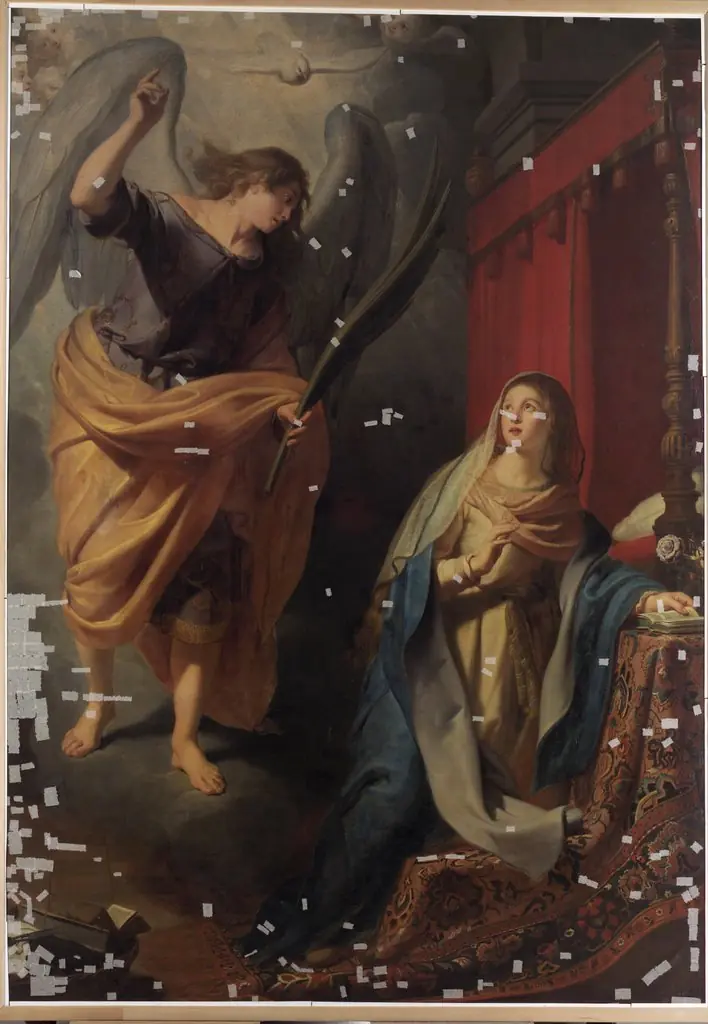 The Annunciation
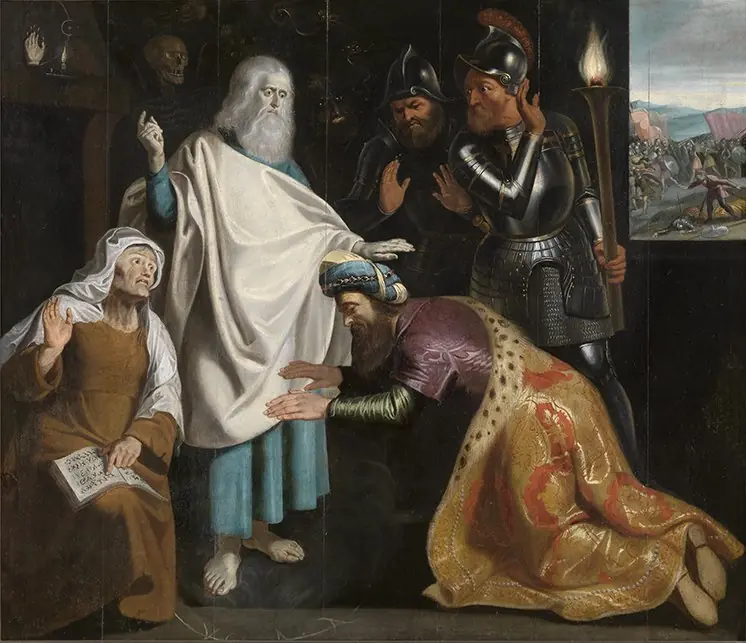 The ghost of Samuel appears to the witch of Endor; Saul falls prostrate to the ground (1 Samuel 28:3-20)
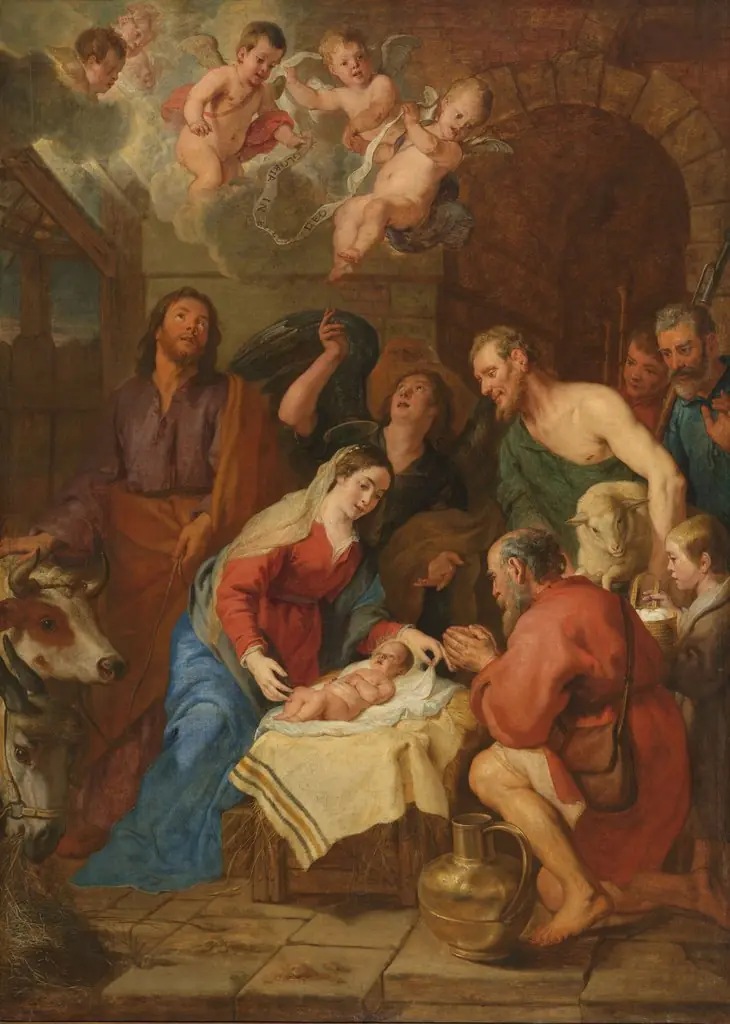 The adoration of the shepherds
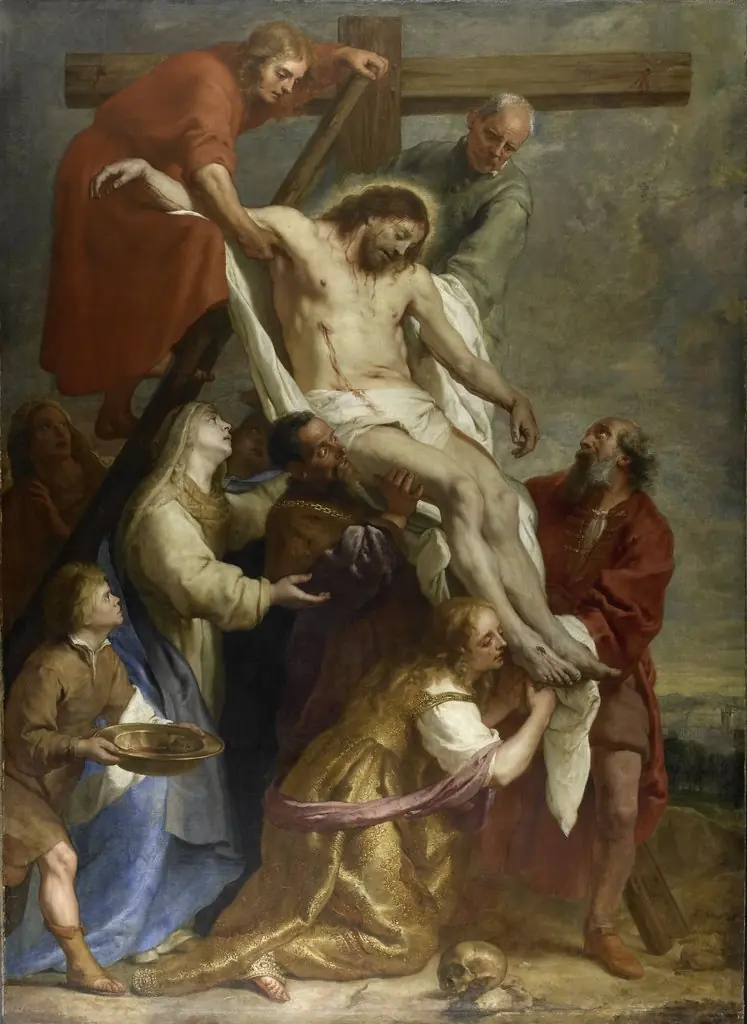 The descent from the cross
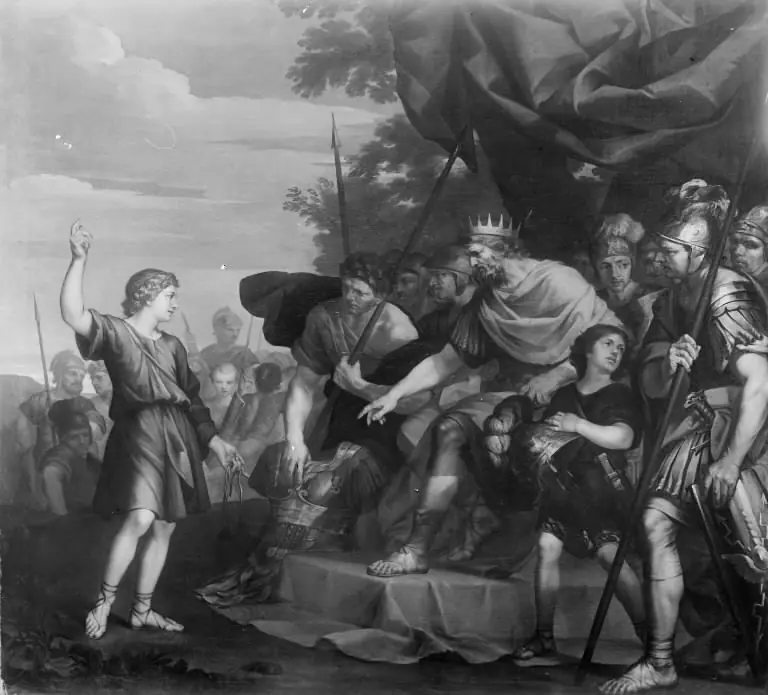 Saul and David
 Saul and David
 The Continence of Scipio
 The Continence of Scipio
 Familie des Darius
 The Rescue of Agrippina, Mother of Nero
 Plutus, IV akt, 4. scene
 Enthaltsamkeit des Scipio
 Enthaltsamkeit des Scipio
 Queen Philippa at the Battle of Neville's Cross
 David Meeting Abigail
- Alexander the Great and Roxana