Artwork
Elisabeth Apollonia of Saxony (1736–1818)
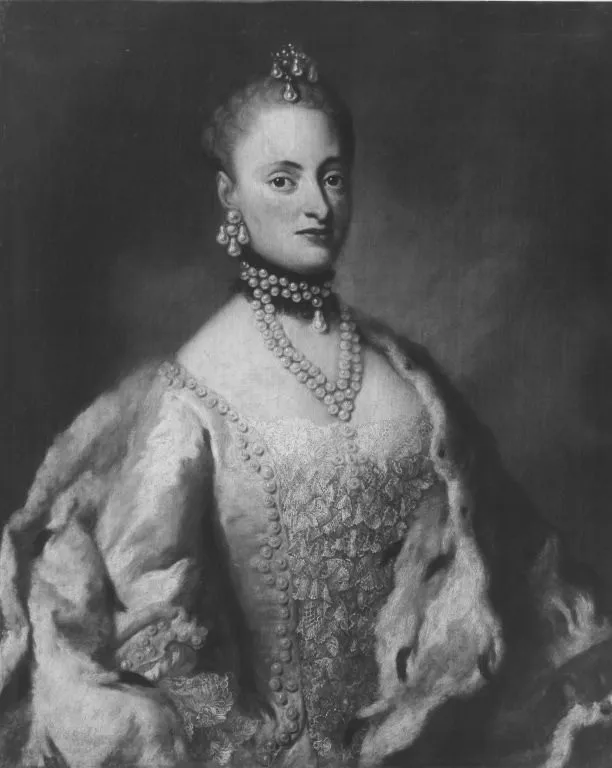
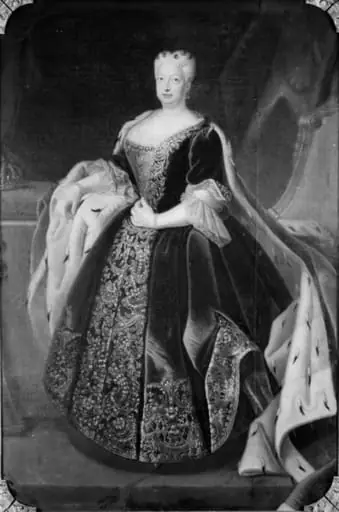
Elisabeth Apollonia of Saxony (1736–1818) is an oil painting by the Rococo painting artist Georg Desmarées. It dates from 1750 and is held in the collection of the Bavarian State Painting Collections.
About this work
Subject & Meaning
Created in 1750 by Georg Desmarées, the painting presents the sitter as the primary subject, consistent with the genre of portraiture.
The work is a portrait depicting Princess Maria Elisabeth of Saxony, also known as Elisabeth Apollonia. Created in 1750 by Georg Desmarées, the painting presents the sitter as the primary subject, consistent with the genre of portraiture. The visual focus is entirely on the individual, capturing her likeness without additional narrative elements or complex symbolic attributes described in the available records.
The piece serves to document the physical appearance and status of the Saxon princess during the mid-18th century.
Technique & Style
Created in 1750, this portrait of Elisabeth Apollonia of Saxony was executed by Georg Desmarées using oil paint applied to a canvas support. The work measures 82 cm in height and 66 cm in width, presenting a standard format for aristocratic portraiture of the mid-eighteenth century. As a classified painting within the portrait genre, the piece is currently held by the Bavarian State Painting Collections at the Alte Pinakothek.
The medium and support are consistent with Desmarées' established practice for formal depictions of royalty during this period.
History & Provenance
The portrait of Elisabeth Apollonia of Saxony was created by Georg Desmarées in 1750. Executed in oil on canvas, the work measures 82 cm in height and 66 cm in width. The painting is currently held within the collection of the Bavarian State Painting Collections, specifically at the Alte Pinakothek.
Overview
Georg Desmarées painted this oil portrait around 1750, presenting the young Princess Maria Elisabeth of Saxony, who lived from 1736 to 1818. The work is part of the collection of the Alte Pinakothek in Munich, where it is displayed among other 18th‑century court portraits.
Artist & collection

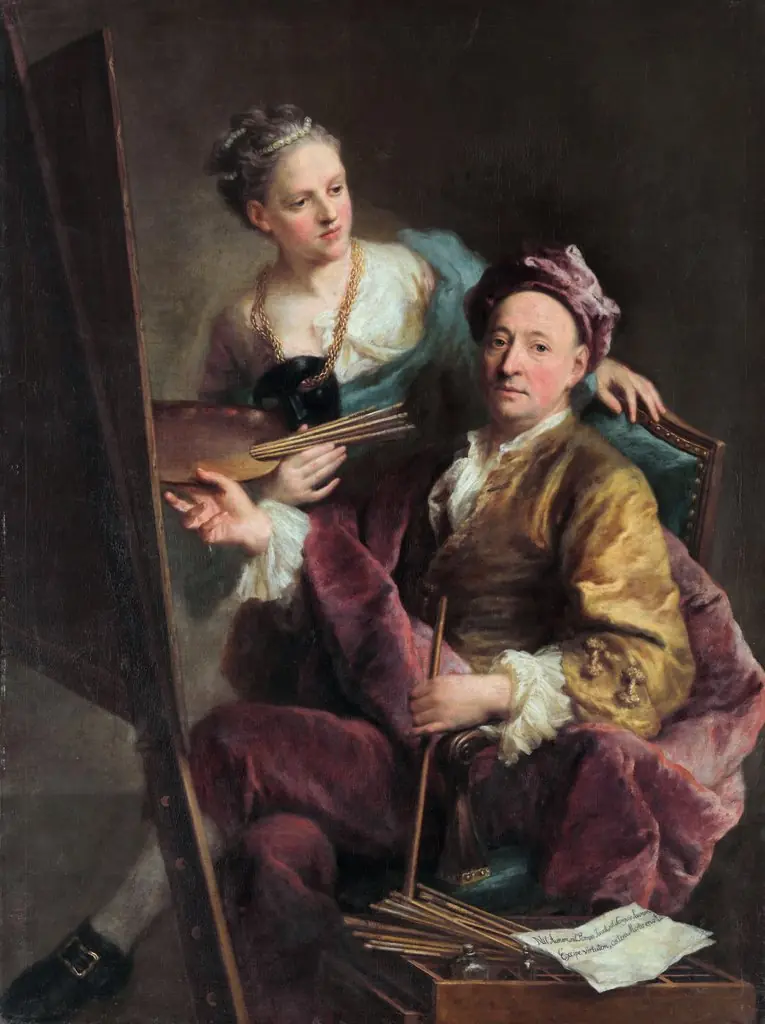 Self-portrait of the Artist with his Daughter Antonia
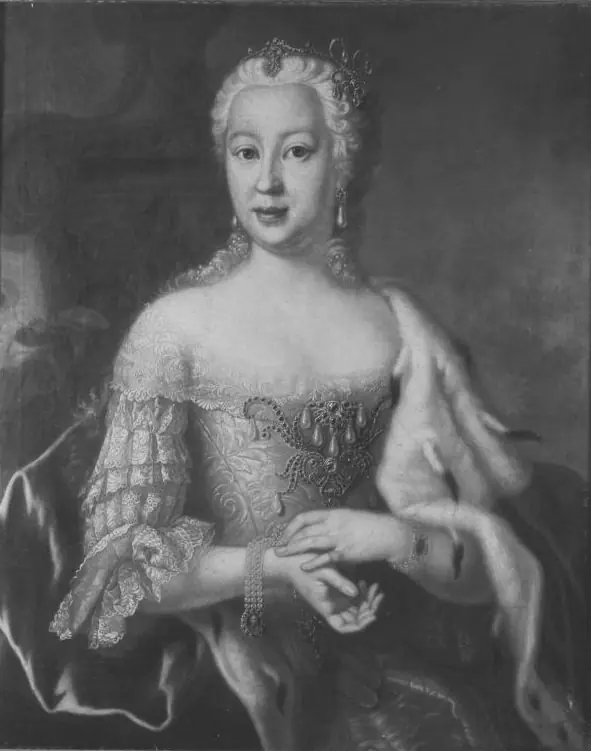 Maria Anna of Sulzbach (1722-1790)
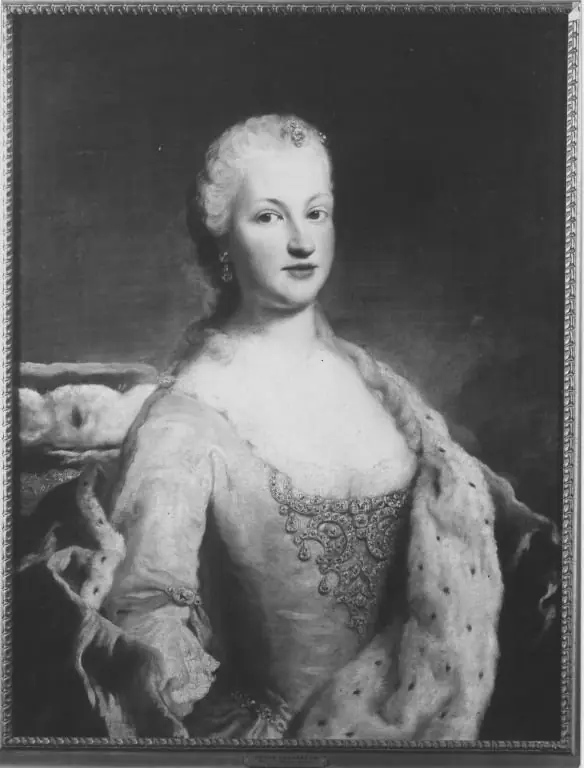 Bildnis der Maria Franziska Dorothea von Pfalz-Sulzbach, Herzogin von Zweibrücken-Birkenfeld (1724-1794)
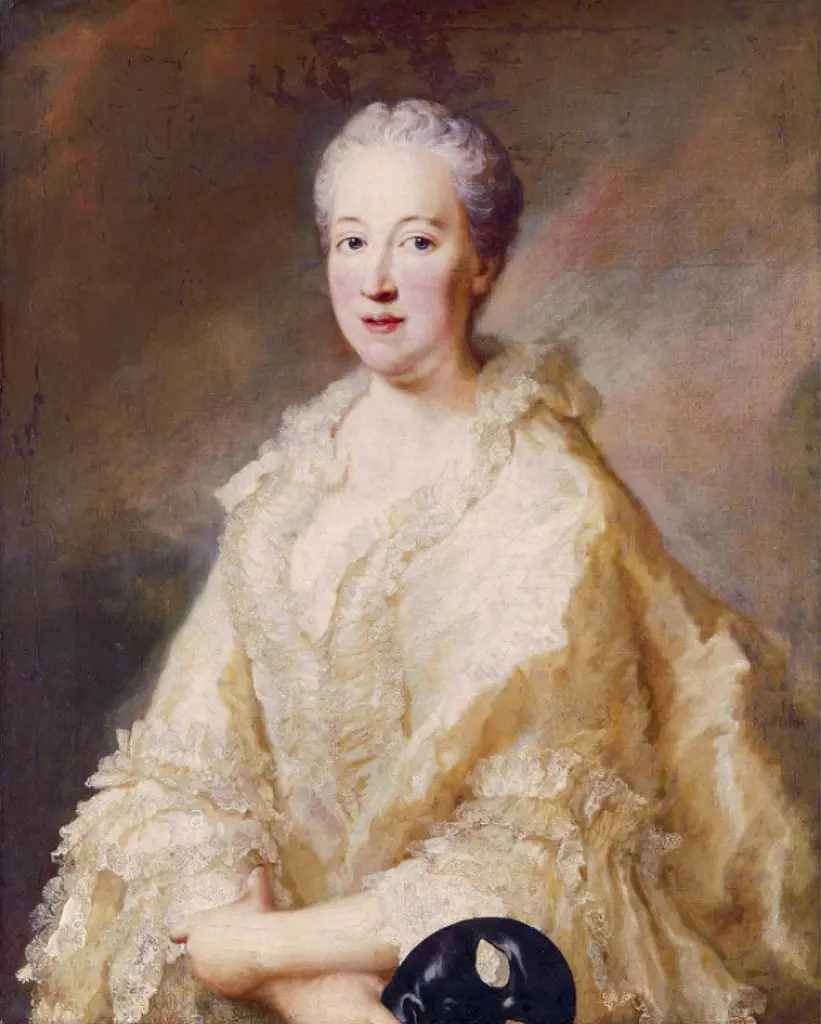 Portrait of Countess Palatine Maria Anna of Sulzbach (1722-1790)
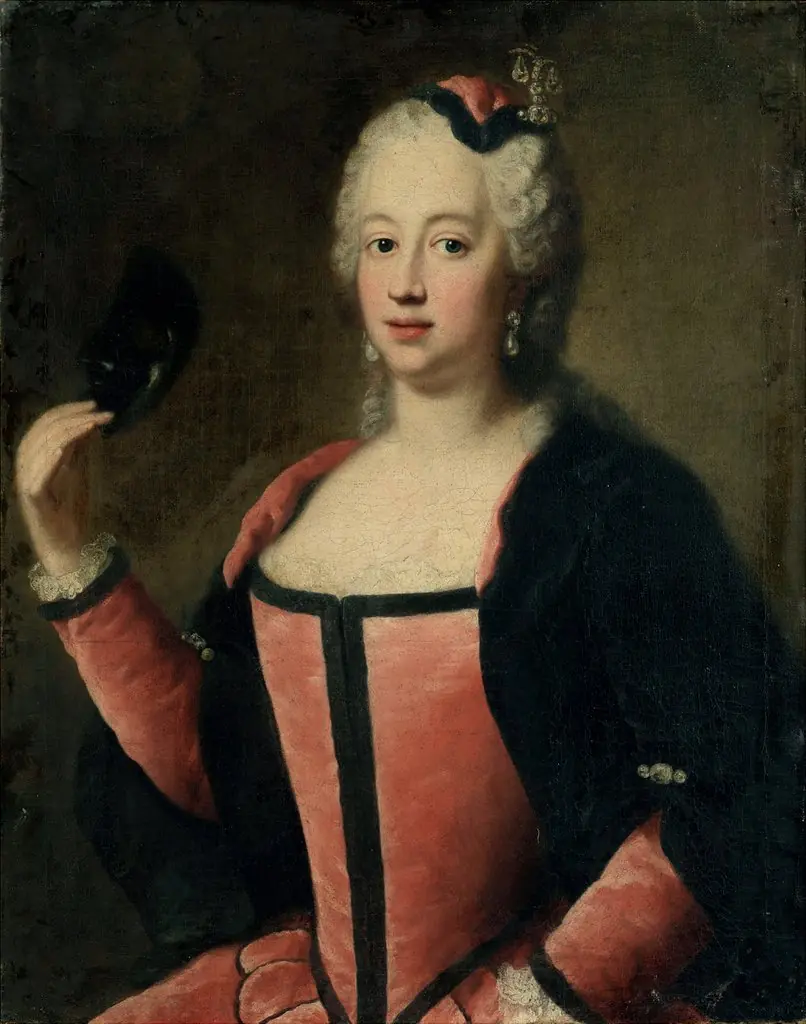 Maria Anna of Sulzbach
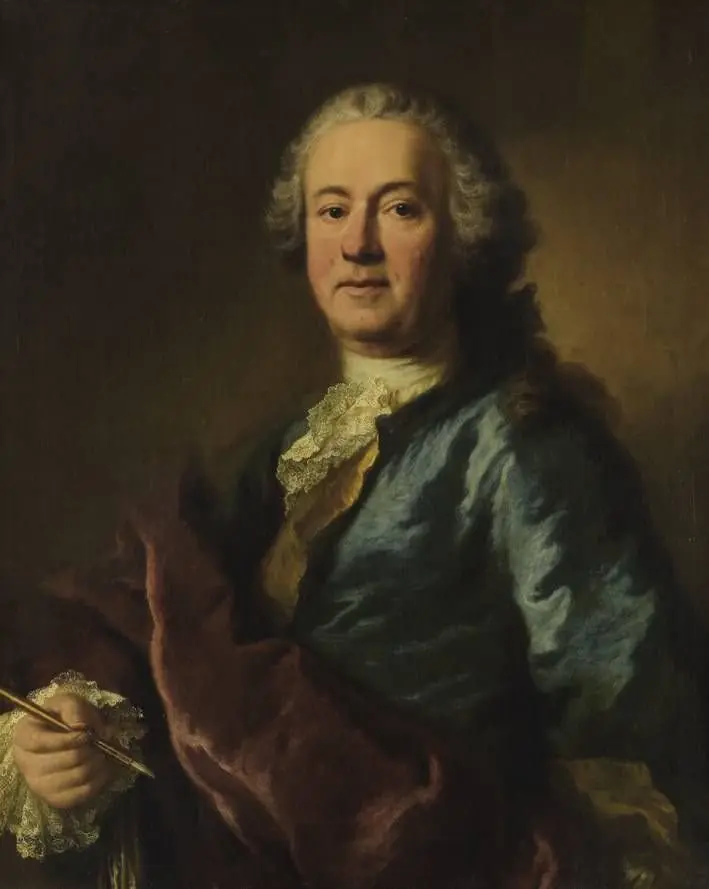 Bildnis des Hofmalers Balthasar August Albrecht (1687-1765)
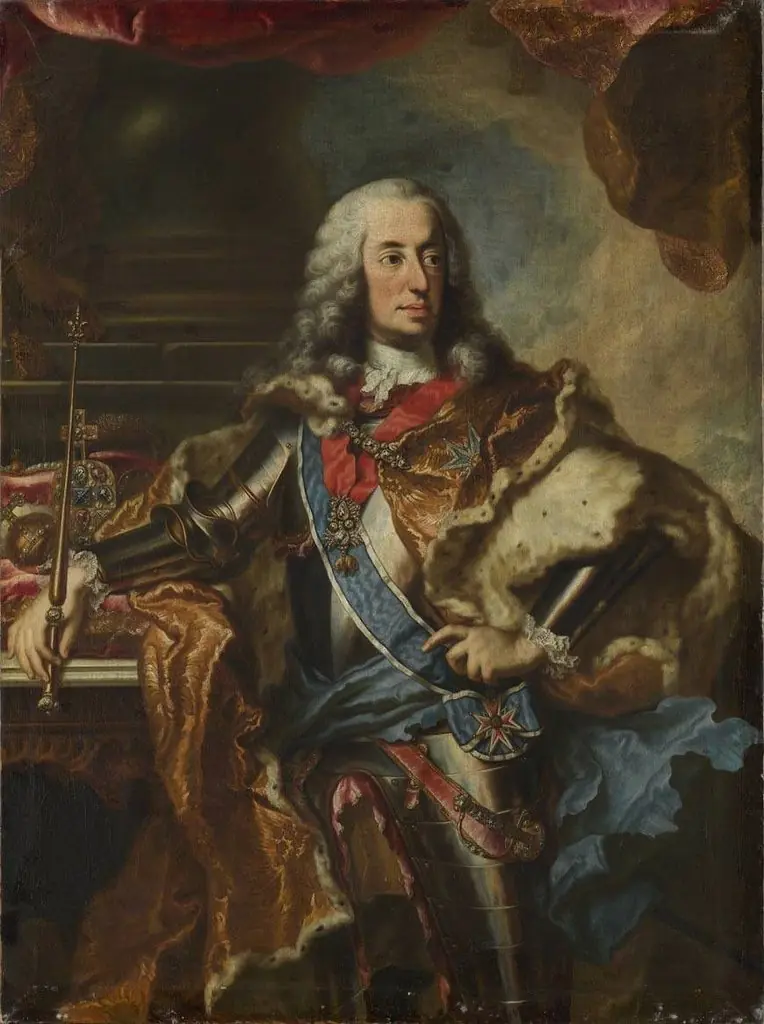 Kurfürst Karl Albrecht als Kaiser Karl VII. (1697-1745)
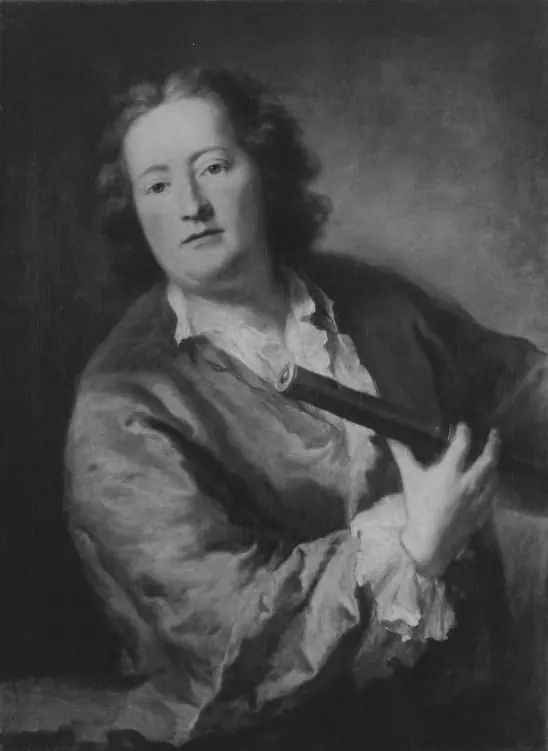 Portrait of the court painterJohann Georg Winter (1707–1770)
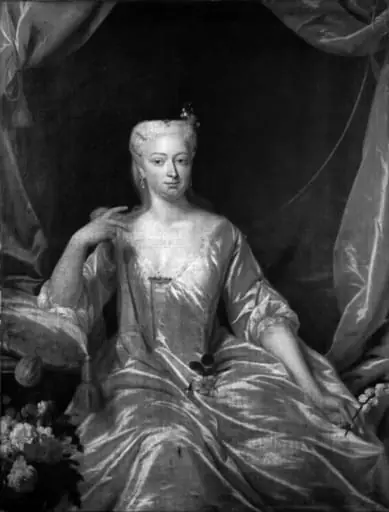 Vilhelm IV af Oraniens gemalinde Anna, datter af Georg II
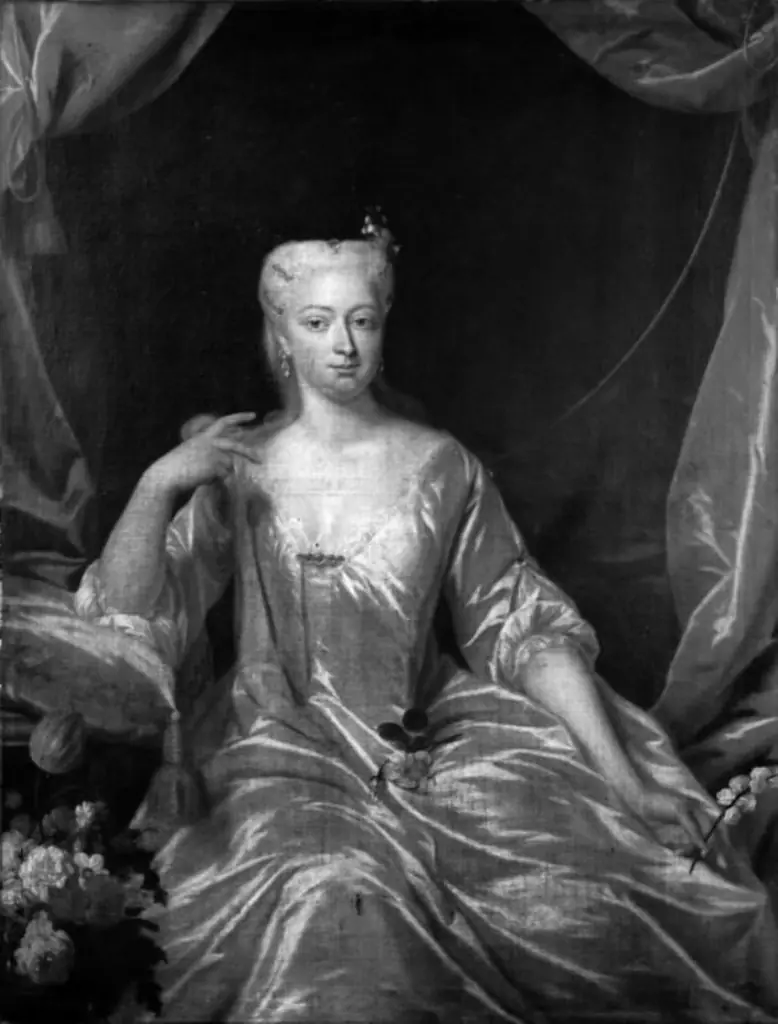 Vilhelm IV af Oraniens gemalinde Anna, datter af Georg II
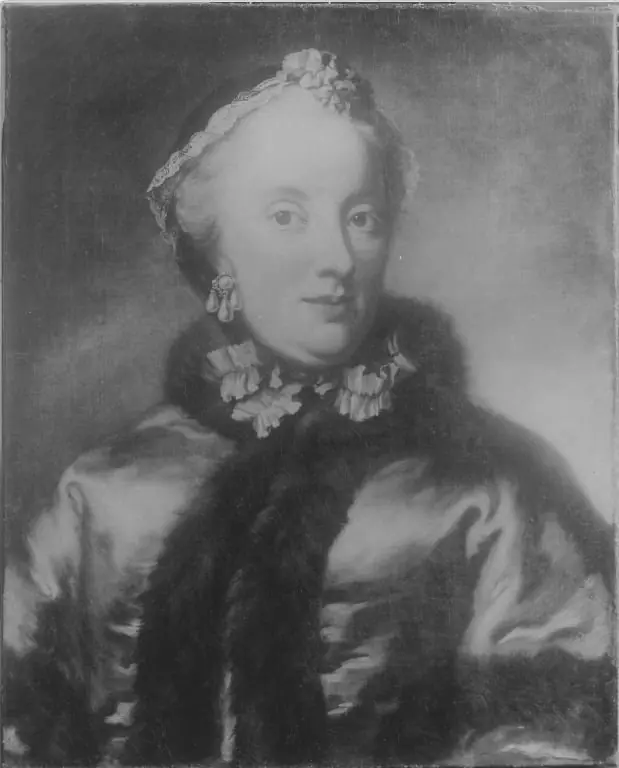 Bildnis der Maria Anna, Gemahlin des Kurfürsten Max III. Joseph (Werkstatt)
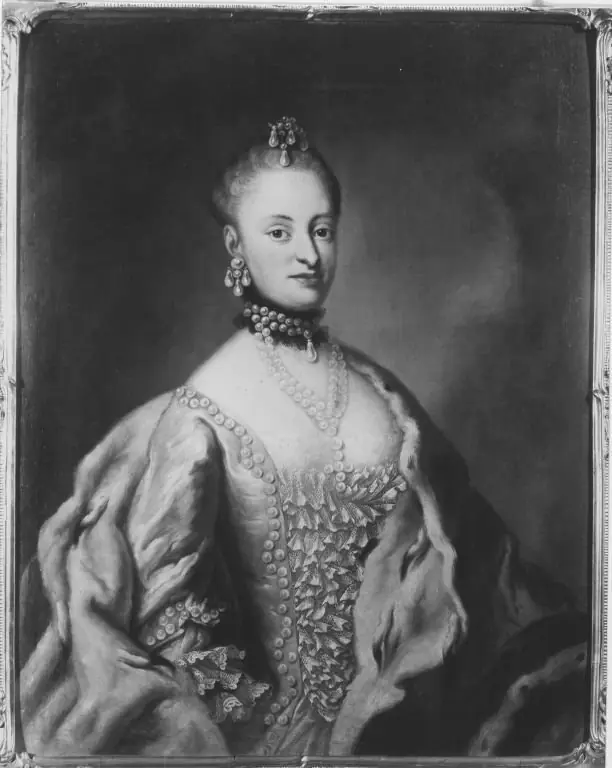 Maria Anna, Gemahlin des Kurfürsten Max III. Joseph von Bayern
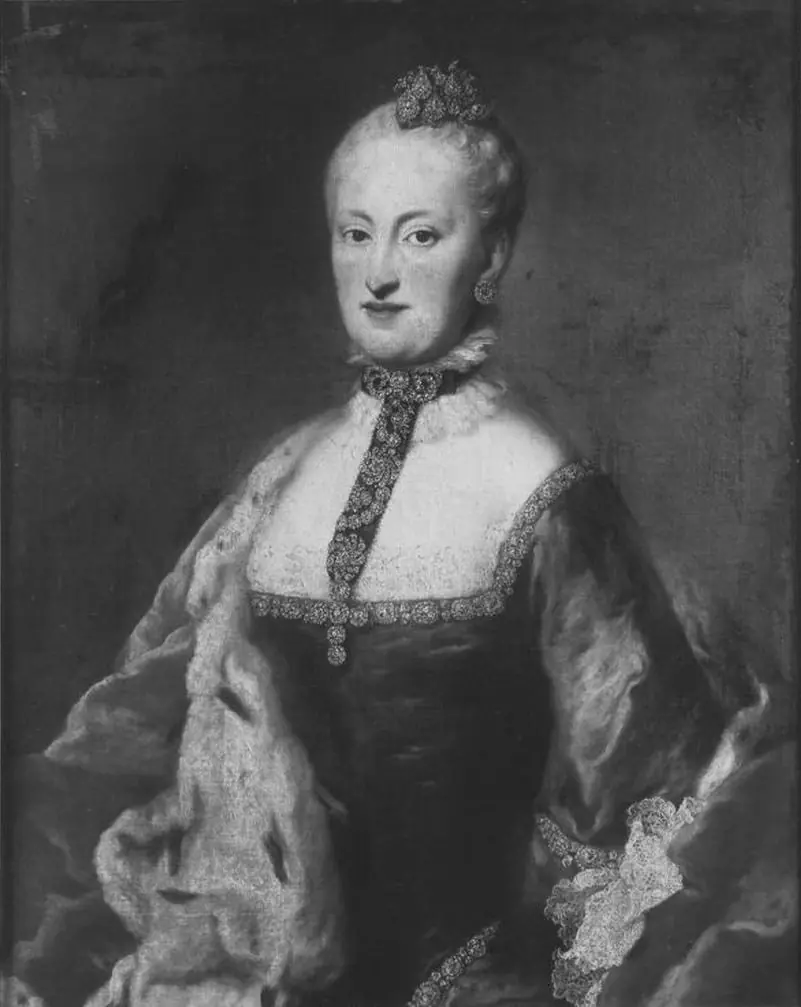 So-called portrait of Maria Anna Sophia of Saxony (1728–1797)
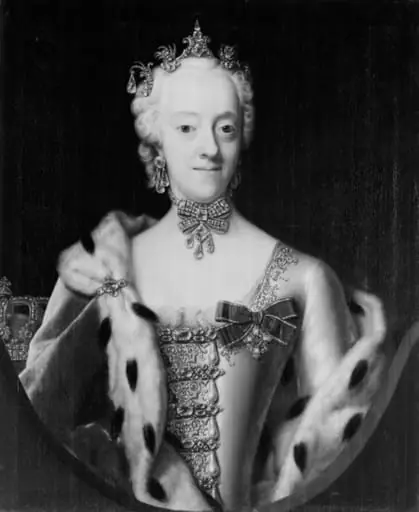 Princess Charlotte Amalie, Daughter of Frederik IV
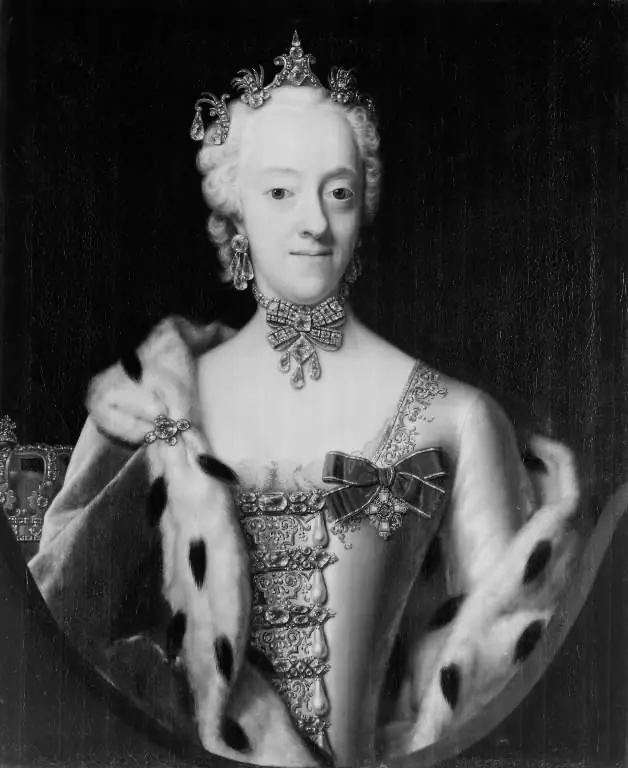 Princess Charlotte Amalie, Daughter of Frederik IV
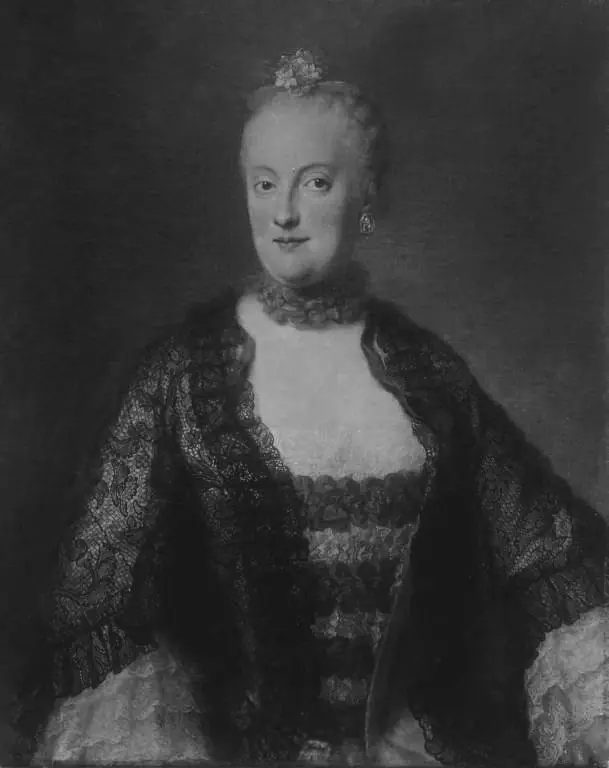 Maria Anna, Gemahlin des Kurfürsten Max III. Joseph von Bayern
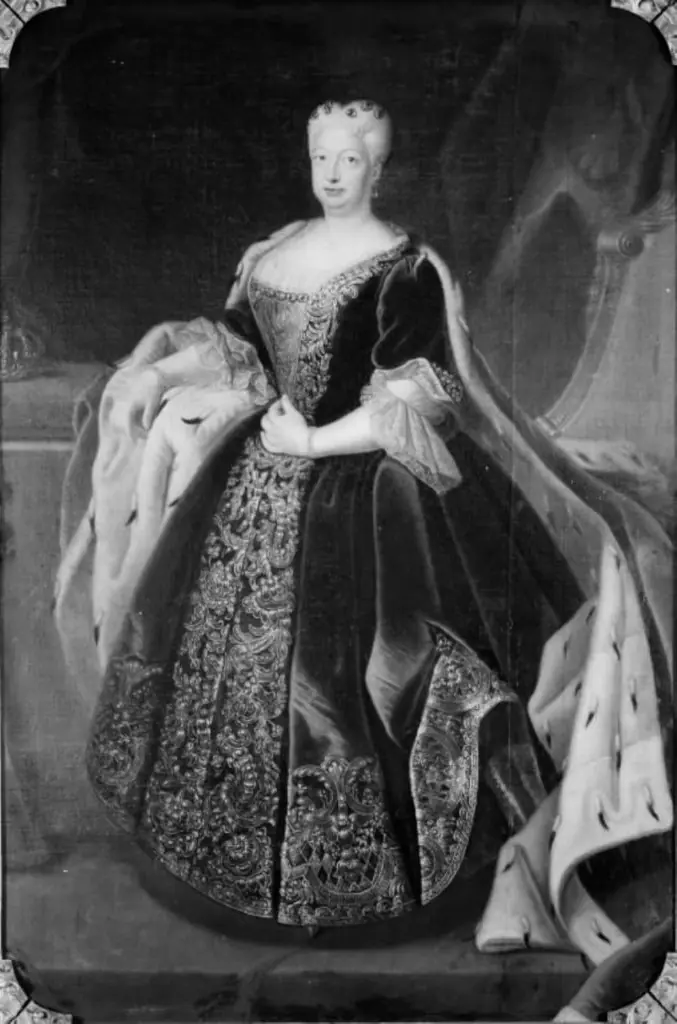 Portrait of Sophie Dorothea of Prussia
 Portrait of Sophie Dorothea of Prussia
- Elisabeth Auguste of Sulzbach (1721-1794)