Artwork
Maria Anna of Sulzbach (1722-1790)
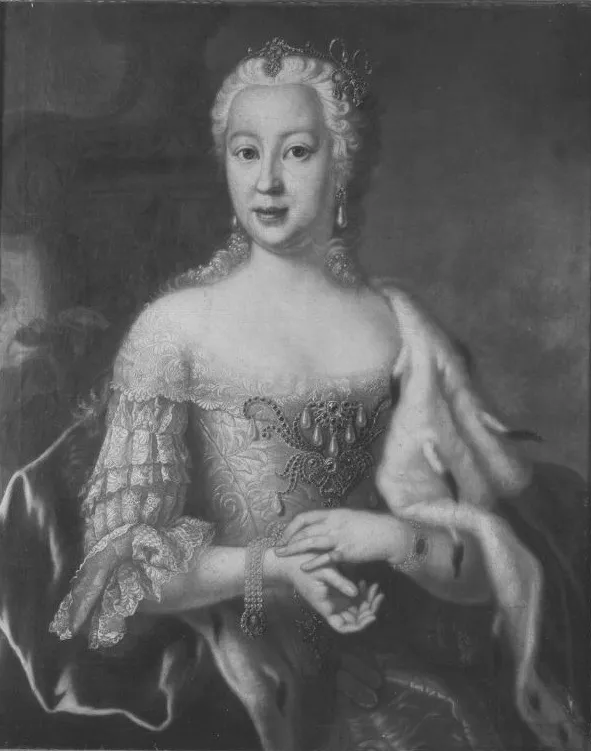
Maria Anna of Sulzbach (1722-1790) is an oil painting by the Rococo painting artist Georg Desmarées. It dates from 1750 and is held in the collection of the Bavarian State Painting Collections.
About this work
Subject & Meaning
As a dynastic image, the painting functions as a visual assertion of lineage and courtly prestige rather than conveying deeper allegorical or symbolic content.
The portrait depicts Maria Anna of Sulzbach, a member of the Wittelsbach dynasty, captured in profile and dressed in contemporary court fashion. Her attire and pose reflect the ceremonial conventions of mid-18th-century German aristocratic portraiture, emphasizing her social rank rather than personal identity. The work’s restrained palette and smooth modeling align with the Rococo portrait style practiced by Desmarées, who specialized in flattering representations of the Bavarian nobility.
As a dynastic image, the painting functions as a visual assertion of lineage and courtly prestige rather than conveying deeper allegorical or symbolic content.
Technique & Style
Created in 1750 by Georg Desmarées, this portrait of Maria Anna of Sulzbach is executed in oil paint on a canvas support. The work measures 80 cm in height and 65 cm in width, adhering to the standard dimensions of 18th-century court portraiture. As a formal portrait classification, the piece utilizes the oil medium to capture the likeness of the Countess Palatine, reflecting the stylistic conventions of the Bavarian State Painting Collections' holdings. The painting is currently housed in the Alte Pinakothek.
History & Provenance
The painting of Maria Anna of Sulzbach was created in 1750 by Georg Desmarées as an oil on canvas portrait. It entered the Bavarian State Painting Collections and has been displayed at the Alte Pinakothek in Munich since its acquisition. The work was commissioned to depict the Countess Palatine Maria Anna of Sulzbach and remains part of the museum's permanent holdings.
Its dimensions are 80 cm in height and 65 cm in width, matching the recorded measurements of the painting.
The painting is held in the Bavarian State Painting Collections and is accessioned under the inventory number that corresponds to its presence in the Alte Pinakothek, though the specific accession identifier is not detailed in the provided sources. It was exhibited in the Alte Pinakothek as part of the Bavarian State Painting Collections, with its display history recorded through its inclusion in the collection’s exhibition schedule. The work was first created in 1750 and has remained in the Alte Pinakothek since its acquisition.
Context
The portrait of Maria Anna of Sulzbach, painted by Georg Desmarées in 1750, occupies a significant position within 18th-century Bavarian portraiture, reflecting the cultural patronage networks of the Wittelsbach court. Its creation aligns with the stylistic conventions of German Rococo portraiture, emphasizing aristocratic elegance and psychological presence through refined chiaroscuro and sumptuous detail. The work has been consistently interpreted in scholarship as a key example of how elite women were visually represented in pre-Enlightenment German states, contributing to discussions about gender and visibility in aristocratic spaces. Its enduring presence in the Alte Pinakothek ensures ongoing scholarly engagement with its artistic and historical significance.
Legacy
The portrait of Maria Anna of Sulzbach painted by Georg Desmarées in 1750 has been recognized as an important example of 18th-century Bavarian portraiture, contributing to the documented tradition of courtly representation in southern Germany. Its inclusion in the Bavarian State Painting Collections and continued display at the Alte Pinakothek have ensured ongoing scholarly attention to Desmarées' role in shaping aristocratic visual culture of the period.
Overview
Georg Desmarées painted an oil portrait of Countess Palatine Maria Anna of Sulzbach around 1750. The work, now part of the Alte Pinakothek collection, presents the aristocrat in a formal pose typical of mid‑eighteenth‑century court portraiture.
Artist & collection


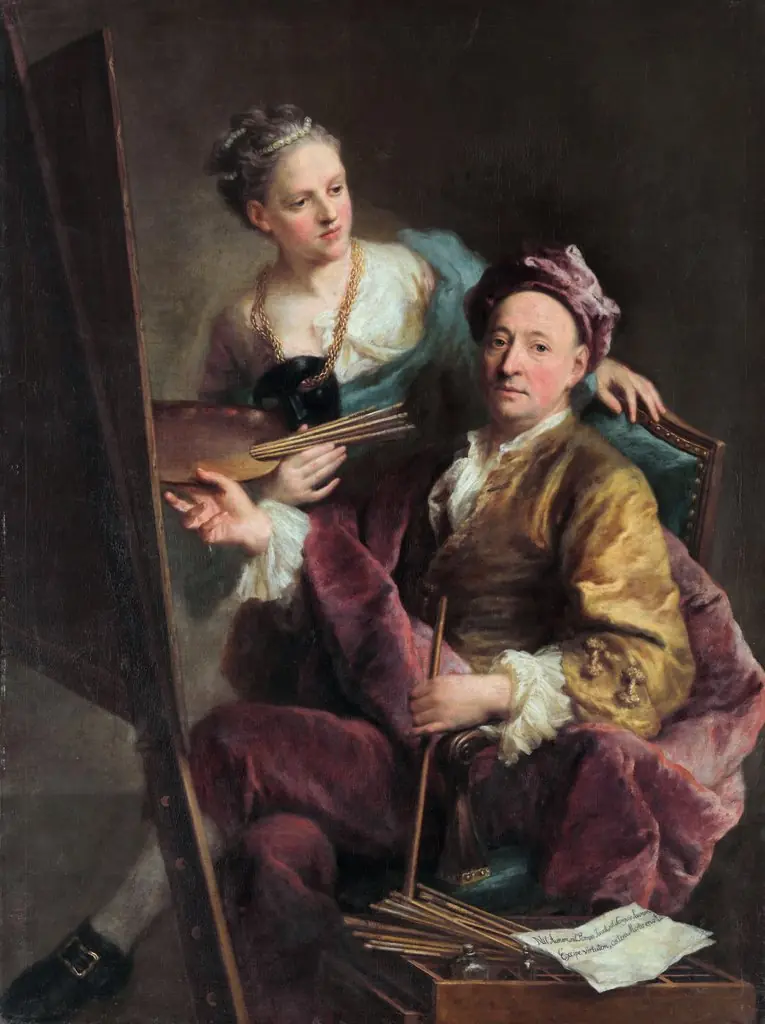 Self-portrait of the Artist with his Daughter Antonia
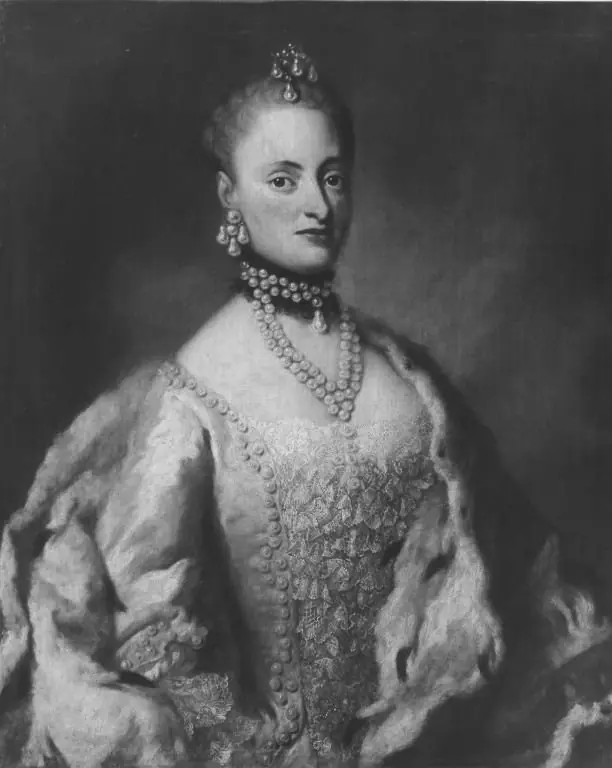 Elisabeth Apollonia of Saxony (1736–1818)
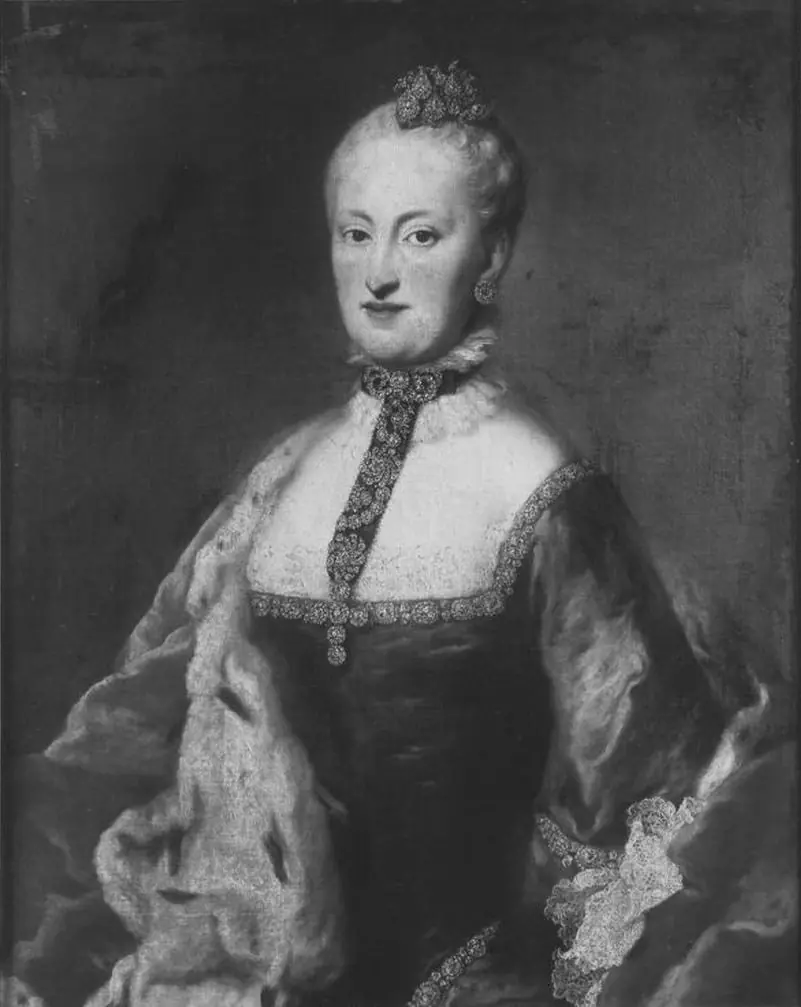
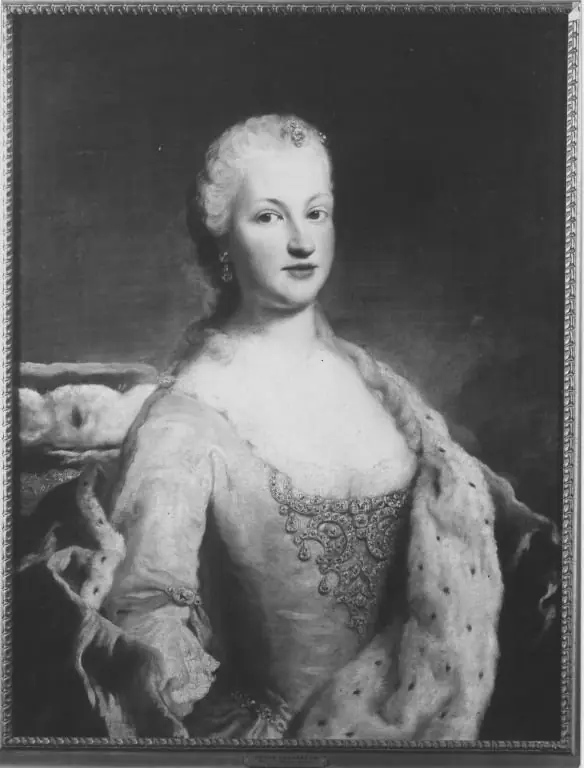 Bildnis der Maria Franziska Dorothea von Pfalz-Sulzbach, Herzogin von Zweibrücken-Birkenfeld (1724-1794)
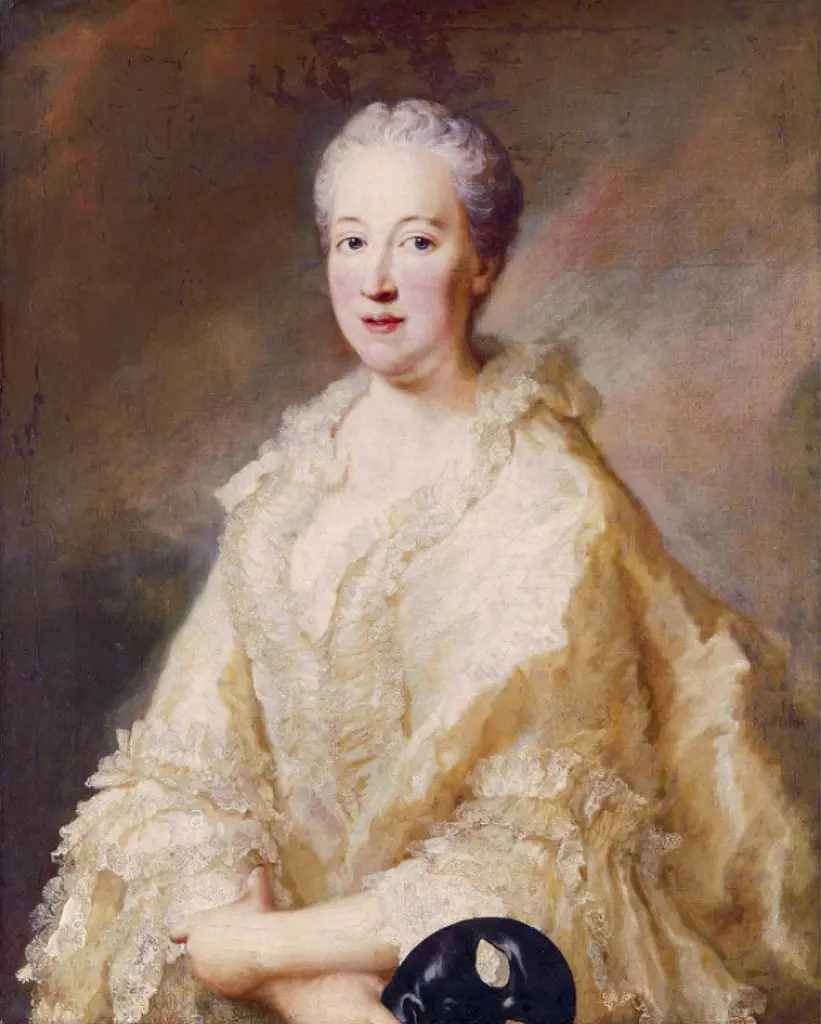 Portrait of Countess Palatine Maria Anna of Sulzbach (1722-1790)
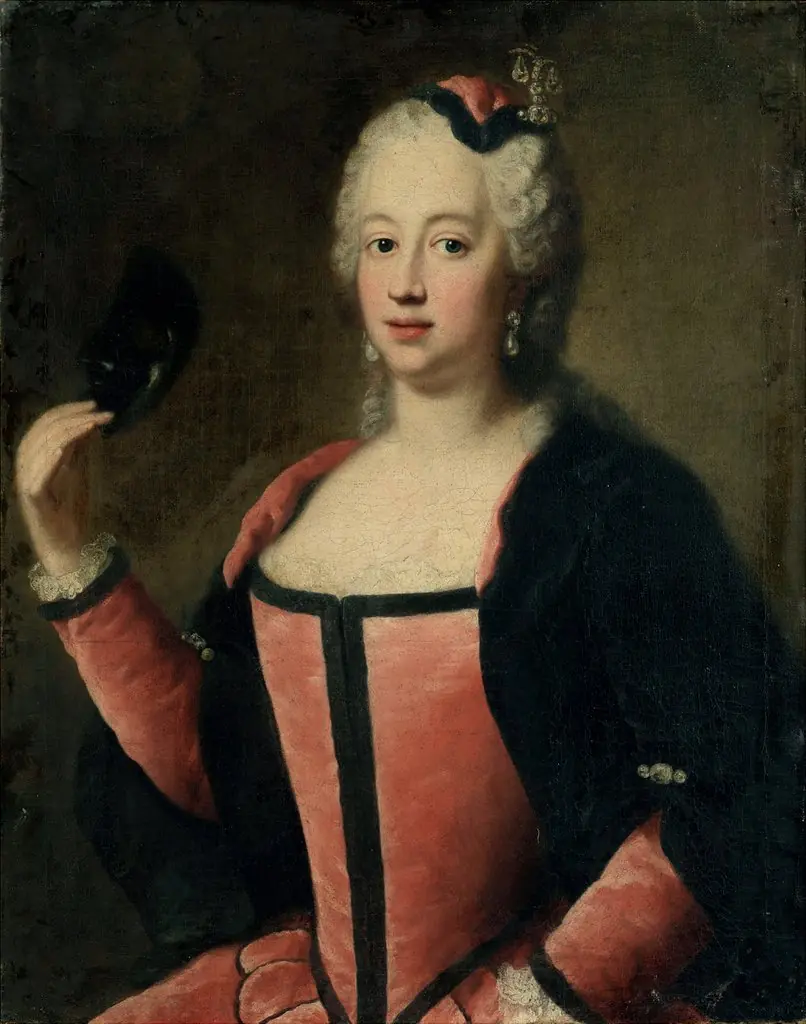 Maria Anna of Sulzbach
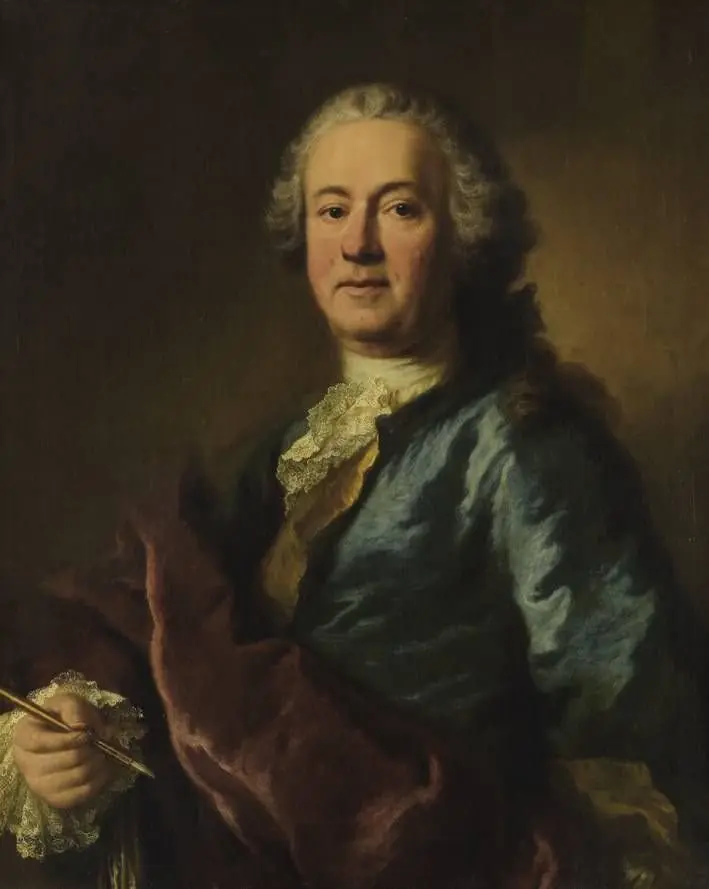 Bildnis des Hofmalers Balthasar August Albrecht (1687-1765)
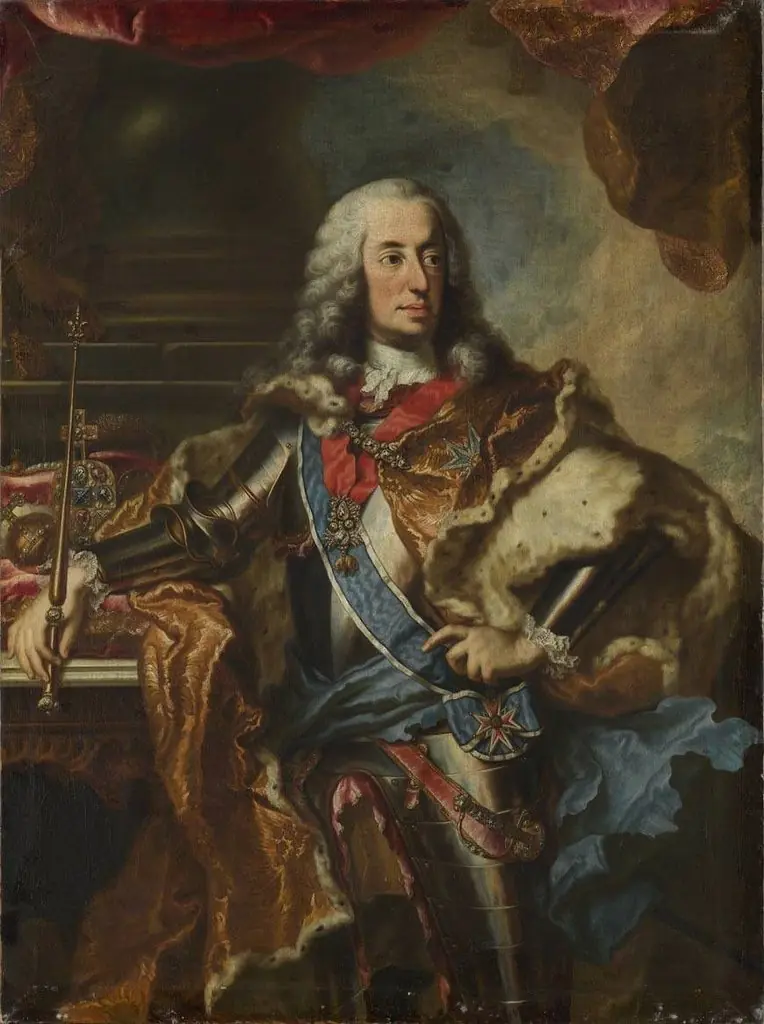 Kurfürst Karl Albrecht als Kaiser Karl VII. (1697-1745)
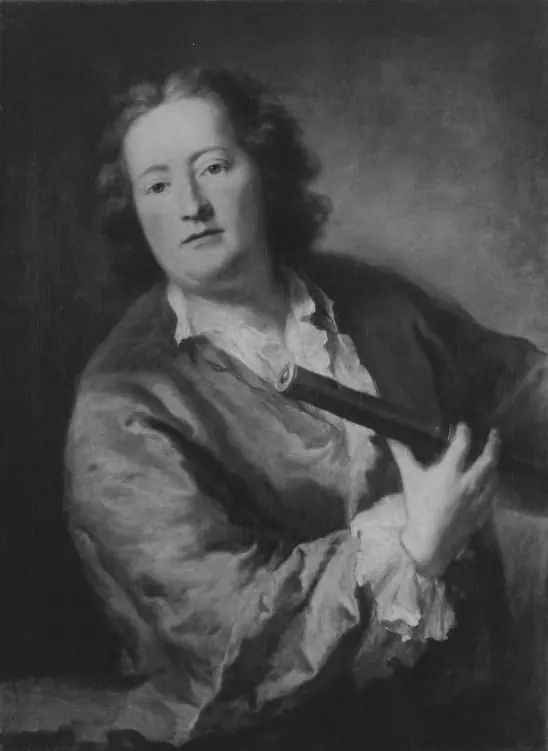 Portrait of the court painterJohann Georg Winter (1707–1770)
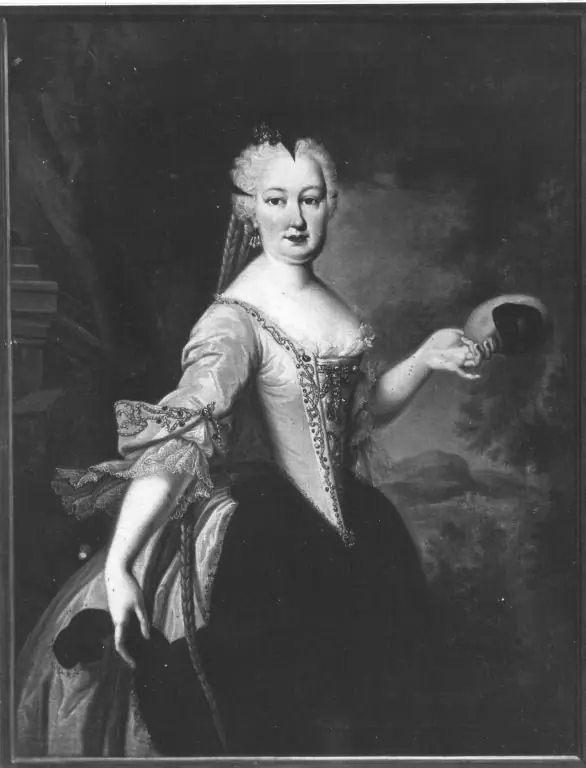 Bildnis der Maria Franziska Dorothea von Pfalz-Sulzbach, Herzogin von Zweibrücken-Birkenfeld (1724-1794)
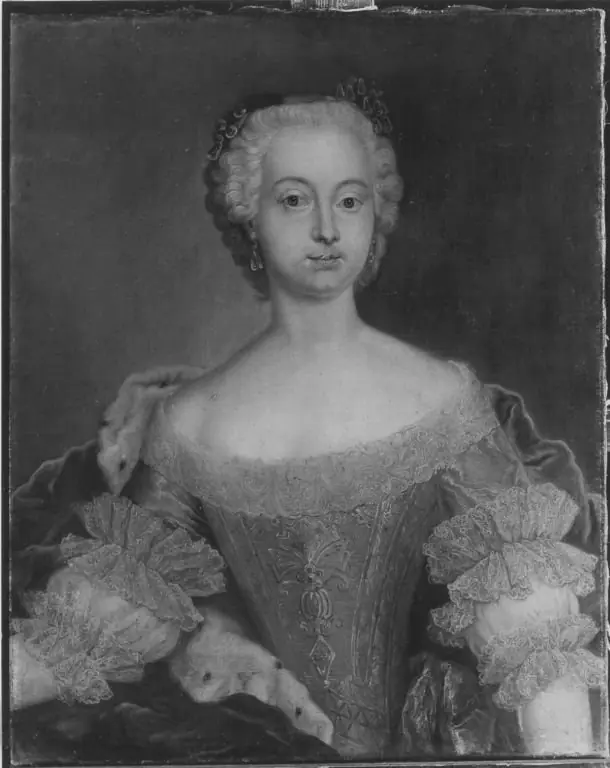 Bildnis einer Fürstin
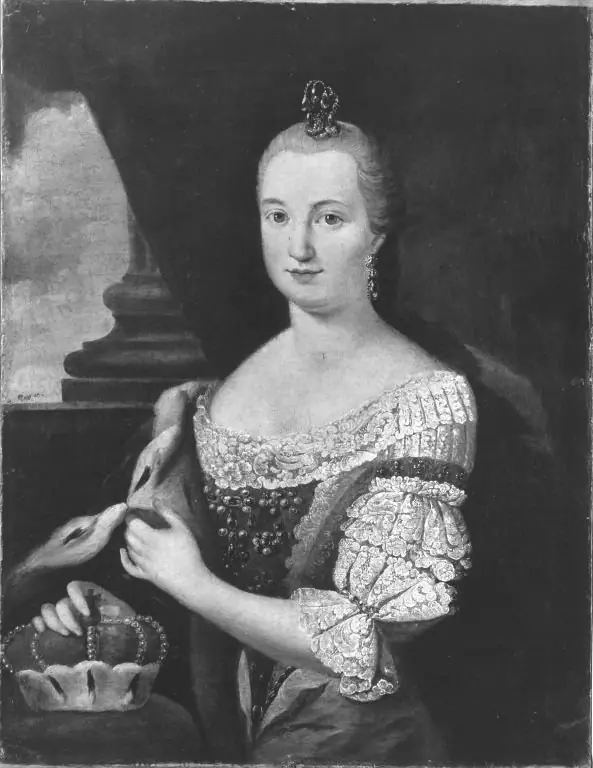 Bildnis der Kurfürstin Elisabeth Auguste von Pfalz-Bayern (Kopie nach)
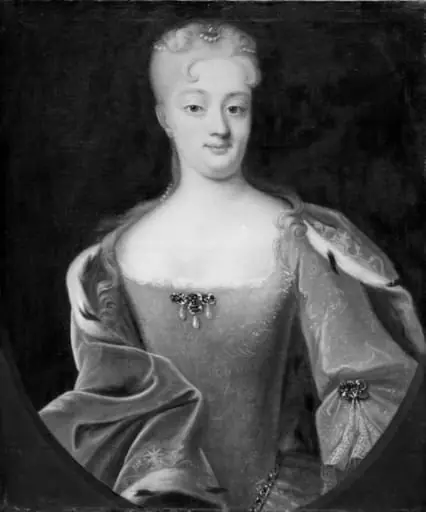 Dronning Sophie Magdalene
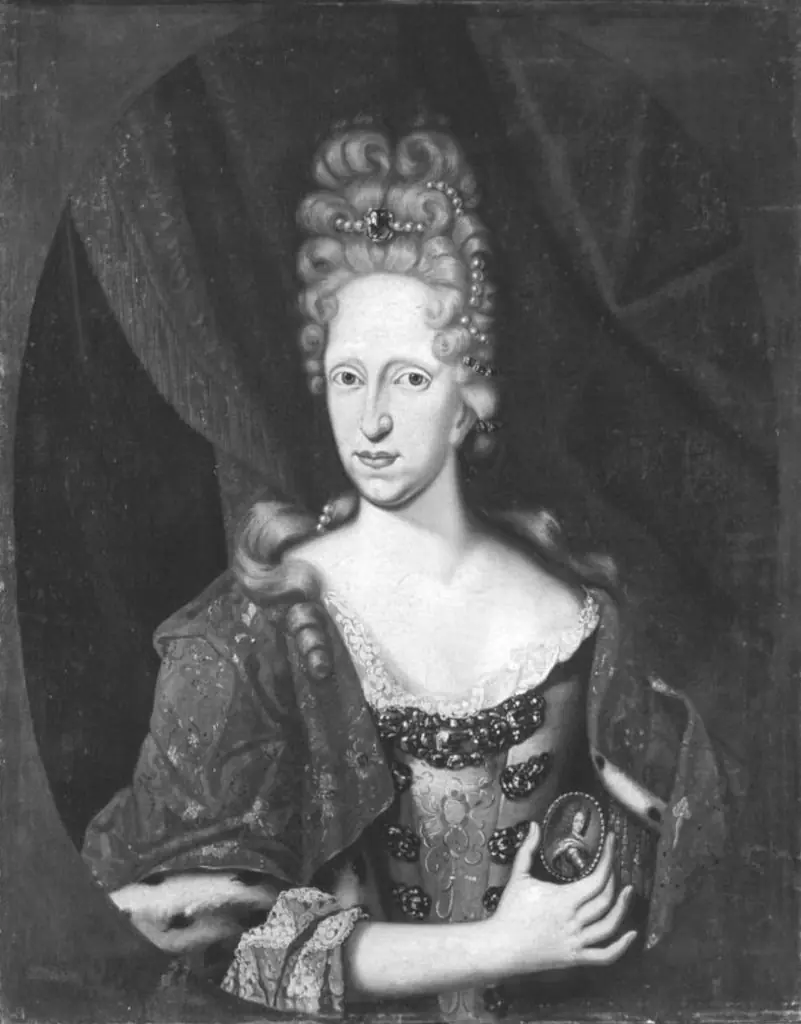 Pfalzgräfin Hedwig Elisabeth Amalie, Gemahlin des Prinzen Jacob Ludwig
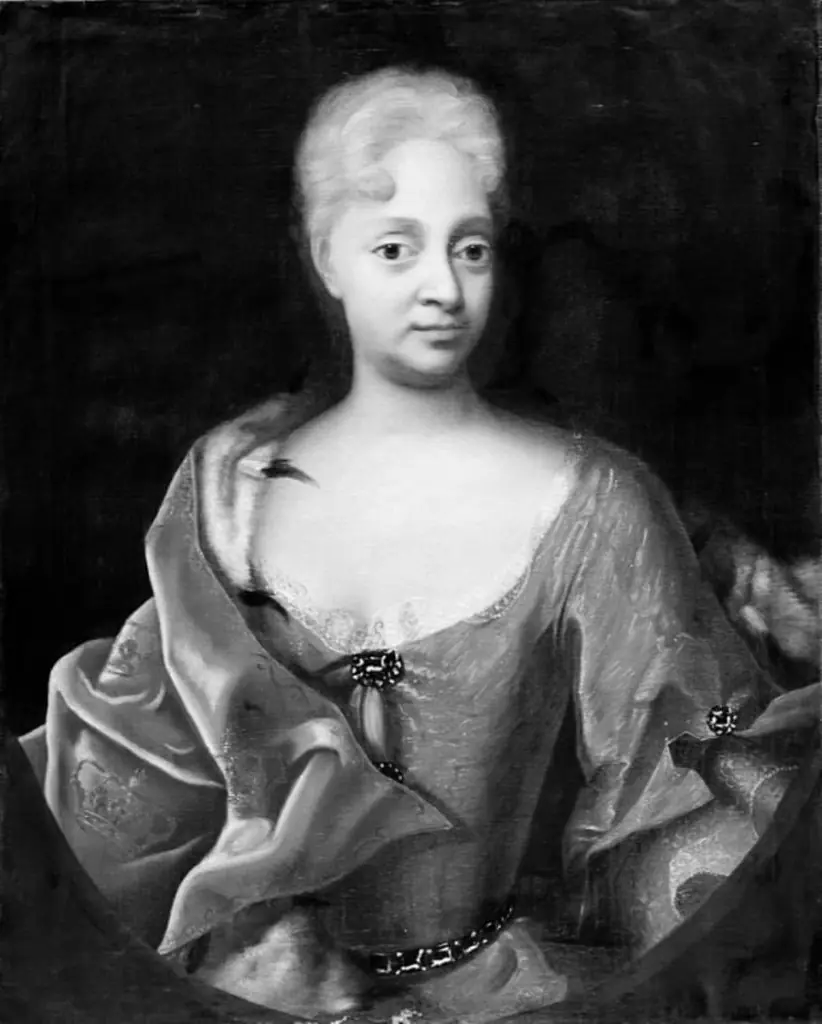 Dronning Louise, Frederik IV's første dronning
 Dronning Louise, Frederik IV's første dronning
 Portrait of Wilhelmine Amalie of Braunschweig-Lüneburg