Artwork
St Jude the Apostle (also known as Judas Thaddaeus)
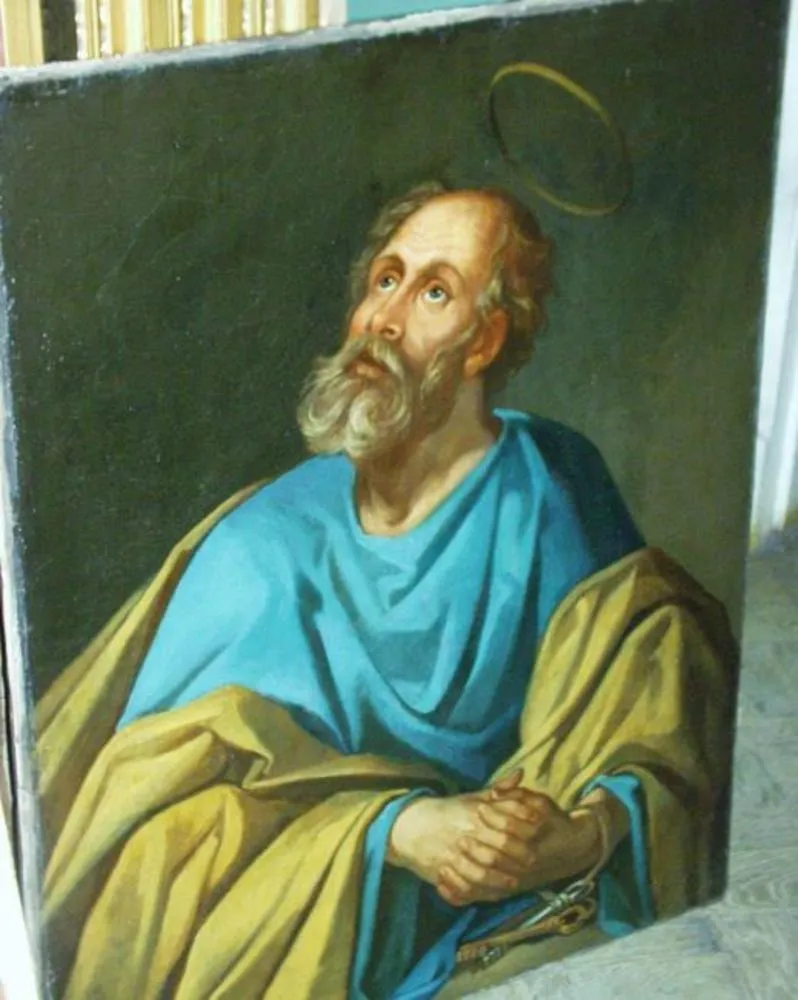
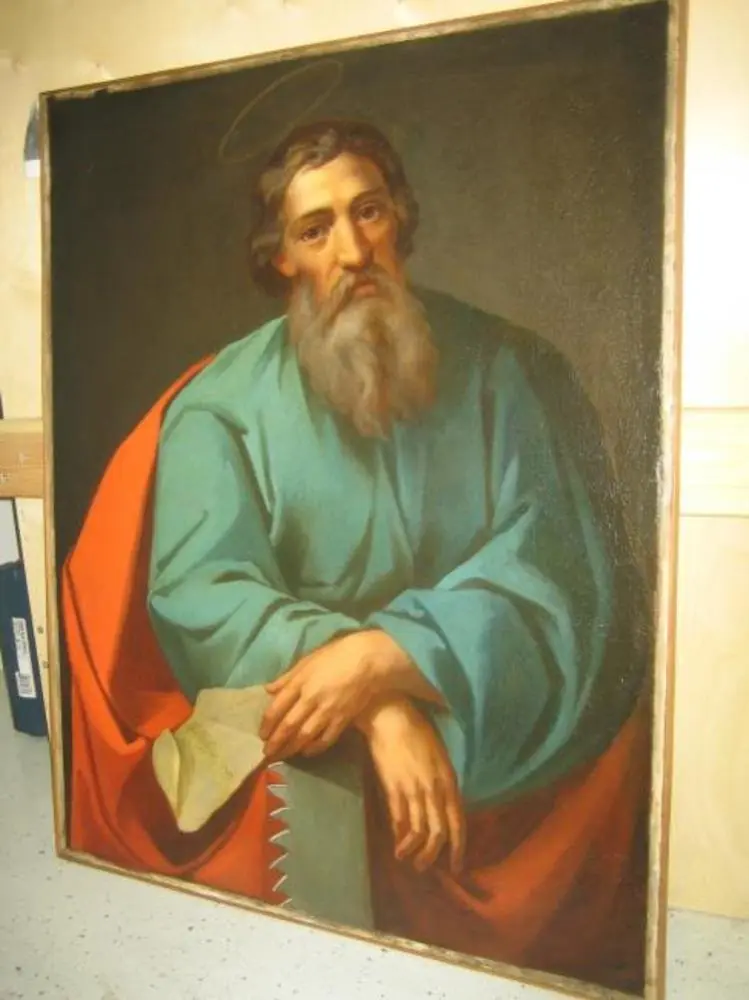
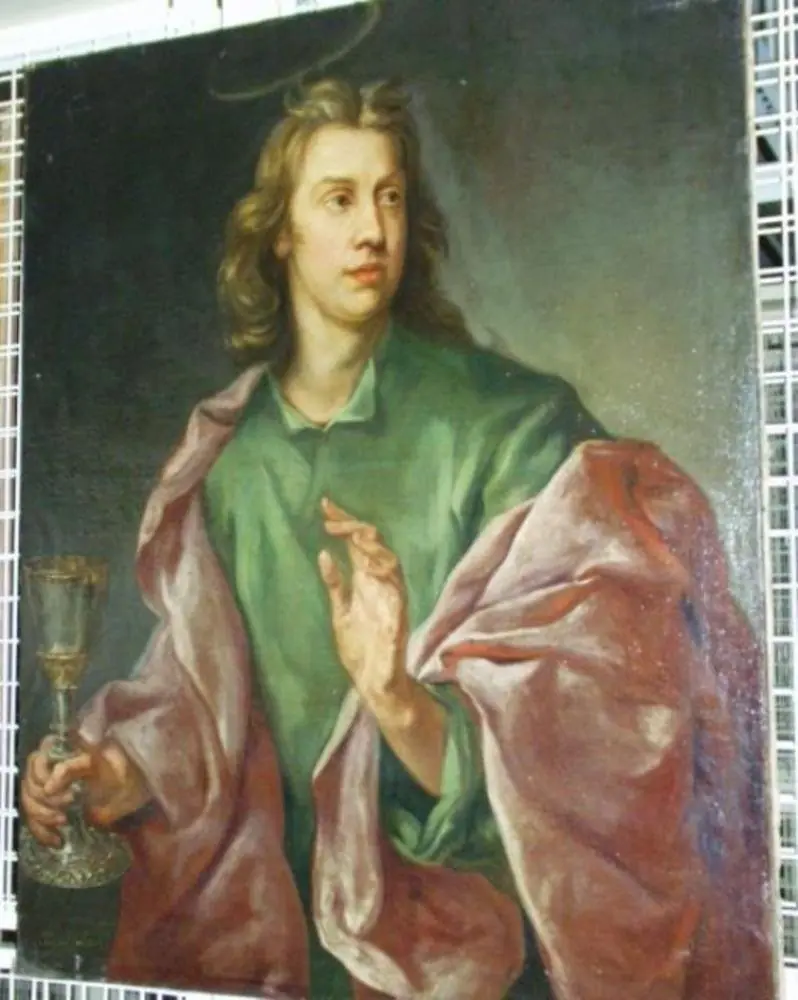
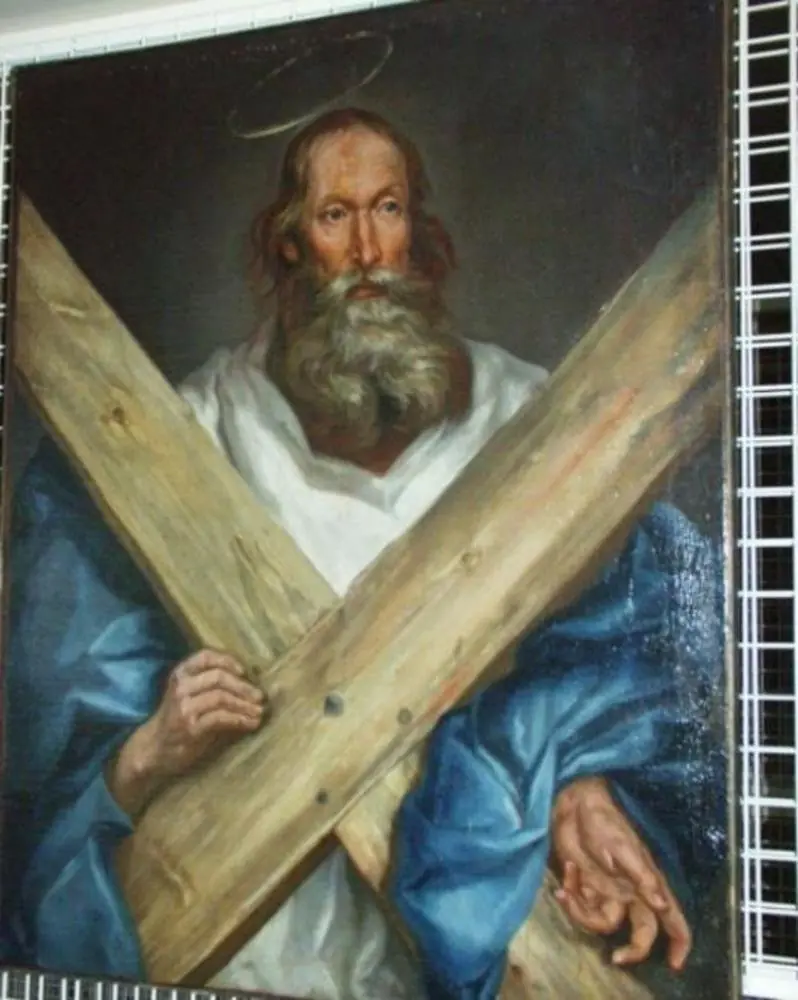
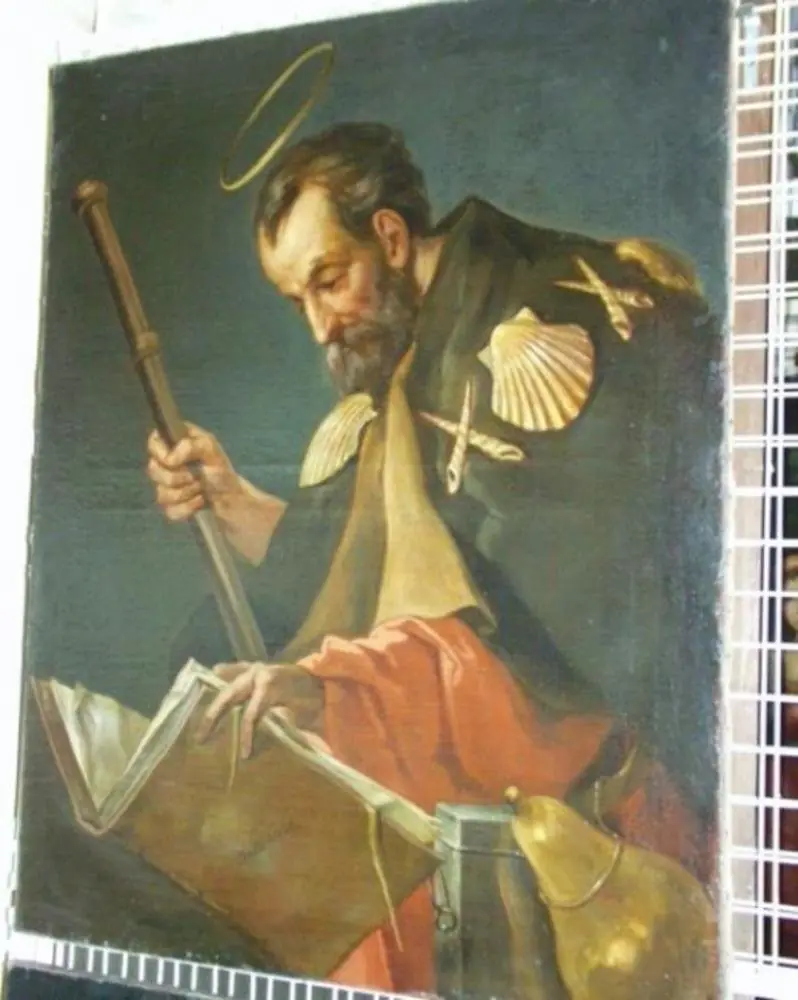
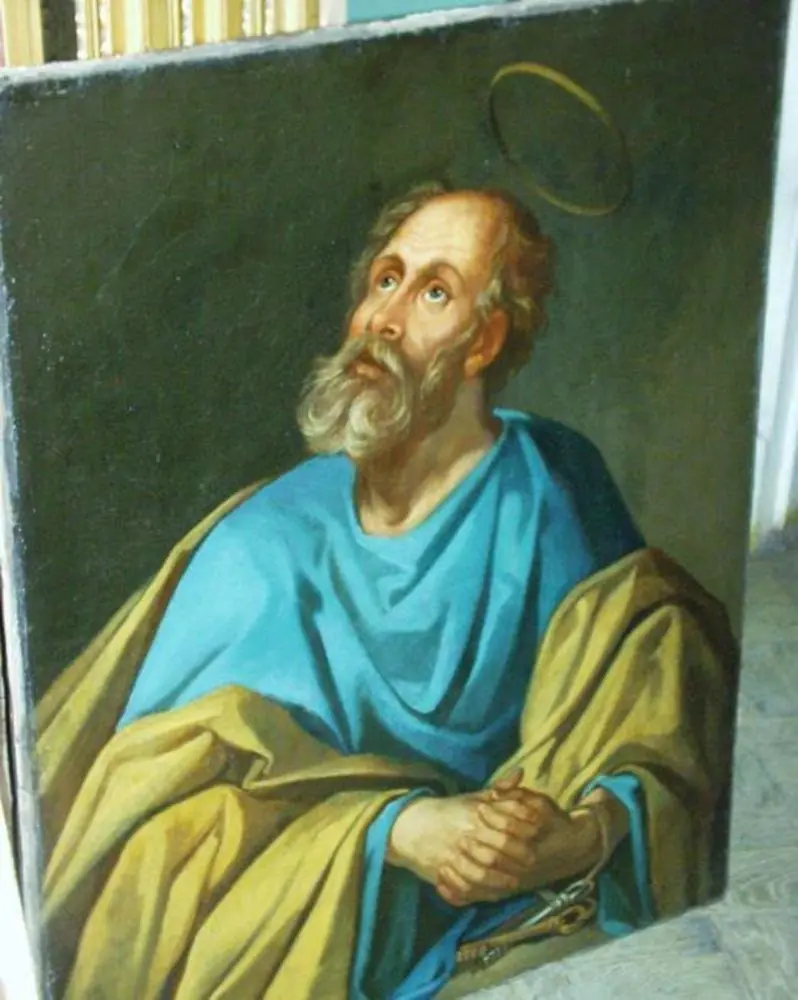
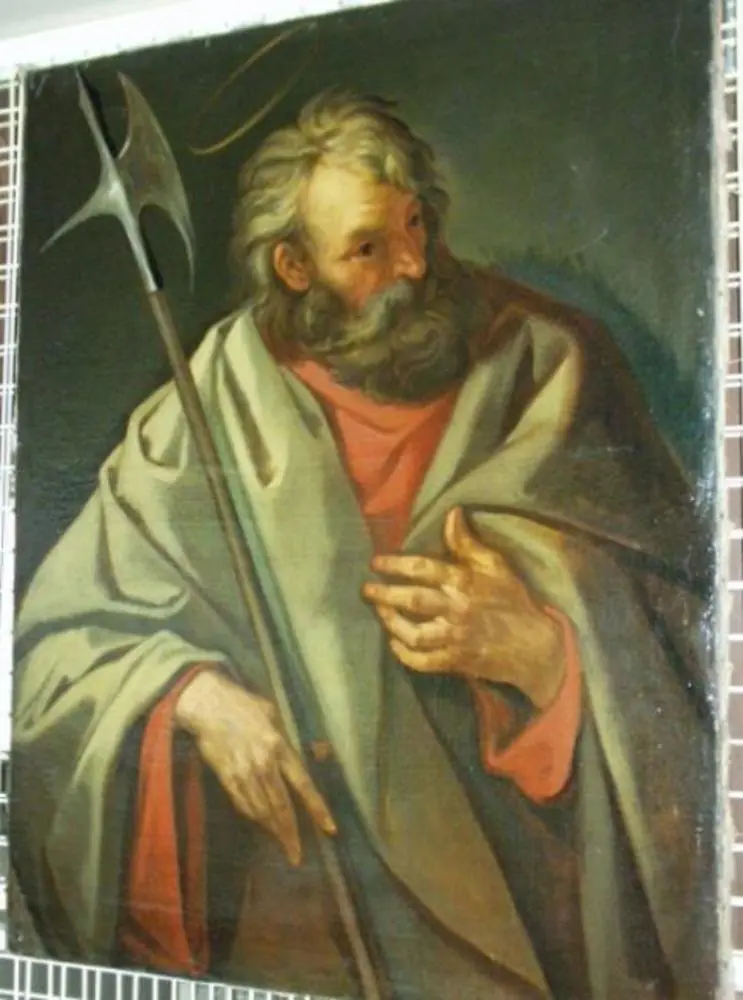
St Jude the Apostle (also known as Judas Thaddaeus) is an oil painting by the Rococo painting artist Georg Gsell. It dates from 1729 and is held in the collection of the Hermitage Museum.
About this work
Overview
The painting represents a half-length portrayal of the apostle, emphasizing his devotional significance through intimate framing and a focused, upward gaze.
St Jude the Apostle (also known as Judas Thaddaeus) is a religious painting created by Georg Gsell in 1729. Executed in oil paint on canvas, the artwork was produced in Russia and is currently held in the Hermitage Museum. The painting represents a half-length portrayal of the apostle, emphasizing his devotional significance through intimate framing and a focused, upward gaze. As a work of religious art from the early eighteenth century, it contributes to the visual tradition of depicting New Testament figures within the context of Russian imperial collections.
Subject & Meaning
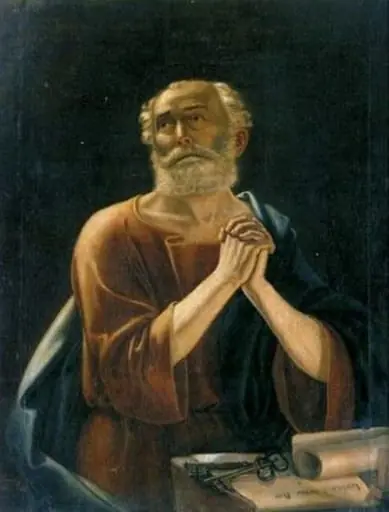
The painting depicts Jude the Apostle, a figure of considerable complexity in Christian tradition due to the conflation of his identity with Judas Iscariot and other biblical figures named Judas. To avoid association with the betrayer, early translators and traditions often used the name Jude or the surname Thaddaeus, which means courageous heart. In the Gospels, he is listed as Judas son of James or Thaddaeus, and at the Last Supper he asks Jesus how He will manifest Himself to the disciples and not to the world. In the Catholic tradition, Jude is the patron saint of desperate cases and lost causes, a role that emerged precisely because his name was historically avoided in prayer out of confusion. The Armenian Apostolic Church honors him alongside Saint Bartholomew as a patron saint. Common iconographic attributes include a club, a flame representing Pentecost, a scroll or book, or the Image of Edessa. In Gsell's rendering, Jude is shown with clasped hands and a golden halo, with two small metallic objects resembling keys partially visible near his hands, set against a dark muted green background.
Technique & Style
Gsell employed oil paint on canvas to render the apostle in a half-length format. The composition is centered and intimate, with the figure occupying most of the frame. Jude is dressed in a bright blue tunic beneath a heavy golden-yellow cloak that drapes across his shoulders and folds over his arms. The brushwork appears smooth and blended, particularly in the flesh tones and the drapery, creating subtle modeling that suggests soft light falling from the upper left. The figure features a gray and white beard and mustache, with receding brown hair, and his eyes are wide open and directed upward. The overall palette is dominated by the blue and gold of the garments set against the dark background, lending the work a quiet, contemplative tone.
History & Provenance
The painting was created in 1729 in Russia. While the specific circumstances of its commission and early ownership are not documented in the available sources, its inception during the early eighteenth century places it within the era of Russian imperial art patronage. The work is currently housed in the Hermitage Museum, where it remains part of the museum's collection of religious paintings.
Context
Georg Gsell created this work within the broader tradition of religious painting in early eighteenth-century Russia. The depiction of apostles and saints was a fundamental component of Christian art, serving both devotional and didactic purposes. The choice to depict St. Jude with clasped hands and an upward gaze aligns with conventions of representing piety and divine contemplation. The inclusion of key-like objects near his hands introduces a unique element to the standard iconography of the saint, who is more commonly associated with a club, a medallion, or a carpenter's rule. This specific portrayal reflects the localized artistic interpretations and theological emphases of Gsell's milieu.
Legacy
The sources do not provide specific information regarding the later influence, reception, or cultural afterlife of Gsell's 1729 painting. As a work held in the Hermitage Museum, it exists as part of the historical record of eighteenth-century religious art in Russia, accessible to scholars and visitors within that institutional context.
Artist & collection
Artist
Georg Gsell (Russian: Георг Гзелль; 28 January 1673 – 22 November 1740) was a Swiss Baroque painter, art consultant and art dealer.