Artwork
St Paul the Apostle
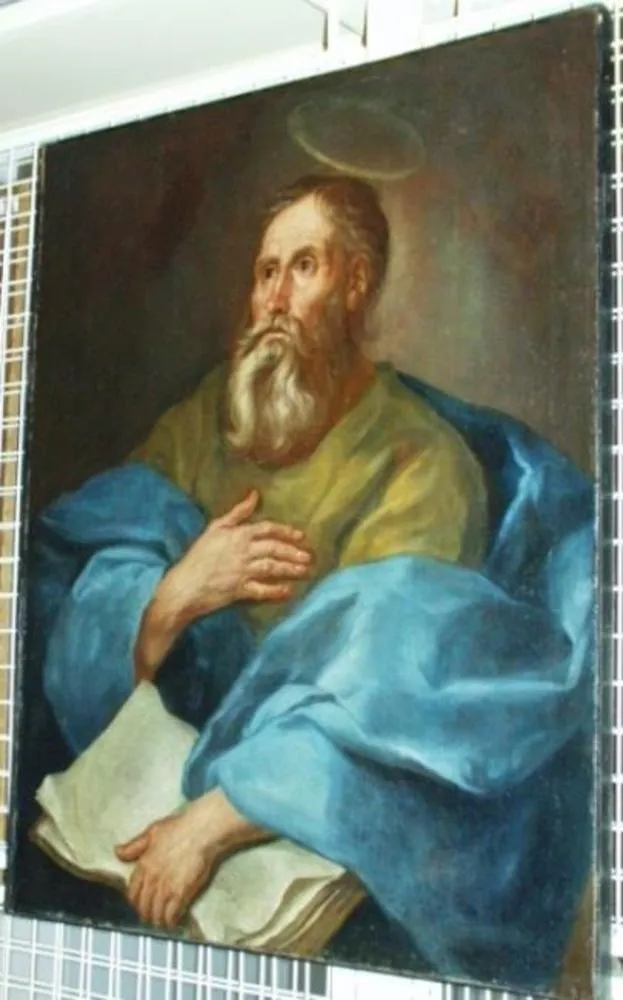
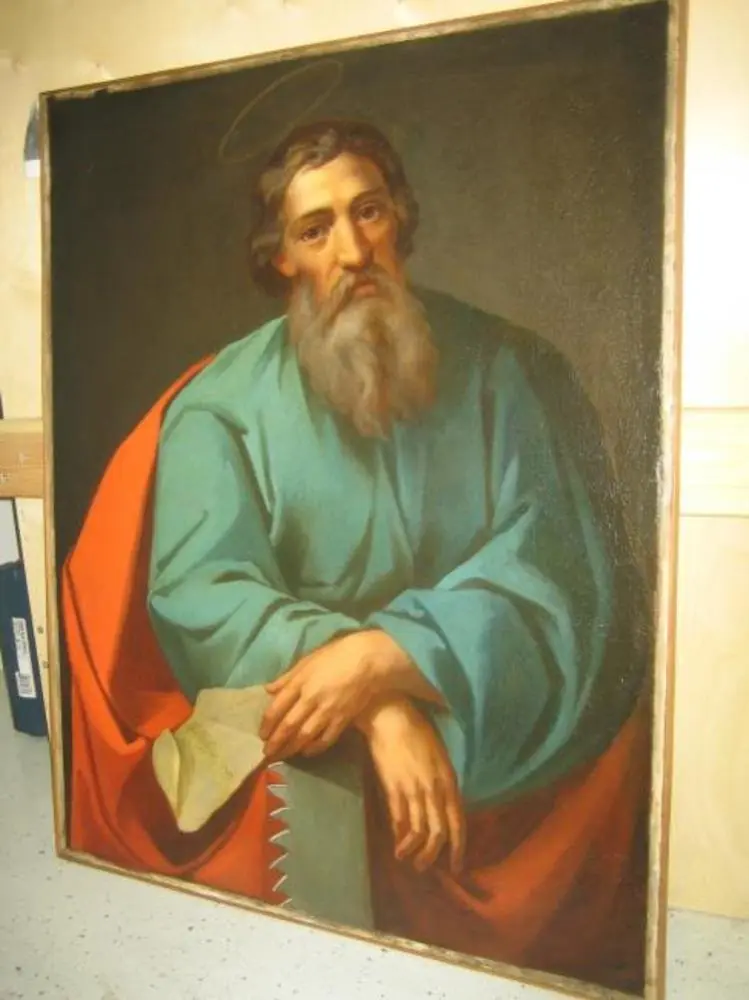
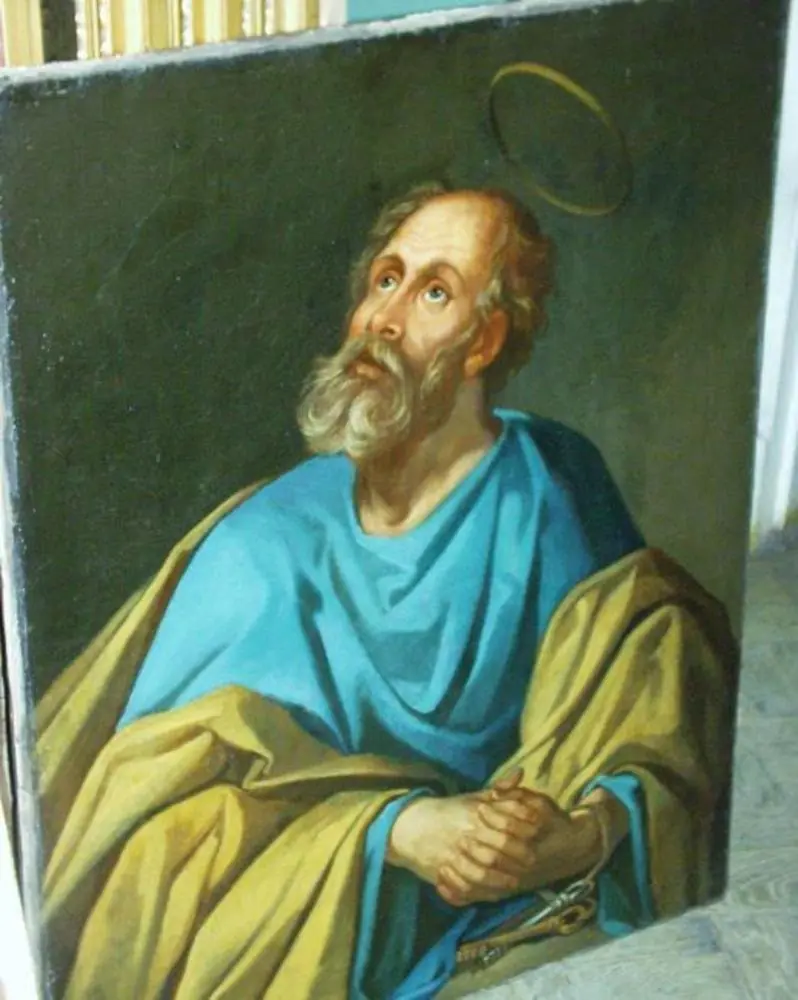
St Paul the Apostle is an oil painting by the Rococo painting artist Georg Gsell. It dates from 1729 and is held in the collection of the Hermitage Museum.
About this work
Overview
Executed in oil paint on canvas, the work was produced in Russia and is currently held in the collection of the State Hermitage Museum in St.
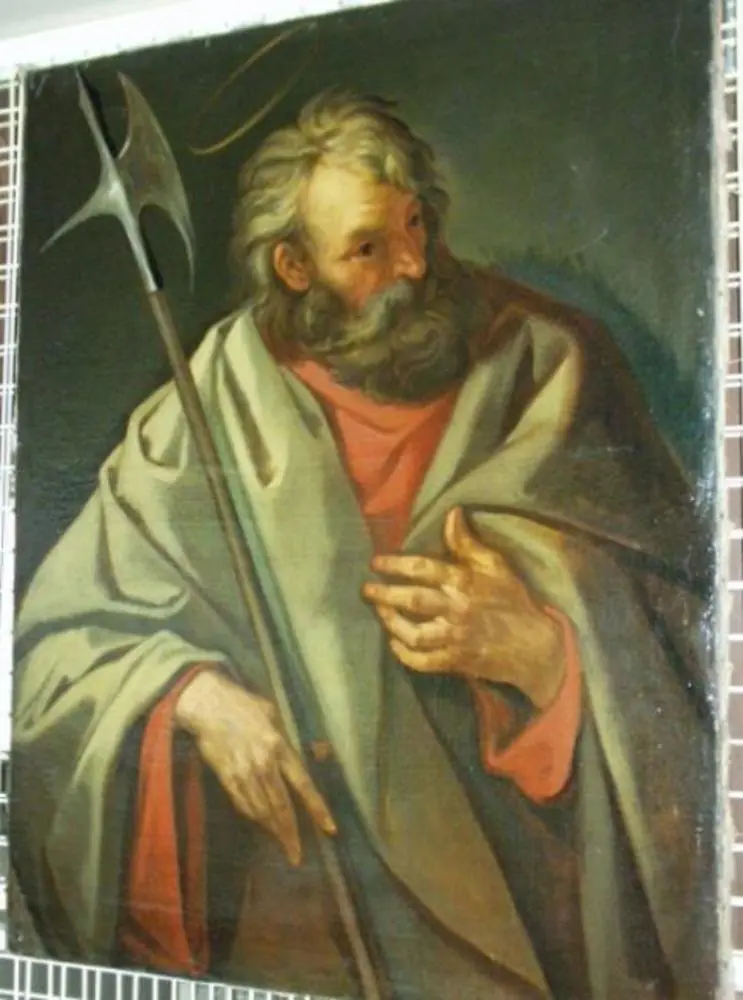
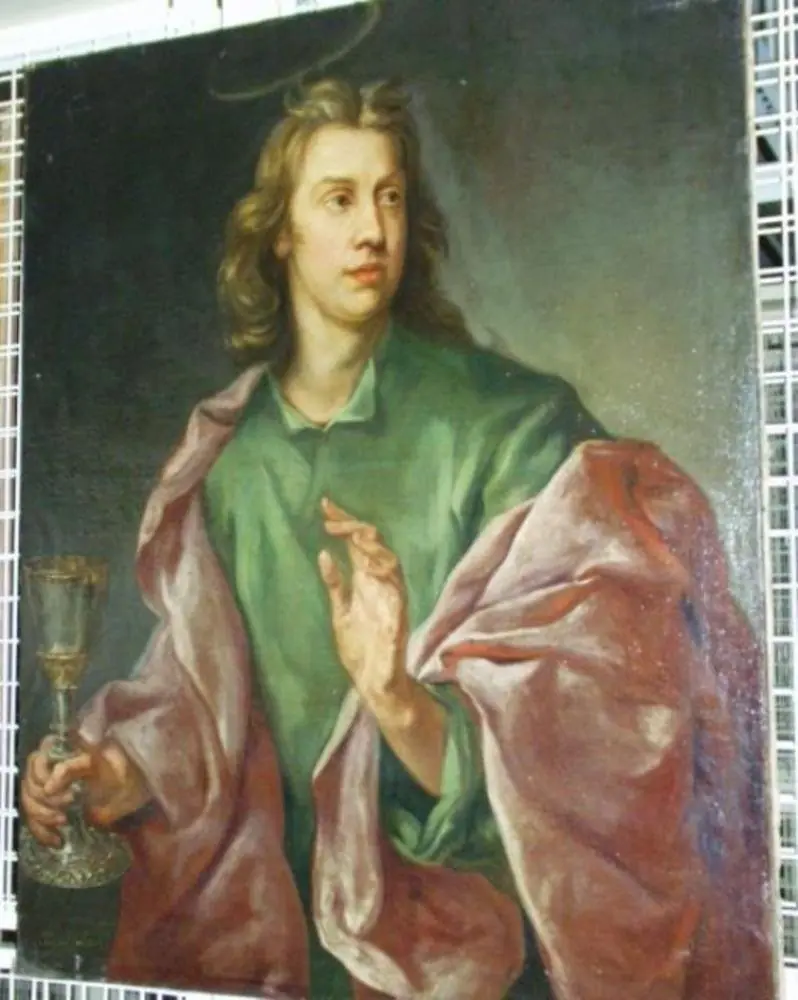
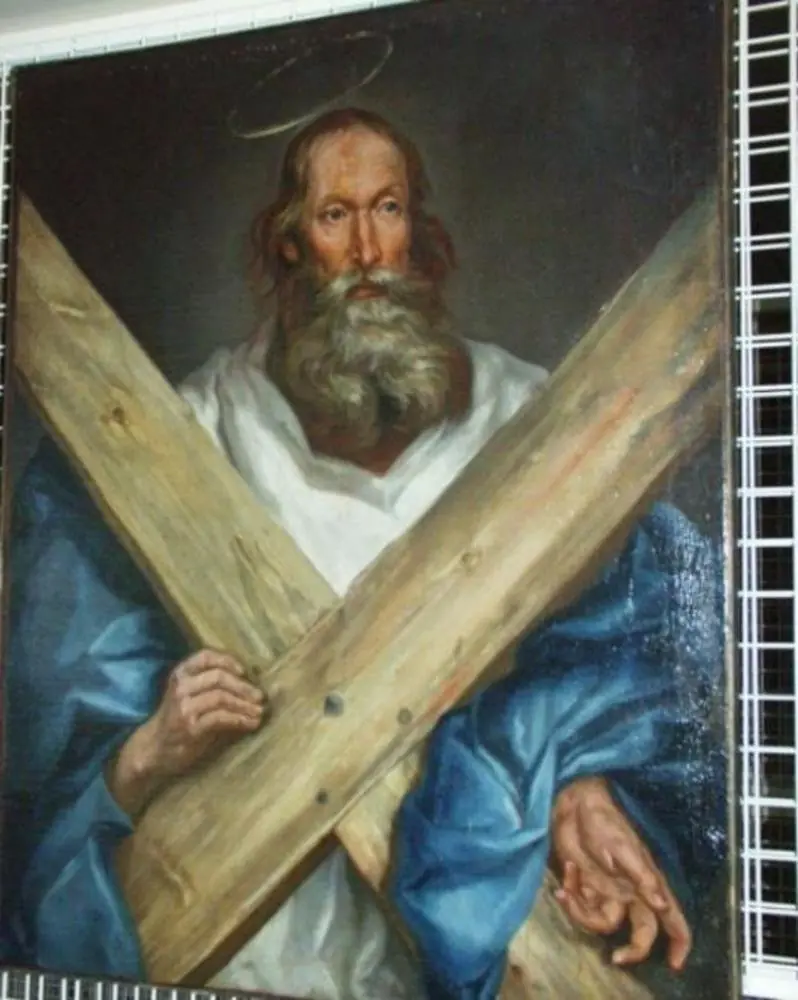
St Paul the Apostle is a religious painting created by the Swiss Baroque artist Georg Gsell in 1729. Executed in oil paint on canvas, the work was produced in Russia and is currently held in the collection of the State Hermitage Museum in St. Petersburg. The painting forms part of a specific commission Gsell undertook for the Lutheran Church of Saint Peter on Nevsky Prospect, depicting the apostles and gospel writers. As an example of early eighteenth-century Russian court patronage of Western European artists, the work reflects the cultural initiatives of Peter the Great's reign.
Subject & Meaning
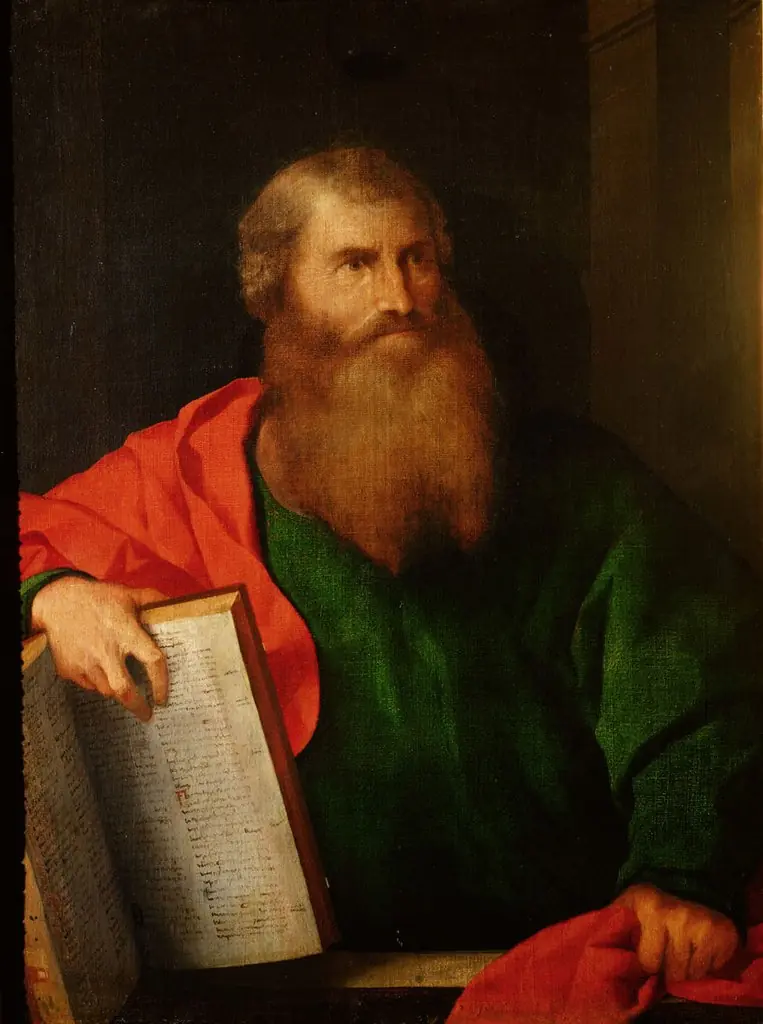
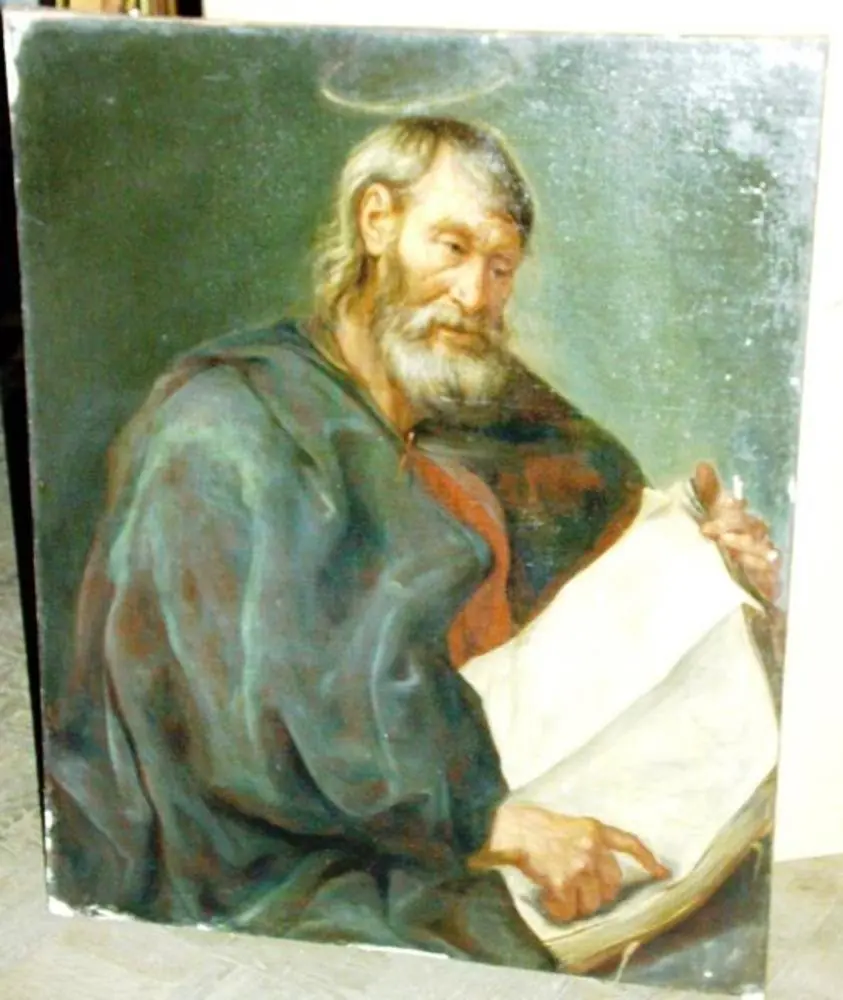
The painting depicts the Christian apostle Paul, a foundational figure in early Christianity known for his missionary journeys and epistles. Gsell adheres to traditional iconography by portraying Paul as a bearded man and including an open book, referencing his significant contributions to the New Testament. While conventional attributes for Paul often include a sword representing his martyrdom, Gsell's composition focuses on the apostle's role as a theologian and writer. The figure gazes upward and to his right, suggesting divine inspiration, while his right hand rests on his chest in a gesture of faith or spiritual conviction. A thin circular halo hovers above his head, signifying his sanctity.
Technique & Style
Gsell employed oil paint on canvas to render the figure frontally against a dark, muted, and indistinct background, a Baroque compositional strategy that focuses attention on the subject. The palette relies on deep blues, warm yellows, and earthy browns. Paul wears a yellow-green undergarment covered by a voluminous blue cloak draped over his shoulders and arms. Light falls from the upper left, modeling the flesh tones, hands, and the luminous folds of the blue drapery. Gsell's brushwork is smooth, utilizing blended transitions rather than visible impasto, which gives the flesh and fabric a polished, idealized quality consistent with late Baroque religious portraiture.
History & Provenance
Georg Gsell created the painting in 1729 as part of a series of thirteen works for the Lutheran Church of Saint Peter on Nevsky Prospect in St. Petersburg. This commission included knee-high images of the apostles and gospel writers, alongside a depiction of the Crucifixion. The painting was made in Russia during Gsell's tenure under the imperial court. It subsequently entered the State Hermitage Museum, where it is currently housed. The work's presence in the Hermitage collection aligns with Gsell's later activities in the 1730s, when he helped Jacob von Stäehlin complete inventories of the painting collections at the Peterhof Palaces, including the Hermitage pavilion.
Context
Georg Gsell was a Swiss painter and art dealer who came to Russia in 1716 or 1717 at the invitation of Peter the Great, having met the emperor in Amsterdam. He became the first curator of the Imperial art gallery and took on numerous roles, including painting plafonds for the Summer Palace, icons for the Peter and Paul Cathedral, and teaching at the Academy of Sciences. His 1729 series of apostles for the Lutheran Church of Saint Peter represents a significant Protestant commission within the predominantly Orthodox Russian empire. Gsell's broader career involved close collaboration with the Russian court, including designing triumphal gates and decorating the Kunstkamera, placing his religious paintings within the wider framework of Petrine cultural westernization.
Legacy
The 1729 series of apostles marks a distinct moment in the establishment of Western European artistic traditions within the Russian Empire, specifically within the Lutheran community of St. Petersburg. While Gsell's name is less globally prominent than earlier Baroque masters, his integration into the Russian imperial court as a curator, educator, and painter left a structural legacy. His students, including Fyodor Cherkasov, Mikhail Nekrasov, and Alexei Malinovkin, carried his methods into the next generation of Russian art. Furthermore, his manuscript catalog of the Kunstkamera, rediscovered in modern times, has renewed scholarly interest in his contributions to the history of Russian collecting and museum practice.
Artist & collection
Artist
Georg Gsell (Russian: Георг Гзелль; 28 January 1673 – 22 November 1740) was a Swiss Baroque painter, art consultant and art dealer.