Artwork
St John the Apostle
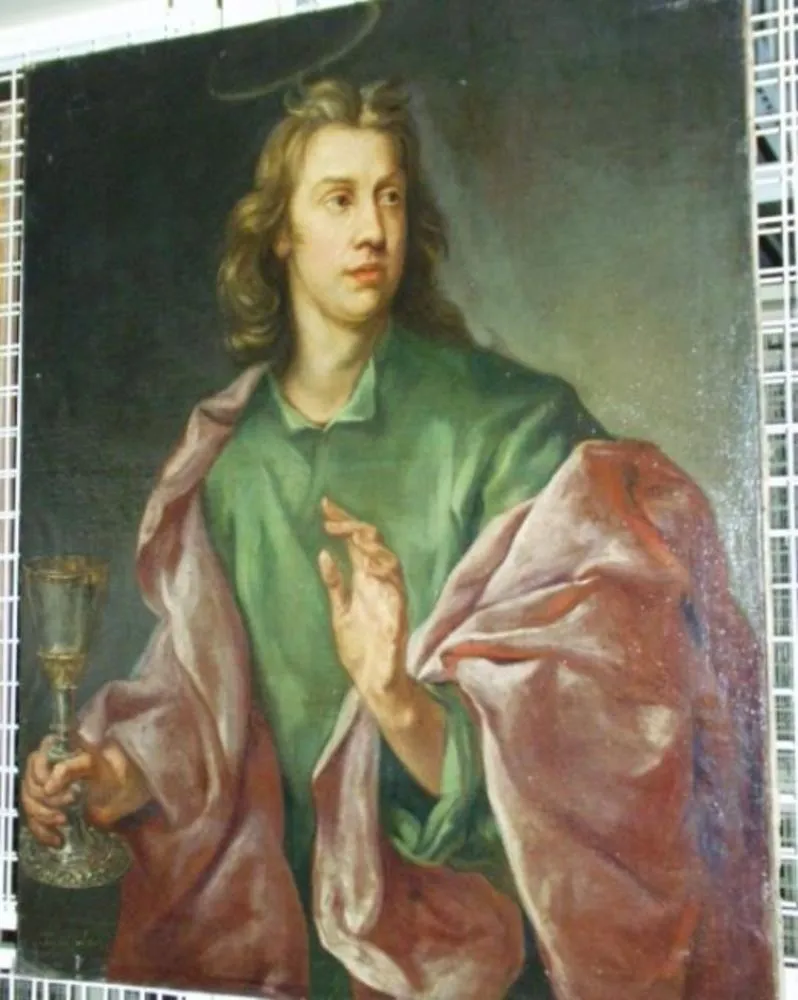
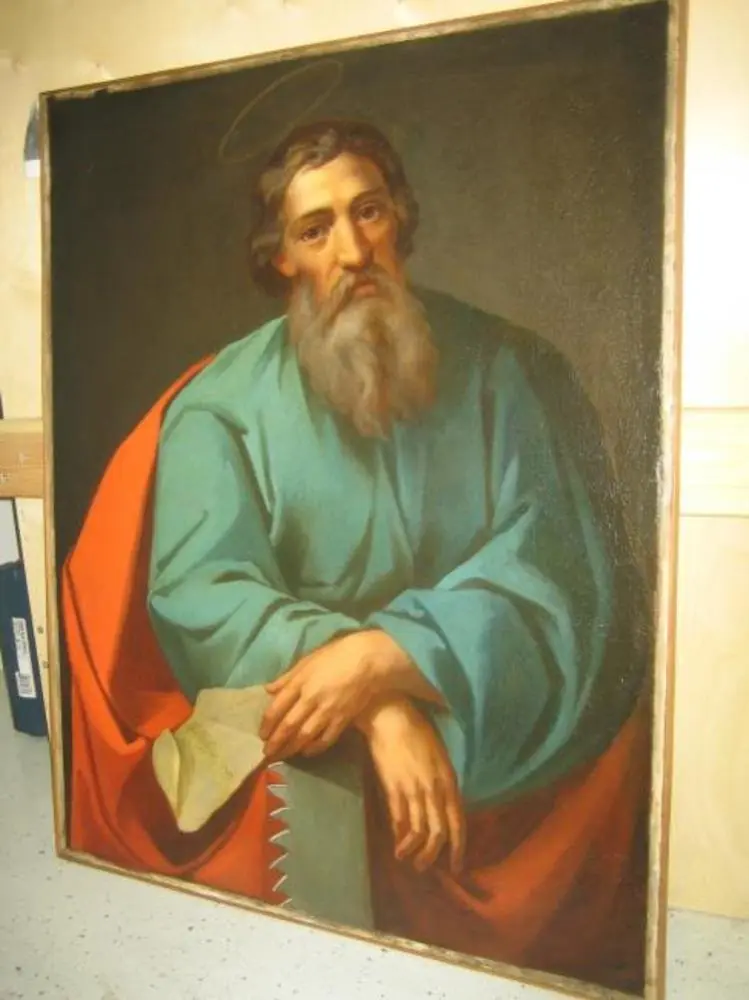
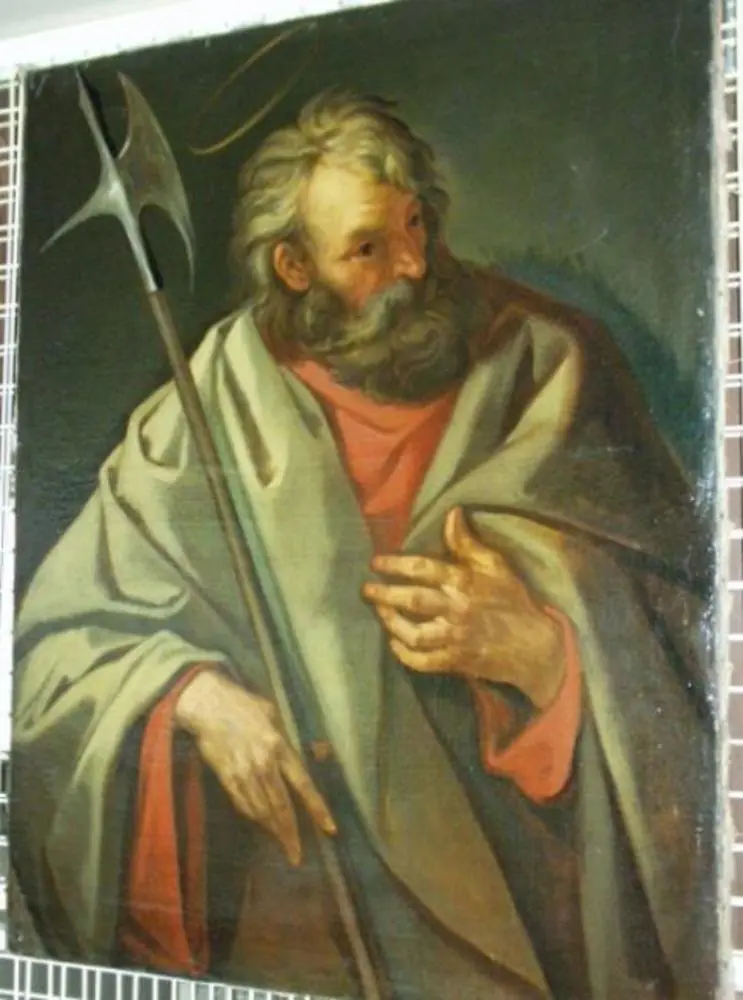
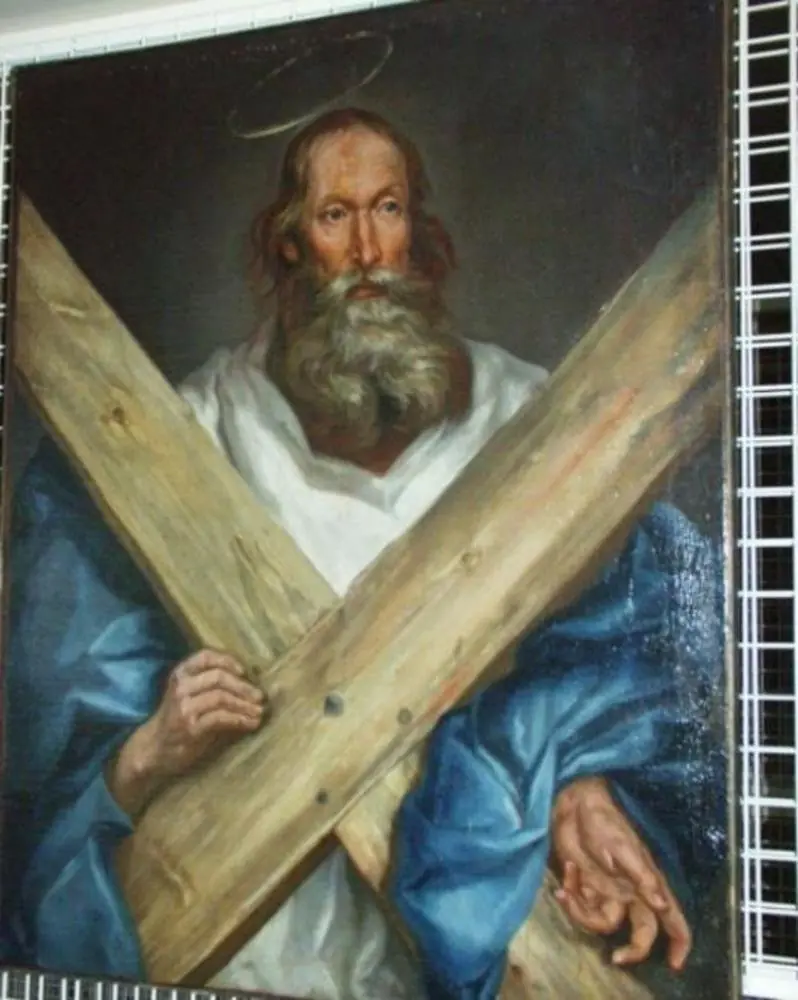
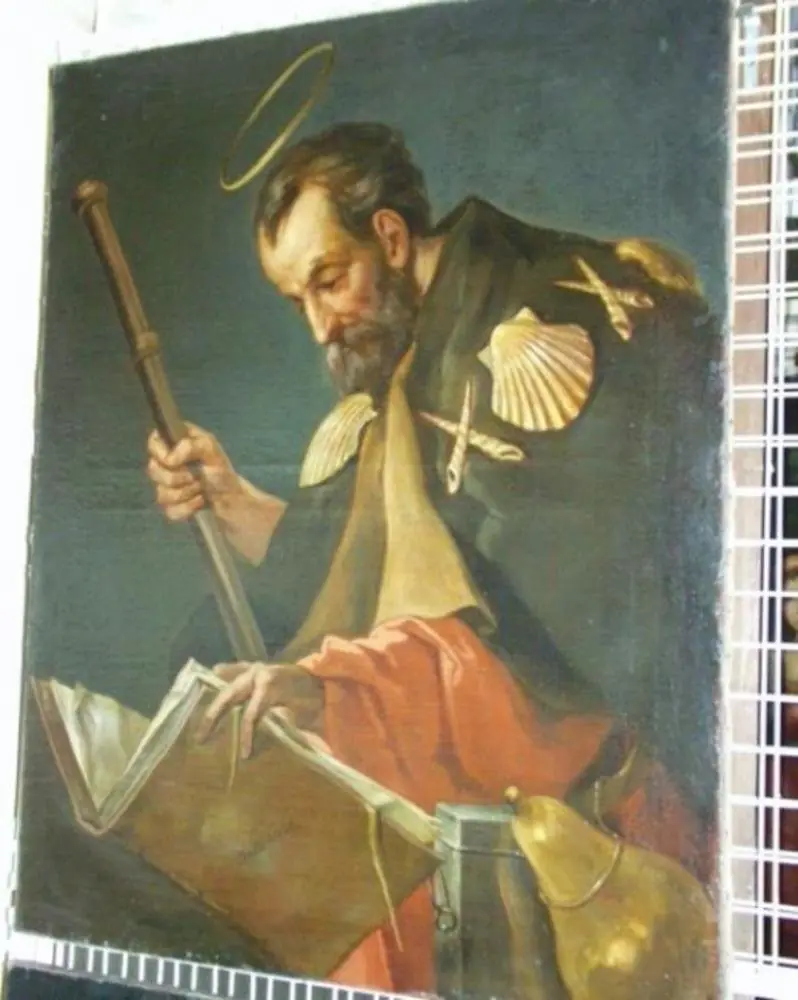
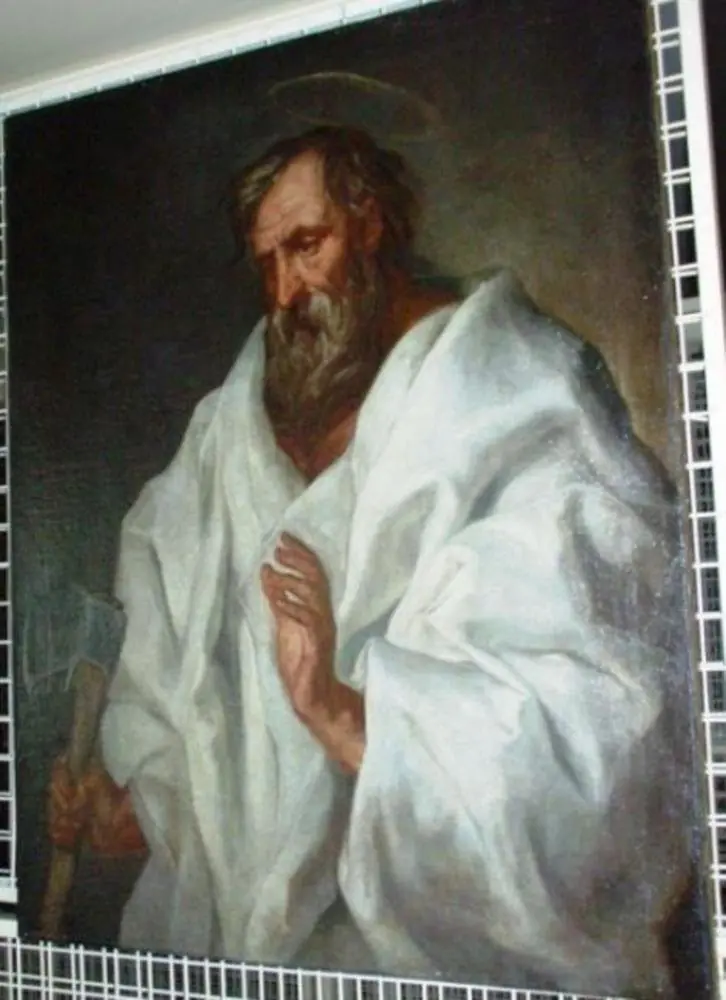
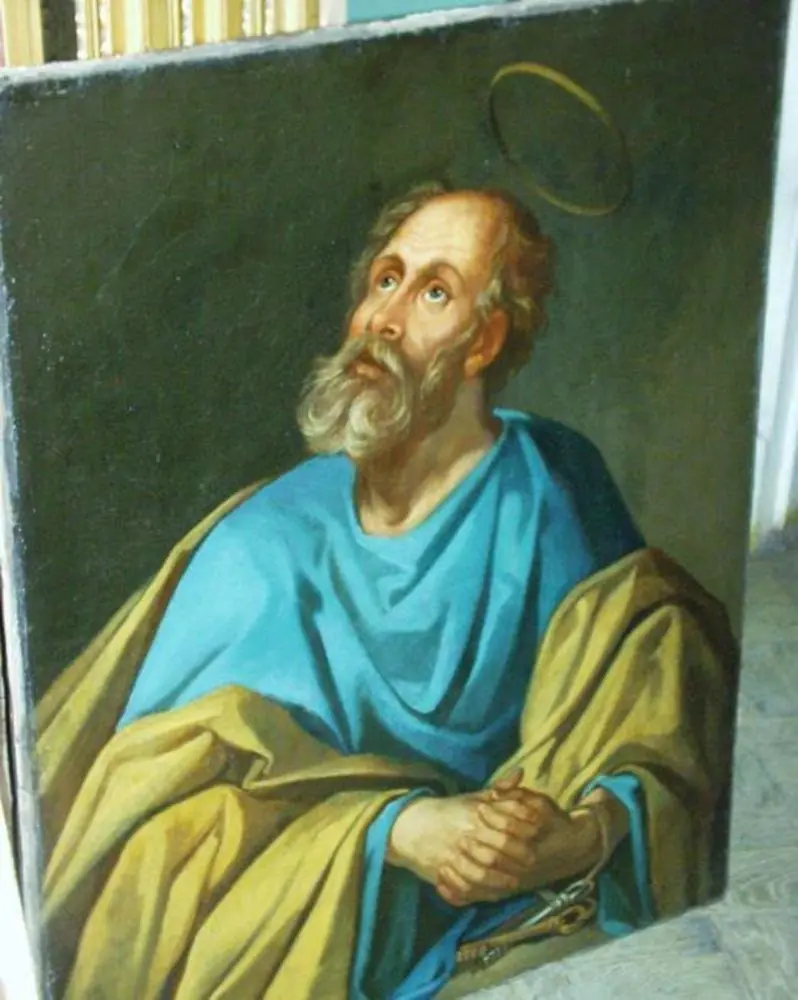
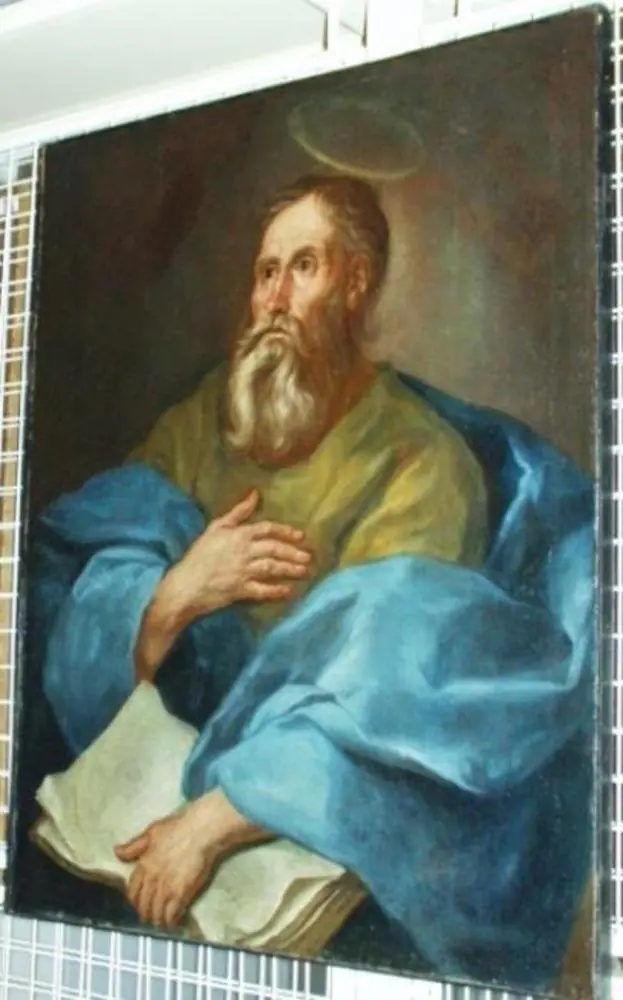
St John the Apostle is an oil painting by the Rococo painting artist Georg Gsell. It dates from 1729 and is held in the collection of the Hermitage Museum.
About this work
Overview
St John the Apostle is a religious painting created in 1729 by the Swiss Baroque artist Georg Gsell. Executed in oil paint on canvas, the work was produced in Russia and belongs to the religious genre. It depicts the New Testament figure John the Evangelist, also known as John the Apostle. The painting is held in the collection of the Hermitage Museum.
Subject & Meaning
The artwork portrays John the Apostle, a figure traditionally identified as one of the Twelve Apostles of Jesus and the author of the Gospel of John.
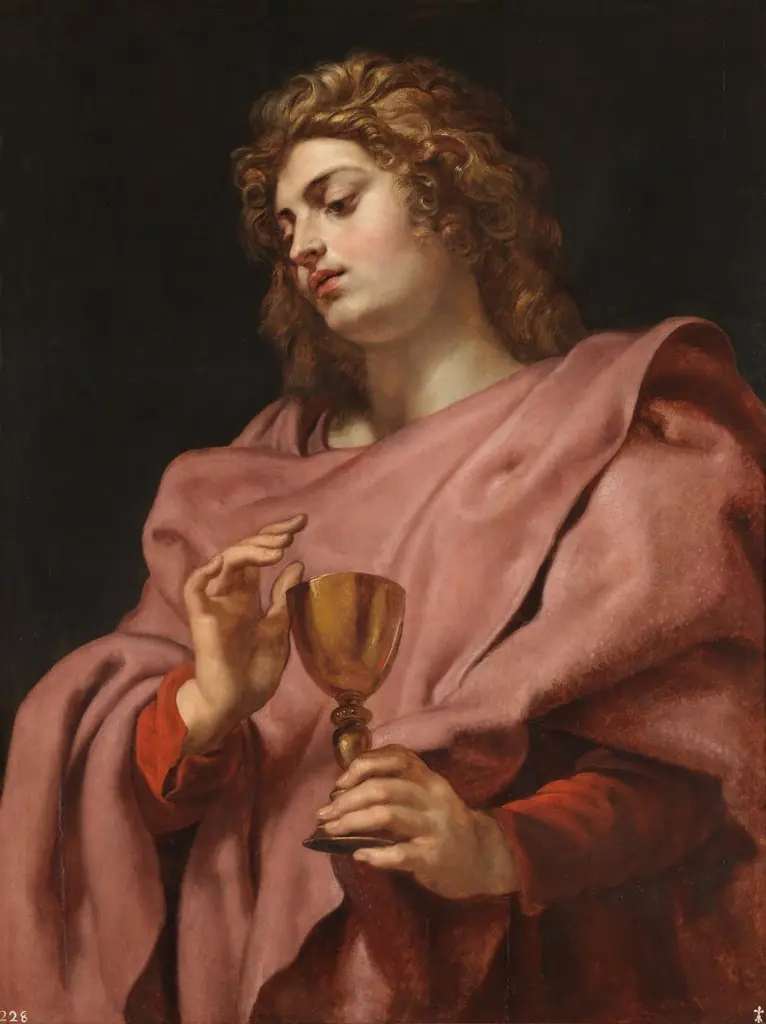
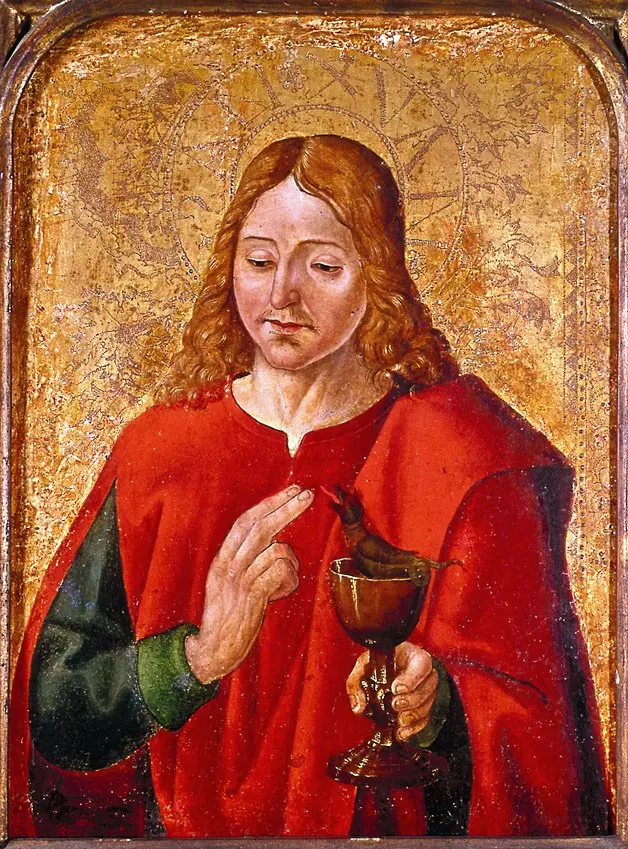
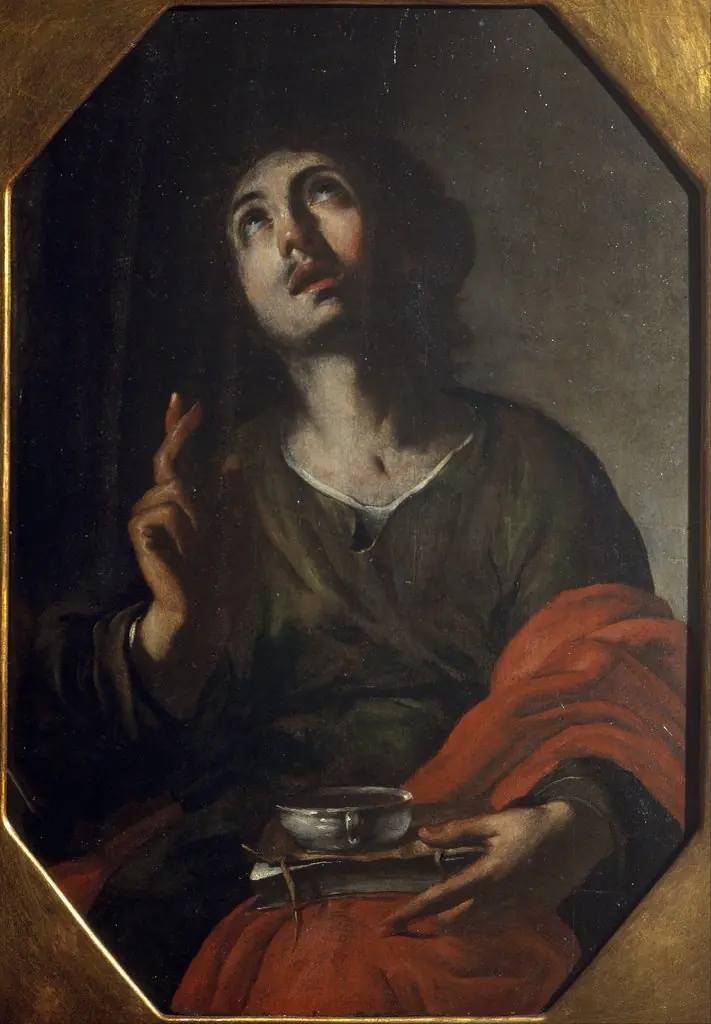
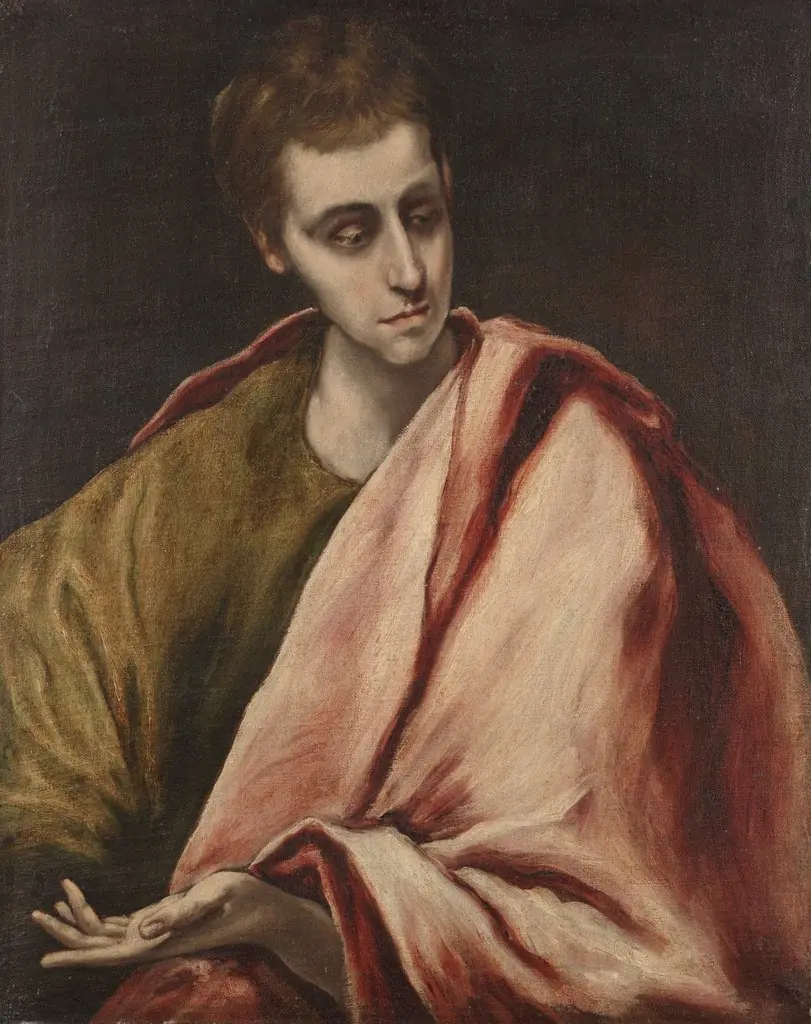
The artwork portrays John the Apostle, a figure traditionally identified as one of the Twelve Apostles of Jesus and the author of the Gospel of John. Christian tradition frequently conflates John the Apostle with John the Evangelist and John of Patmos, though modern scholarship remains divided on the historical accuracy of these identifications. John is venerated as the Beloved Disciple who remained at the foot of the cross and took Mary into his care. In Christian iconography, John is often depicted as a beardless youth in Western medieval art or as an aged, bearded man in Byzantine traditions. Common attributes associated with him include an eagle, a gospel book, and a chalice, sometimes with a serpent emerging from it, the latter referencing a legend where John drank from a poisoned cup and survived unharmed.
Technique & Style
Gsell executed the work using oil paint on a canvas support. The painting reflects the Baroque style characteristic of its era and the artist's background. While specific details regarding the brushwork and condition of the canvas are not extensively documented in accessible records, the medium and support align with standard European easel painting practices of the early eighteenth century. The composition focuses on the single figure of the apostle, consistent with devotional portraiture of the period.
History & Provenance
Georg Gsell painted the work in 1729 during his time in Russia. Gsell had been recruited by Peter the Great in 1716 and relocated to Saint Petersburg, where he became the first curator of the Imperial art gallery founded in 1720. Given Gsell's official role within the Russian imperial art administration, the painting likely entered the imperial collections during his tenure or shortly thereafter, eventually becoming part of the holdings of the Hermitage Museum. The specific commission and detailed ownership chain prior to its museum accession remain unrecorded in the available sources.
Context
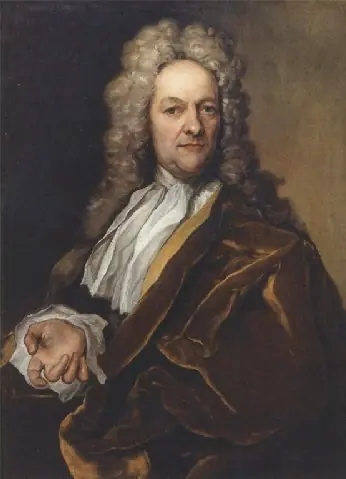
Georg Gsell was a Swiss Baroque painter, art consultant, and art dealer who played a significant role in the early eighteenth-century Russian art world. Born in St. Gallen in 1673, he spent his early career in Amsterdam before Peter the Great recruited him to Russia in 1716. Beyond his work as a court painter, Gsell served as the first curator of the Imperial art gallery and produced a manuscript catalog of the Kunstkamera. His position placed him at the center of the formation of Russian imperial art collections. St John the Apostle stands as an example of the Western European Baroque religious painting introduced to the Russian court through figures like Gsell.
Artist & collection
Artist
Georg Gsell (Russian: Георг Гзелль; 28 January 1673 – 22 November 1740) was a Swiss Baroque painter, art consultant and art dealer.