Artwork
St Thomas the Apostle
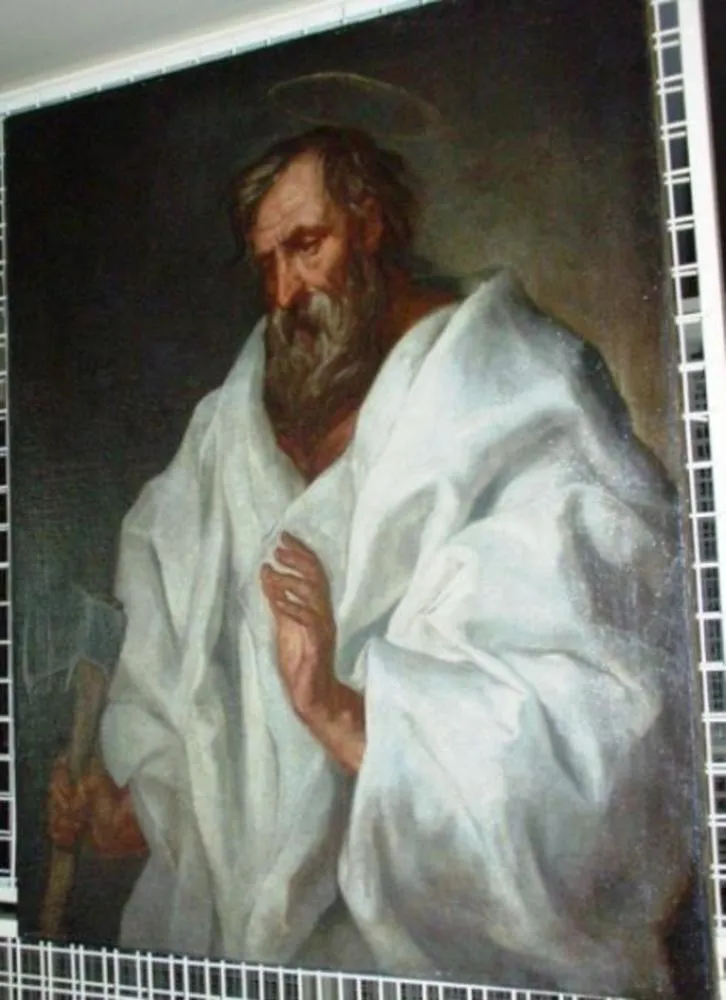
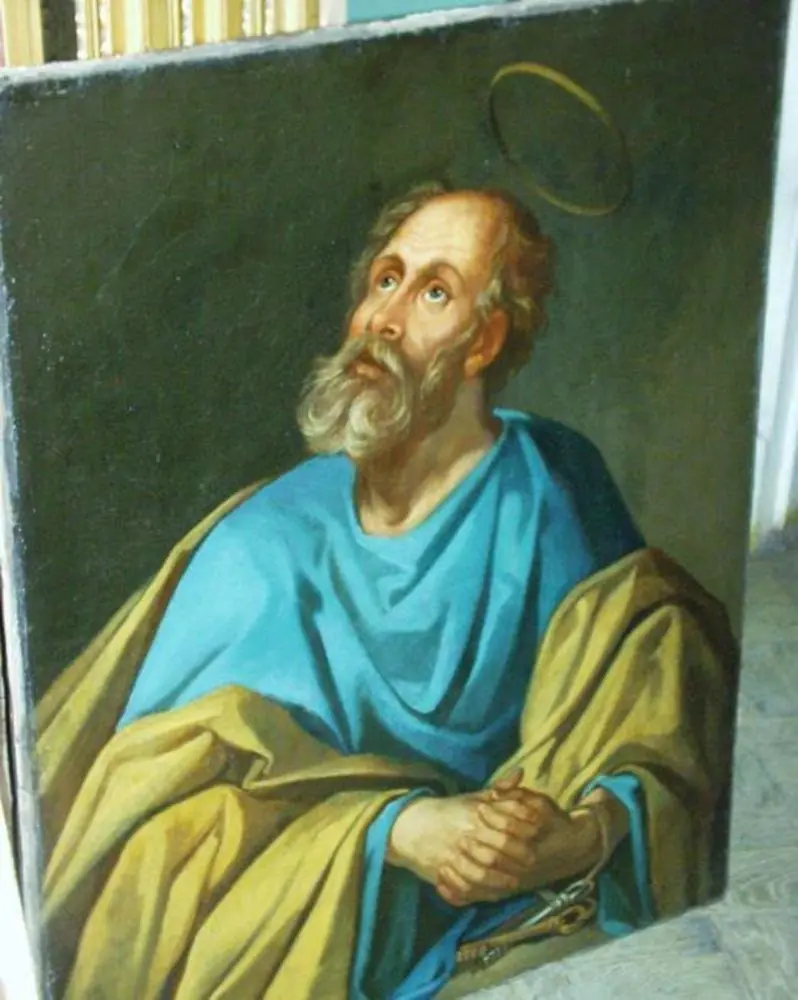
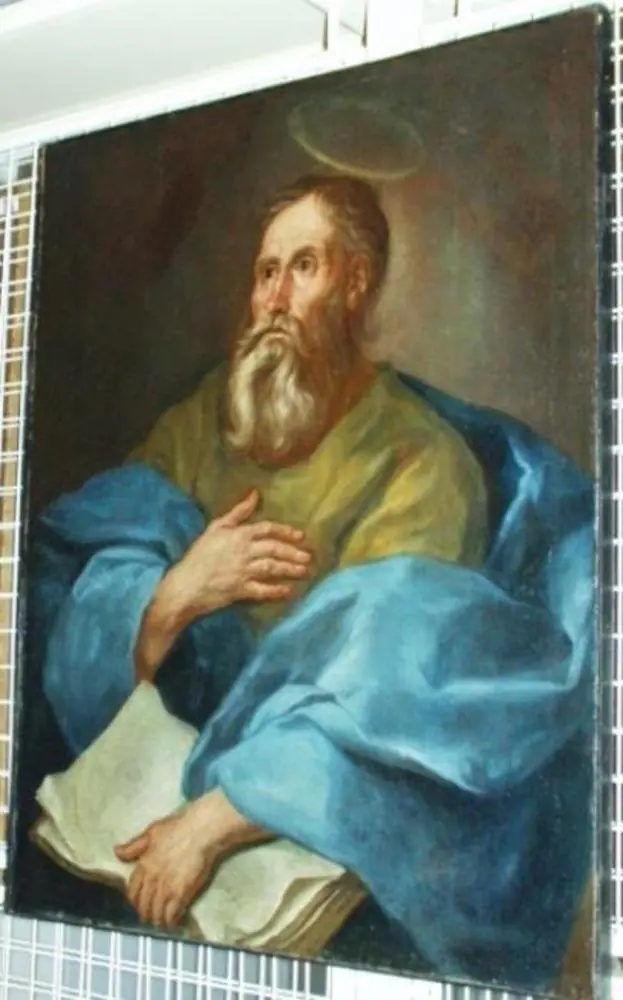
St Thomas the Apostle is an oil painting by the Rococo painting artist Georg Gsell. It dates from 1729 and is held in the collection of the Hermitage Museum.
About this work
Overview
St Thomas the Apostle is a religious painting executed in oil on canvas by the Swiss-born artist Georg Gsell in 1729.
St Thomas the Apostle is a religious painting executed in oil on canvas by the Swiss-born artist Georg Gsell in 1729. Created in Russia, the work depicts the biblical apostle and forms part of the religious genre. It is presently held in the Hermitage Museum, where it is stored in a white metal grid storage rack. The painting represents a later eighteenth-century interpretation of a traditional Christian subject, grounded in the visual language of dramatic lighting and psychological focus.
Subject & Meaning
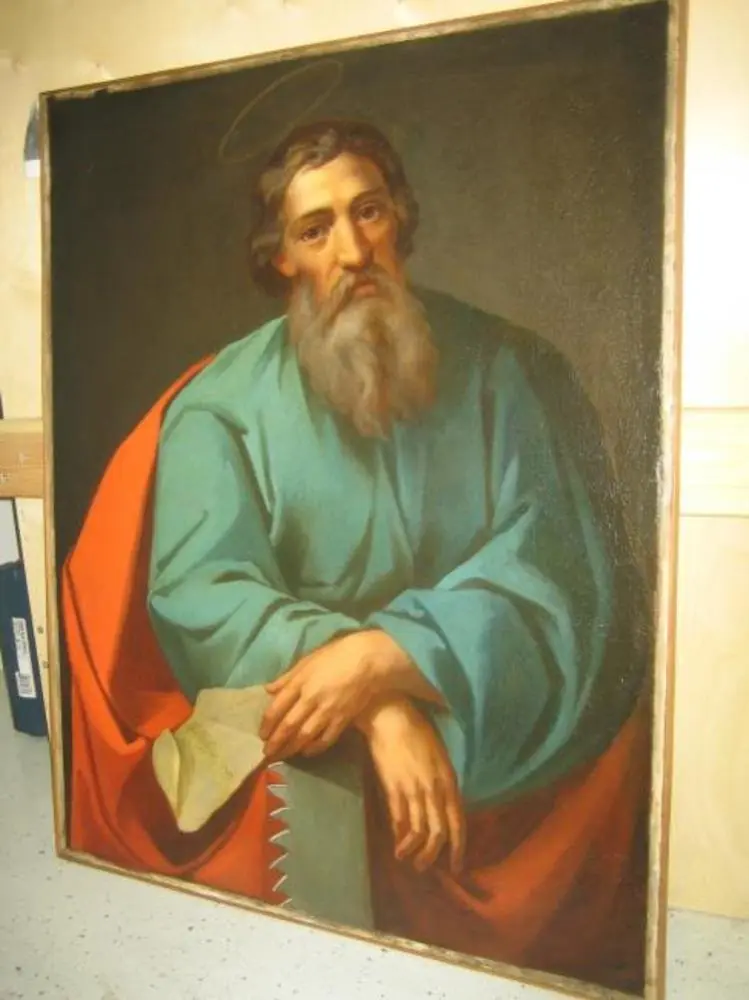
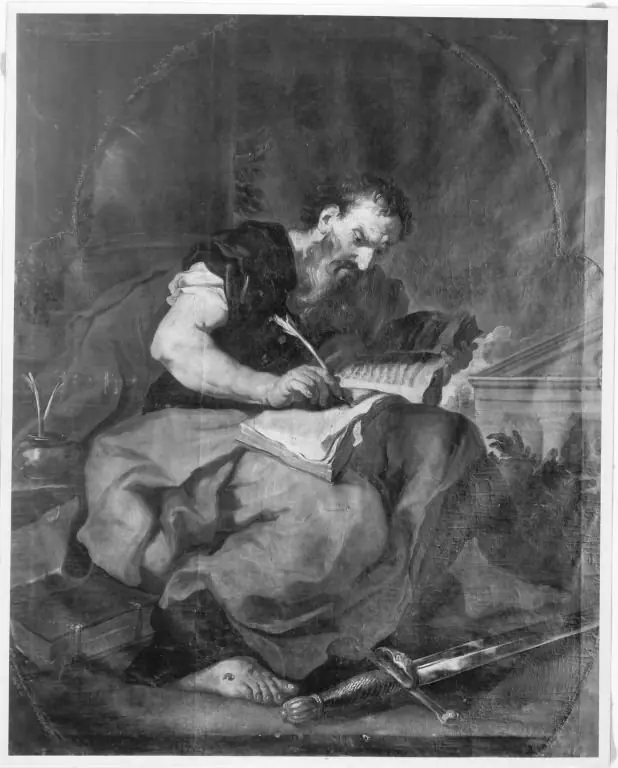
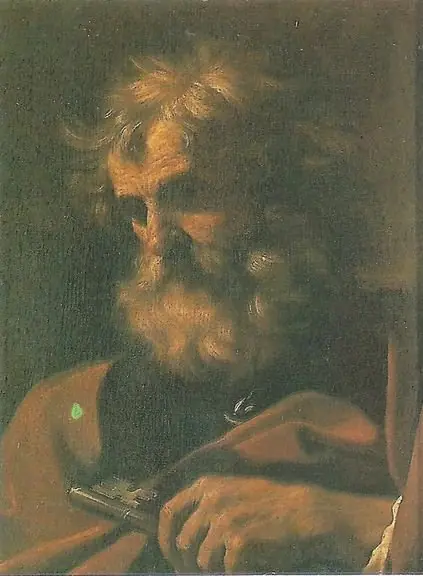
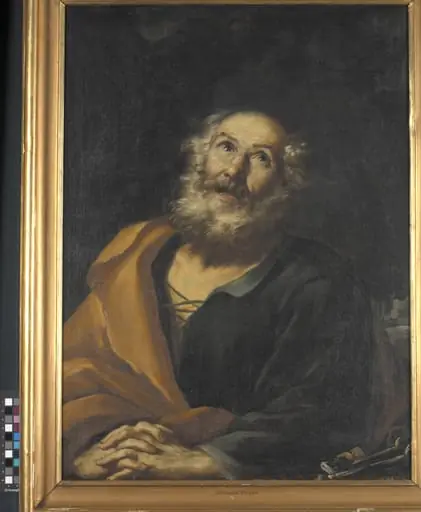
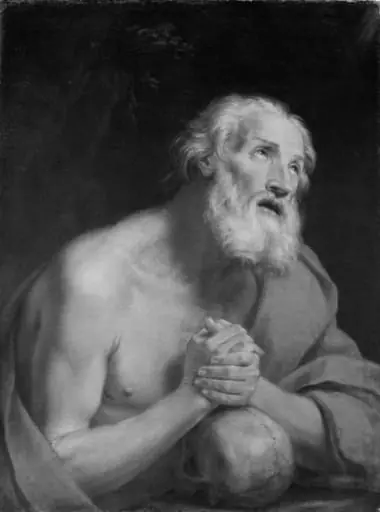
The work portrays Thomas the Apostle, a figure known from the New Testament for his initial skepticism regarding the resurrection of Jesus. According to the Gospel of John, Thomas declared he would not believe in the resurrection unless he could physically touch the wounds of the crucified Christ. The painting captures the apostle in a moment of contemplation, pressing his right hand against his chest while gripping a long wooden staff or spear, traditional attributes identifying him. A thin golden halo hovers above his head, signifying his sanctity. The iconography centers on the transition from doubt to belief, a narrative that has made Thomas a lasting symbol of the tension between empirical evidence and faith.
Technique & Style
Gsell employed oil paint on canvas to render the apostle, utilizing a restrained palette dominated by whites, grays, warm browns, and ochres. The composition places the bearded male figure on the central vertical axis, his body turned slightly to the left with his gaze directed downward. Light falls from the upper left, illuminating the forehead, nose, and cascading folds of the voluminous white draped garment, while shadows pool in the recesses of the cloth and along the right side of the face. The dark, largely indistinct background concentrates attention on the figure. Brushwork appears smooth in the flesh tones and more textured in the fabric, with visible weave patterns suggesting age or restoration.
History & Provenance
Georg Gsell painted the canvas in 1729 while working in Russia. The specific circumstances of its commission remain unrecorded in the available sources. Over the course of its ownership, the painting entered the collection of the Hermitage Museum, where it remains today. The RKD Nederlands Instituut voor Kunstgeschiedenis serves as a reference source for the work. Unlike other historical depictions of the same subject that suffered loss or damage, this painting has survived into the modern era, currently kept in a museum storage rack.
Context
Georg Gsell created this work during his time in Russia, contributing to the religious art genre in the early eighteenth century. The subject of St Thomas had long been a focal point of artistic interpretation, most notably by Caravaggio in the early seventeenth century. Caravaggio's treatment of the theme, characterized by intense chiaroscuro and unidealized realism, was highly polarizing among contemporary Catholic critics, some of whom considered his naturalistic approach vulgar. Caravaggio's version became the most copied painting of his career, with twenty-two known seventeenth-century copies, and established a lasting visual paradigm for the scene. Gsell's interpretation operates within this broader historical trajectory of depicting the apostle, reflecting the enduring artistic interest in the narrative of doubt and revelation.
Legacy
The subject of St Thomas the Apostle has maintained a profound cultural afterlife, extending far beyond individual artistic interpretations. The biblical episode gave rise to the phrase doubting Thomas, a common idiom for a skeptic who refuses to believe without direct personal experience. The narrative has been repeatedly revisited by major artists, including Rembrandt and Rubens in the seventeenth century, and has served as a symbolic focal point in the historical conflict between Protestant and Catholic artistic traditions regarding the teaching of blind faith. The apostle himself is venerated across multiple Christian denominations, with feast days commemorating his ultimate confession of faith and the translation of his relics, underscoring the enduring resonance of the theme Gsell and his predecessors explored.
Artist & collection
Artist
Georg Gsell (Russian: Георг Гзелль; 28 January 1673 – 22 November 1740) was a Swiss Baroque painter, art consultant and art dealer.