Artwork
James the Greater, Son of Zebedee
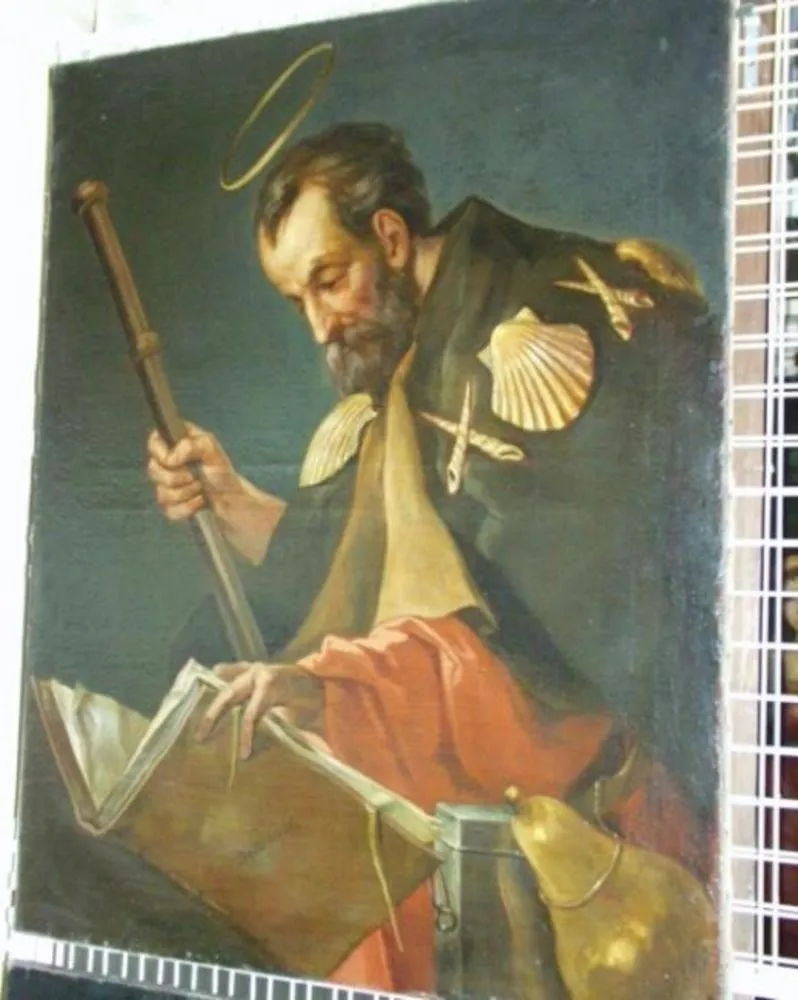
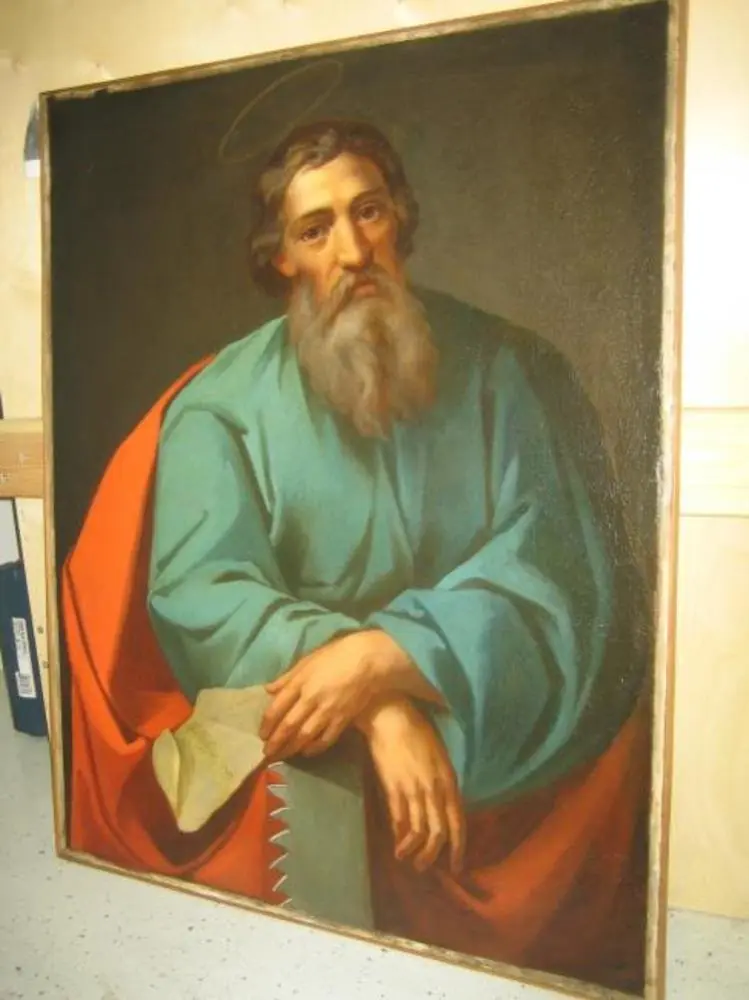
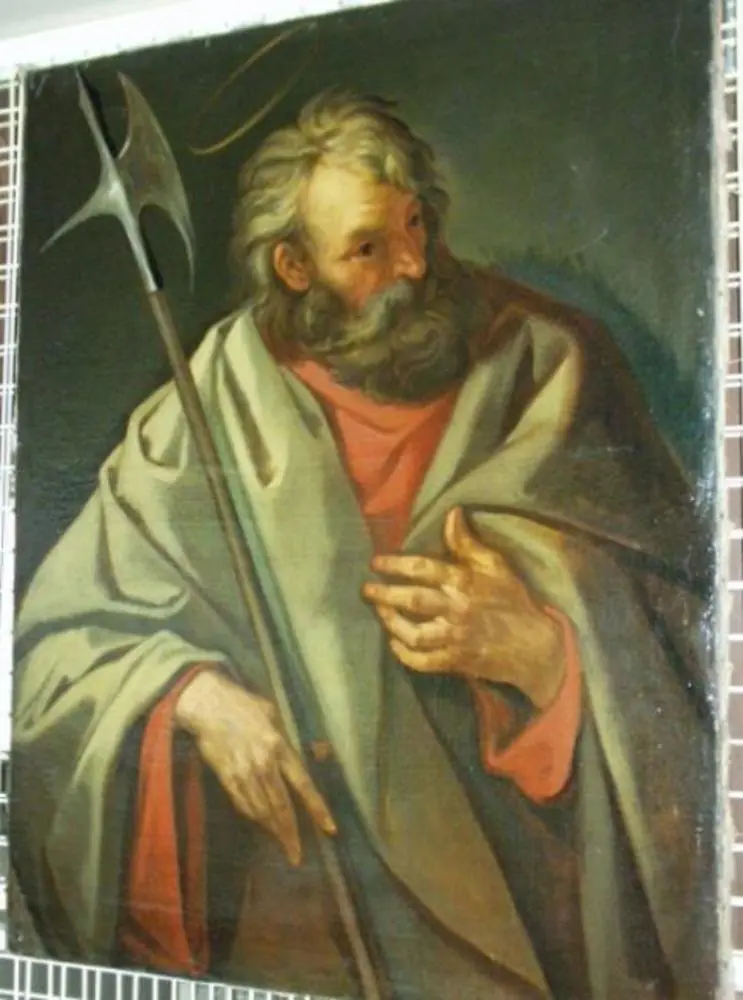
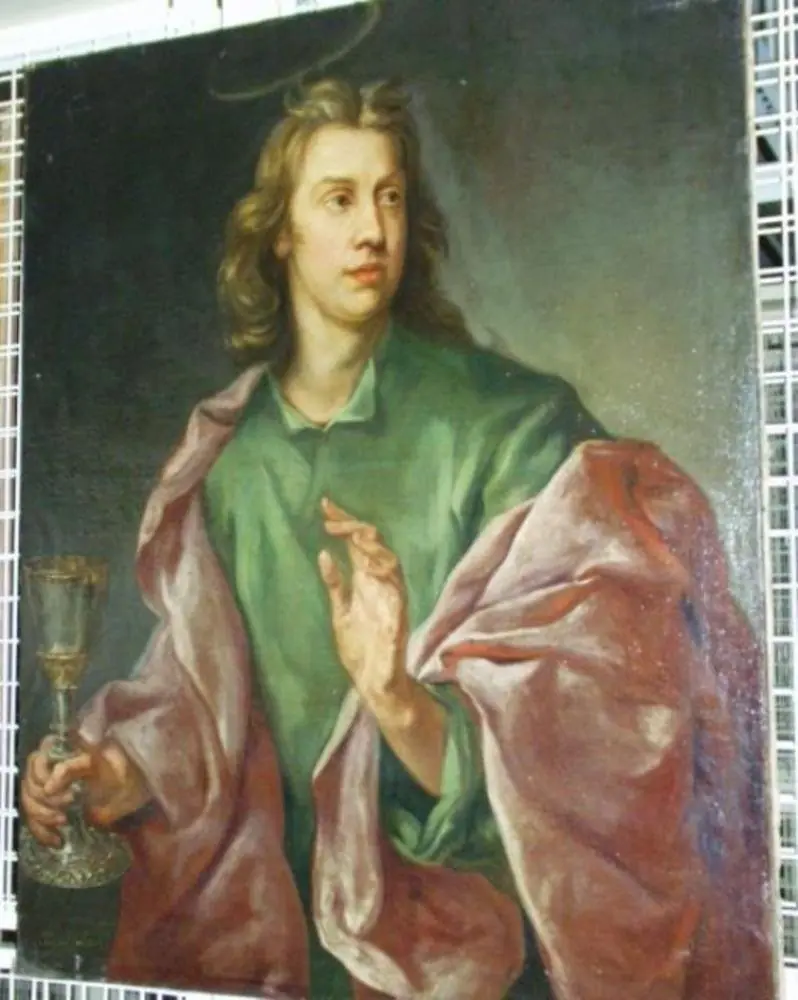
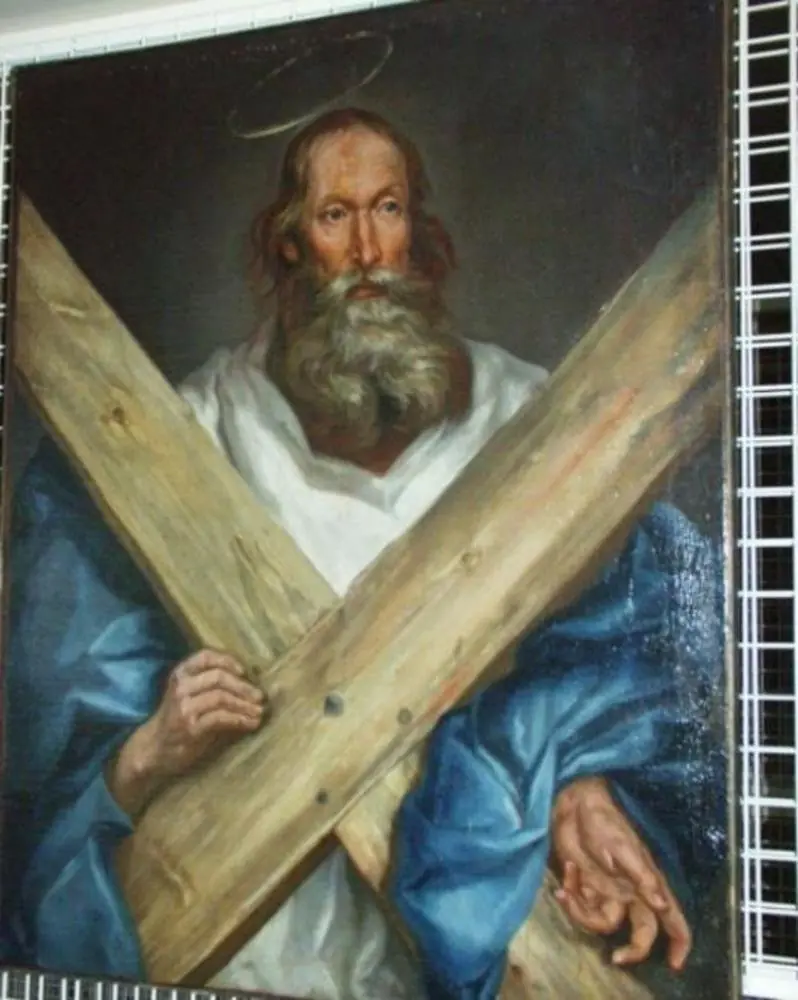
James the Greater, Son of Zebedee is an oil painting by the Rococo painting artist Georg Gsell. It dates from 1729 and is held in the collection of the Hermitage Museum.
About this work
Overview
Gsell, a Swiss painter who worked in Russia, produced this work during a period of active patronage of religious art under the Russian imperial court.
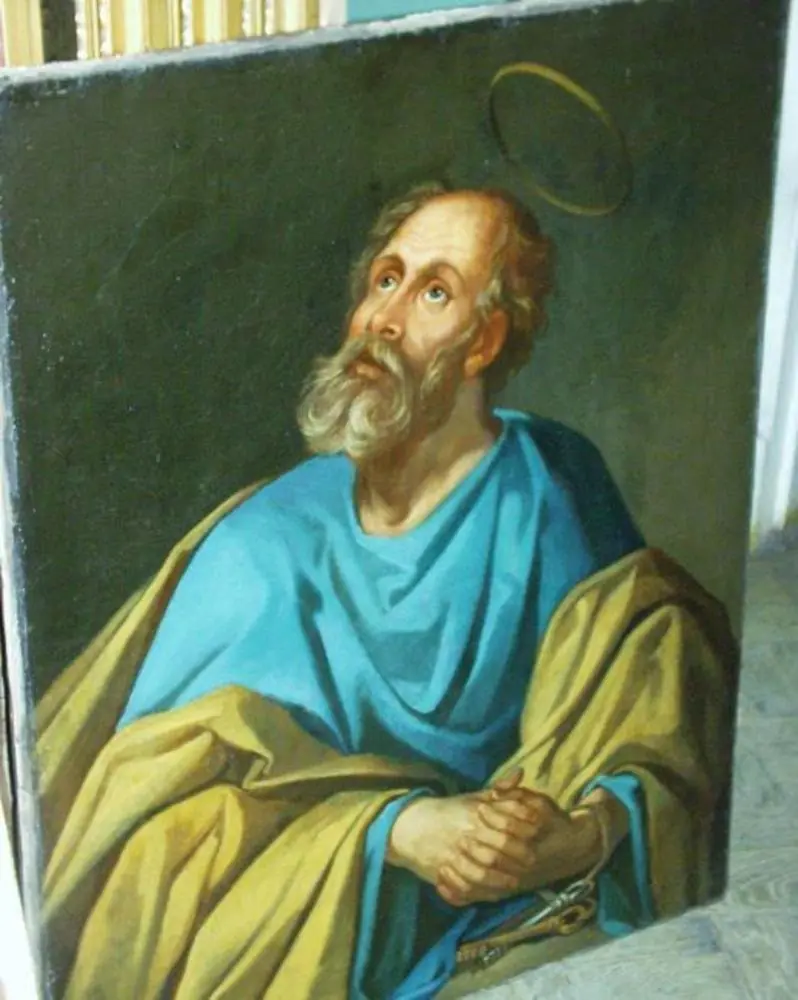
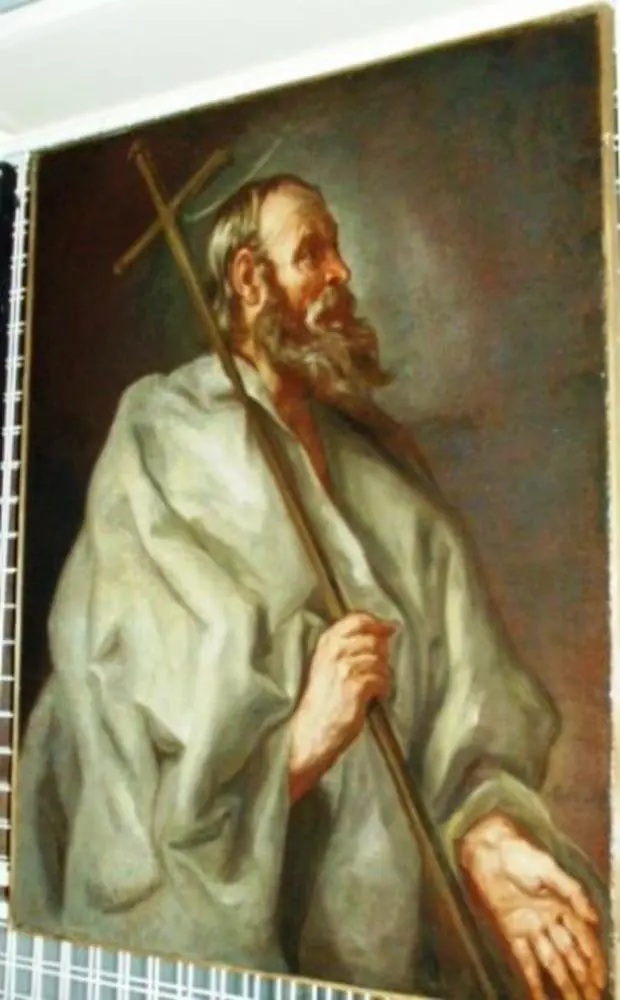
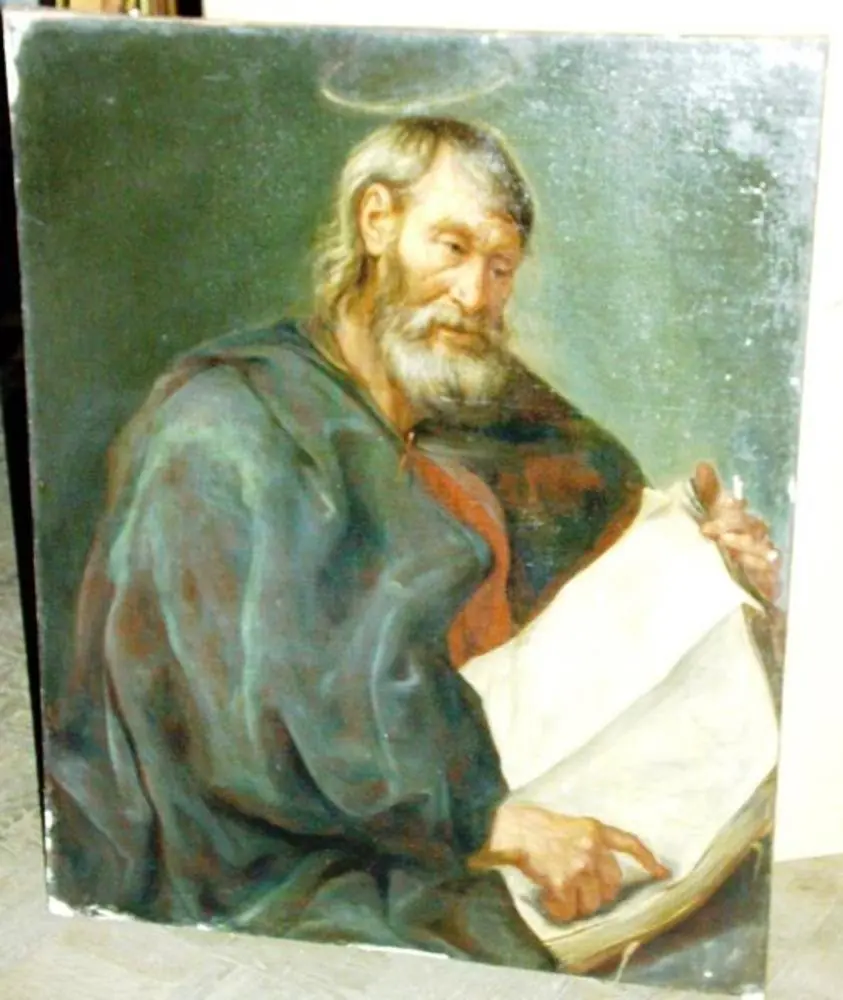
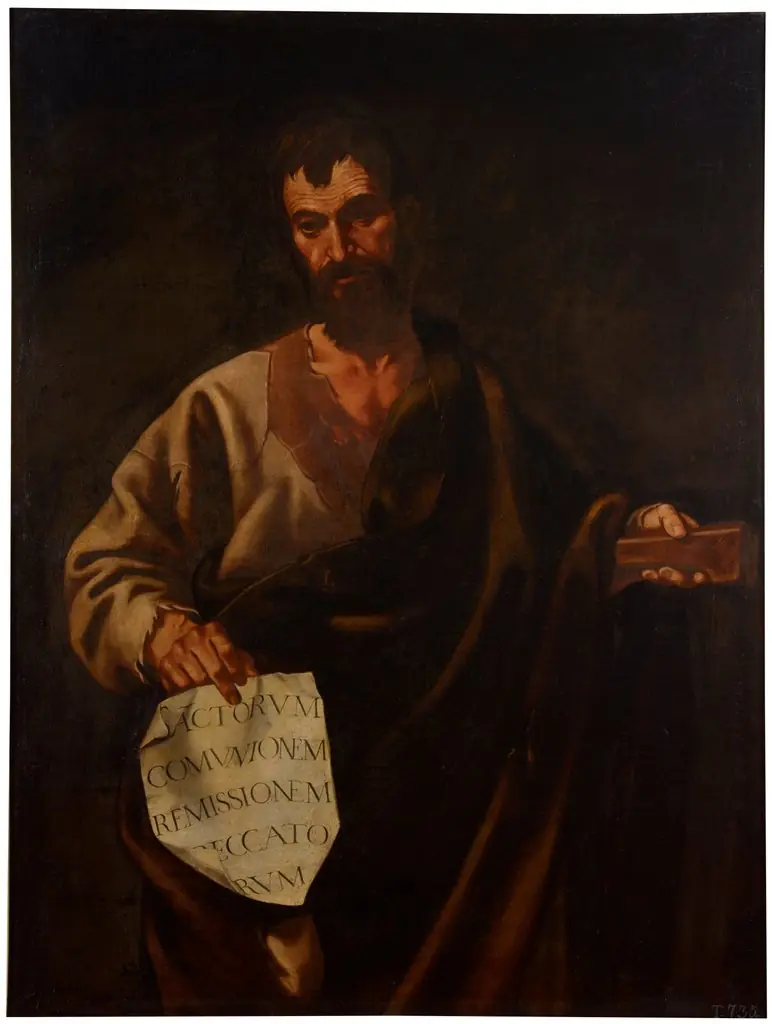
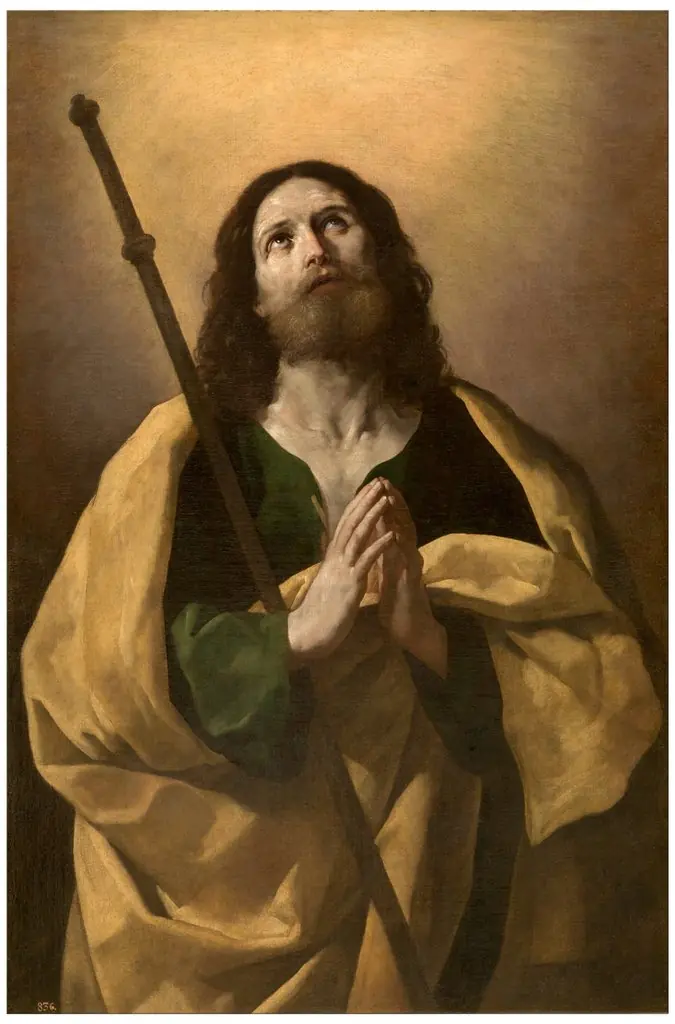
James the Greater, Son of Zebedee is an oil on canvas painting by Georg Gsell, dated 1729, now held in the collection of the Hermitage Museum in Saint Petersburg. The work depicts the apostle James, one of the twelve disciples of Jesus, in a contemplative half-length portrait format typical of devotional imagery from the period. Gsell, a Swiss painter who worked in Russia, produced this work during a period of active patronage of religious art under the Russian imperial court. The painting represents a synthesis of Western European iconographic traditions with the polished finish characteristic of early eighteenth-century oil painting technique.
Subject & Meaning
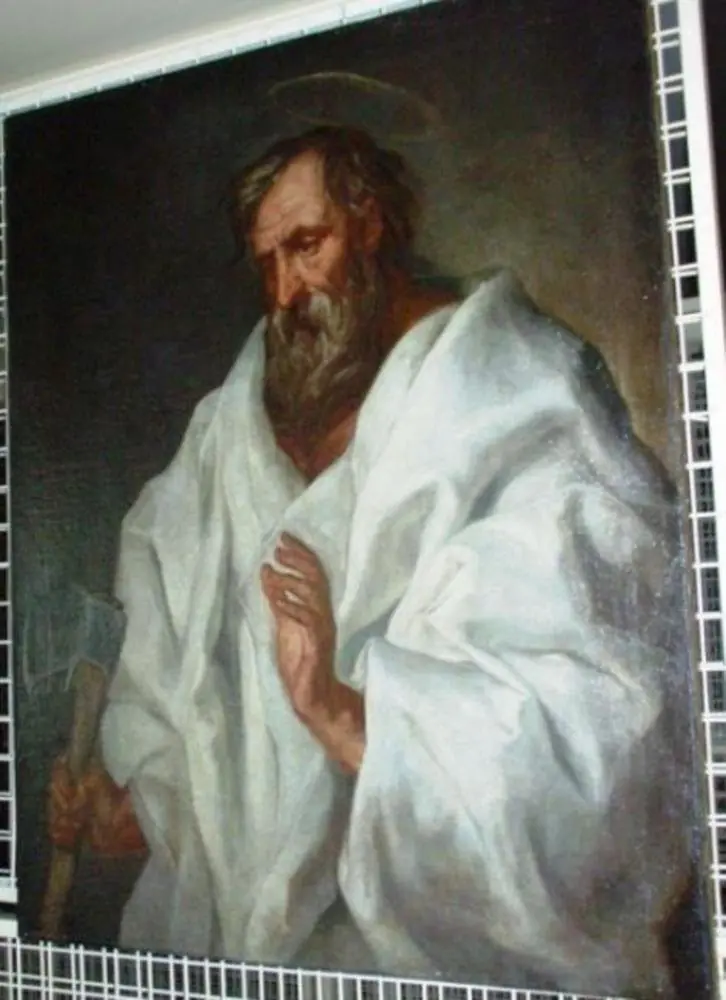
The painting portrays James the Greater, son of Zebedee, identifiable through his traditional attributes as an apostle and pilgrim saint. He wears a golden halo signifying sanctity, and his garments include a dark green cloak fastened at the shoulder with a scallop shell and crossed staff, the quintessential emblem of the Santiago de Compostela pilgrimage. The scallop shell became associated with James through the medieval legend of his burial at Compostela in Galicia, Spain, where the discovery of his tomb in 813 established one of Christianity's most significant pilgrimage destinations. His right hand grips a tall wooden staff, while his left rests upon an open book, suggesting his role as a witness to the Gospel. A golden flask or vessel sits beside the book, possibly alluding to the pilgrim's need for provisions or the sacred oils associated with martyrdom. The figure's downward gaze toward the book conveys contemplative devotion rather than the militant Santiago Matamoros imagery that also characterized James's iconographic tradition. The combination of apostle and pilgrim attributes reflects the dual identity that made James one of the most widely venerated saints in European Christianity.
Technique & Style
The painting is executed in oil on canvas, a medium that allows for the smooth, blended transitions visible in the flesh tones and drapery. Light enters strongly from the upper left, illuminating the face,海地hands, and the shell emblem while deep shadows model the folds of the dark green cloak. This dramatic chiaroscuro creates a sense of three-dimensional volume and focuses attention on the saint's contemplative expression. The palette consists of deep greens, warm yellows, and rich reds set against a subdued, dark background, a combination that emphasizes the figure's presence while maintaining tonal harmony. The brushwork appears smooth with a polished finish, suggesting the refined technique expected in devotional paintings of the early eighteenth century. The presentation of the figure from the waist up against a neutral background follows established conventions for single-saint portraits, allowing concentration on facial expression and symbolic attributes. The visible edges and grid-like structure at the right margin indicate the painting is presented unframed, revealing aspects of its material support and possibly previous conservation or transfer processes.
History & Provenance
Georg Gsell created this painting in 1729 in Russia, where he had established his career after training in Switzerland. The work entered the collection of the Hermitage Museum, where it remains today, though the precise date of acquisition is not specified in available sources. The painting's provenance before its institutional holding has not been fully documented in the provided materials. As a work produced in Russia during the early eighteenth century, it likely benefited from the patronage structures of the Russian imperial court, which actively commissioned religious imagery during this period. No exhibition history is recorded in the available sources.
Context
Georg Gsell's career unfolded within the broader context of European artistic migration to Russia in the early eighteenth century. Swiss by birth, Gsell contributed to the development of painting in Saint Petersburg during a period of intensive Westernization under Peter the Great and his successors. The subject of James the Greater carried particular resonance in European art due to the enduring popularity of the Santiago de Compostela pilgrimage, which by the twelfth century had become recognized as one of the three major Christian pilgrimage destinations alongside Jerusalem and Clarification. The year 1729 places this work in the generation following the major Baroque celebrations of James's imagery, suggesting a continued demand for traditional devotional subjects even as artistic styles evolved toward the Rococo. The painting reflects the international circulation of iconographic conventions, combining Italianate lighting effects, Northern European attention to surface detail, and the specific attributes of Spanish pilgrimage tradition. Scholarship on Gsell has not yet fully addressed this particular canvas anecdote, leaving room for further research into its commission and place within his oeuvre.
Legacy
The painting's legacy is intertwined with the enduring cultural significance of its subject. James the Greater remains one of the most venerated apostles in Christian tradition, his fame sustained by the continuous practice of pilgrimage to Santiago de Compostela. The Camino de Santiago was declared the first European Cultural Route by the Council of Europe in 1987, and the Santiago de Compostela Cathedral received UNESCO World Heritage designation in 1993, underscoring the ongoing relevance of symbolism that Gsell's painting embodies. Within the Hermitage Museum collection, the work contributes to the institutional holding of early eighteenth-century European painting and represents the international scope of Russian imperial collecting. The painting's specific influence on later artists or its role in scholarly discussions of Gsell's career has not been extensively documented, suggesting that its significance lies primarily in its exemplification of devotional imagery and its preservation of iconographic traditions rather than in innovative artistic achievement. The continued veneration of James, celebrated liturgically on July 25 in Western Christianity, ensures that the visual traditions the painting preserves remain culturally active.
Artist & collection
Artist
Georg Gsell (Russian: Георг Гзелль; 28 January 1673 – 22 November 1740) was a Swiss Baroque painter, art consultant and art dealer.