Artwork
Julie Hudson
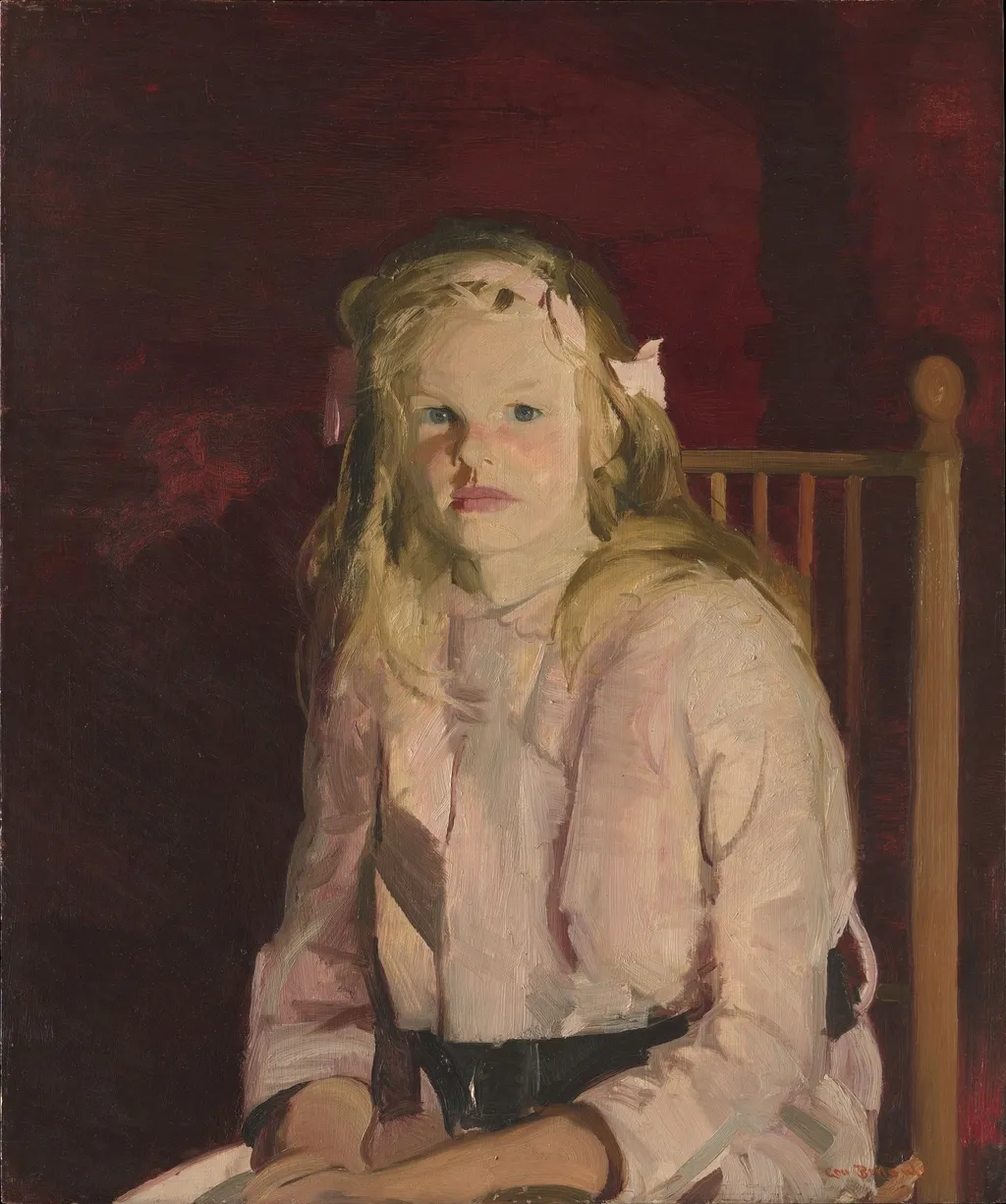
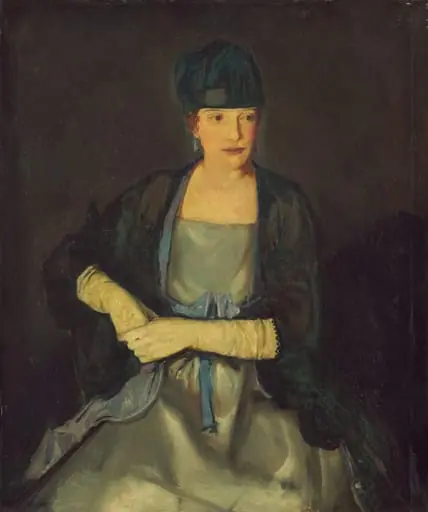
Julie Hudson is an oil painting by the Ashcan School artist George Bellows. It dates from 1914 and is held in the collection of the Metropolitan Museum of Art.
About this work
Subject & Meaning
The painting, executed in oil on masonite in 1914, reflects George Bellows’s focus on realistic representation and his interest in contemporary portraiture.
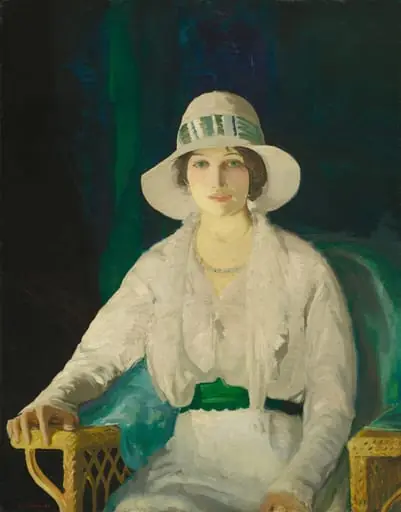
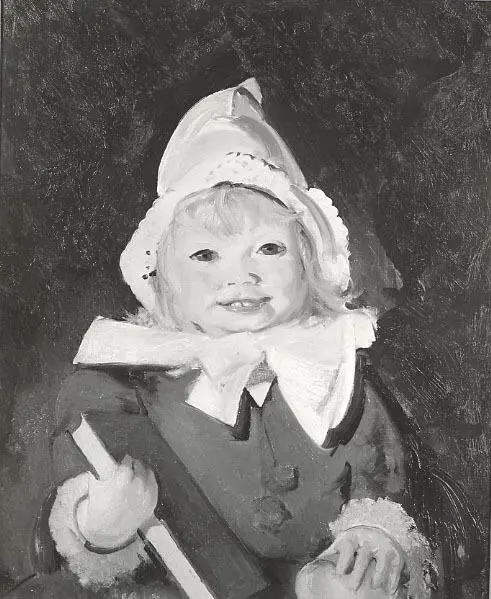
Julie Hudson is portrayed as a young girl in a straightforward portrait that emphasizes her facial features and attire without overt narrative elements. The painting, executed in oil on masonite in 1914, reflects George Bellows’s focus on realistic representation and his interest in contemporary portraiture. As a work held by the Metropolitan Museum of Art, it exemplifies early‑twentieth‑century American portraiture that captures the sitter’s individuality through modest iconography, suggesting a focus on personal identity rather than symbolic allegory.
History & Provenance
George Bellows created the oil painting Julie Hudson in 1914. Executed on a masonite support, the portrait depicts a young girl and measures 76.2 by 63.5 centimeters. The work was produced during the artist's active period in the early 20th century, specifically dated to January 1, 1914.
While the specific commission details or original ownership chain are not detailed in the provided records, the painting is currently held in the collection of the Metropolitan Museum of Art. This institution serves as the documented location for the artwork, which remains classified as a portrait within their holdings.
Julie Hudson, an oil-on-Masonite portrait painted by George Bellows in 1914, is held in the collection of the Metropolitan Museum of Art. The work depicts a girl and measures 76.2 by 63.5 centimeters. While the sources confirm the painting's current location and physical attributes, they do not provide a specific inventory or accession number for the piece.
Furthermore, the available documentation does not list any exhibition history for this portrait, leaving its display record unverified within the provided texts.
Overview
George Bellows completed Julie Hudson in 1914, an oil painting depicting a young girl. This work exemplifies Bellows's skill as a leading American realist of his era. The portrait captures its subject with a direct gaze, showcasing the artist's characteristic approach to figural representation. It is currently part of the collection at The Metropolitan Museum of Art.
Technique & Style
Bellows employed oil paint with a distinct application, characterized by thick, visible brushstrokes, particularly evident in the girl's dress and hair. This technique, known as impasto, creates tangible texture and a sense of depth on the canvas. Such an approach aligns with the artist's realist tendencies, imbuing the subject with a robust, almost sculptural presence.
Context
George Bellows was a prominent figure among American realist painters, often associated with the Ashcan School. His artistic output frequently captured the dynamic urban life of New York City. Julie Hudson, while a portrait, reflects the directness and vitality characteristic of his broader oeuvre, contributing to his reputation as one of the most acclaimed American artists of his generation.
Own this work as a print
Artist & collection

Artist
George Wesley Bellows (August 12 or August 19, 1882 – January 8, 1925) was an American realist painter, known for his bold depictions of urban life in New York City.