Artwork
Anne with a Japanese Parasol
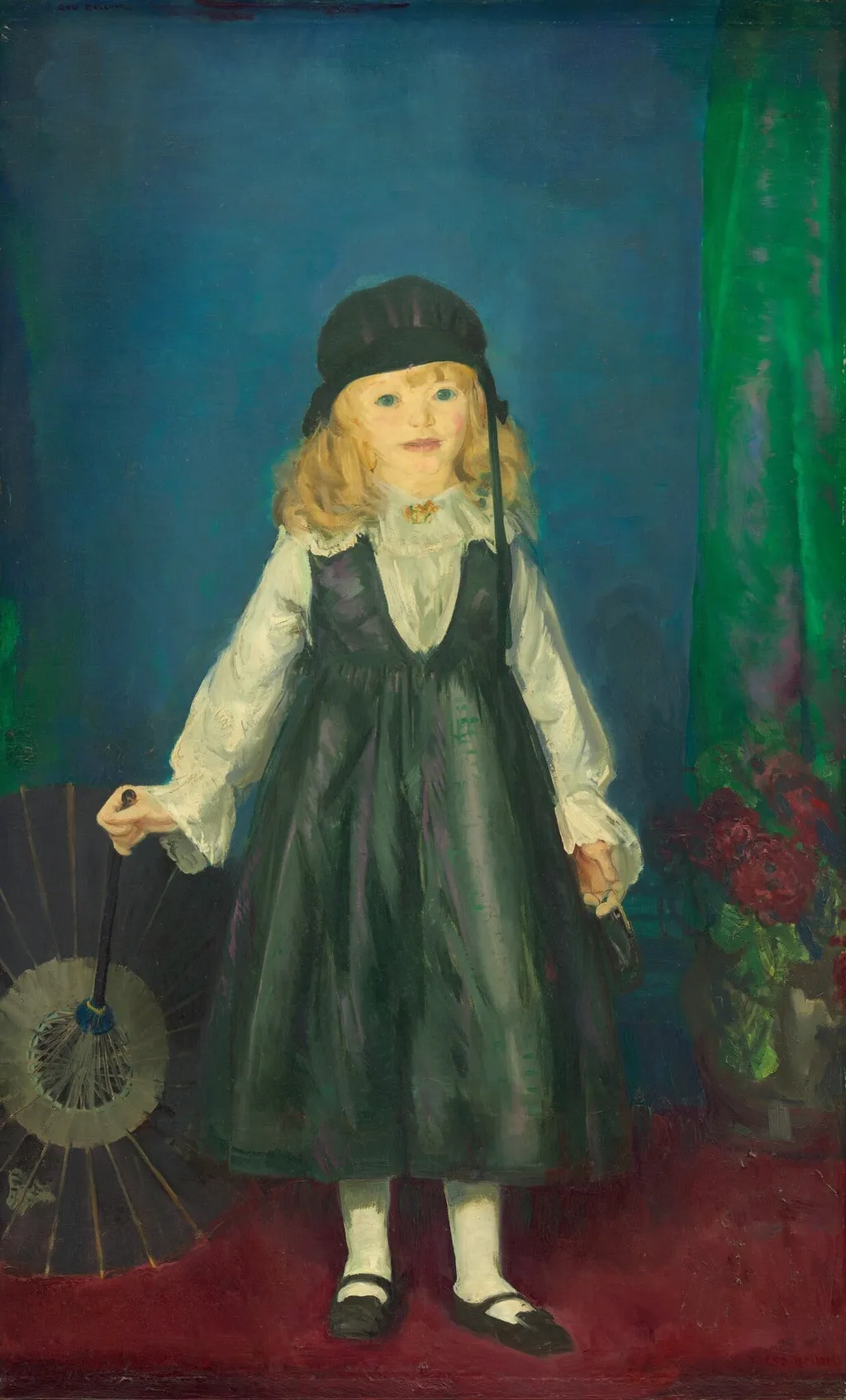
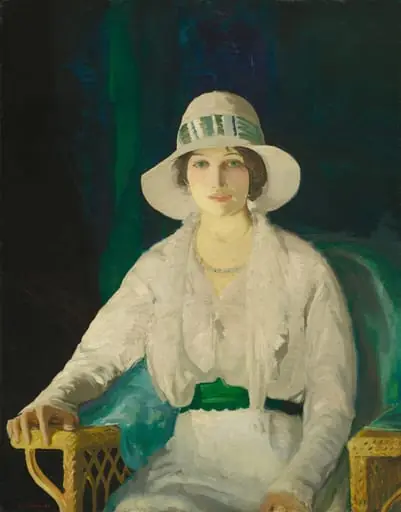
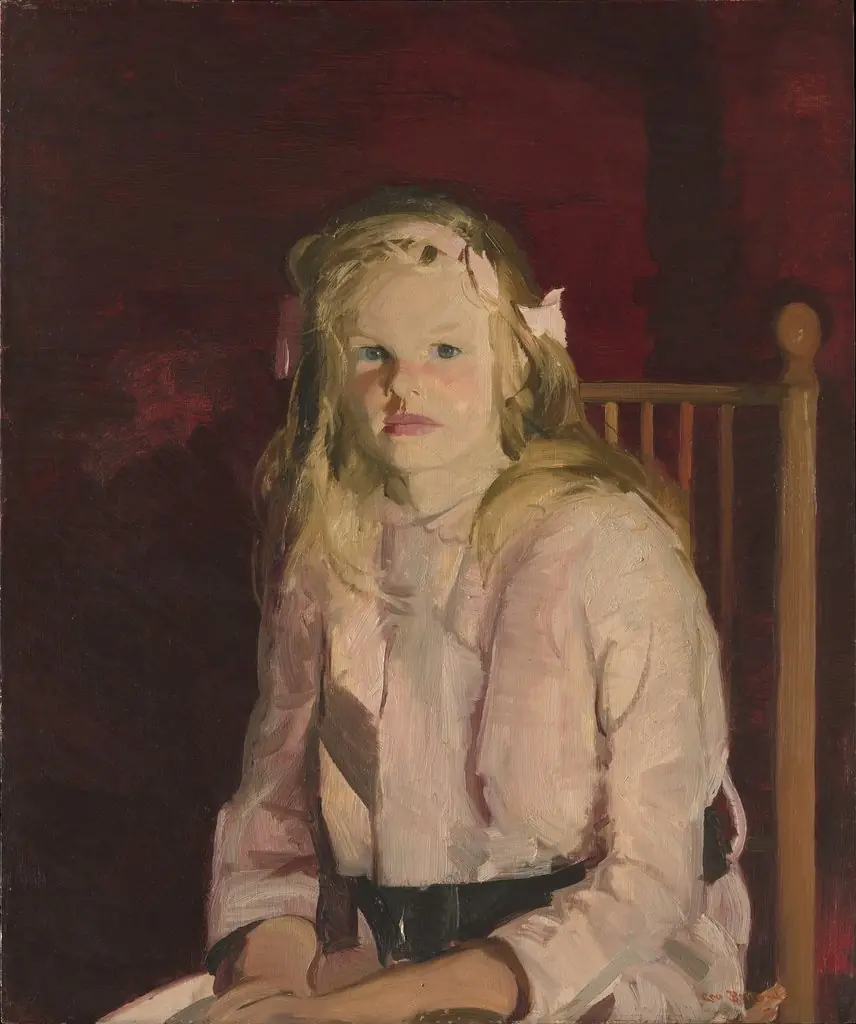
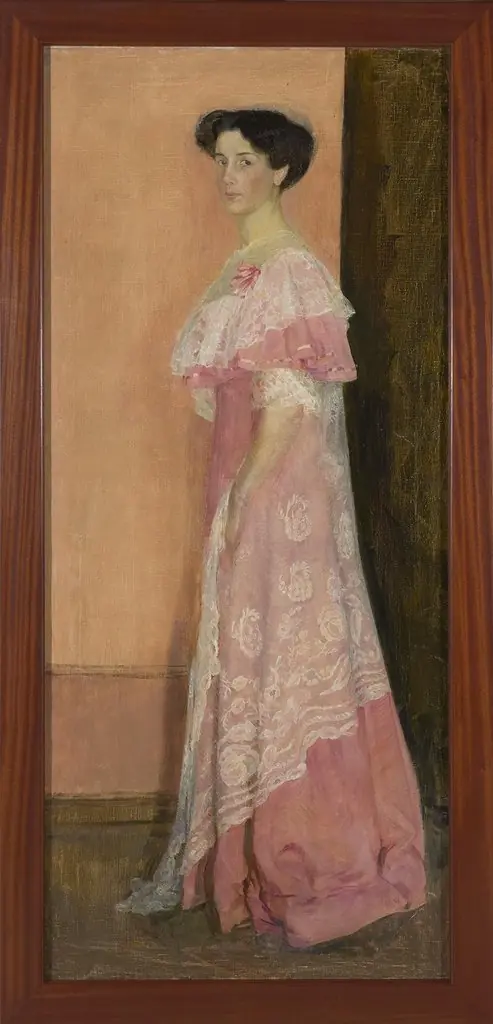
Anne with a Japanese Parasol is an oil painting by the American Impressionist artist George Bellows. It dates from 1917 and is held in the collection of the National Gallery of Art.
- Inscription
- Inscribed:lower right in red: Geo Bellows; upper left in dark blue: Geo Bellows
About this work
Subject & Meaning
The painting portrays Anne Bellows Kearney, a relative of George Bellows, and is titled Anne with a Japanese Parasol, indicating the inclusion of a parasol as a visual element. As a portrait created in 1917 and held by the National Gallery of Art, it functions as a record of familial connection, emphasizing the sitter’s status within the artist’s personal circle. Executed in oil on canvas, the piece is classified as a portrait and is part of the National Gallery of Art’s holdings, having entered the collection via a 1964 purchase from H.V. Allison & Co. and a 1983 gift from Paul Mellon.
Technique & Style
The painting remains in stable condition as part of the National Gallery of Art collection in Washington, D.
George Bellows executed Anne with a Japanese Parasol in 1917 using oil paint on a canvas support. The work measures 150.1 cm in height and 91.7 cm in width, establishing it as a substantial portrait. Classified within the portrait genre, the piece depicts Anne Bellows Kearney.
While the specific brushwork handling is not detailed in the provided records, the medium of oil on canvas was a standard vehicle for Bellows' portraiture during this period. The painting remains in stable condition as part of the National Gallery of Art collection in Washington, D.C., having been gifted to the institution in 1983 after a history of private ownership. The formal qualities are defined by its classification as a portrait, focusing on the main subject within a fixed, rectangular format typical of the era's figurative oil painting traditions.
History & Provenance
George Bellows painted Anne with a Japanese Parasol in 1917, executing it in oil on canvas (150.1 cm × 91.7 cm). The portrait shows Anne Bellows Kearney and remained in the artist’s family, passing from him to his wife Emma S. Bellows and then to her estate. In June 1964 the work was sold through H.V. Allison & Co., New York to Paul Mellon of Upperville, Virginia, and in 1983 it was gifted to the National Gallery of Art in Washington, D.C., where it remains on view. Its provenance is documented from the artist’s inheritance through the Bellows family to the museum.
Anne with a Japanese Parasol has been part of the collection of the National Gallery of Art in Washington, D.C., since 1983, when it was given by Paul Mellon. Mellon had acquired the painting in June 1964 through the New York dealer H.V. Allison & Co., purchasing it from the estate of Emma S. Bellows, the artist's wife. Prior to that, the work had descended by inheritance from the painter to his wife following his death in 1925.
The sources do not document any specific exhibitions of the painting beyond its inclusion in the National Gallery of Art's holdings.
Context
George Bellows created the 1917 oil portrait Anne with a Japanese Parasol, depicting his sister-in-law Anne Bellows Kearney; the work is classified as a portrait and is part of the National Gallery of Art's collection in Washington, D.C.. Its provenance traces from the artist’s inheritance through his wife Emma Bellows to the estate, then to a 1964 purchase by Paul Mellon via H.V. Allison & Co., and finally as a 1983 gift to the NGA. The painting exemplifies Bellows' engagement with family subjects within his broader realist practice, situating it in the portrait genre of early 20th‑century American art.
Overview
Anne with a Japanese Parasol (1917) is an oil-on-canvas portrait by American realist George Bellows, depicting his wife, Anne Bellows Kearney. The work captures the subject standing outdoors, holding a Japanese parasol that casts a soft shadow across her figure. Bellows employs a loose, energetic brushstroke characteristic of his mature style, using dappled light to suggest a sunlit garden setting rather than rendering precise architectural details.
The background remains indistinct and atmospheric, focusing the viewer's attention on the woman's poised stance and the interplay of light on her dress and the parasol's fabric. Painted during a period when Bellows was increasingly exploring domestic subjects alongside his famous urban scenes and sporting events, this portrait reflects a shift toward intimacy and psychological depth. The composition balances the solidity of the figure with the fleeting quality of natural light, demonstrating the artist's ability to merge the immediacy of realism with a painterly sensitivity to atmosphere.
It stands as a significant example of Bellows' portraiture, highlighting his skill in capturing the presence of his family members within the broader context of early 20th-century American modernism.
Own this work as a print
Artist & collection
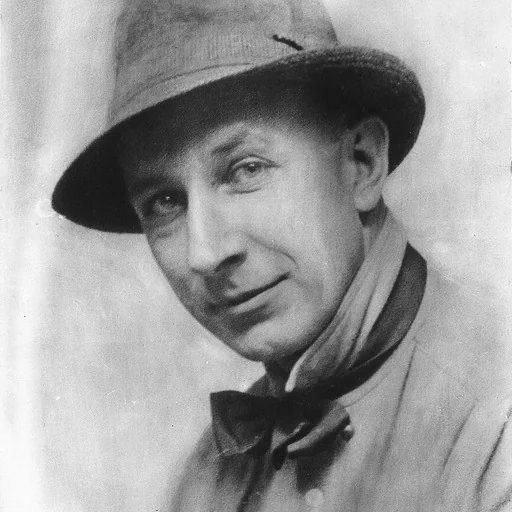
Artist
George Wesley Bellows (August 12 or August 19, 1882 – January 8, 1925) was an American realist painter, known for his bold depictions of urban life in New York City.