Artwork
Count Alexander Osterman-Tolstoy
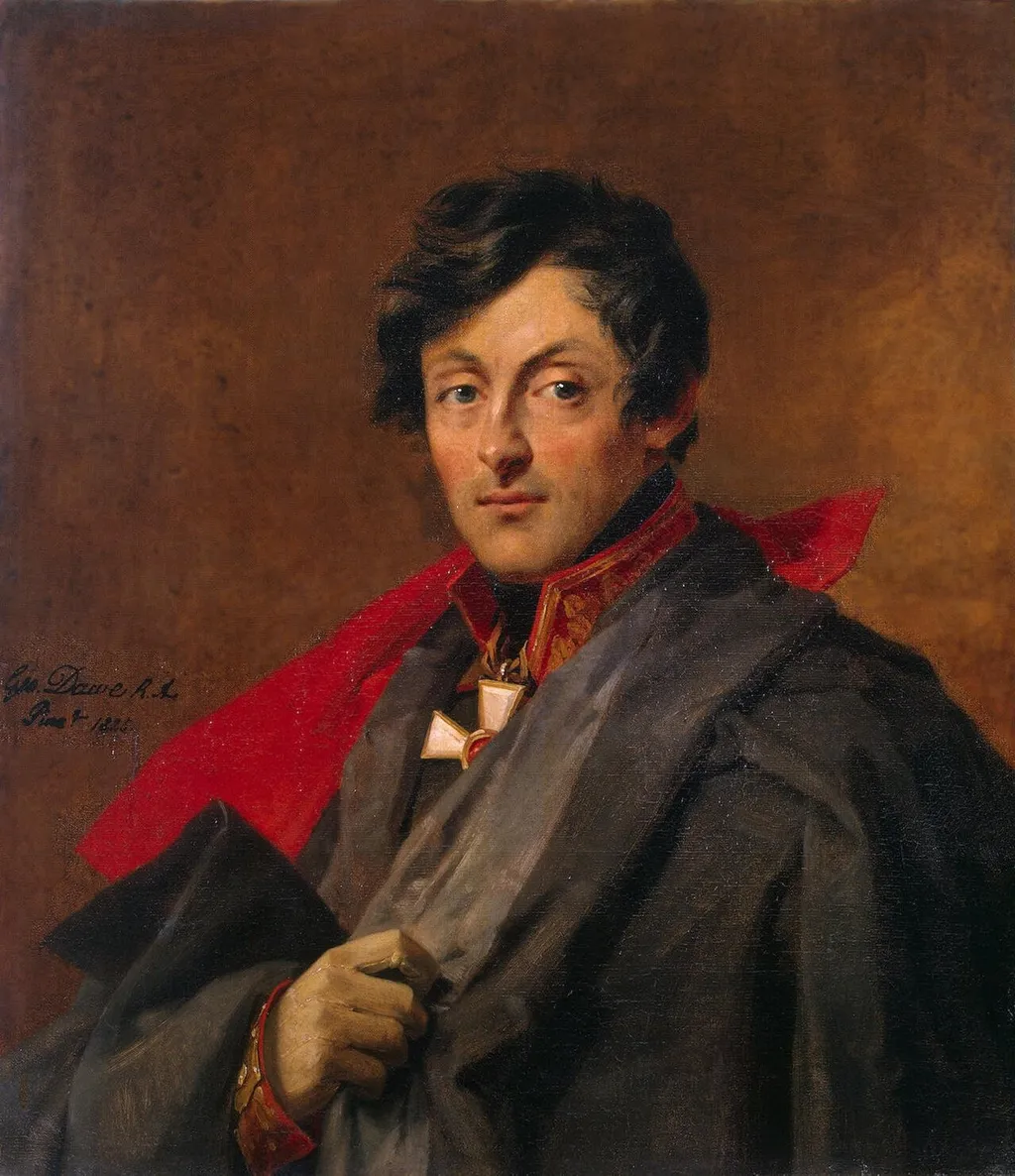
Count Alexander Osterman-Tolstoy is an oil painting by the British Romanticist artist George Dawe. It dates from 1825 and is held in the collection of the Hermitage Museum.
About this work
Overview
Count Alexander Osterman-Tolstoy is a portrait painted in oil by George Dawe in 1825, now housed in the State Hermitage Museum. The work captures the likeness of its namesake, a figure of significance, through a formal and detailed representation.
Subject & Meaning
The subject, Count Alexander Ivanovich Osterman-Tolstoy, is portrayed in attire indicative of his importance, including a medal and formal wear. His serious expression and the emphasis on his face and clothing underscore his stature.
Technique & Style
Dawe employs a straightforward, representational approach with oil paint, characteristic of his portraiture style. A plain brown background focuses attention on the subject, while the rendering of textures (e.g., the worn coat cuffs) adds depth.
History & Provenance
Commissioned during Dawe's productive period in Saint Petersburg, where he was acclaimed by the Russian artistic elite (including Pushkin), the painting is part of a broader body of work that includes numerous portraits of Russian military leaders for the Winter Palace.
Context
Created amidst Dawe's association with the Russian nobility and military, the portrait reflects the artistic patronage and cultural exchange of early 19th-century Saint Petersburg, where British artists like Dawe found prominence.
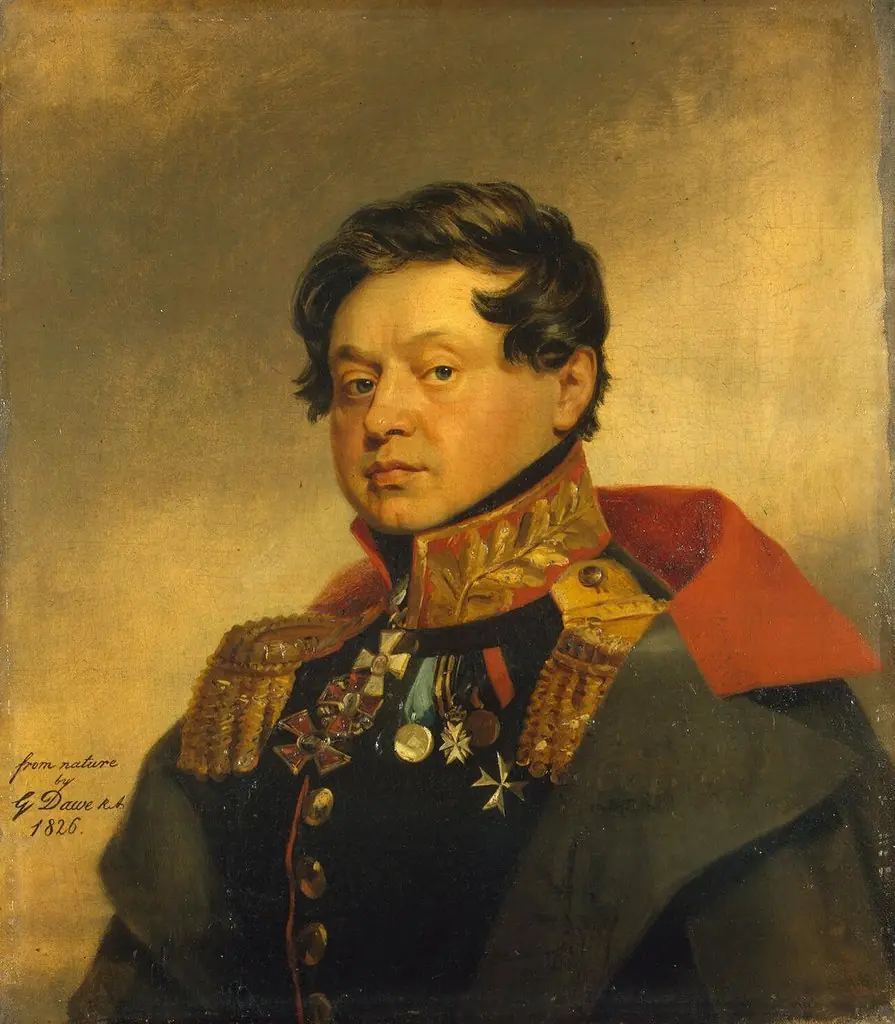
Artist & collection
Artist
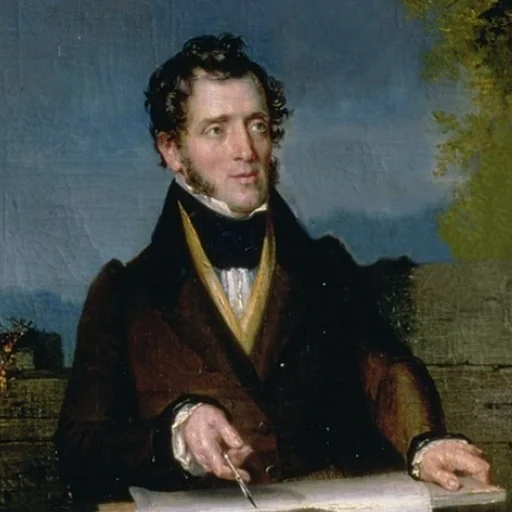
George Dawe (6 February 1781 – 15 October 1829) was an English portraitist who painted 329 portraits of Russian generals active during Napoleon's invasion of Russia for the Military Gallery of the Winter Palace.

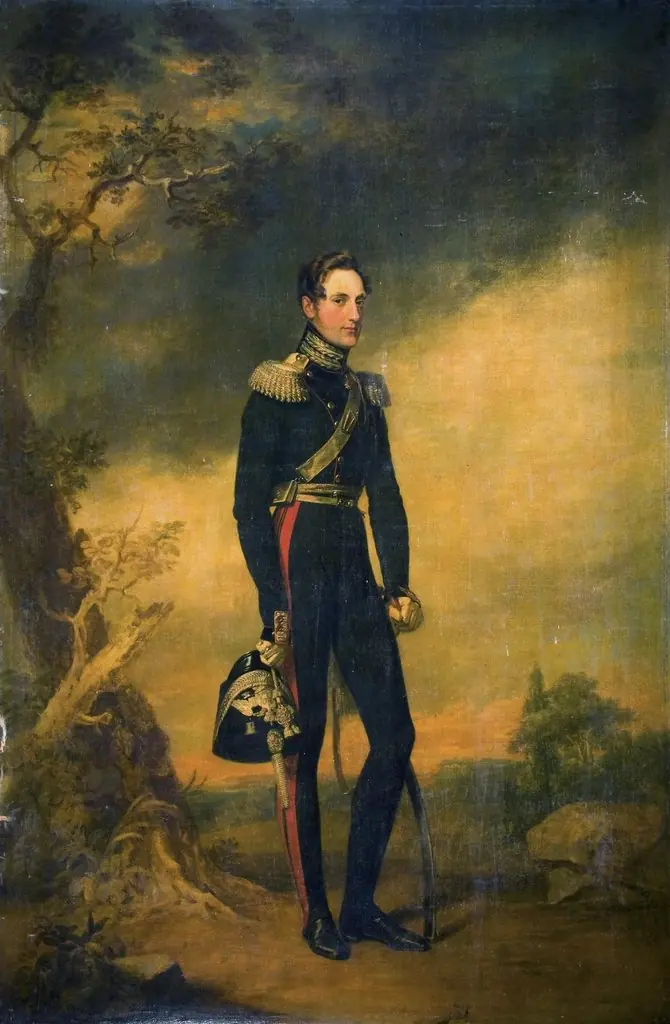 Portrait of Grand Duke Nikolai Pavlovich
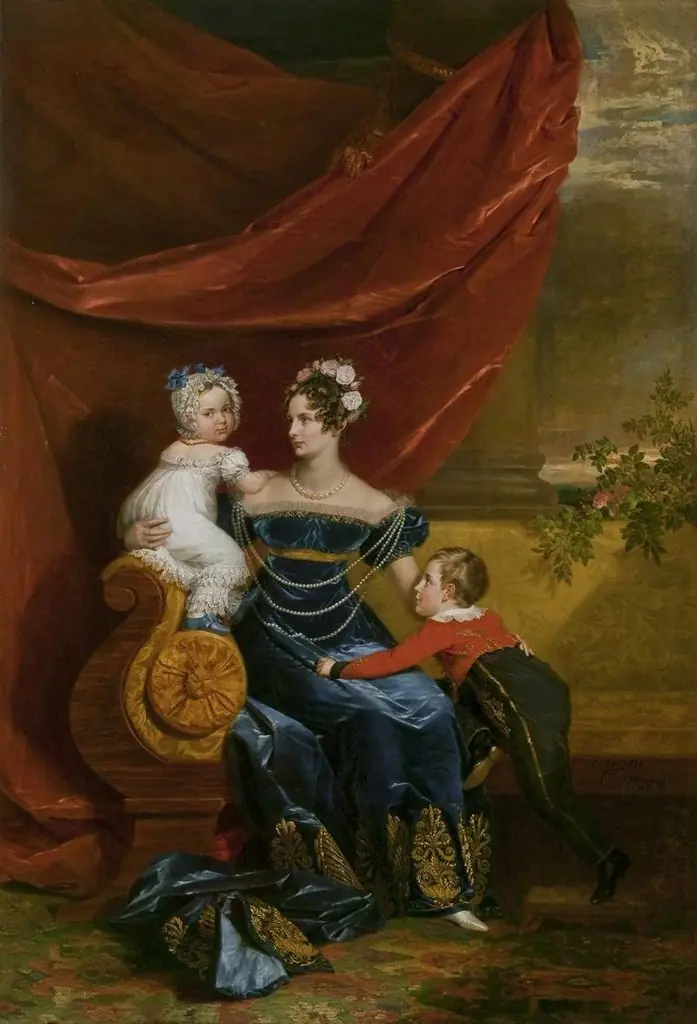 Portrait of Grand Duchess Alexandra Fiodorovna with Children
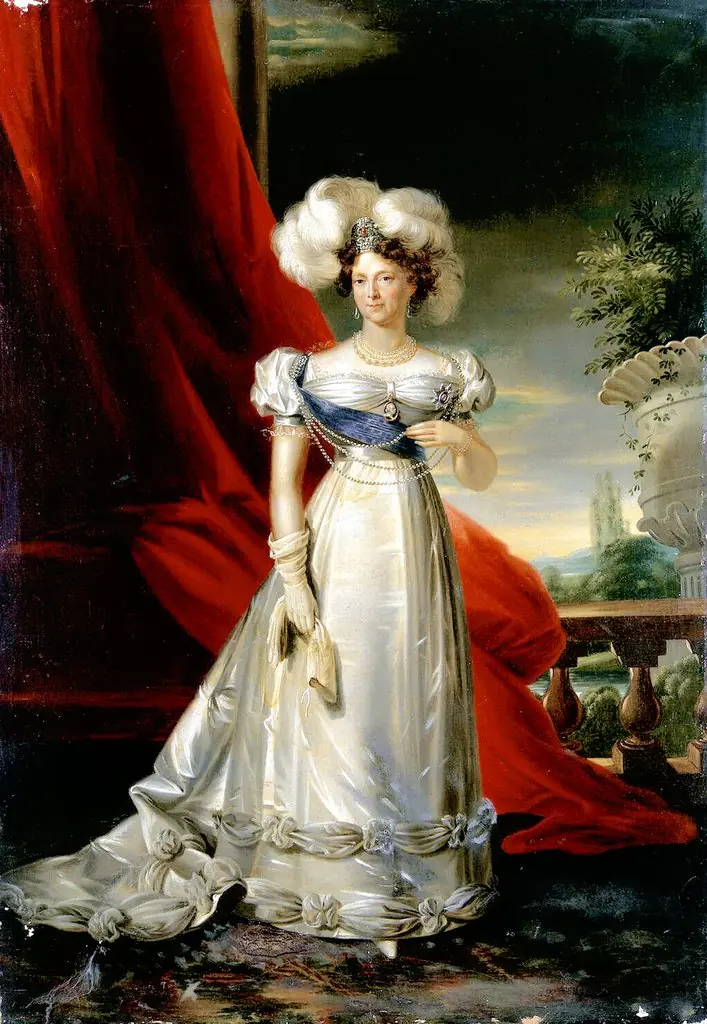 Portrait of the Empress Dowager Maria Feodorovna
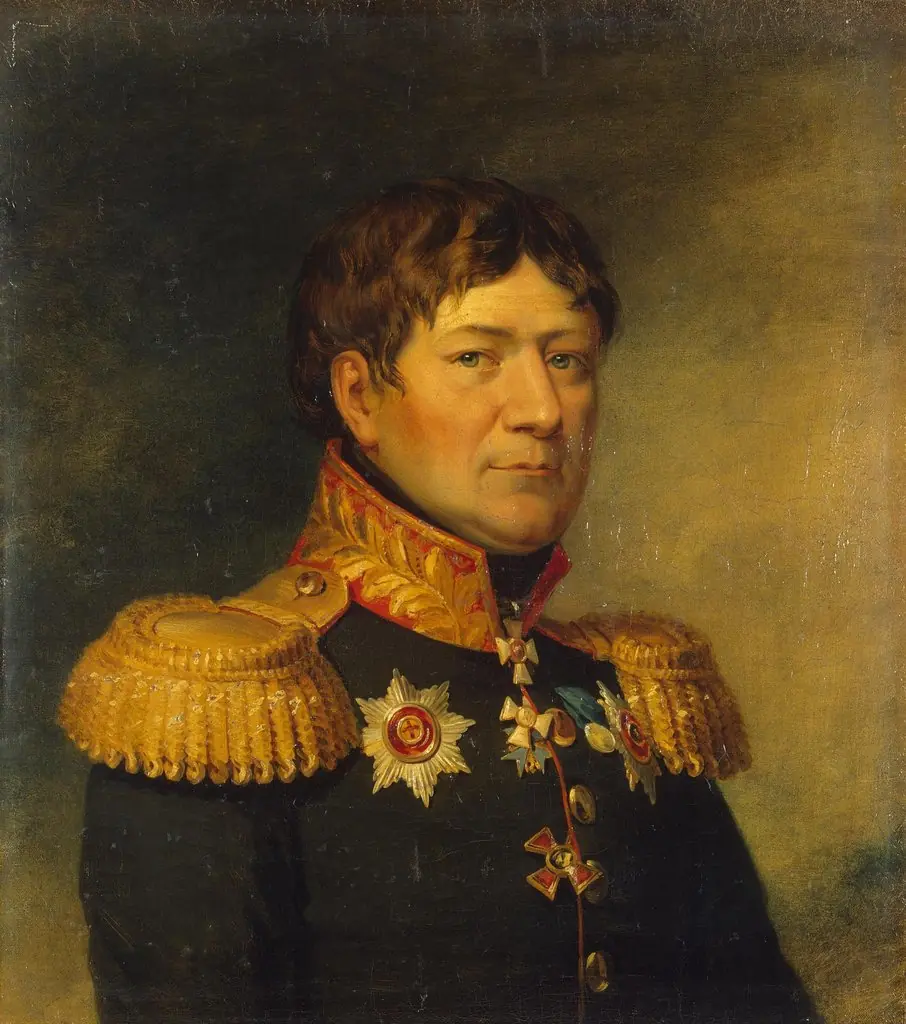 Portrait of Yegor M. Pillar (1767-1830)
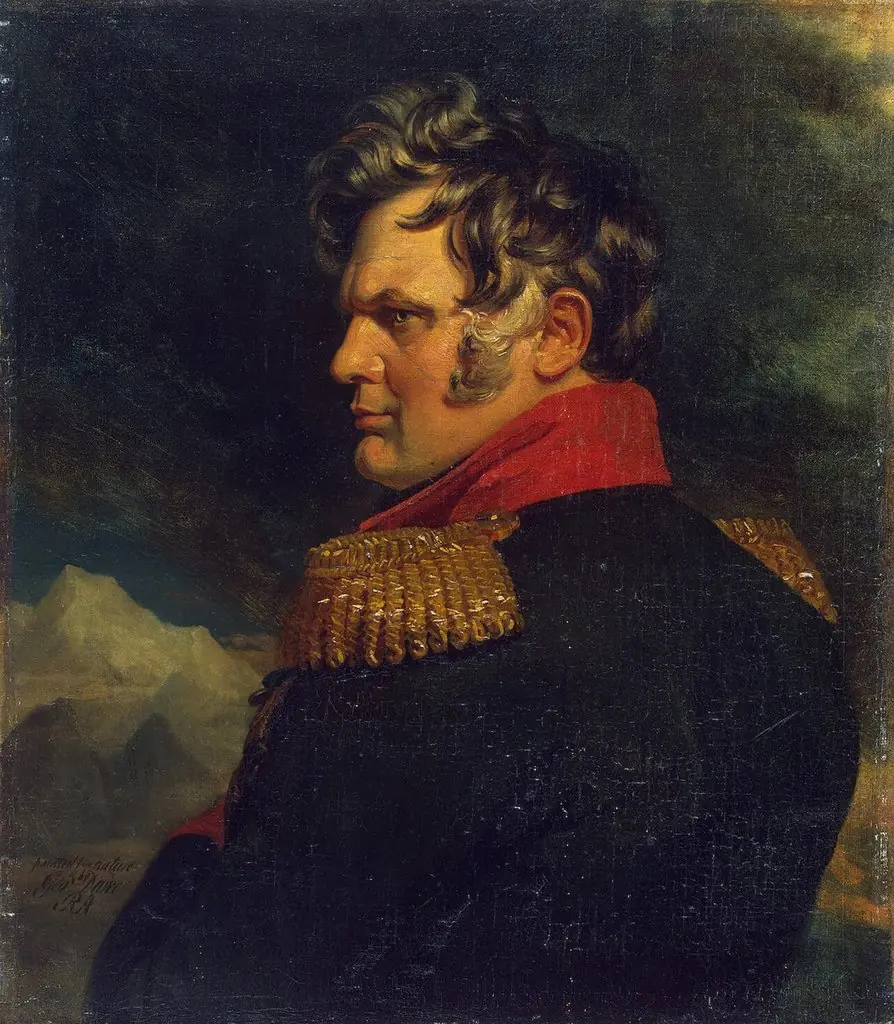 Portrait of Alexei P. Yermolov (1772/77-1861)
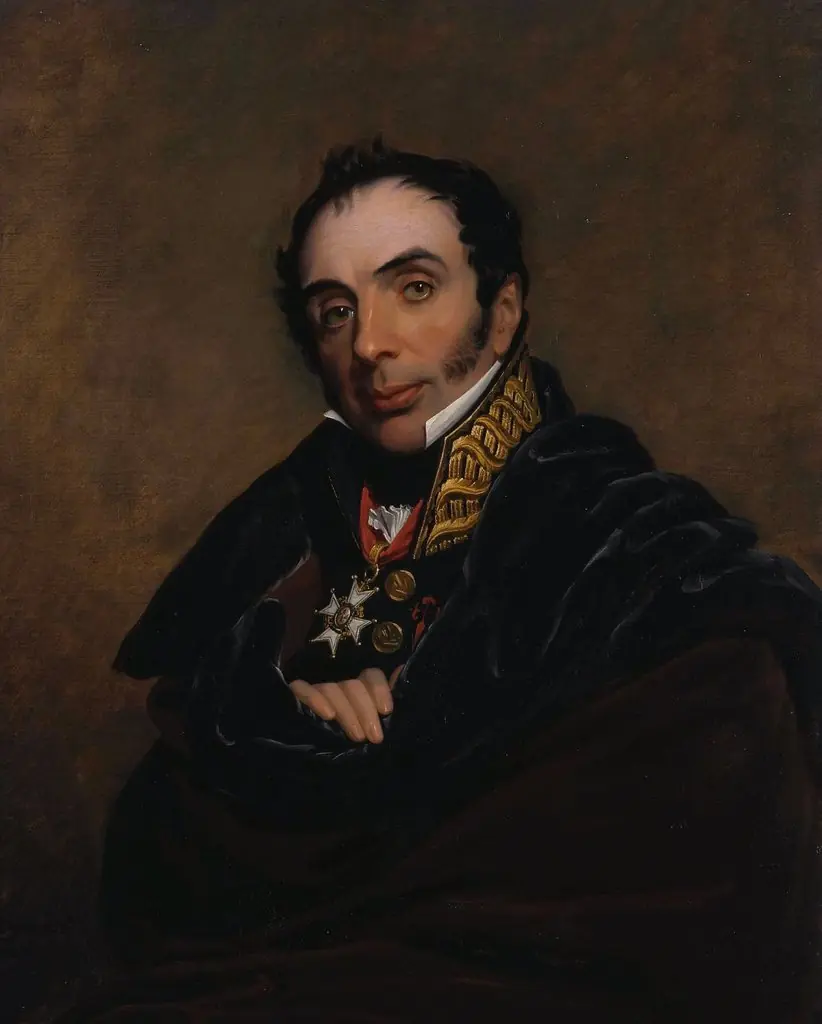 Portrait of Miguel Ricardo de Alava
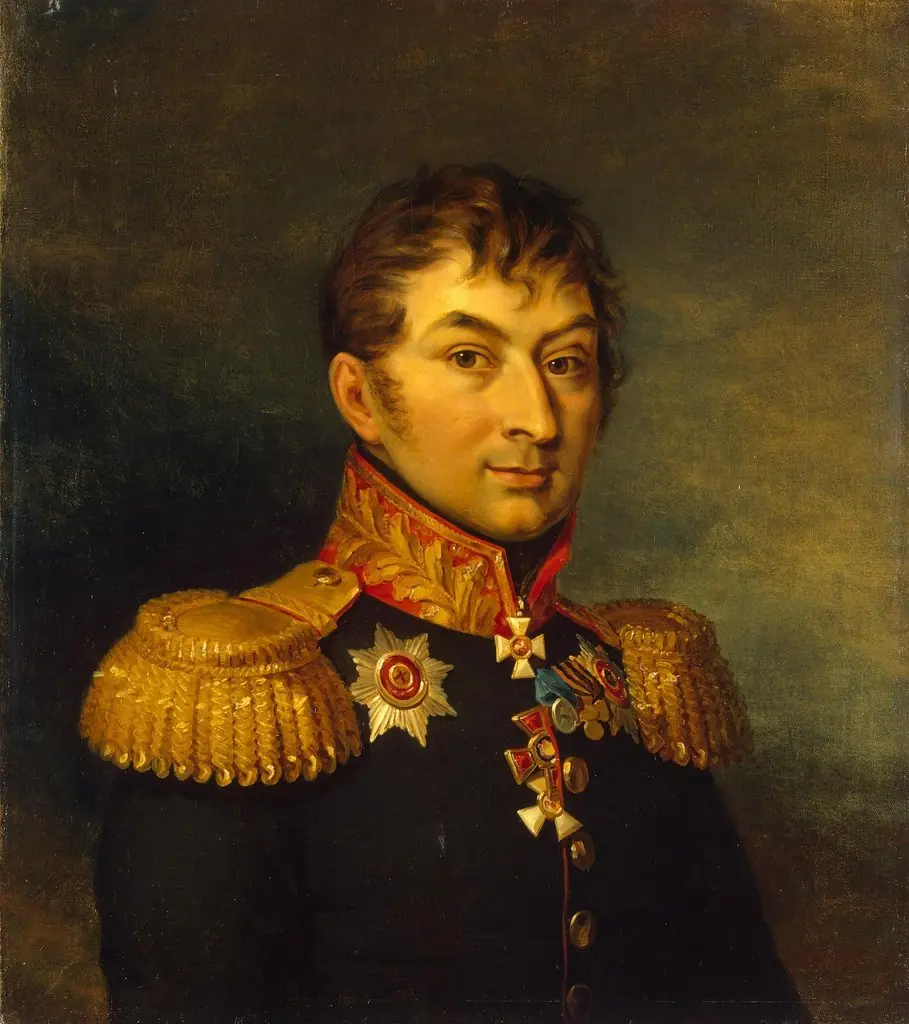 Portrait of Ivan D. Panchulidzev (1759-1815) (1st)
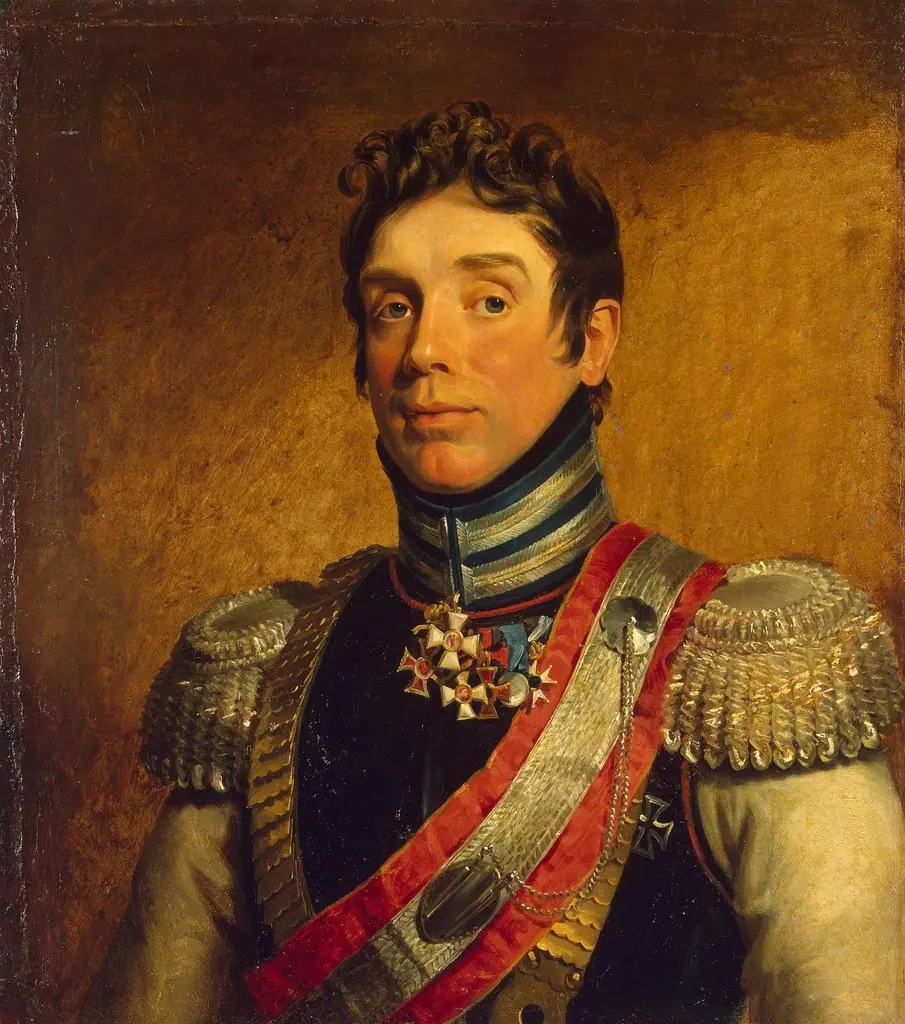 Portrait of Karl V. Budberg (1774-1829)
- Portrait of Fyodor I. Masolov (17671-1844)
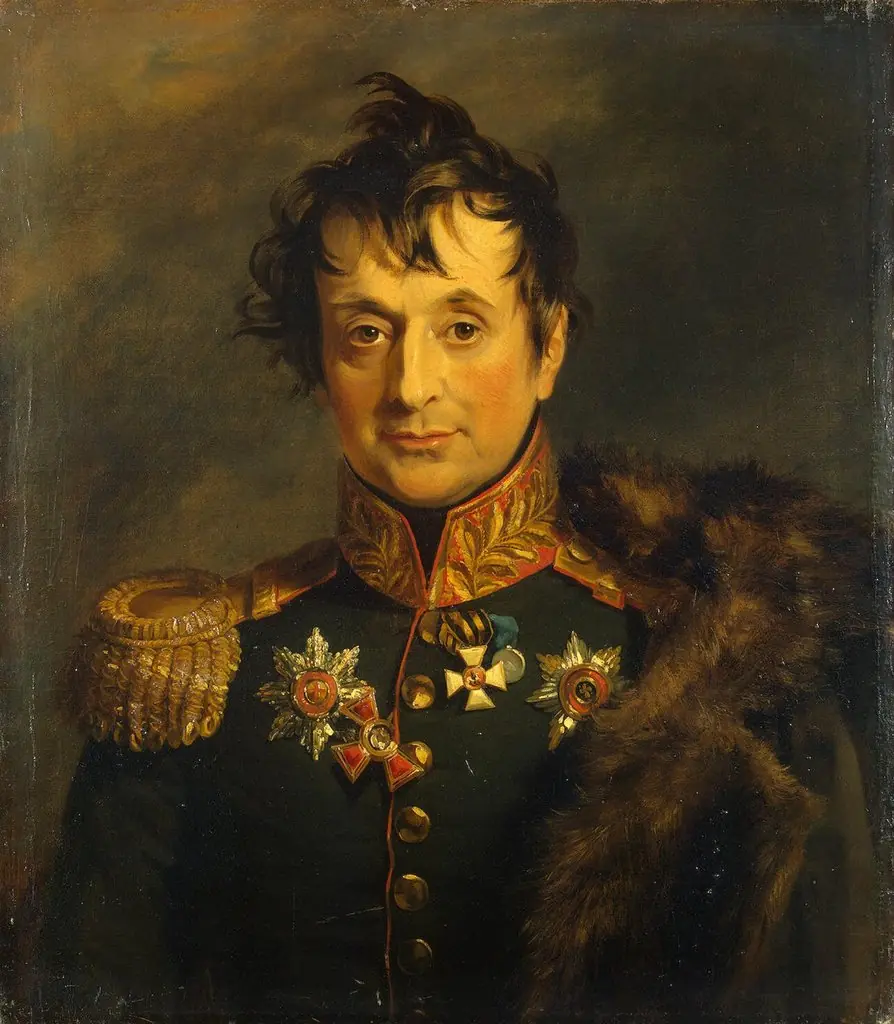 Portrait of Alexander Ya. Knyazhnin (1771-1829) (1st)
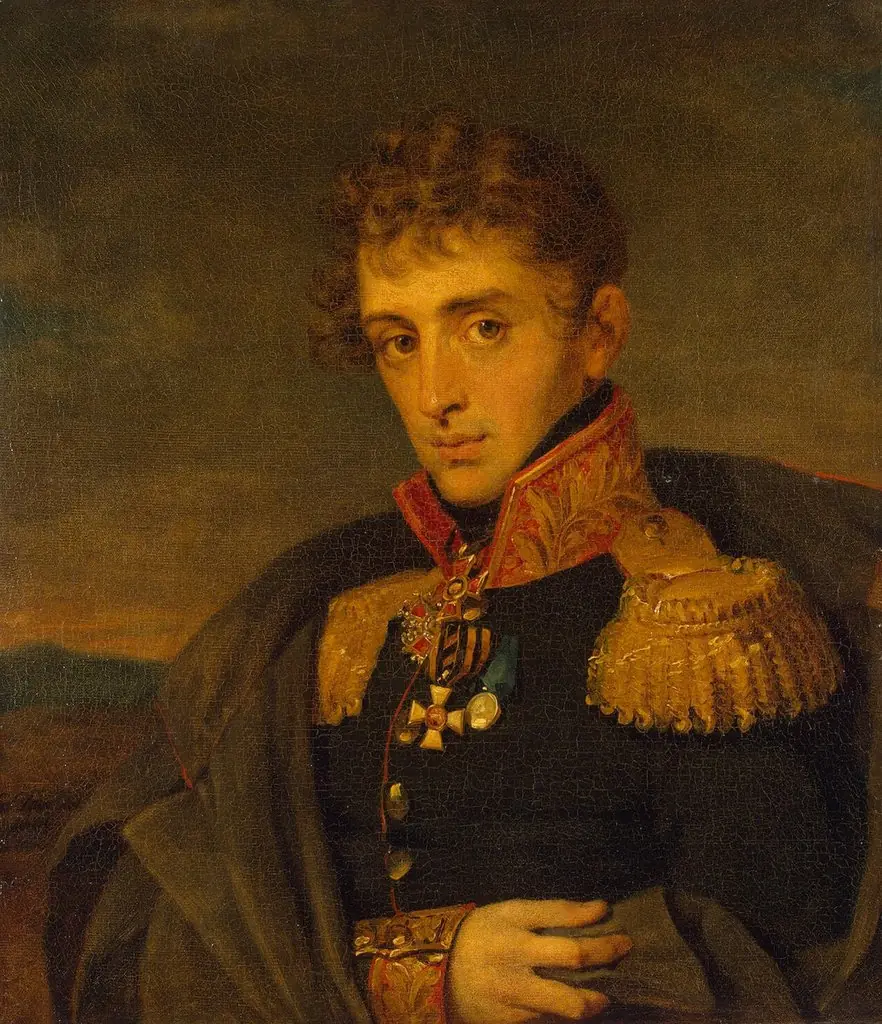 Portrait of Alexander A. Tuchkov (1777/78-1812) (4th)
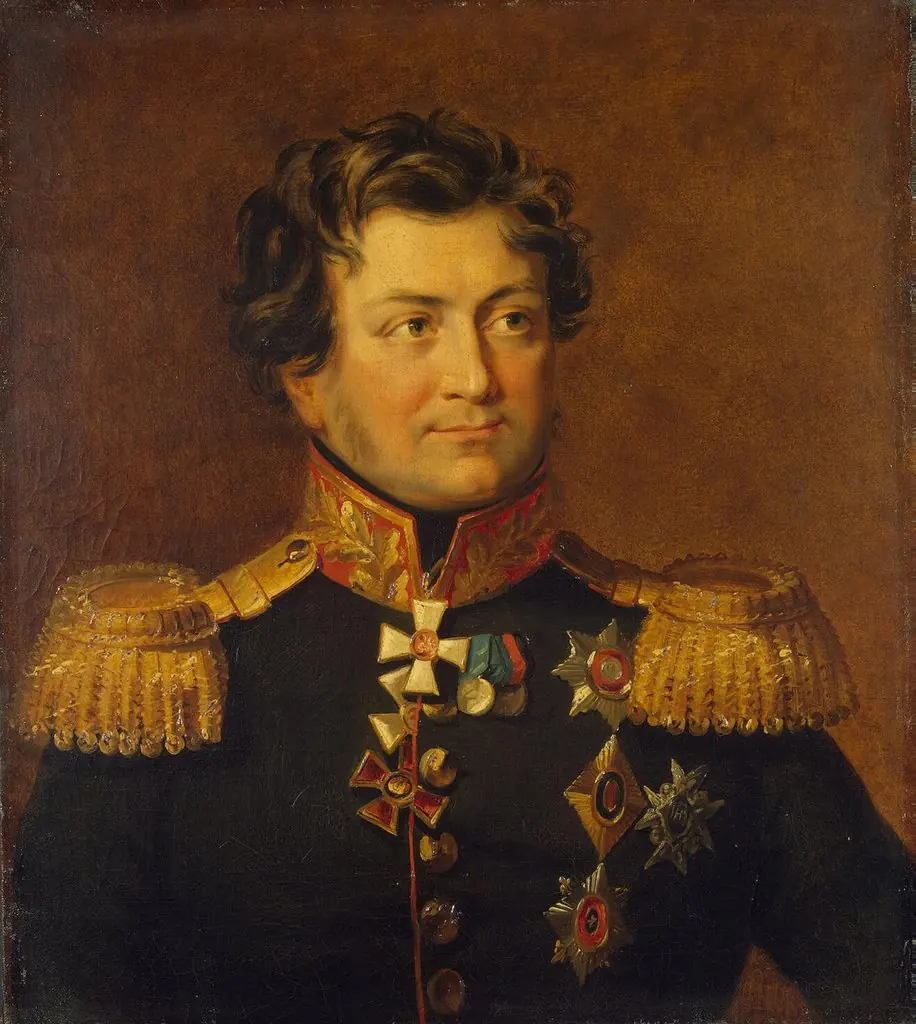 Portrait of Alexander Ya. Rudzevich (1775-1829)
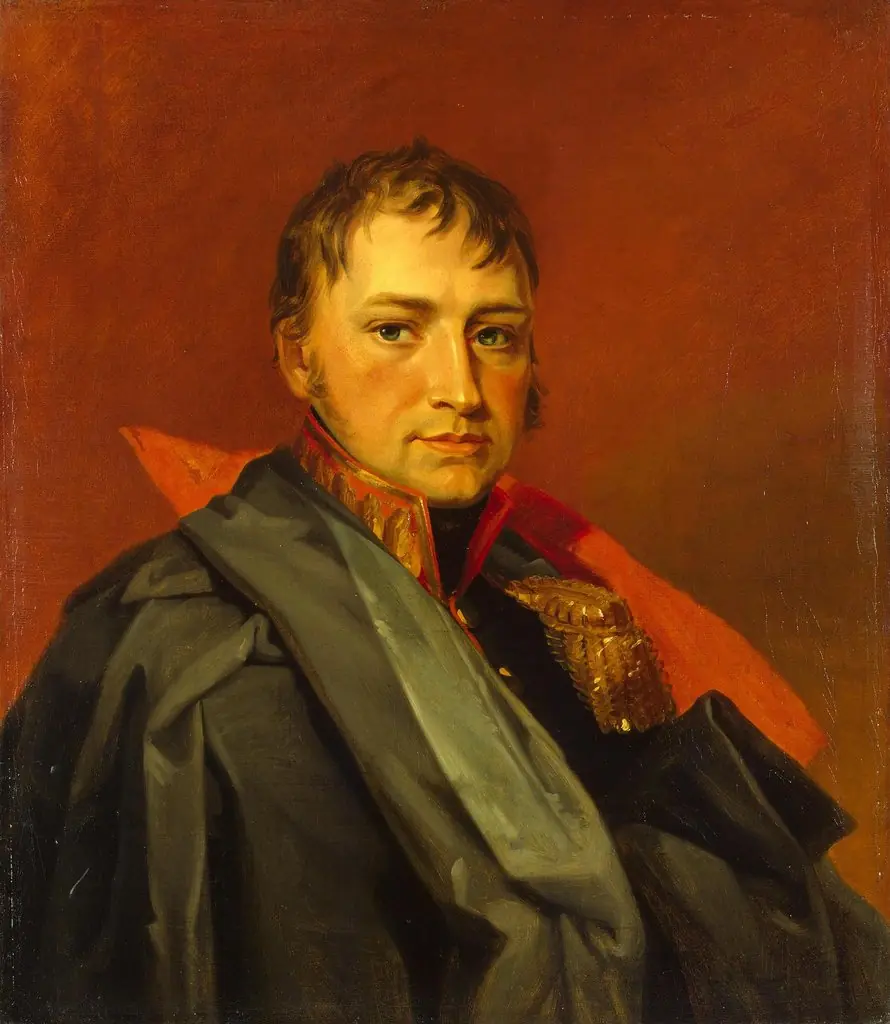 Portrait of Otto I. Buchholtz (1770- after 1820)
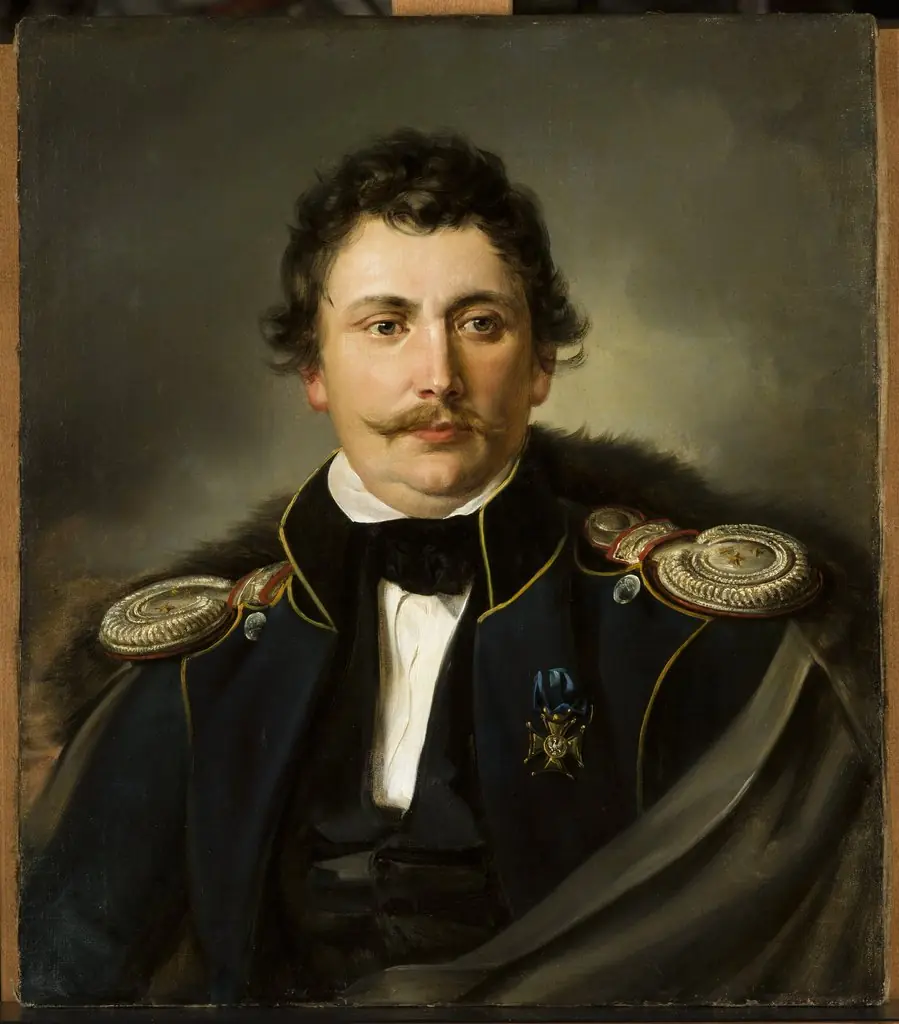 Portrait of Józef Patelski
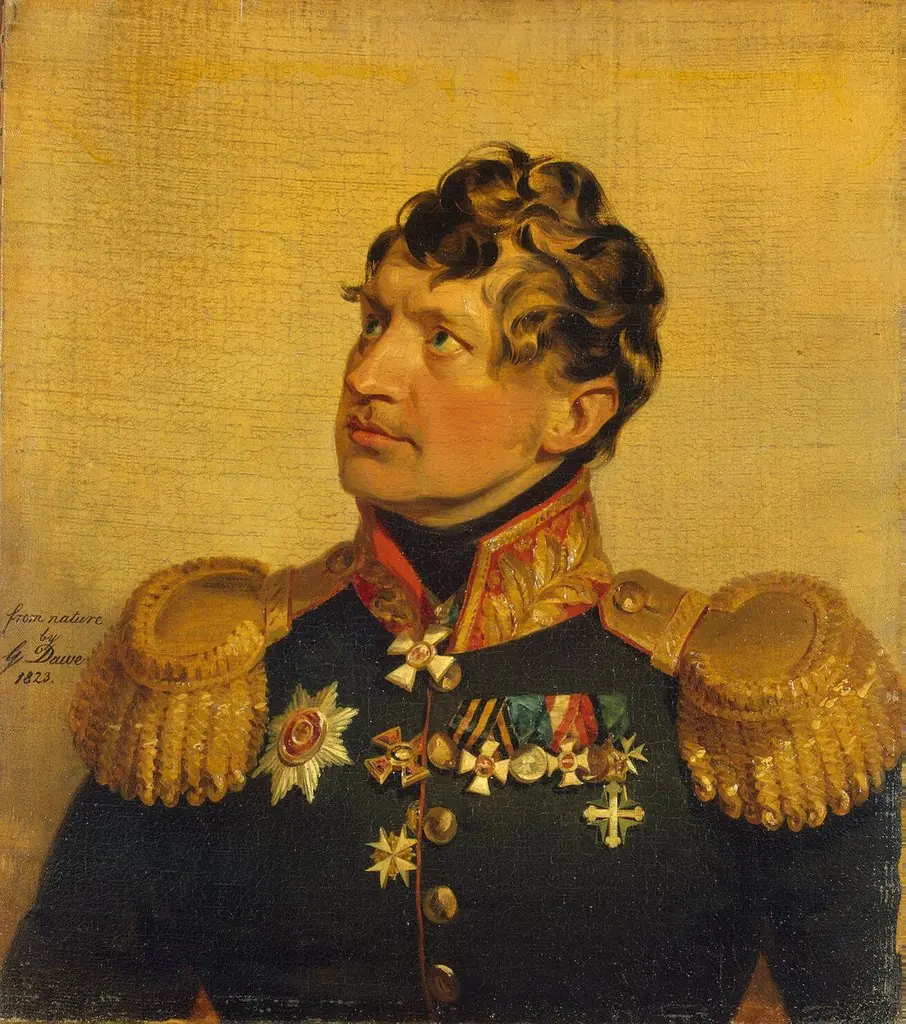 Portrait of Alexander V. Rosen (1779-1832) (2nd)
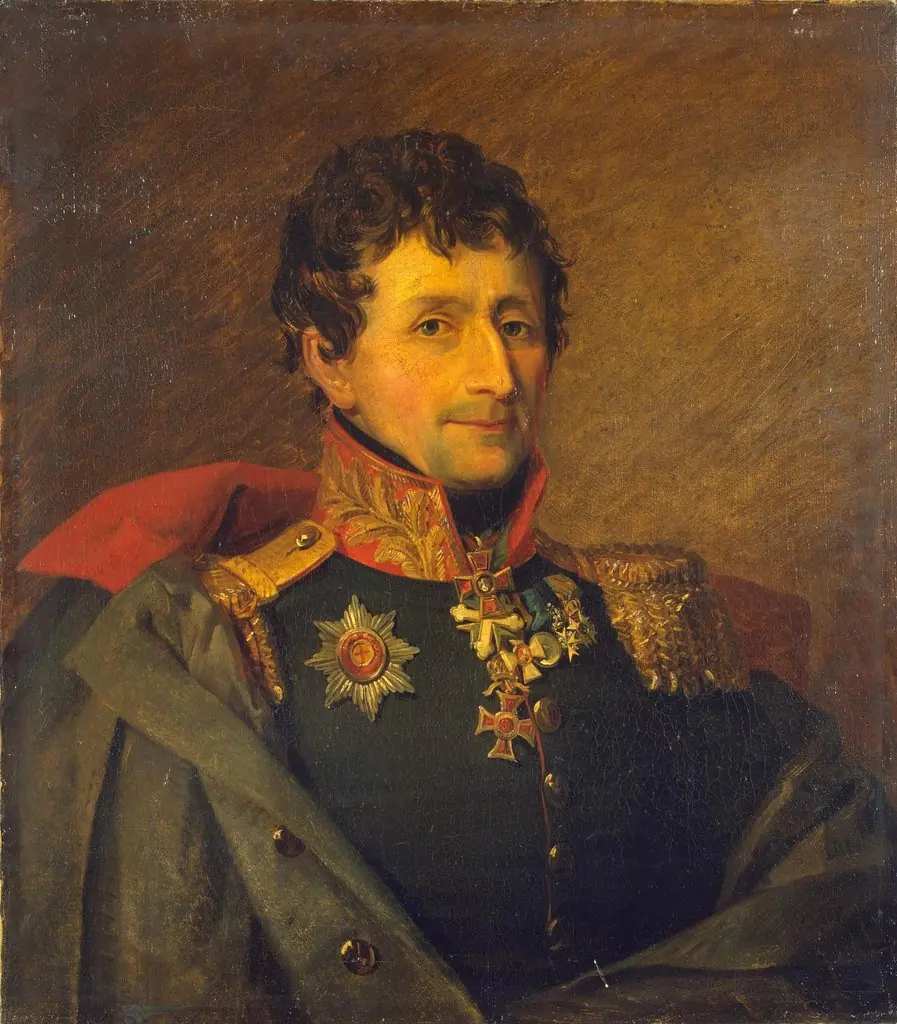 Portrait of Iosif N. (Gabriel) Gallatte (1760 - after 1849)
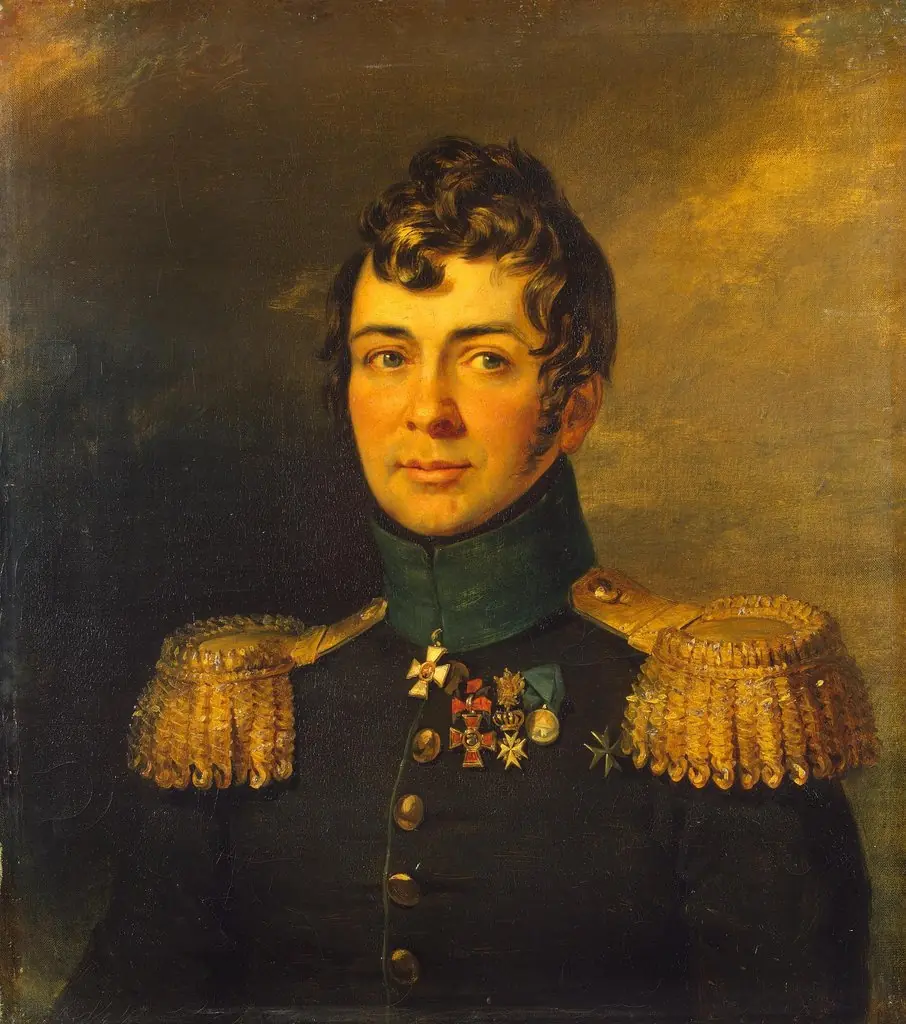 Portrait of Sergey N. Ushakov (1776-1814) (2nd)
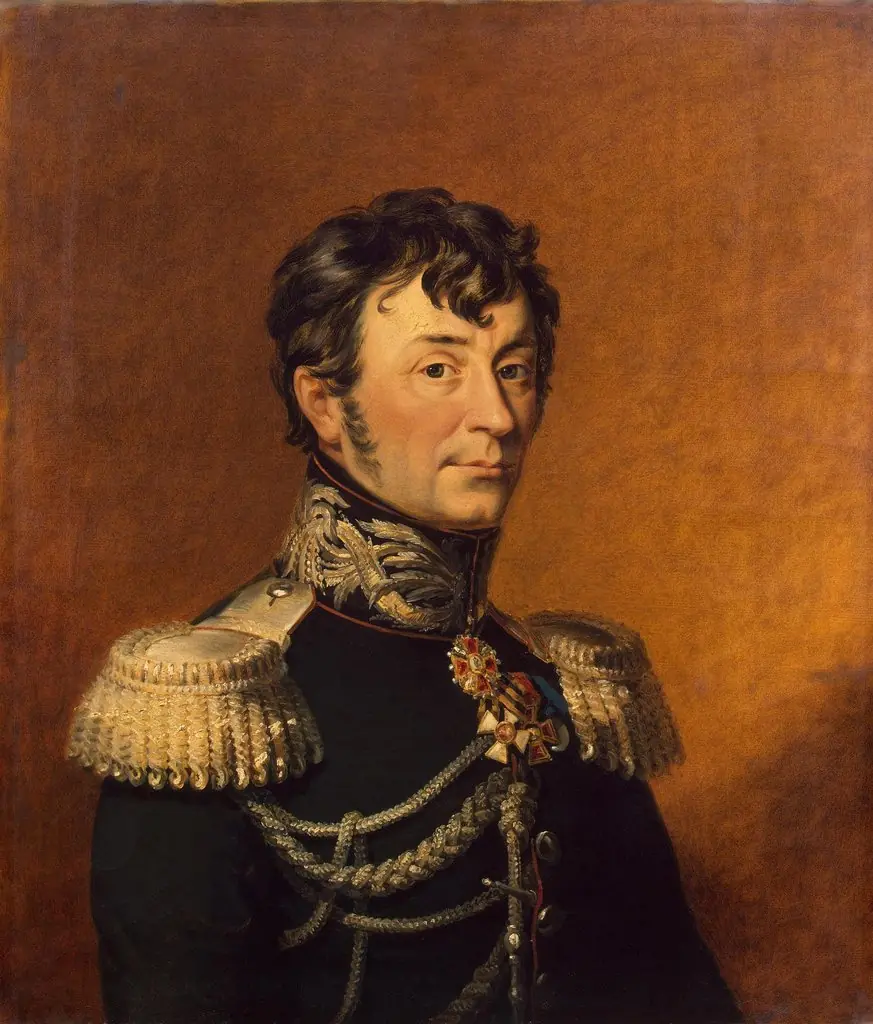 Portrait of Karl Klodt von Jurgensburg (1765-1822)
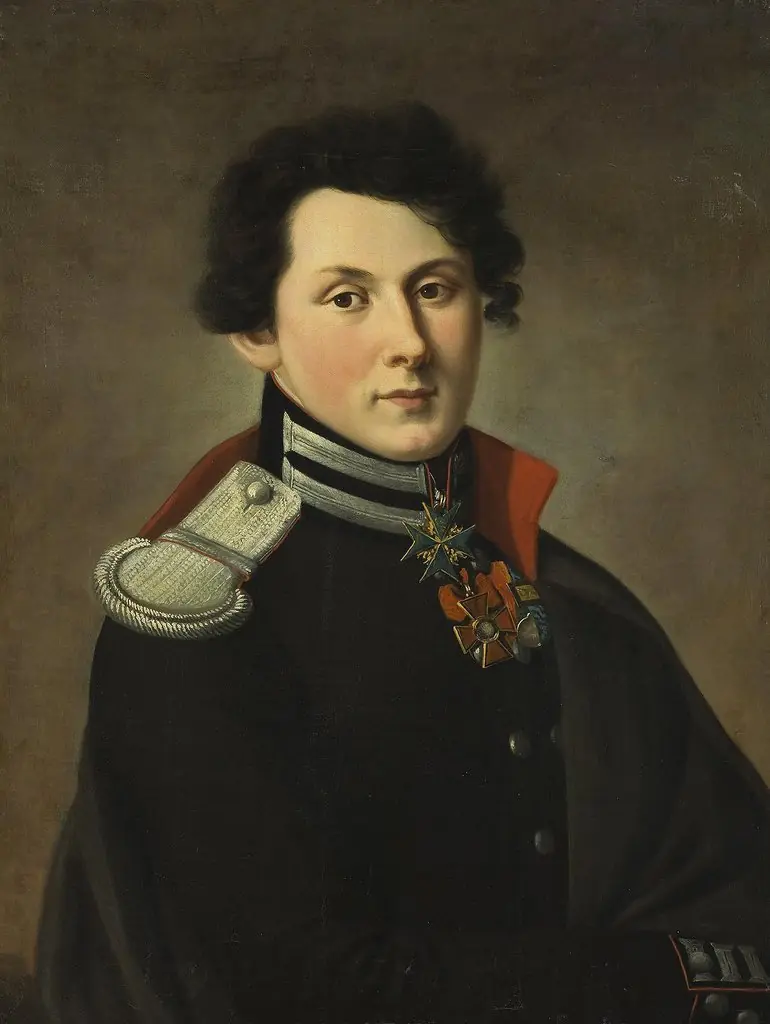 Portrait of Lieutenant V.A. Bibikov of the Corps of Engineers
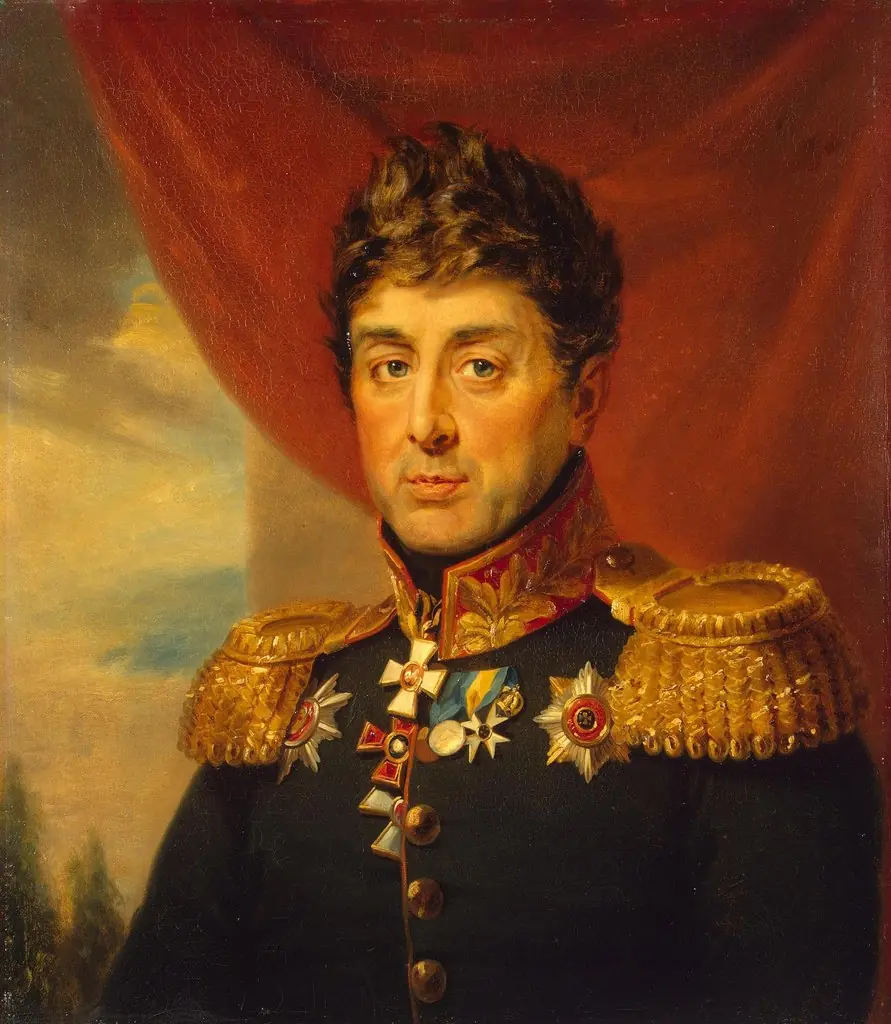 Portrait of Yevstafy Ye. Udom (1760-1836) (2nd)