Artwork
Union Refugees
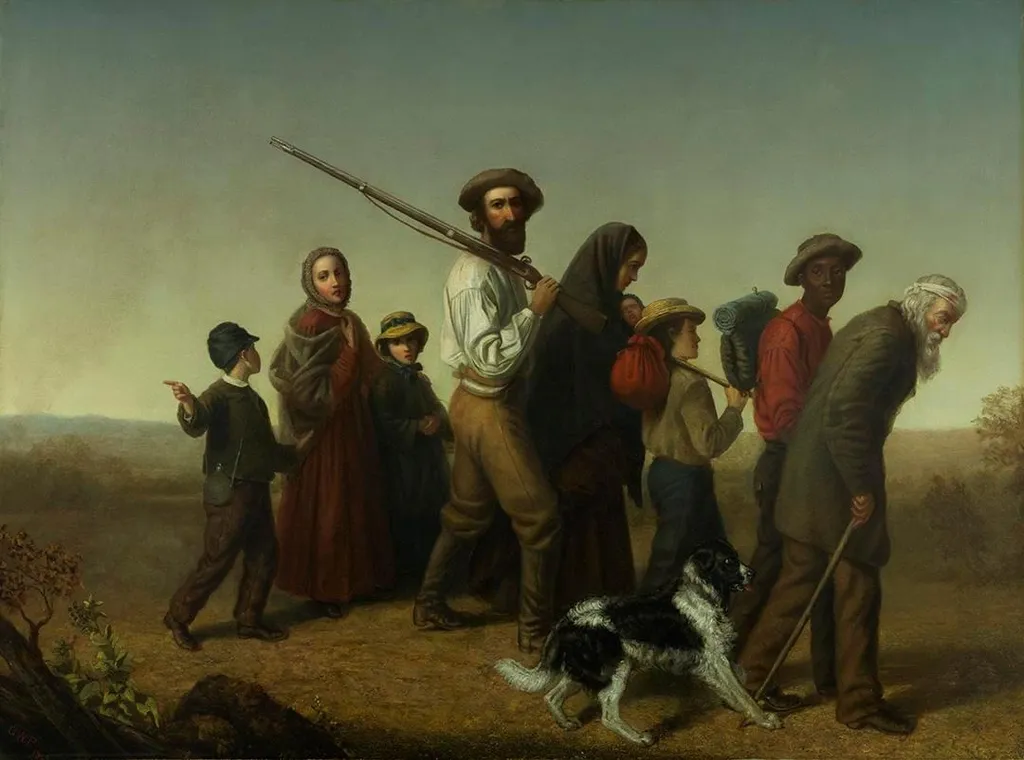
Union Refugees is an oil painting by the Social Realist artist George W. Pettit. It dates from 1865 and is held in the collection of the Crystal Bridges Museum of American Art.
About this work
The artist has captured a sense of movement and energy in the scene, conveying the idea that these people are on a journey.
This painting depicts a group of people walking in a line, carrying various items. The group consists of men, women, and children, all dressed in clothing typical of the mid-19th century. They are walking on a dirt path, with some carrying bags, baskets, or other items. The background is a hazy, open landscape with trees and hills in the distance.
One interesting detail is the variety of expressions on the faces of the people in the group. Some appear tired or worried, while others seem more determined or hopeful. The artist has captured a sense of movement and energy in the scene, conveying the idea that these people are on a journey.
The Crystal Bridges Museum of American Art is a great place to learn more about this painting and its artist, George W. Pettit.
Overview
Union Refugees, painted in oil by George W. Pettit in 1865, is part of the collection at the Crystal Bridges Museum of American Art. The work presents a procession of figures moving along a dusty road, set against a softly rendered horizon of trees and low hills. The composition captures a moment of collective motion, suggesting a shared purpose among the travelers.
Subject & Meaning
The canvas portrays men, women, and children dressed in mid‑nineteenth‑century attire, each bearing personal belongings such as bags and baskets. Their varied facial expressions, ranging from fatigue to resolve, convey a mixture of anxiety and hope, hinting at a forced migration or displacement. The painting thus evokes the human experience of seeking refuge during a turbulent period.
Technique & Style
Pettit employs a muted palette of earth tones, allowing the figures to emerge from the hazy background without stark contrast. Loose brushwork suggests movement, while careful modeling of faces provides individual character. The atmospheric perspective, achieved through softened outlines and tonal gradation, creates depth and a sense of distance beyond the immediate road.
History & Provenance
Created shortly after the American Civil War, Union Refugees reflects contemporary concerns about displaced populations. The painting entered the Crystal Bridges Museum of American Art’s holdings through acquisition in the early twenty‑first century, where it now contributes to the museum’s narrative of post‑war American art.
Context
The work aligns with a broader mid‑nineteenth‑century American genre tradition that documented everyday life and social upheaval. By focusing on ordinary people rather than heroic figures, Pettit joins artists who used realistic scenes to comment on the consequences of war and migration, offering a visual record of the era’s social landscape.
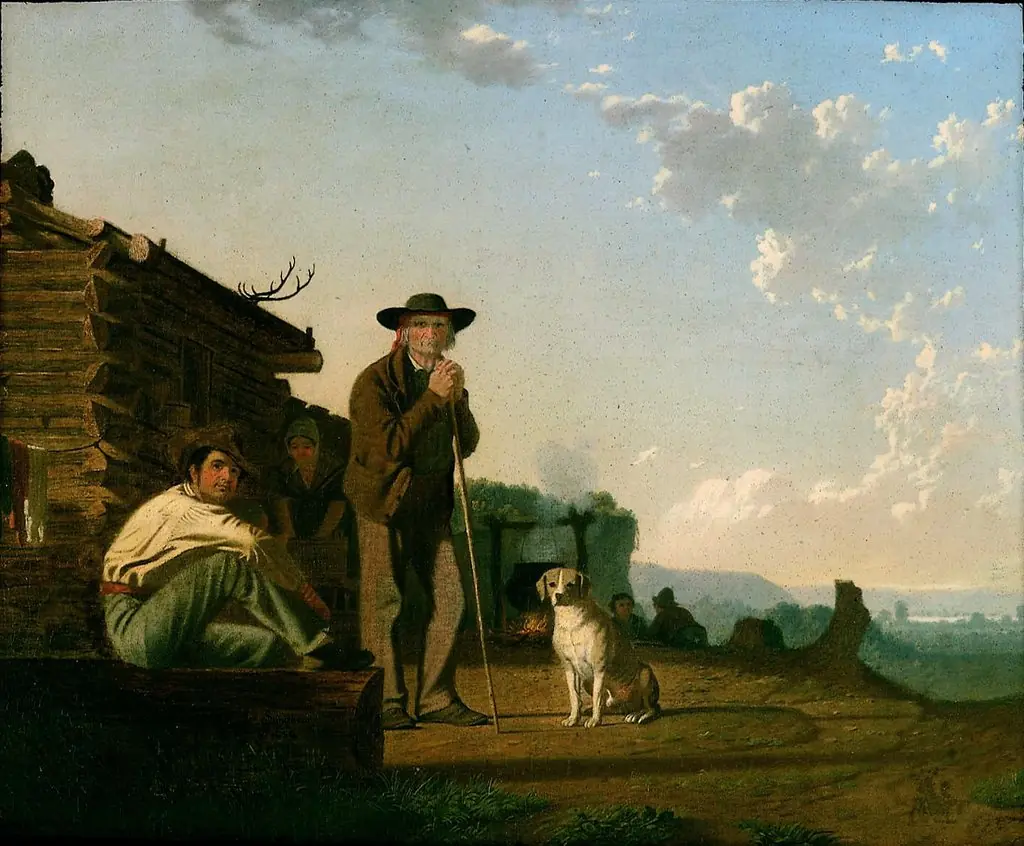
Artist & collection

Museum
Crystal Bridges Museum of American Art
Continue through works from the same source collection.
- The Squatters
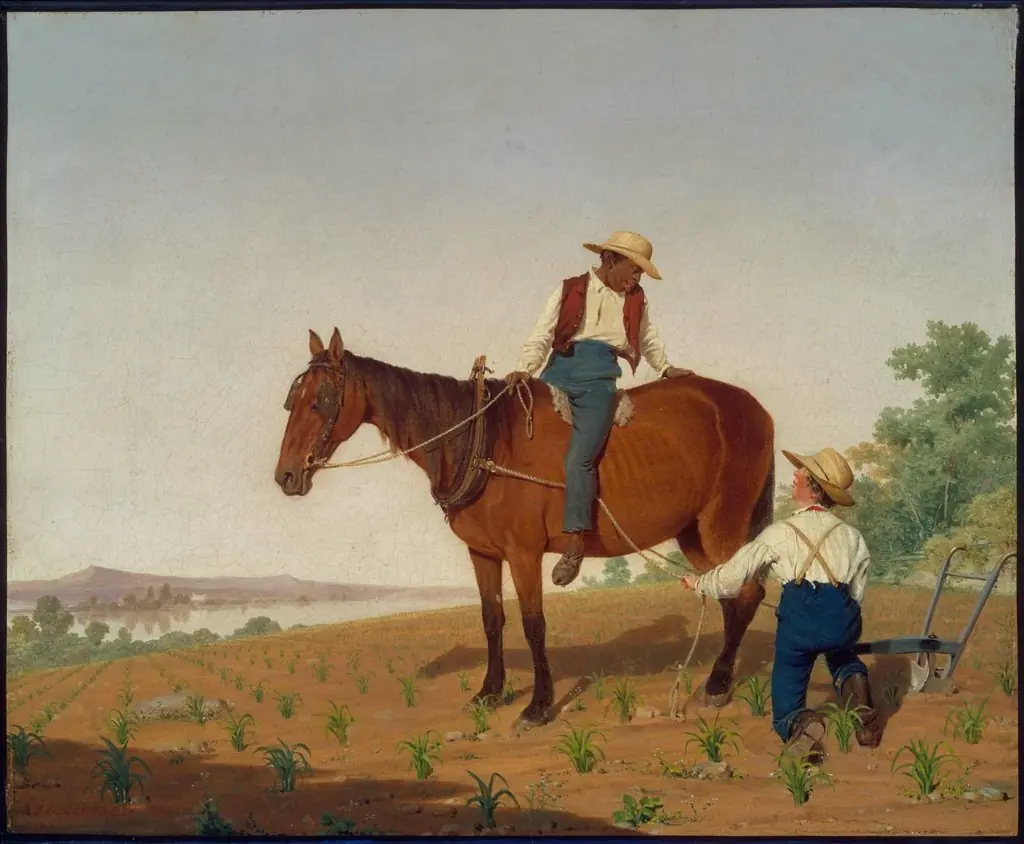 In the Cornfield
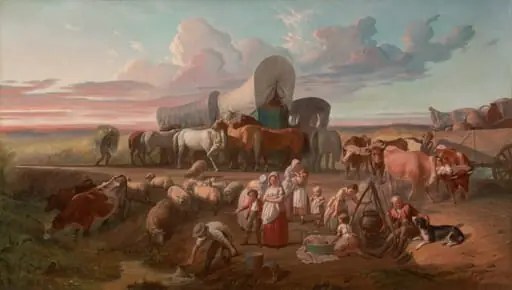 An Evening Halt - Emigrants Moving to the West in 1840
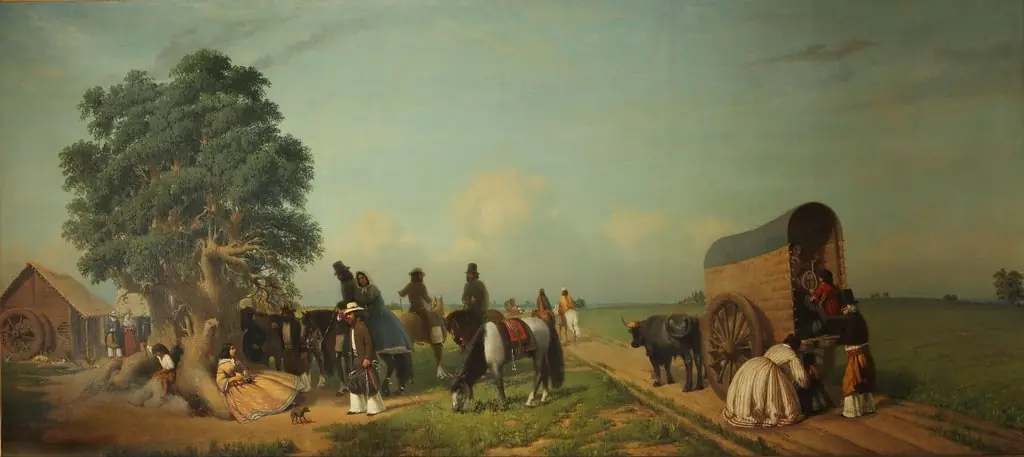 Un alto en el campo
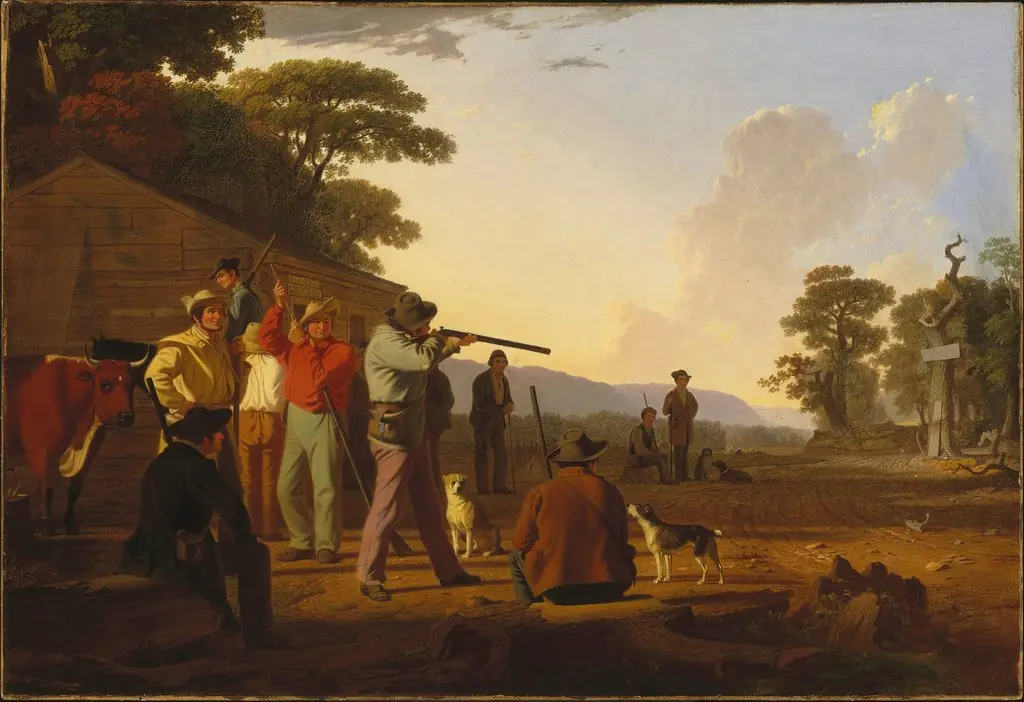 Shooting for the Beef
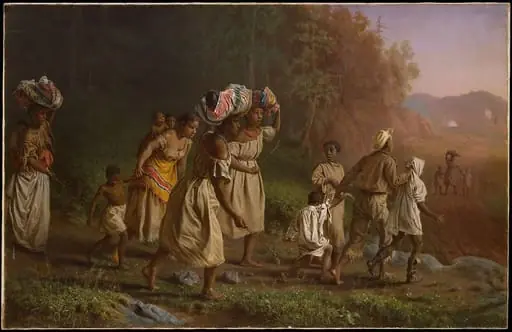 On to Liberty
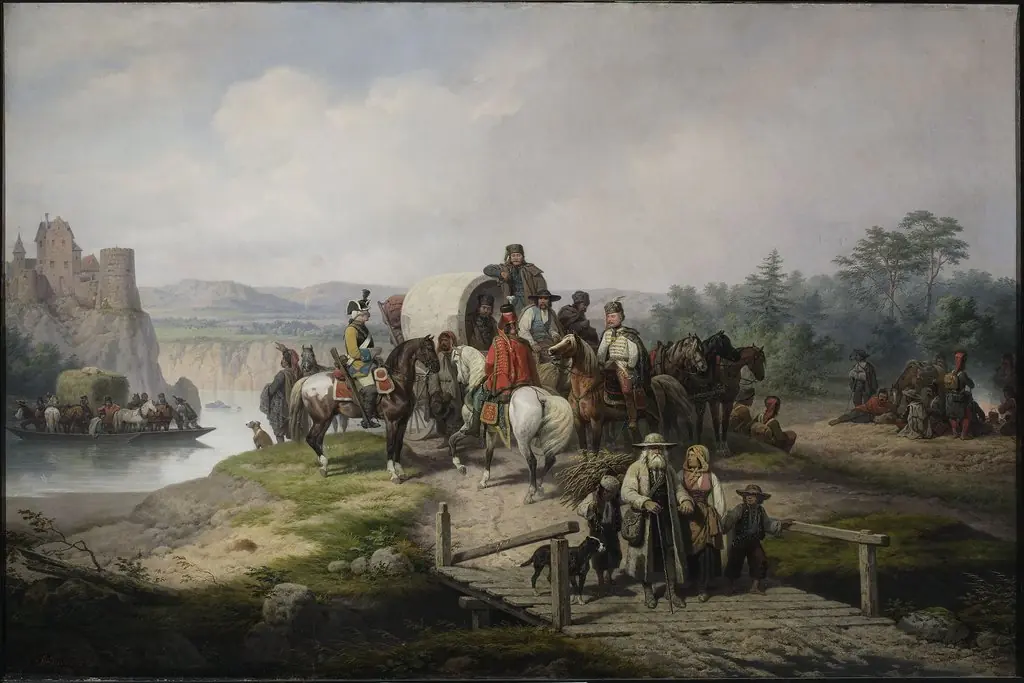 Carts at the riverside
 Sioux Indians Breaking Up Camp
 Hunters Resting
 Vintage in Italy
 Harvest on the Roman Campagna
 A Fisherman's Family at the Beach, the Mother and One of the Children Sitting in a Cart