Artwork
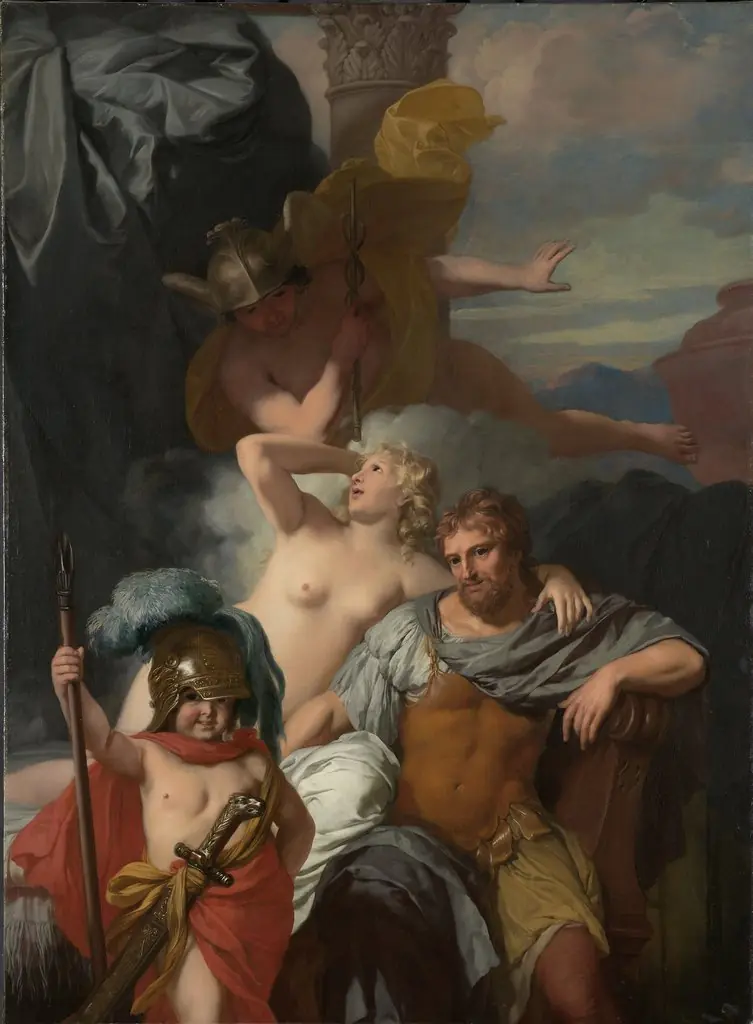
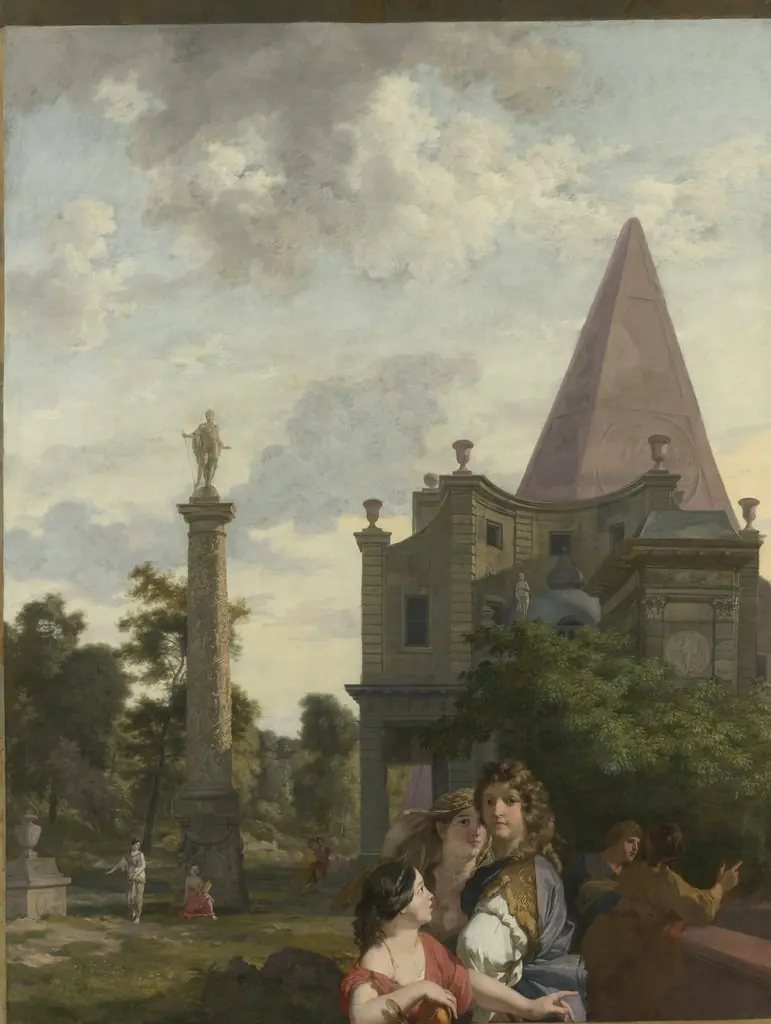
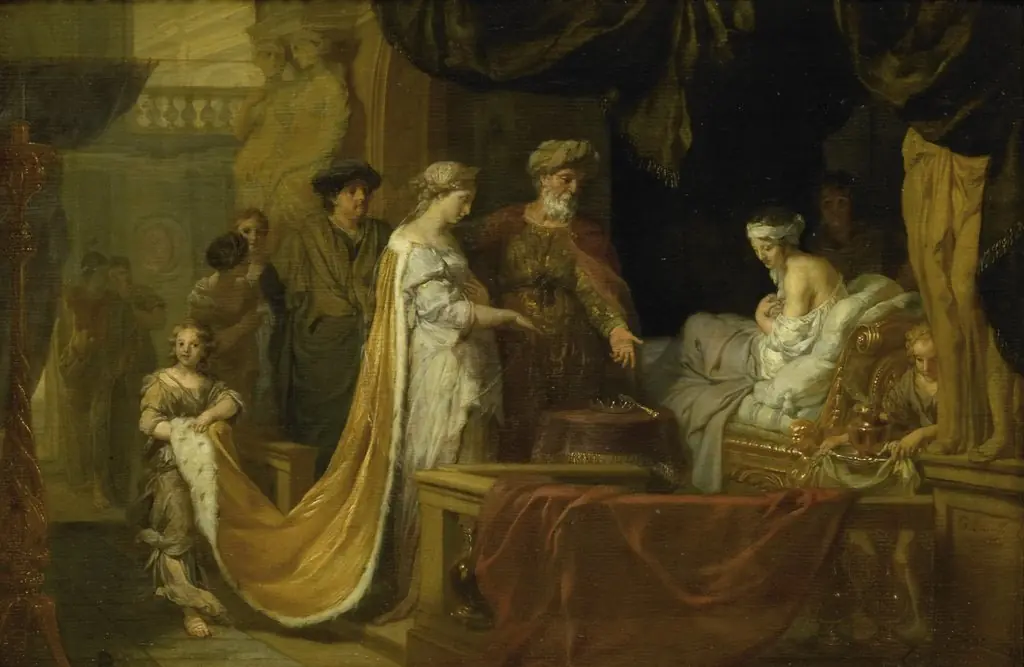
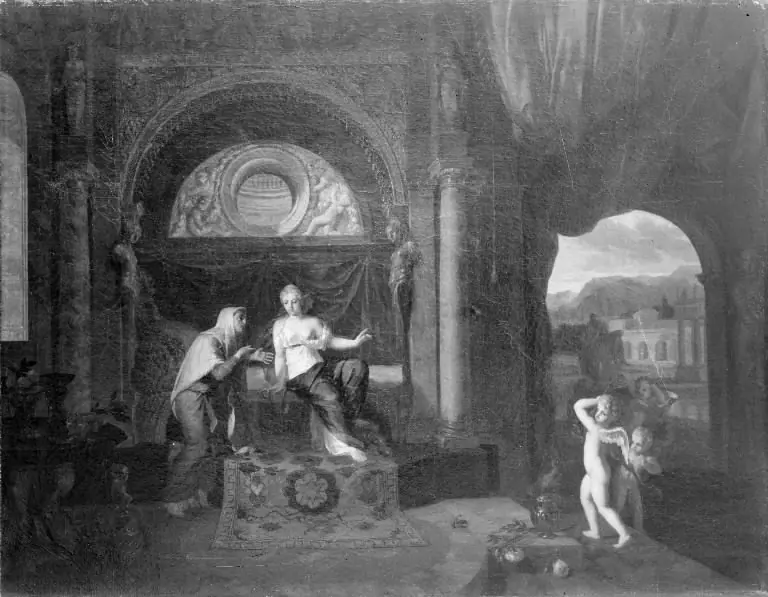
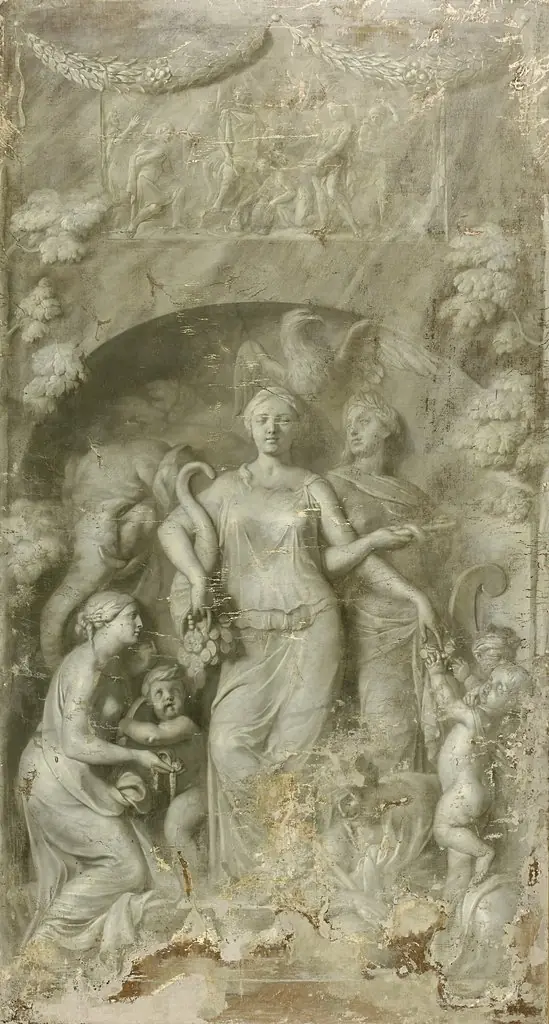
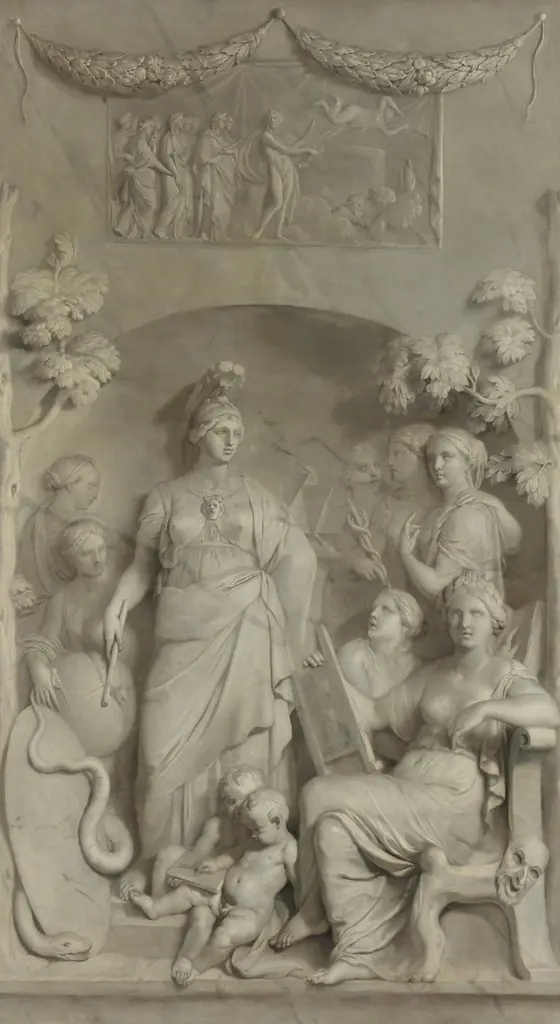
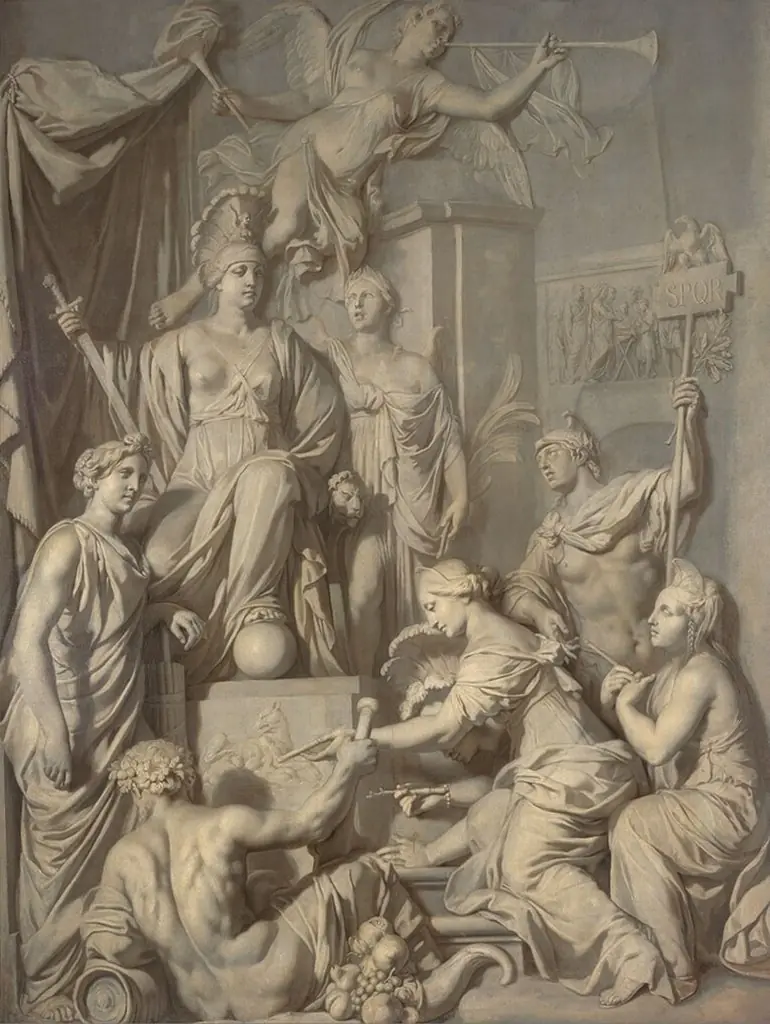
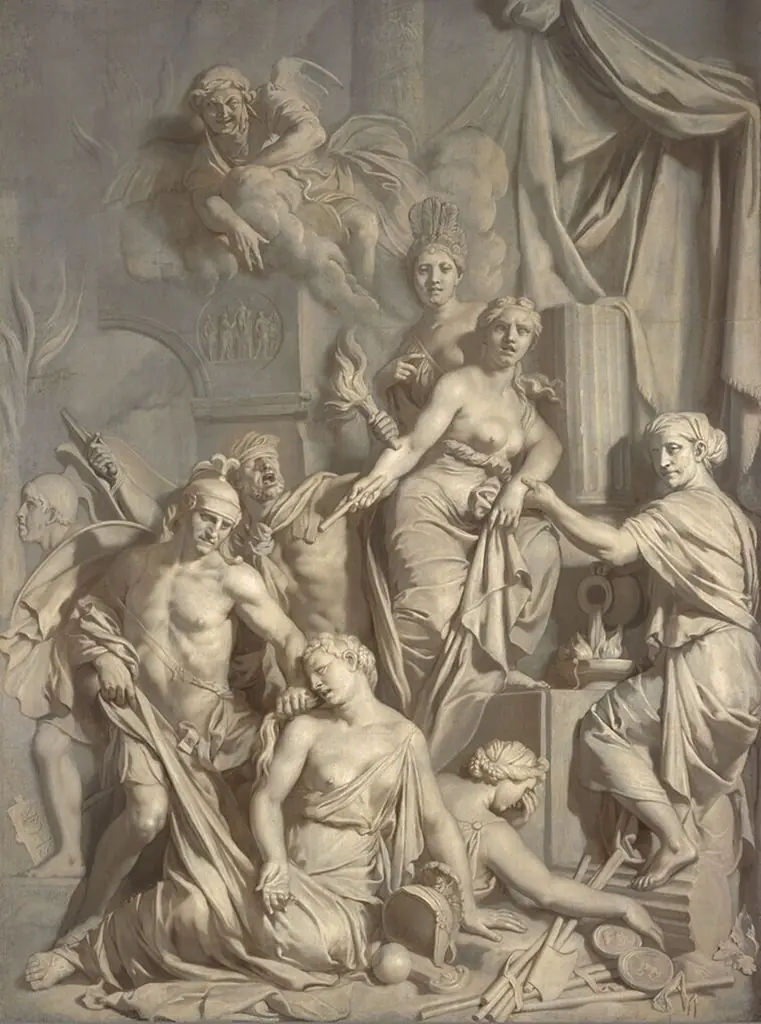
Allegory of fame
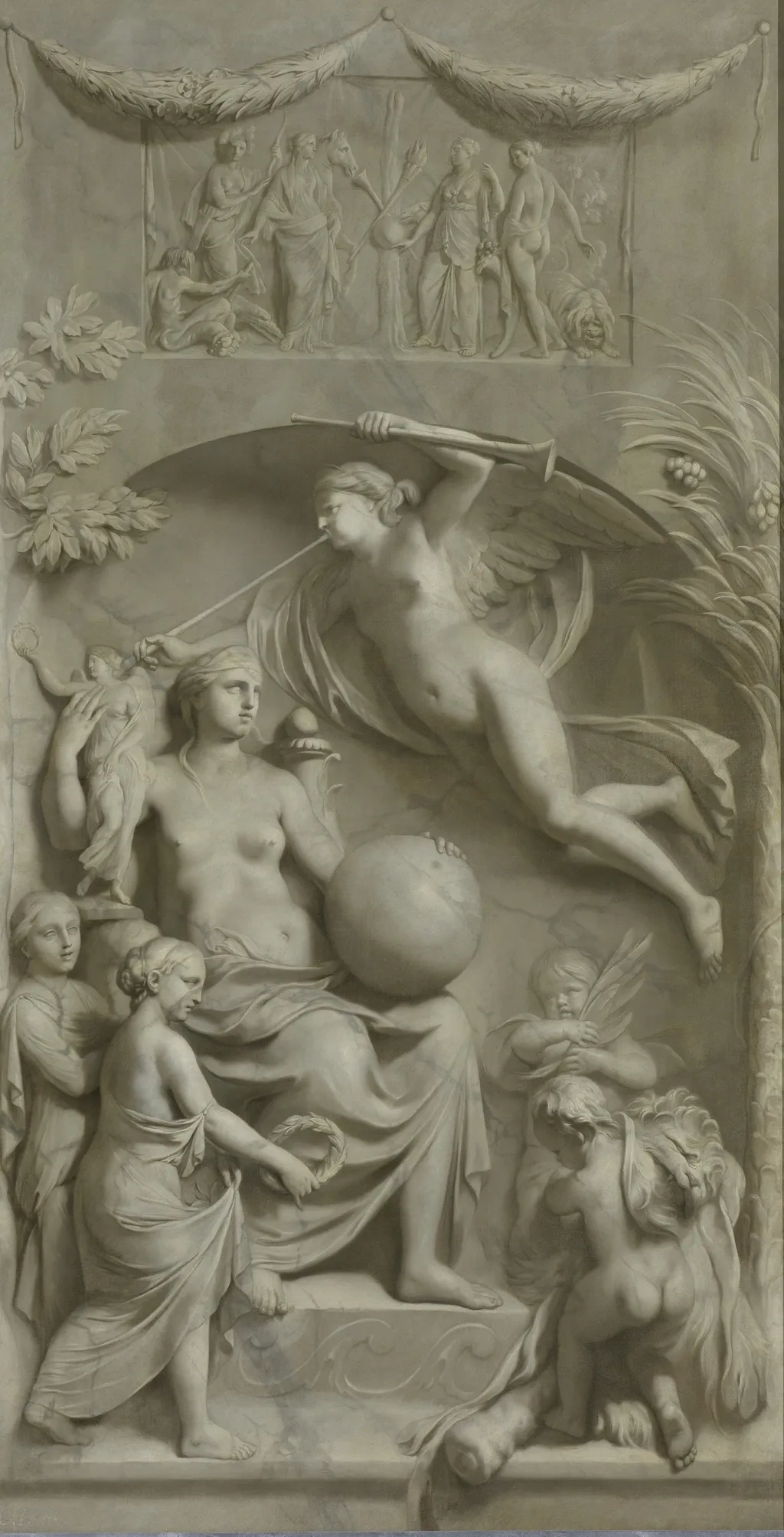
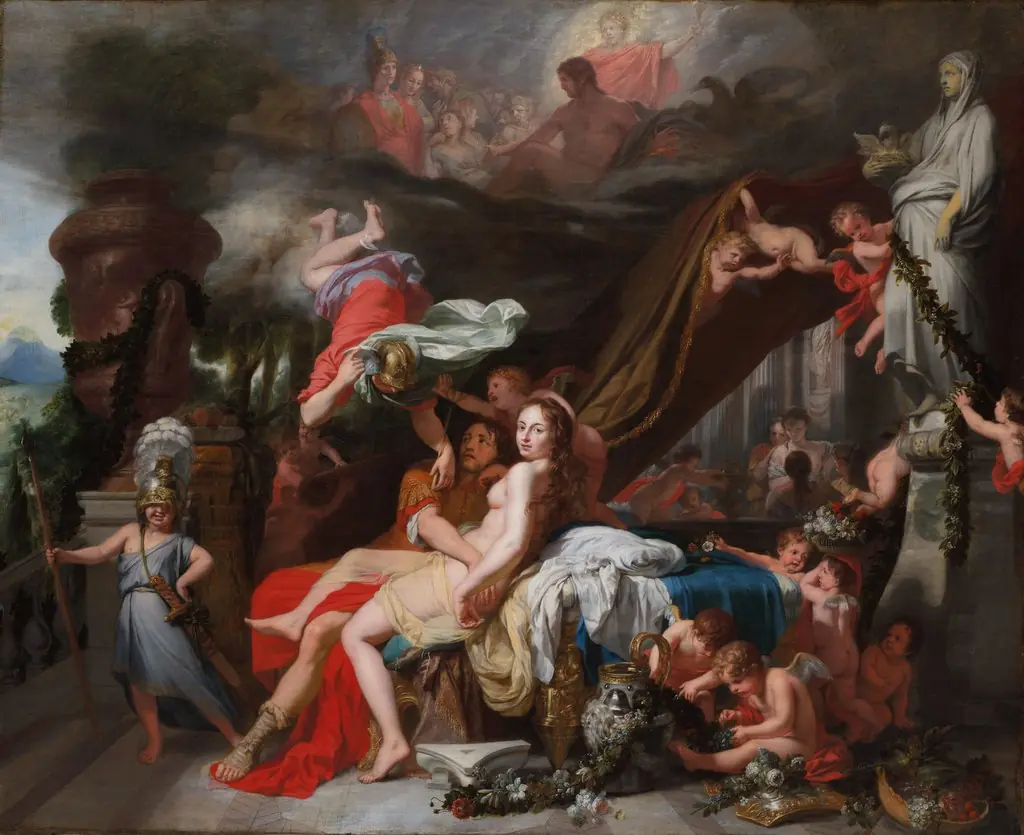
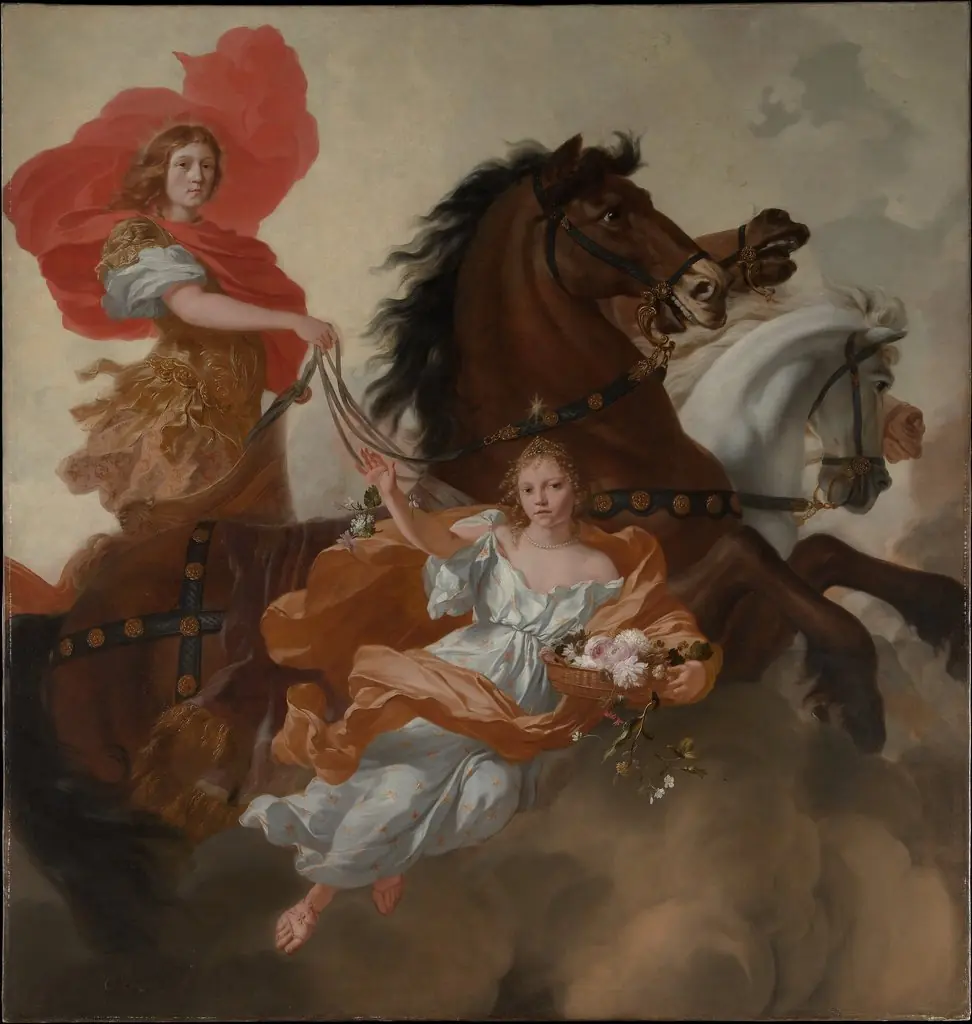
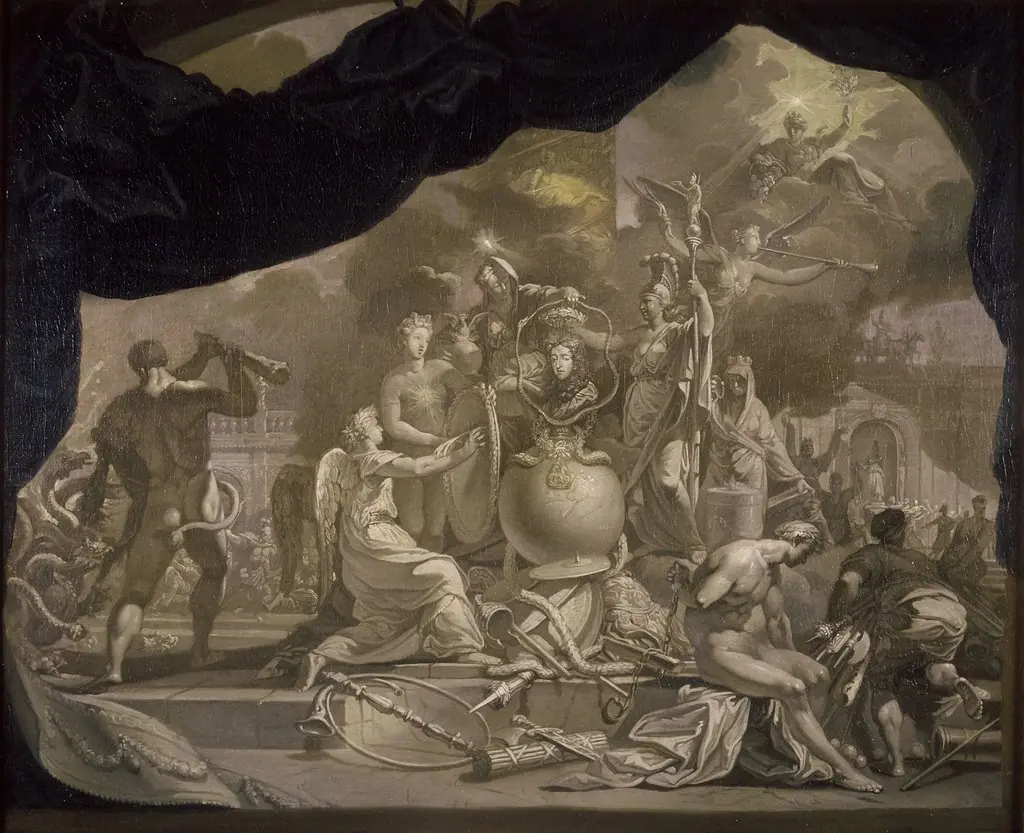
Allegory of fame is an oil painting by the Dutch Golden Age artist Gerard de Lairesse. It dates from 1690 and is held in the collection of the Rijksmuseum.
About this work
Technique & Style
The handling aligns with the late Dutch Golden Age tradition, employing smooth, blended modeling to articulate the allegorical figure and surrounding drapery.
Executed in oil paint on canvas in 1679, the work measures 288 cm in height and 152 cm in width. The handling aligns with the late Dutch Golden Age tradition, employing smooth, blended modeling to articulate the allegorical figure and surrounding drapery. The composition emphasizes verticality, with the standing female figure centrally placed and rendered in light, luminous tones against a darker ground.
The palette is restrained yet rich, favoring earthy ochres and deep umbers punctuated by subtle highlights on flesh and fabric.
The overall condition is reported as stable, reflecting standard preservation practices for works of this period and medium.
History & Provenance
Gerard de Lairesse created the oil painting Allegory of Fame in 1679 within the Northern Low Countries. The work was commissioned by Philips de Flines, who also held ownership of the piece upon its completion. Executed in oil on canvas, the large-scale allegory measures 288 cm in height and 152 cm in width. The painting subsequently entered the collection of the Rijksmuseum, where it remains part of the institutional holdings.
Allegory of Fame, painted by Gerard de Lairesse in 1679, is held in the collection of the Rijksmuseum. According to the Wikidata record, the work has been associated with the Rijksmuseum as both its collection and location. The painting was originally commissioned by and owned by Philips de Flines before entering the museum's holdings.
The oil-on-canvas work measures 288 cm in height and 152 cm in width. No specific accession number or detailed exhibition history is recorded in the available sources.
Overview
Created in 1690 by the Dutch painter and writer Gerard de Lairesse, Allegory of Fame is an oil on canvas work that belongs to the allegorical tradition of the Dutch Golden Age. The painting is part of the Rijksmuseum’s collection and presents a central, winged female figure surrounded by a host of smaller attendants, set against a dramatic, sculptural backdrop.
Subject & Meaning
At the composition’s heart stands a winged woman clutching a globe and a trumpet, symbols traditionally linked to renown and proclamation. Figures kneel or reach toward her, while a secondary scene above shows people in boats, suggesting the spread of fame across lands and seas. The precise narrative remains ambiguous, inviting viewers to contemplate the nature of public acclaim.
Context
De Lairesse’s allegorical approach draws heavily on Cesare Ripa’s Iconologia, a handbook that codified symbolic imagery for artists. By integrating French classicist principles with Dutch naturalism, the work exemplifies the cross‑cultural exchange that shaped late‑seventeenth‑century European art, a period when theoretical treatises increasingly guided visual production.
Artist & collection
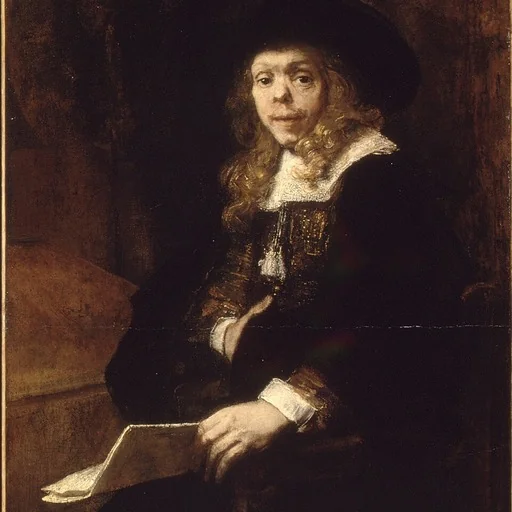
Artist
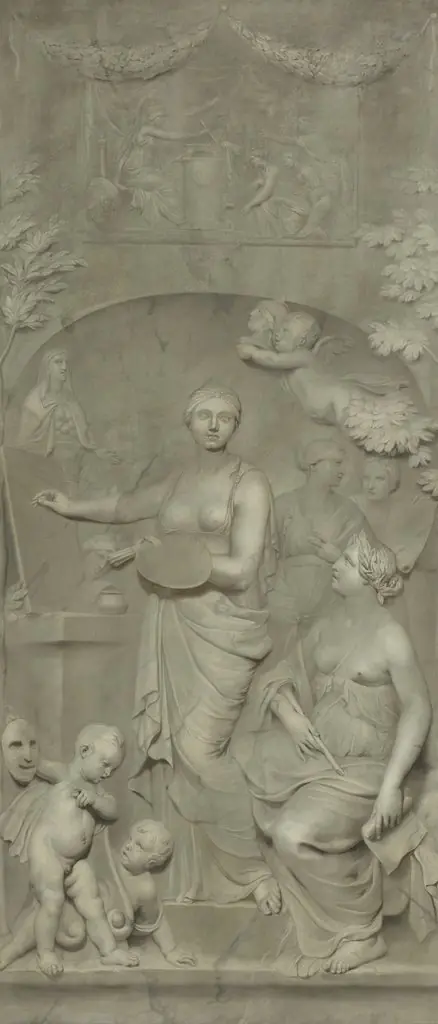
Gerard or Gérard (de) Lairesse (French pronunciation:; 11 September 1641 – June 1711) was a Dutch Golden Age painter and art theorist.