Artwork
Allegory of the sciences
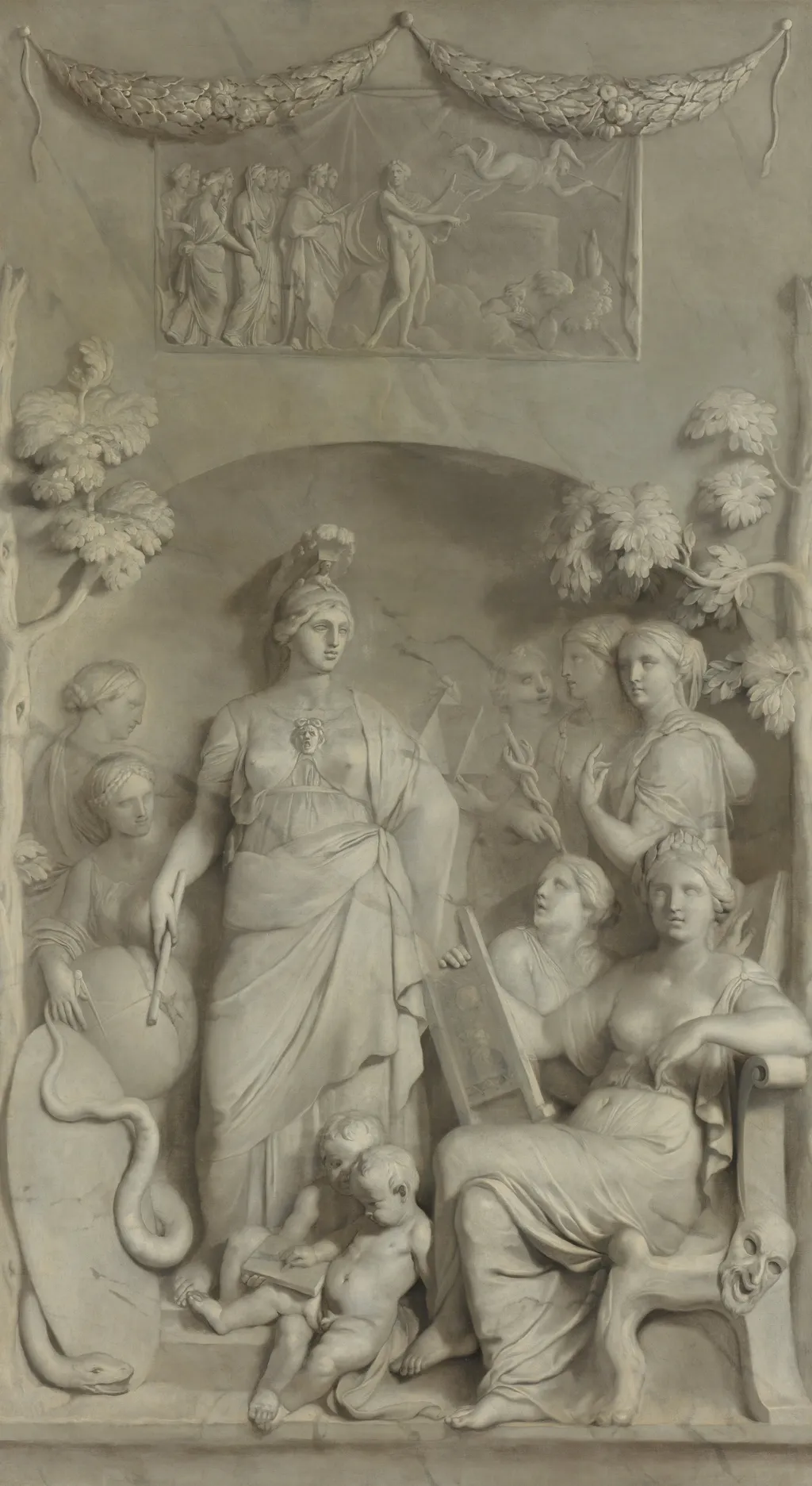
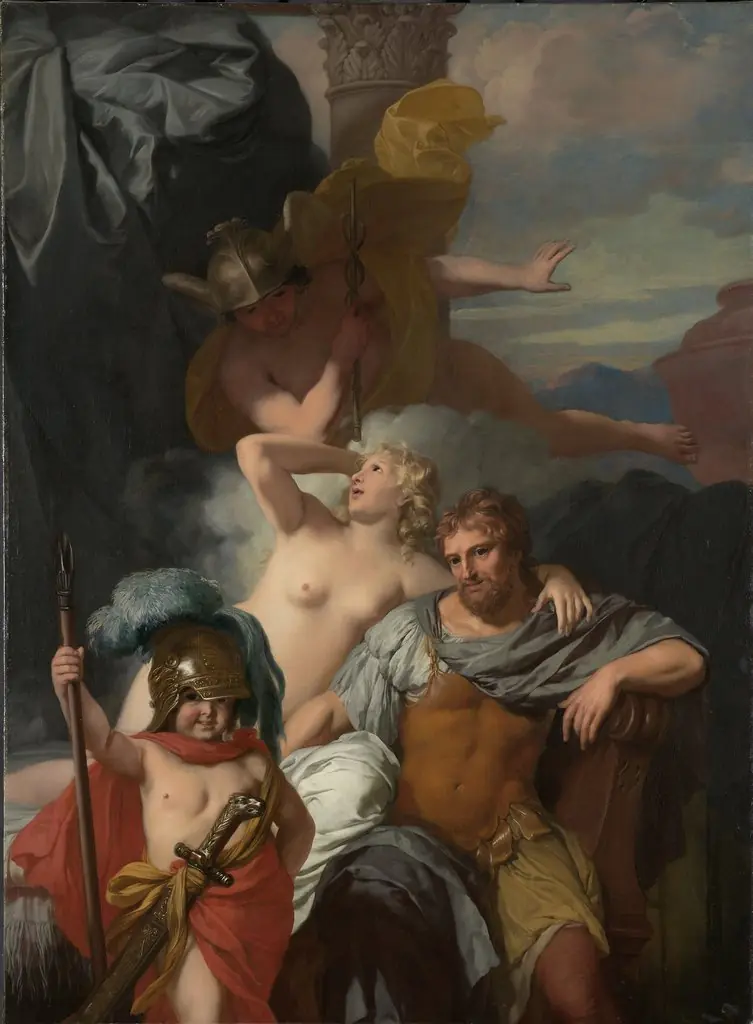
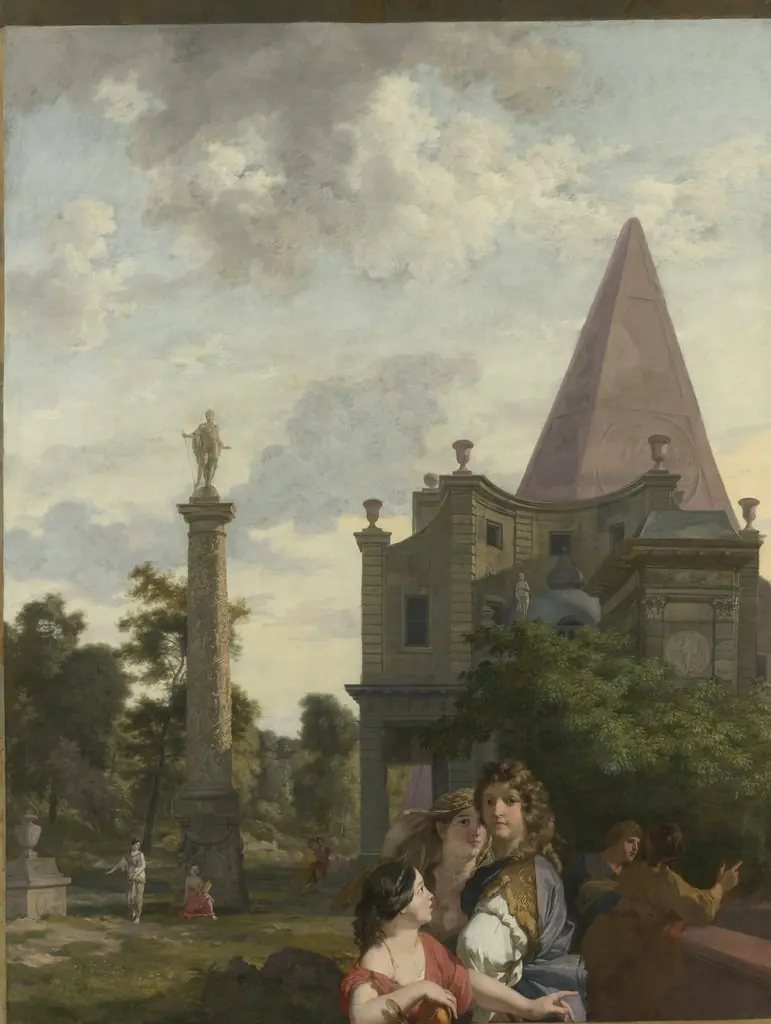
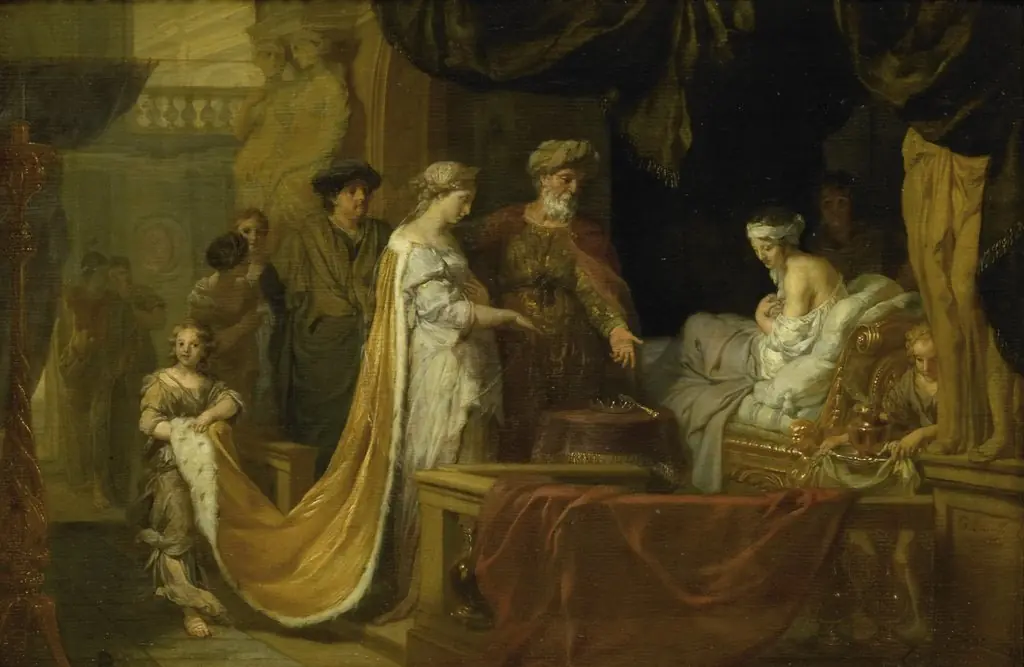
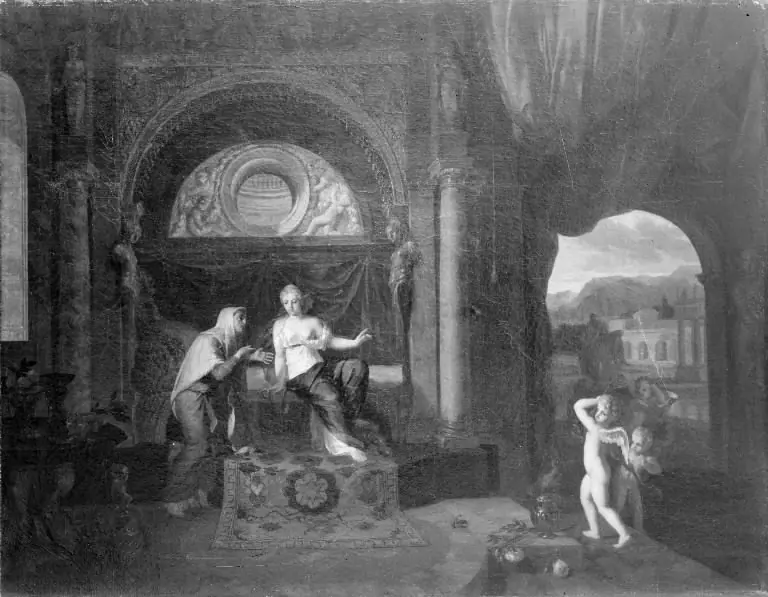
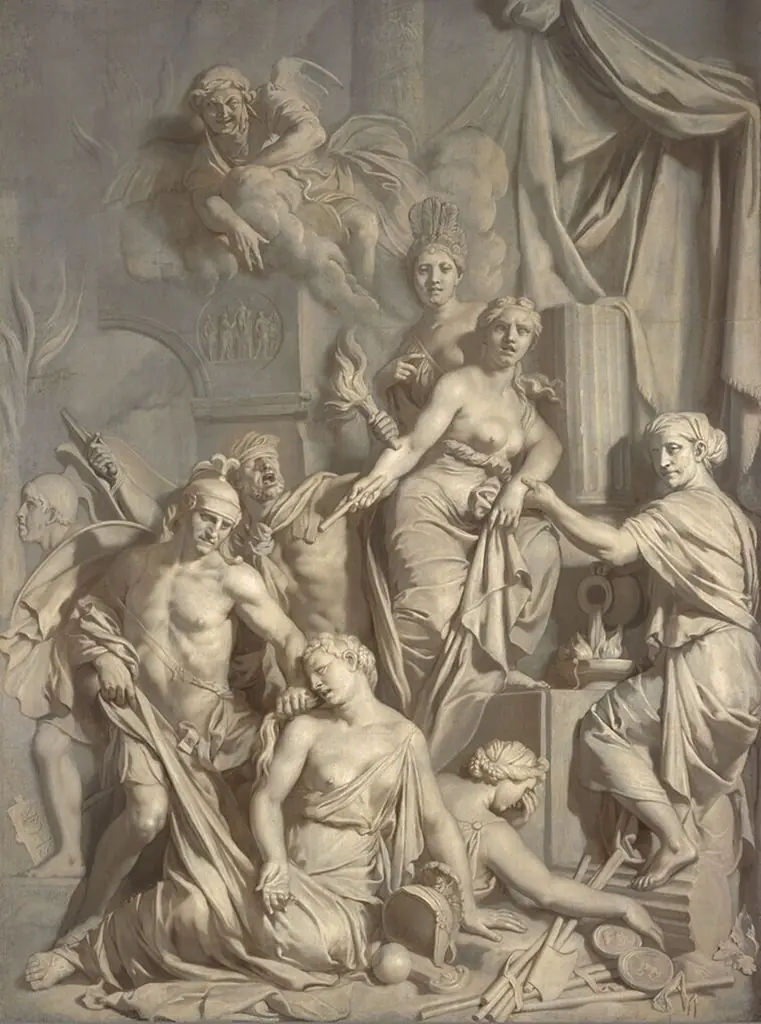
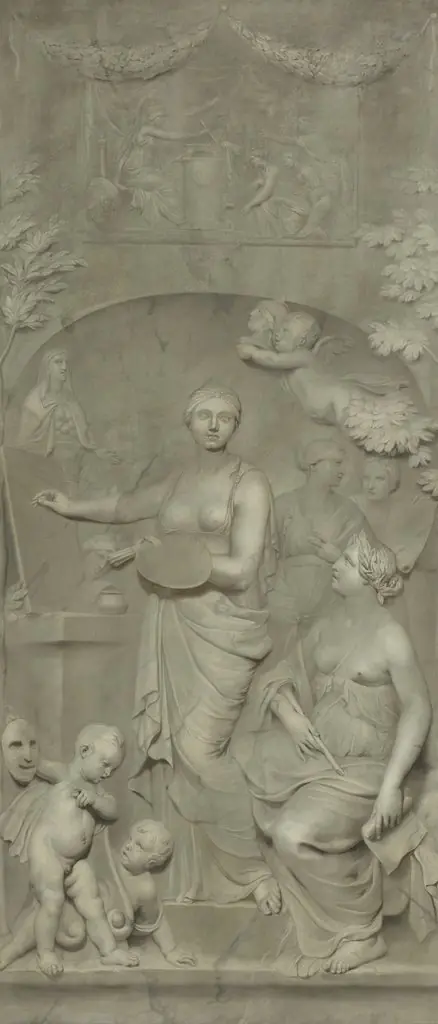
Allegory of the sciences is an oil painting by the Dutch Golden Age artist Gerard de Lairesse. It dates from 1690 and is held in the collection of the Rijksmuseum.
About this work
Technique & Style
Created for Philips de Flines, the work demonstrates the artist's engagement with grand historical and symbolic themes through the medium of oil on canvas.
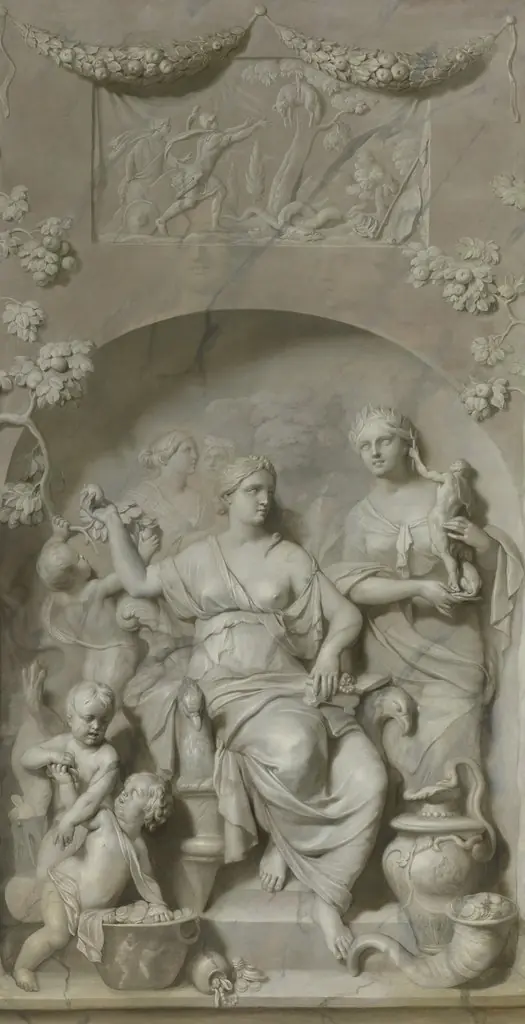
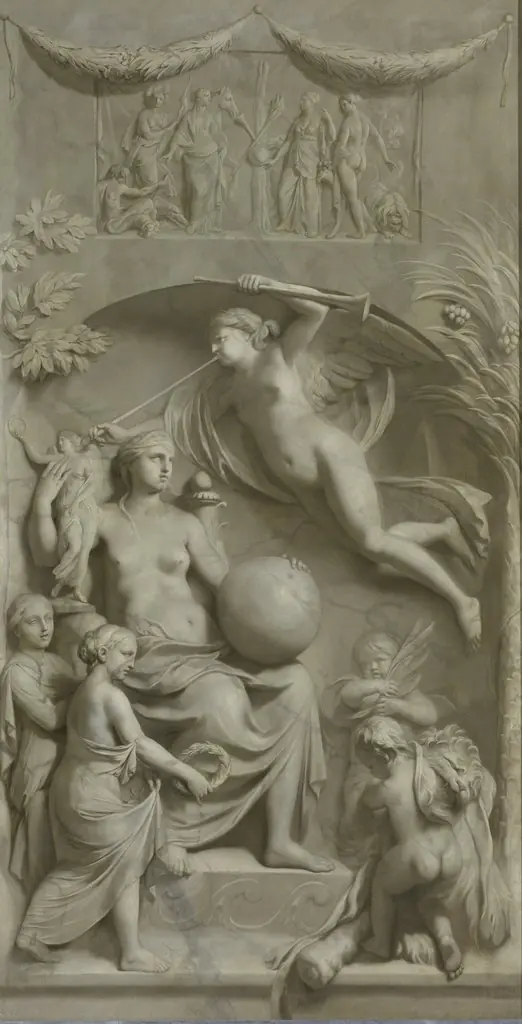
Executed in 1679, this allegorical work by Gerard de Lairesse is an oil painting on canvas. The composition measures 289 cm in height and 161 cm in width, indicating a large-scale format typical of significant commissions from the Northern Low Countries during this period. The piece depicts a female figure, serving as the central subject within the allegorical framework.
Created for Philips de Flines, the work demonstrates the artist's engagement with grand historical and symbolic themes through the medium of oil on canvas.
History & Provenance
The painting was commissioned by Philips de Flines, a wealthy Amsterdam merchant and art collector. Created in 1679 by Gerard de Lairesse, the work was executed in the Northern Low Countries. It later entered the collection of the Rijksmuseum, where it remains housed.
Legacy
Gerard de Lairesse's 1679 oil painting Allegory of the Sciences, depicting a female figure, entered private ownership under Philips de Flines before accession by the Rijksmuseum. The work's allegorical genre and compositional balance influenced 18th‑century academic instruction and later neoclassical interpretations of scientific allegory, securing its reputation as a benchmark for merging intellectual themes with Baroque visual rhetoric.
Overview
Gerard de Lairesde’s Allegory of the Sciences is an oil painting executed in 1690. The work belongs to the Dutch Golden Age and is part of the Rijksmuseum’s collection. It presents an allegorical scene in which a female figure dominates the composition, embodying the concept of learning.
Subject & Meaning
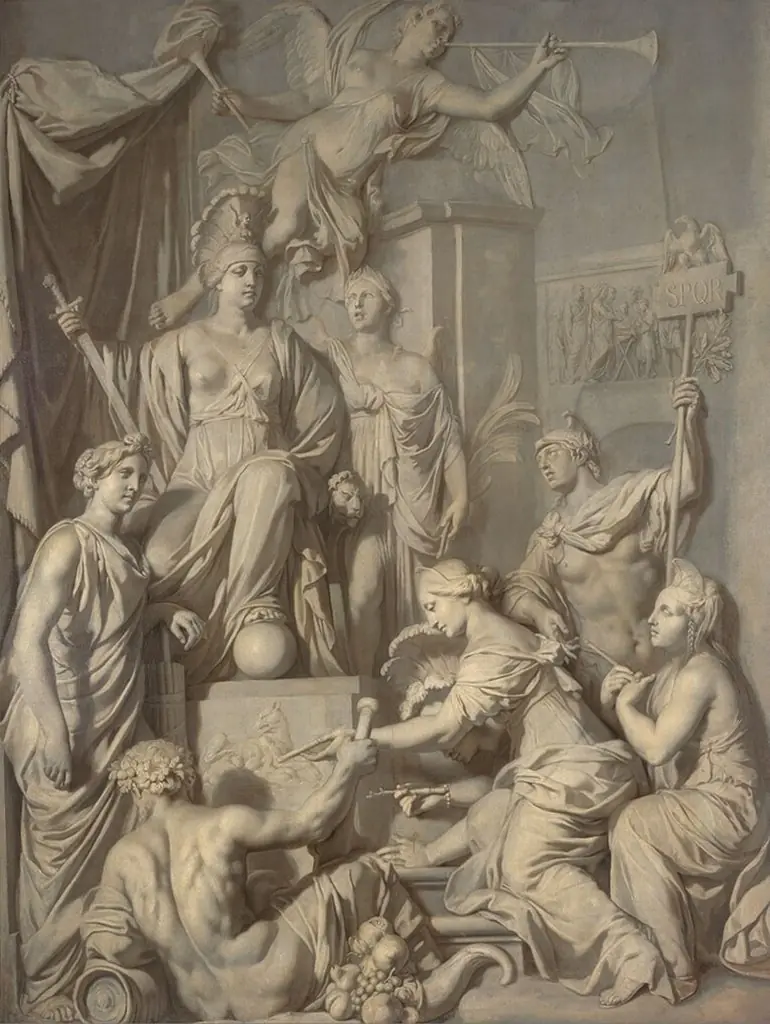
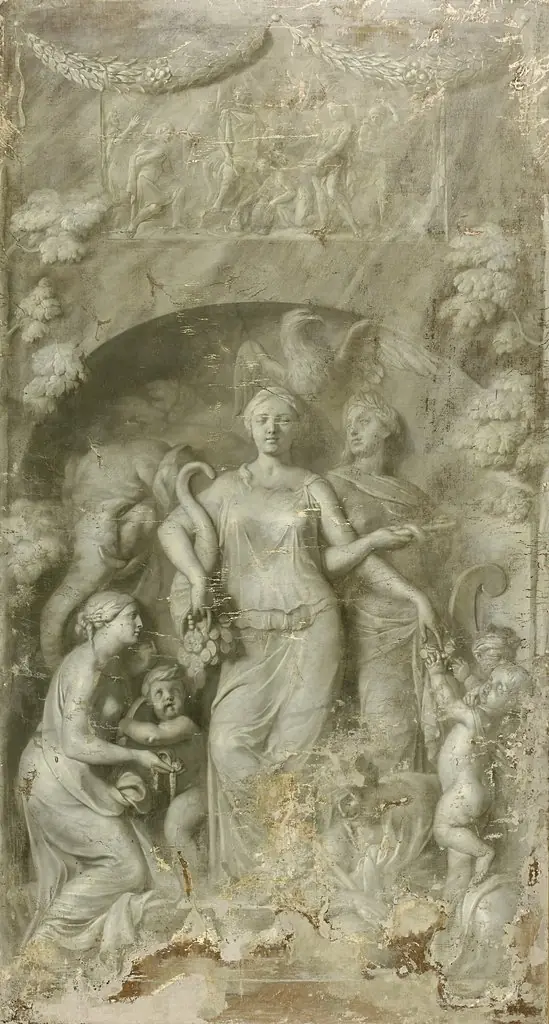
At the centre of the canvas stands a tall woman in flowing robes, clutching a scroll that signifies written knowledge. Around her, smaller figures, including a child absorbed in a book, lean forward or kneel, suggesting a communal pursuit of education and the transmission of scientific ideas.
Context
Created shortly after Rembrandt’s death, the painting reflects the shift toward French classicism in Dutch art. De Lairesde drew inspiration from Cesare Ripa’s emblematic iconography and the French court painter Charles le Brun, integrating their allegorical conventions into a Dutch setting.
Artist & collection
Artist
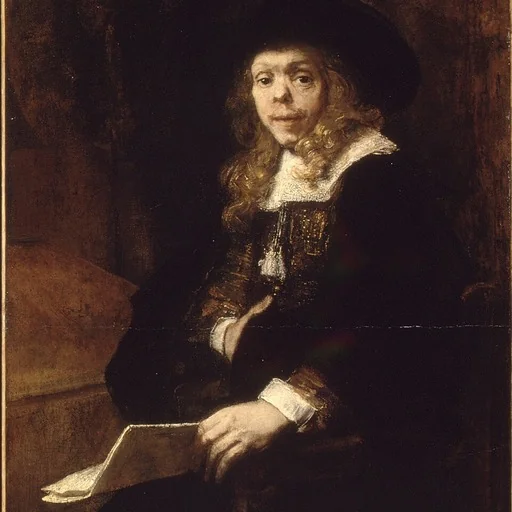
Gerard or Gérard (de) Lairesse (French pronunciation:; 11 September 1641 – June 1711) was a Dutch Golden Age painter and art theorist.