Artwork
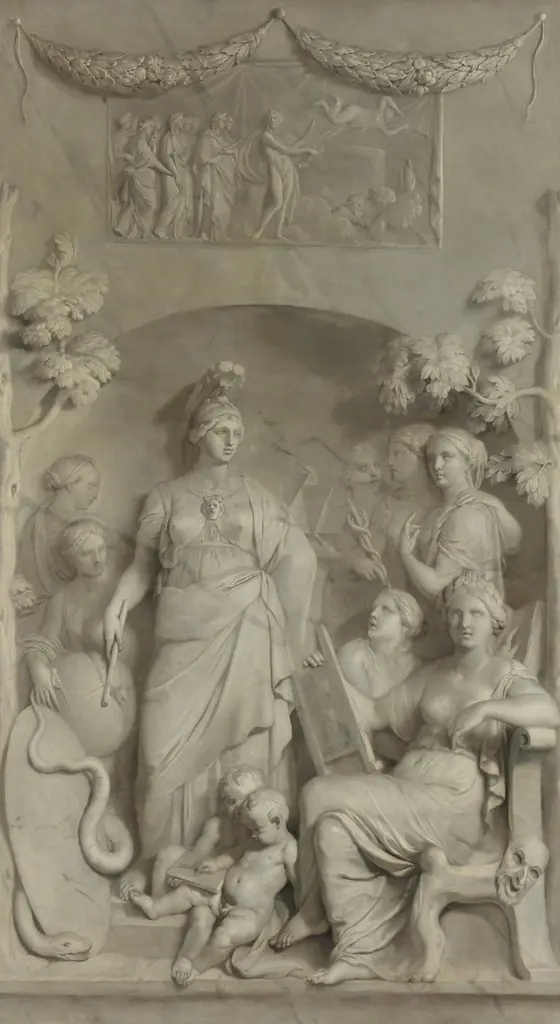
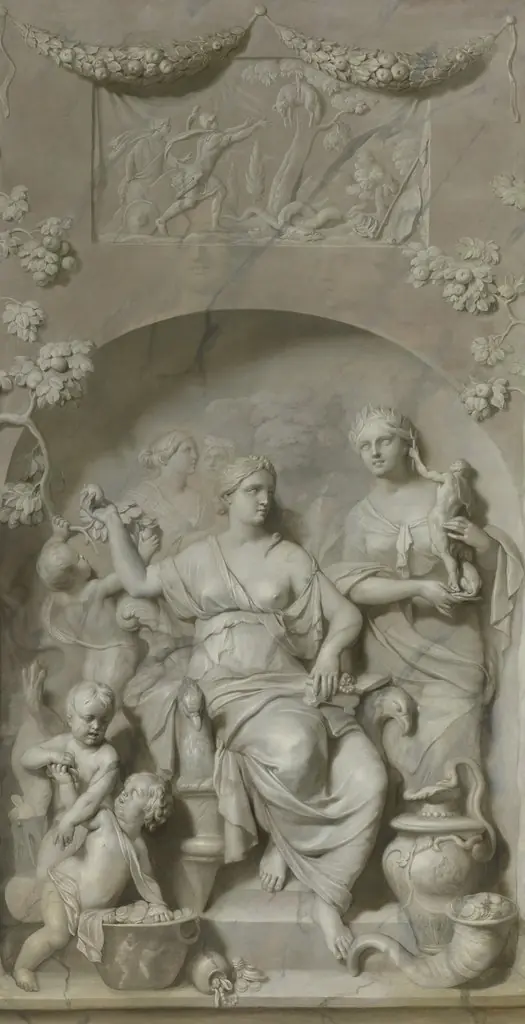
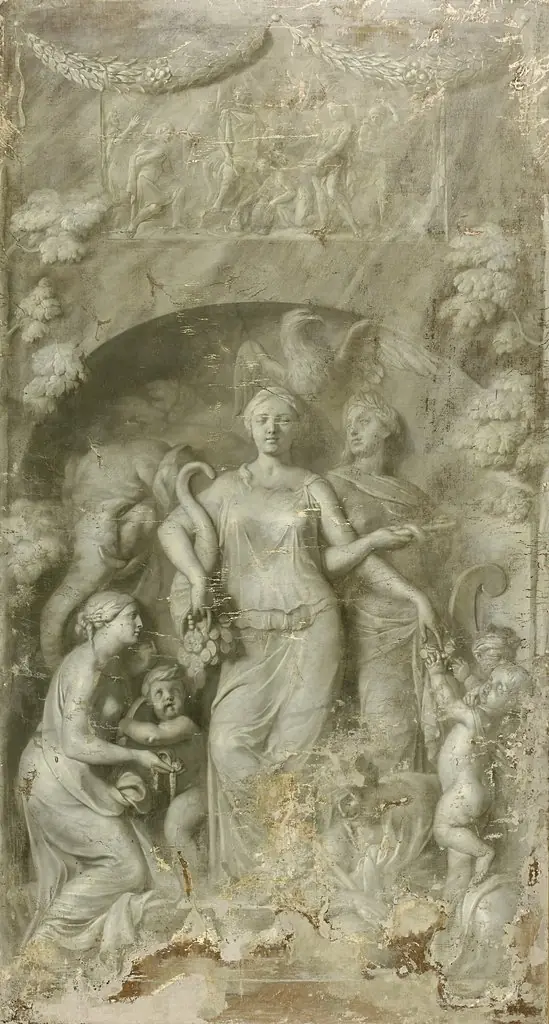
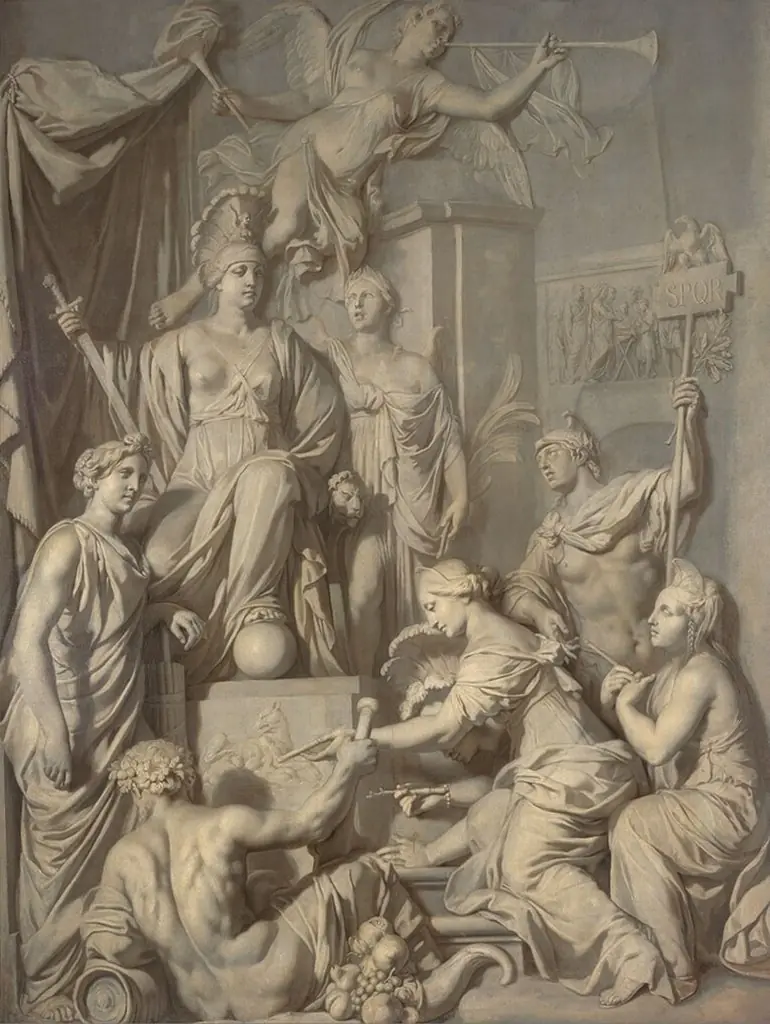
Allegory of the arts
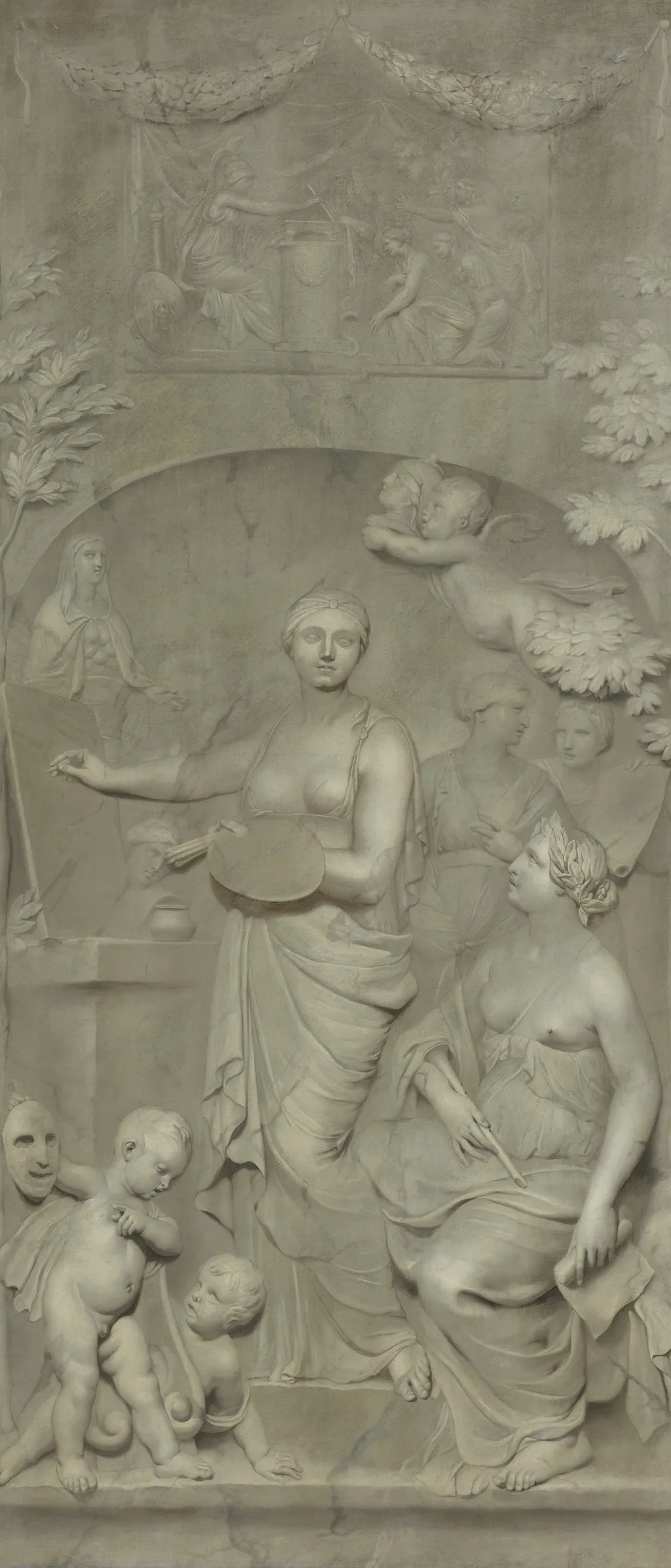
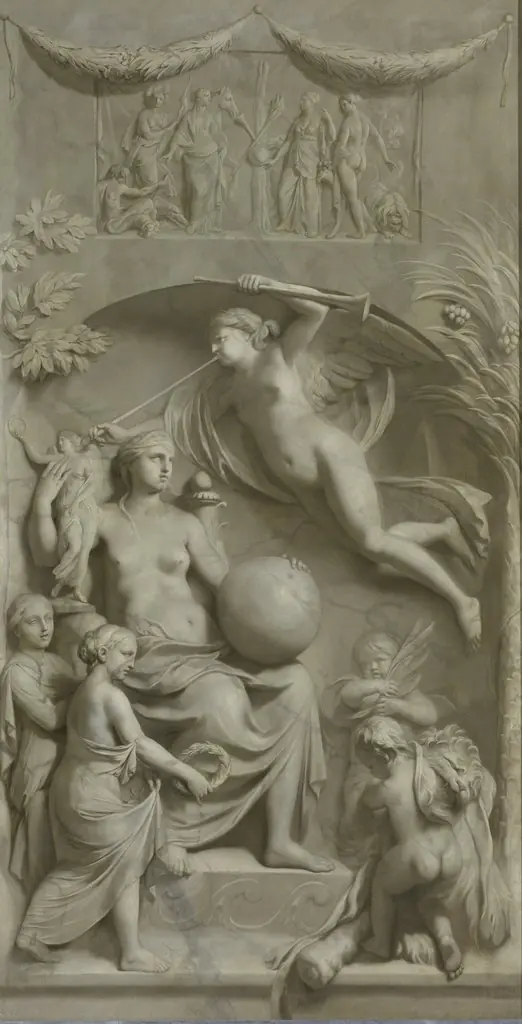
Allegory of the arts is an oil painting by the Flemish Baroque painting artist Gerard de Lairesse. It dates from 1690 and is held in the collection of the Rijksmuseum.
About this work
Subject & Meaning
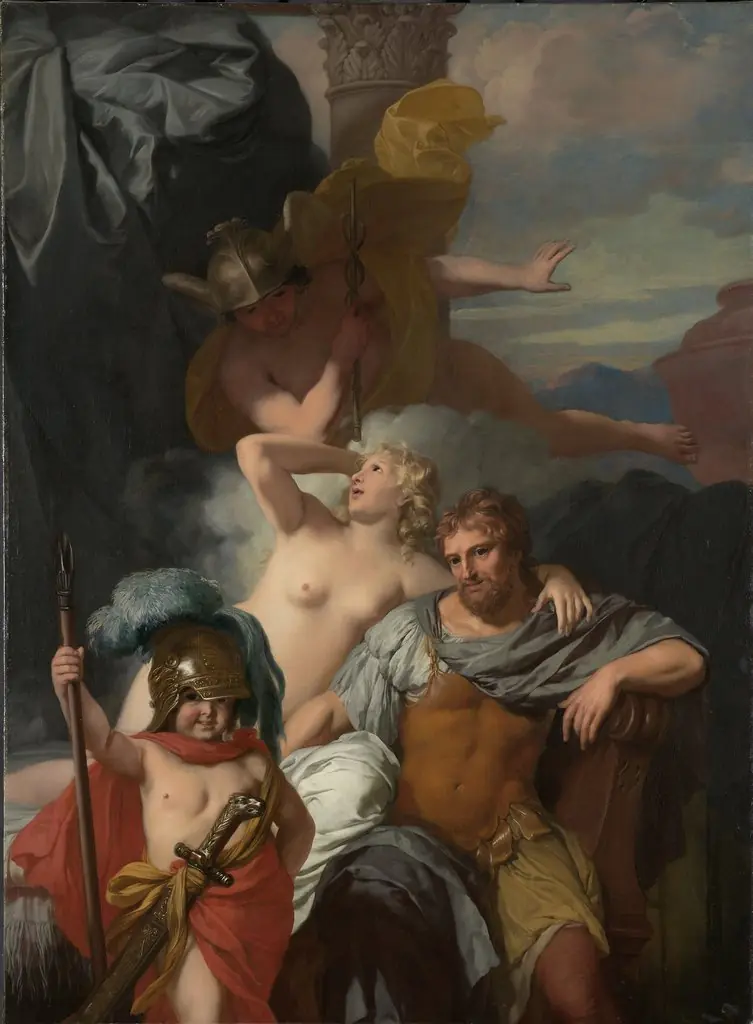
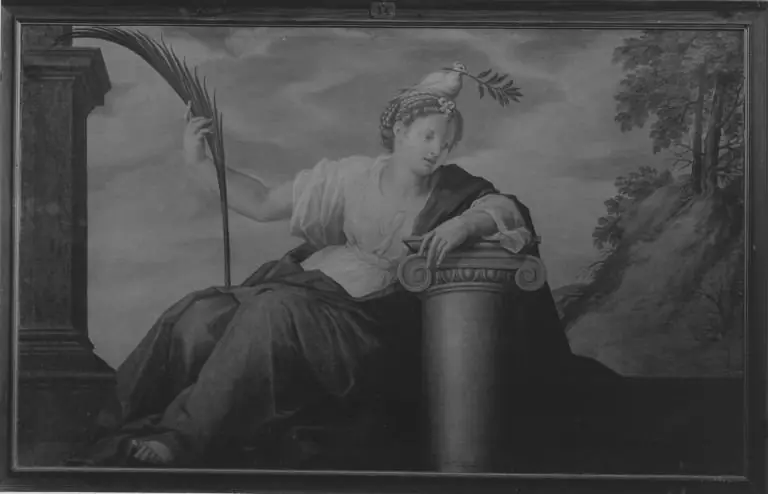
The painting is an allegory personifying the arts, a common genre in the Baroque period. It depicts a woman who represents the arts in a symbolic, idealized form. The work was commissioned by Philips de Flines, suggesting it may have been intended to celebrate or promote the value of artistic endeavor within a cultural or private context.
Technique & Style
The work is classified as a painting and falls within the genre of allegory, with the main subject identified as art and the depicted figure as a woman.
Allegory of the arts is executed in oil paint on canvas, a standard support for ambitious seventeenth-century Dutch allegorical compositions. The painting's tall, narrow format is documented at 289 cm in height by 128 cm in width, giving the work a pronounced vertical orientation suited to a single standing figure. Produced in 1679 by Gerard de Lairesse, the canvas was commissioned by Philips de Flines, and its material and dimensional data are consistent with the large-scale, single-figure allegories Lairesse was producing in this period.
The work is classified as a painting and falls within the genre of allegory, with the main subject identified as art and the depicted figure as a woman. No additional information on handling, condition, or specific stylistic qualities is recorded in the available sources.
History & Provenance
The Allegory of the Arts was commissioned by Philips de Flines and completed in 1679 by Gerard de Lairesse. De Flines remained the work's first owner, and the painting stayed in his possession until it entered the Rijksmuseum's collection, where it is now housed. The artwork was produced in the Northern Low Countries, executed in oil on canvas, and its inception date of 1679 is recorded both in the museum's records and in the artist's oeuvre.
Overview
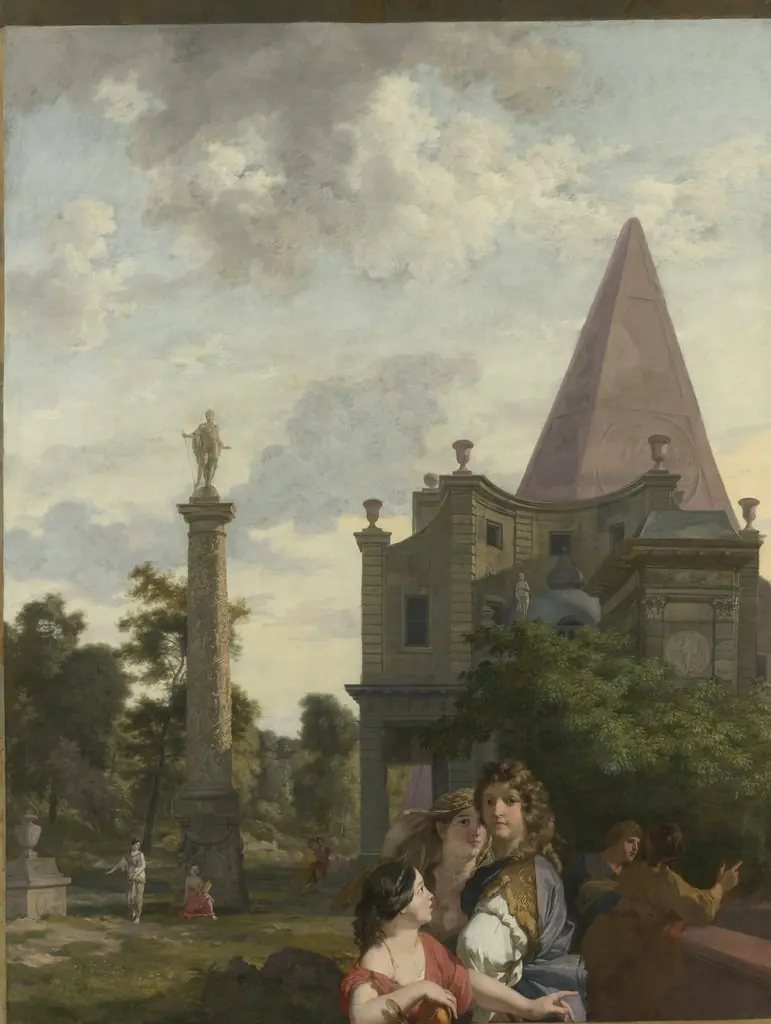
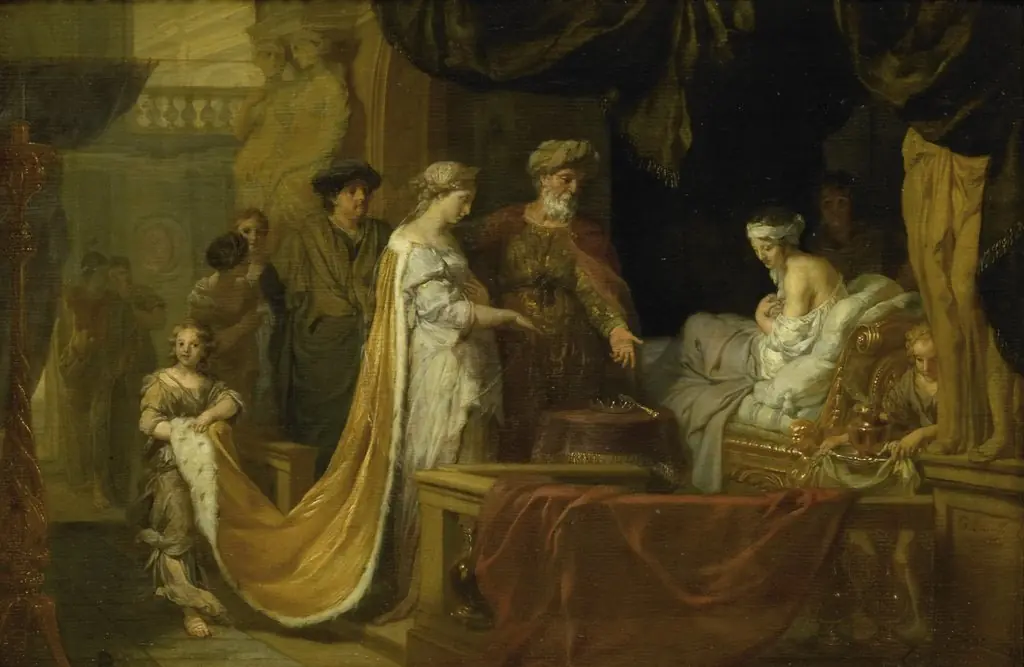
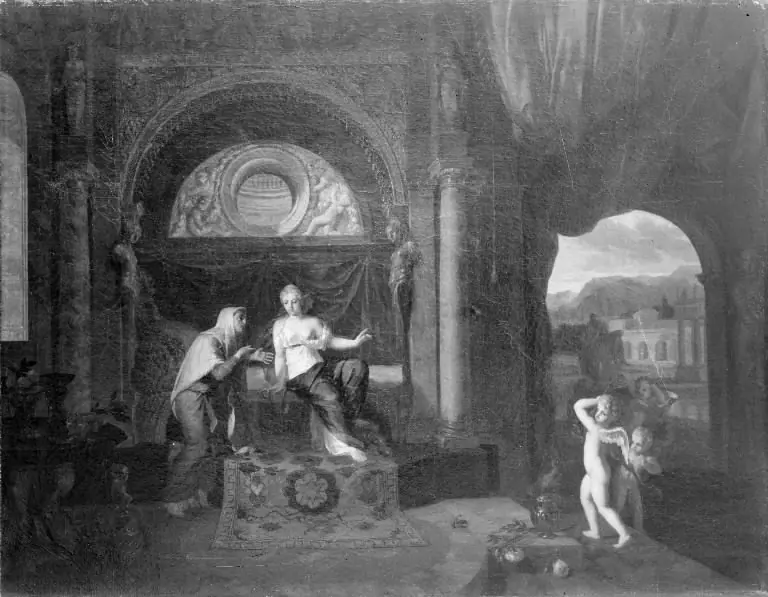
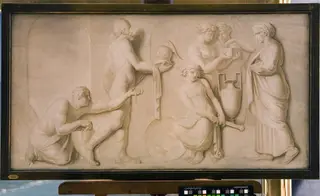
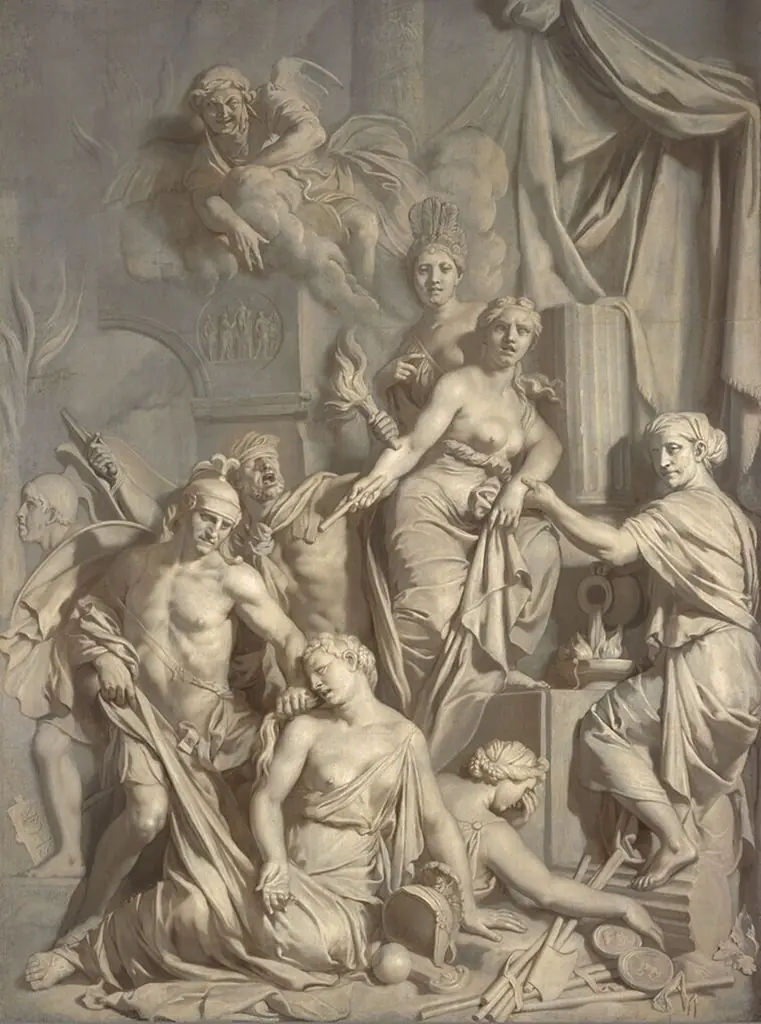
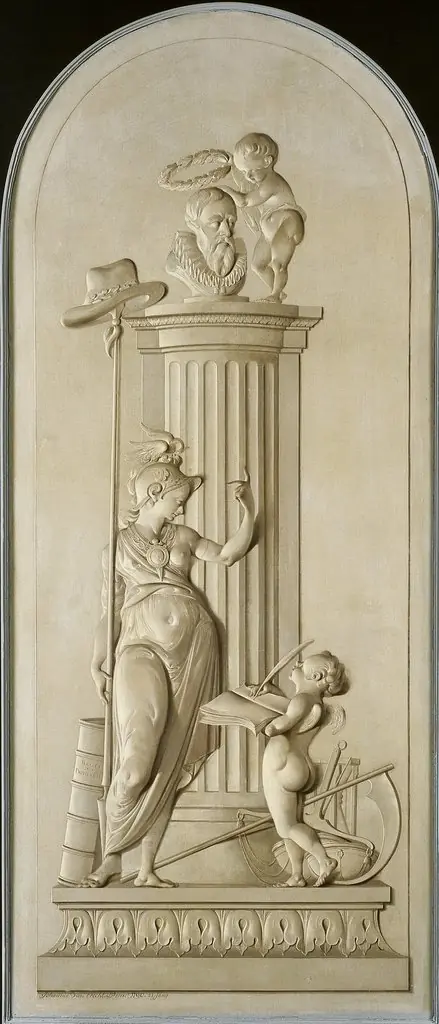
Gerard de Lairesse’s Allegory of the Arts (1690) is an oil painting that presents a staged scene reminiscent of a sculptural relief. A centrally placed woman, holding a scroll and a small box, is surrounded by cherubic figures and attendants within a shallow, arch‑framed space. The composition is part of the Rijksmuseum’s permanent collection.
Context
Created during the Dutch Golden Age, the piece reflects de Lairesse’s broader engagement with art theory and his admiration for the emblematic traditions of Cesare Ripa and the French classicist Charles le Brun. The painting illustrates the period’s synthesis of Northern Baroque vigor with classical allegorical conventions.
Artist & collection
Artist
Gerard or Gérard (de) Lairesse (French pronunciation:; 11 September 1641 – June 1711) was a Dutch Golden Age painter and art theorist.