Artwork
Männliches Bildnis
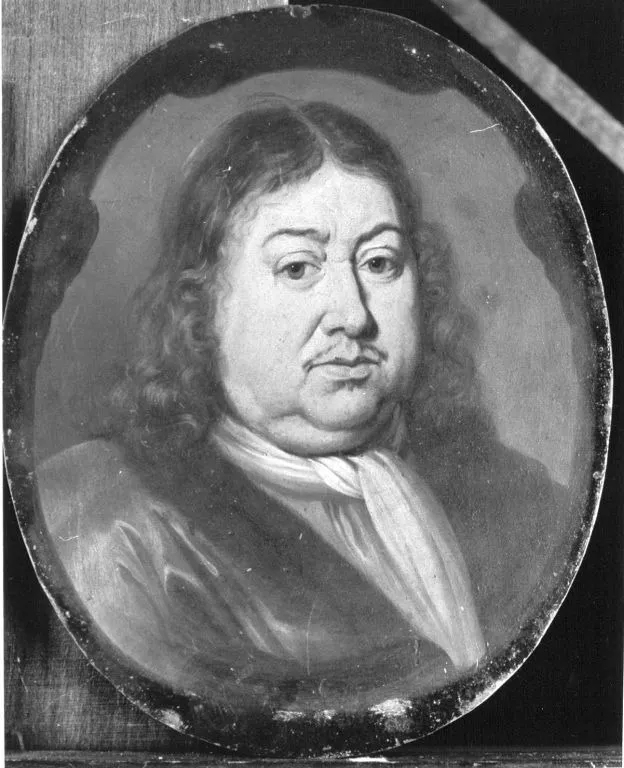
Männliches Bildnis is an unspecified painting by the Dutch Golden Age artist Gerard Hoet. It dates from 1696 and is held in the collection of the Bavarian State Painting Collections.
About this work
Overview
Its restrained composition and attention to facial detail reflect the period’s emphasis on psychological presence over ornamentation.
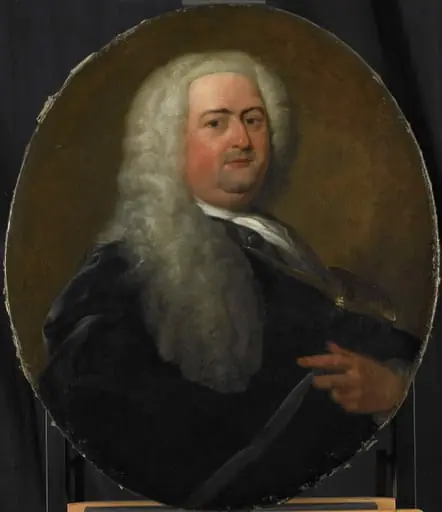
Painted in 1696 by Gerard Hoet, this portrait depicts an unidentified man in formal attire. The work resides in the Alte Pinakothek in Munich and exemplifies late 17th-century Dutch portraiture. Its restrained composition and attention to facial detail reflect the period’s emphasis on psychological presence over ornamentation. The subject’s gaze and posture convey quiet introspection, characteristic of Hoet’s approach to character study.
Subject & Meaning
The sitter, likely a member of the educated or merchant class, is portrayed with solemn dignity. His downward gaze and stillness suggest contemplation rather than public display. The absence of symbolic objects or elaborate settings shifts focus entirely to his expression and bearing.
This minimalism implies an interest in inner character, aligning with contemporary ideals of sober self-possession among the urban elite.
Technique & Style
Hoet rendered the portrait with fine brushwork, particularly in the rendering of the man’s wavy dark hair and the crisp folds of his white collar. The dark jacket contrasts subtly against the pale background, drawing attention to the face. Light falls softly across the features, modeling form without dramatic chiaroscuro. The palette is muted, emphasizing texture and tone over color, typical of Dutch portraiture of the era.
History & Provenance
The painting entered the Alte Pinakothek’s collection in the 19th century, likely through royal Bavarian acquisitions of Dutch and Flemish works. Its provenance prior to that remains undocumented. While not widely published, it has been consistently cataloged as an authentic work by Hoet, reflecting its steady recognition within institutional collections focused on Northern European art of the Baroque period.
Context
Created during the height of Dutch portraiture’s influence, the painting reflects broader trends in the Low Countries where individual character was valued over aristocratic display. Hoet, trained in the tradition of Rembrandt and later influenced by French classicism, synthesized these approaches. This portrait belongs to a cohort of works that prioritized psychological realism, catering to a rising middle class seeking dignified representation.
Legacy
Though not among Hoet’s most celebrated works, this portrait contributes to understanding his development as a portraitist bridging Dutch naturalism and French refinement. It remains a quiet example of how 17th-century artists captured individuality through restraint. Its presence in a major European museum underscores its role as a representative specimen of the period’s secular portraiture tradition.
Artist & collection


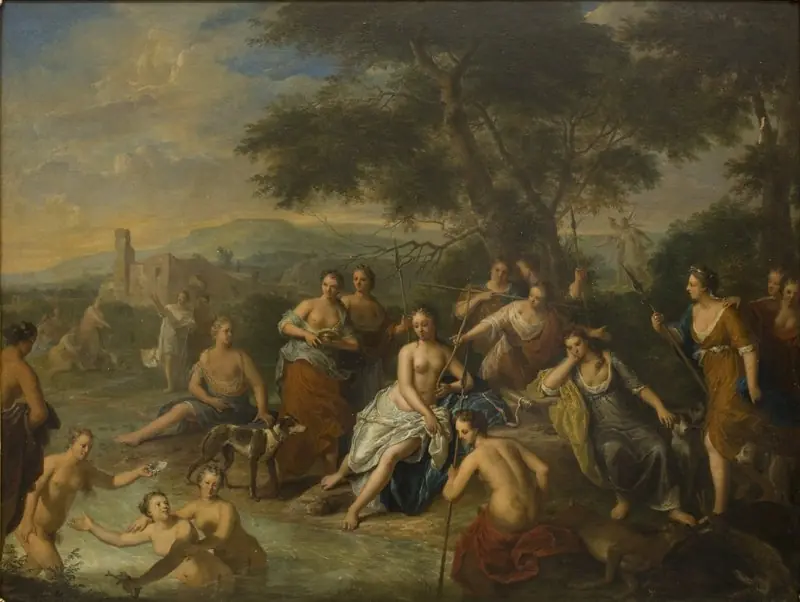 Diana and her Nymphs
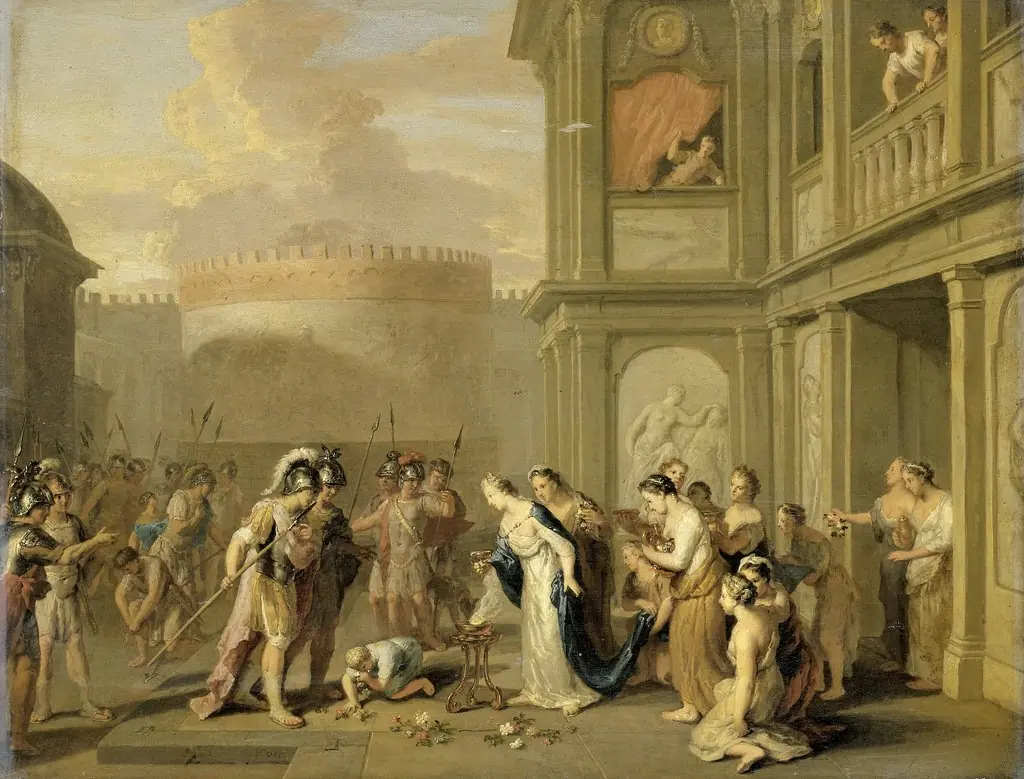 Queen Cleophis Offers Alexander the Great Wine after Conquering Massaga
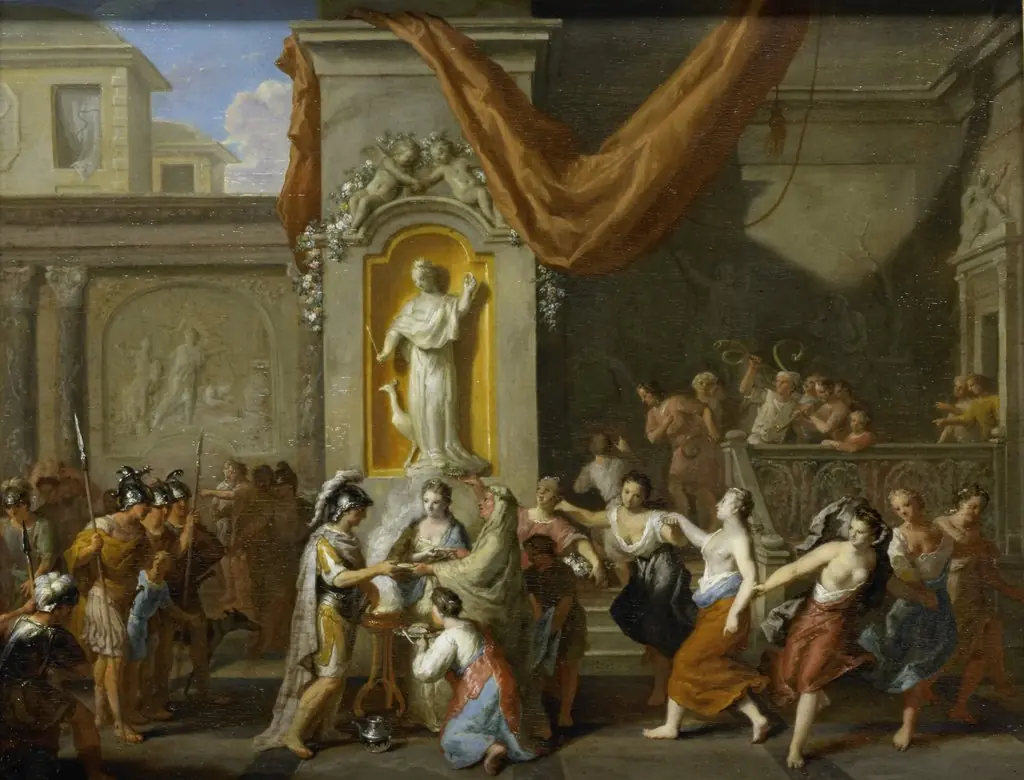 Marriage of Alexander the Great, King of Macedonia, with Roxana of Bacteriane
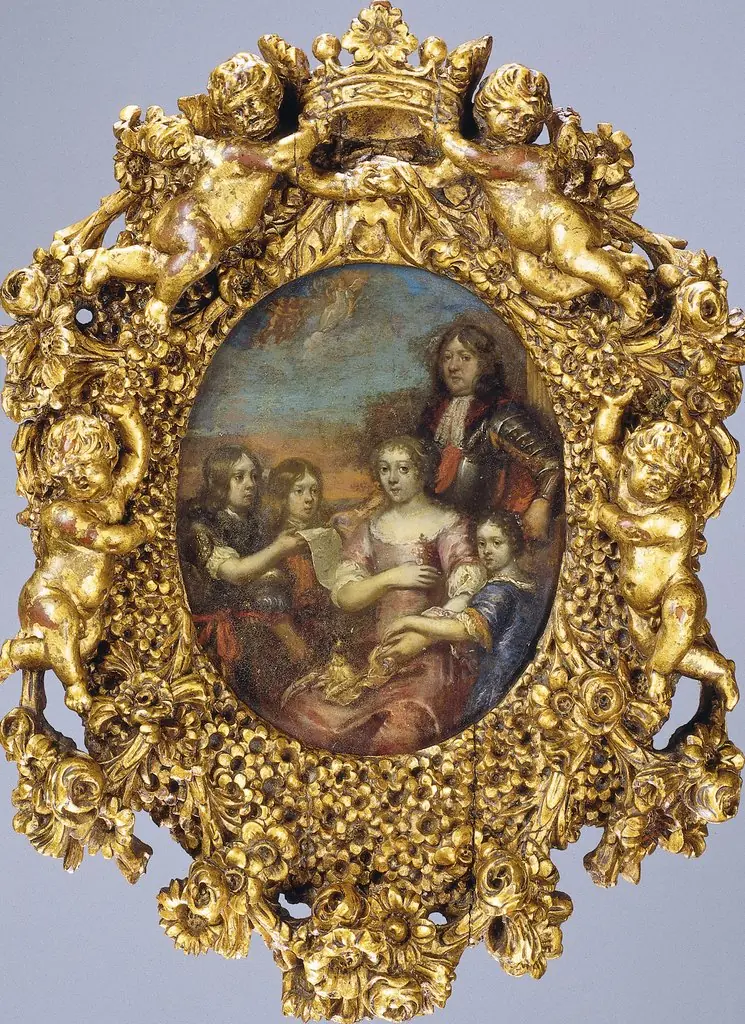 Family Portrait of Willem Hadriaan of Nassau, Lord of Odijk, with his Wife and Children
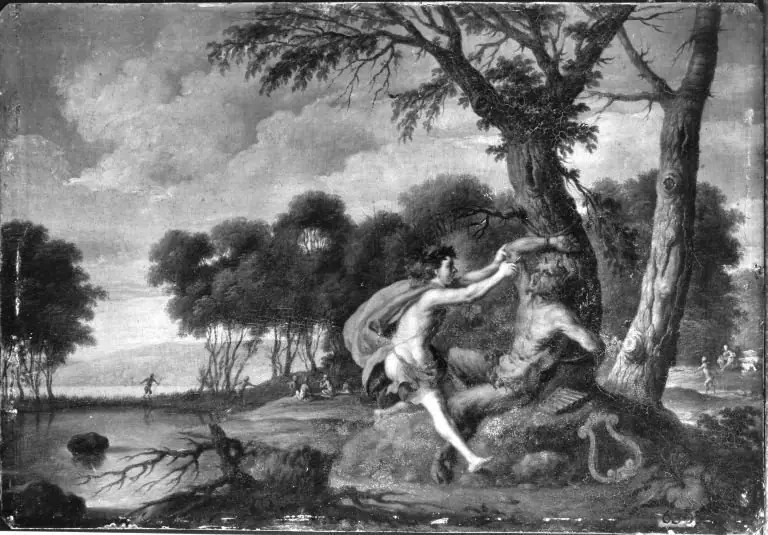 Schindung des Marsyas (?)
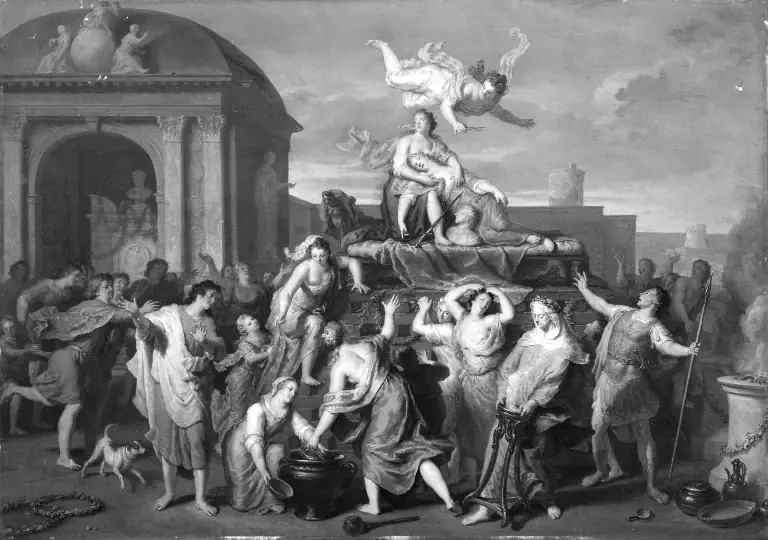 Death of Dido
 Idyllic Landscape with Fortress
 Idyllic Landscape with Watch-tower
- Portrait of a Man
 Ferdinand Maria von Bayern
 Miniature of King Ladislaus IV Vasa
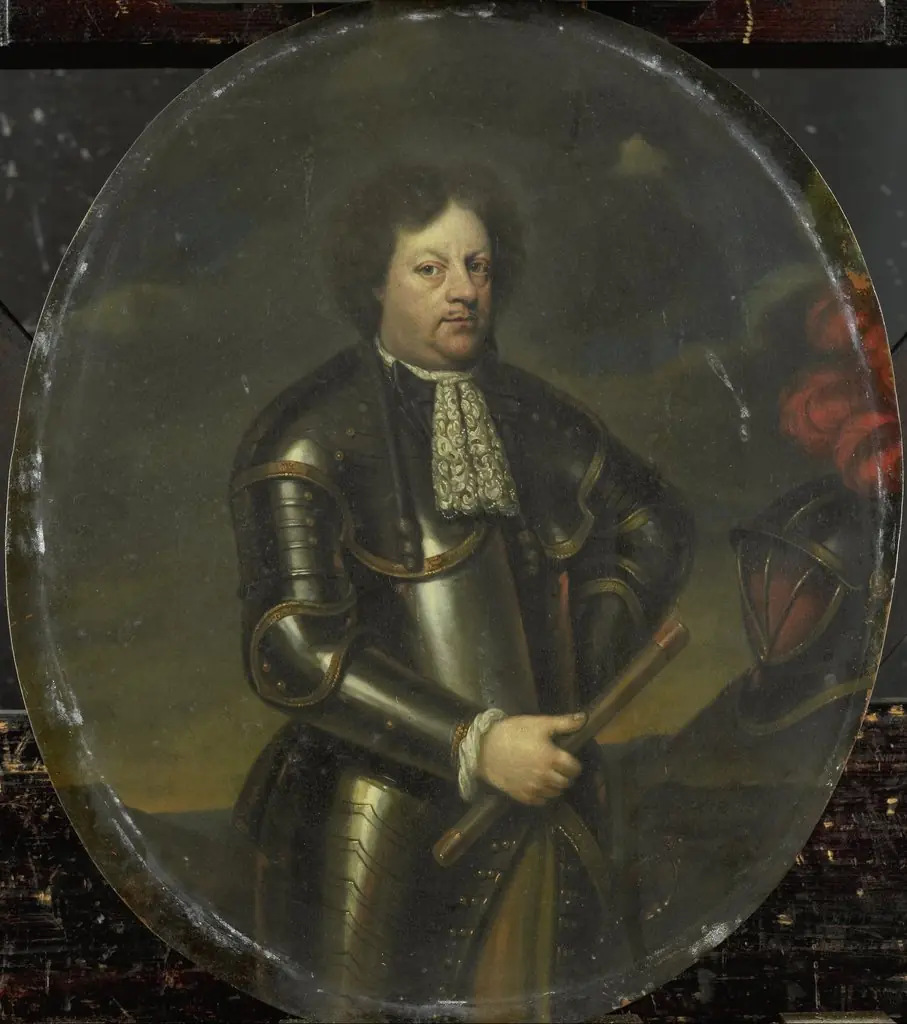 Portrait of Major-General Hans Willem, Baron van Aylva, called The Formidable General
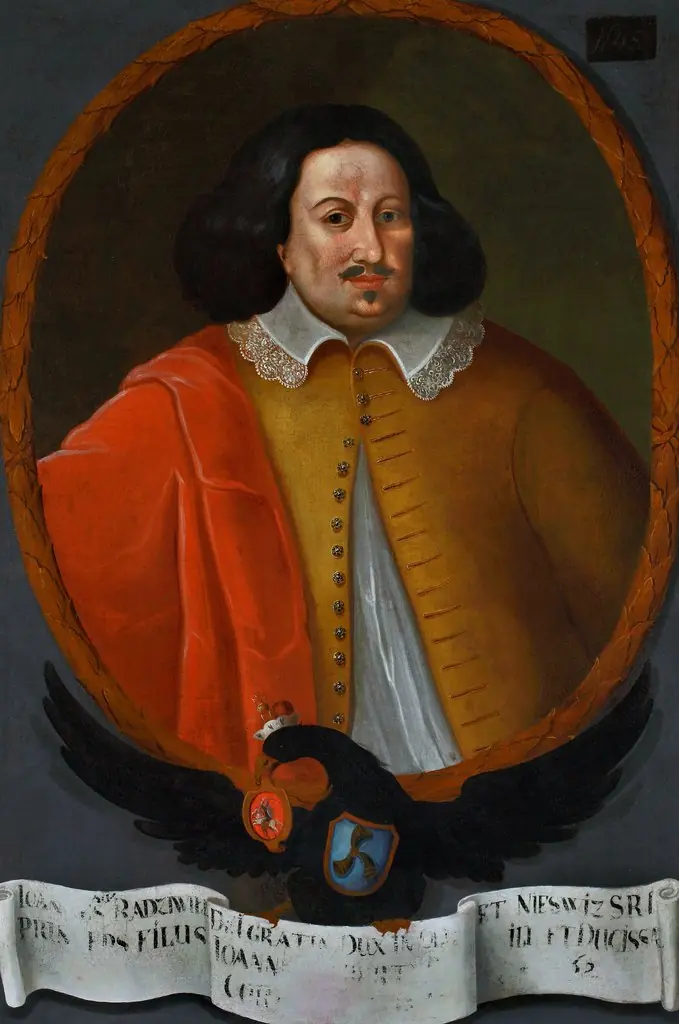 Portrait of Jan XIV Władysław Radziwiłł (1620–1662)
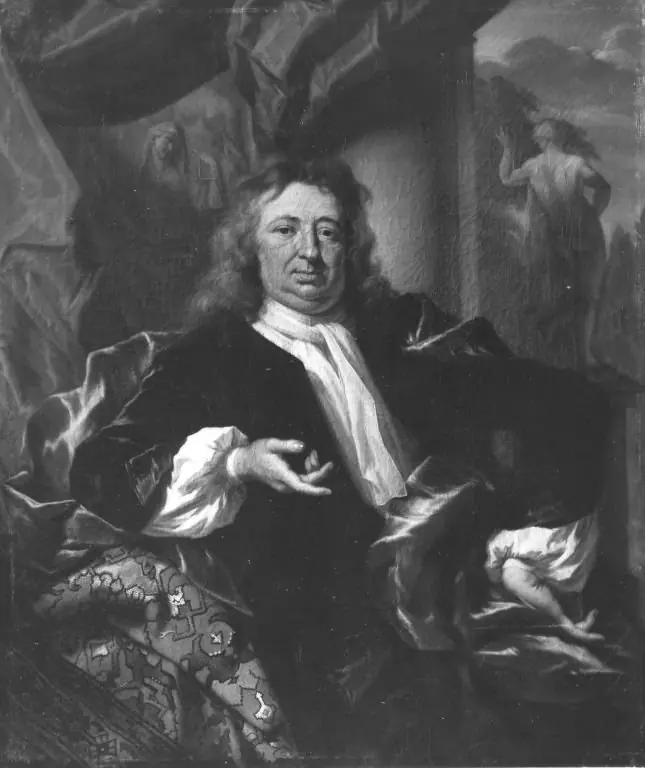 Bildnis eines Mannes
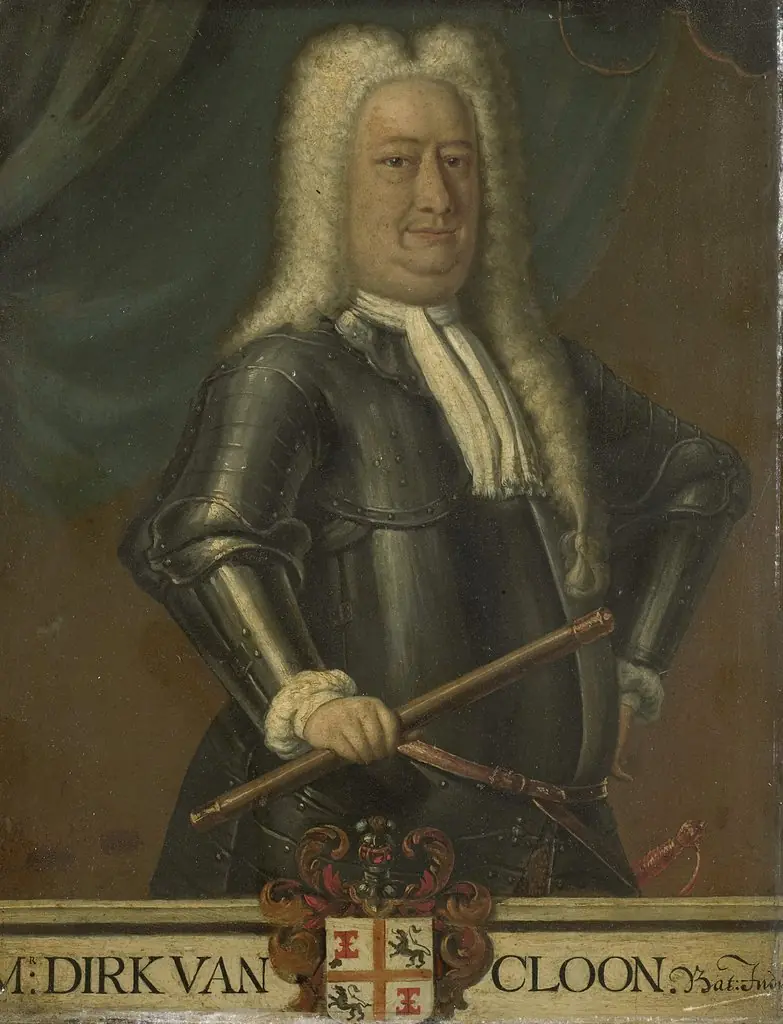 Dirk van Cloon (1684-1735). Gouverneur-generaal (1730-35)
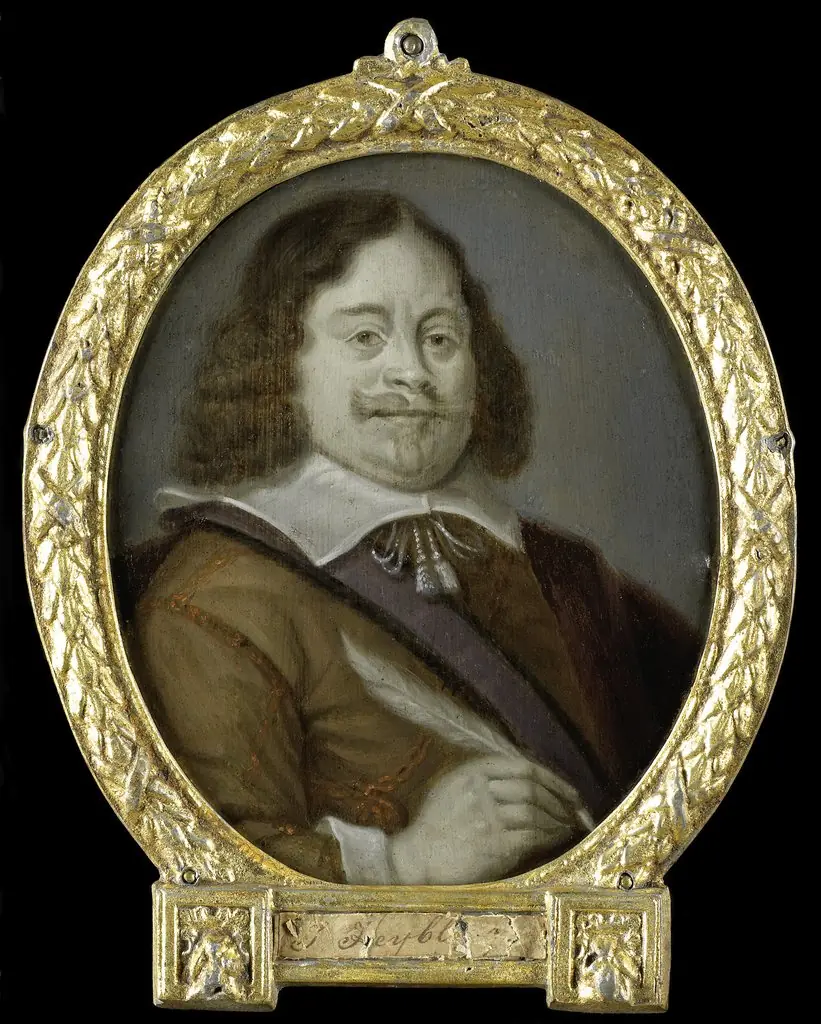 Portrait of Joannes Cools (born 1611), Jurist, Historian and Latin Poet in Hoorn
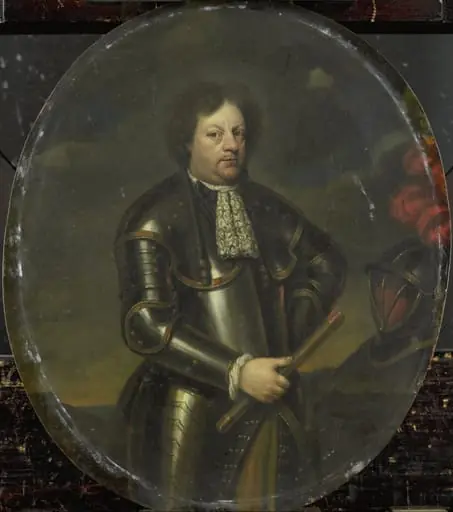 Portrait of Major-General Hans Willem, Baron van Aylva, called The Formidable General
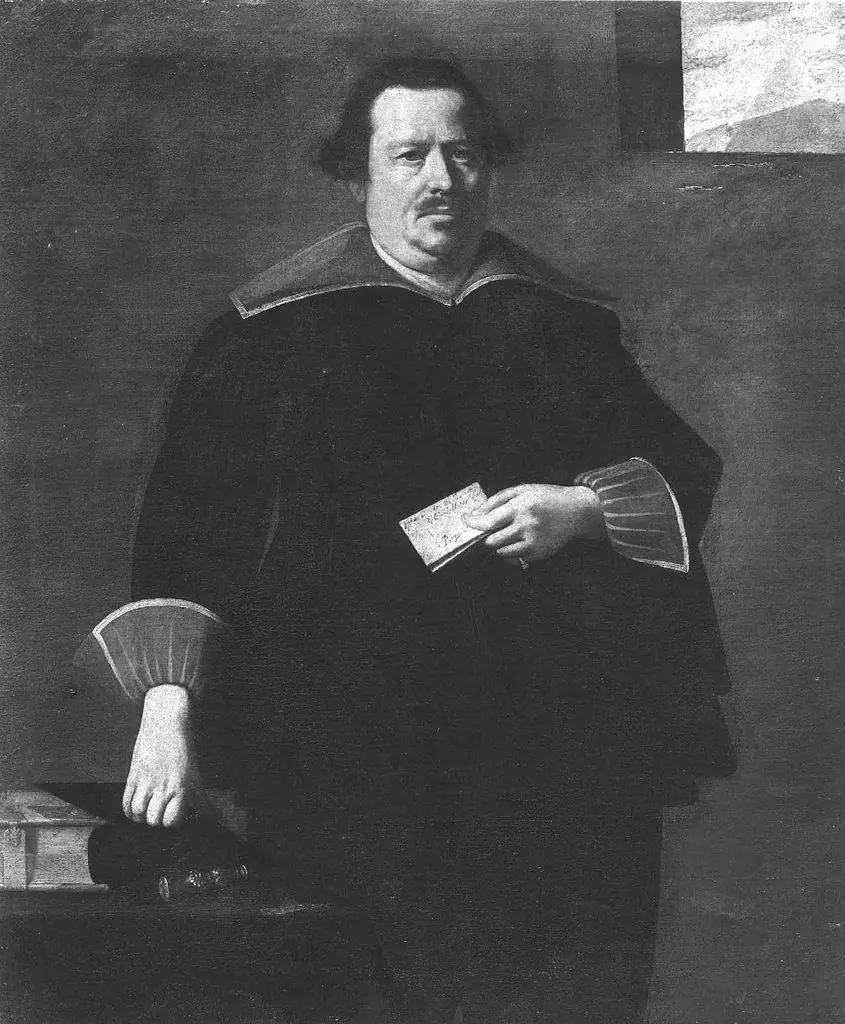 Lorenzo Ghirardello
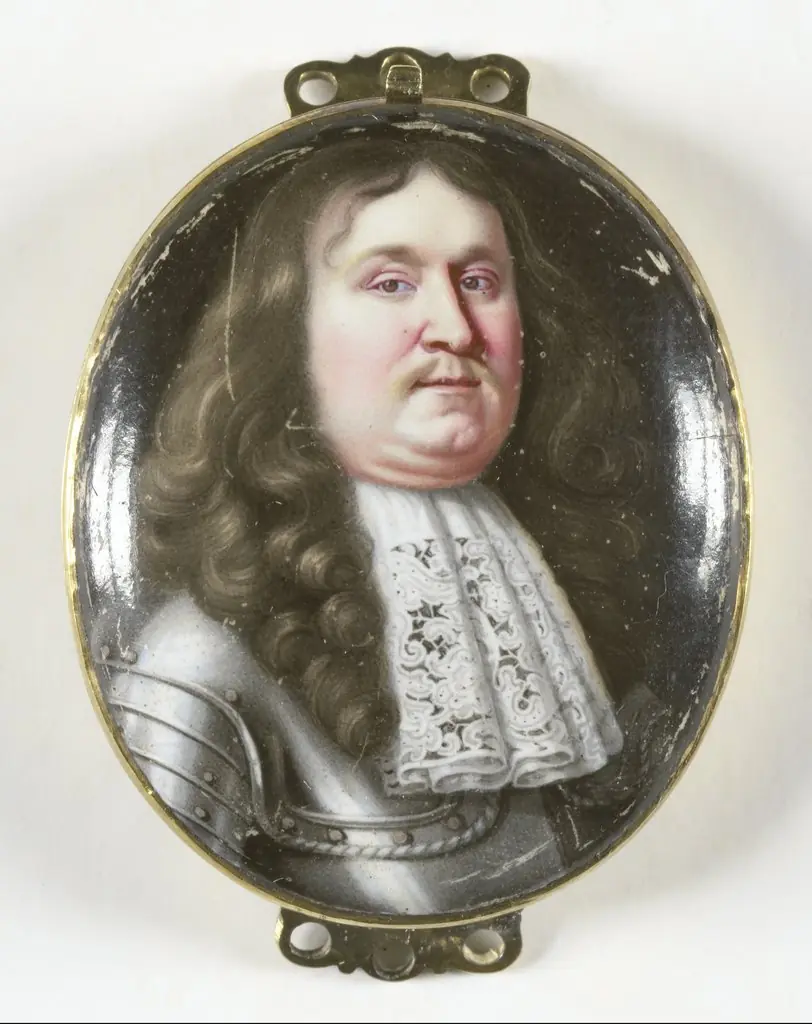 Adolf, Count of Nassau-Dillenburg-Schaumburg (1629-76)
 Portrait of Adriaen Paets, Director of the Rotterdam Chamber of the Dutch East India Company, elected 1734