Artwork
Portrait of Hermana von der Cruysse (1615-1705)
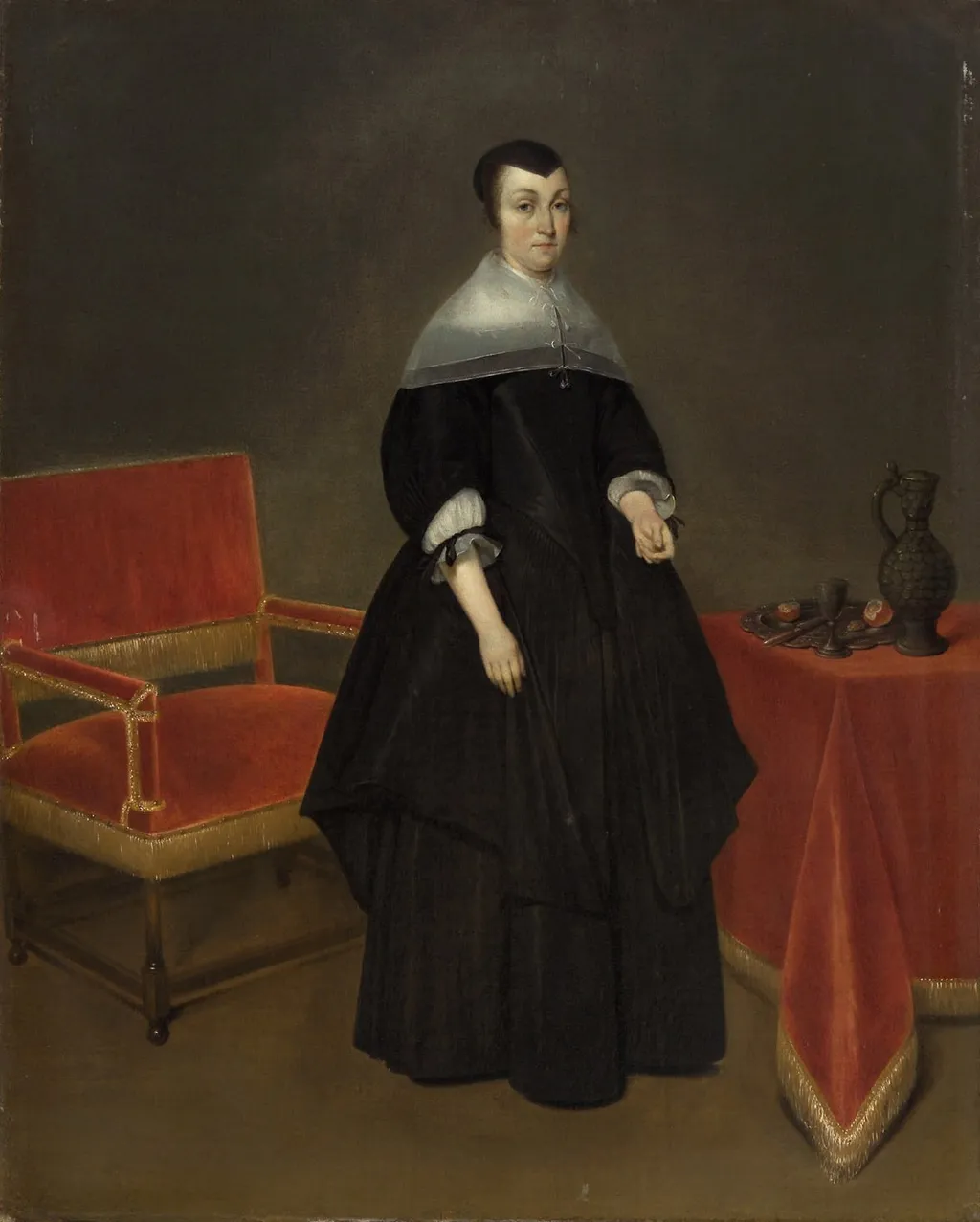
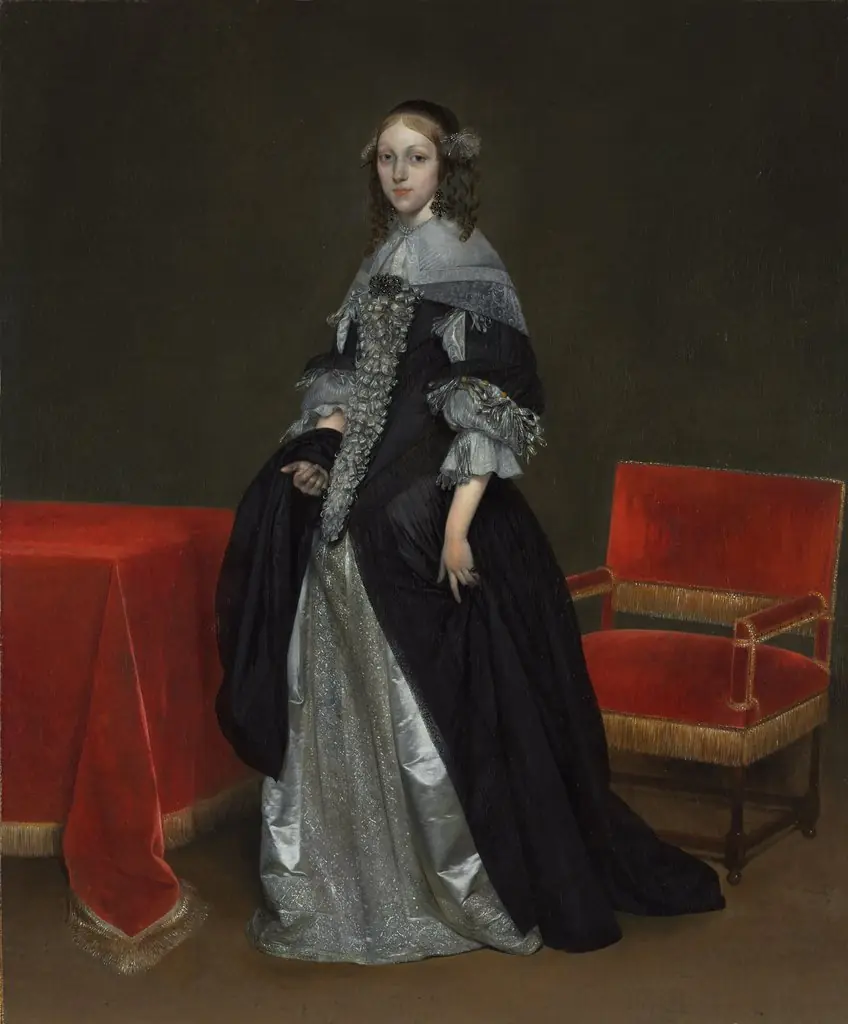
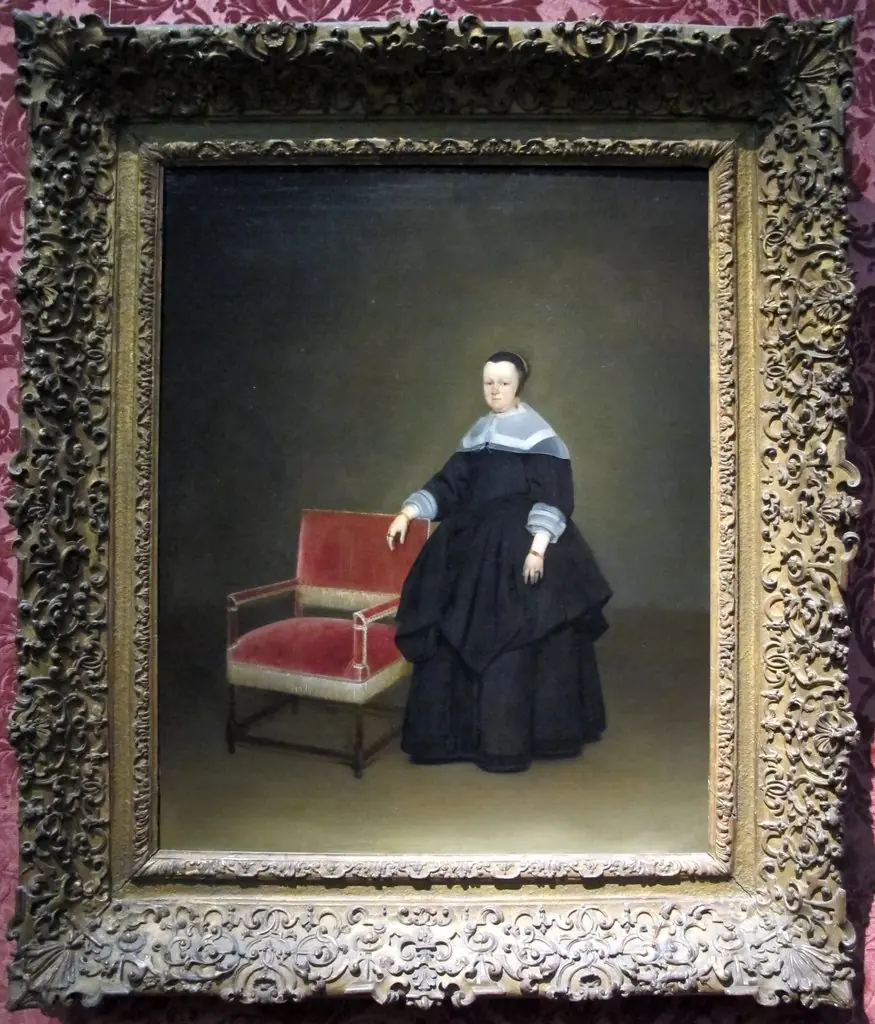
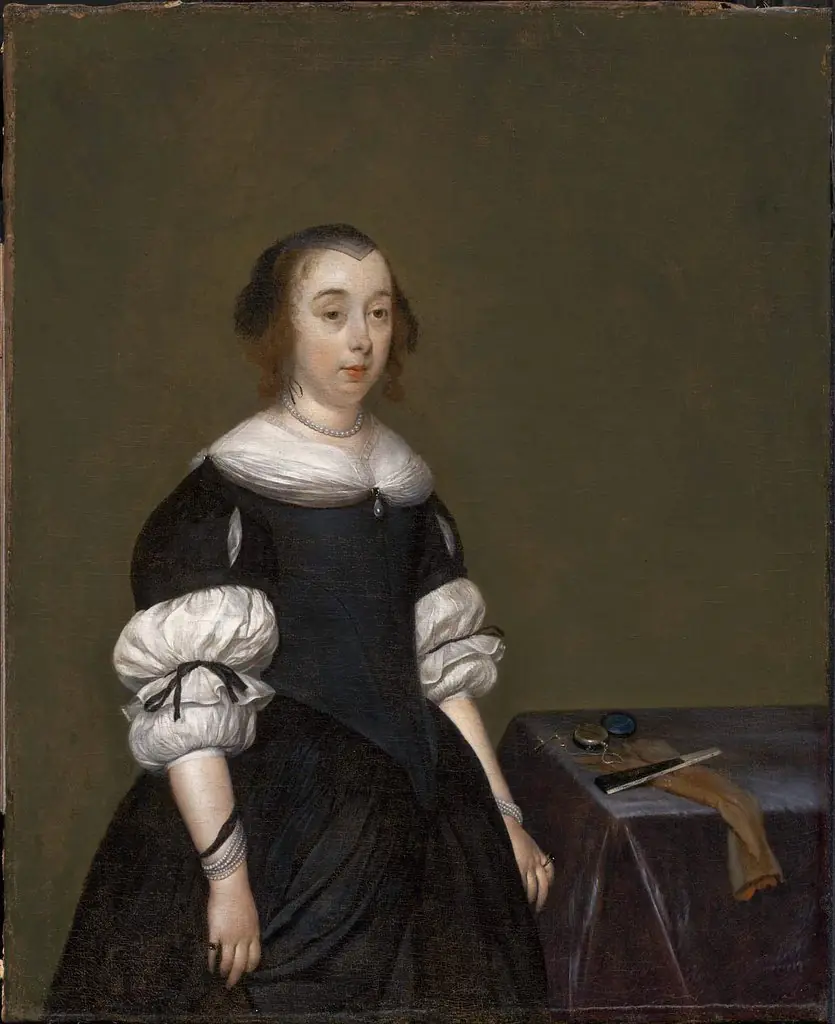
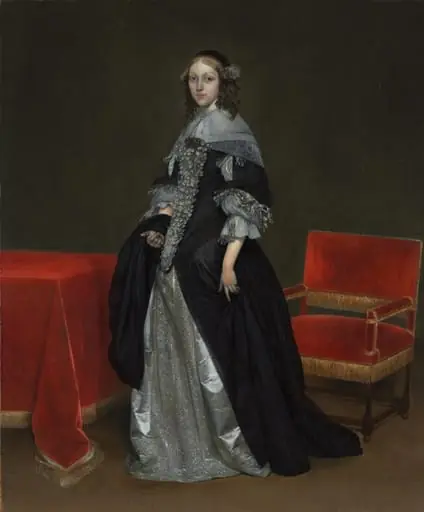
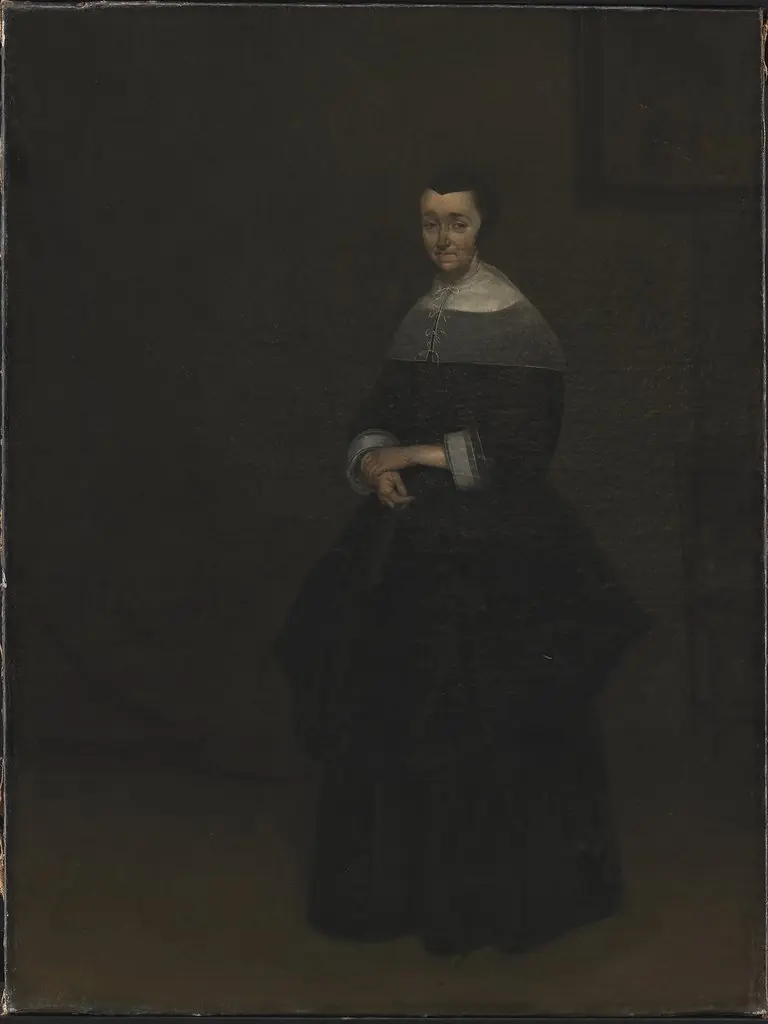
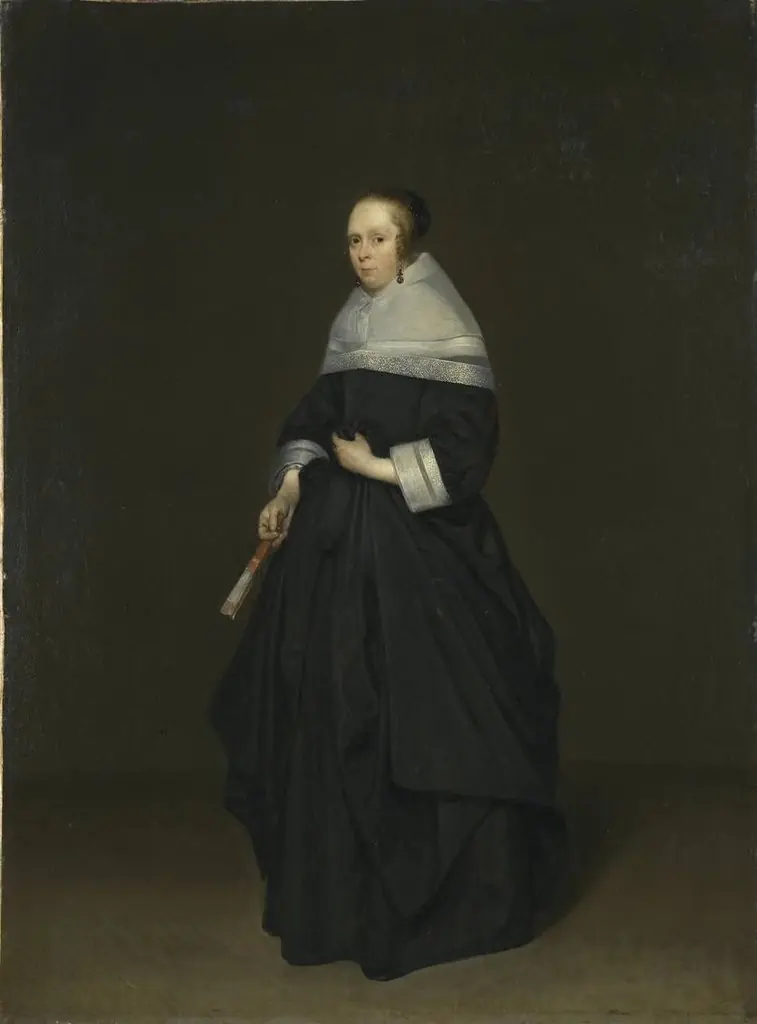
Portrait of Hermana von der Cruysse (1615-1705) is an oil painting by the Dutch Golden Age artist Gerard ter Borch. It dates from 1667 and is held in the collection of the Kunsthistorisches Museum.
About this work
Technique & Style
Gerard ter Borch executed the Portrait of Hermana von der Cruysse in 1667 using oil paint applied to a canvas support.
Gerard ter Borch executed the Portrait of Hermana von der Cruysse in 1667 using oil paint applied to a canvas support. The work measures 62 cm in height and 50.5 cm in width. As a portrait genre painting, the piece depicts a woman seated at a table.
The formal qualities focus on the representation of the subject within a domestic setting, utilizing the artist's characteristic handling of oil on canvas to render the figure and her surroundings.
History & Provenance
The painting was created in 1667 by Gerard ter Borch as an oil on canvas portrait. It entered the collection of Charles Sedelmeyer, later passing through Stephen Alers Hankey, Franz Kleinberger, Lawrie & Co, and Marcell Nemes before being acquired by the Kunsthistorisches Museum, where it remains on display.
The painting is held in the collection of the Kunsthistorisches Museum in Vienna. It entered the museum’s holdings after passing through several private collections: it was previously owned by Charles Sedelmeyer, Stephen Alers Hankey, Franz Kleinberger, Lawrie & Co, and Marcell Nemes. The work’s dimensions are 62 cm in height and 50.5 cm in width.
Overview
Gerard ter Borch’s oil painting, dated 1667, portrays a woman in a modest interior. The composition places the figure against a dark backdrop, allowing the subtle illumination to draw attention to her serene expression and the delicate handling of her attire. The work is part of the collection of the Kunsthistorisches Museum in Vienna.
Subject & Meaning
The sitter, identified as Hermana von der Cruysse, is shown standing before a table, her posture calm and dignified. Her dark blue dress with a wide white collar and puffed sleeves suggests a mid‑17th‑century Dutch fashion, while the restrained setting underscores a quiet, private moment rather than a formal portrait.
Context
Ter Borch is best known for genre scenes that capture domestic life with psychological nuance. This portrait, though more formal, shares his characteristic focus on quiet interaction and the subtle conveyance of character through everyday objects such as the pitcher and cup on the table.
Artist & collection
Artist
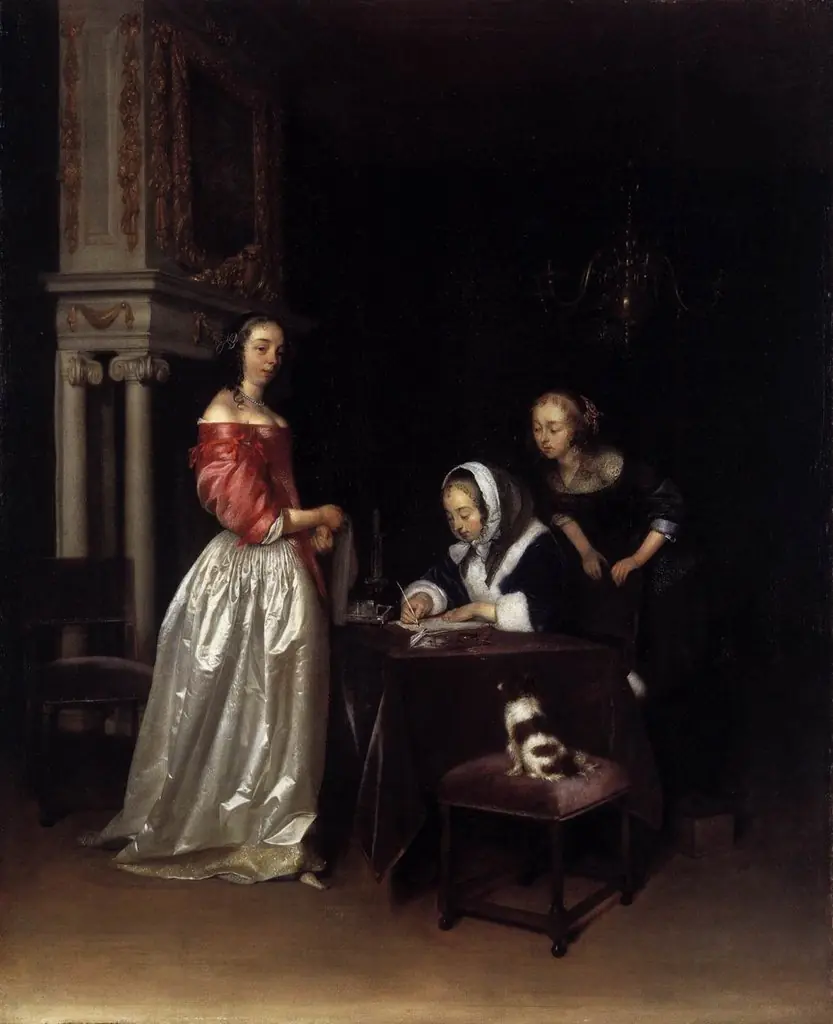
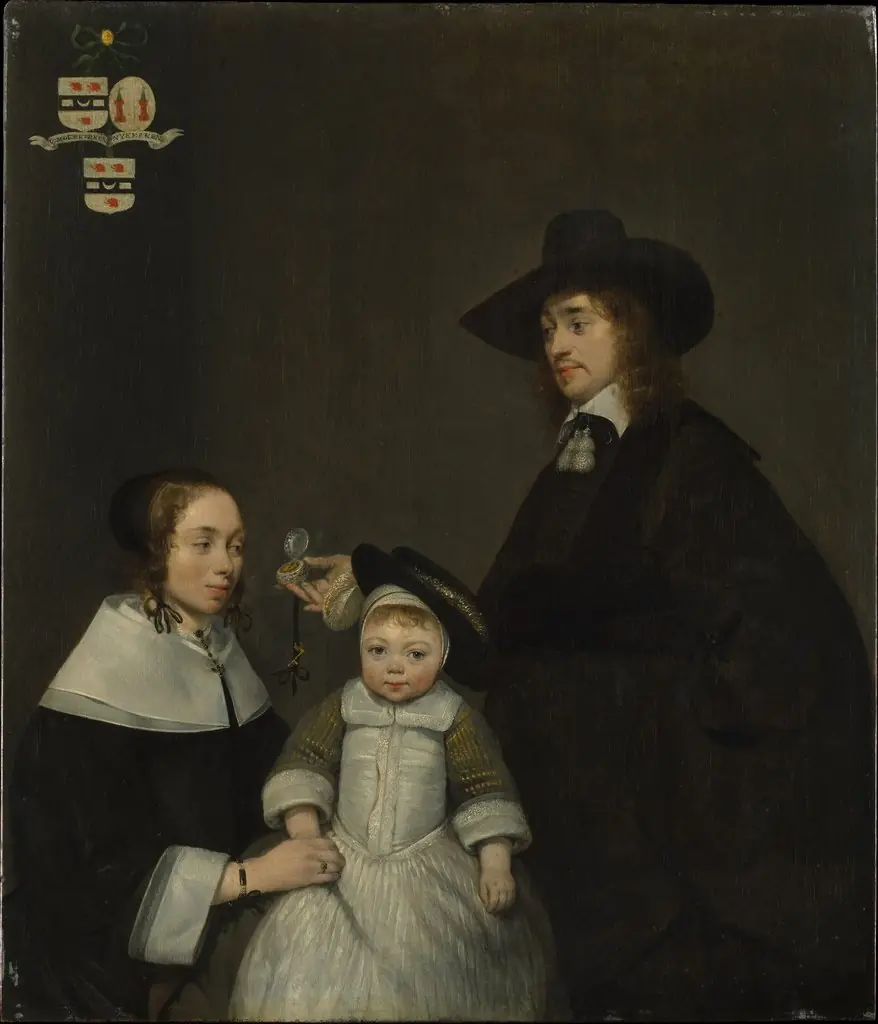
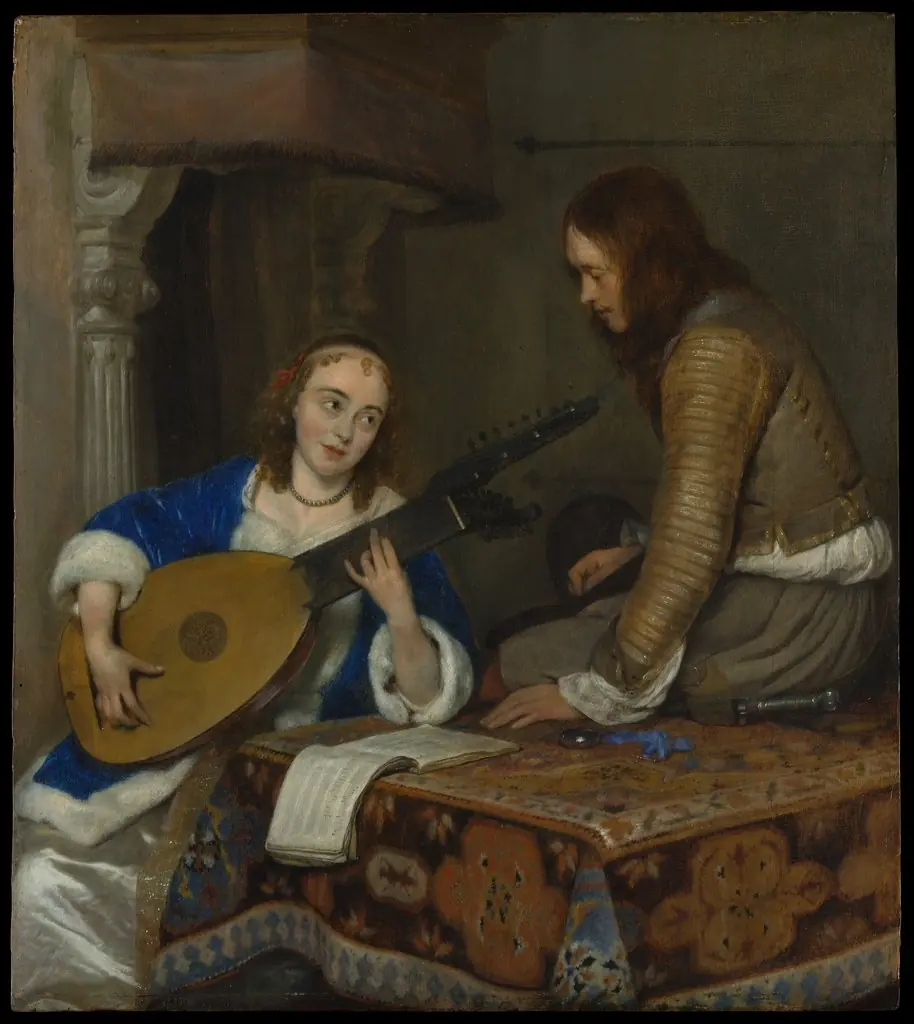
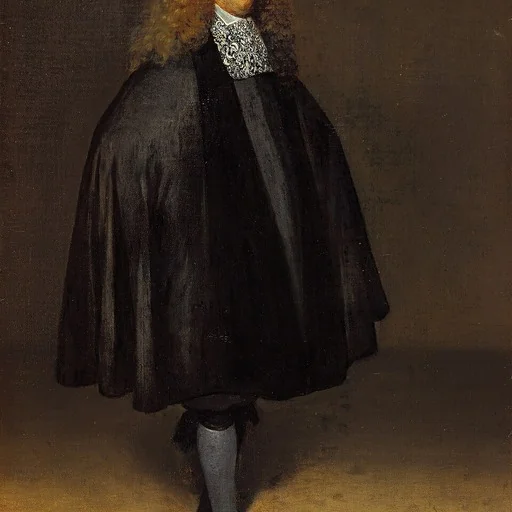
Gerard ter Borch (Dutch:; December 1617 – 8 December 1681), also known as Gerard Terburg (Dutch: ), was a Dutch Golden Age painter mainly of genre subjects.