Artwork
Portrait of Sophia, Princess Palatine, 1641
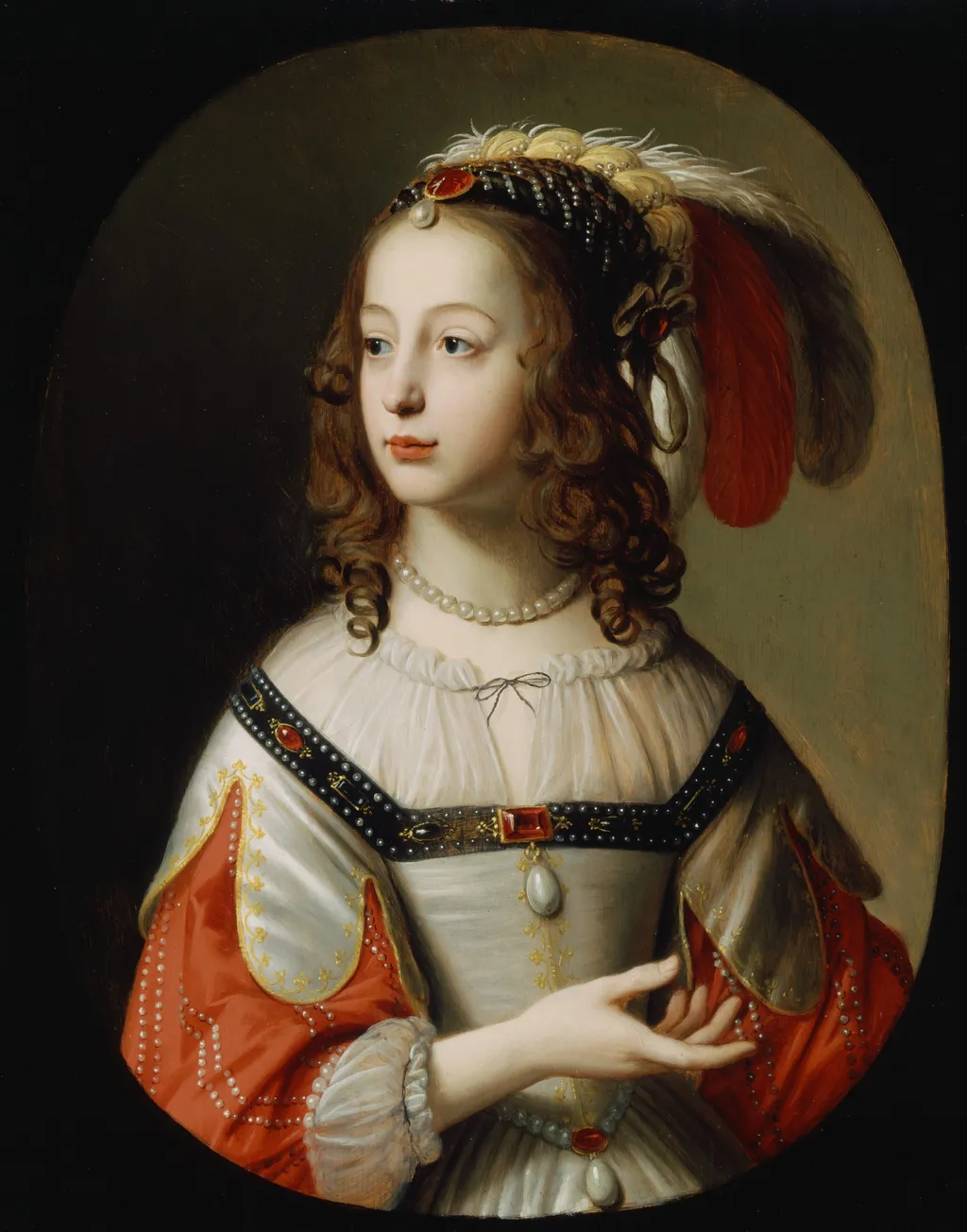
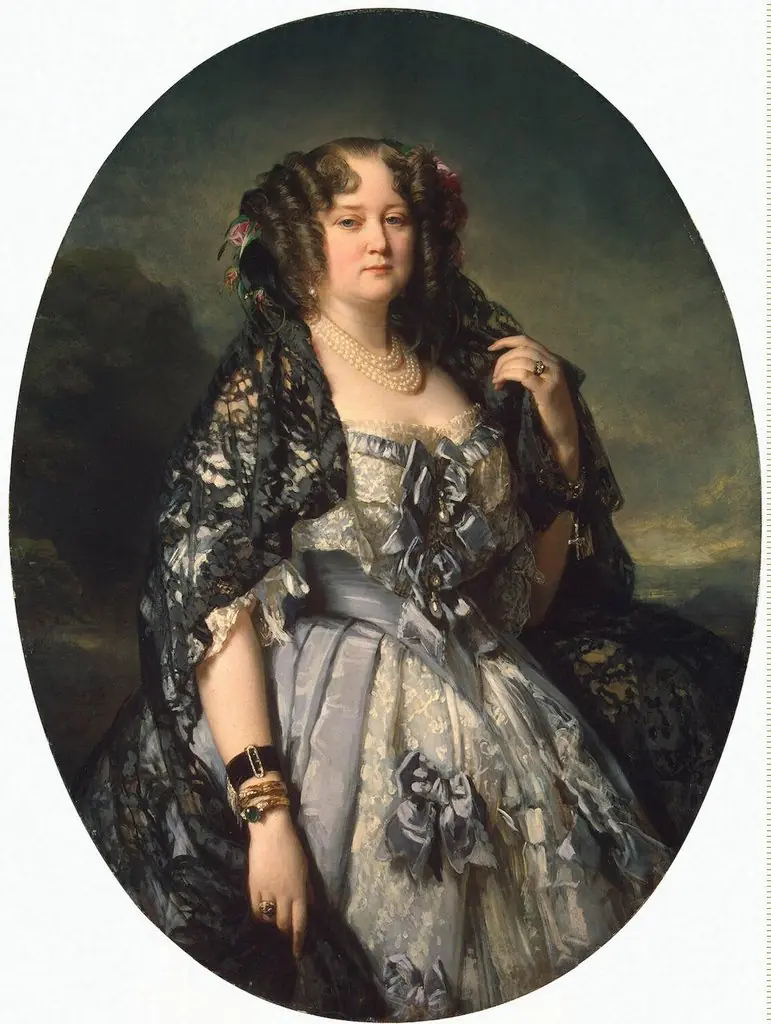
Portrait of Sophia, Princess Palatine, 1641 is an oil painting by the Dutch Golden Age artist Gerard van Honthorst. It dates from 1641 and is held in the collection of the Detroit Institute of Arts.
About this work
Subject & Meaning
These elements serve to define her status and identity within the composition, presenting her as a figure of nobility through these distinct accessories.
The work depicts Sophia of Hanover, identified as the main subject of the portrait. As a formal portrait, the painting centers on the young princess, capturing her likeness in oil paint. The iconography includes specific attributes worn by the sitter, namely a headdress and a pearl.
These elements serve to define her status and identity within the composition, presenting her as a figure of nobility through these distinct accessories.
History & Provenance
The portrait was painted by Gerard van Honthorst in 1641, executed in oil paint as a depiction of Sophia of Hanover, shown wearing a headdress and pearls. According to the available records, the work is held in the collection of the Detroit Institute of Arts, where it remains located. No further details regarding an earlier ownership chain, commissioning patron, or intermediate provenance prior to its acquisition by the Detroit Institute of Arts are documented in the consulted sources.
The portrait is held by the Detroit Institute of Arts, as recorded in its collection data. It is catalogued within the museum's holdings as a seventeenth-century oil painting by Gerard van Honthorst. No specific accession number is provided in the available sources.
Likewise, the available documentation does not include details of any prior or subsequent exhibitions, loans, or display history for the work.
Overview
Gerard van Honthorst painted this oil portrait in 1641, portraying Sophia of Hanover, later known as Princess Palatine. The work belongs to the Detroit Institute of Arts. It exemplifies the Dutch Golden Age’s focus on individual likeness and refined courtly attire.
Technique & Style
Honthorst employs a pronounced chiaroscuro scheme, using a dark, unadorned background to isolate the figure. Light falls on the face and upper torso, creating a sharp contrast that emphasizes the texture of the fabrics and the gleam of the pearls, a hallmark of his Roman training under Caravaggist influences.
Context
Honthorst, a Dutch painter who spent formative years in Rome, brought Caravaggio’s dramatic lighting to the Netherlands. By the 1640s he was a sought‑after portraitist for aristocratic patrons, and this work reflects the cross‑cultural exchange between Italian Baroque techniques and Northern European portrait conventions.
Own this work as a print
Artist & collection
Artist
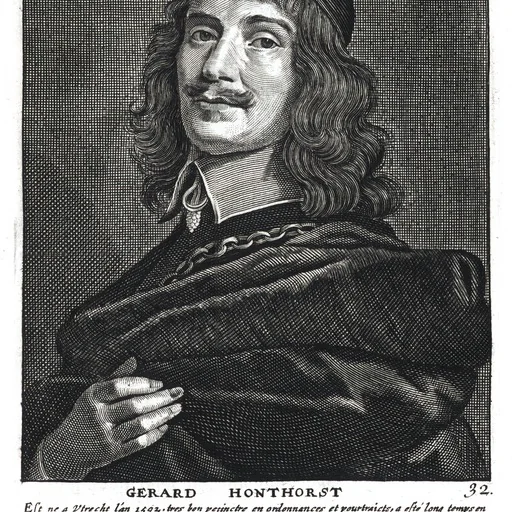
Gerard "Gerrit" van Honthorst (4 November 1592 – 27 April 1656) was a Dutch Golden Age painter who became known for his depiction of artificially lit scenes, eventually receiving the Italian nickname Gherardo delle Notti ("Gerard of the…

 The Triumph of the Winter Queen: Allegory of the Just
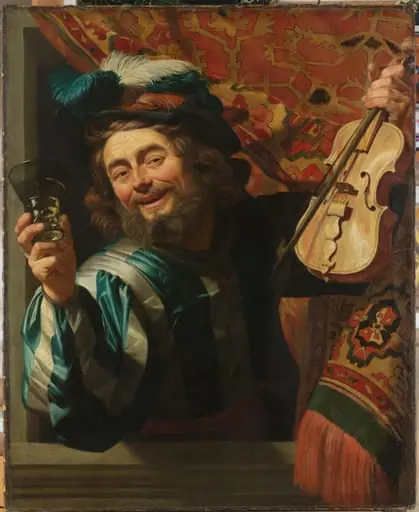 Een vrolijke vioolspeler
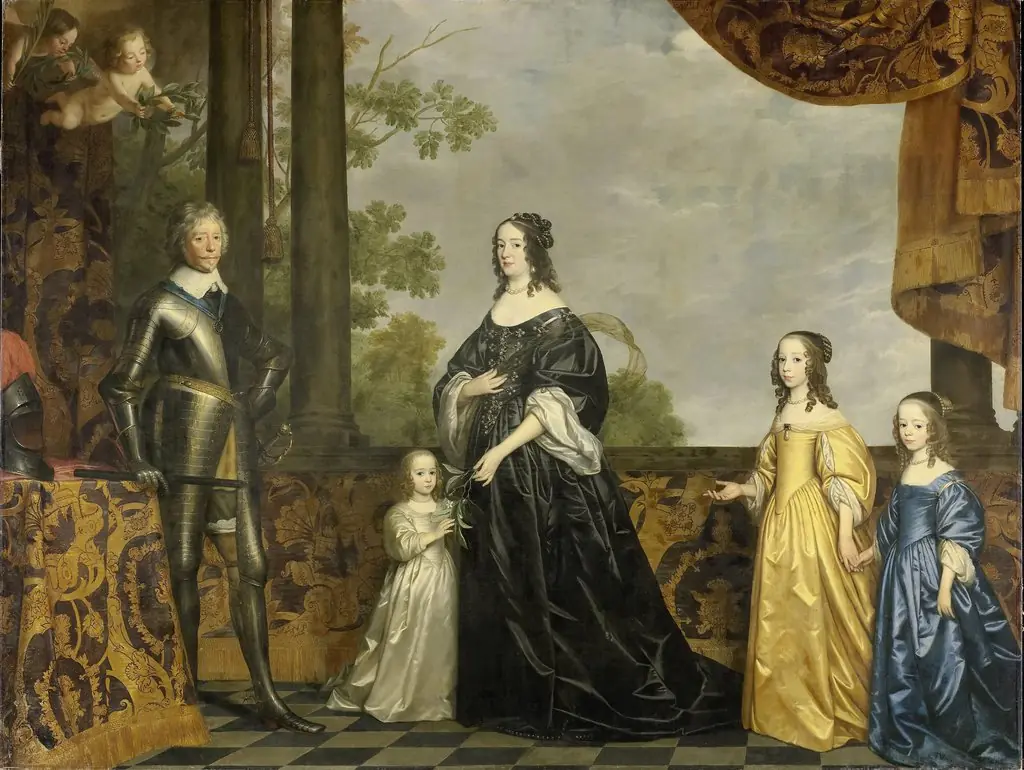 Frederik Hendrik (1584-1647), Prince of Orange, his wife Amalia van Solms (1602-75) and their three youngest daughters, Albertina Agnes (1634-96), Henrietta Catharina (1637-1708) and Maria (1642-88)
 The Concert
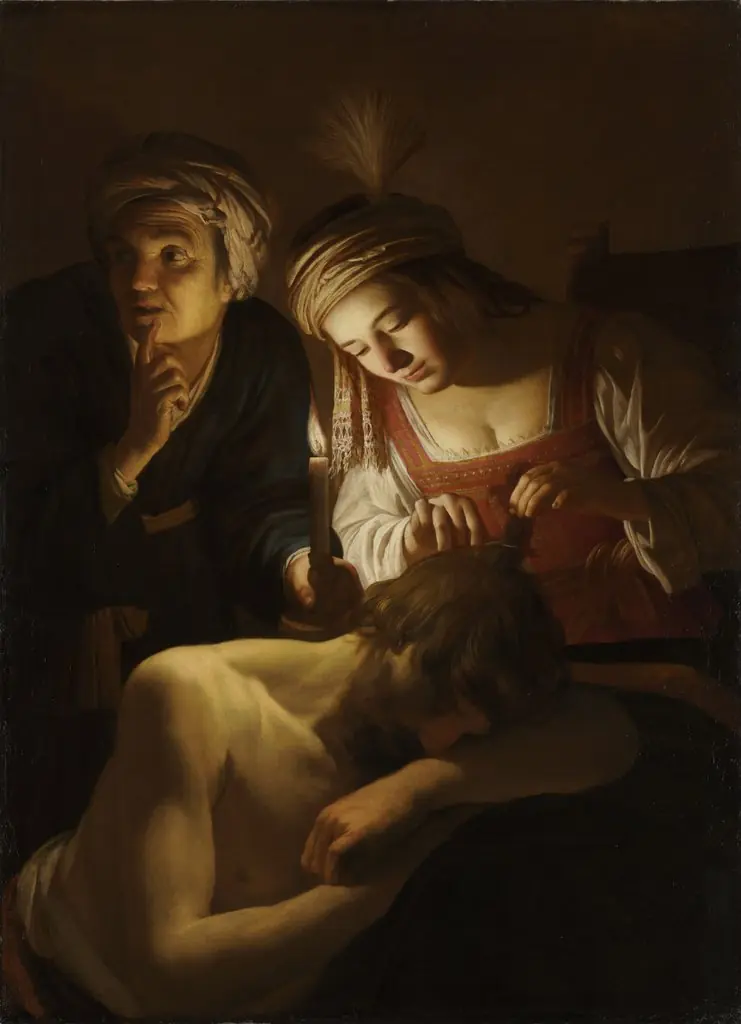 Samson and Delilah
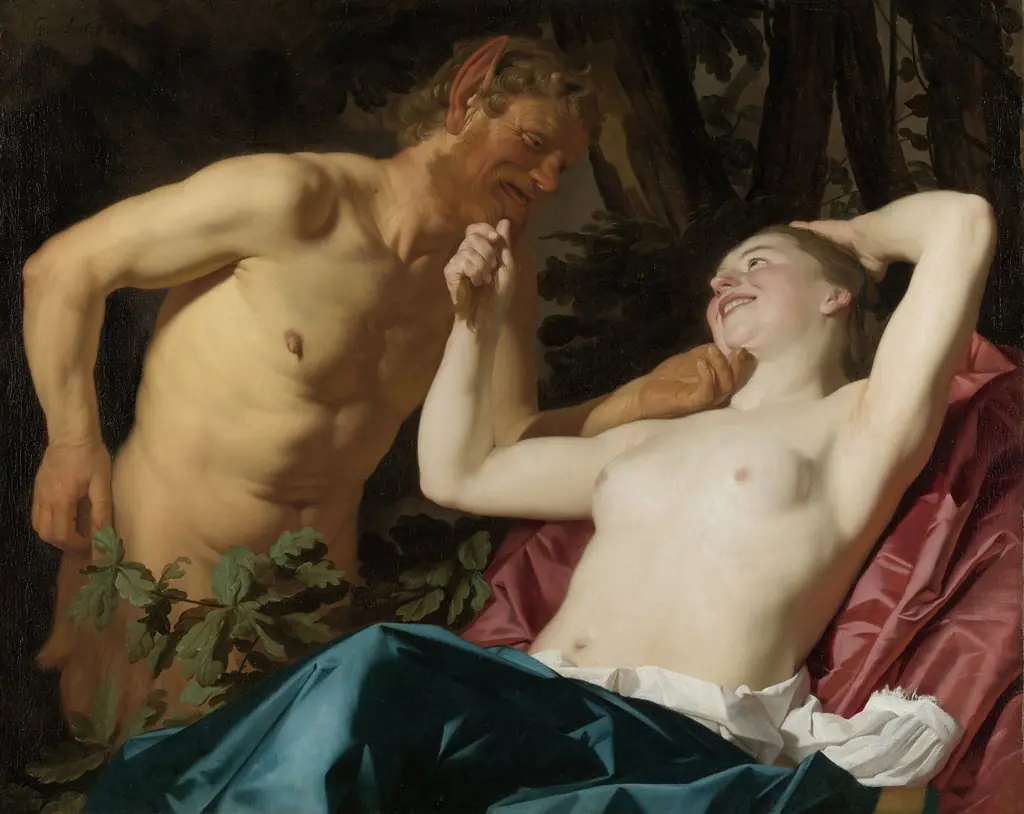 Satyr and Nymph
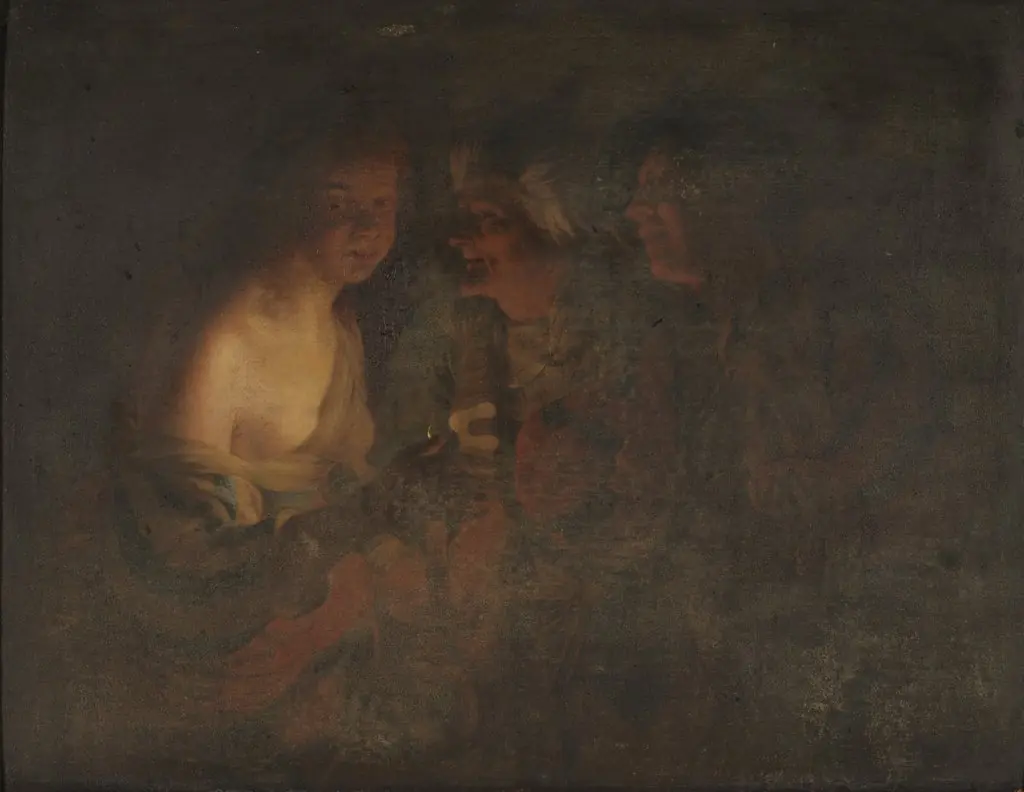 Young Woman with a Candlestick, Old Woman and a Violin Player
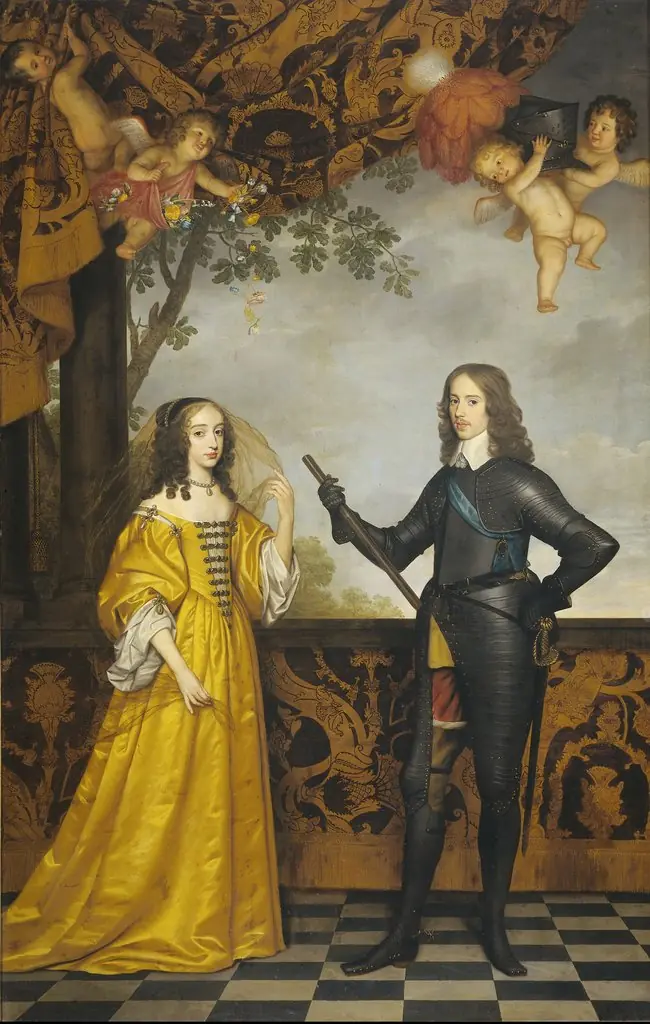 Willem II (1626-50), Prince of Orange, and his wife Maria Stuart (1631-60)
- Portrait of Henrietta Maria (1609–1699), Queen of England
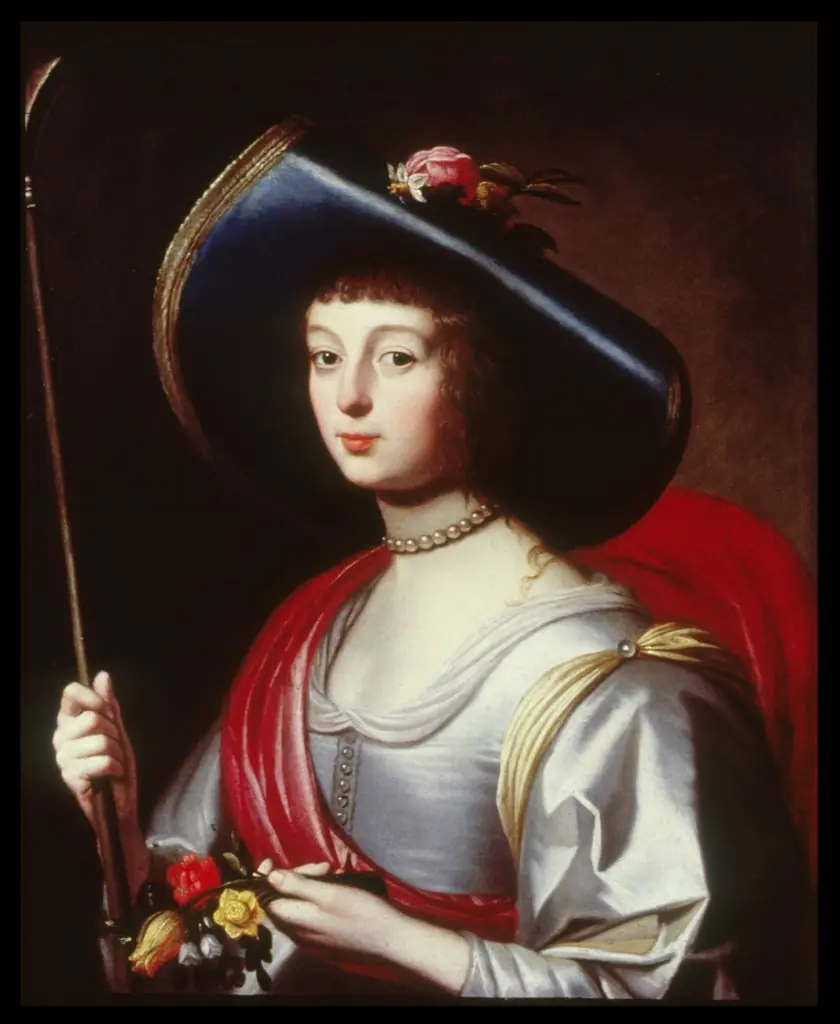 Portrait of a Lady of the Court as a Shepherdess
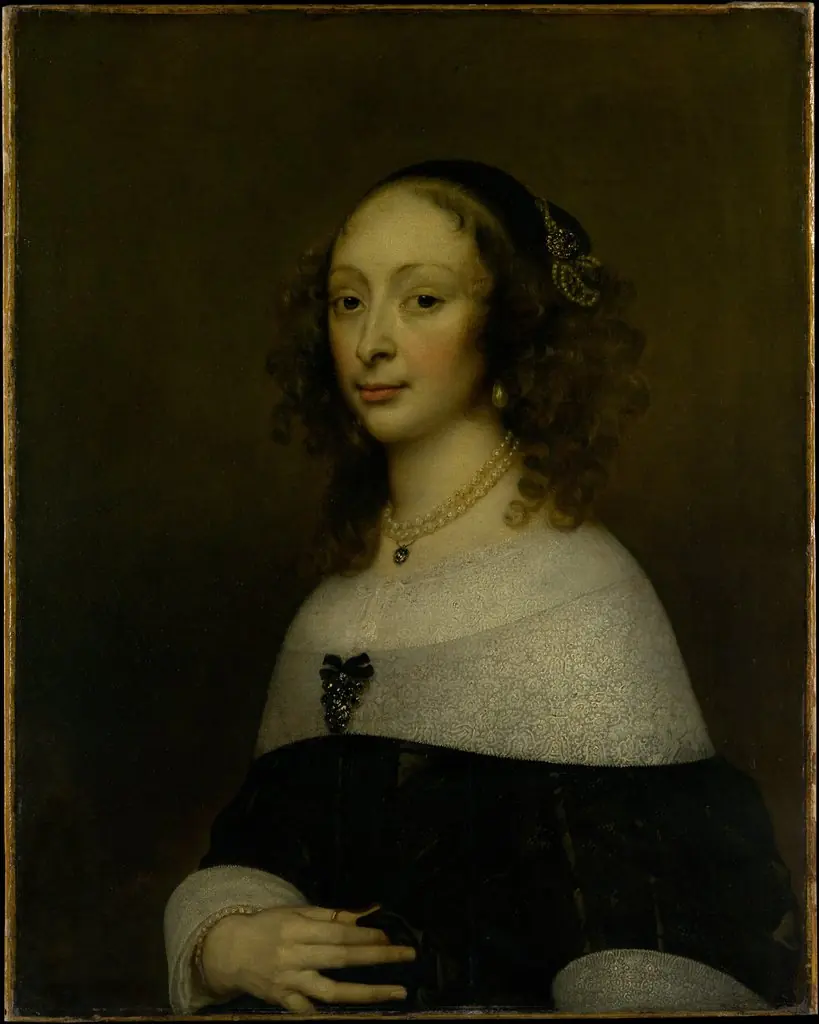 Portrait of a Woman
 Portrait of a Young Woman
 Portrait of Vittoria della Rovere (1622-1694) as St. Catherine
 Portrait of a Woman
 Portrait of a Woman Wearing a Pearl Necklace
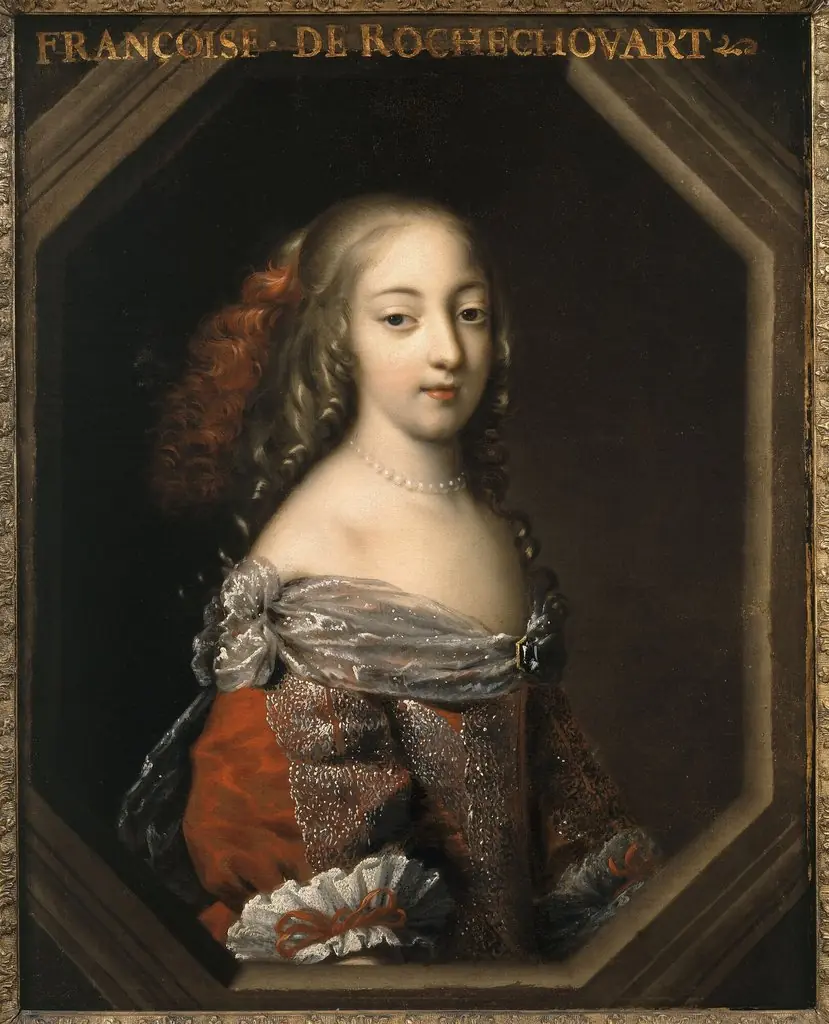 Françoise de Rochechouart
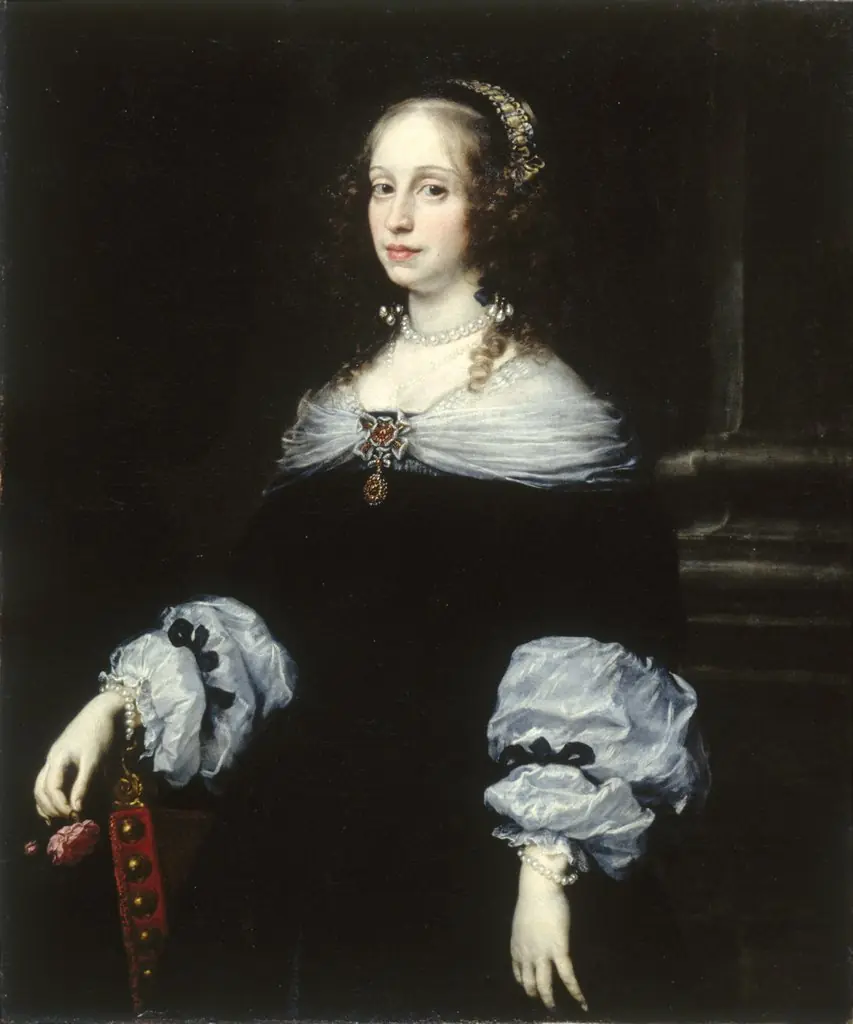 Portrait of Countess Teresa Dudley di Carpegna
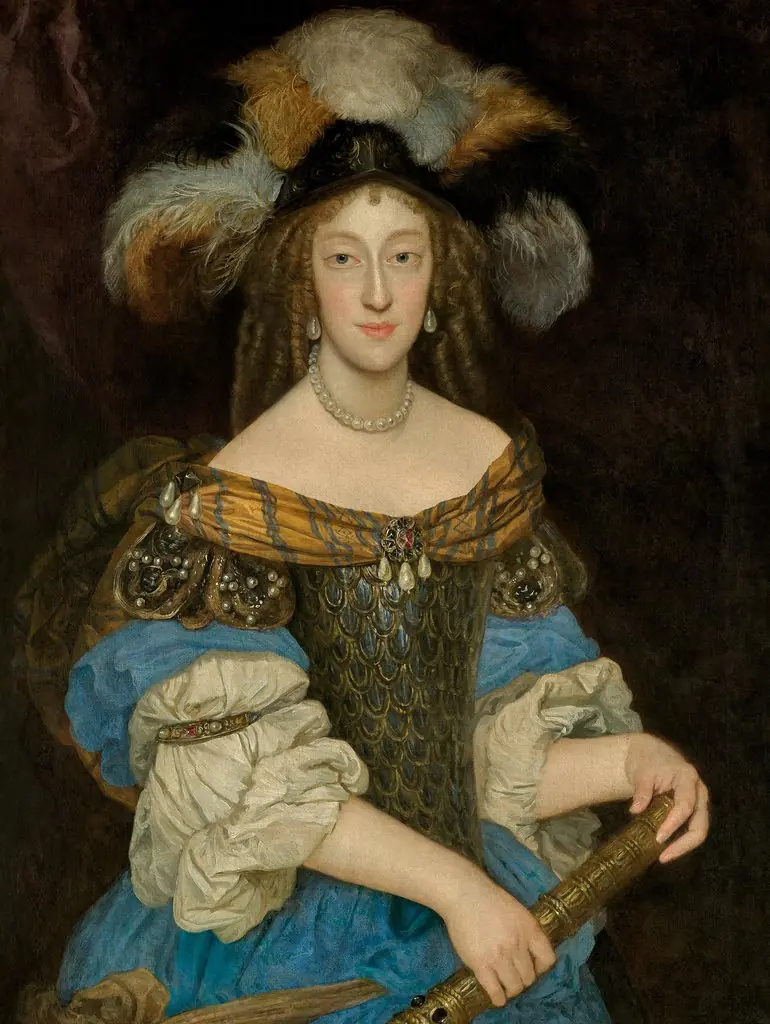 Henriette Adelaide (1636-1676)
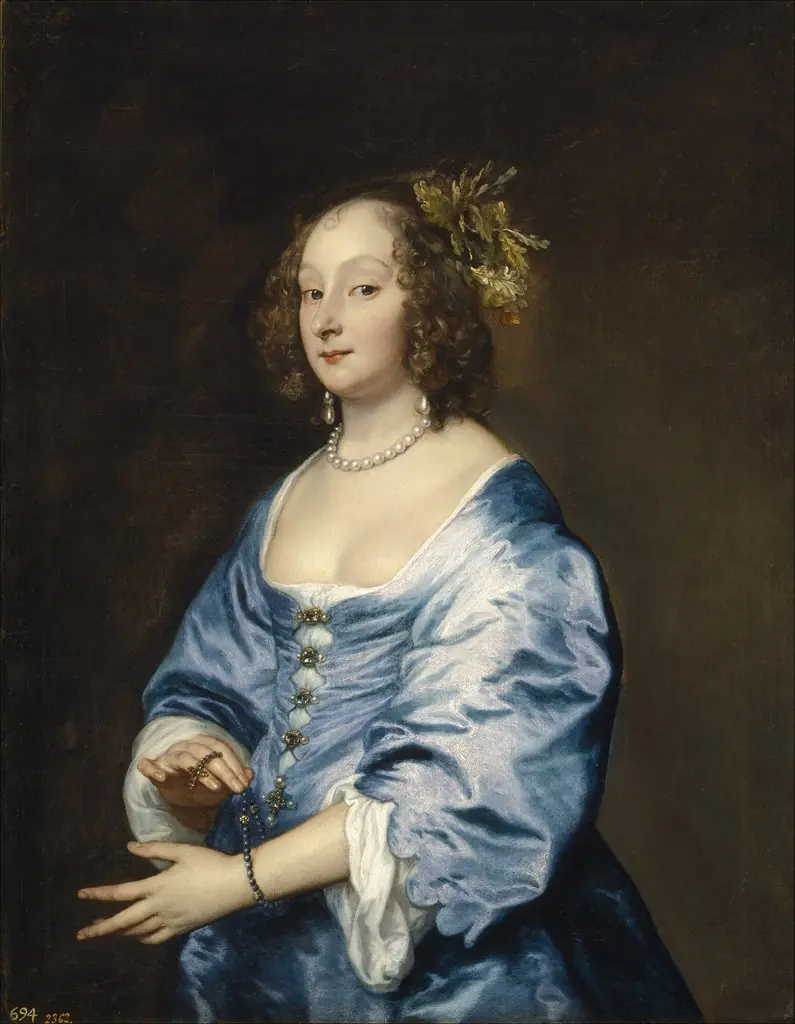 Mary, Lady Van Dyck
 Portrait of Princess Sophia Radzivil