Artwork
The Fall of Man [middle panel]
![The Fall of Man [middle panel], oil, 1535](https://artifactworldgallery.com/img/the-fall-of-man-middle-panel--51048cc74e2325c7-w1024.webp)
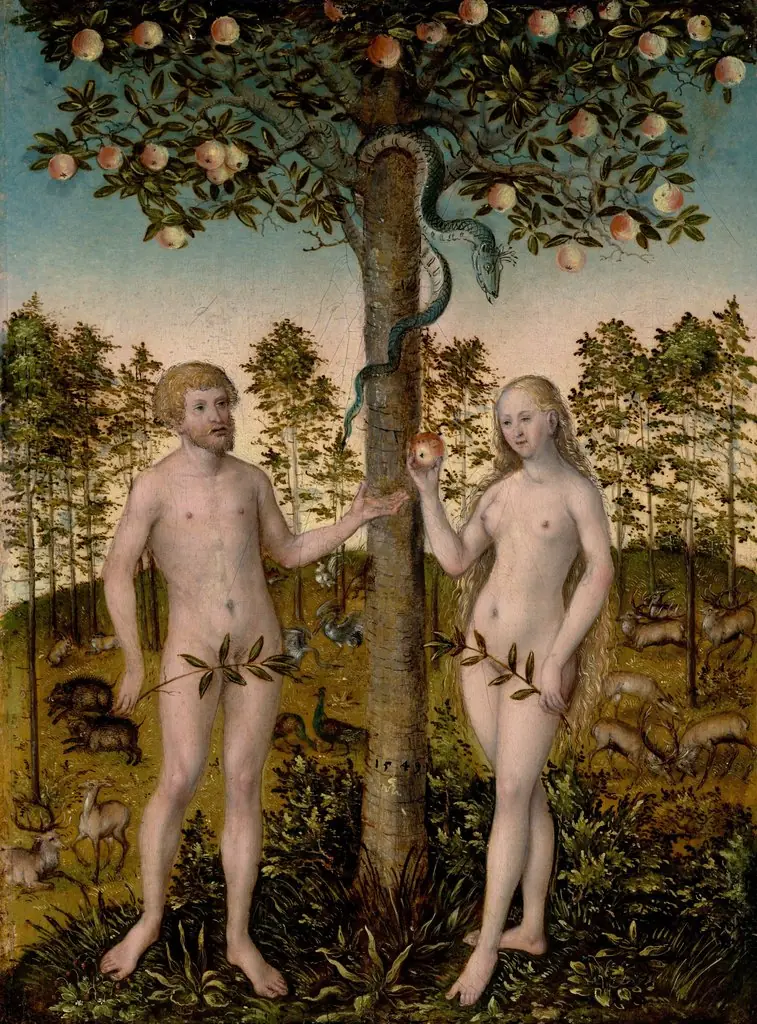
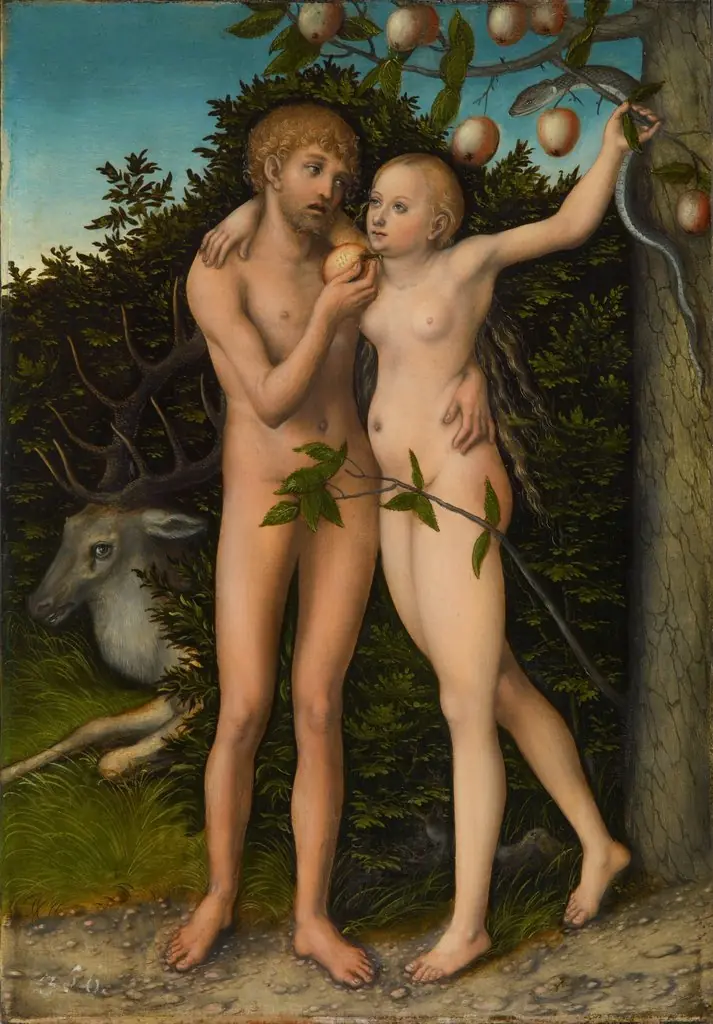
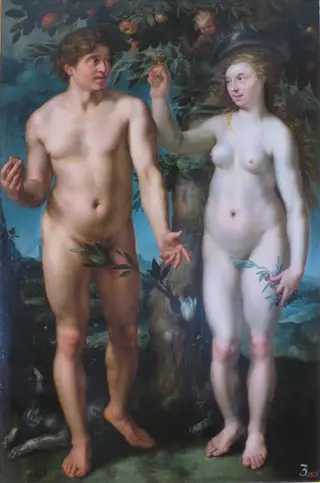
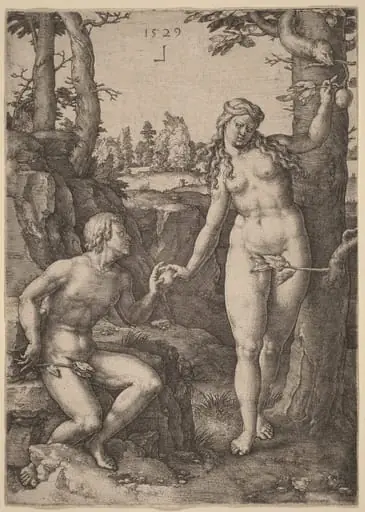
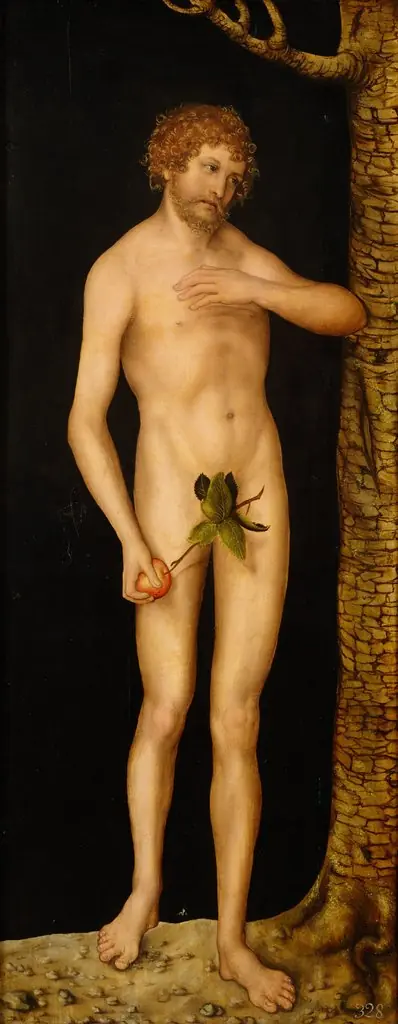
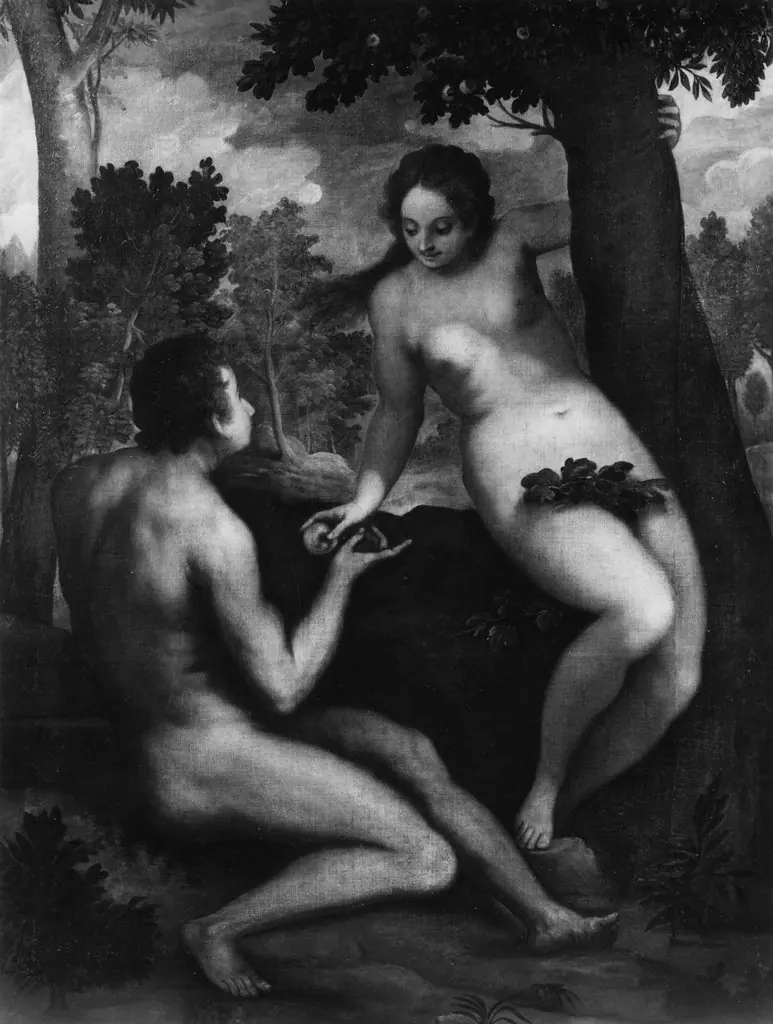
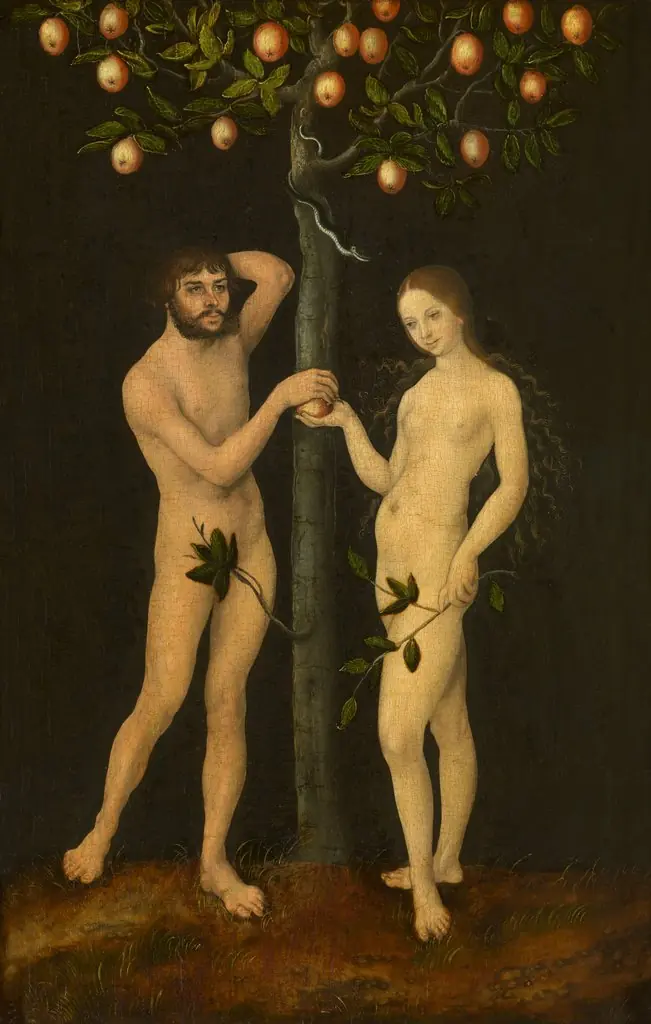
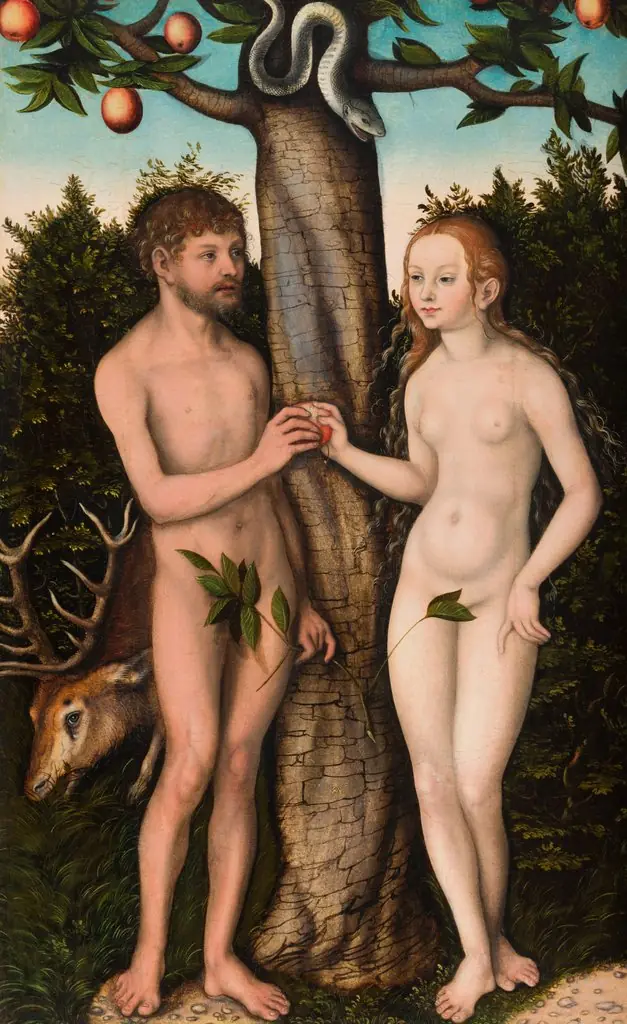
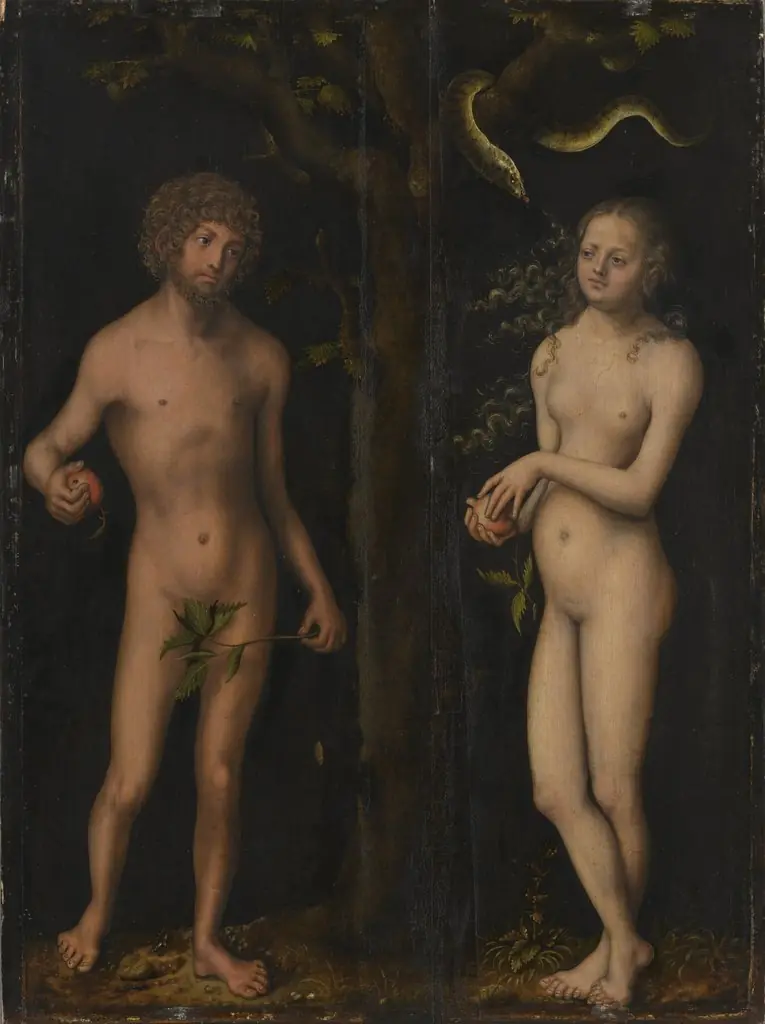
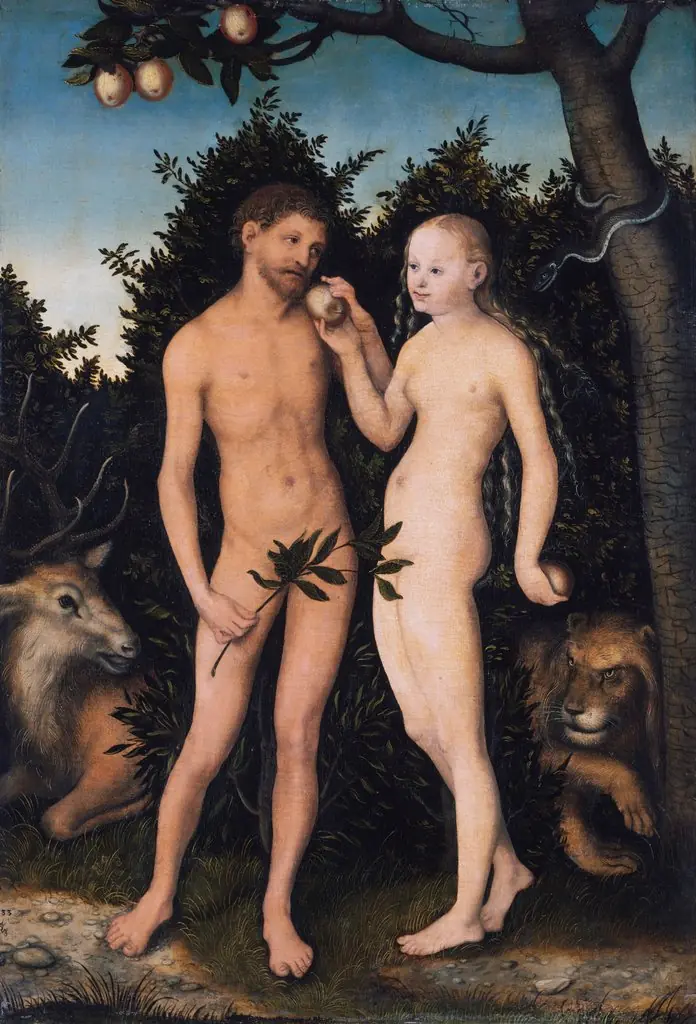
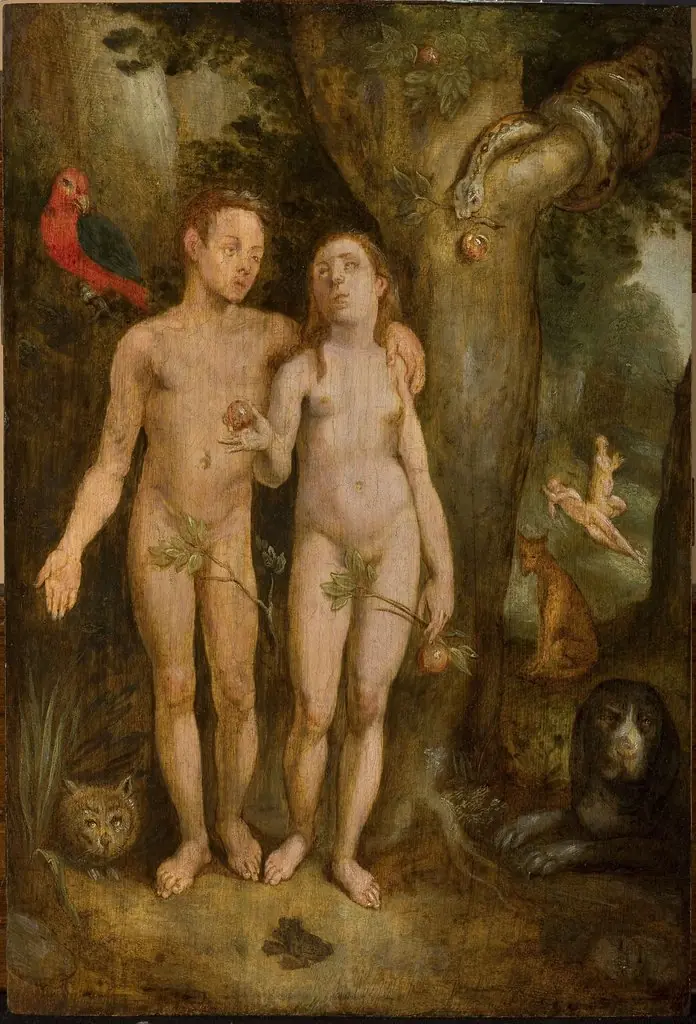
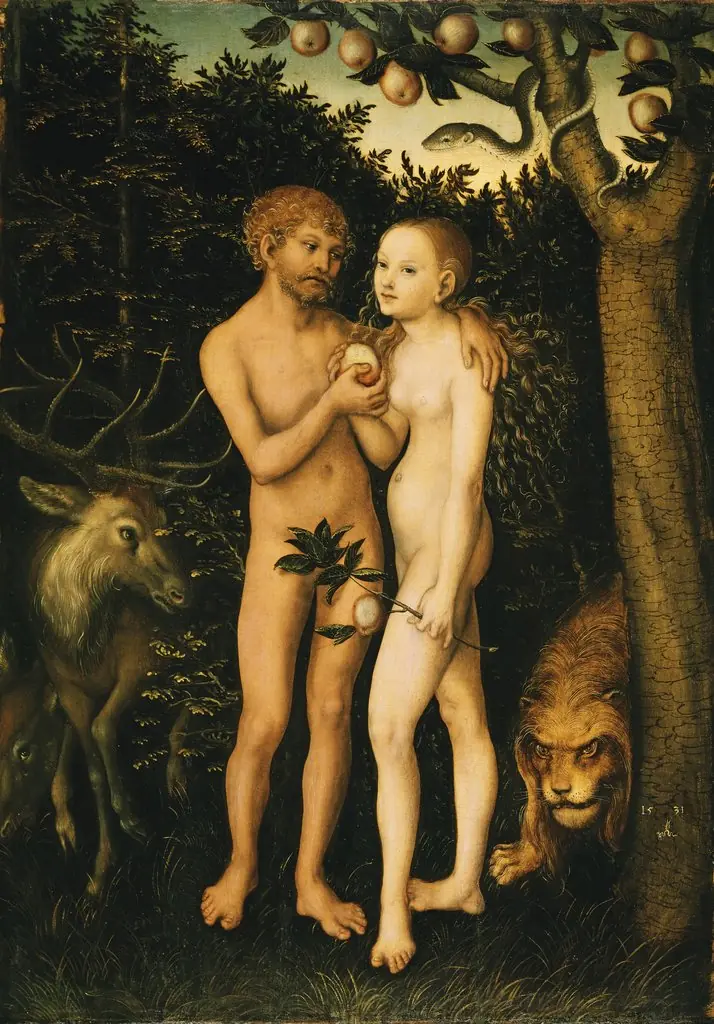
The Fall of Man [middle panel] is an oil painting. It dates from 1535 and is held in the collection of the National Gallery of Art. Titled The Fall of Man, this oil painting by Lucas Cranach the Elder depicts the pivotal biblical moment of Adam and Eve's transgression.
About this work
Subject & Meaning
Its iconography centers on the couple's gesture and the surrounding narrative cues that signal the onset of human disobedience.
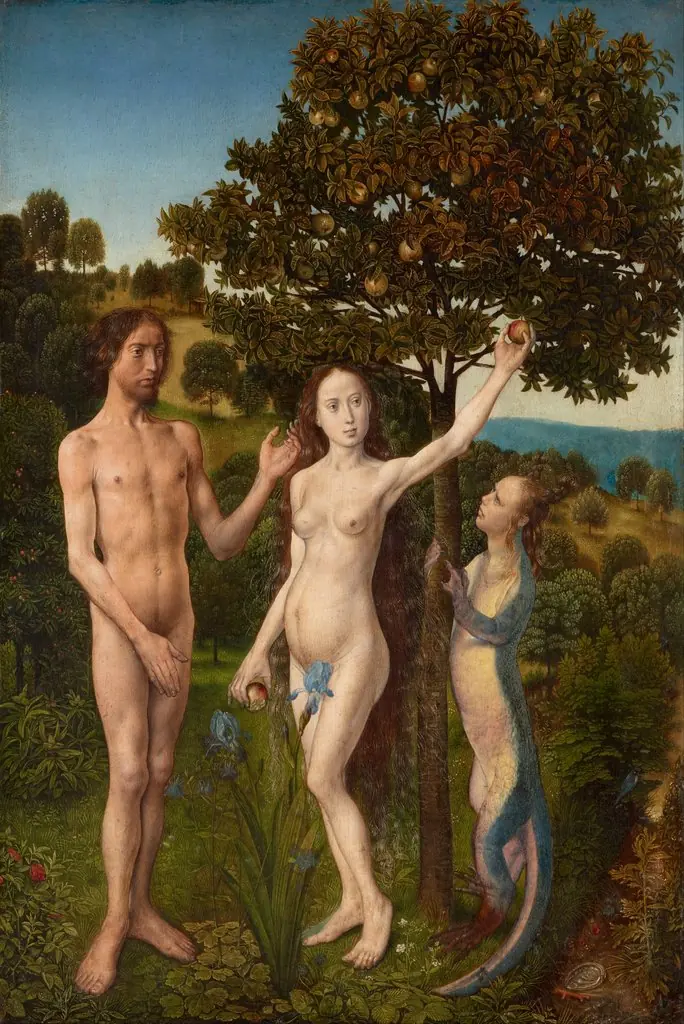
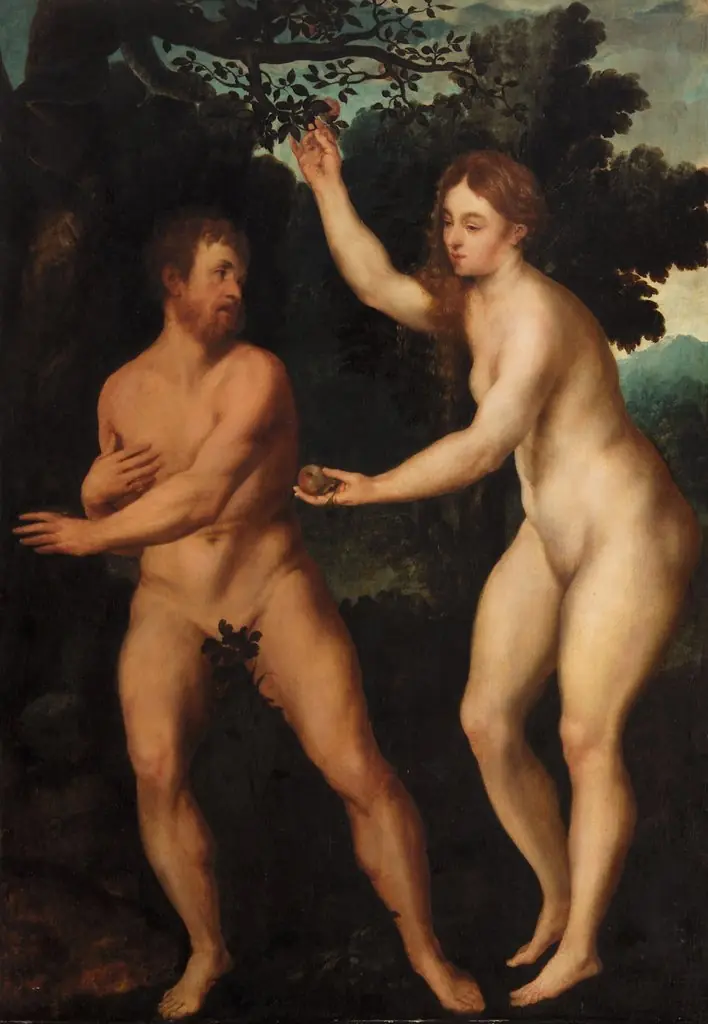
The middle panel of The Fall of Man portrays the biblical episode of Adam and Eve at the moment of humanity's transgression, embodying the theological theme of the Fall and its implication of lost innocence. As a religious work from a German artist of the 15th/16th century dated 1535, the painting uses the couple's expulsion to symbolize sin and the consequent rupture from divine harmony. Its iconography centers on the couple's gesture and the surrounding narrative cues that signal the onset of human disobedience.
The work's provenance traces a documented chain from Professor Wieser through various collectors to the Samuel H. Kress Foundation, culminating in its acquisition by the National Gallery of Art. (source_ids: [1, 2])
Technique & Style
The Fall of Man [middle panel] is executed in oil on hardboard transferred from panel, a support history that reflects a later conservation intervention in which the original wooden panel was removed and the paint layer mounted onto hardboard. The work is classified as a painting and belongs to the religious genre, depicting Adam and Eve. Created in 1535, it belongs stylistically to the German 15th/16th-century tradition.
Beyond the medium and support, the available records do not specify further technical details such as pigment composition, ground preparation, underdrawing, brushwork, surface handling, or present condition.
History & Provenance
The middle panel of The Fall of Man, an oil on hardboard transferred from panel, was created in 1535 and attributed to an anonymous German artist later identified as Albrecht Altdorfer. Its early ownership traced from Professor Wieser in Innsbruck (by 1891) through Lacher von Eisack, Paul Cassirer, and Baron Heinrich Thyssen‑Bornemisza, who held it at Schloss Rohoncz and later Villa Favorita. The work passed to his son, Baron Hans Heinrich Thyssen‑Bornemisza, and was sold in 1950 to M. Knoedler & Co., then purchased by the Samuel H. Kress Foundation in February 1951, finally gifted to the National Gallery of Art in 1952.
The painting is currently held in the collection of the National Gallery of Art in Washington, D.C., as part of the Samuel H. Kress Collection. Its acquisition history traces back to Baron Heinrich Thyssen-Bornemisza, who possessed the work by 1930 at his Villa Favorita in Lugano-Castagnola. Following his death, the piece passed to his son, Baron Hans Heinrich Thyssen-Bornemisza.
In 1950, the New York dealer M. Knoedler & Co. acquired the panel, subsequently selling it to the Samuel H. Kress Foundation in February 1951. The Foundation donated the work to the National Gallery of Art in 1952. Historically, the artwork was exhibited at the Neue Pinakothek in Munich in 1930 as part of the Sammlung Schloss Rohoncz exhibition.
Overview
Titled The Fall of Man, this oil painting by Lucas Cranach the Elder depicts the pivotal biblical moment of Adam and Eve's transgression. Originally executed on a wood panel, the work has since been transferred to hardboard. It presents the first humans in a verdant landscape, poised at the brink of their expulsion from paradise, a scene central to Christian theology and frequently explored by the artist.
Context
Lucas Cranach the Elder, a prominent German Renaissance painter, frequently revisited the theme of Adam and Eve. This particular rendition reflects the artistic conventions of the early 16th century, where biblical narratives were often presented with a blend of humanistic detail and symbolic elements. Cranach's interpretations of this story often served to underscore theological concepts prevalent during the Reformation era.
Artist & collection