Artwork
The Fall of Man
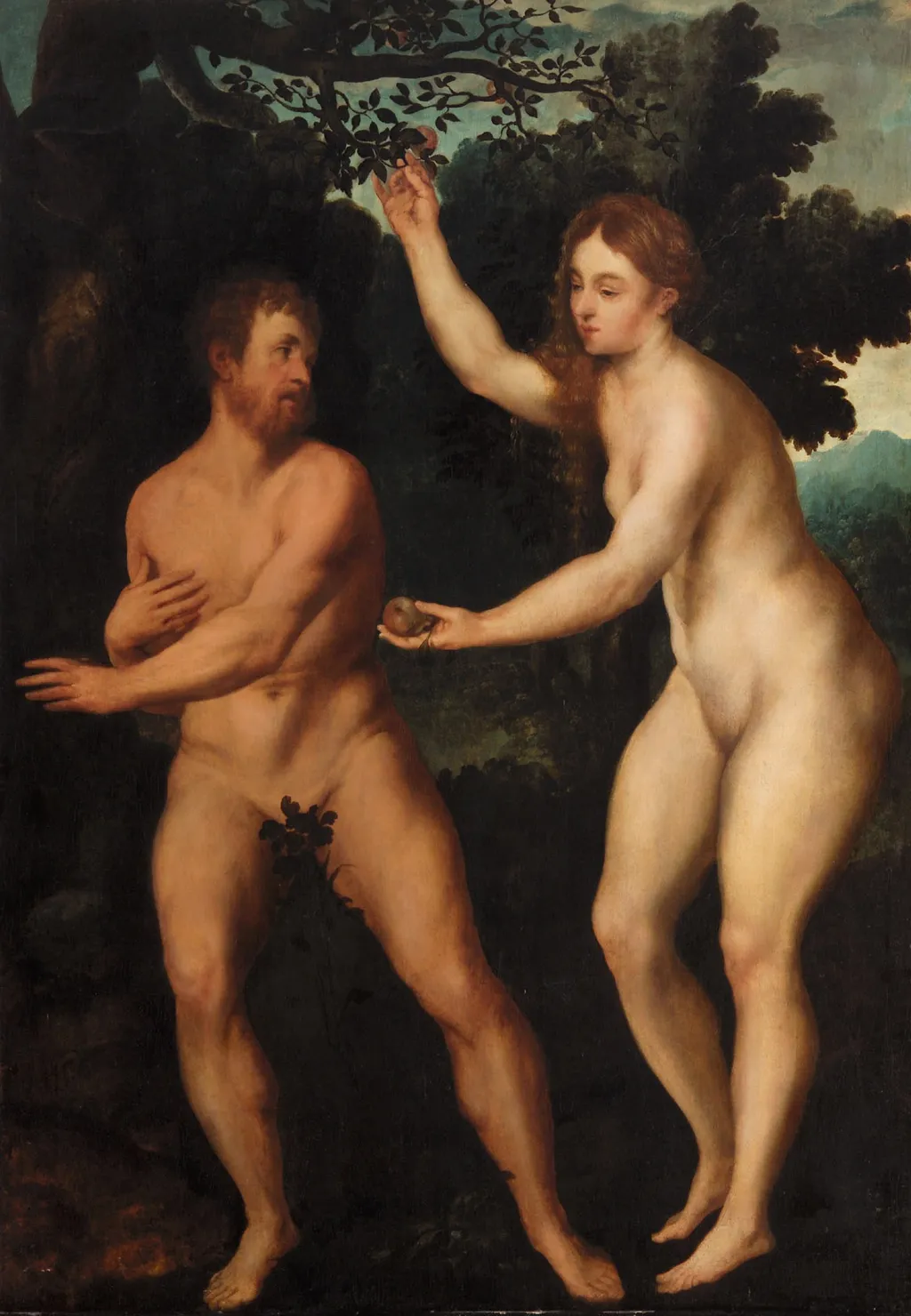
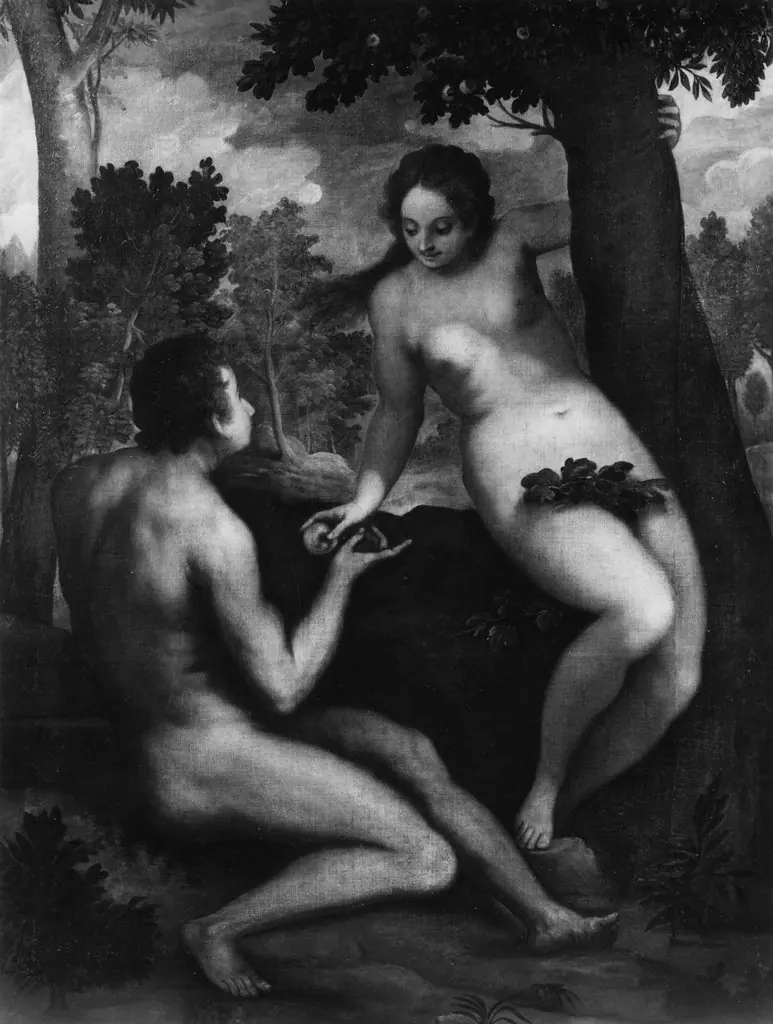
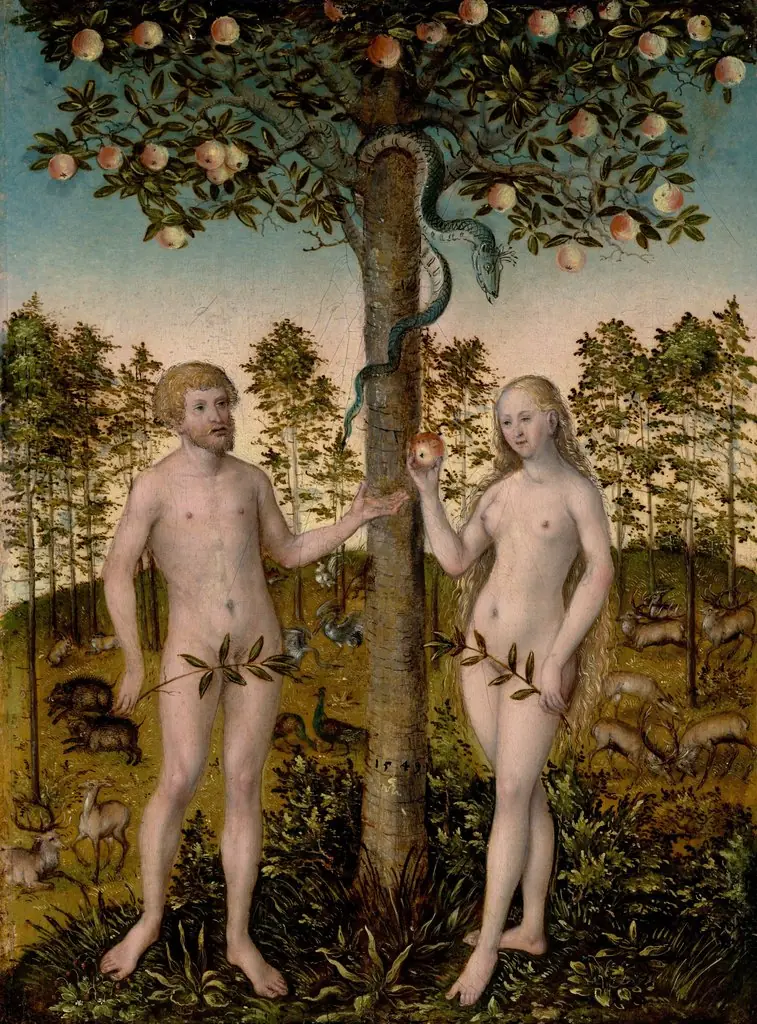
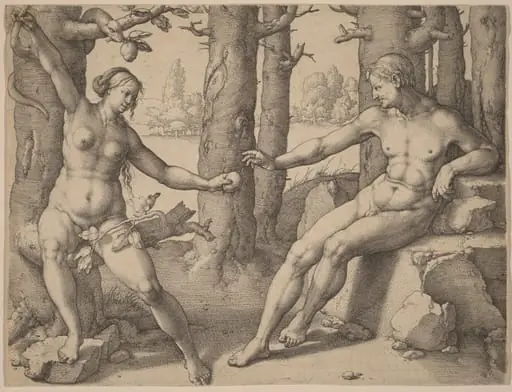
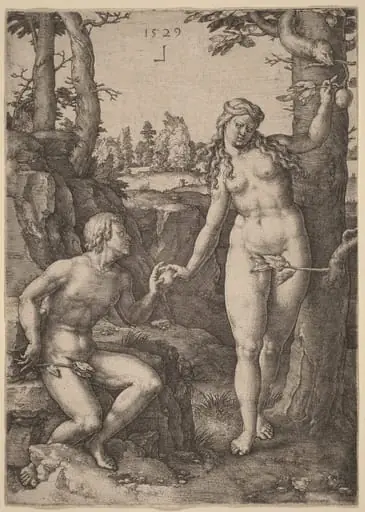
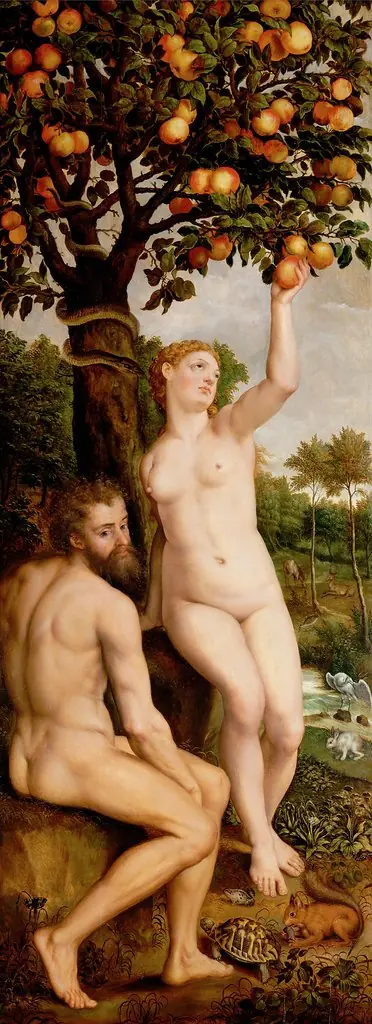
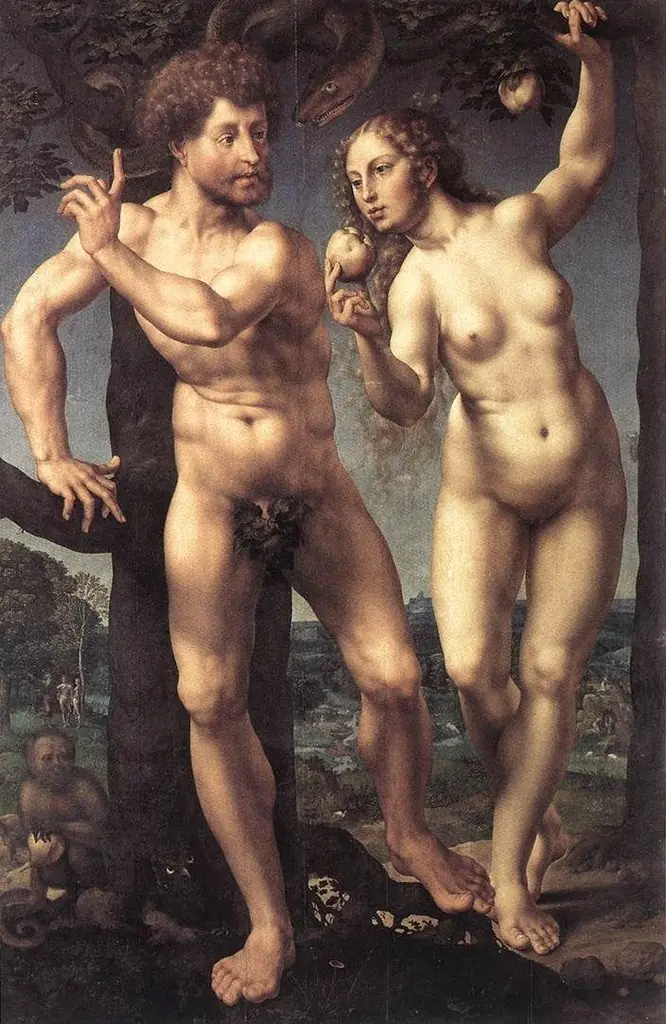
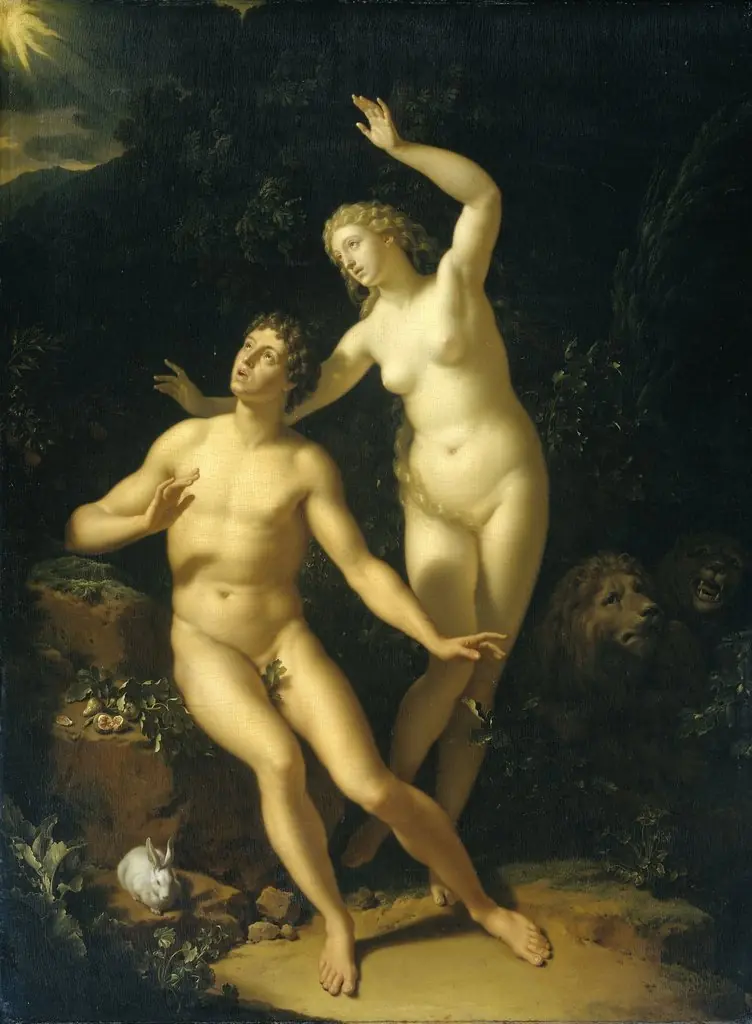
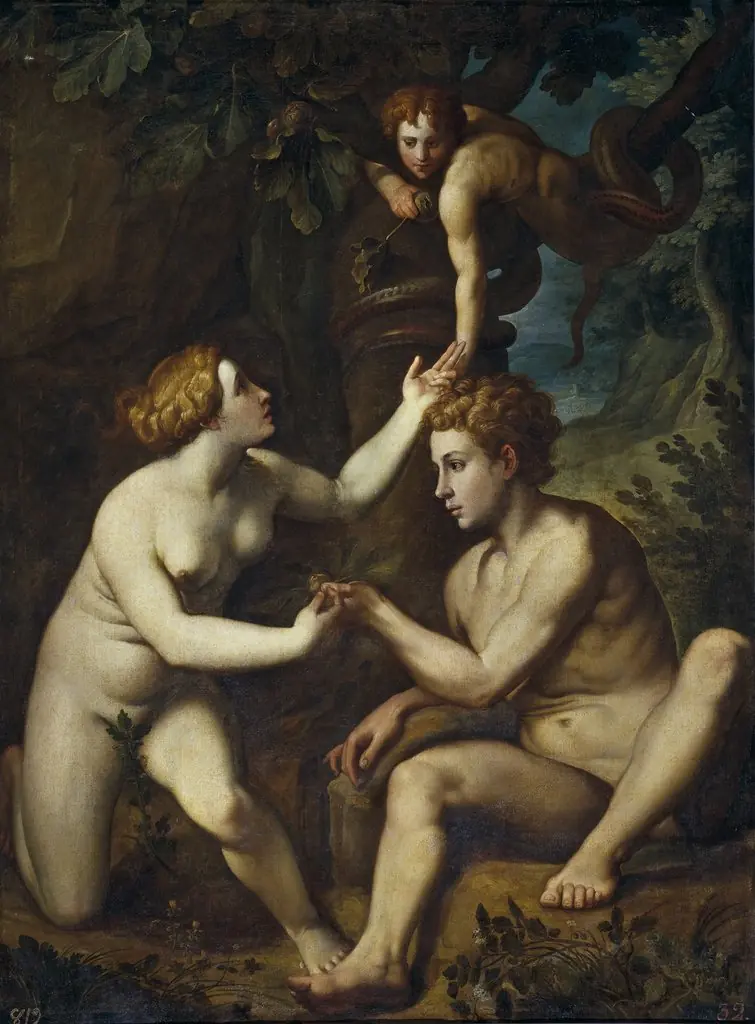
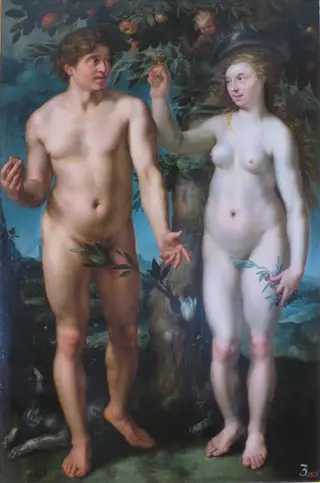
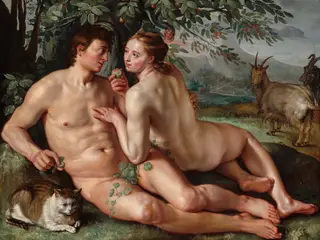
The Fall of Man is an unspecified painting. It dates from 1545 and is held in the collection of the Kunsthistorisches Museum. The work depicts a nude male and female figure within a dense, shadowy forest.
About this work
Subject & Meaning
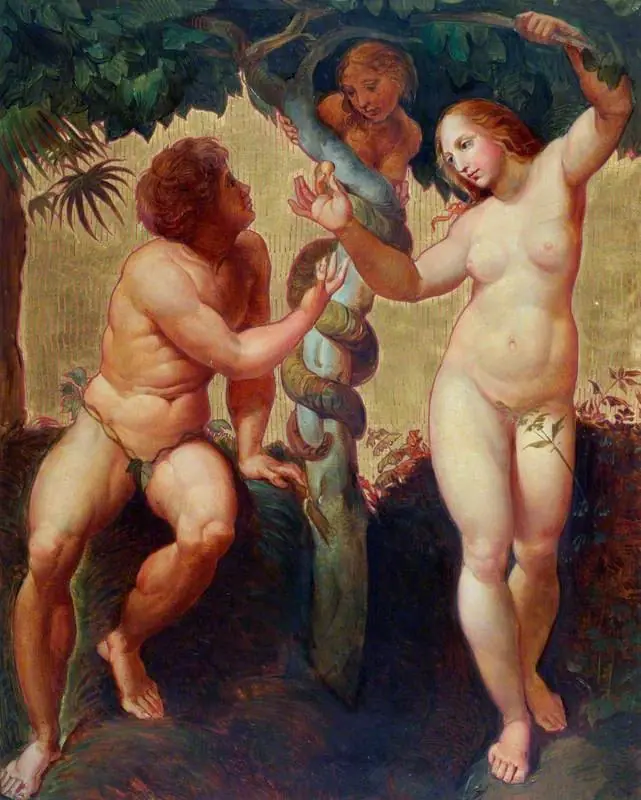
The painting depicts the biblical narrative of the Fall of Man, centering on the figures of Adam and Eve within a religious context.
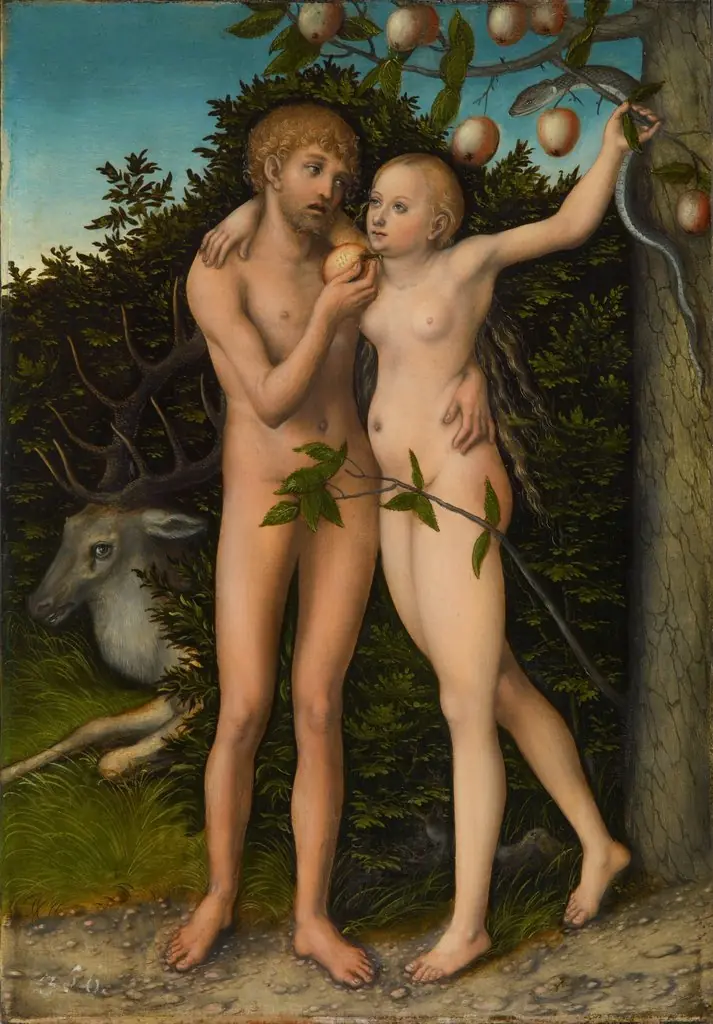
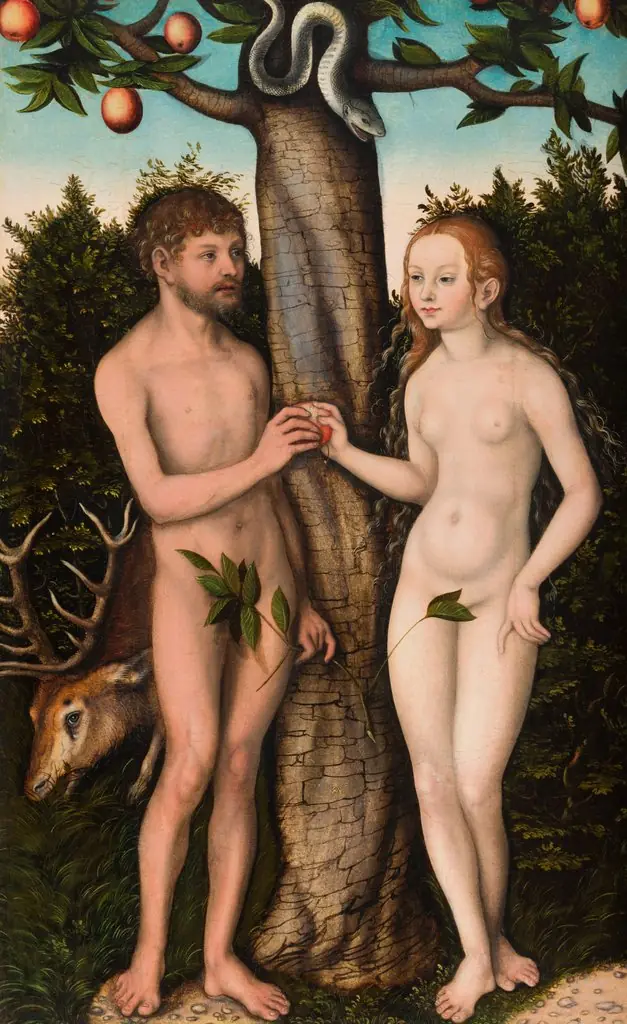
The painting depicts the biblical narrative of the Fall of Man, centering on the figures of Adam and Eve within a religious context. The composition explicitly includes the apple and the tree, serving as the primary iconographic elements that identify the moment of temptation and transgression. As the main subject, the work represents the theological event of humanity's original sin.
Created in 1545, this piece functions as a visual interpretation of the Genesis story, utilizing these specific symbols to convey the narrative of the first humans' disobedience.
Technique & Style
The work is a painting executed in oil on panel, representing a religious scene of the fall of man. It depicts Adam and Eve with an apple beneath a tree, illustrating the moment of transgression. The composition follows a conventional Renaissance approach to narrative clarity and symbolic detail, reflecting the stylistic norms of 16th‑century Northern European art.
The surface bears the wear typical of panel paintings of its age, though the overall condition remains stable within the museum's conservation records.
History & Provenance
The Fall of Man was created in 1545 as a religious painting. Its documented ownership history begins with Bartolomeo della Nave, a Venetian collector whose holdings formed the basis of the work's early provenance. The painting subsequently passed to James Hamilton, 1st Duke of Hamilton, before entering the collection of Archduke Leopold Wilhelm of Austria. It is now held in the Kunsthistorisches Museum, where it remains part of the museum's collection.
No information regarding the specific circumstances of the painting's commission or its creator is provided in the available sources. The chain of custody from Bartolomeo della Nave through the Duke of Hamilton to the Archduke and ultimately to the Kunsthistorisches Museum is, however, clearly attested.
The painting is housed in the Kunsthistorisches Museum, where it is catalogued under inventory number 2003/999. It entered the museum's collection through the inheritance of Archduke Leopold Wilhelm of Austria, later passing via the Habsburg family holdings before formal accession. The work was displayed in the museum's 19th-century European paintings gallery as part of the permanent display.
Overview
The work depicts a nude male and female figure within a dense, shadowy forest. The man, bearded and with his arms crossed over his chest, remains motionless, while the woman extends her hand toward a branch bearing an apple. The composition is dominated by dark green foliage and stark contrasts of light and shadow.
Context
Works that explore the Adam and Eve narrative often use nudity and natural settings to emphasize vulnerability and moral stakes. This painting aligns with that tradition, situating the figures in a secluded woodland rather than a garden, thereby heightening the sense of isolation.
Artist & collection

![The Fall of Man [middle panel]](https://artifactworldgallery.com/img/the-fall-of-man-middle-panel--51048cc74e2325c7-w320.webp)