Artwork
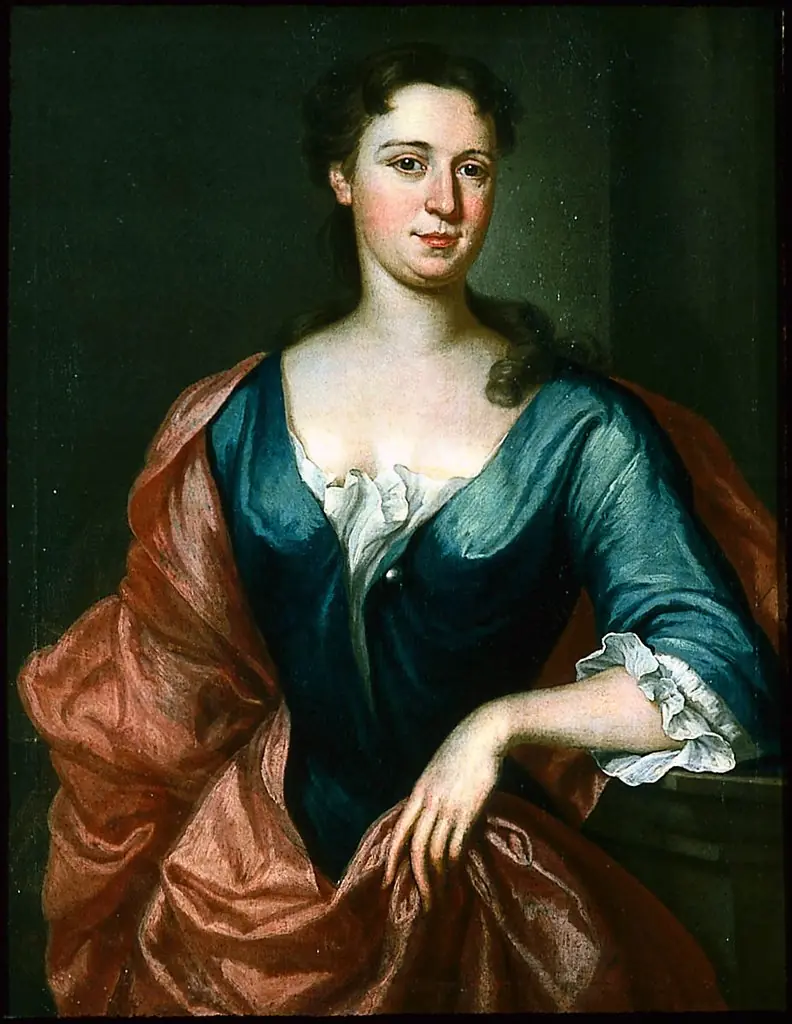
Portrait of a Lady
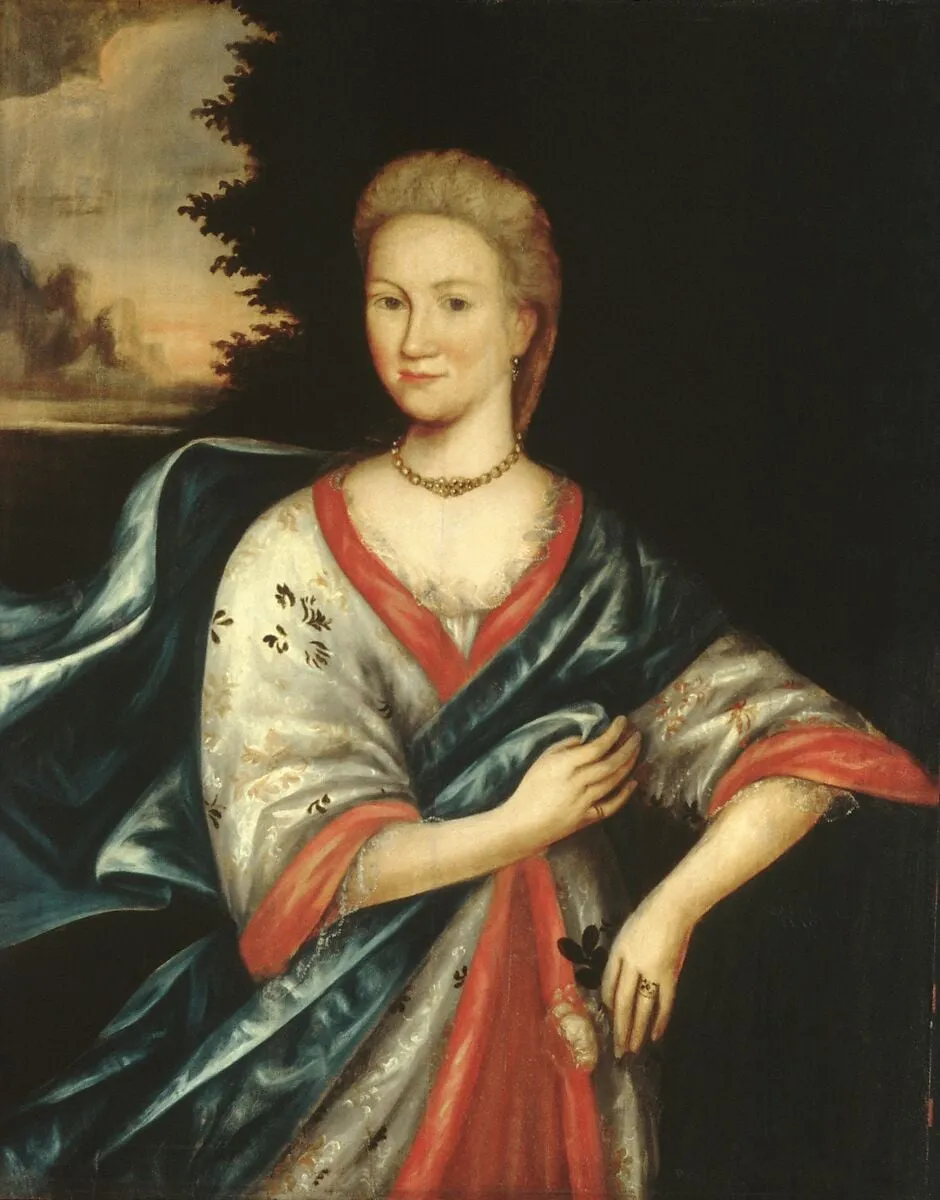
Portrait of a Lady is an oil painting by the Baroque artist Gerrit Duyckinck. It dates from 1710 and is held in the collection of the Metropolitan Museum of Art.
- Accession no.
- 1972.263.1
- Credit line
- Gift of Edgar William and Bernice Chrysler Garbisch, 1972
About this work
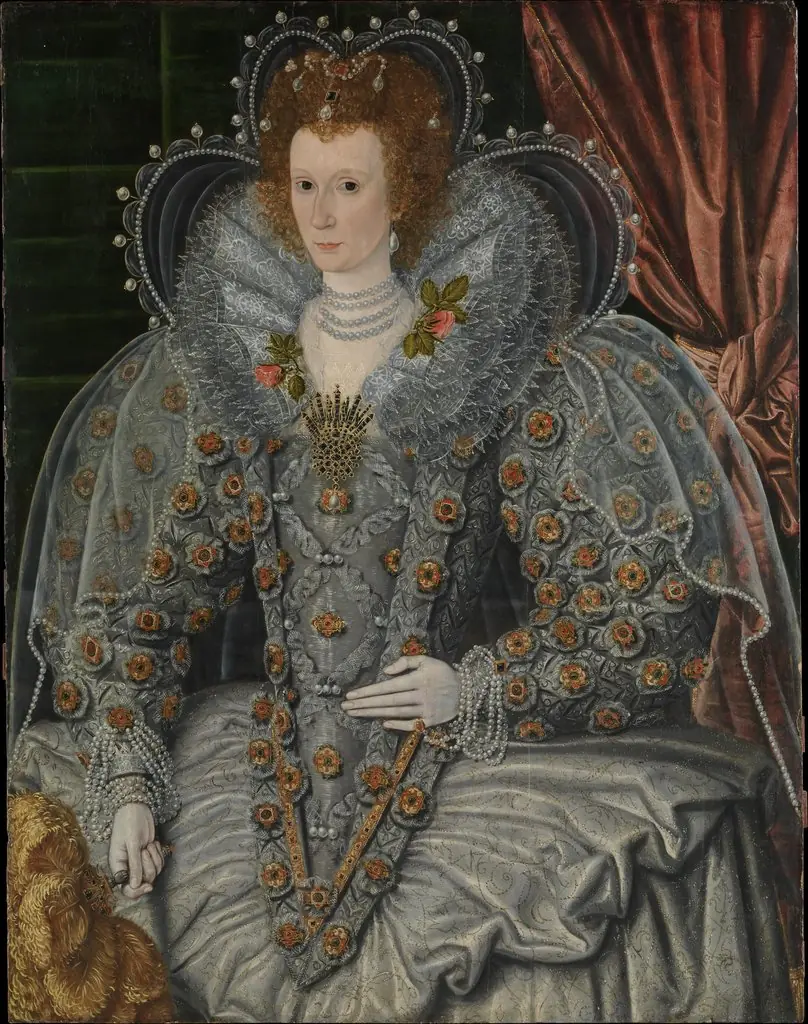
A woman in a dark dress holds a rose and points to a gold ring on her finger, her lace collar and pearl earrings catching the light against an almost black background. Duyckinck worked in New York around 1710, a rare look at how well-off colonial women dressed and posed.
Subject & Meaning
A single rose, often associated with love, beauty, and the fleeting nature of life, appears alongside her, adding a layer of symbolic meaning to the portrait.
The painting portrays an unidentified woman, likely a member of the colonial elite, dressed in fine lace and adorned with a necklace, ring, and earrings that signal her wealth and refined taste. A single rose, often associated with love, beauty, and the fleeting nature of life, appears alongside her, adding a layer of symbolic meaning to the portrait. The combination of luxurious textiles, precious metals, and the floral motif constructs an image of genteel femininity and social standing, while the direct gaze invites viewers to contemplate her identity and the values of early‑eighteenth‑century American portraiture.
Technique & Style
Attributed to Gerrit Duyckinck, this portrait from 1710 is executed in oil paint on a wooden panel support. The work measures 104.8 cm in height and 83.2 cm in width. Stylistically, the artist employs oil techniques to render fine details of the sitter's attire and accessories, specifically depicting lace, a necklace, a ring, and an earring.
A rose is also included as a formal element within the composition. The painting is currently held in the collection of the Metropolitan Museum of Art, where it is classified within The American Wing. The medium and support are consistent with early 18th-century American portraiture, focusing on the realistic portrayal of the female subject and her jewelry.
History & Provenance
The Portrait of a Lady is attributed to the American painter Gerrit Duyckinck and has been dated to around 1710. Executed in oil on a wooden panel, the work depicts a woman adorned with lace, jewelry and a rose. According to its catalog record, the painting has been part of the Metropolitan Museum of Art’s collection, where it is currently housed. No earlier ownership, commission details or exhibition history are provided in the available sources.
The painting is part of the collection of the Metropolitan Museum of Art, where it is classified under The American Wing. Wikidata records its location at the Metropolitan Museum of Art and confirms its inclusion in that institution's holdings. No specific accession number, inventory reference, or exhibition history is provided in the available sources, so those details cannot be stated here.
Overview
This oil on wood, titled Portrait of a Lady, was created by Duyckinck in New York around 1710. It offers a valuable representation of an affluent woman from the American colonies during a period when most portraiture depicted subjects in England. The artwork is characterized by its dark background and the sitter's elegant attire, providing insight into early colonial society and artistic practices.
Context
Created in New York around 1710, this work provides a significant document of colonial life. At a time when most painted portraits originated from or depicted subjects in England, Duyckinck's work offers a distinct perspective on the fashion and social presentation of prosperous women in the American colonies. It reflects the emerging cultural landscape of the New World.
Artist & collection
Artist
Gerrit Duyckinck was born in 1660 in New Amsterdam, the son of Evert Duyckinck, a portraitist and glazier, and Hendrickje Simons.

- Mrs. Augustus Jay
 Portrait of a Young Woman
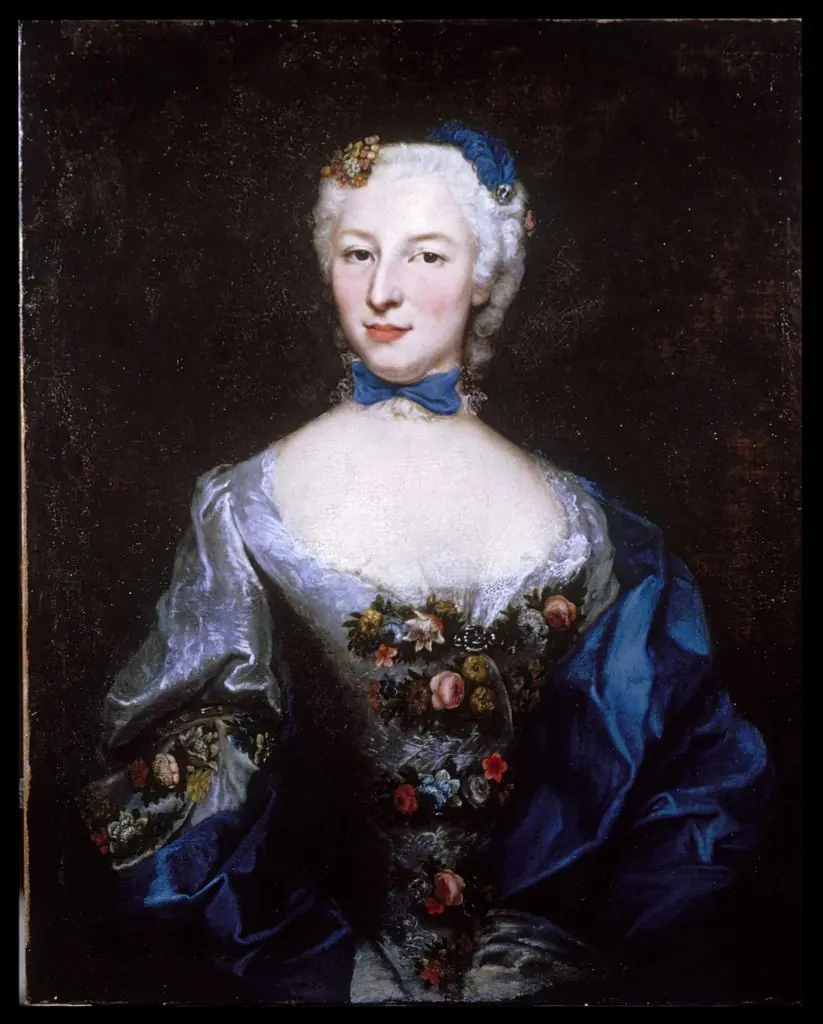 Portrait of a Lady
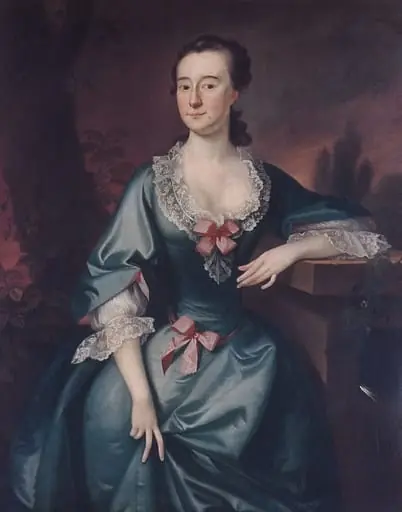 Mrs. David Chesebrough
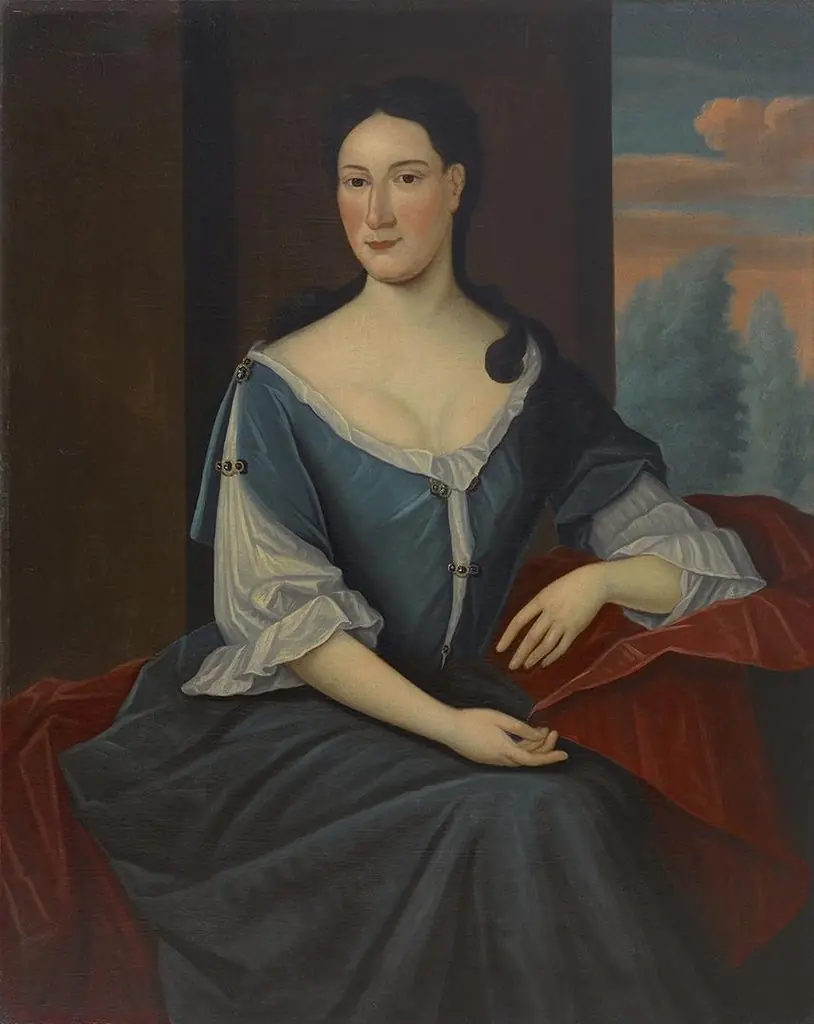 Mrs. Jacob Franks (Abigaill Levy)
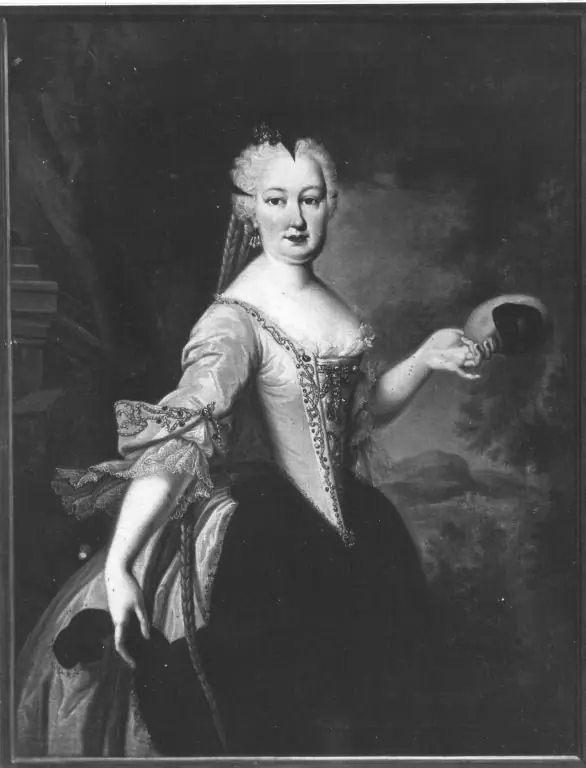 Bildnis der Maria Franziska Dorothea von Pfalz-Sulzbach, Herzogin von Zweibrücken-Birkenfeld (1724-1794)
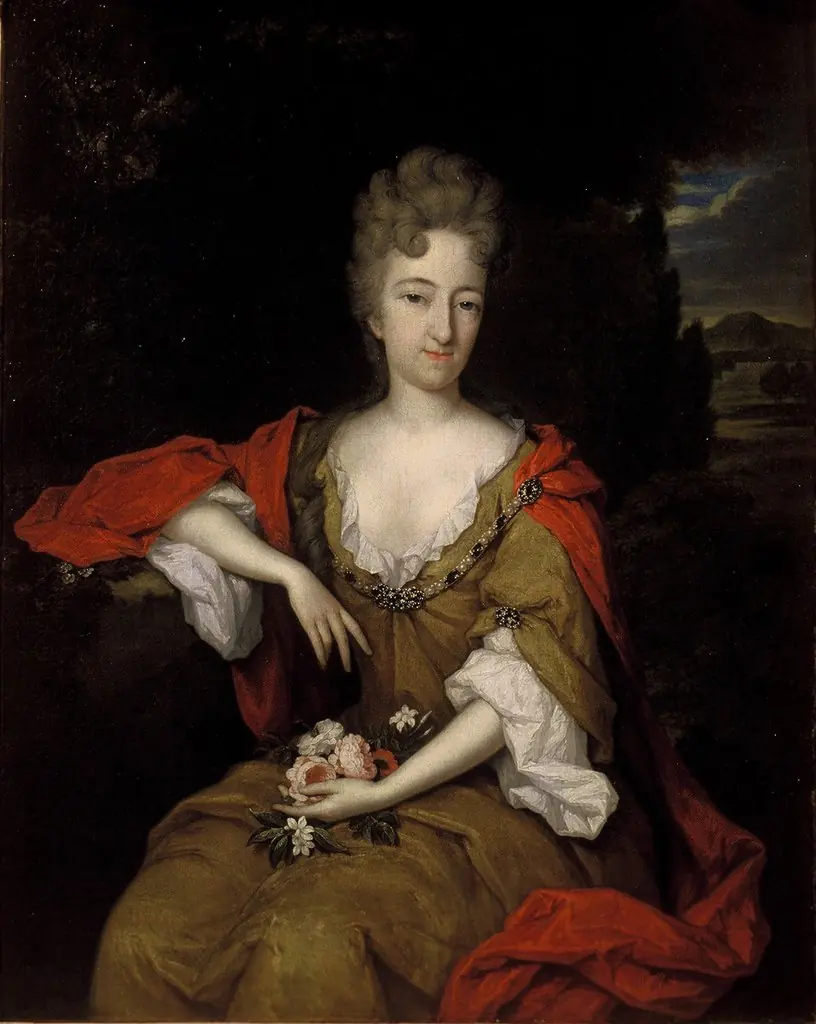 Portrait of Anna Maria Roman (1680-1758)
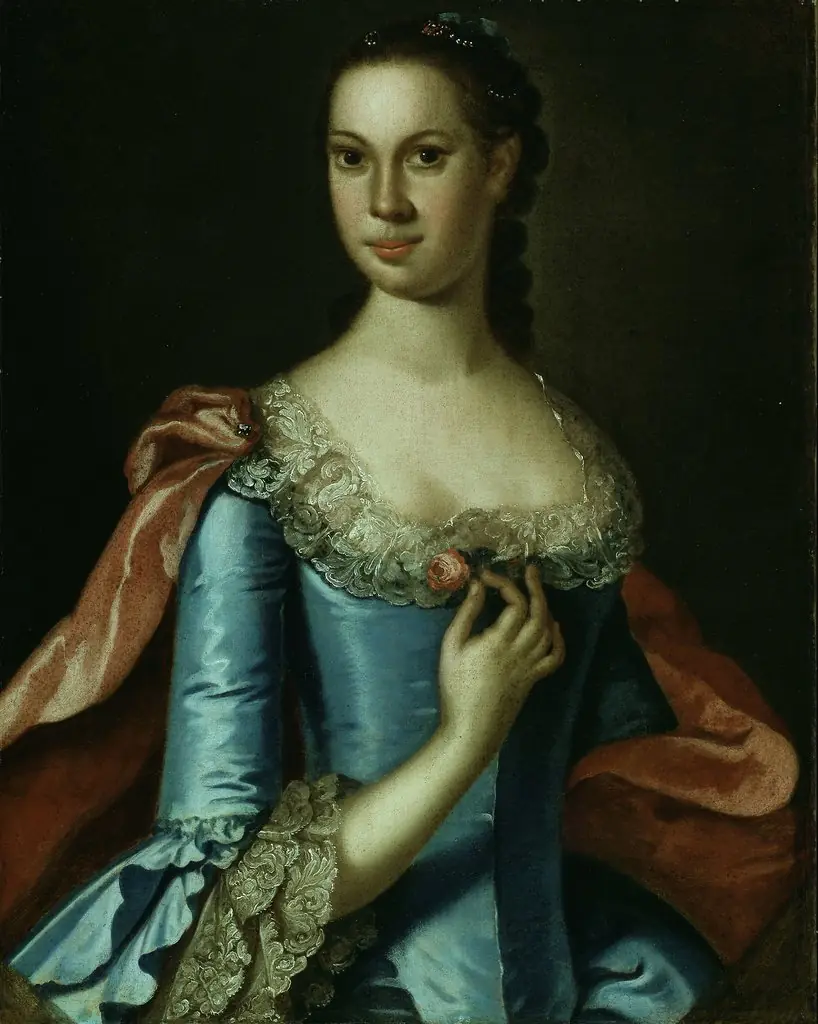 Mrs. William Carmichael
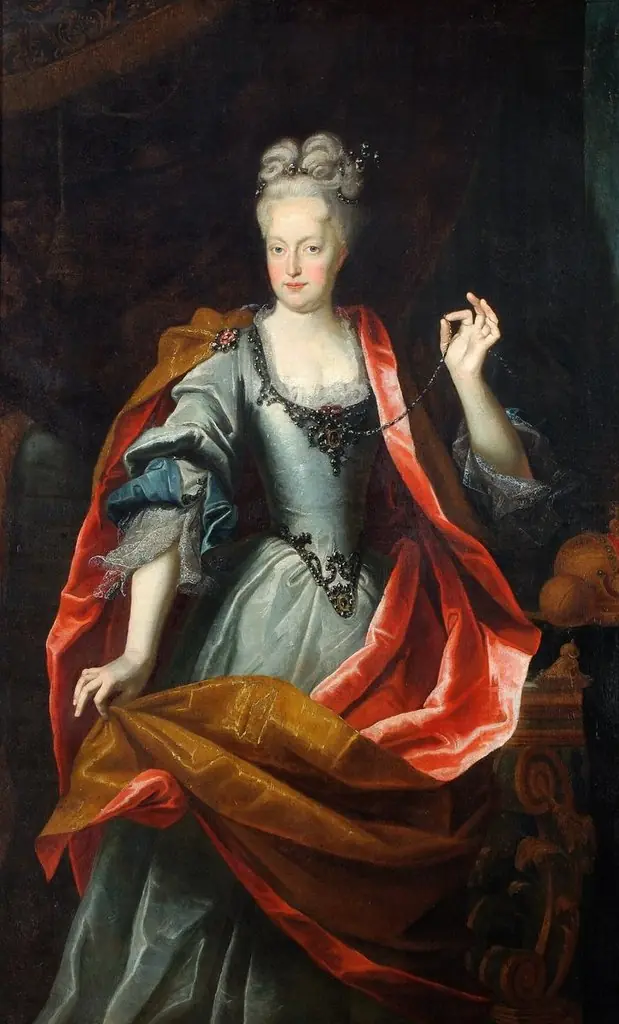 Portrait of Elisabeth Christine von Braunschweig-Wolfenbüttel
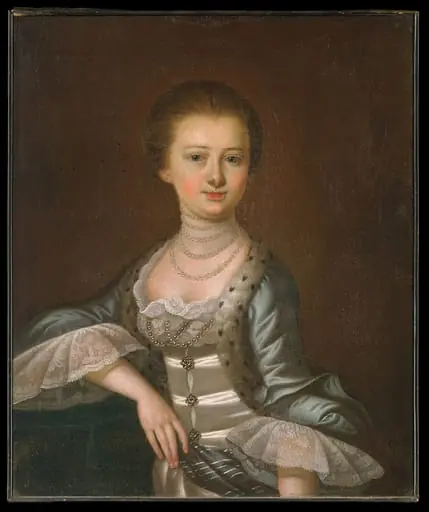 Mrs. John Dart
 Mrs. Tyng
 Untitled