Artwork
Returned Family in a Moonlit Square
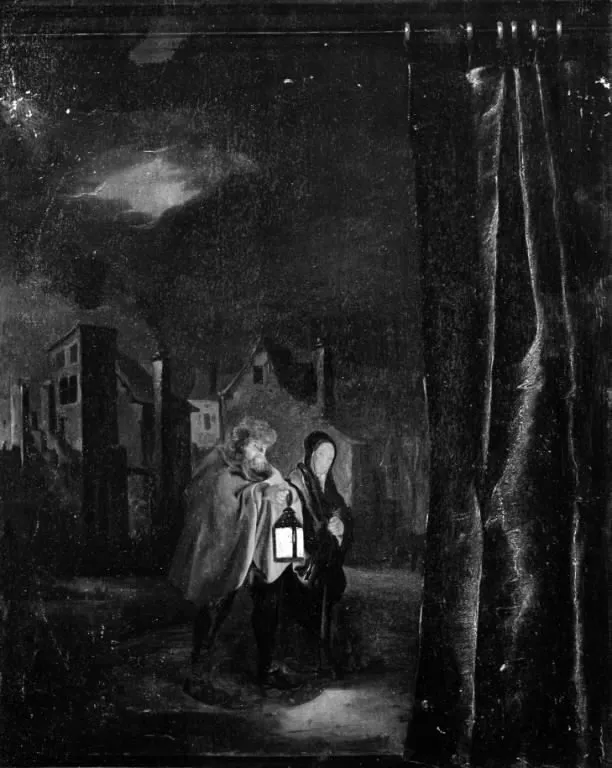
Returned Family in a Moonlit Square is an unspecified painting by the Dutch Golden Age artist Gerrit Lundens. It dates from 1669 and is held in the collection of the Statens Museum for Kunst.
About this work
Subject & Meaning
The scene is understood as a representation of a married couple, with the lamp symbolizing domestic illumination or moral clarity.
The painting shows a man and woman standing together in a moonlit square, accompanied by a lamp. The scene is understood as a representation of a married couple, with the lamp symbolizing domestic illumination or moral clarity. The composition emphasizes intimate union within a quiet nocturnal setting.
The work is part of the collection of the Statens Museum for Kunst, where it is catalogued under its original Dutch title.
History & Provenance
Gerrit Lundens created the painting Returned Family in a Moonlit Square in 1669. The work depicts a man, a woman, and a lamp within a moonlit setting. It is currently held in the collection of the Statens Museum for Kunst.
No further details regarding the original commission, specific ownership chain, or the circumstances of its creation are provided in the available records.
Gerrit Lundens' painting Returned Family in a Moonlit Square, dated 1669, is held in the collection of the Statens Museum for Kunst. The work is located within the museum's facilities in Copenhagen. While the sources confirm the institution's ownership and the painting's creation date, no specific inventory or accession number is provided in the available records. Additionally, the provided documentation does not contain details regarding the artwork's exhibition history.
Overview
Gerrit Lundens, a Dutch painter of the 17th‑century Golden Age, executed Returned Family in a Moonlit Square in 1669. The work belongs to the collection of Denmark’s Statens Museum for Kunst and exemplifies Lundens’s interest in everyday genre scenes, alongside his occasional portraiture.
Technique & Style
Lundens employs a stark chiaroscuro, using the lantern’s glow to create a pronounced contrast between illuminated and shadowed areas. This lighting scheme draws the eye to the figures and accentuates the texture of the surrounding stone façades, while the muted palette reinforces the nocturnal atmosphere.
Context
Lundens, who also managed a wine business and an inn, often depicted scenes drawn from daily life in Dutch cities. This work reflects the period’s fascination with the interplay of light and shadow, as well as the social rituals of evening gatherings in narrow, lantern‑lit streets.
Artist & collection
Artist
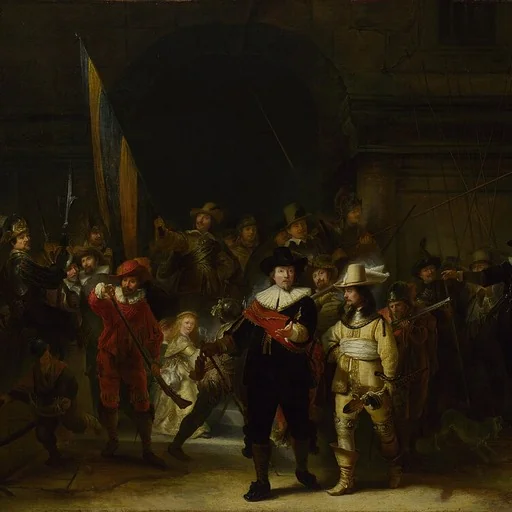
Gerrit Lundens (1622 – 1686), was a Dutch painter known for his genre scenes, portraits and a single vanitas painting.

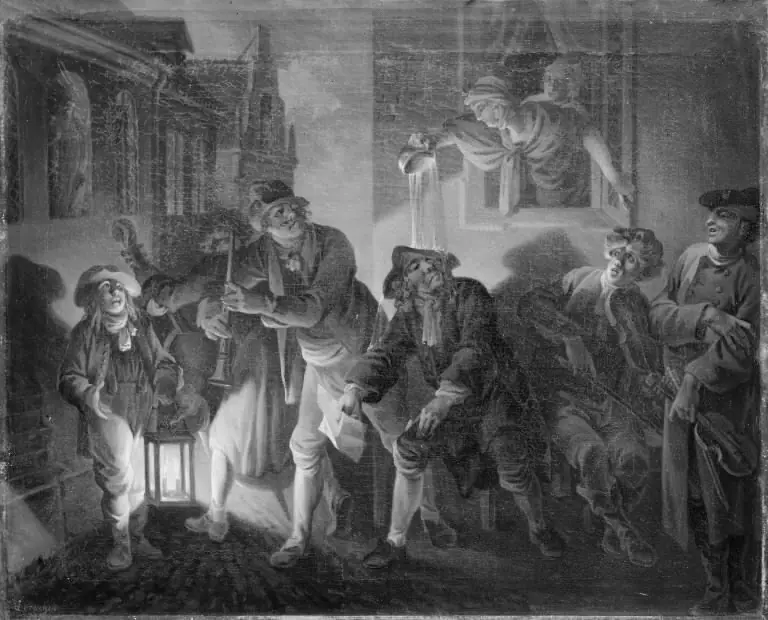 Den Vægelsindede, II akt, 16. scene
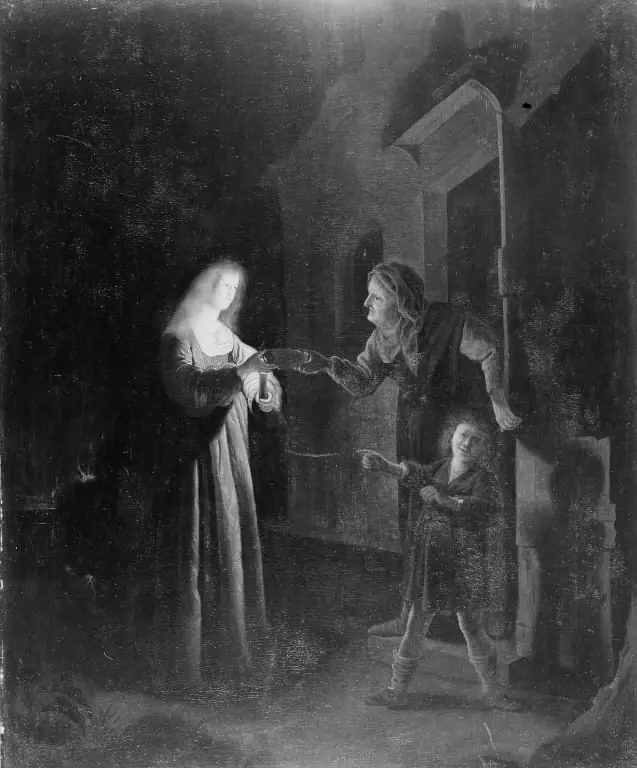 The Goddess Ceres in a Dutch Costume
 Moonlight
 Moonlight
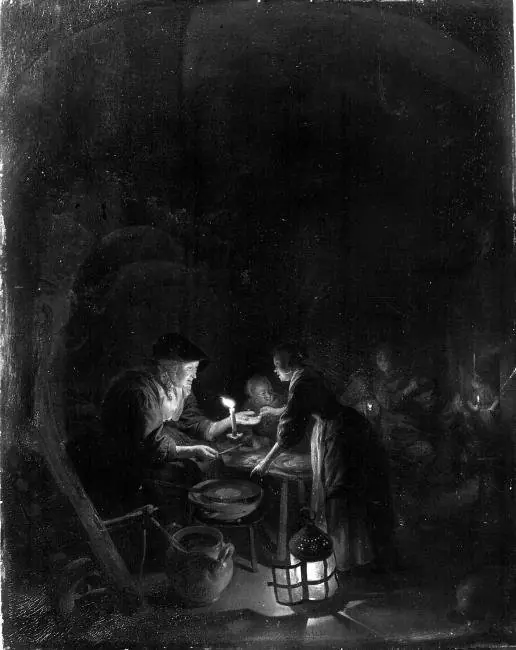 The Pancake Maker
 The Good Samaritan Paying the Innkeeper
 The Physician
 Abendlandschaft
 Lesende Nonnen (Art des)
 Romantisches Schloß bei Mondschein
 Måneskinslandskab med mytologisk (?) motiv
- Returned Family in a Moonlit Square